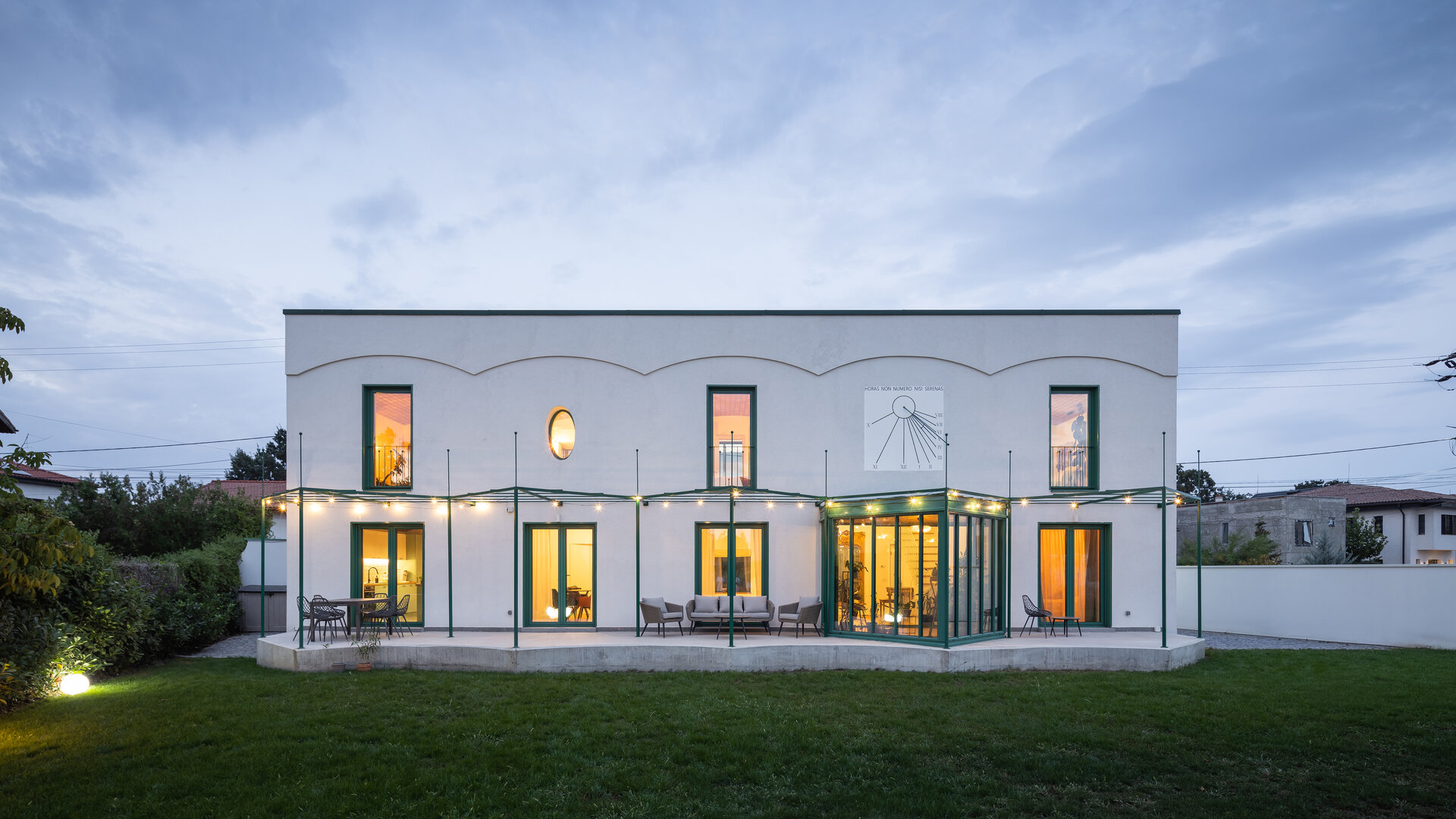
House on Martha Bibescu Street
Authors’ Comment
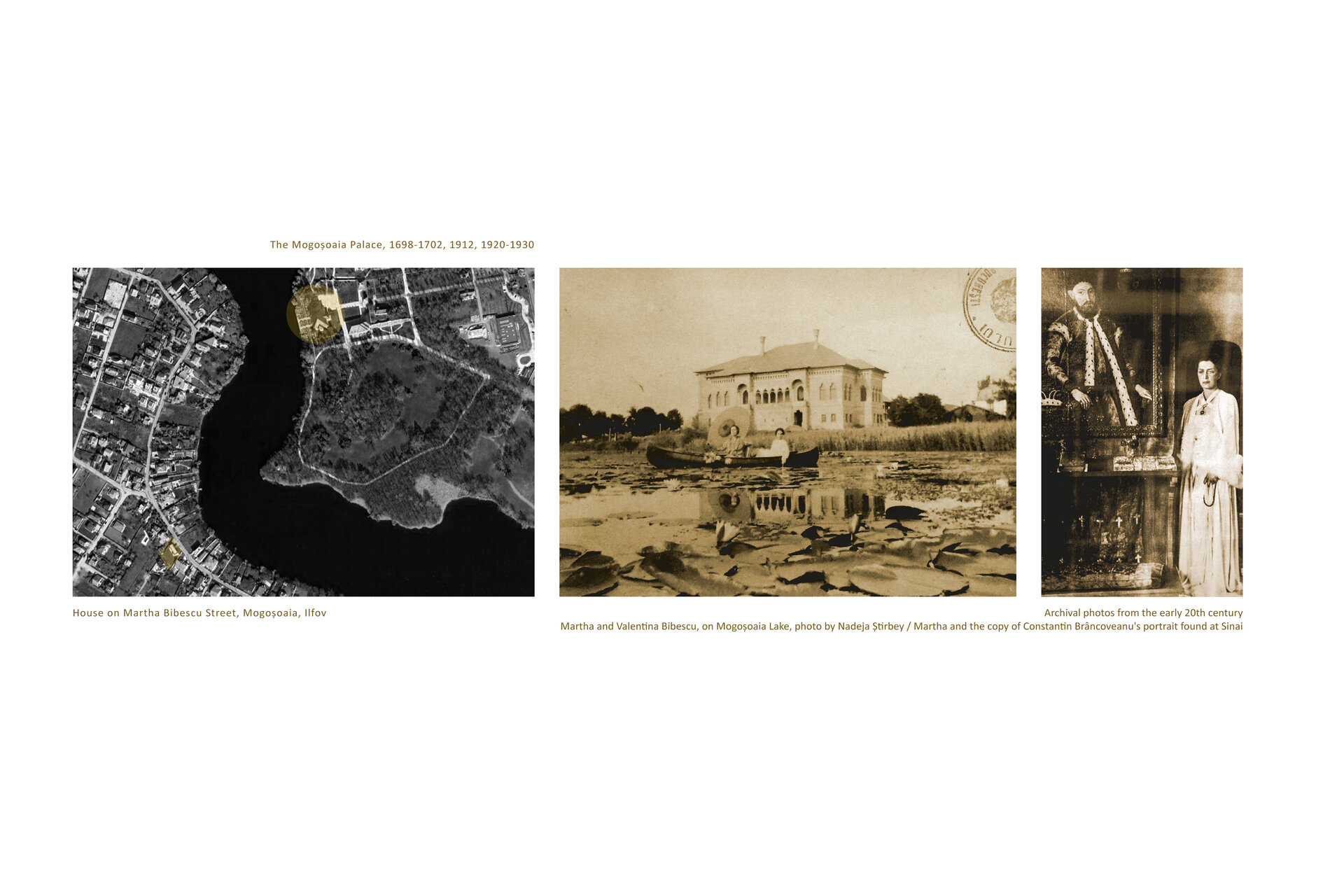
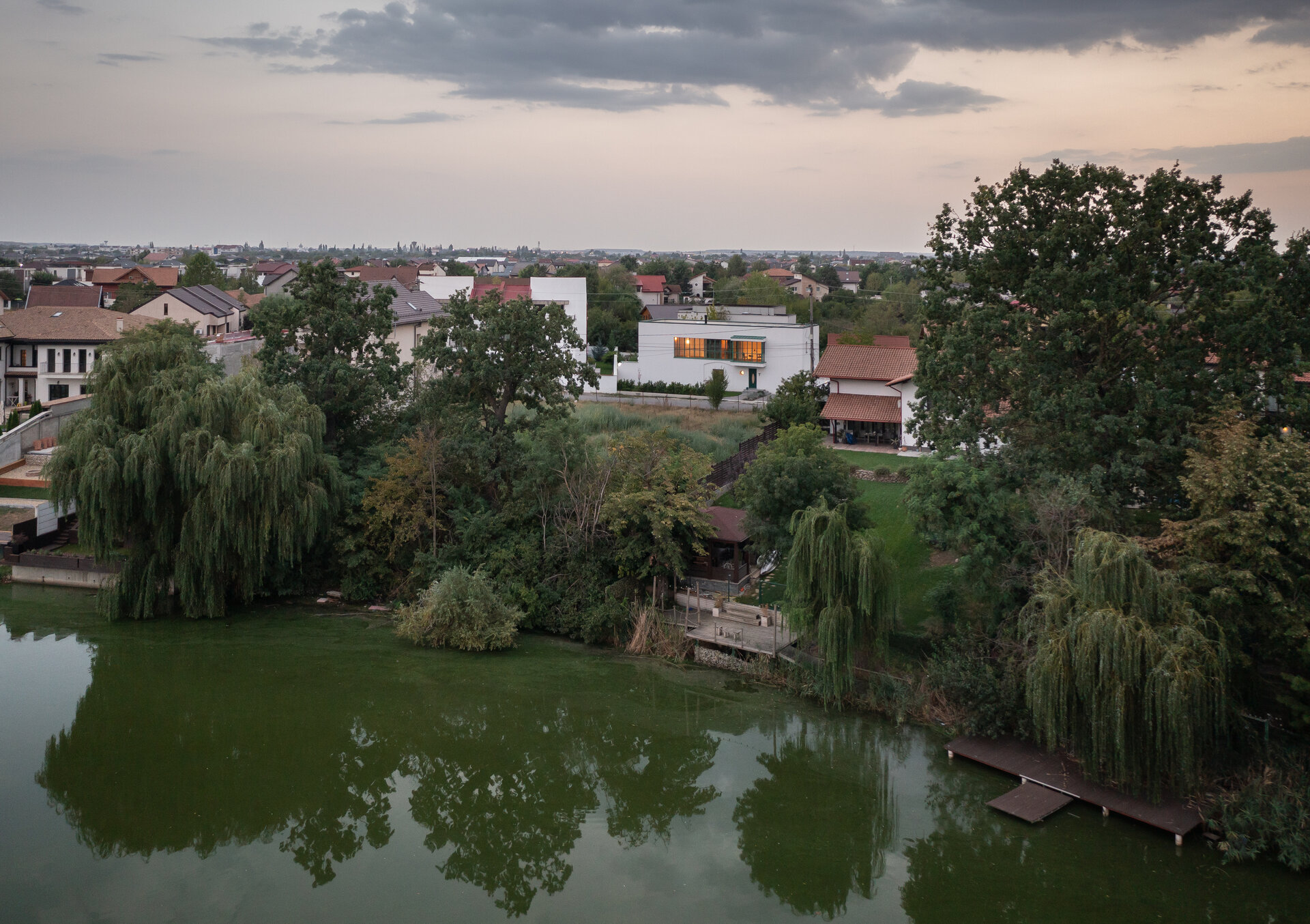
We have always been fascinated by the Mogoșoaia Palace, with its collection of spaces, with the eminently sequential plan, chamber like, perfected by the striking presence of the loggia, and with it’s mirroring in the waters of the lake. Built in the 17th century by Constantin Brâncoveanu, using craftsmen from Italy, the palace was saved from ruin by Martha Bibescu – a fascinating personality of the early 20th century – and remained for a long time a place of refuge, outside of the city, surrounded by fields and forests. The territory was urbanized at an alert and uncontrolled pace after the 1990s, starting with the street that runs along the opposite side of the lake and which, paradoxically, bears Martha Bibescu’s name. The houses here overlook the tranquillity of the Palace. Looking from the Palace, however, the landscape appears altered, in an architectural chaos characteristic of the entire periphery of Bucharest.
We tried not to start our design from the strictly measurable things, like square meters, or any other palpable entities of architecture, but rather from the opposites, purposely from un-nameable things, from moods, from proximities, and from the concealedness of architecture. We designed the house on Martha Bibescu street having several essential milestones in the back of our mind, as well as on the horizon:
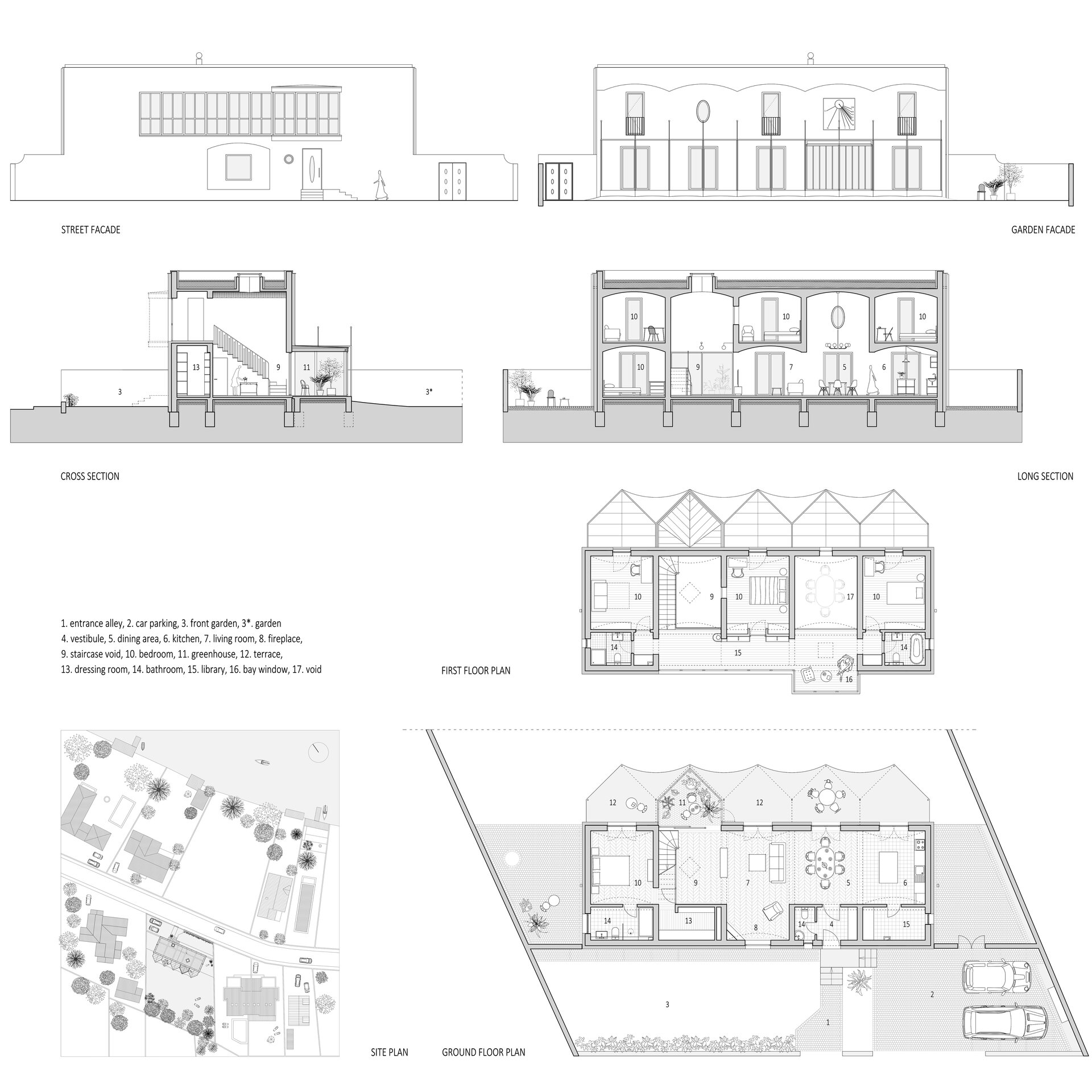
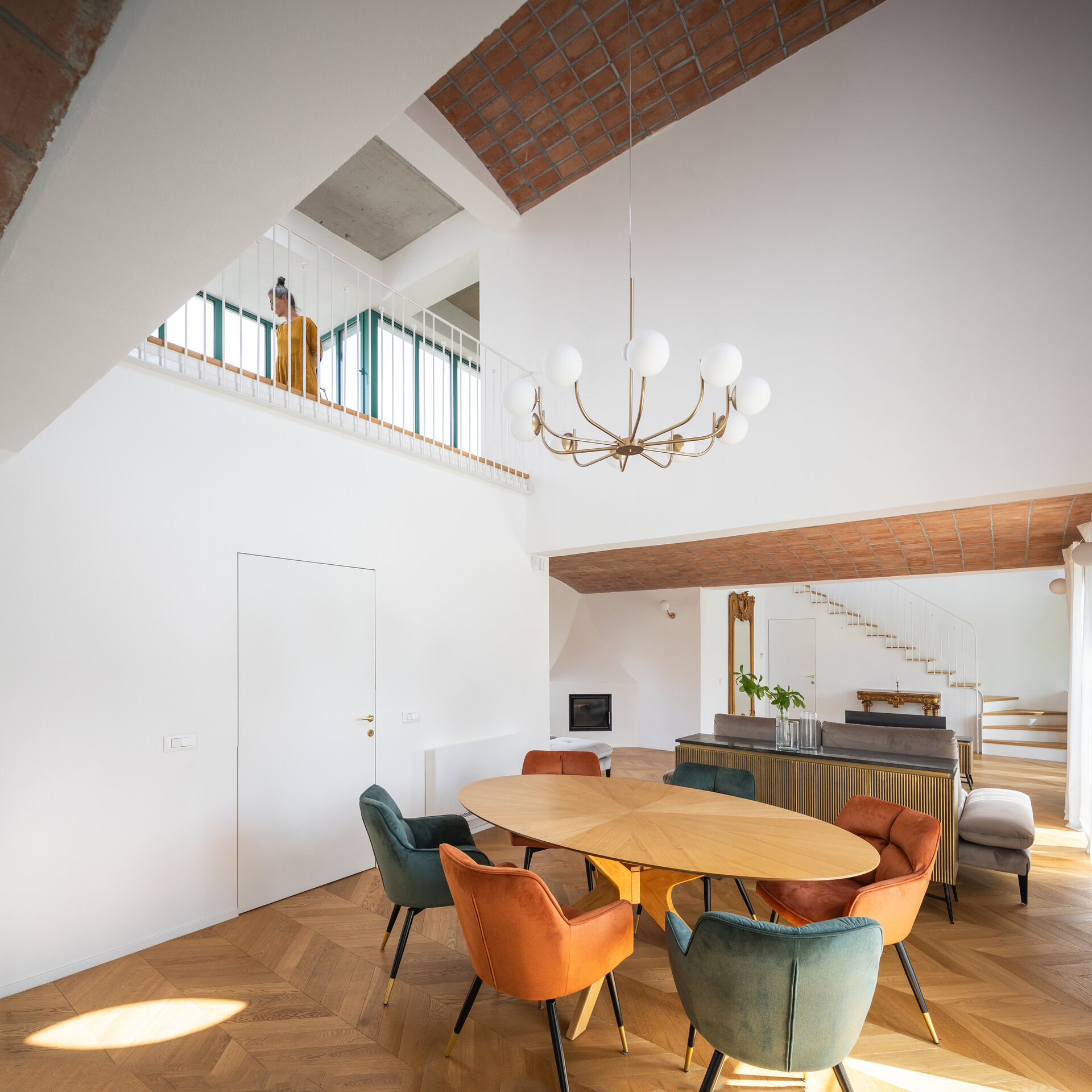
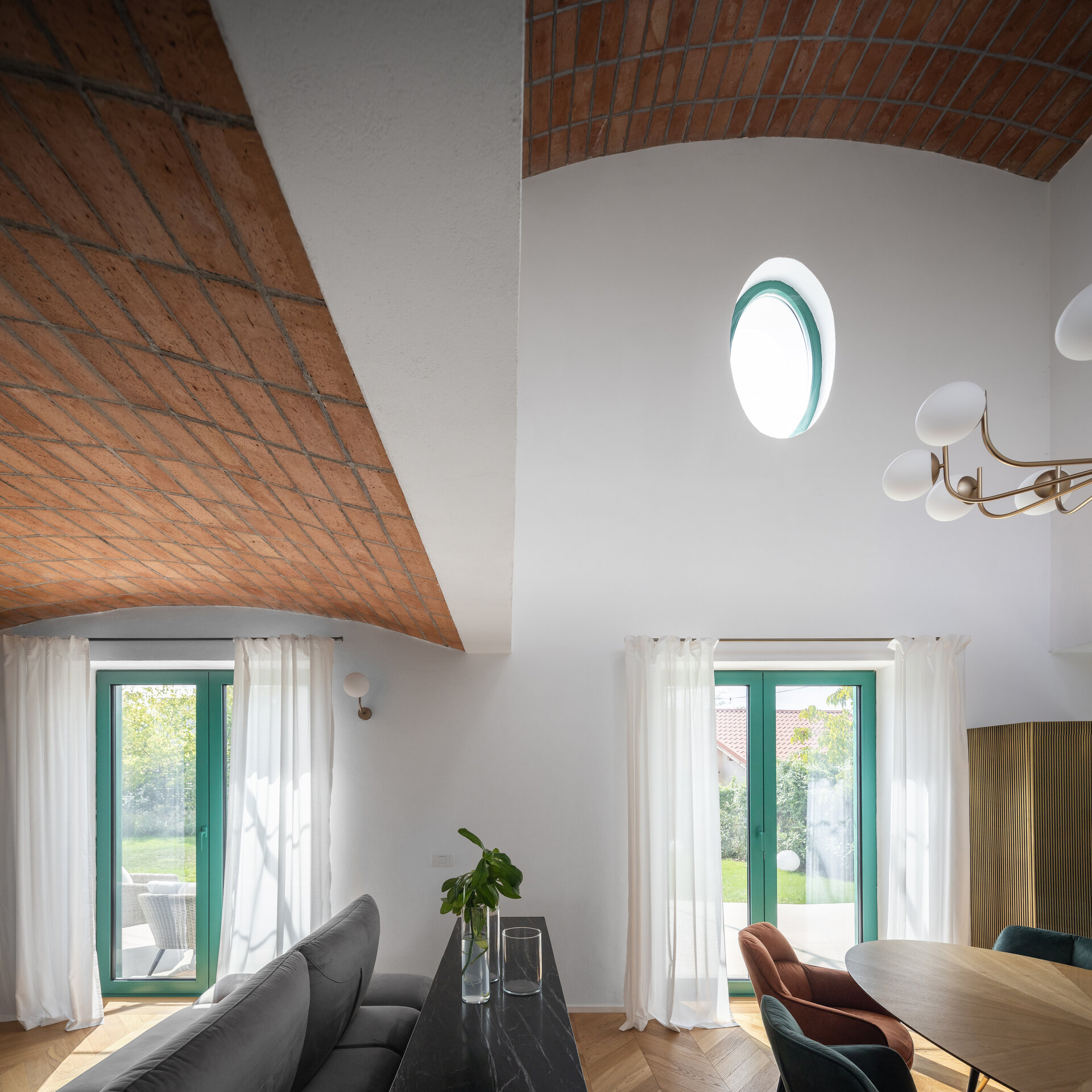
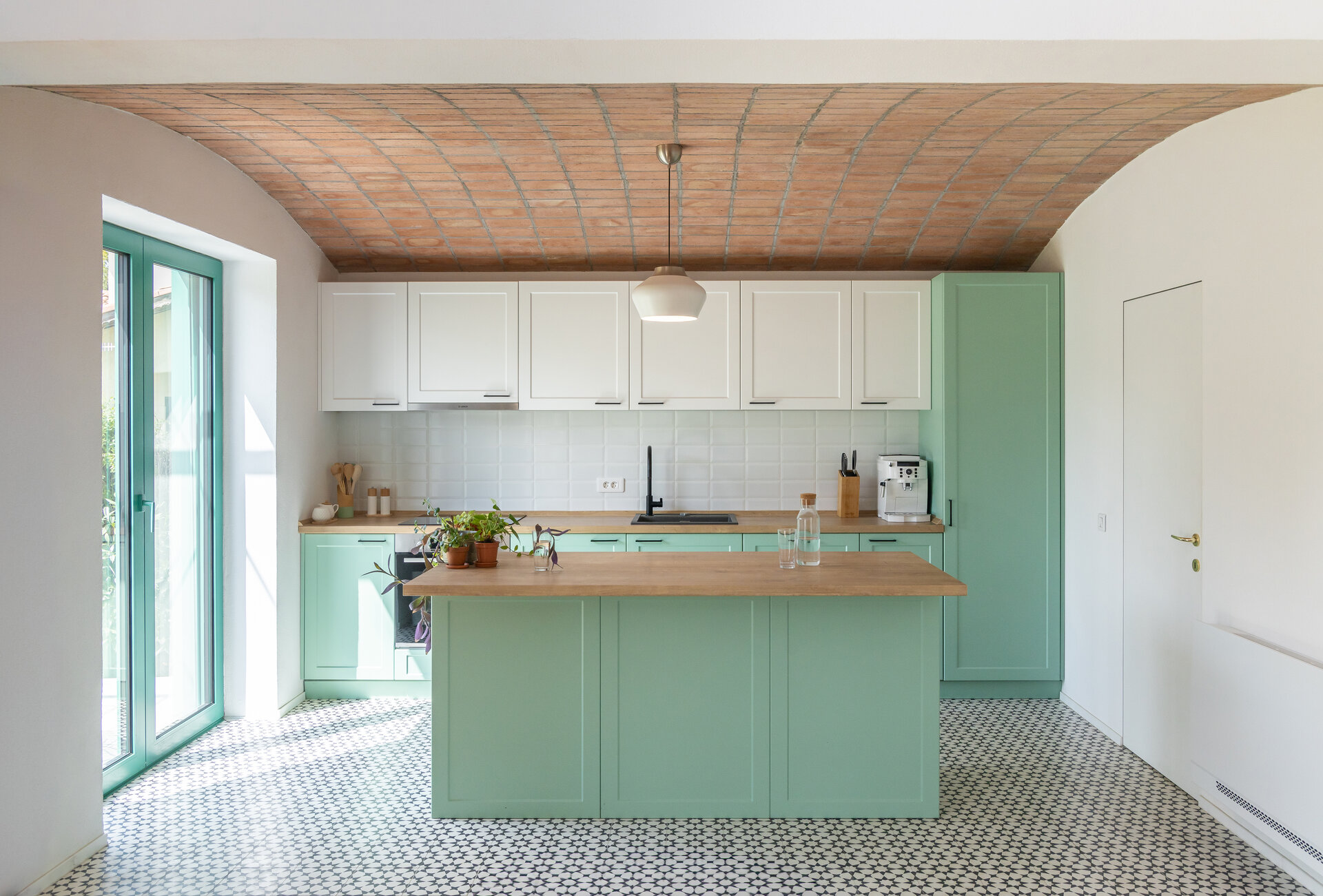
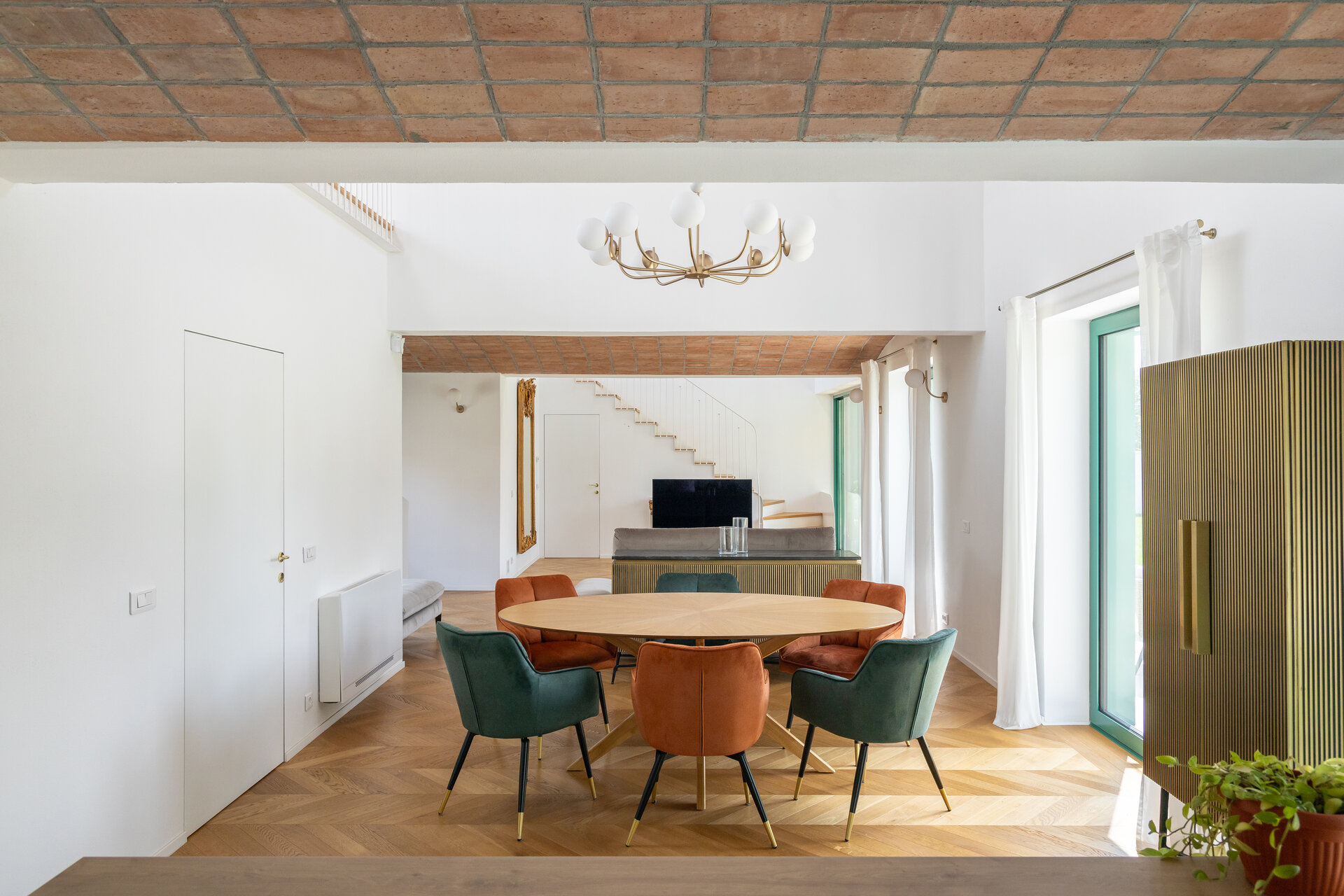
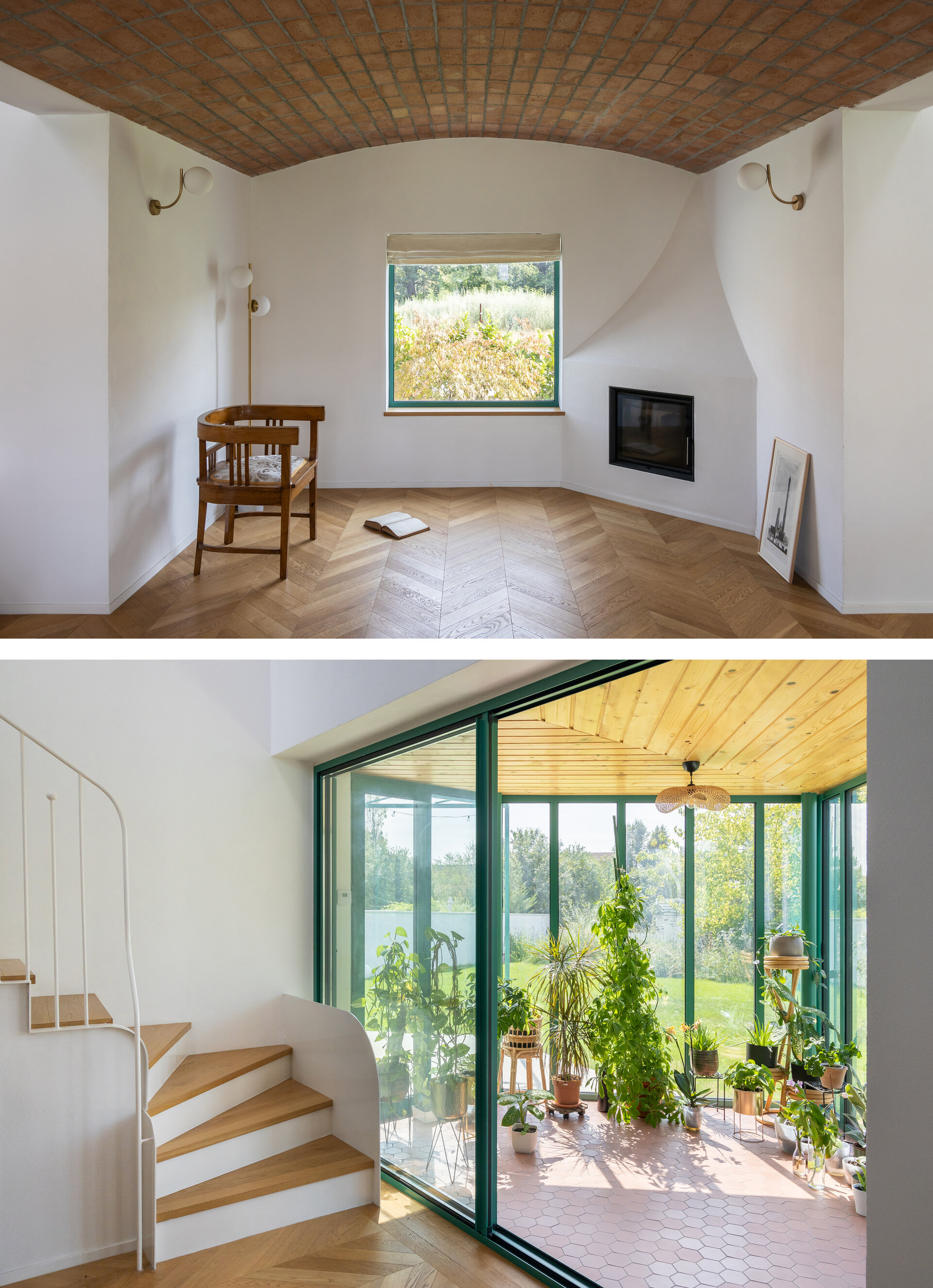
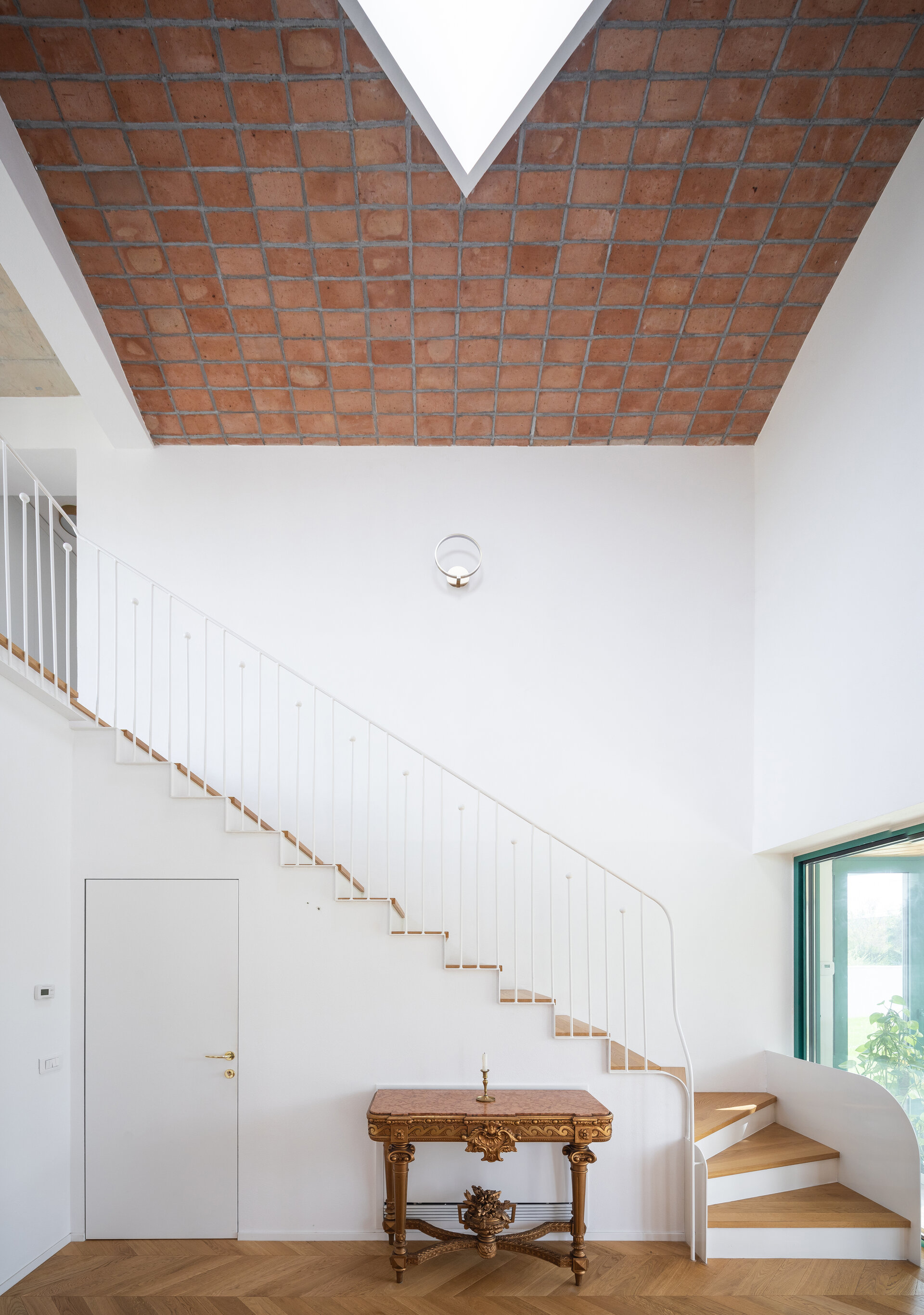
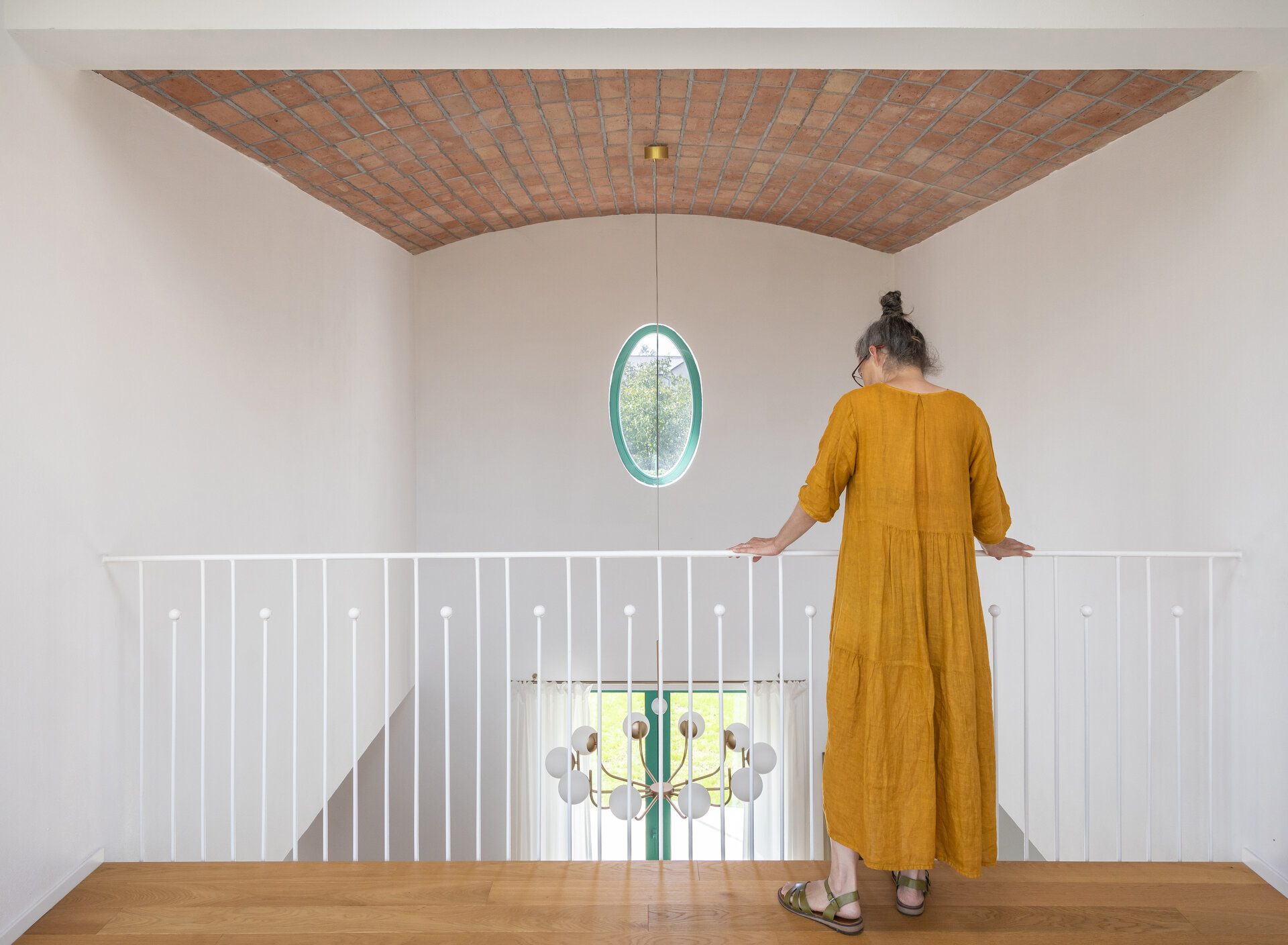
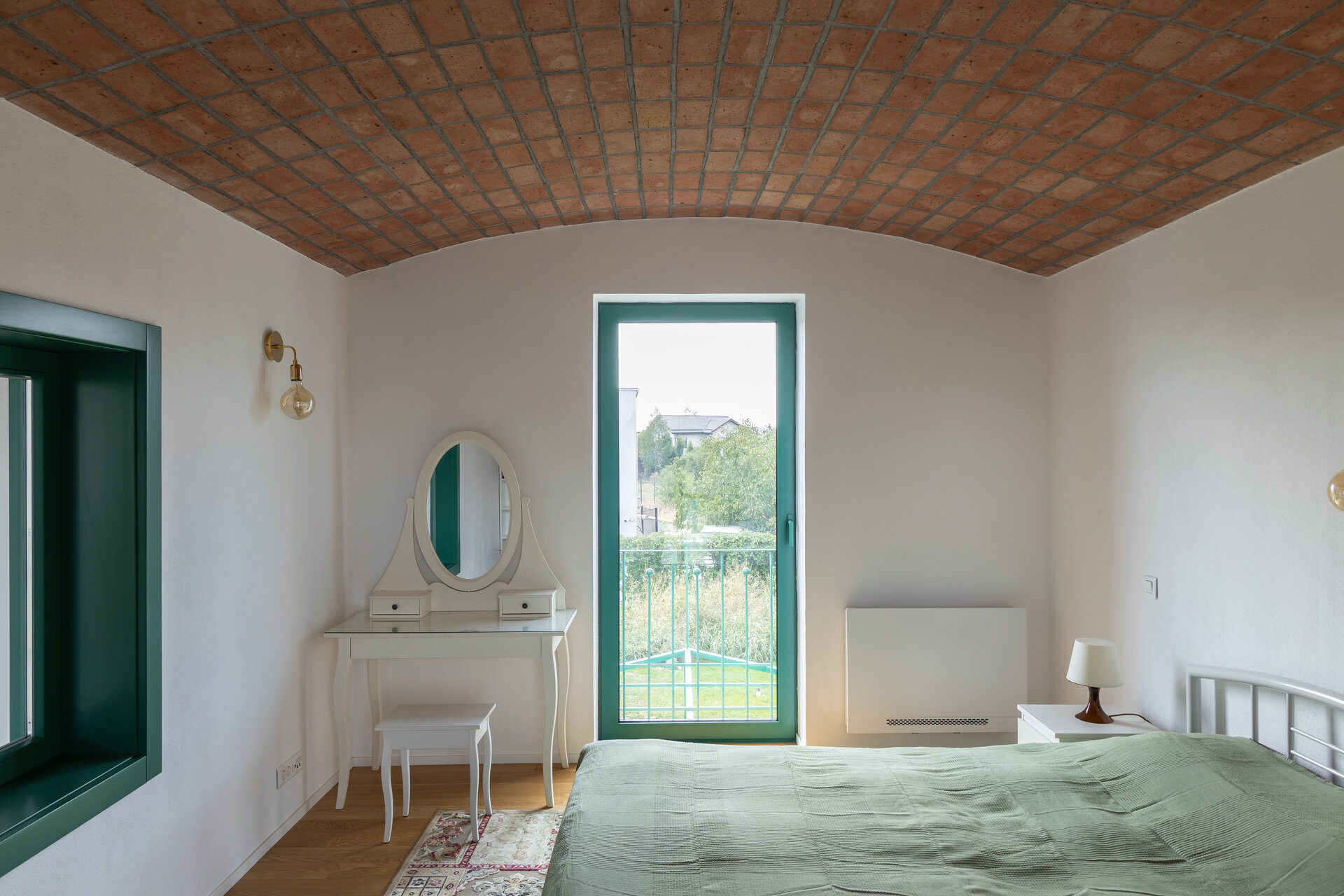
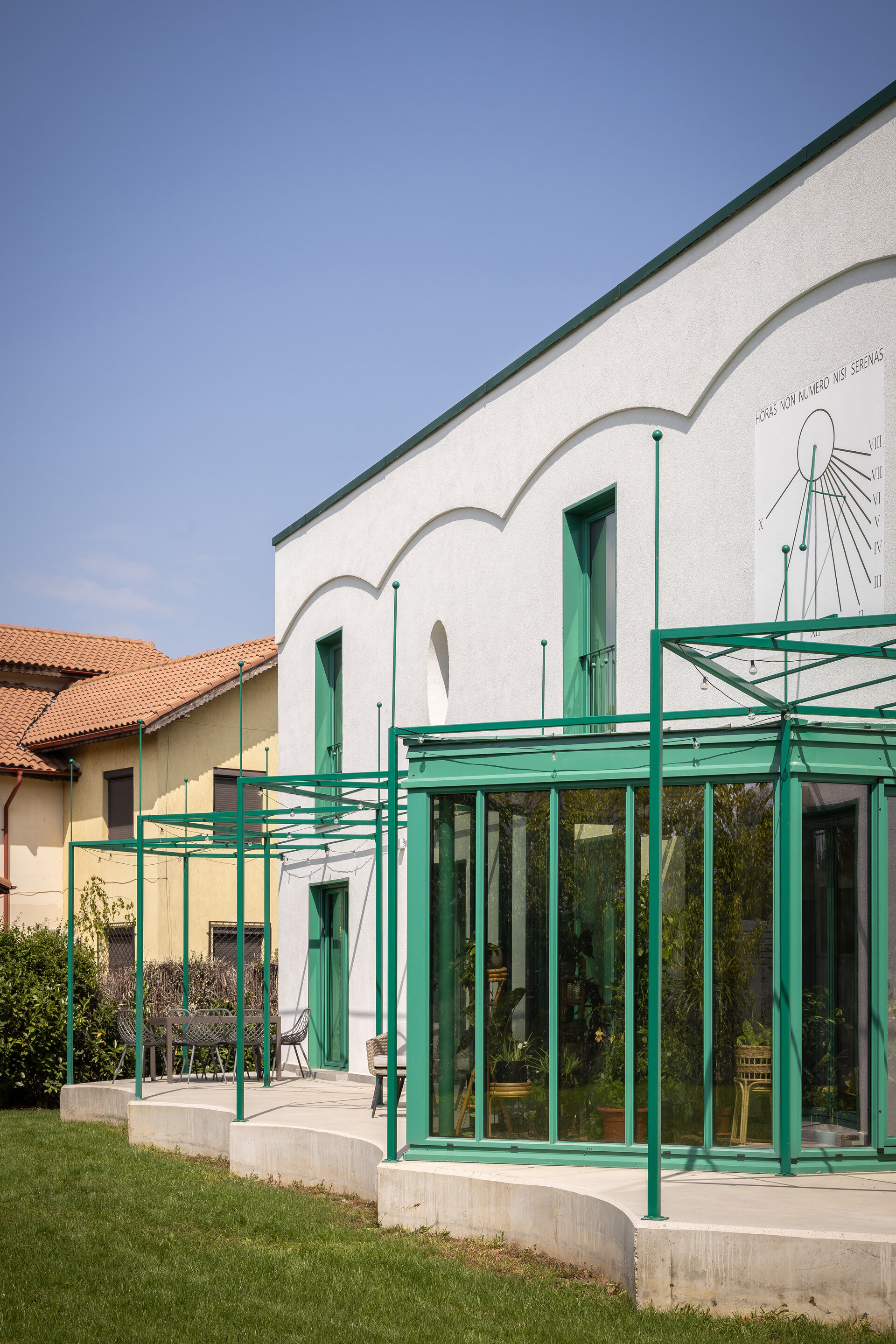
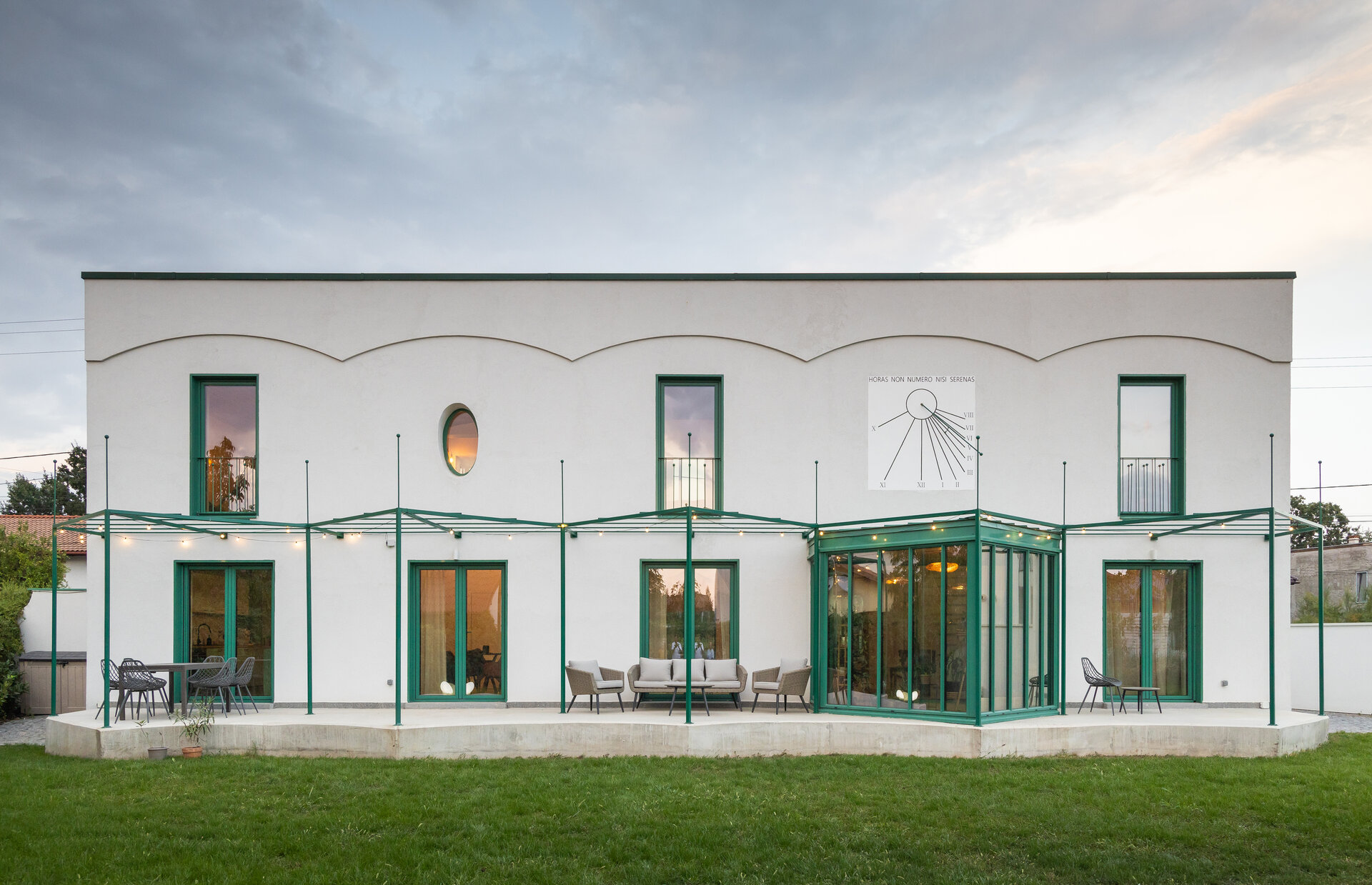
I. The project enhances the theme of ”the ideal palace” by positioning itself not only topological or geographical, but also typological in the vicinity of the palace across the lake, which was so loved by its princess with an European destiny. From here originates the series of equal spaces covered with low or high vaults, arranged in an enfilade on the ground floor, which impose the same matrix, the same cadence and measurement to both the halls as well as the sleeping rooms. This enfilade of similar spaces, all facing the garden, emanates outwardly a suite of weaker, finer spaces. Between these spaces modulated and lined with the folds and peaks of the concrete pedestal of the terrace, the greenhouse is interposed, also as a circumscribed vegetable place.
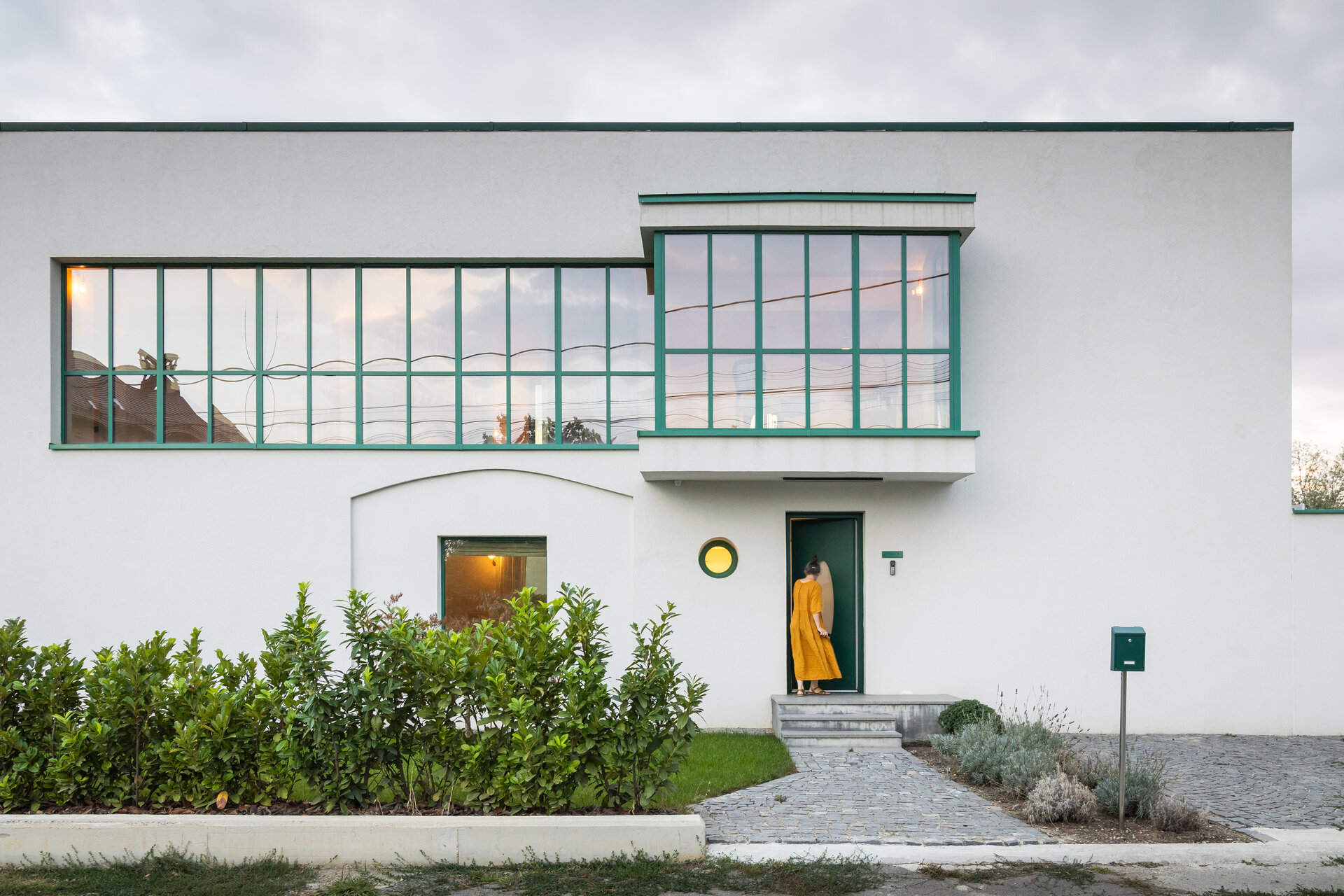
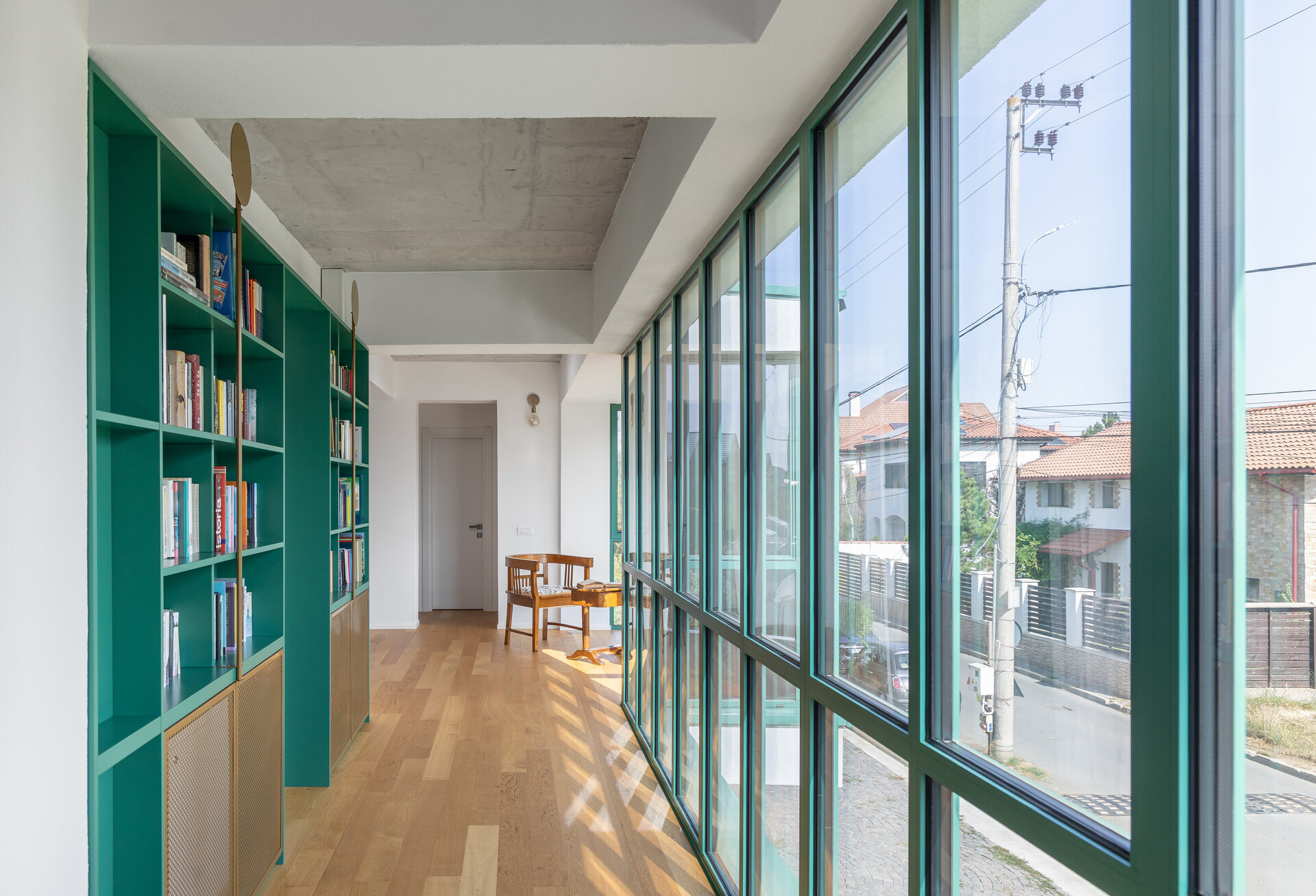
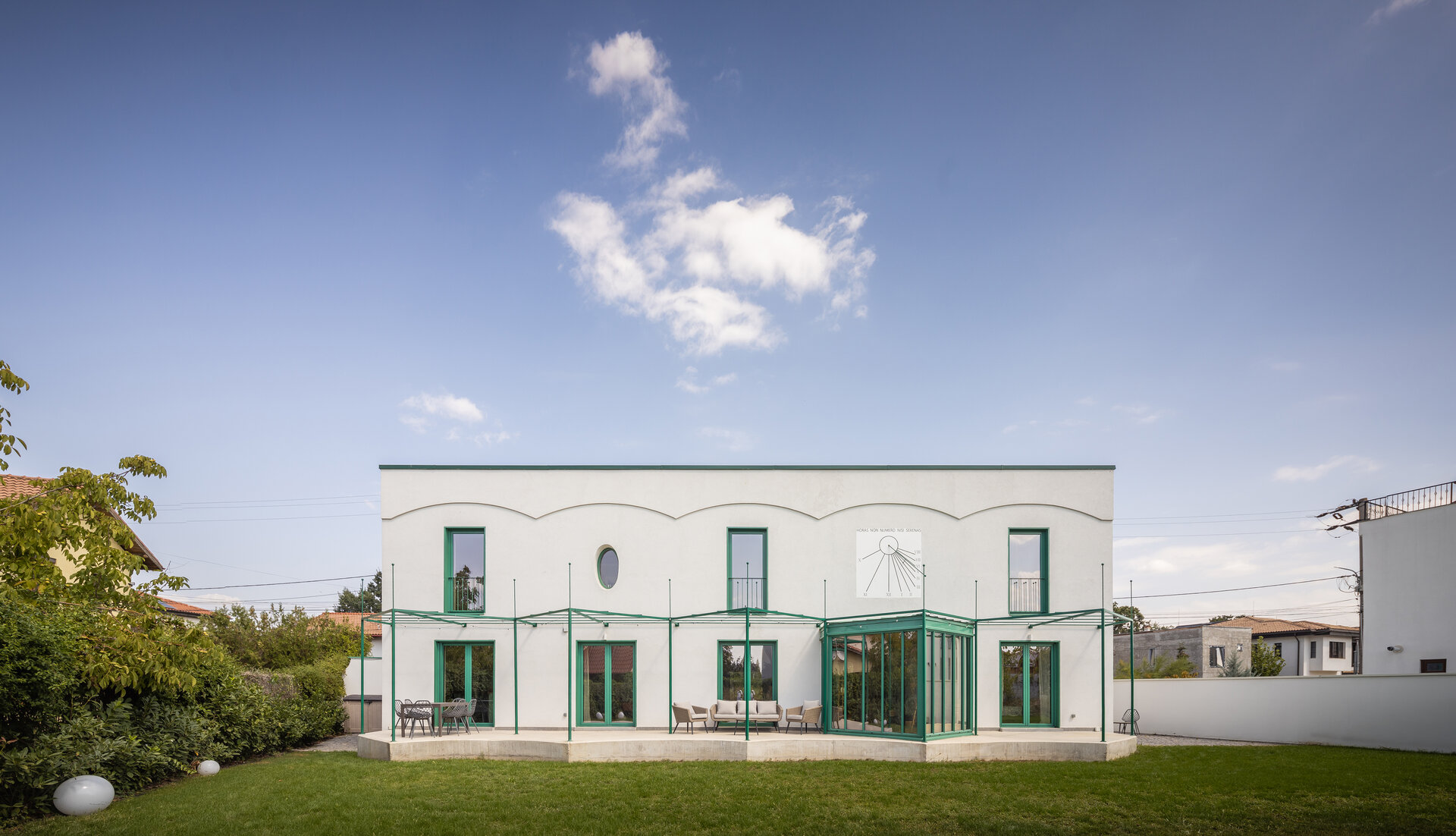
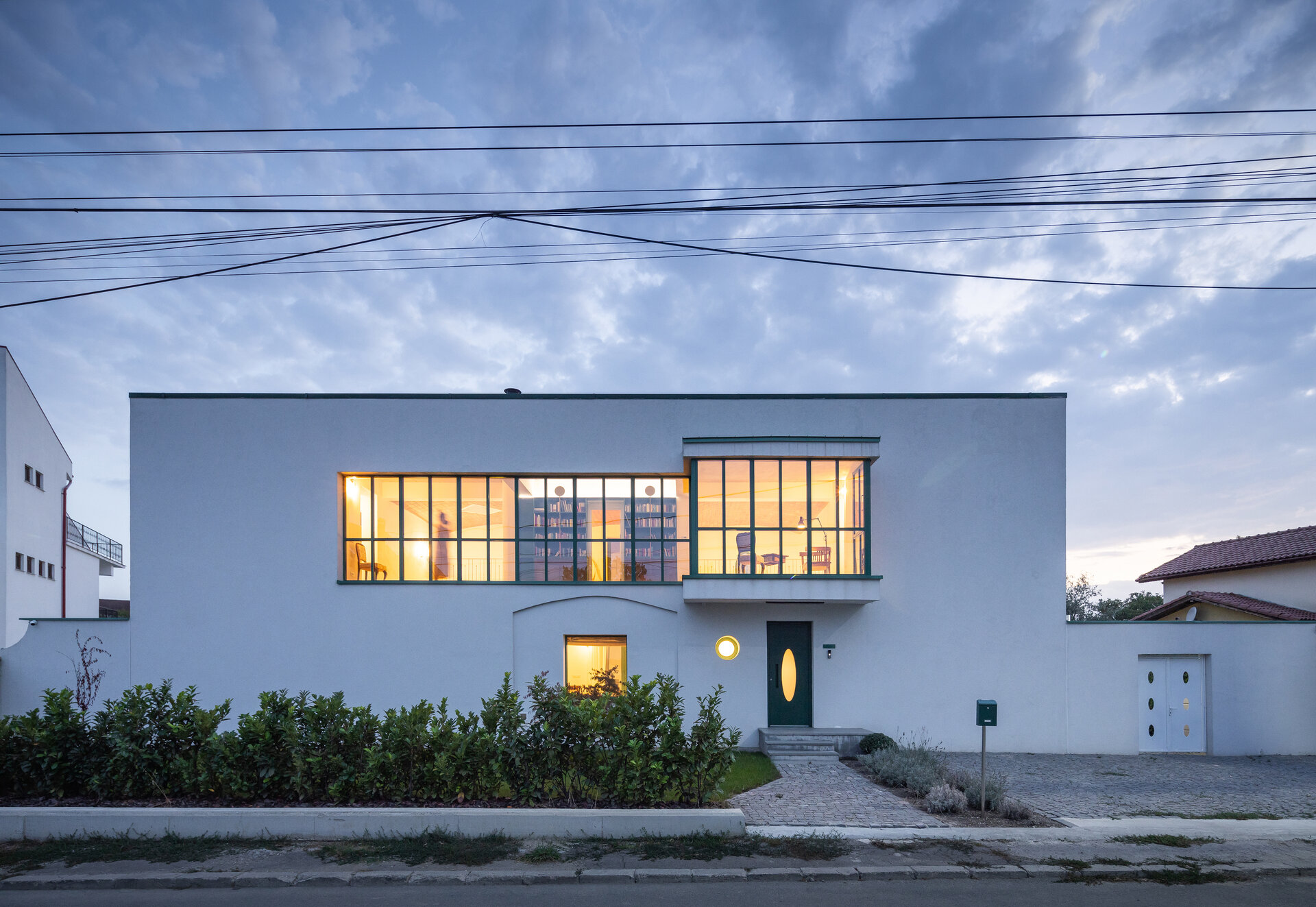
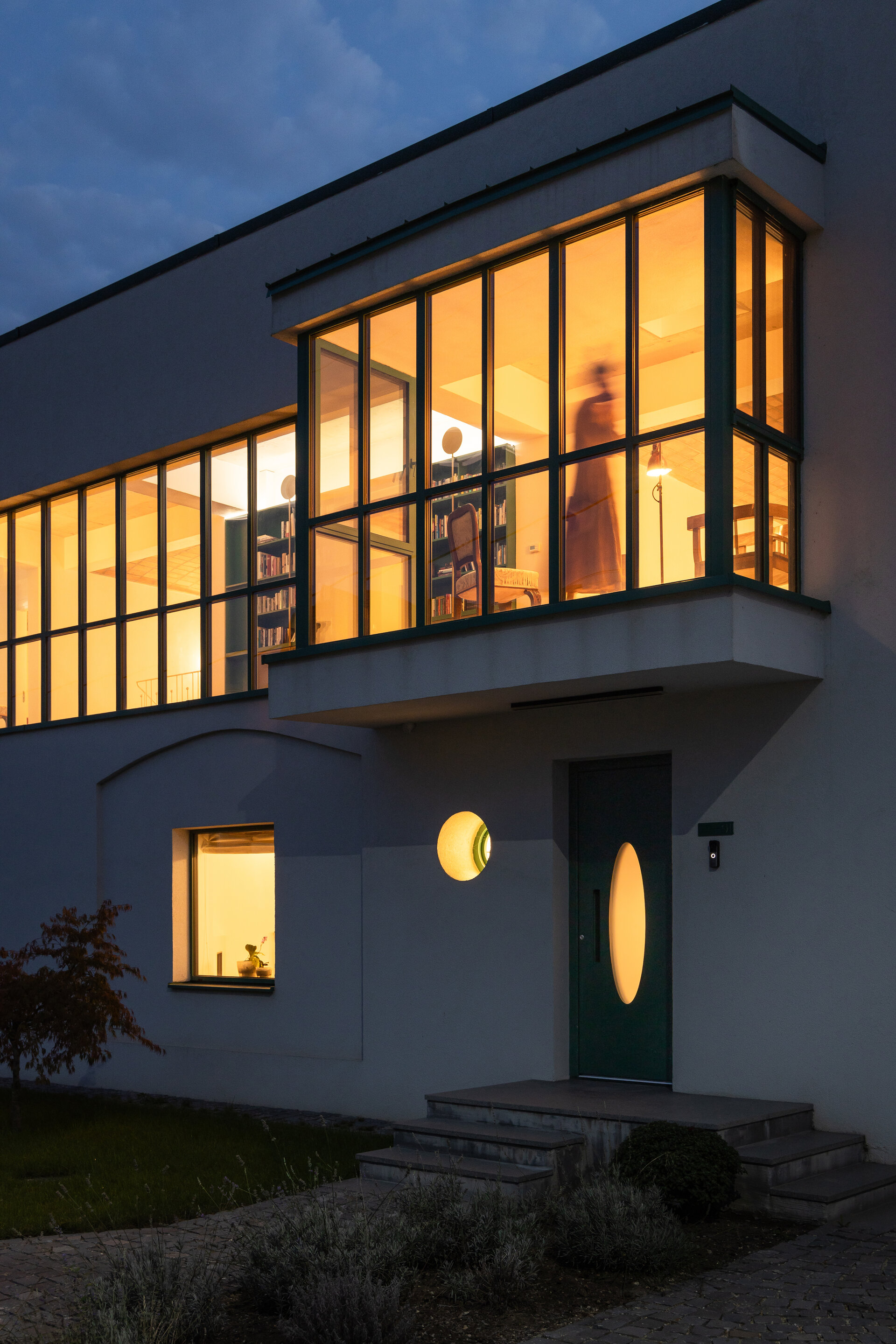
II. Furthermore, there is a dialectical message, a game of ambivalences which resides in the substantial differences between the façade toward the street and the façade towards the garden; the former is eminently massive, unequivocally exposing only the windowed gallery of the first floor, which brings in the light of the sunrise and which, in the evening hours, leaves to glimpse the free vaults of the first floor, while the latter exhibits a more subdued solemnity, like that of a Tuscan villa, balanced in a timelessness that leaves the world behind and abandons itself to the paradisiacal touch of the garden, from the imperfect shadow of canopies clothed in hanging plants.
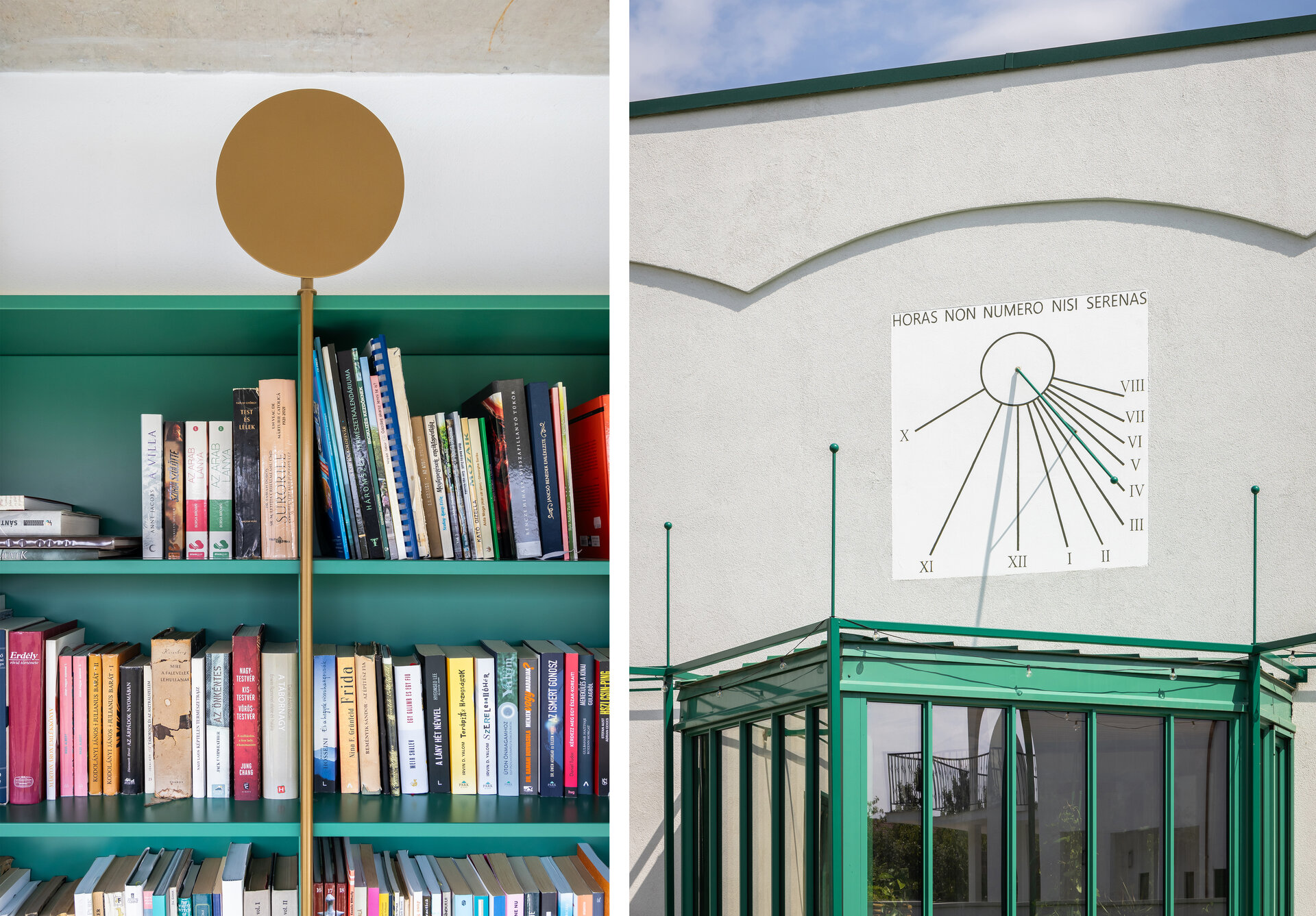
III. The temporality of the house, sensed as lazy time, imprecisely measured, solar, in shadows drawn on the west wall, and memorably embodied in moments ”Horas non numero nisi serenas”.
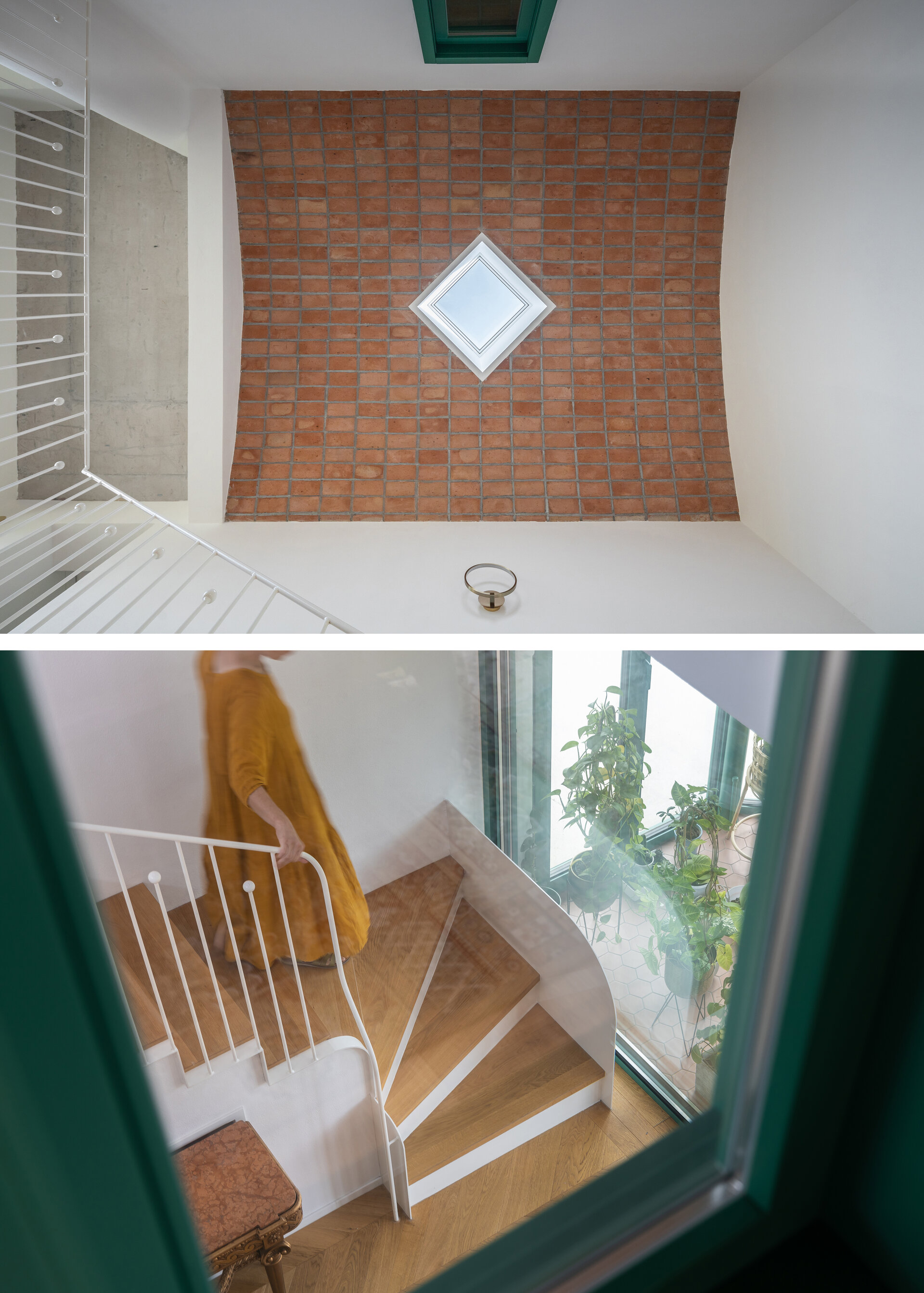
The house on Martha Bibescu Street is a predominantly feminine house, starting with the personality of the owner, the name of the street, the warmth of the interiors under the protection of the brick vaults, the filigree penumbra that ennobles the facade towards the garden. The very experience of designing and assisting the construction site evolved under the auspice of a refreshing trust on both sides.
Viewed under the magnifying glass of the New European Bauhaus principles, from an aesthetic point of view, the house carries with it the model of ”the ideal palace”, it responds to inclusivity through the front garden that expands the narrow street but also through the placement of the living spaces on the ground floor (age friendly home). In terms of sustainability, several aspects are achieved, starting with judicious land use, maximizing green space and using a permeable paving, the greenhouse and the pergola as a shading device, integration of energy efficient systems (heat pump and solar panels), rainwater recovery, efficient insulation, energy-efficient appliances and fixtures, etc.
Individual House Architecture



