A house in Bucureștii Noi
Authors’ Comment
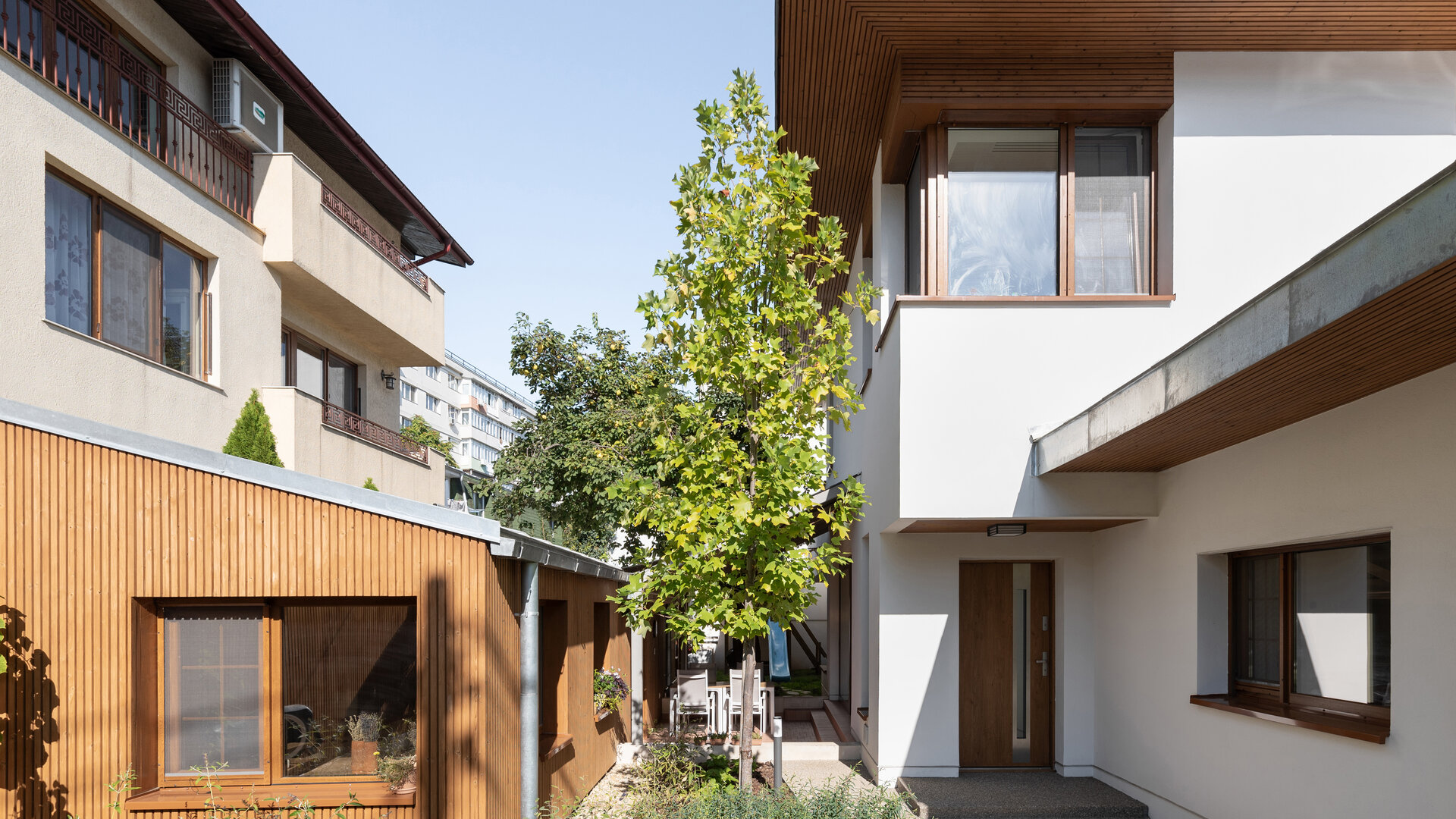
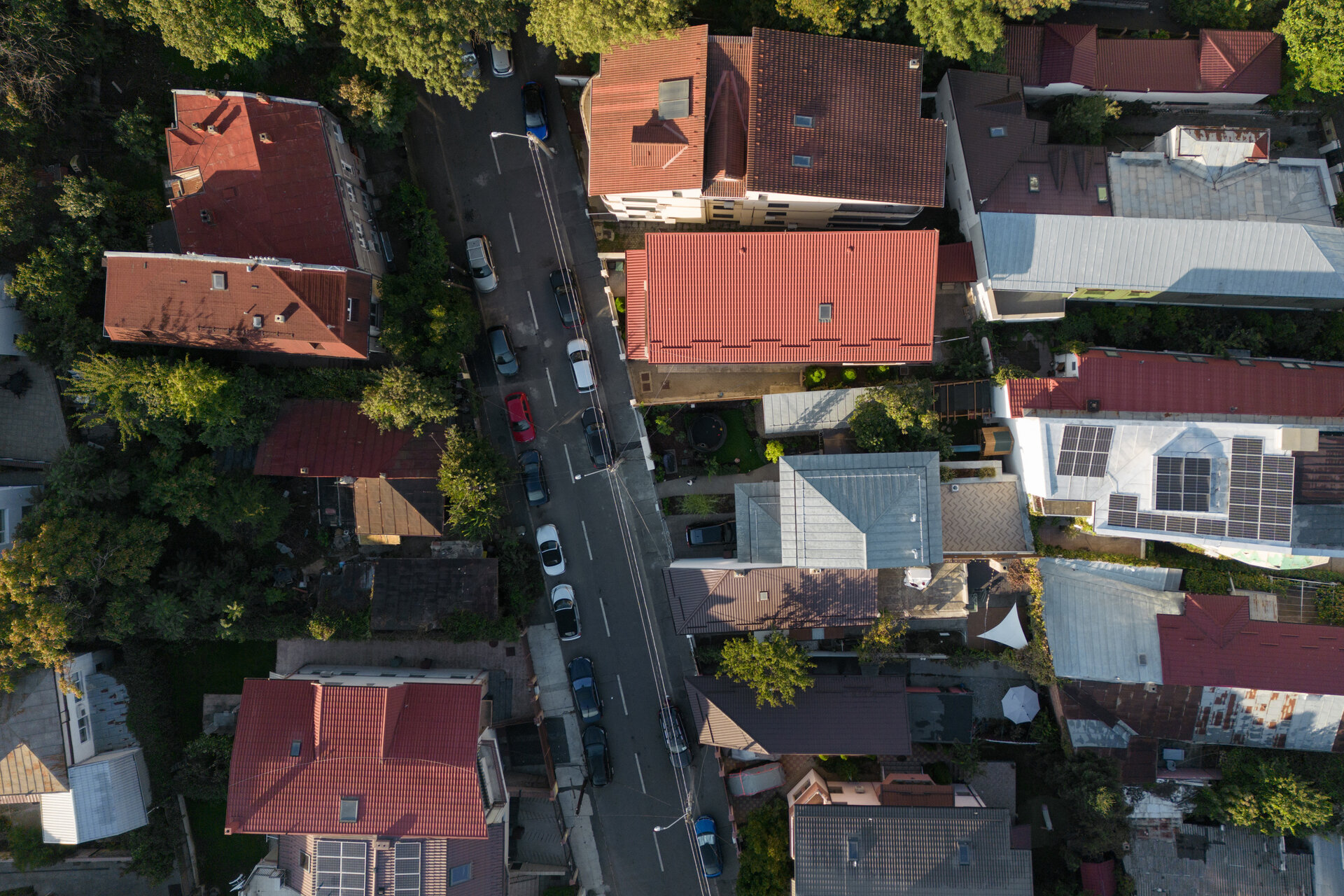
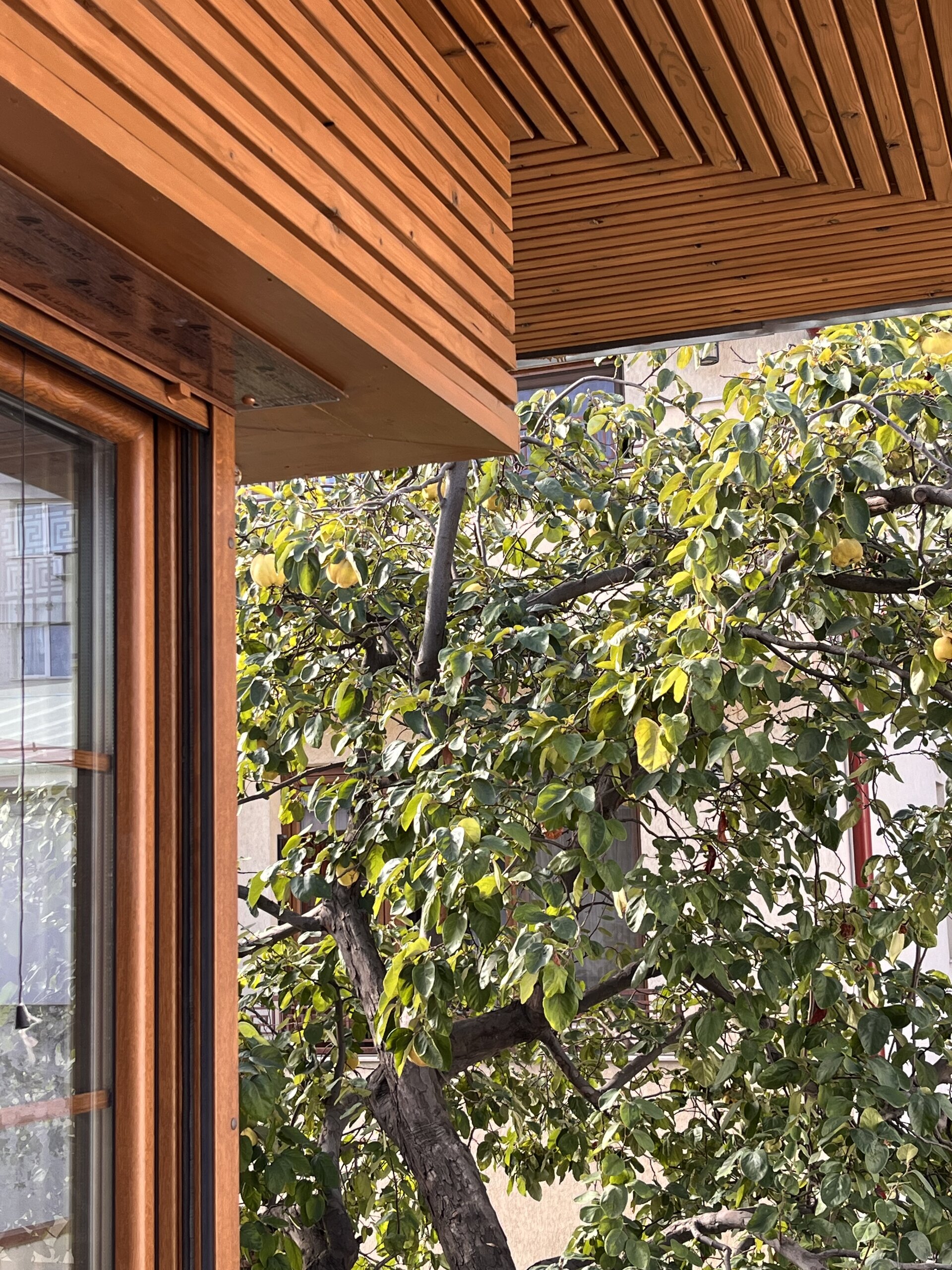
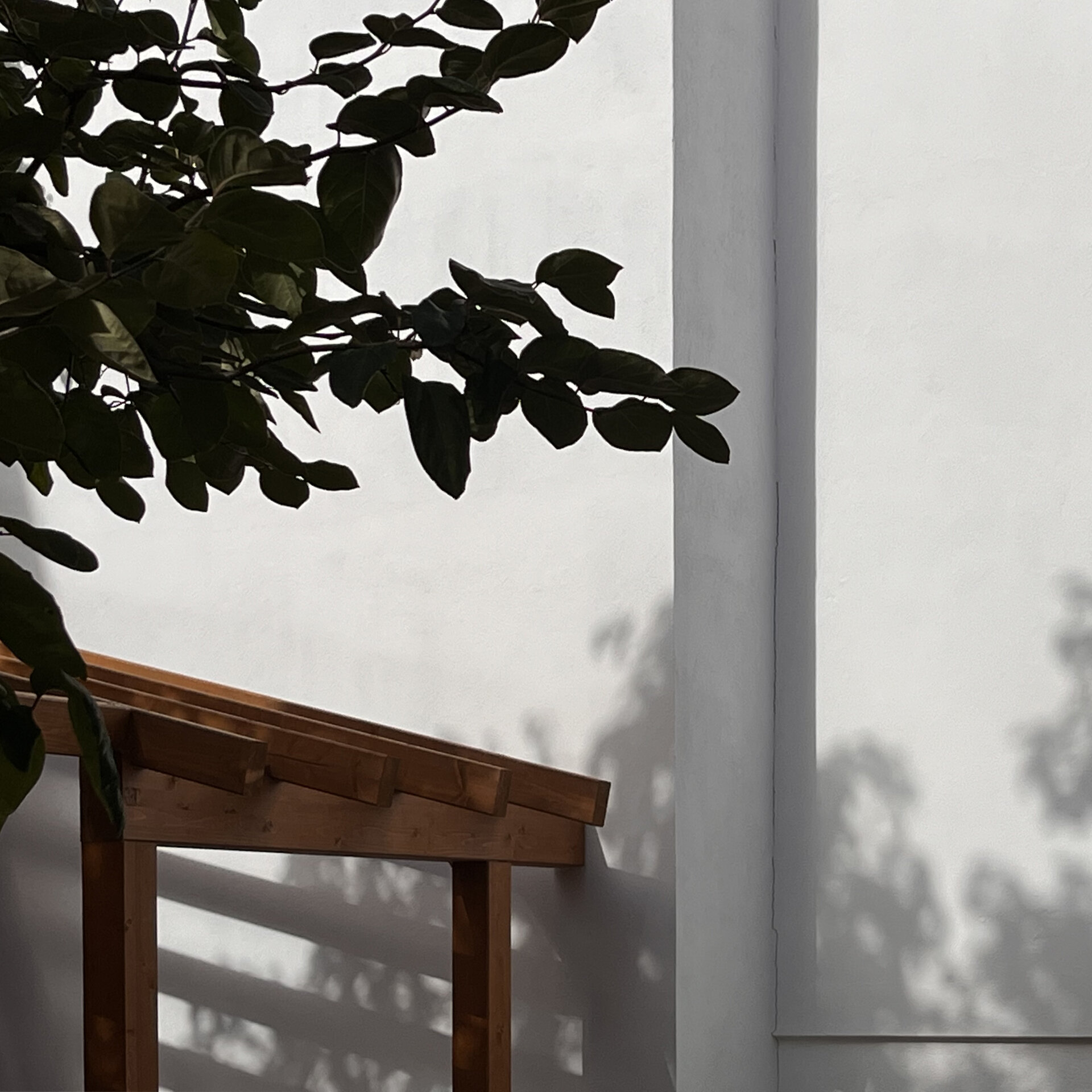
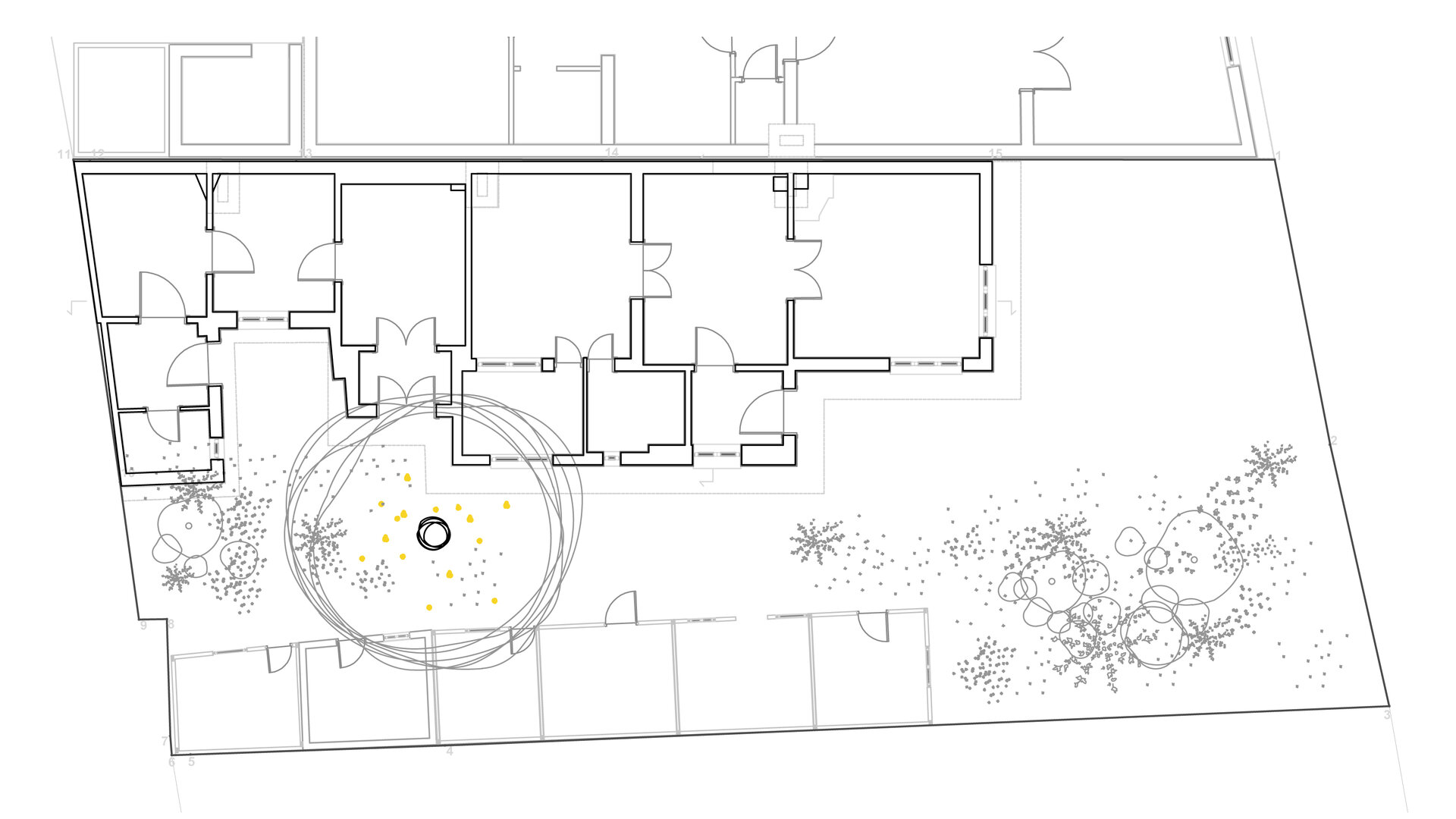
This project emerged from the qualities of the place, as we discovered it on the first site visit. An over 100 years old waggon house was in need of rehabilitation and adaption to contemporary necessities. But the greatest surprise was the garden, which contained a rundown shed, as well as a very old quince. That narrow space inbetween the shed and the house, under the shade of the quince, was an unexpected syncopation, the inspiration point for all subsequent decisions.
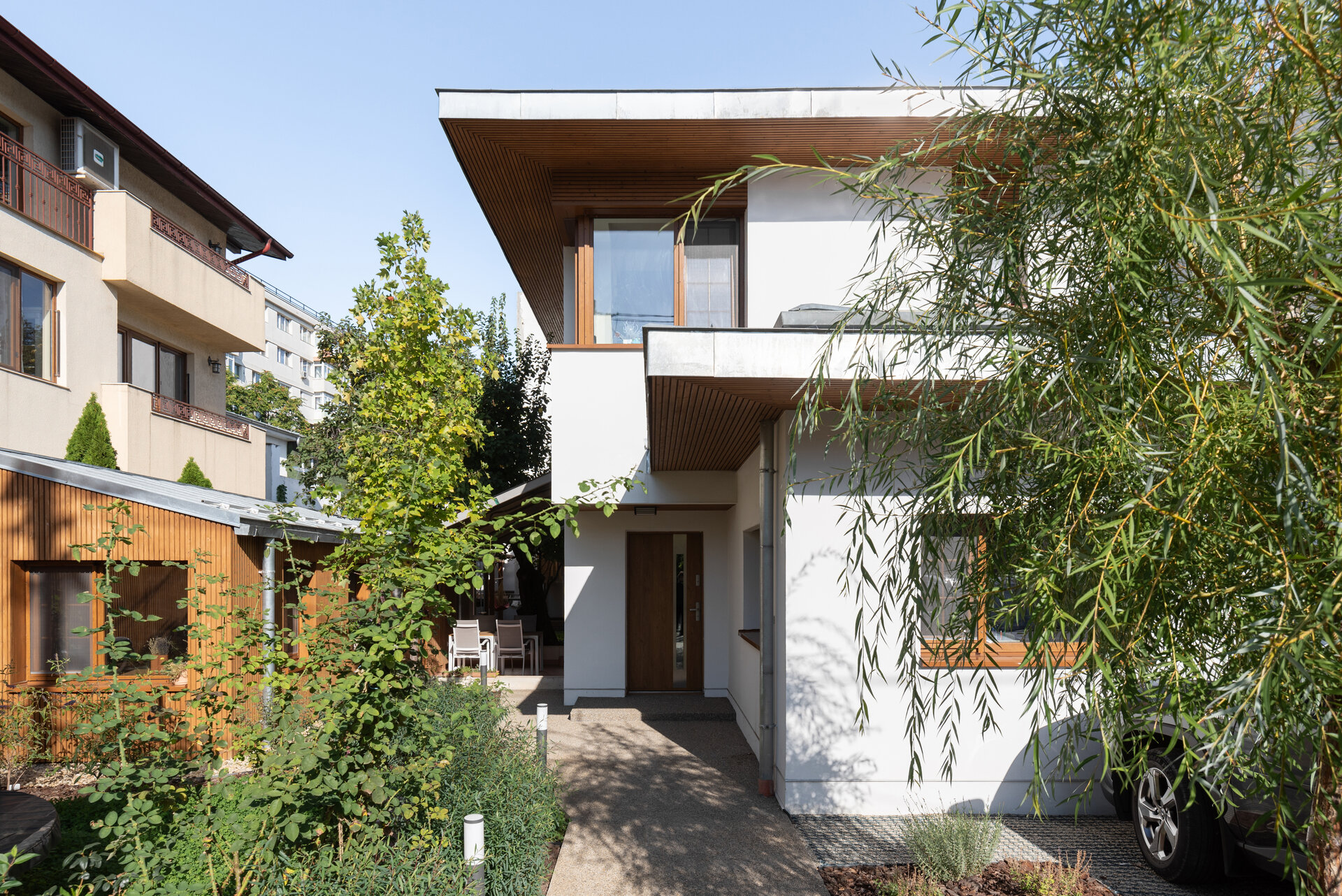
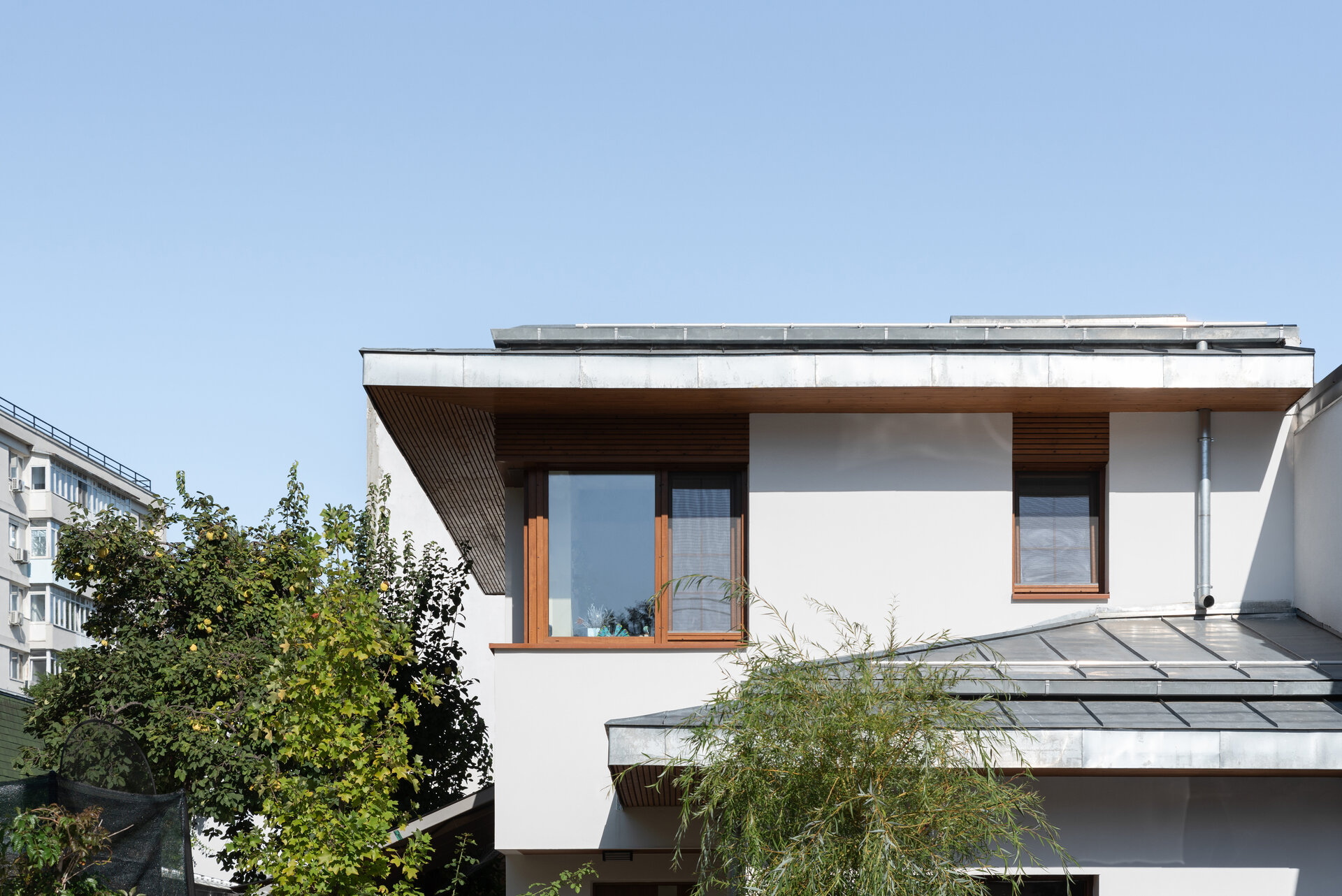
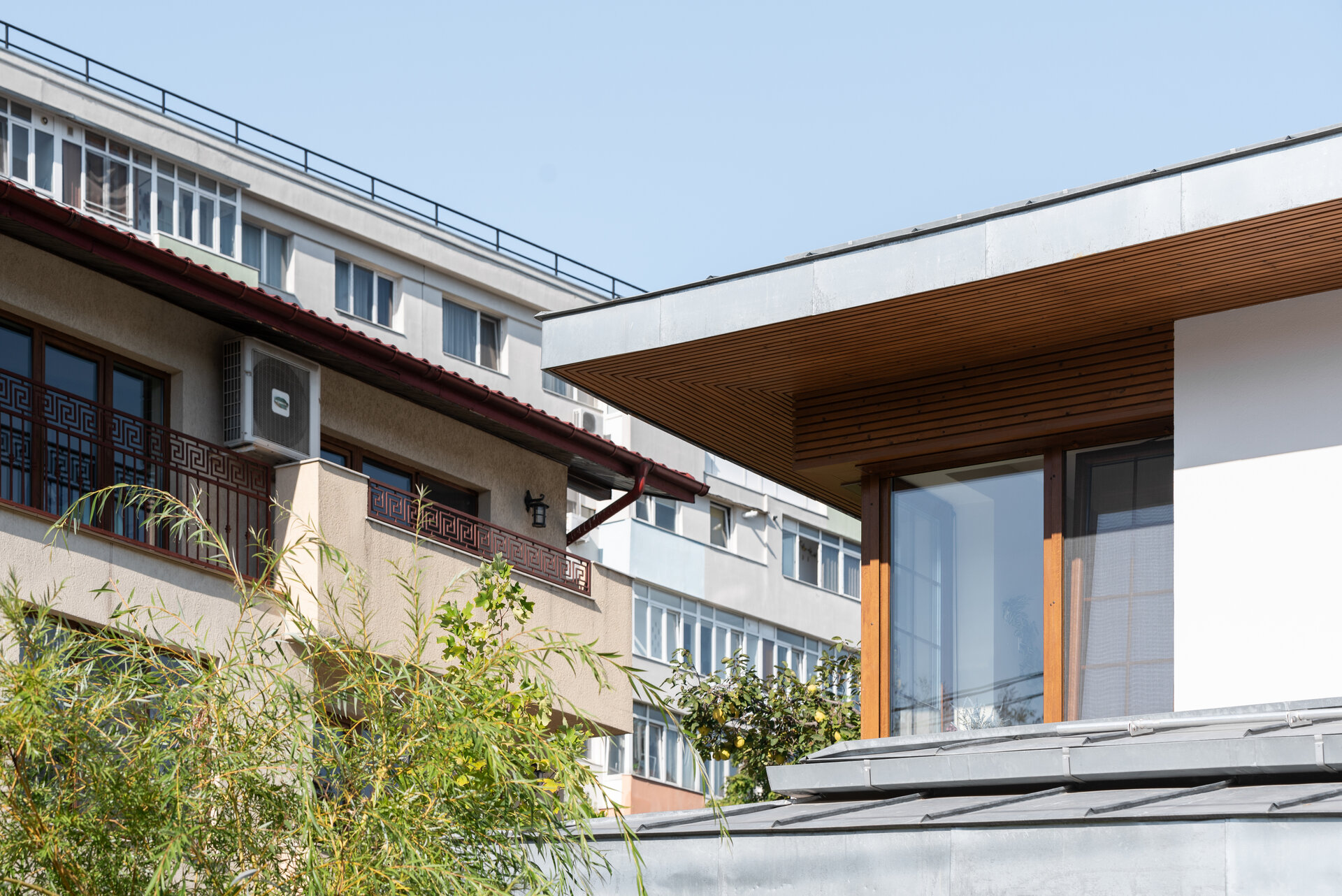
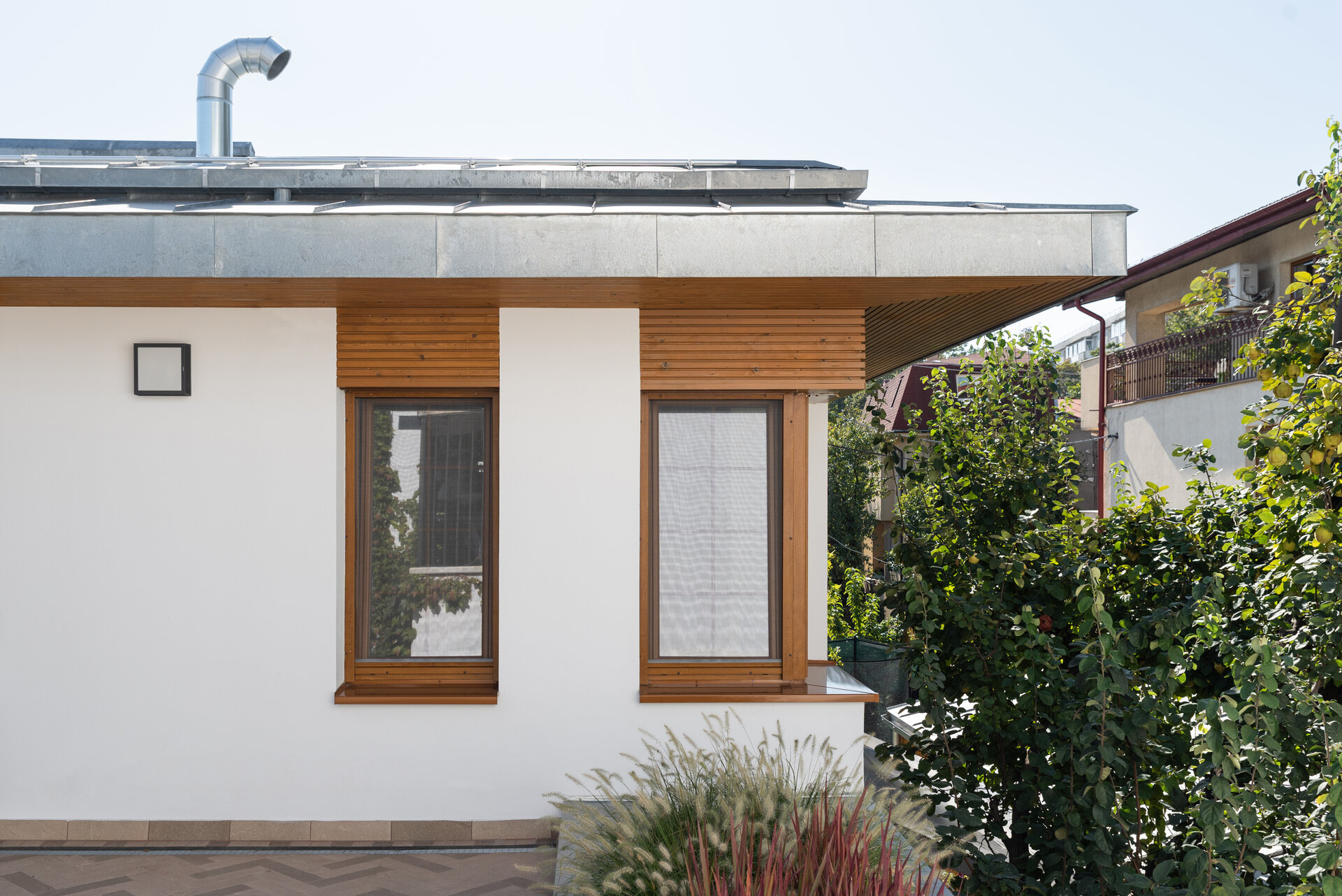
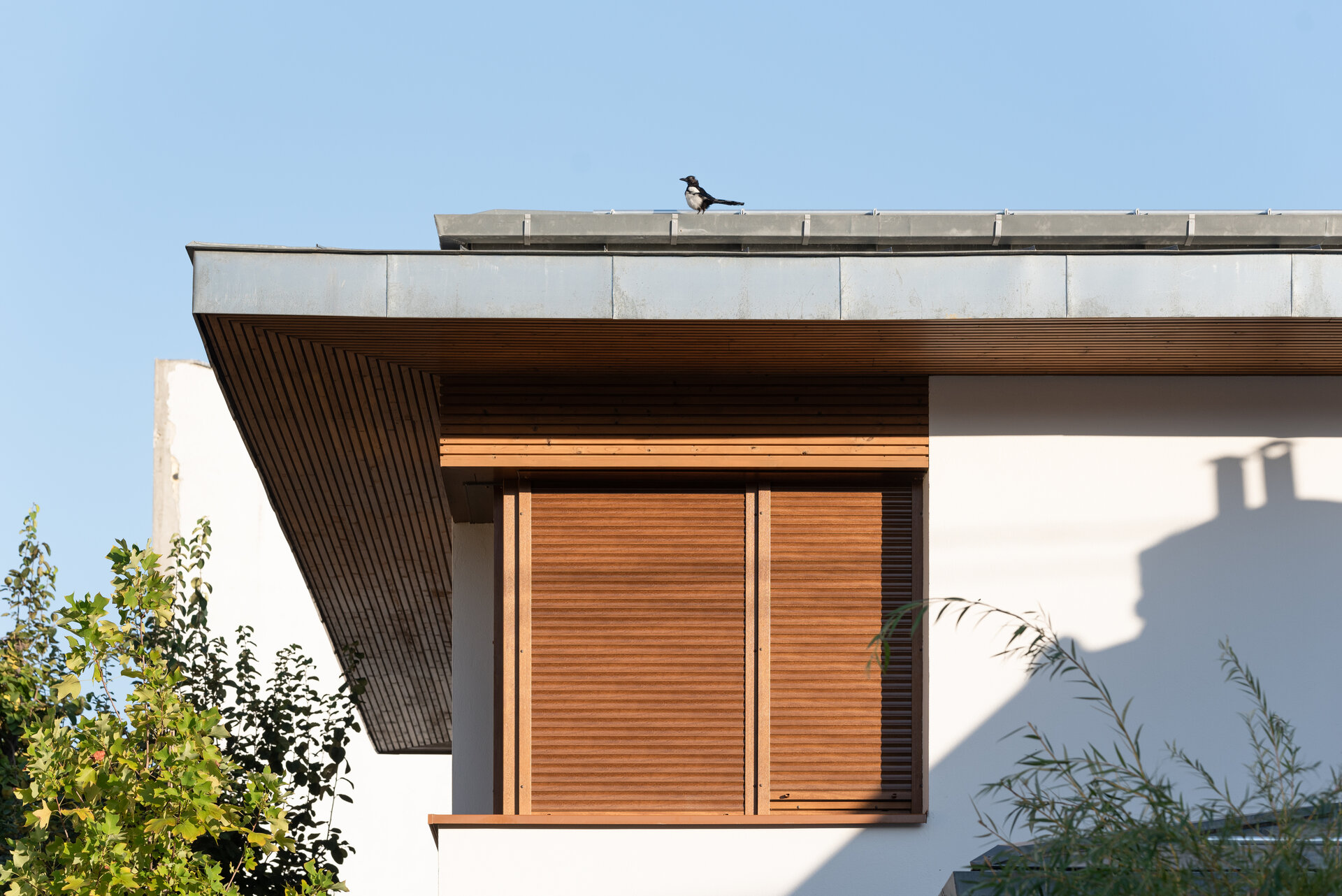
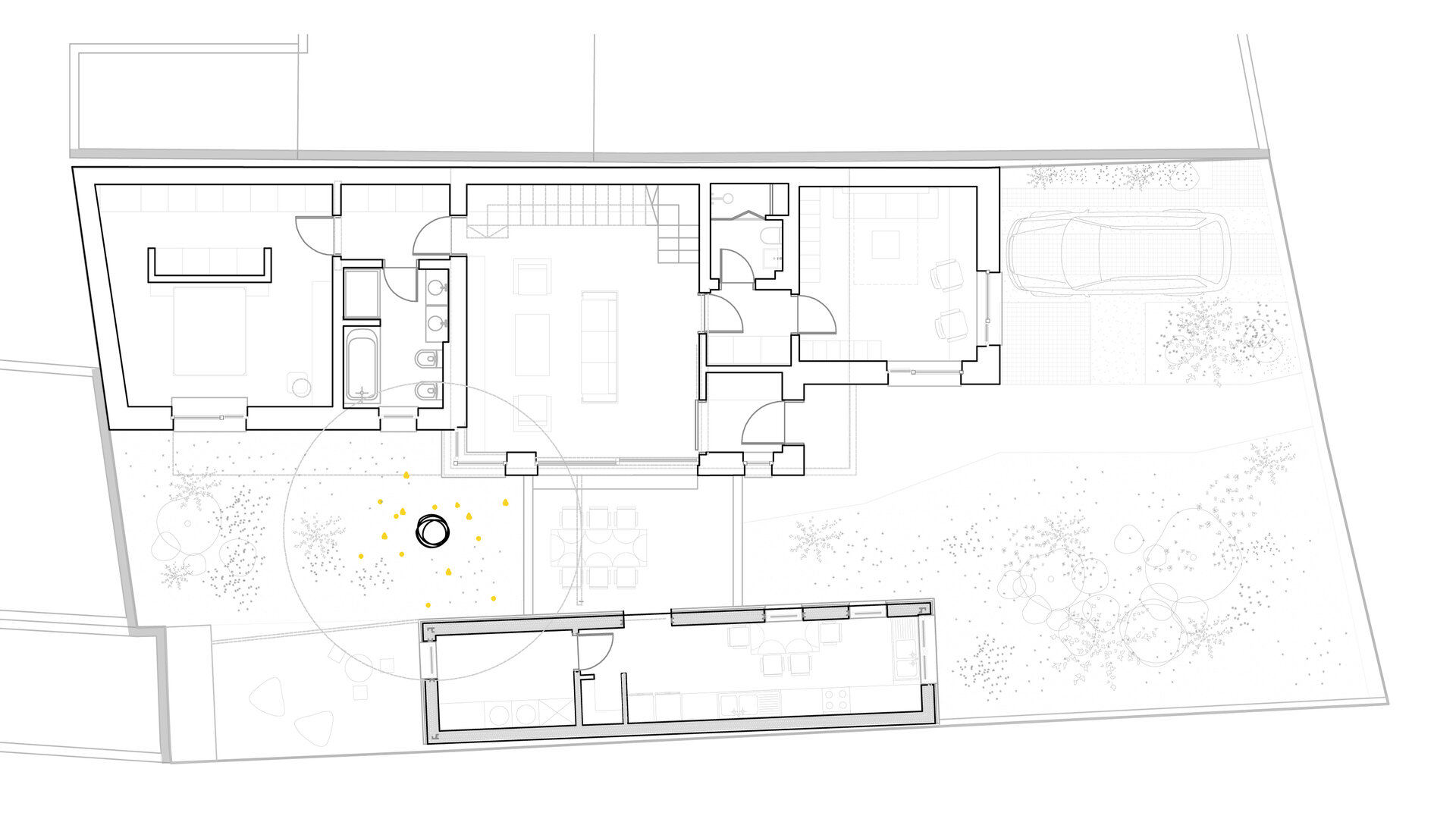
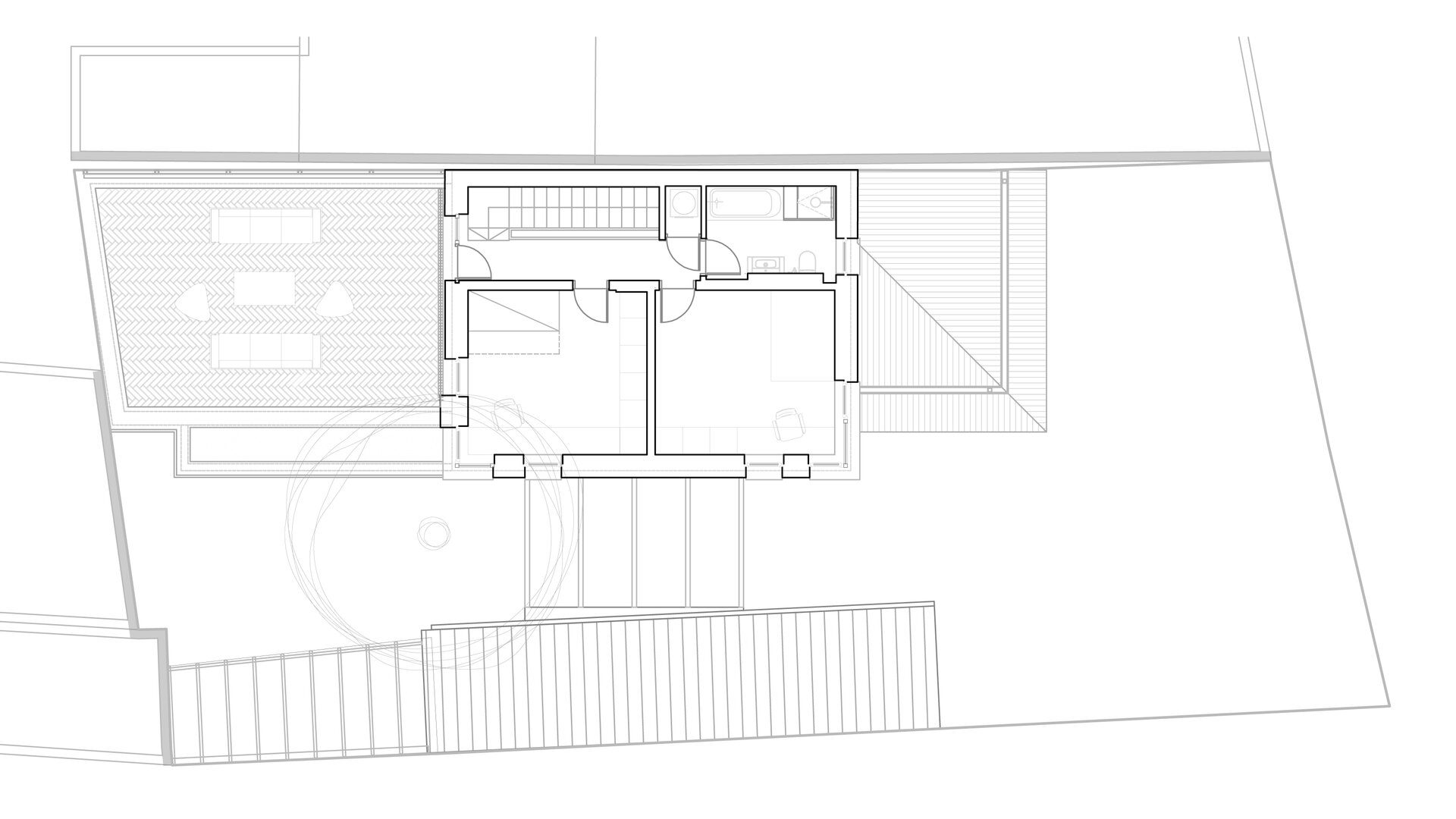
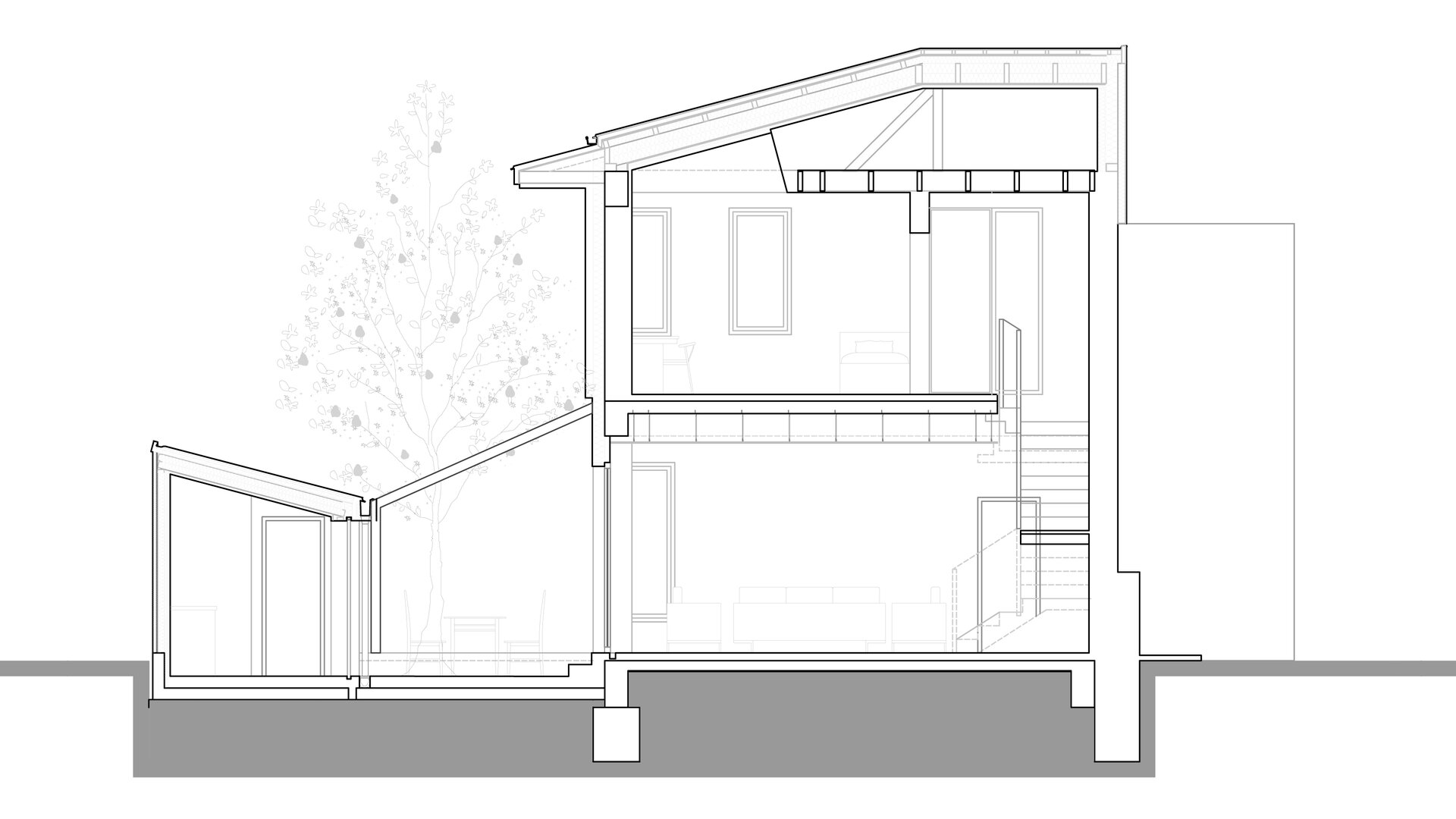
The rehabilitation of the main house was designed on the same footprint, with a large room in the middle of the dwelling, a guest bedroom facing the street garden and an intimate room towards the back garden. The upper floor features two bedrooms with diagonally oriented windows, facing the the areas the greatest spatial depth.
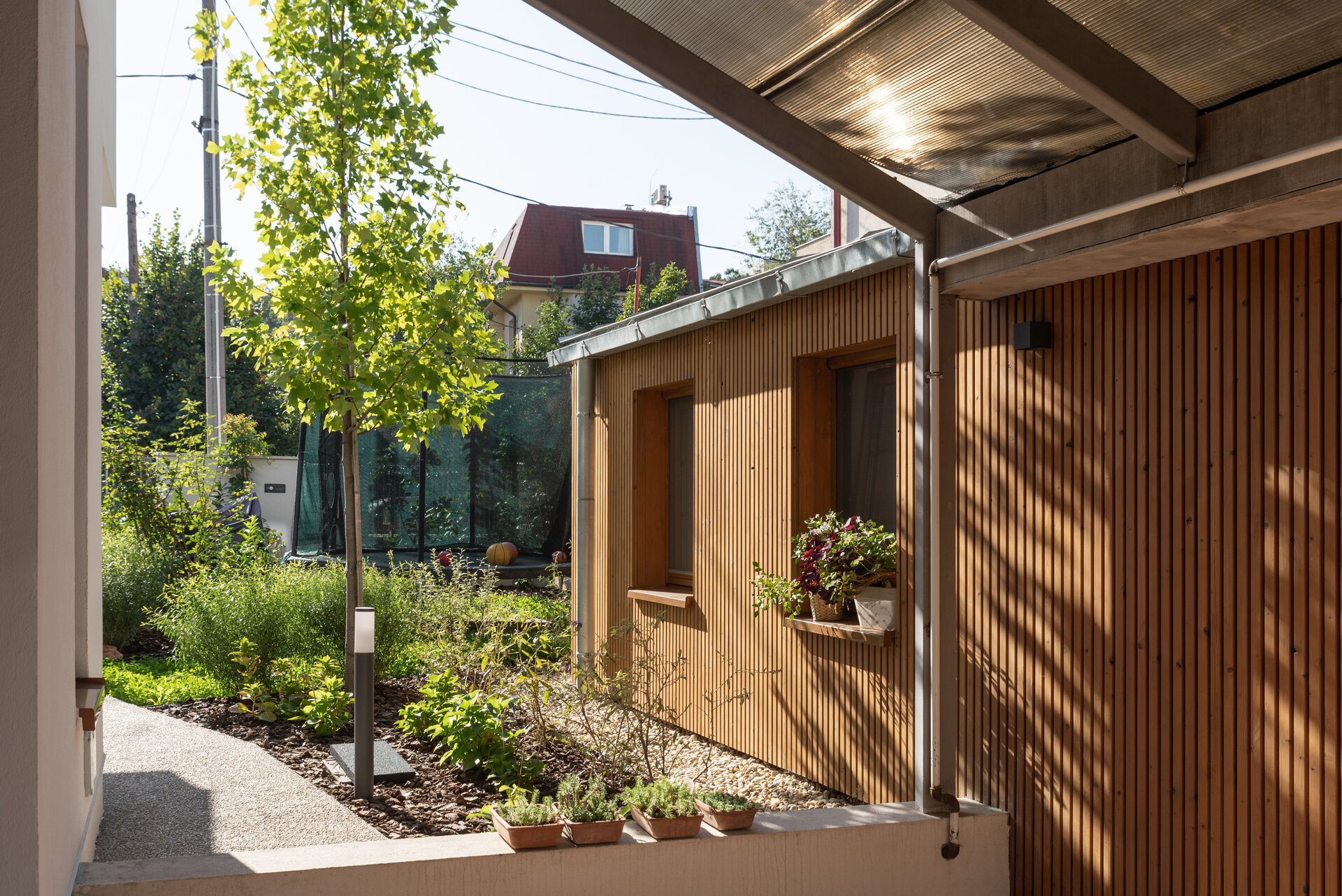
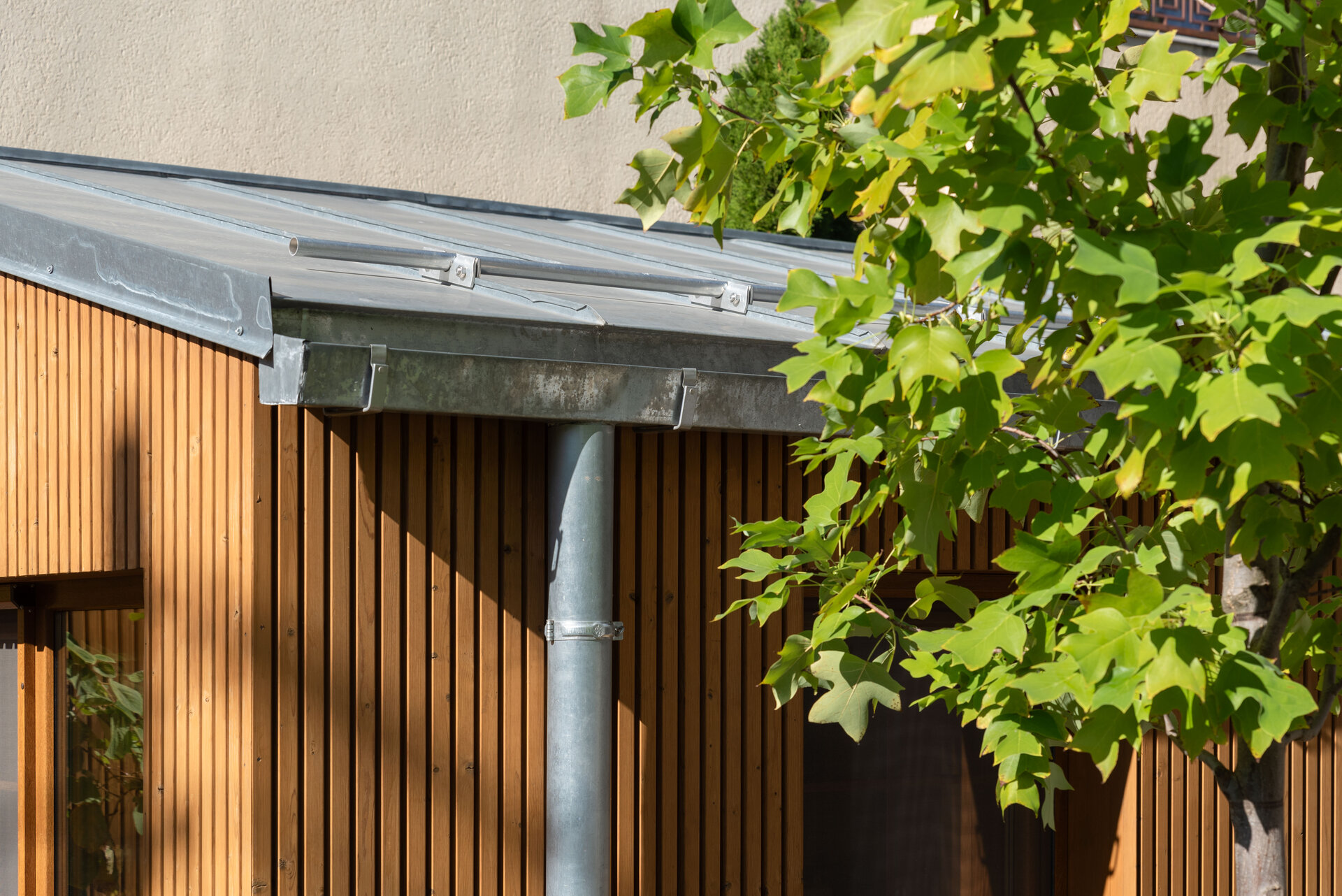
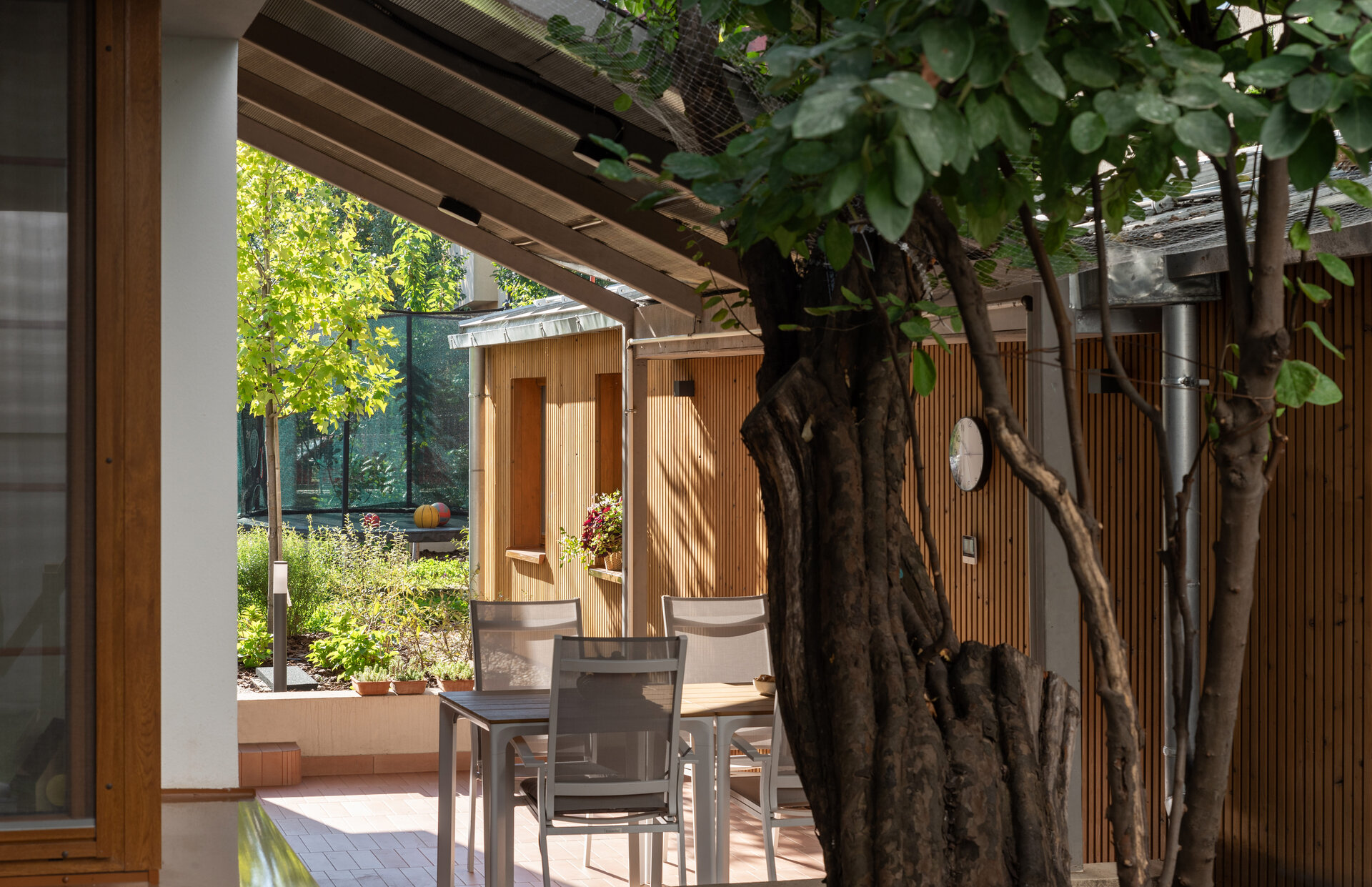
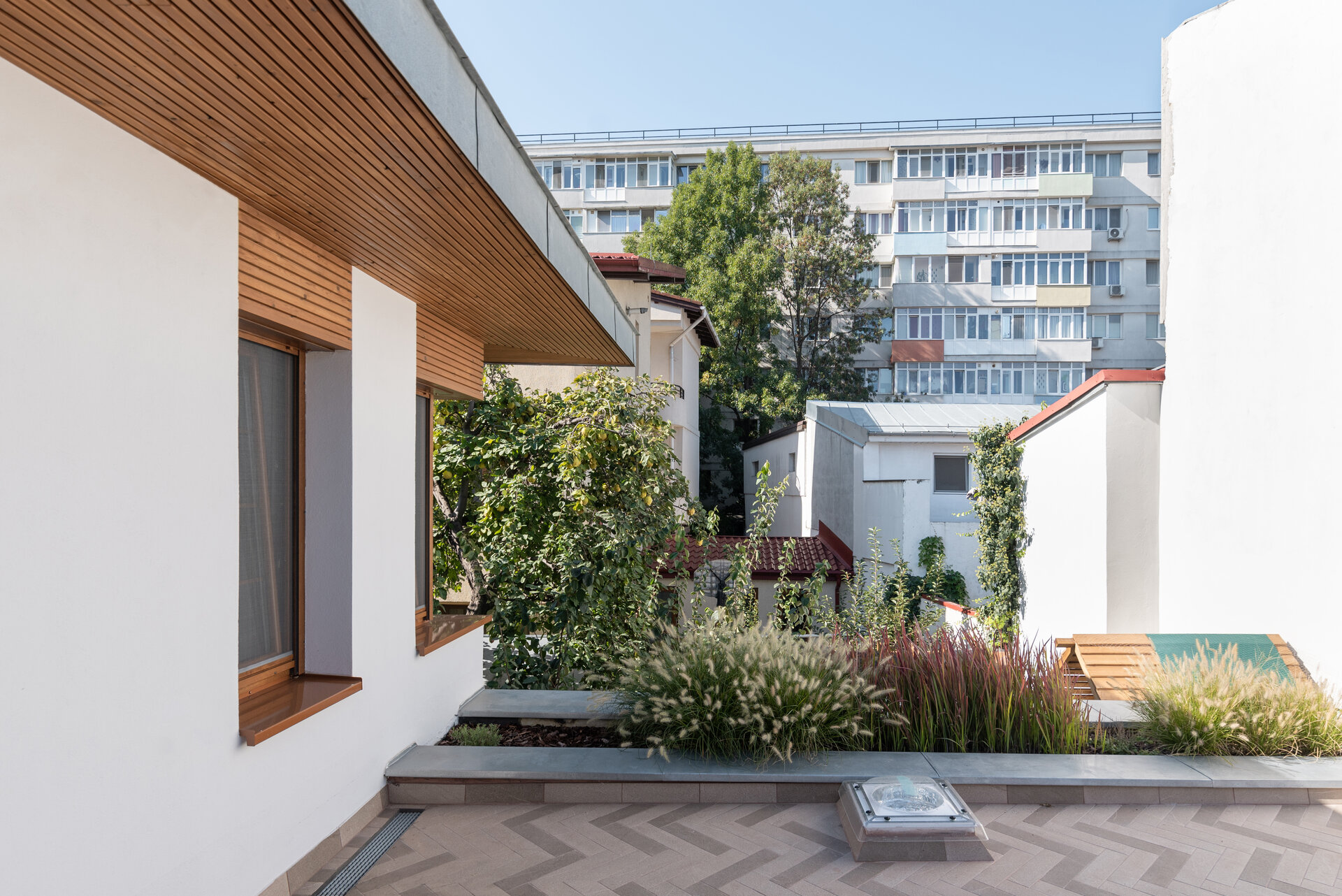
But the important decision was the placement of the kitchen and the technical room in the old shed which was rehabilitated by maintaining the same built volume. Inbetween the house and the kitchen area there is the terrace next to the quince, shaded by a pergola, a possible pavillon and intermediary space. This space, placed in the middle of the garden in between the houses, is open not only to the flower garden towards the street, but also towards the more intimate areas in the back of the site.
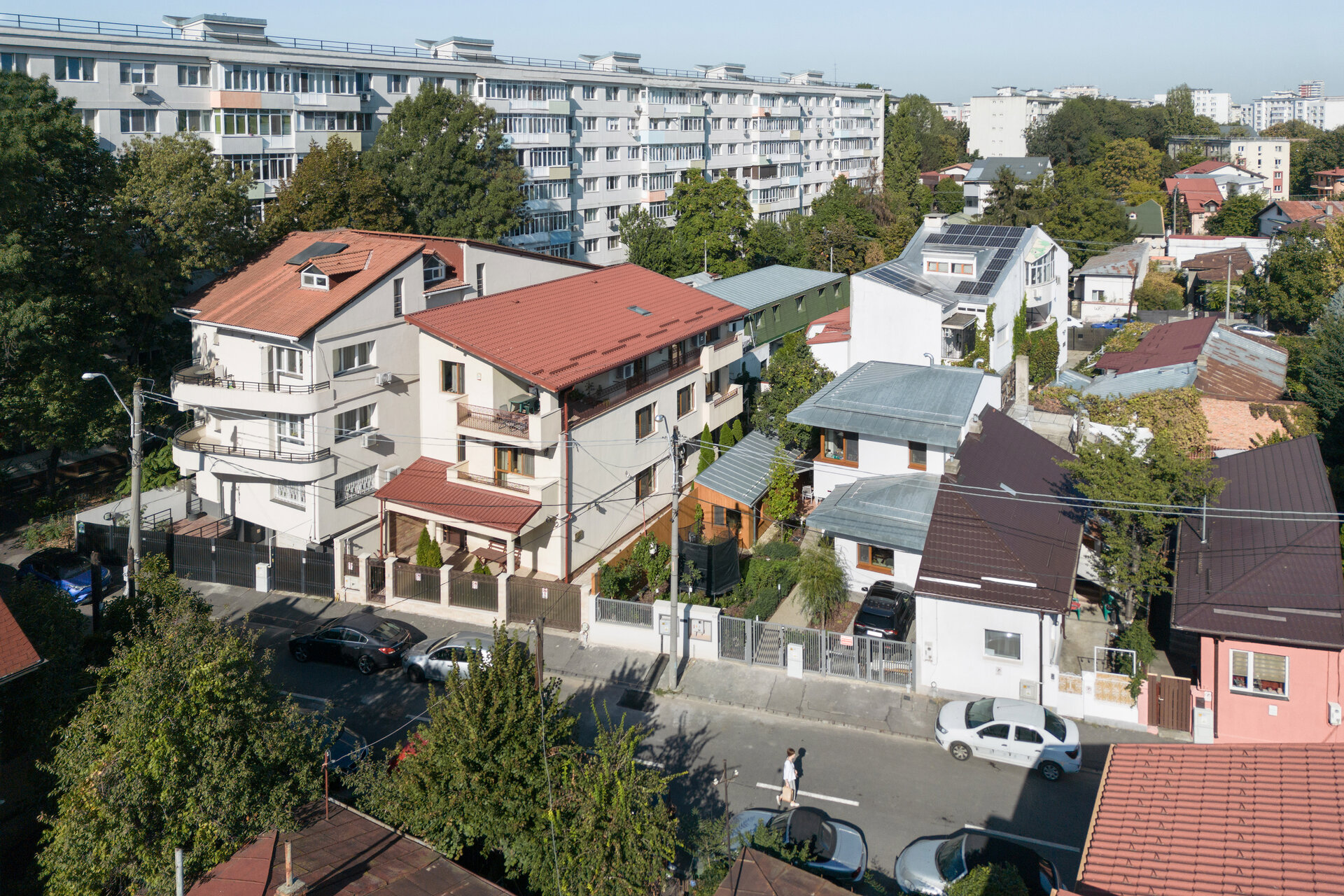
In this configuration, the dwelling does not turn away from the street in order to form an exclusively private garden, but allows dwelling in the garden, all the while maintaining contact with the street and the city. We believe that this project has succeeded in taking over a dwelling typology of the old Bucharest and adapt it discreetly to contemporary needs.
Individual House Architecture



