- Nomination for the “Interior Space Architecture / Exhibition and Scenography Design” section
The Country We Come From. The First 35 Years
Authors’ Comment
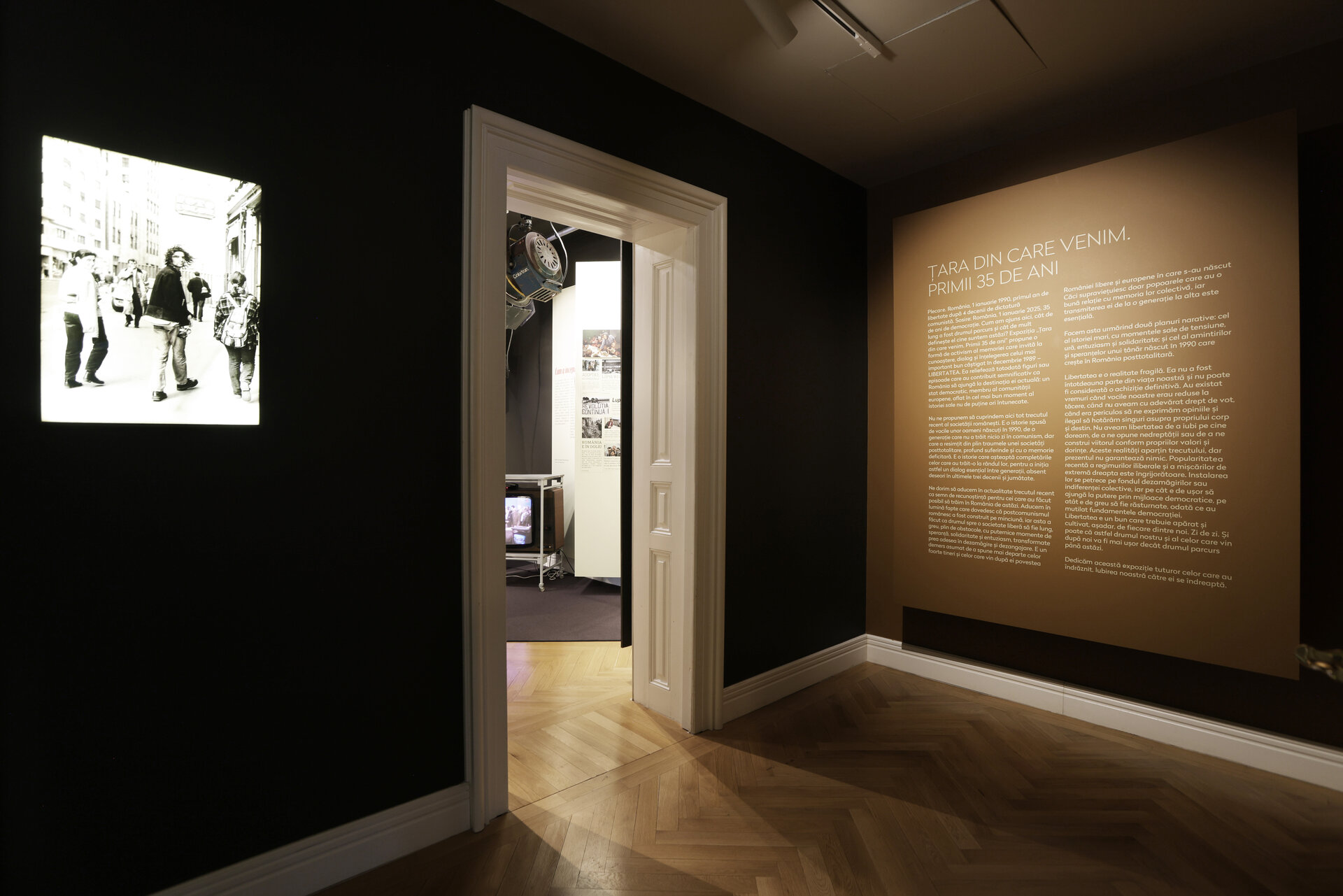
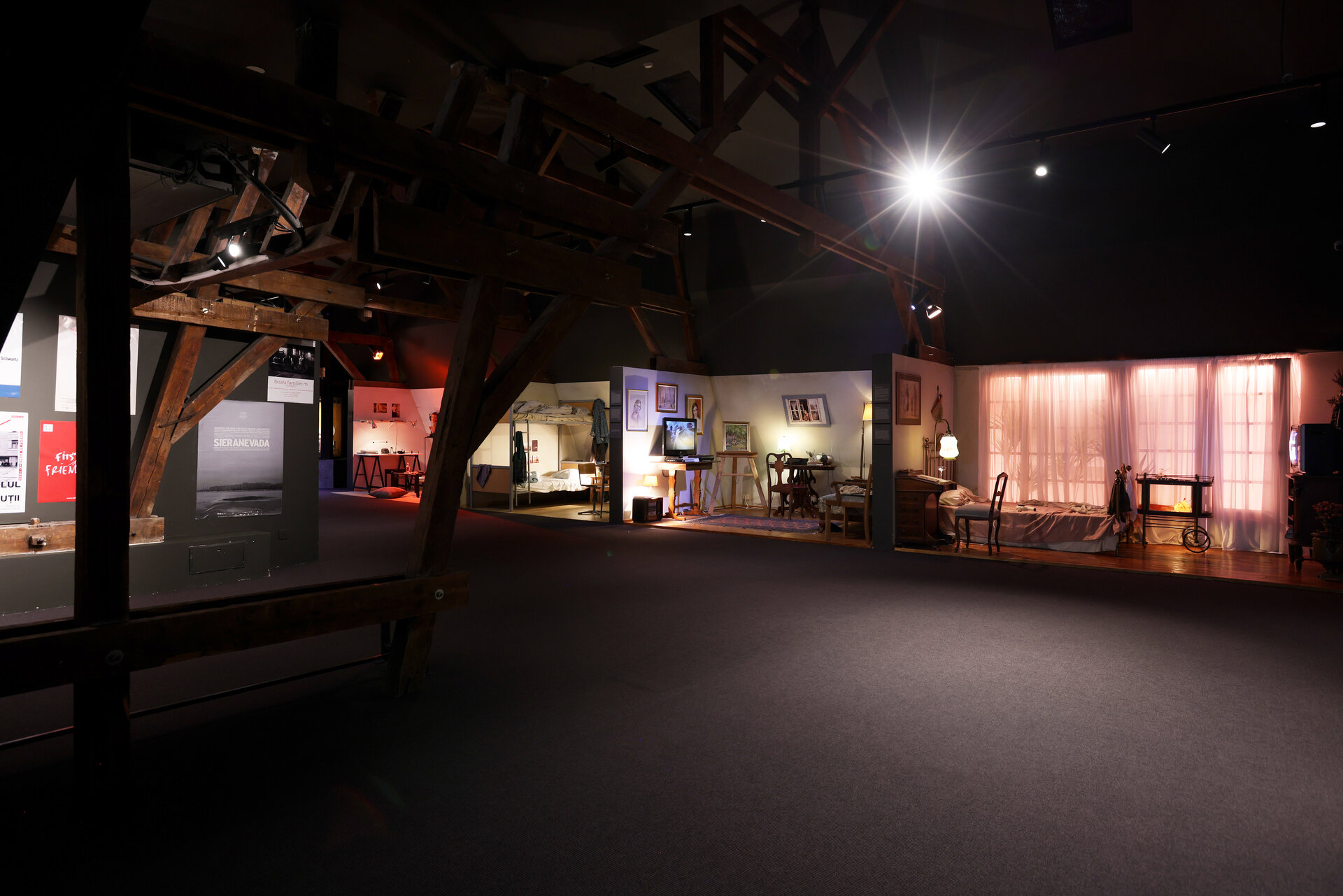
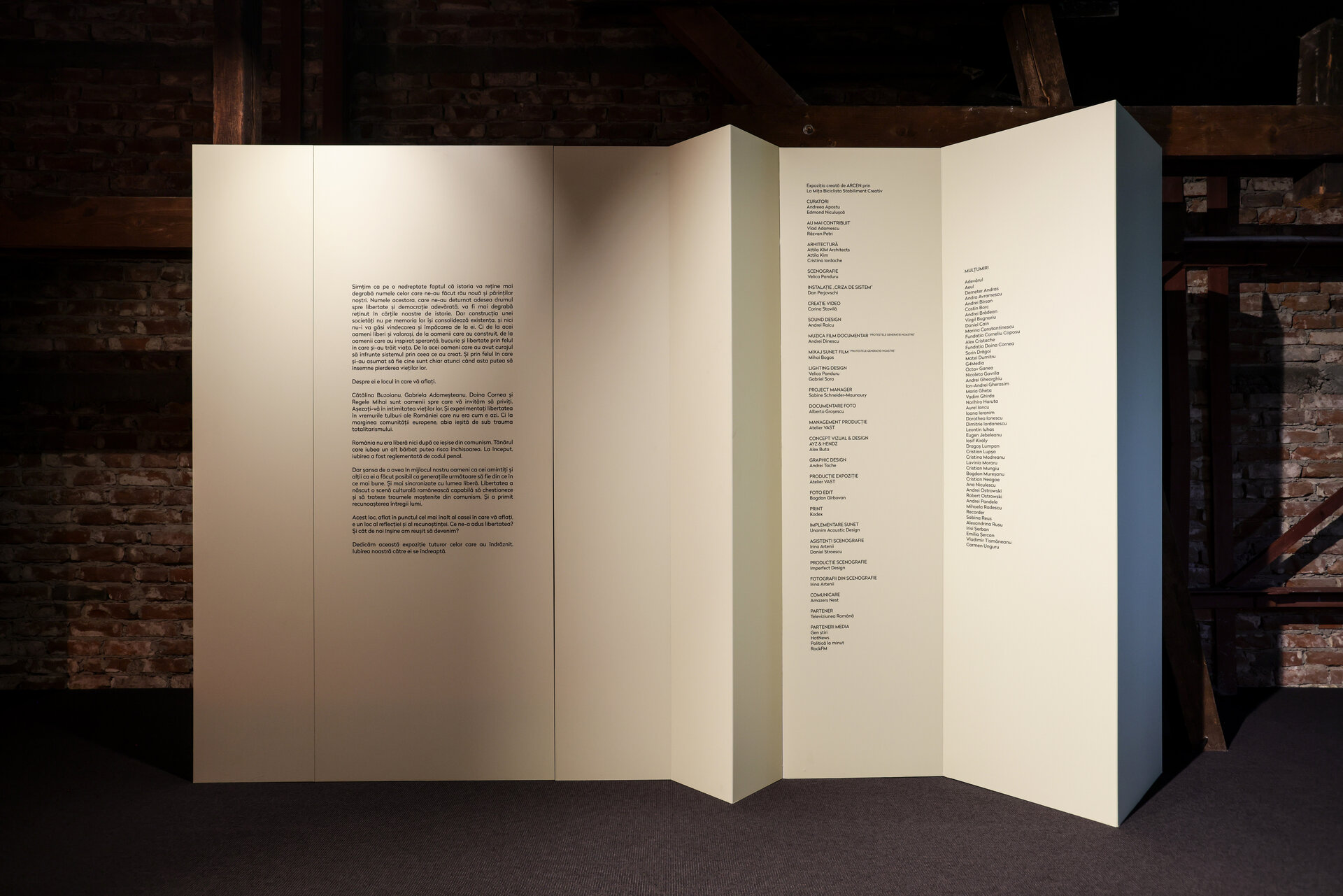
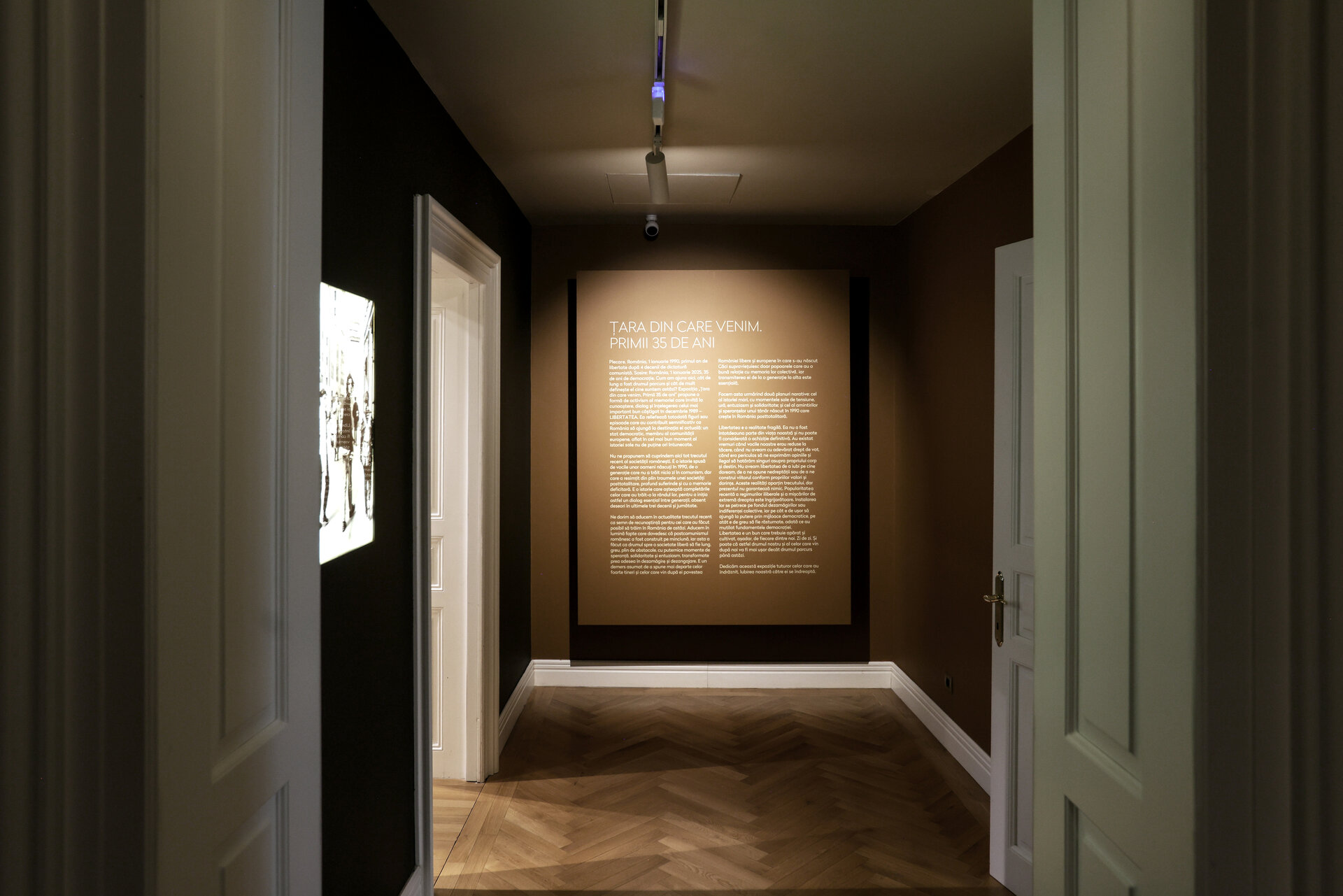
The exhibition “The Country We Come From. The First 35 Years”, part of the curatorial program of the La Mița Biciclista Cultural Stabiliment, conceived by the curatorial team Andreea Apostu and Edmond Niculușcă as an emotional journey through the history of the last three and a half decades, serves as an introspection into the post-1989 years, seen through the eyes of a generation born in 1990, and provokes reflection on one’s own identity and the path Romania has taken up to the present day. This period of recent history is presented as a narrative and is symbolically accompanied by the thoughts of a young person born shortly after the 1989 Revolution.
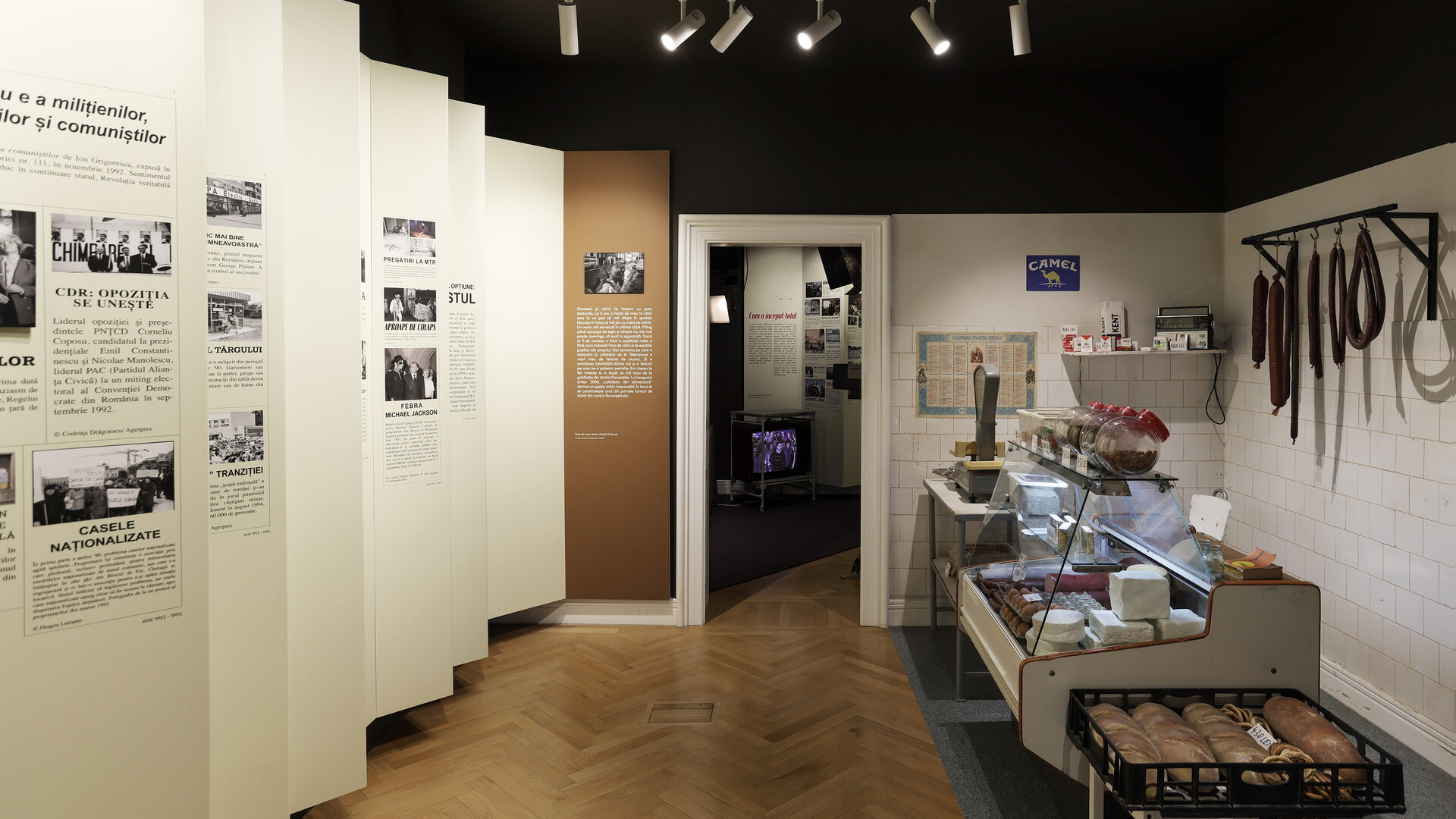
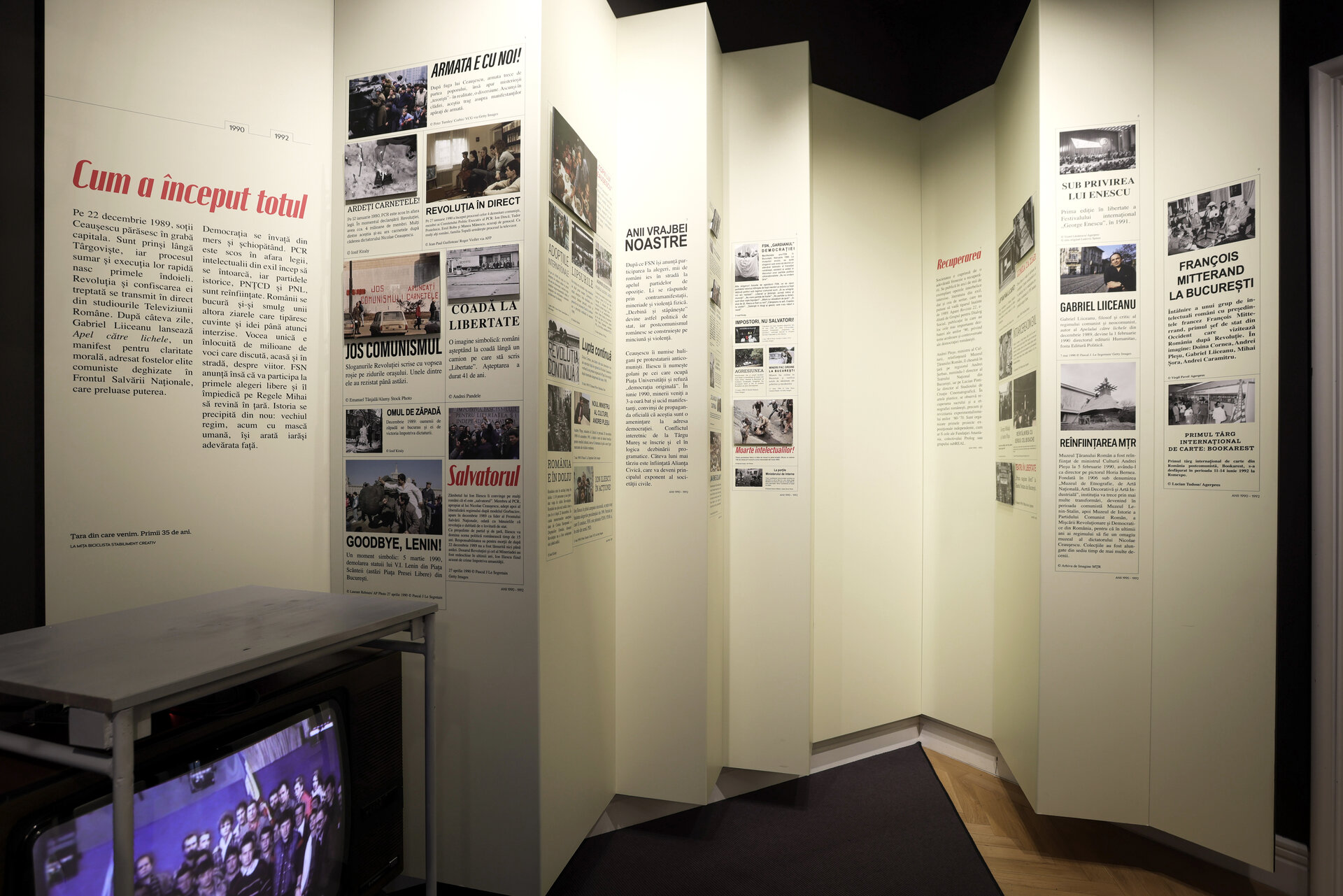
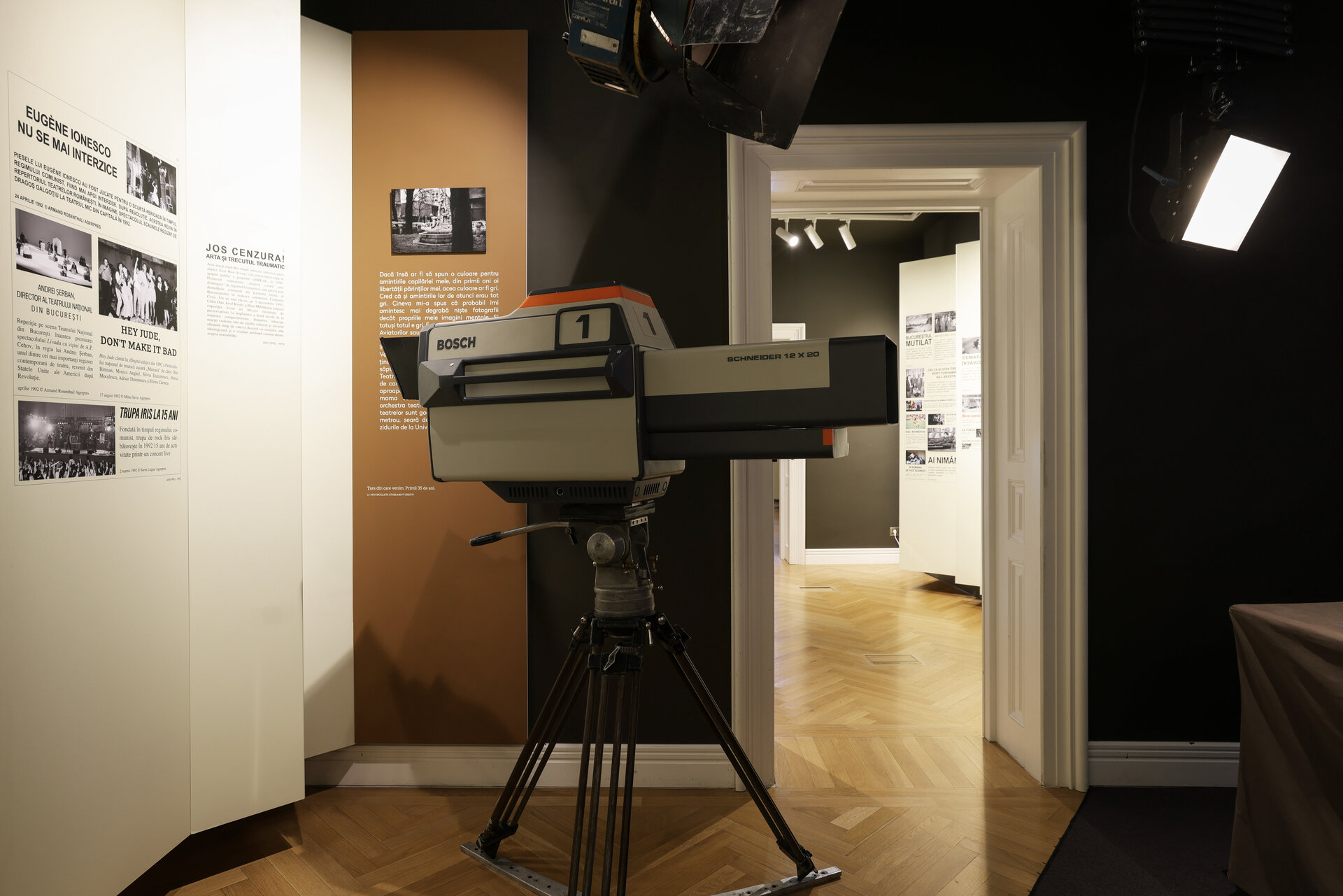
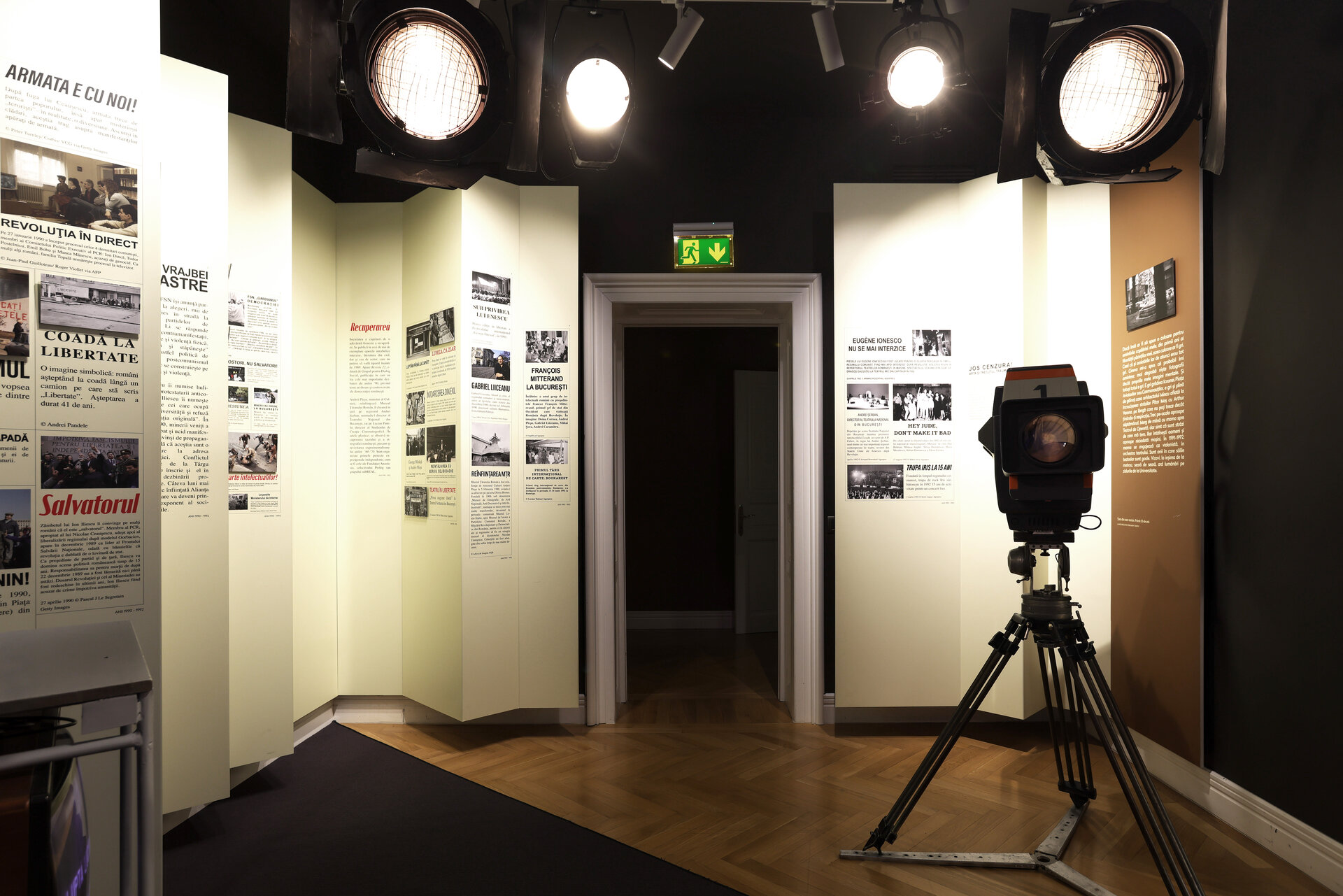
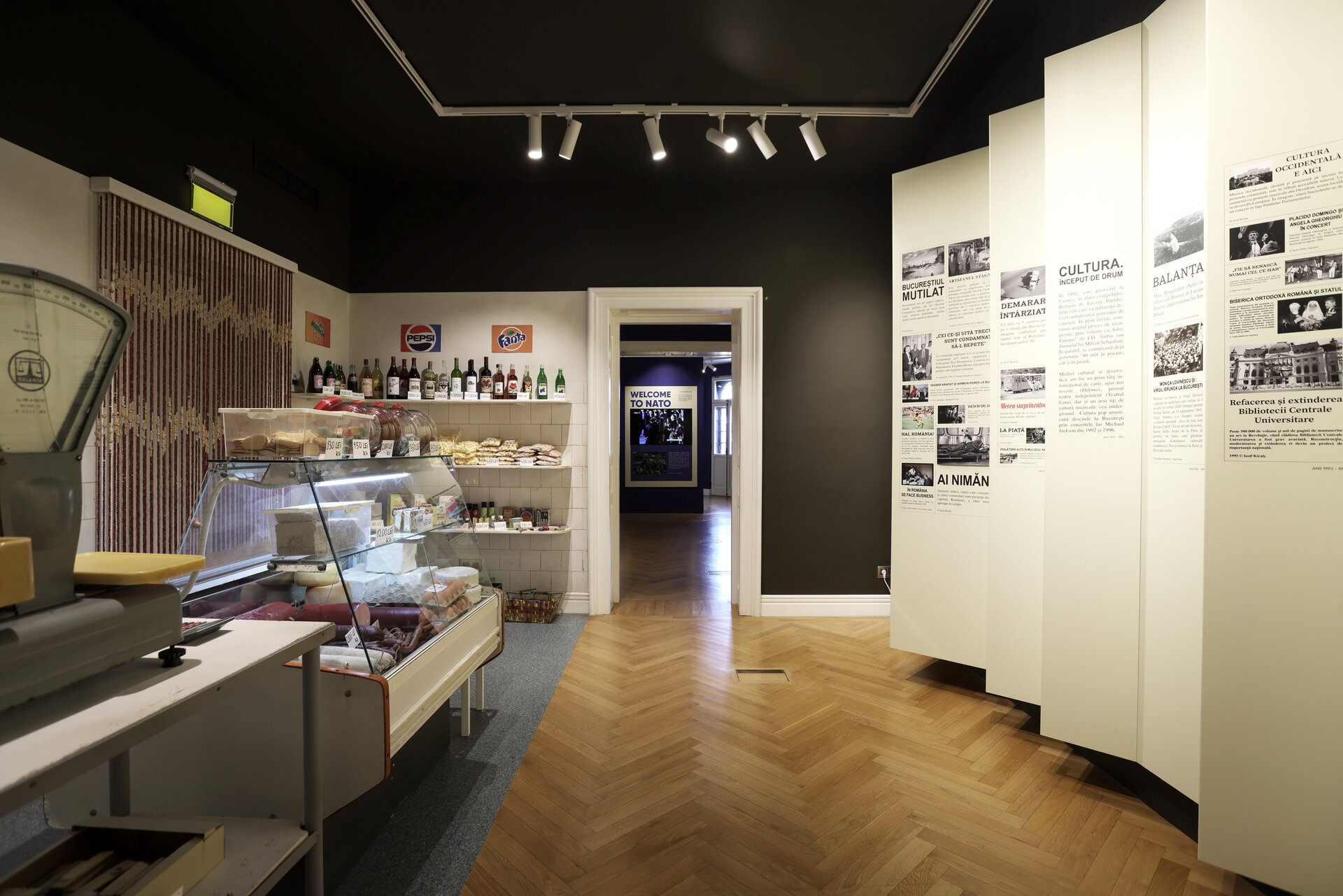
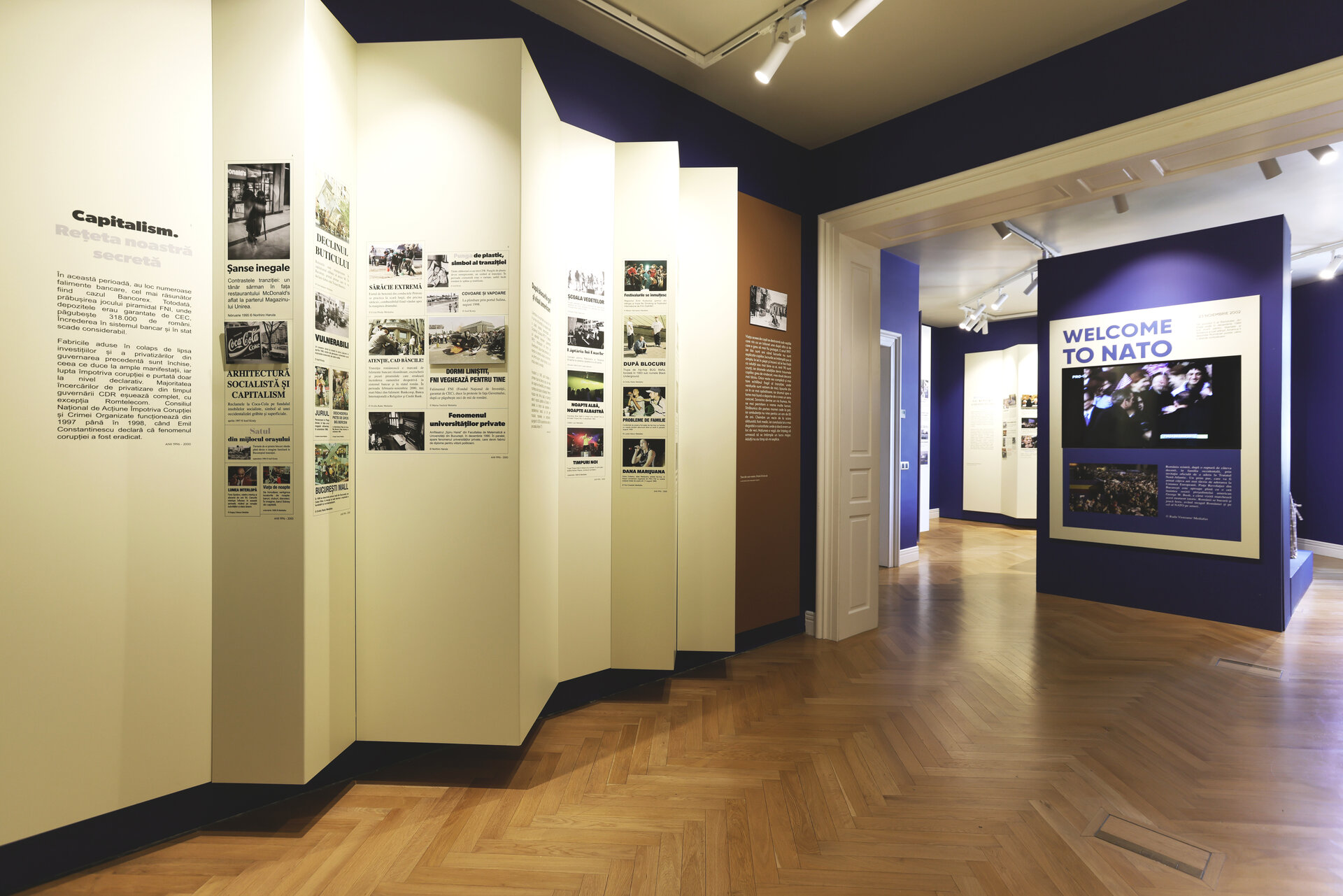
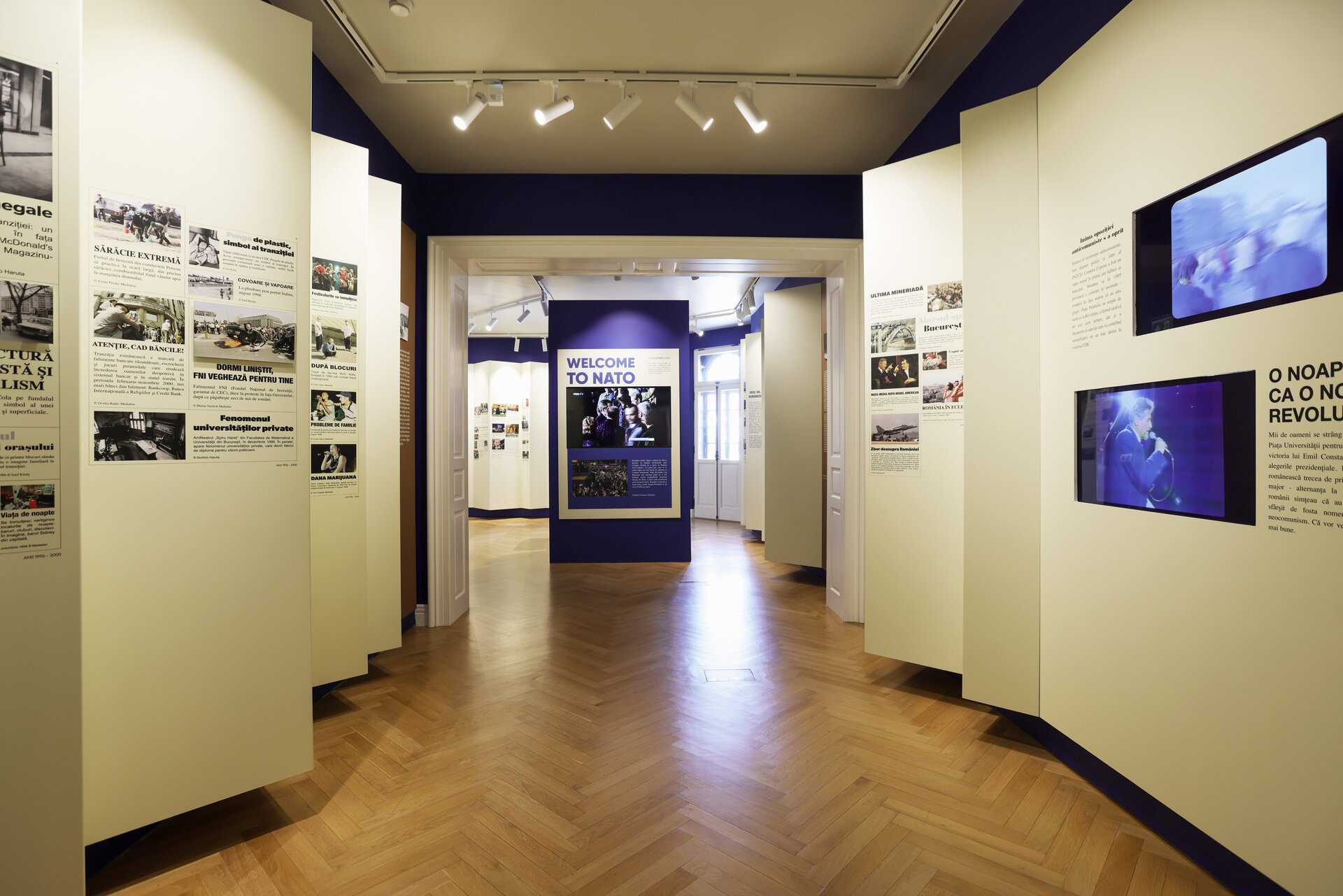
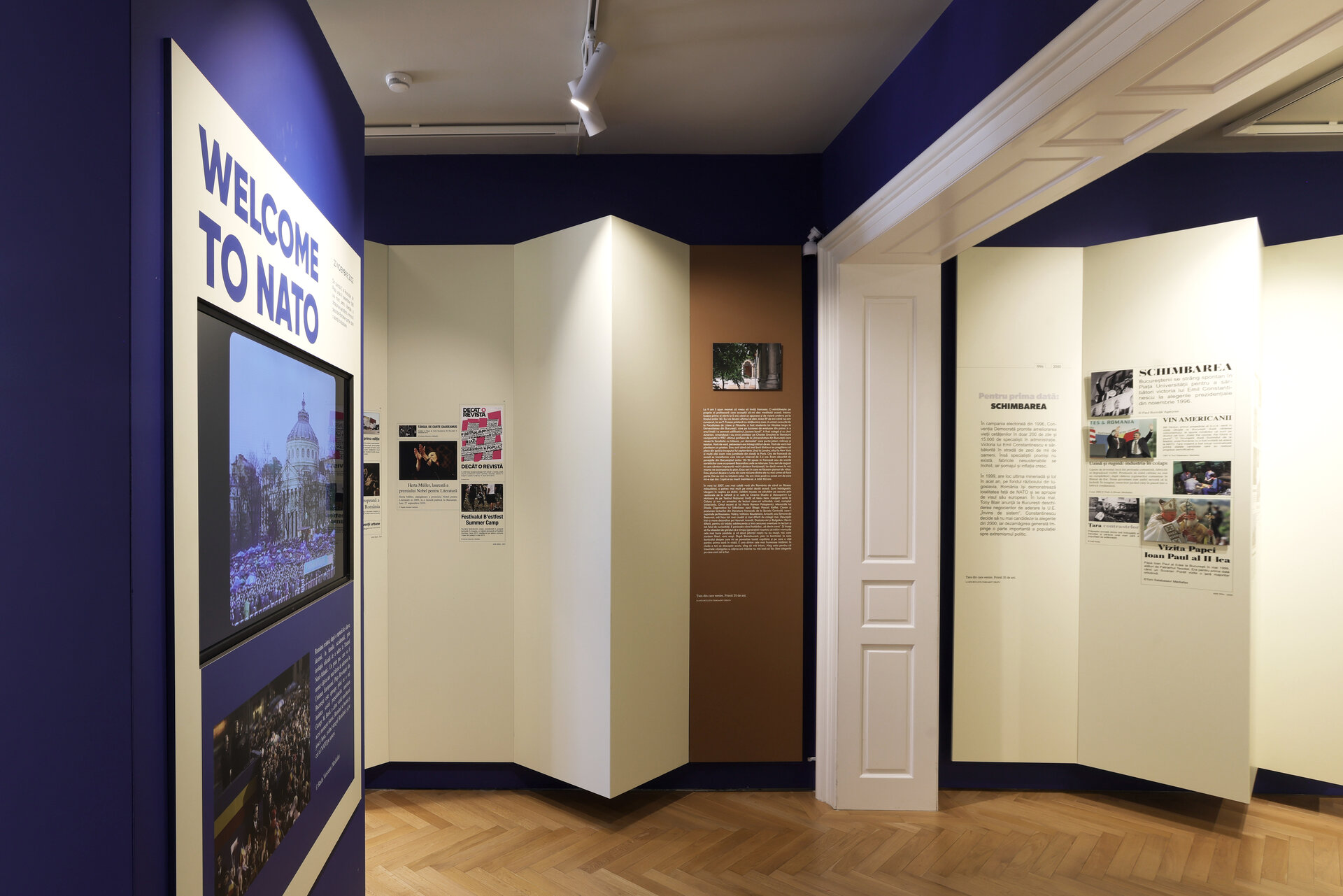
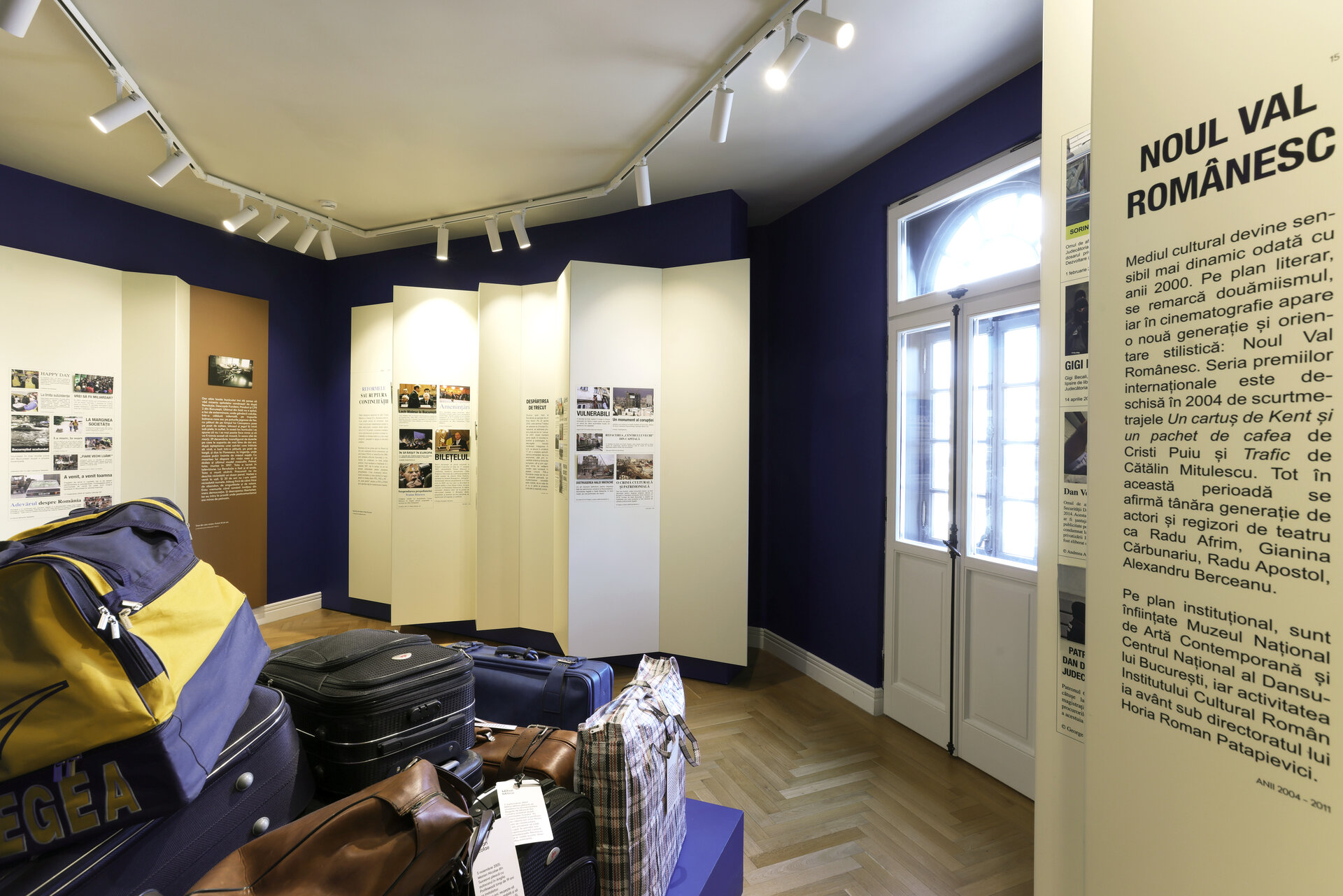
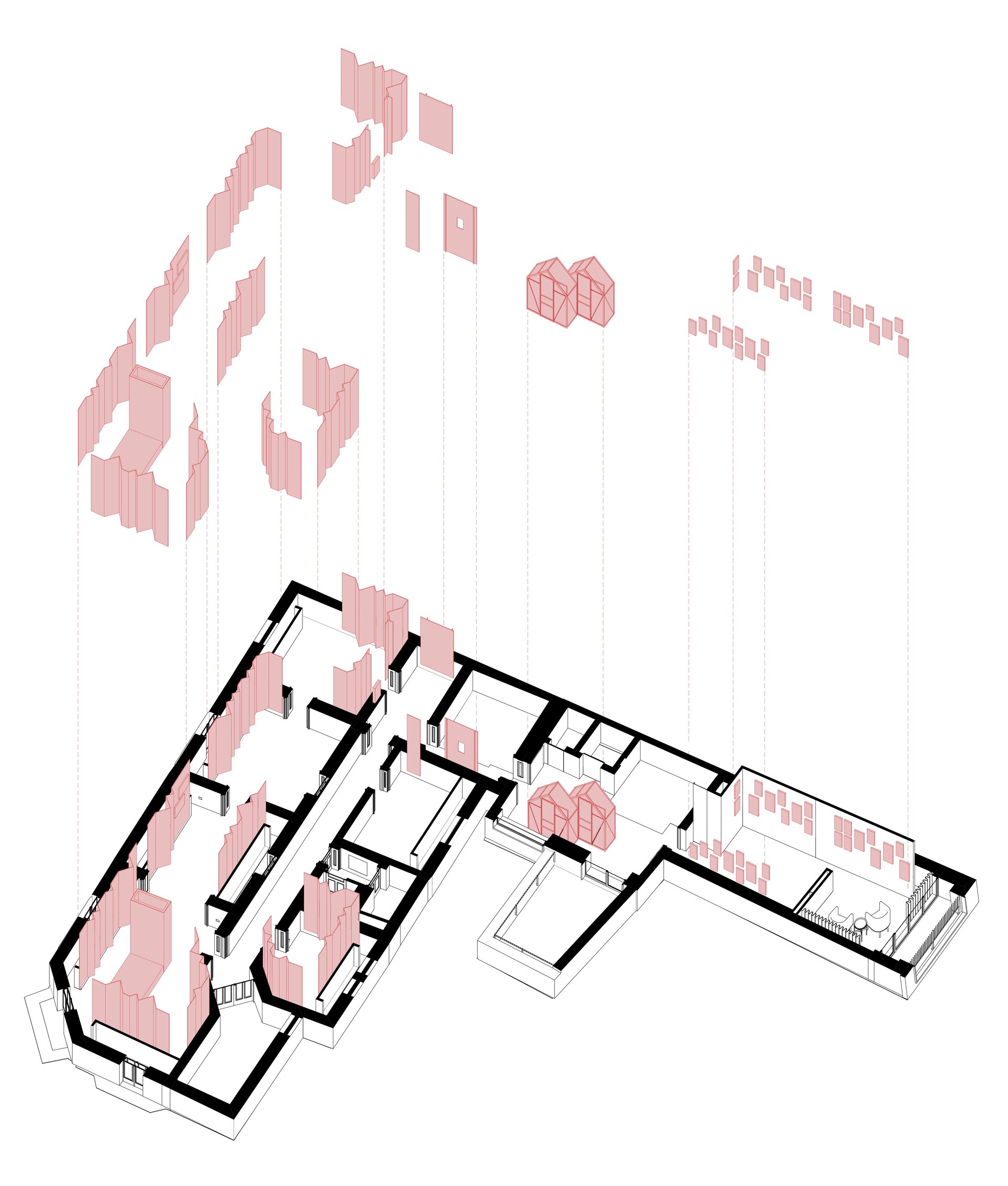
The architectural concept adapts to this narrative structure, transforming the exhibition spaces into time capsules of successive periods. Each moment in time is illustrated not only through explanatory texts and archival images but also through scenographic re-enactments. Based on the consciously subjective curatorial approach, the exhibition design proposes each room to be transformed in an oversized newspaper of it own period. The walls are covered with a folded three-dimensional structure resembling an old newspaper or magazine, on which all texts and images are displayed as a collage of news articles, carefully preserving the graphic design of the press from each era.
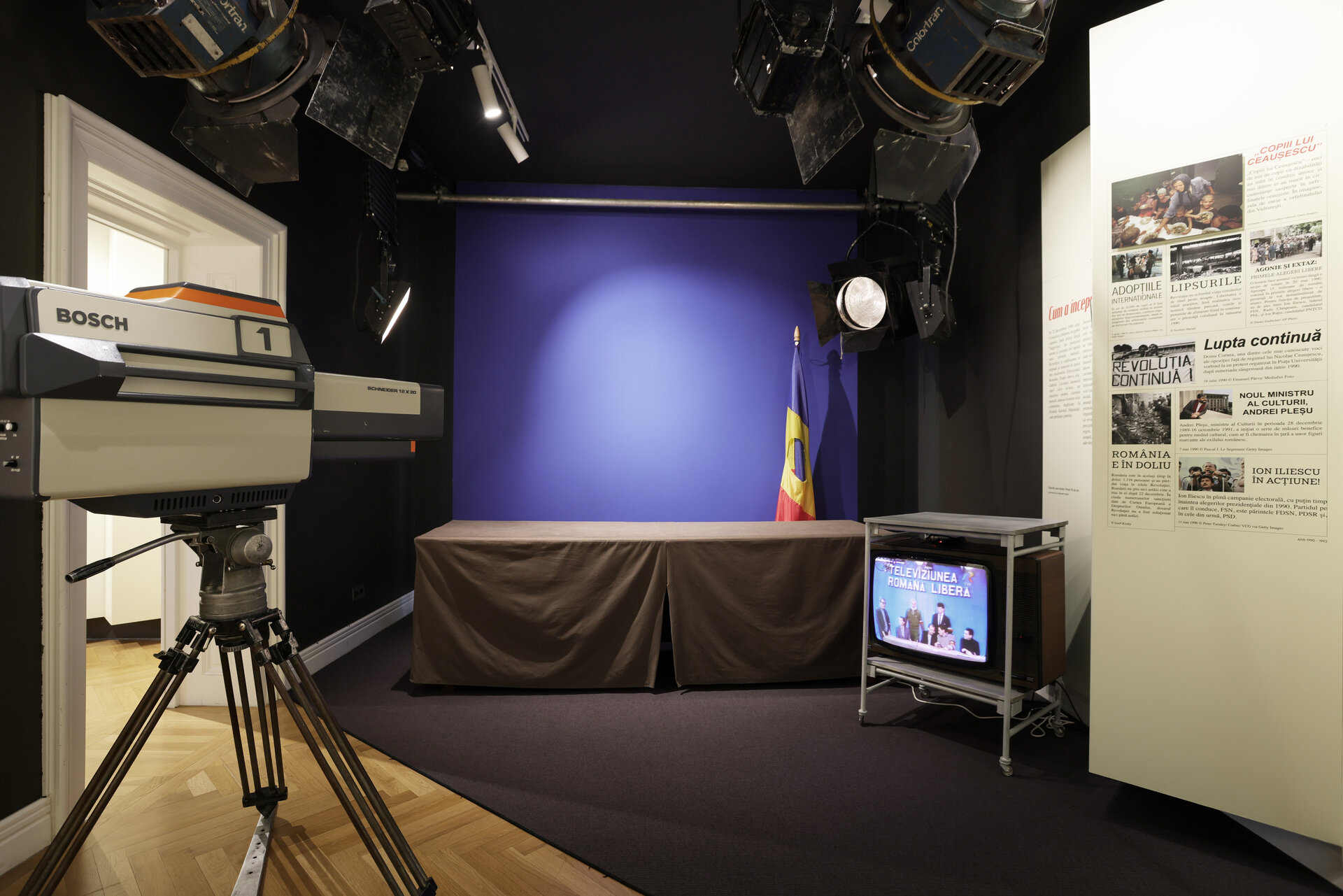
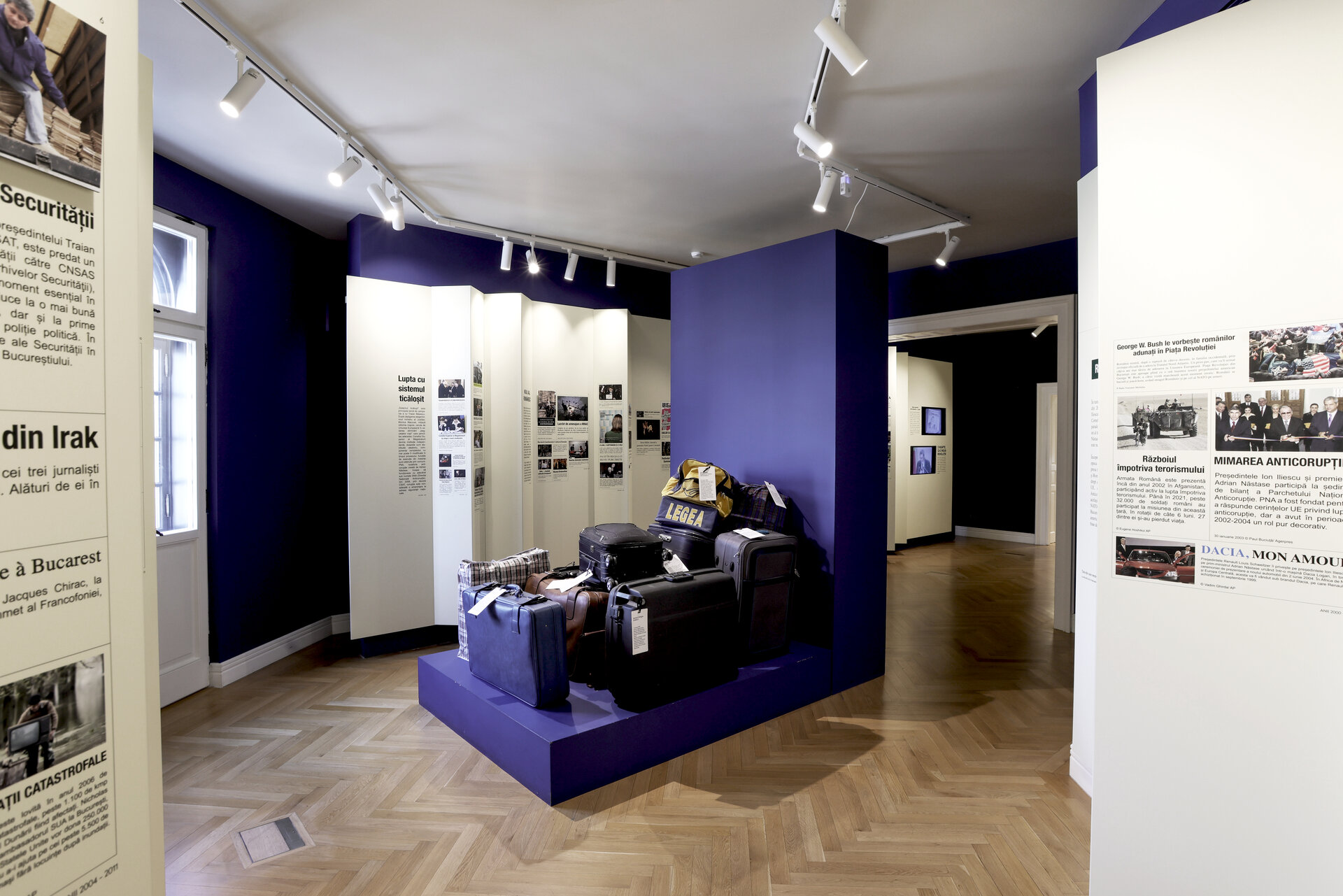
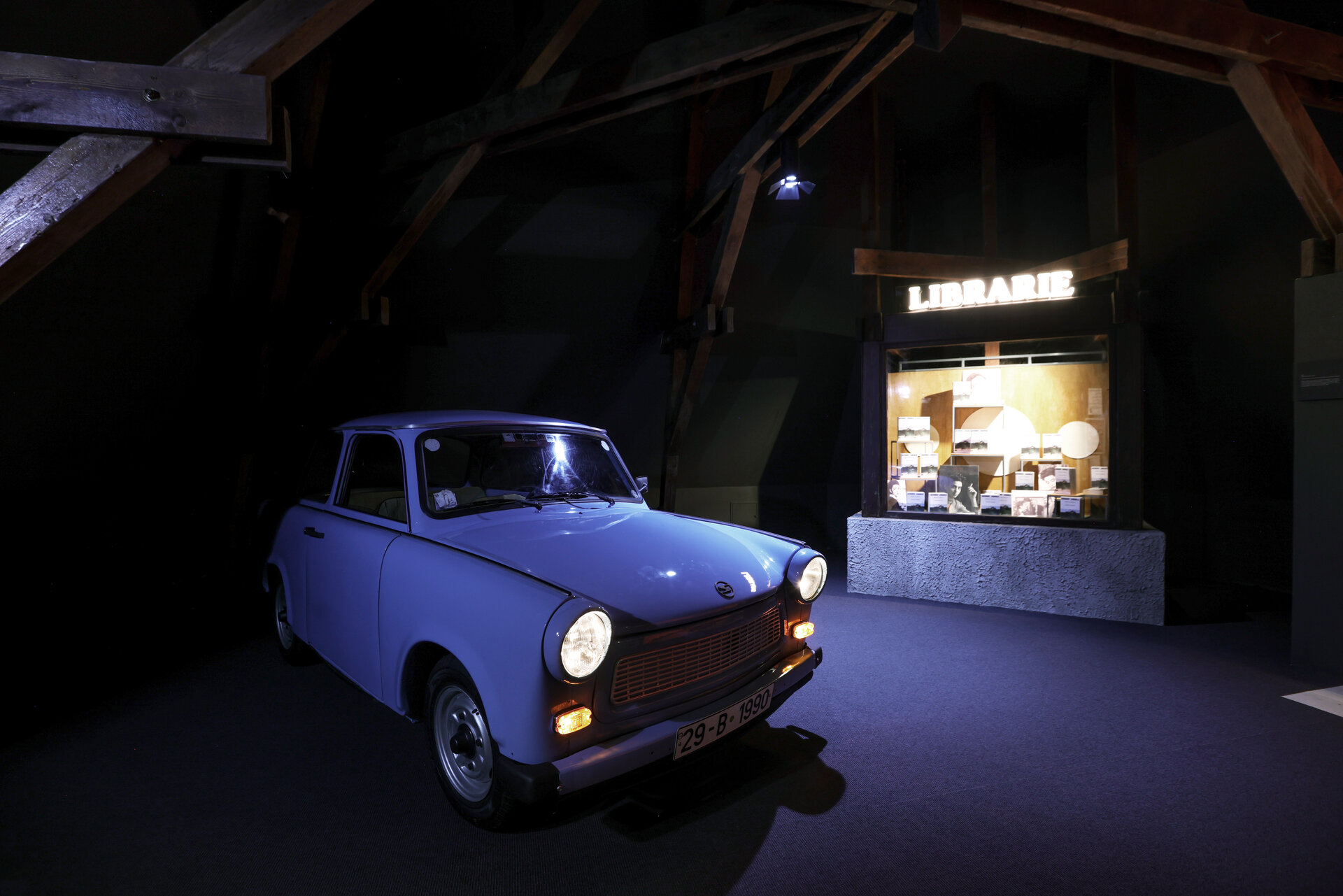
The diorama-like reconstructions, created in collaboration with Velica Panduru, highlight significant symbolic moments from this historical period, such as the Romanian Television studio from December 1989; a post-revolution grocery store selling all types of goods; a pile of suitcases belonging to Romanian emigrants, each bearing baggage tags briefly telling their individual stories; and finally a series of living and working spaces belonging to both real figures—such as Doina Cornea and Cătălina Buzoianu—and fictional characters relevant to recent history, such as the dorm room of two students at UNATC or the studio of a young photographer.
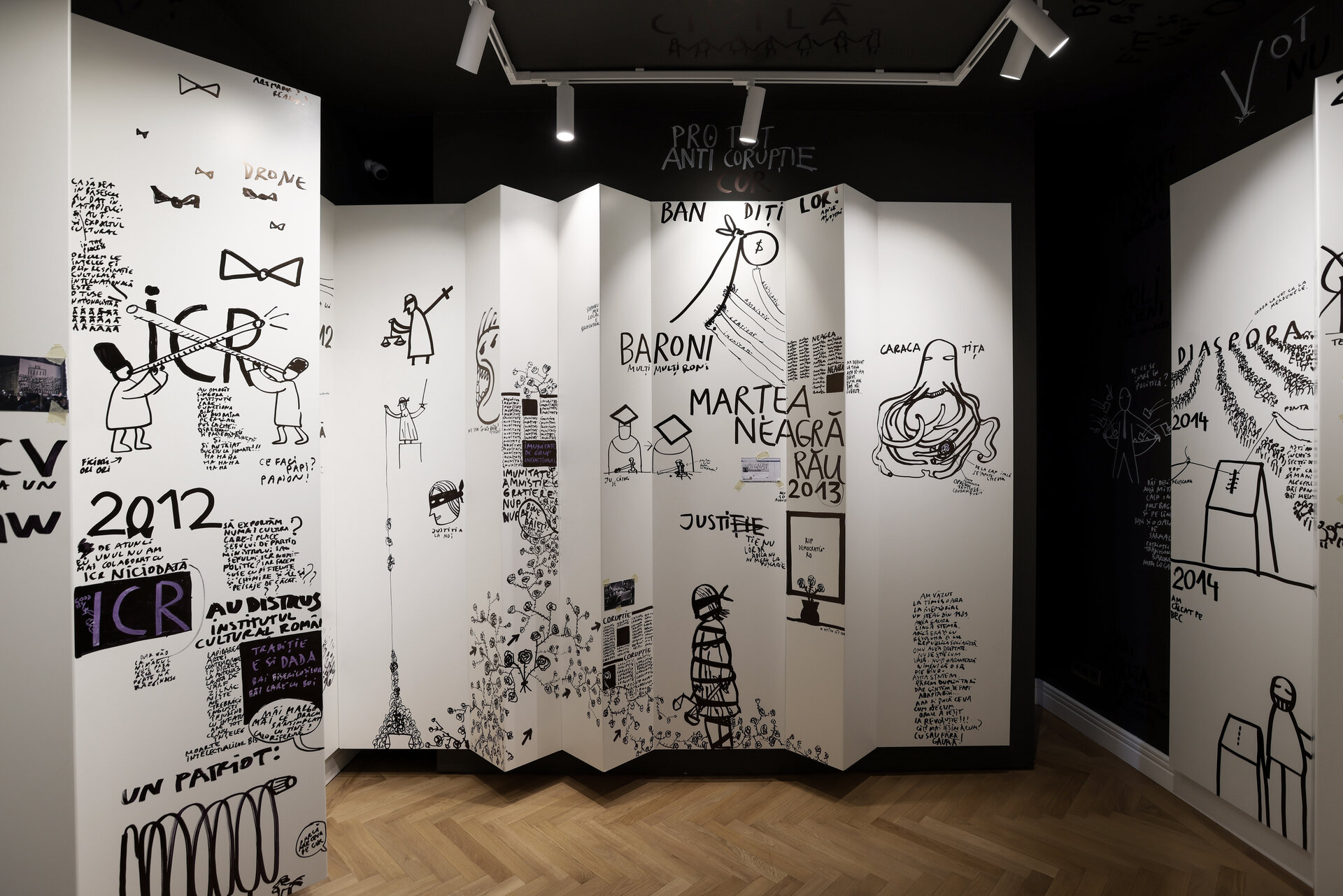
Another important collaboration in this project was with artist Dan Perjovschi, who contributed to the sections illustrating the political changes of the early 2000s as well as the lockdown during the 2020 pandemic.
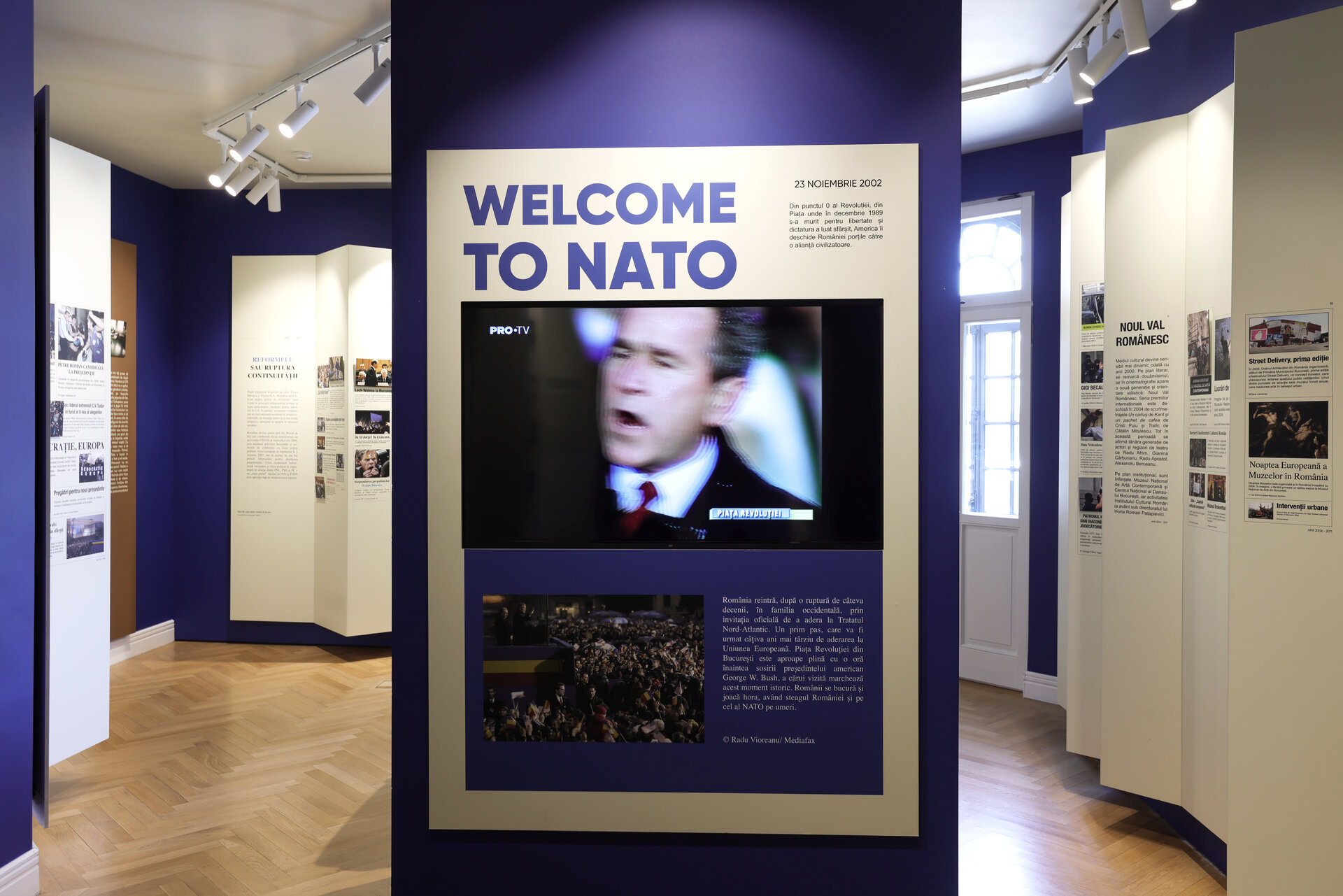
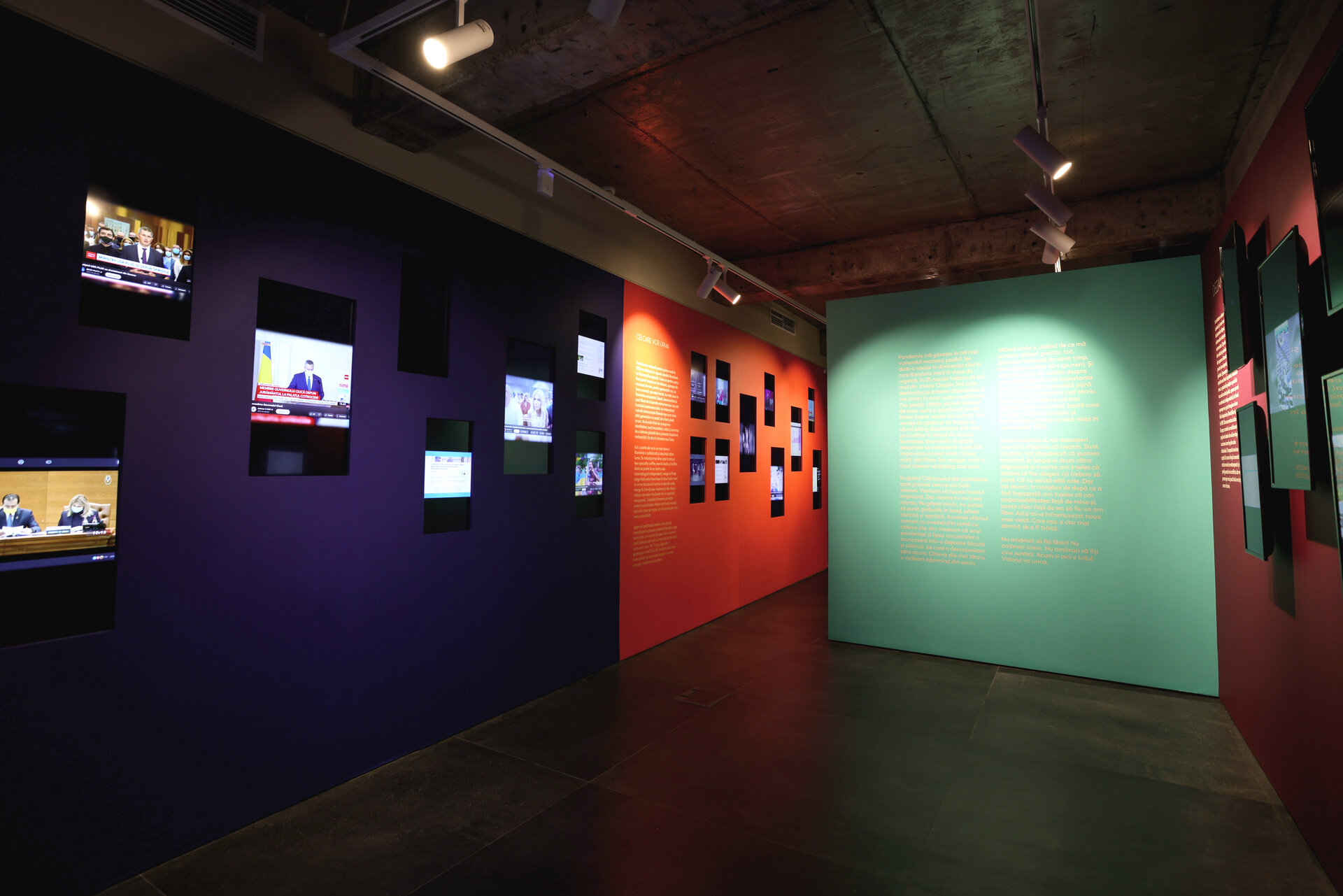
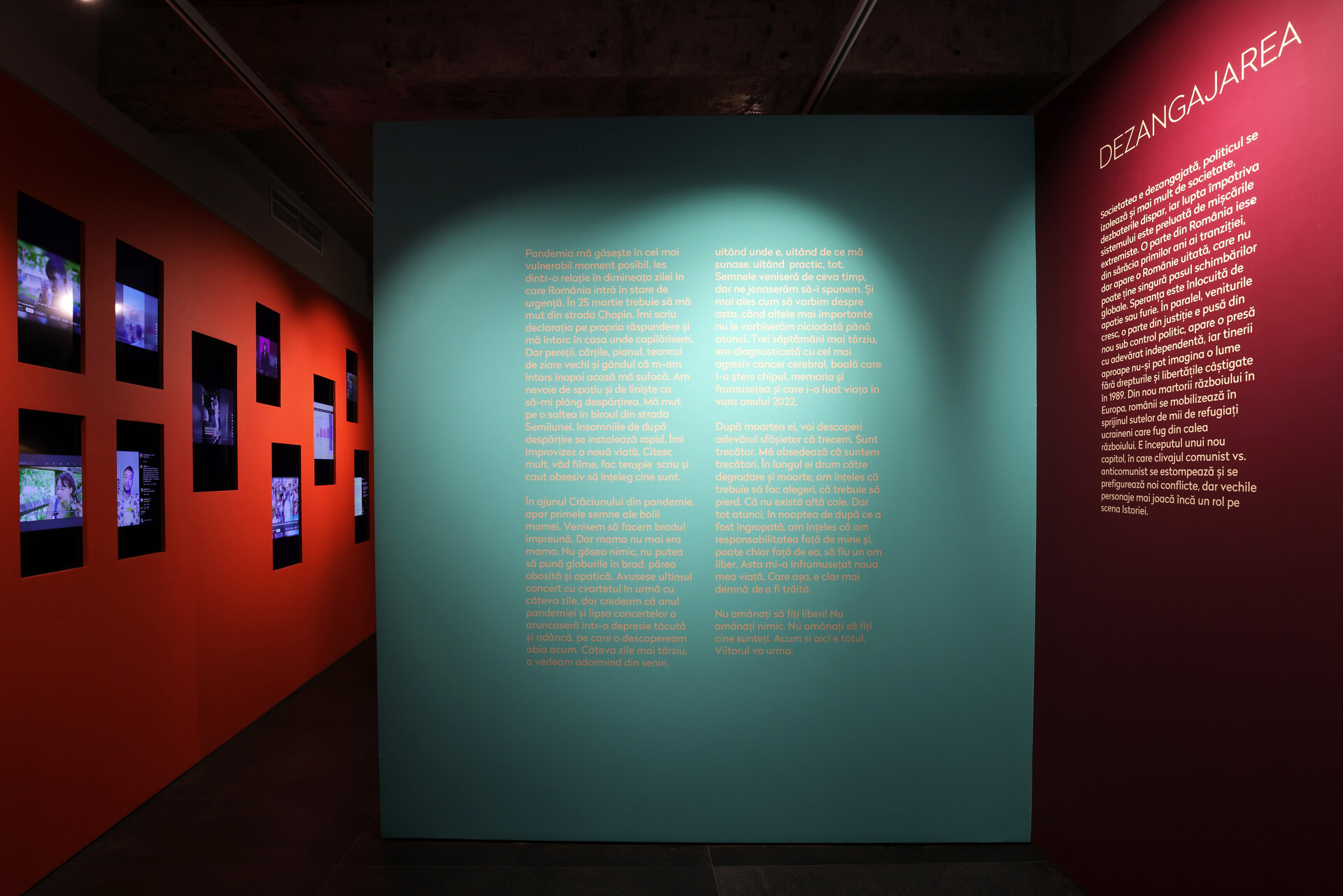
The architecture of the exhibition offers a fil-rouge for exploring these different periods, using a graphic and exhibiting language inspired by the most popular communication forms of mass-media: the aesthetics of daily newspapers from the 1990s to represent the early post-revolution years; references to the cultural and political magazines of the 2000s—for instance, Romania’s NATO accession is presented as a headline on an oversized magazine cover, where instead of a photograph, a monitor is embedded; and finally concludes with the portrayal of the post-pandemic years, using instead of printed medium only monitors showing all the texts and images in the form of social media feeds.
Exhibition and Scenography Design

- From Craft to Music
- Art Encounters Biennial - Garrison Command
- The Country We Come From. The First 35 Years
- Pop-up Gallery at Point - two exhibitions
- Monuments with a tail
- Original spaces | Legalized gestures
- Edges of identity
- Notes from Underground
- STD_BIG-S
- The Mosaic of the National Cathedral - Architecture of a traveling exhibition
- Collector’s Attic (/SAC booth at RAD - Romanian Art Dealers)
- T_SM
- Stage Design - Deliric X Silent Strike III @ Arenele Romane
- (RE)ST_24
- The Thin Red Line
- Dacia
- RDW & The City
- 10 Years of Concéntrico
- Exhibition Design “My hand is your spoon. It feeds you”
- Beauty festival installation at Magazinul București
- Archaeology and History Museum in Piatra Neamț Permanent Exhibition
- Temporary exhibition “Twisted Histories - Rewritten Destinies. The Built Heritage of Bucharest under the Communist Regime”
- FOMO - Sala Palatului


