Parásitos - integrative microarchitecture in the urban space
Authors’ Comment
The project answers Concéntrico’s call „Objects in the city”, whose purpose was to create an expanded intervention that reinterprets existing elements in the urban environment through a minimal design exercise. As a collaboration novelty, this year’s edition proposed an dialogue between two events in Spain and Romania, respectively Concéntrico Architecture Festival in Logroño and Romanian Design Week 2025 in Bucharest. "Parásitos" has been chosen one of the finalists in the competition, out of more than 100 participants.
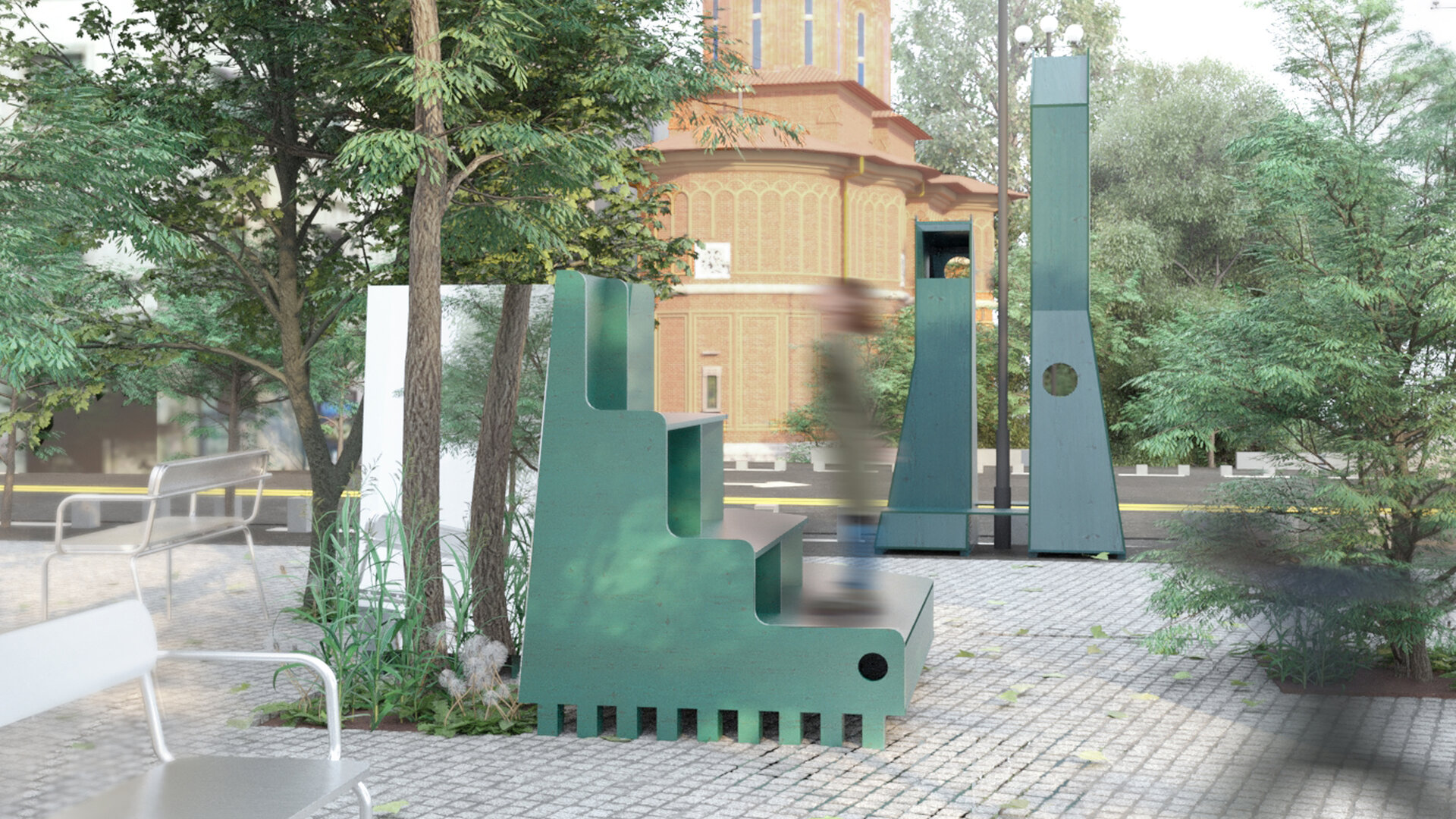
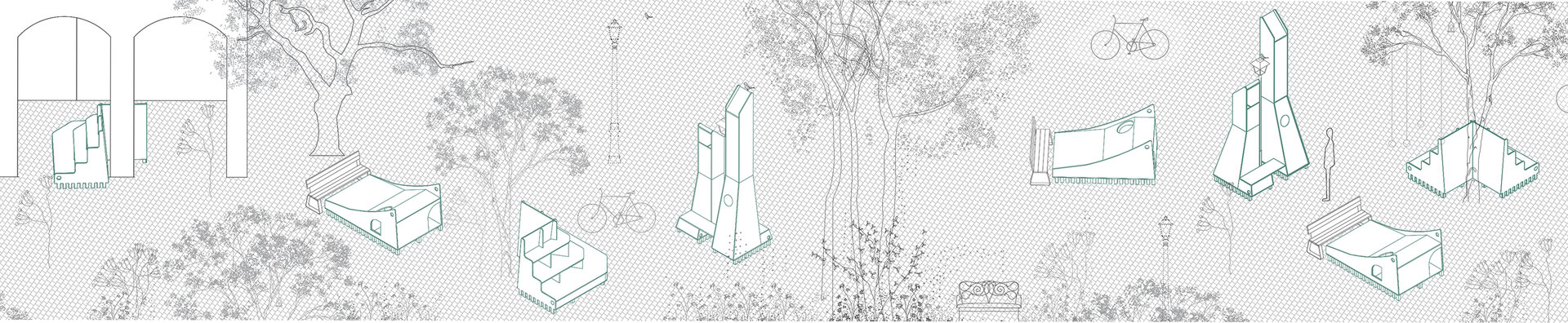
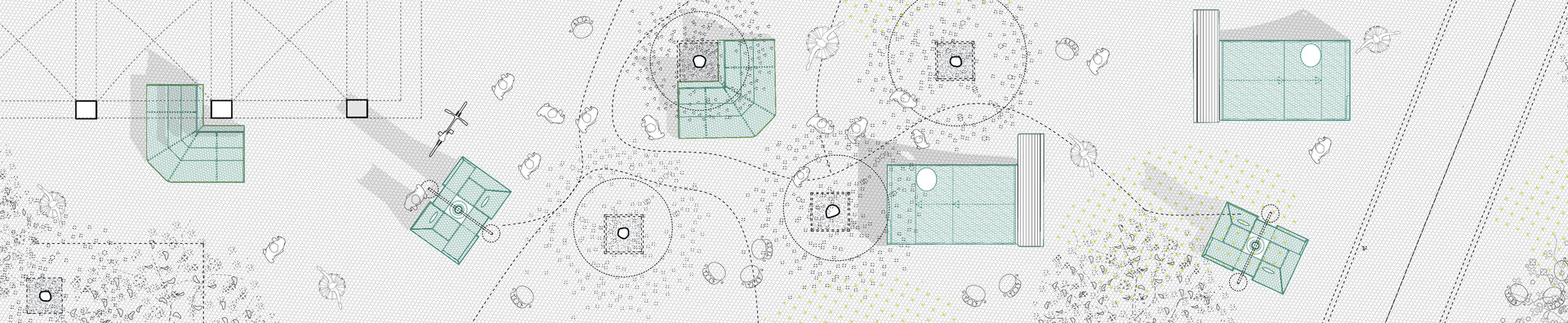
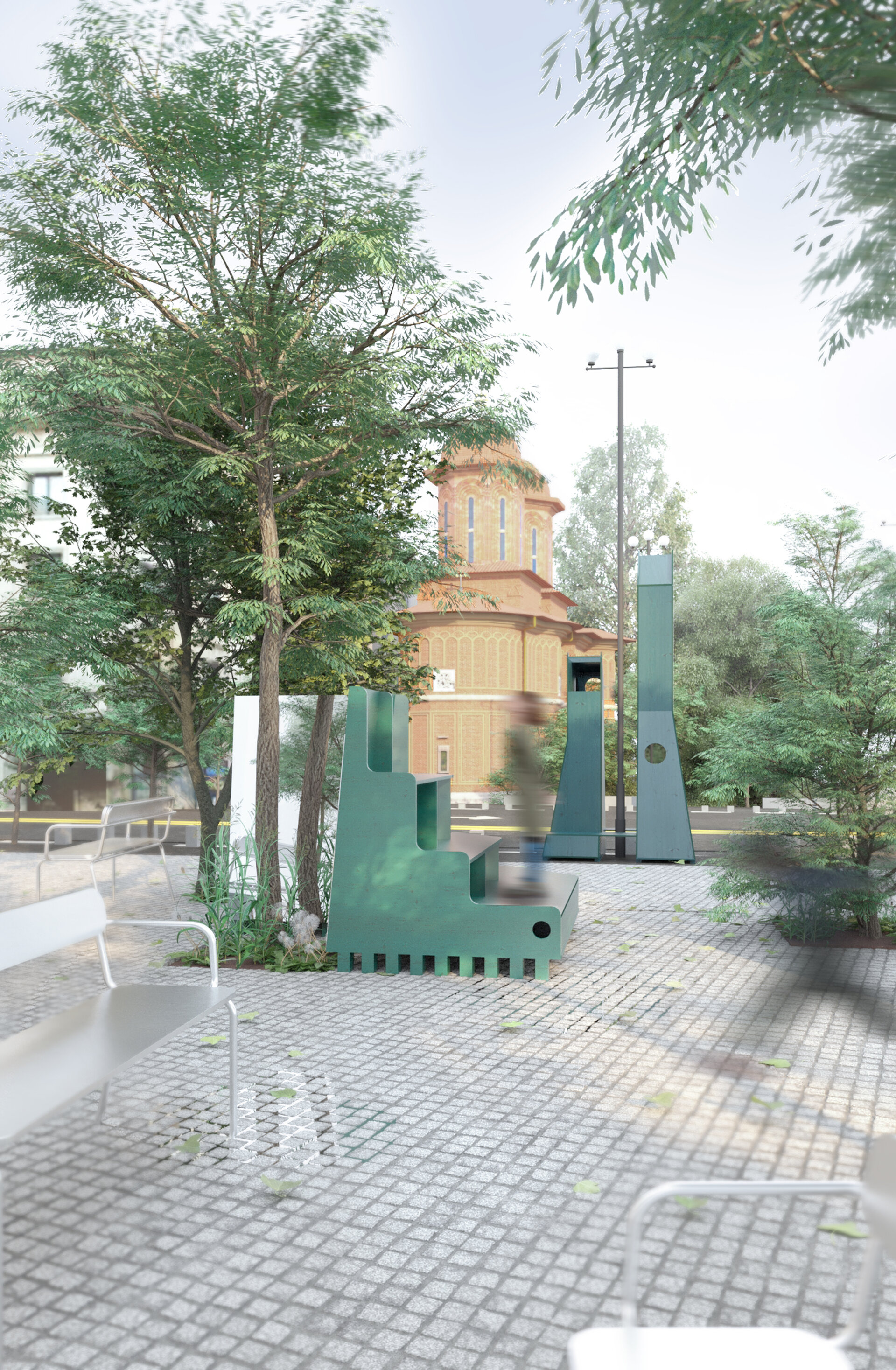
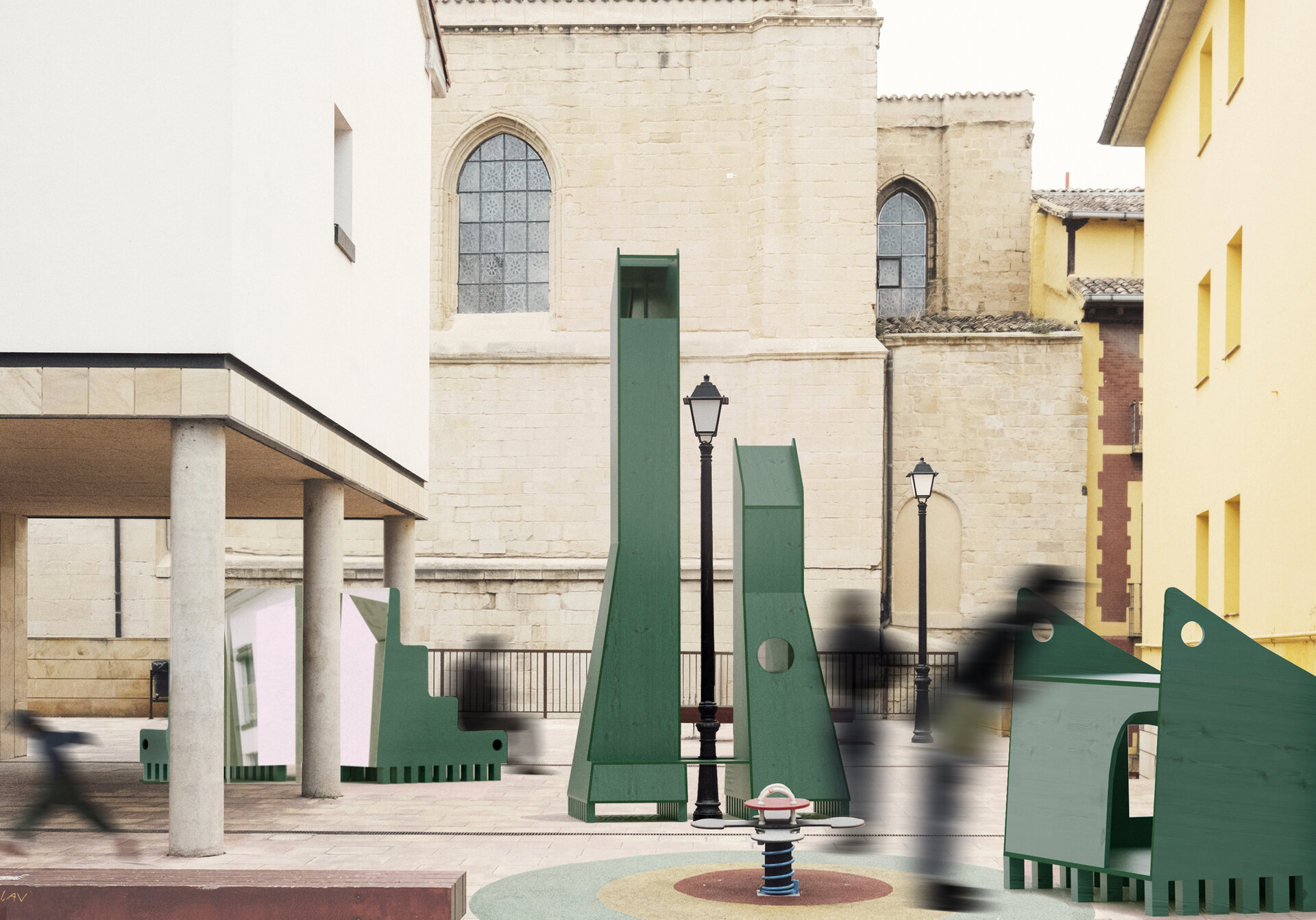
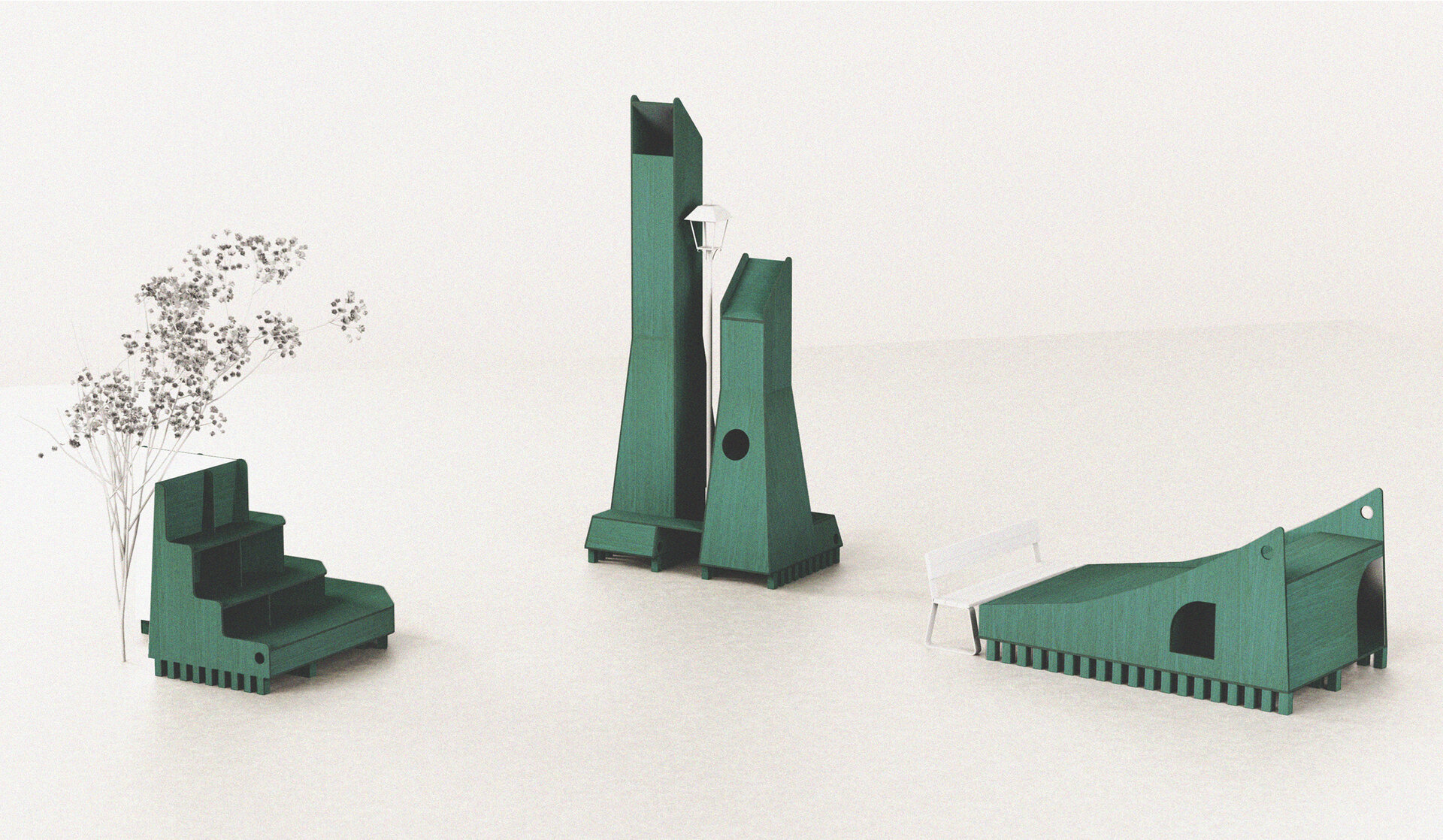
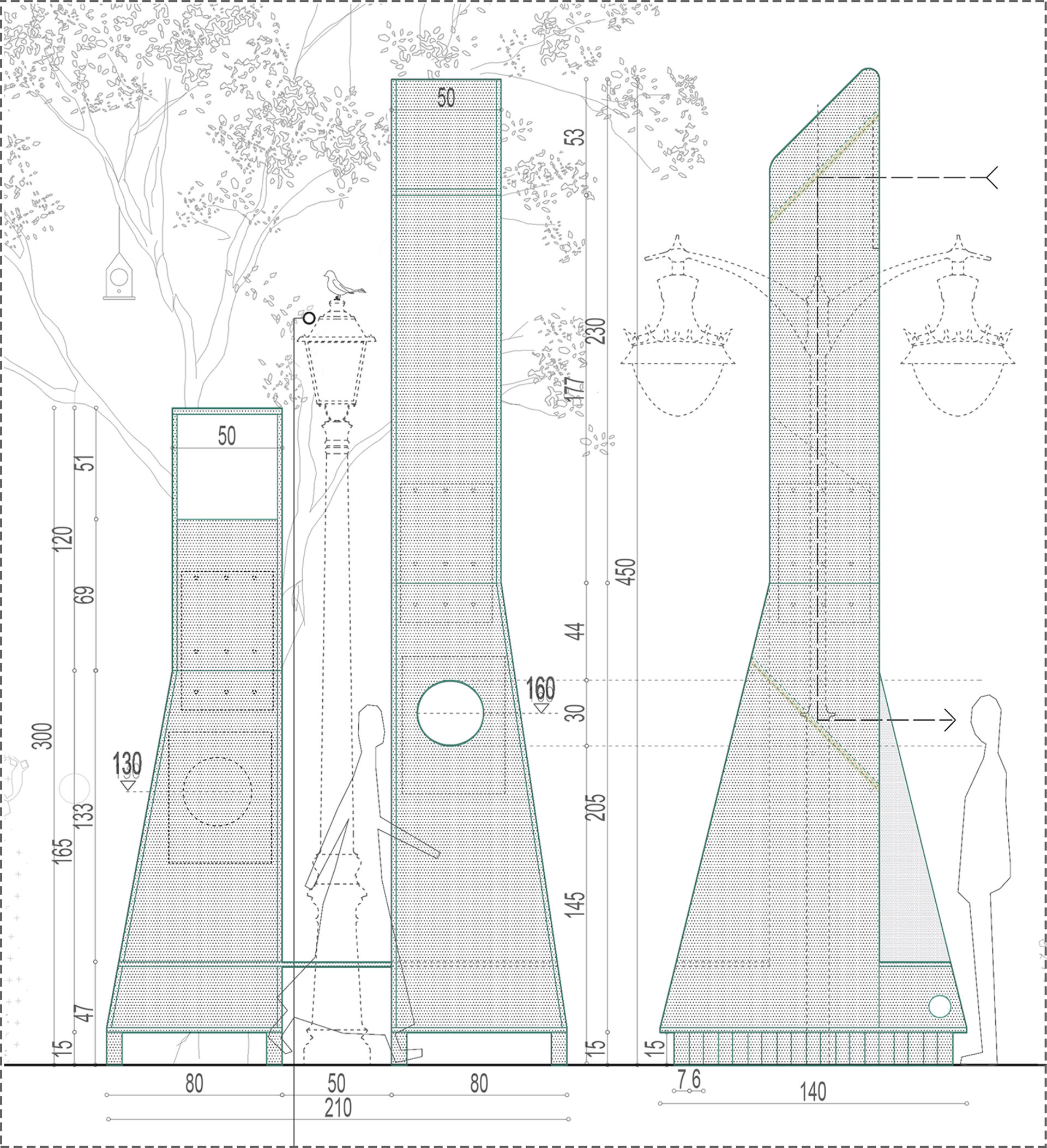
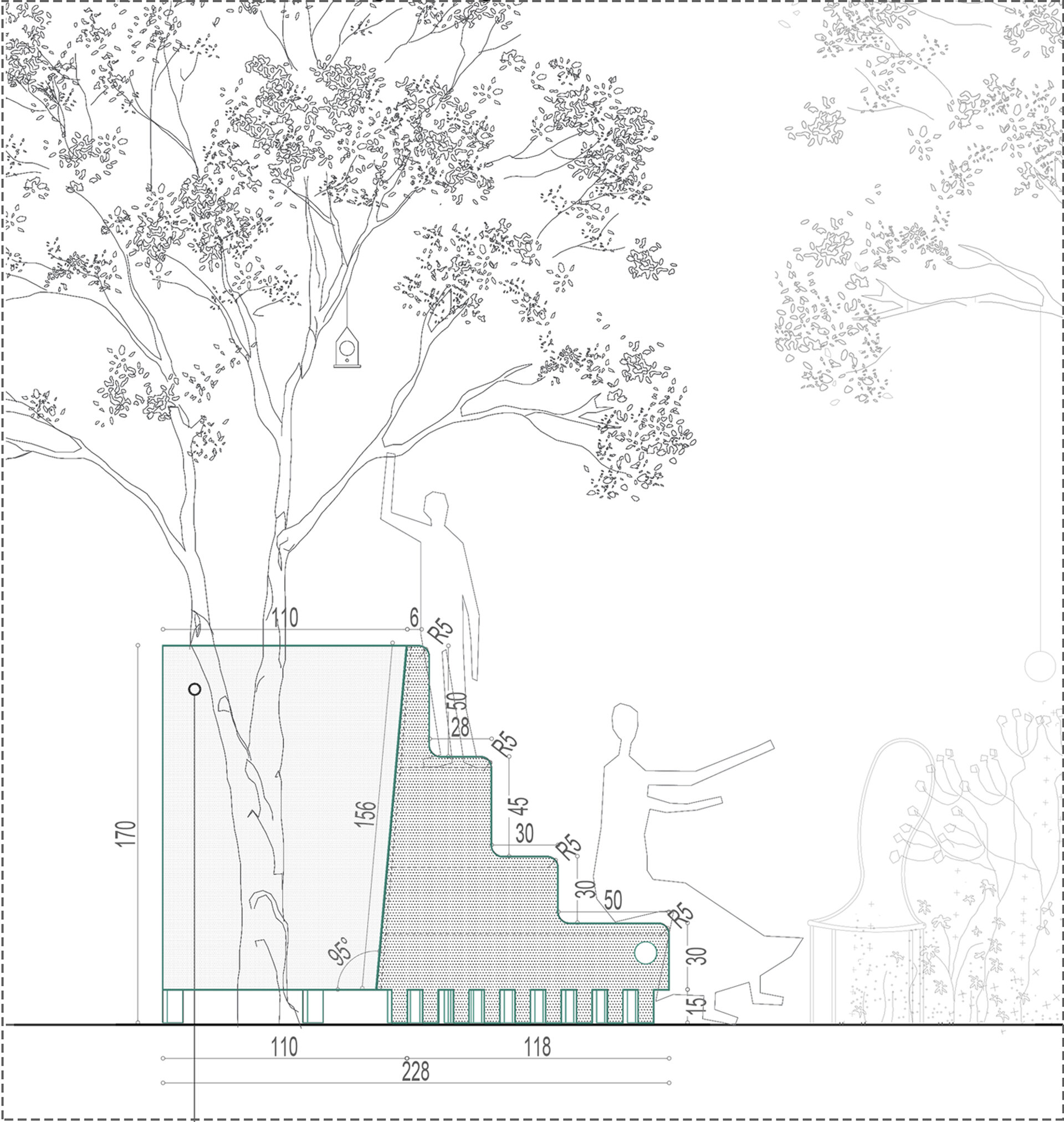
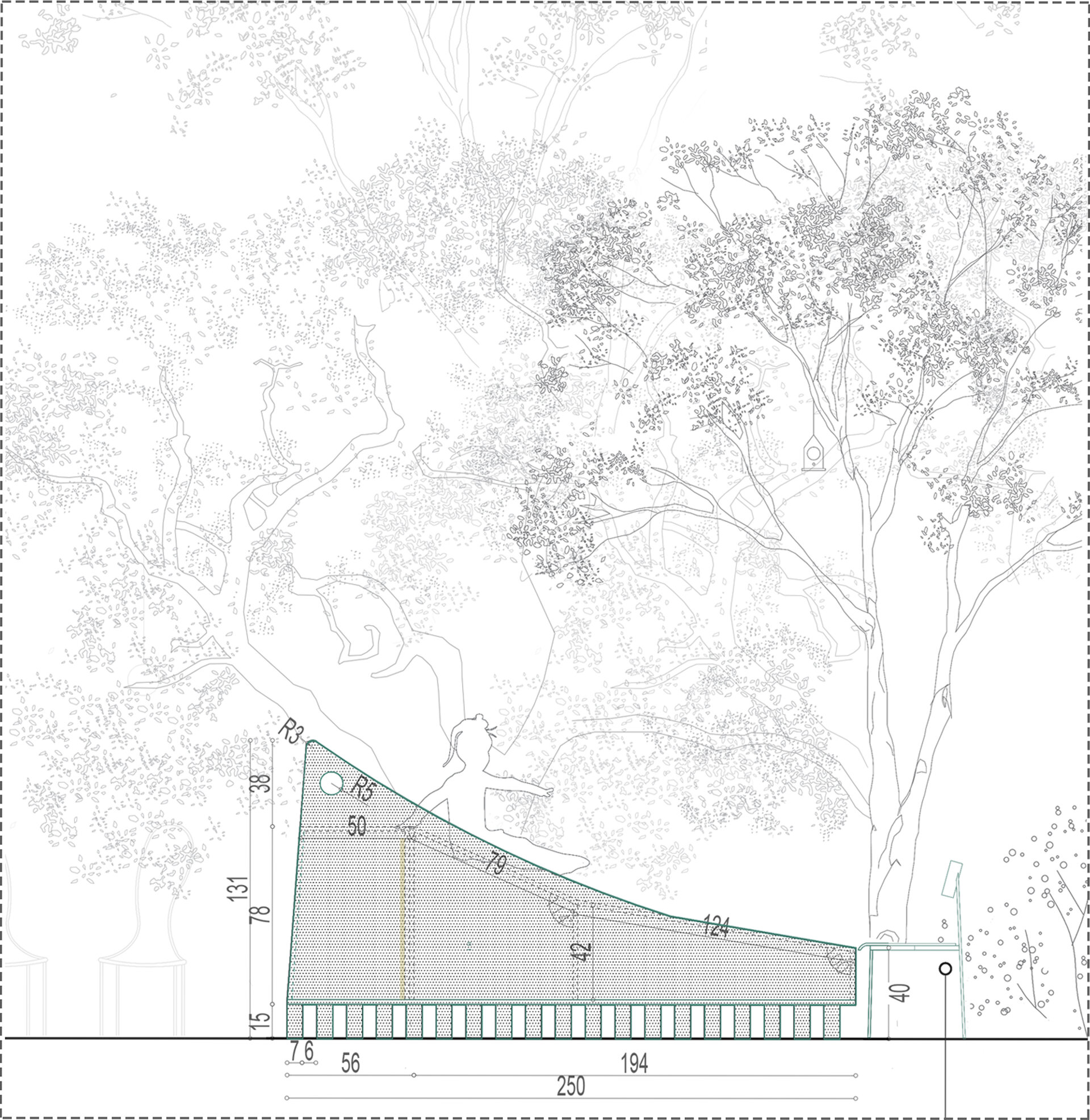
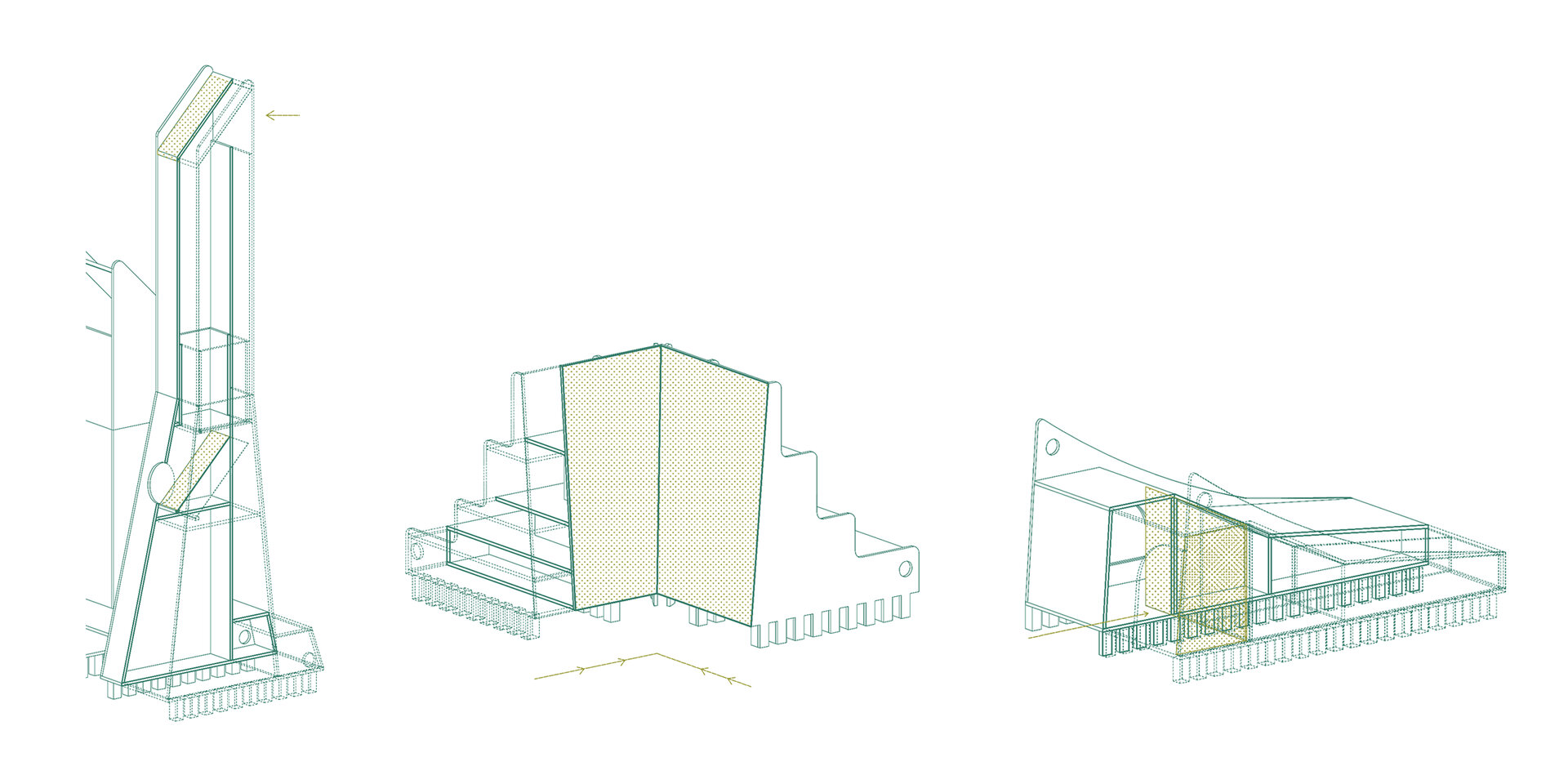
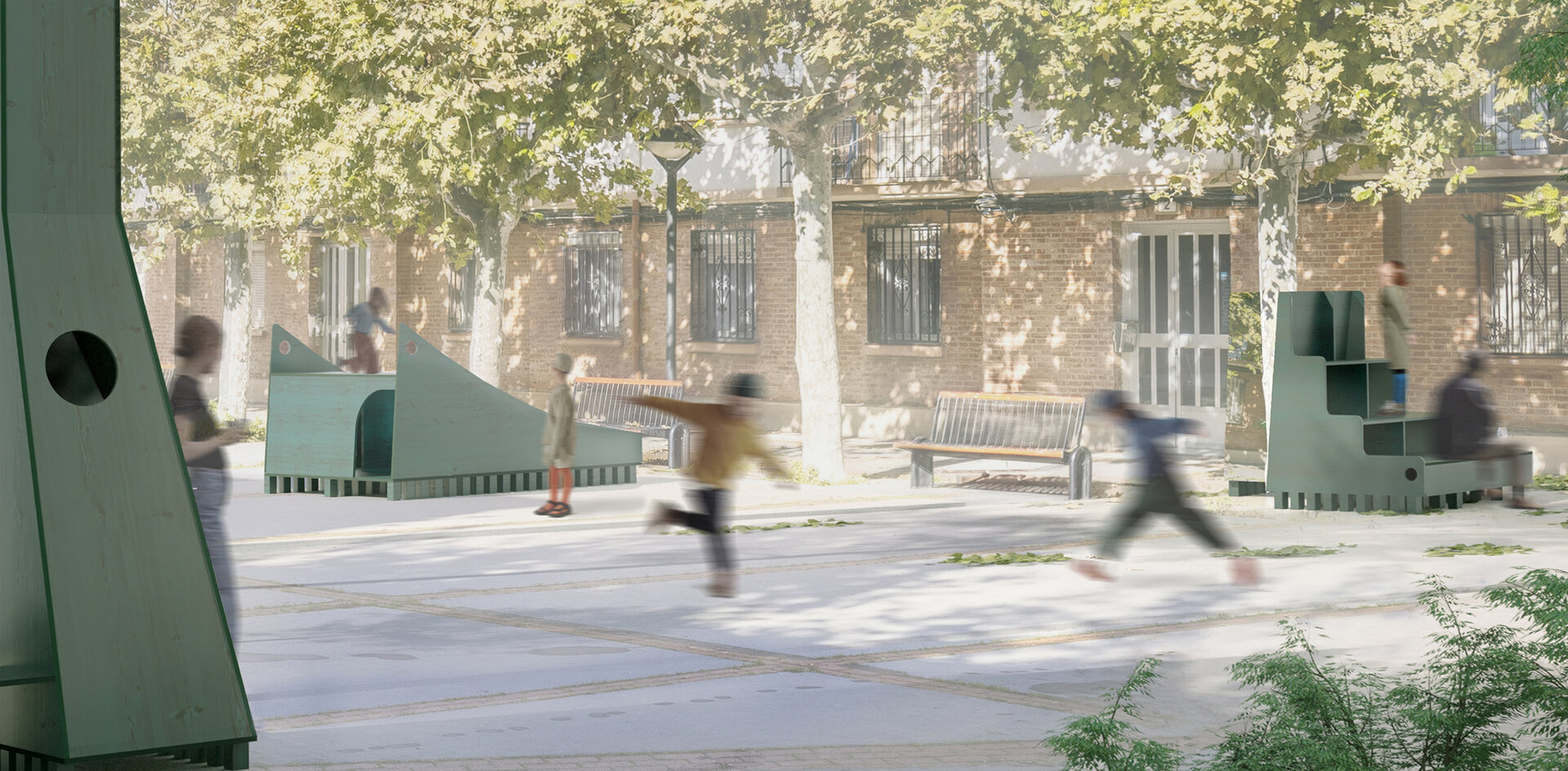
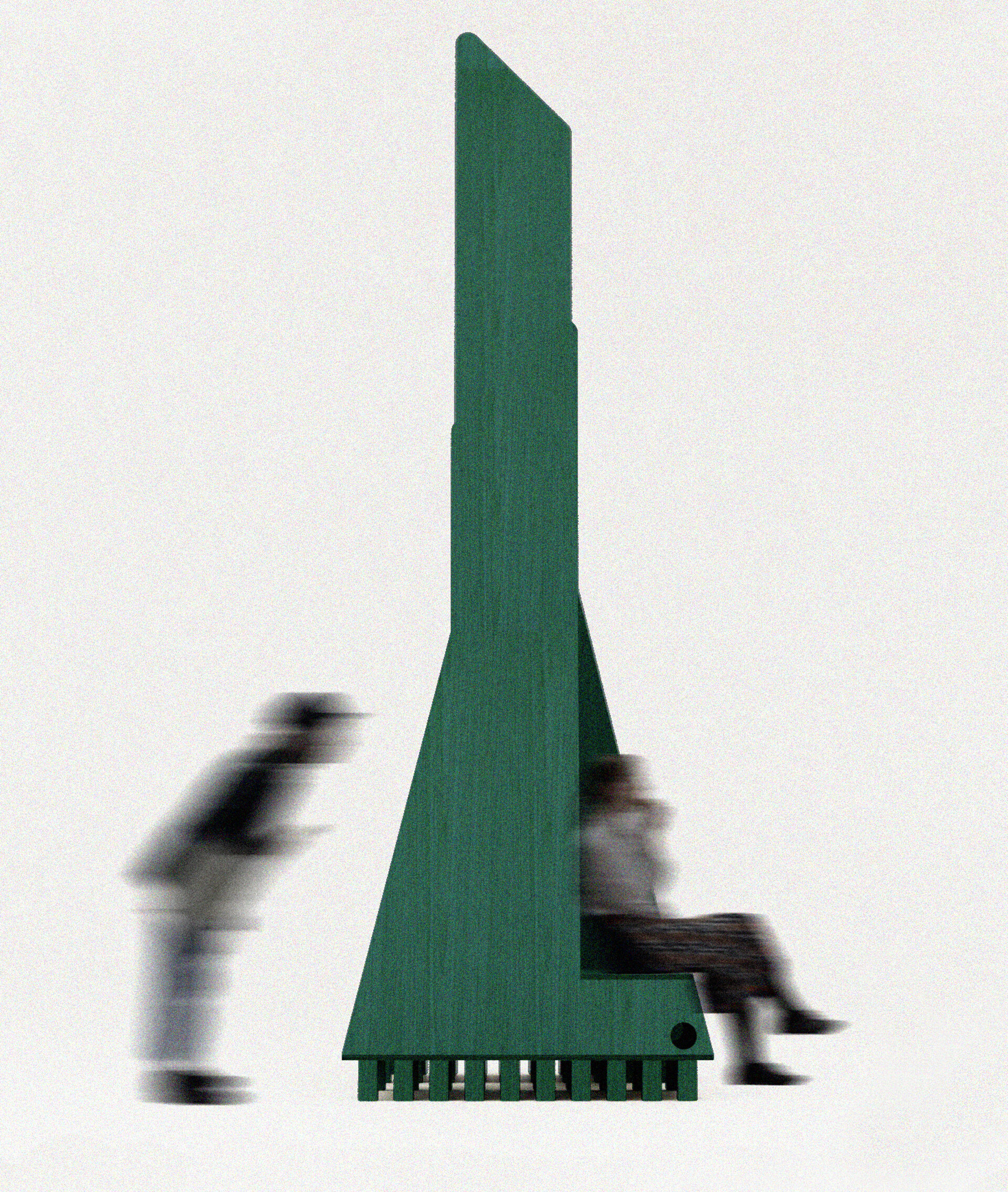
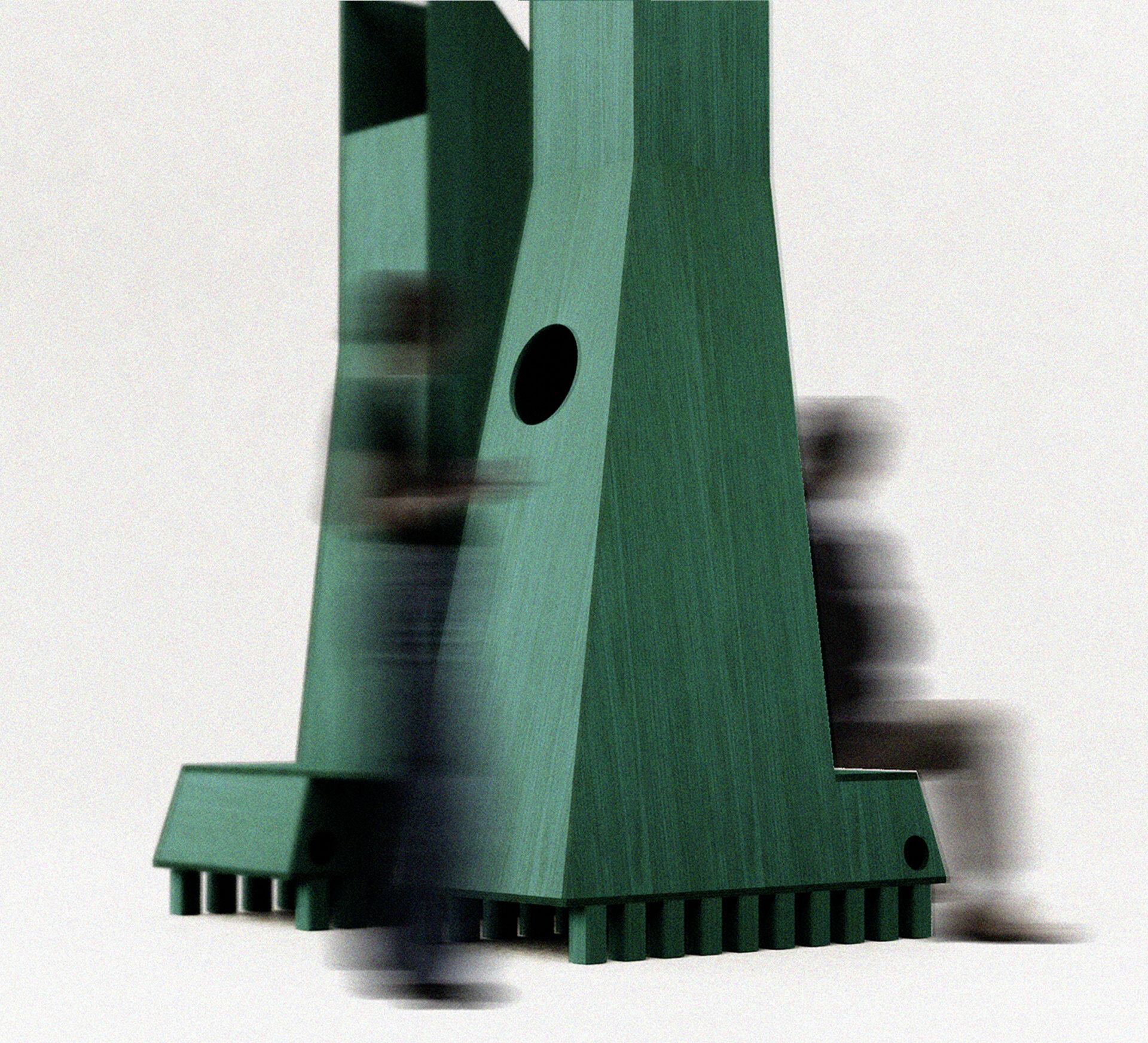
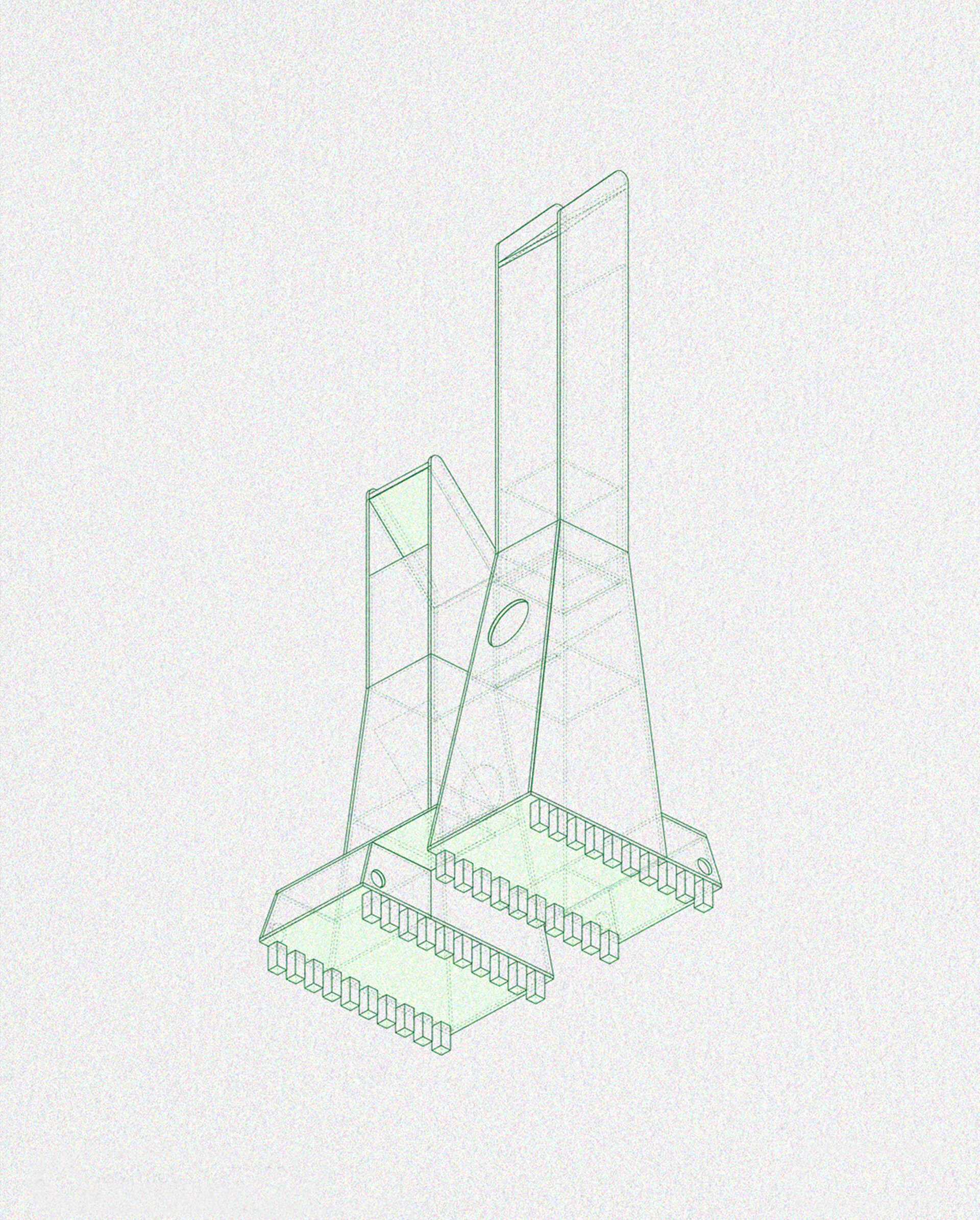
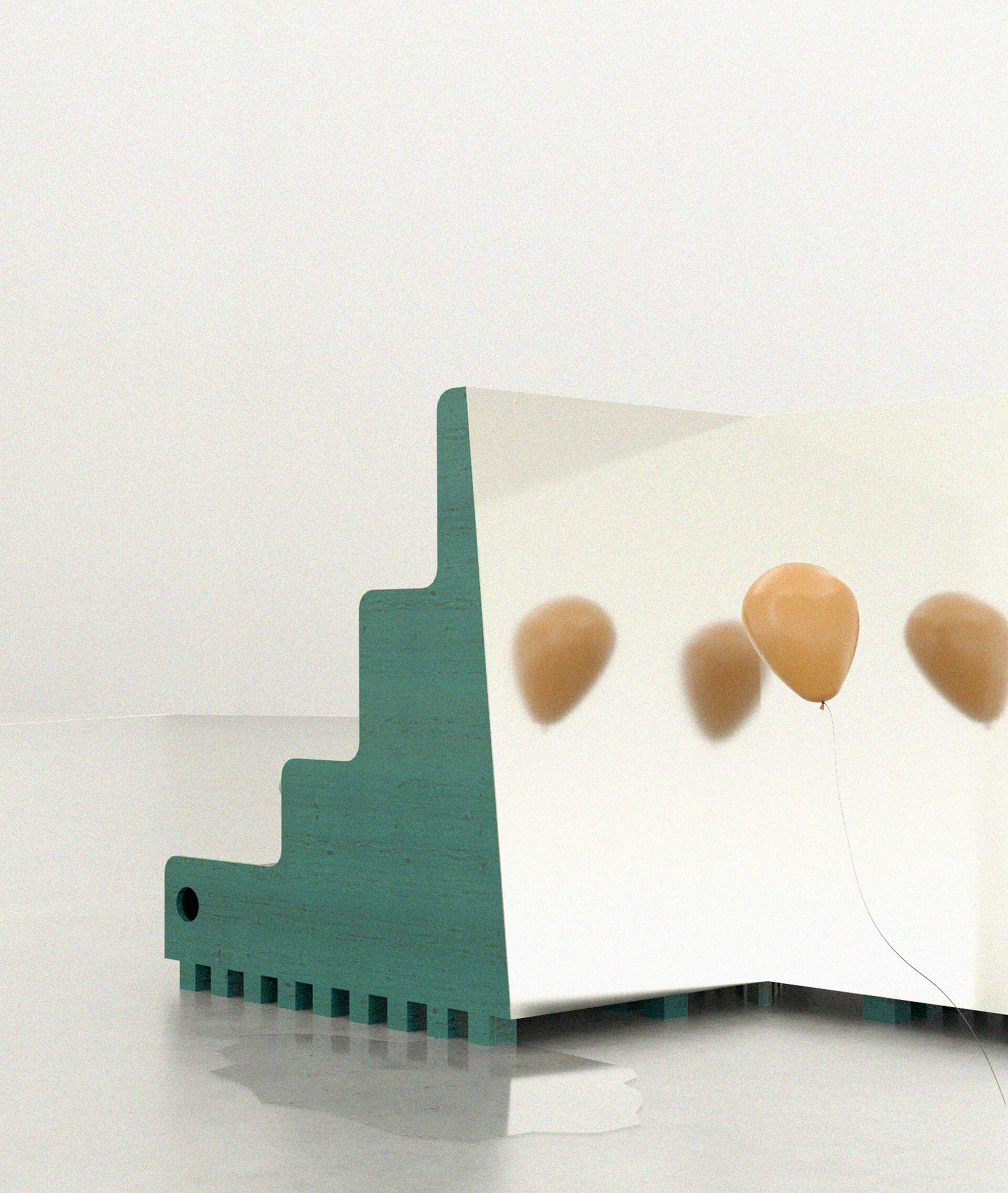
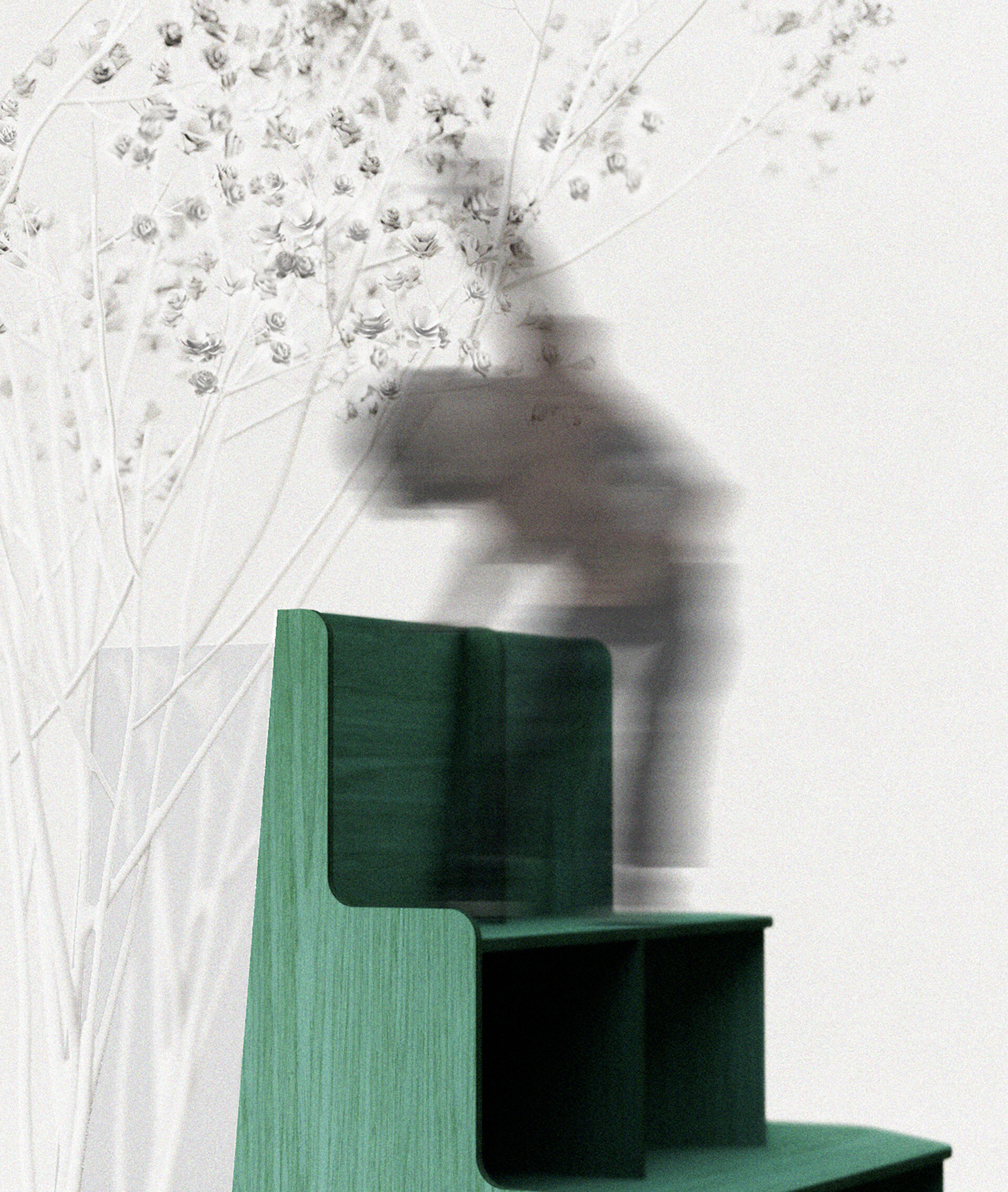
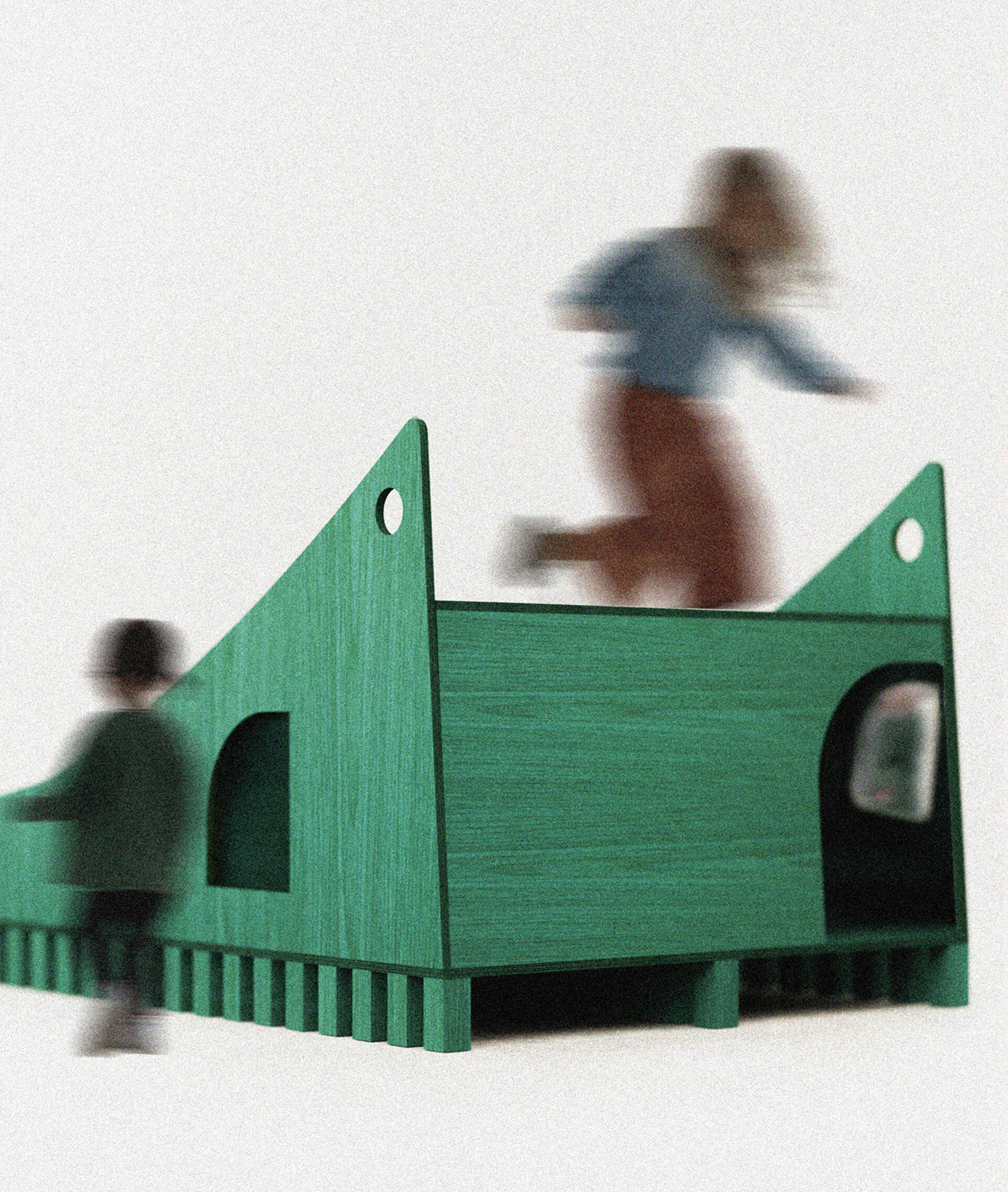
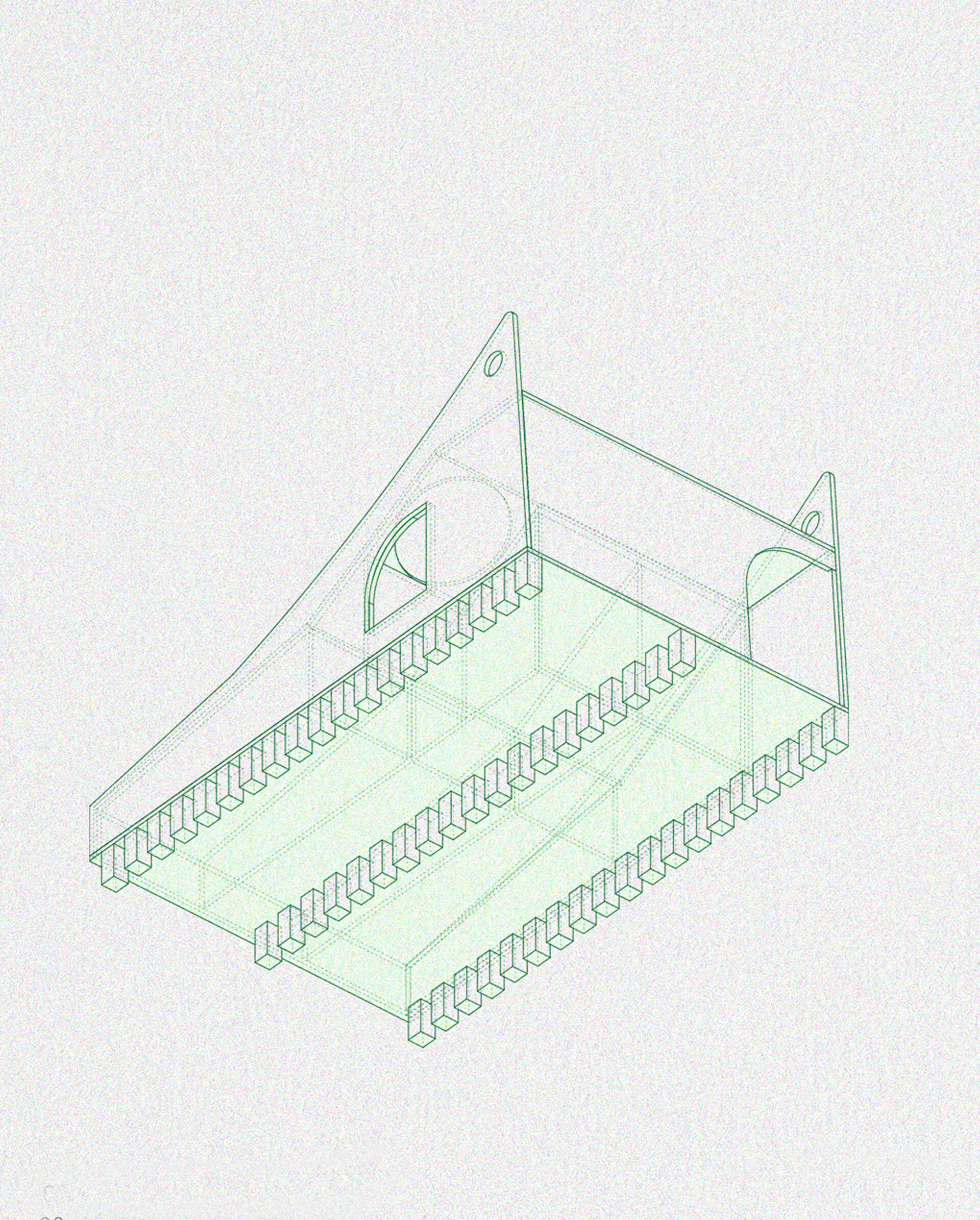
"Parásitos" is a series of three objects that redefine the relationship between humans and the urban space, granting them symbolic life and expanded functionality. The “Parásitos” explore the idea of allegory through design, bringing to the light a latent, playful hypostasis of the urban space, aiming to transform the perception of urban space, making each object, no matter how insignificant it may seem, a meaningful element filled with new significance and experiences. The three elements – the periscopes, the climber and the bench-platform - conceived as "positive parasites," are strategically integrated into everyday public objects such as streetlights, benches, trees and columns, acting as mediators between citizens and their environment.
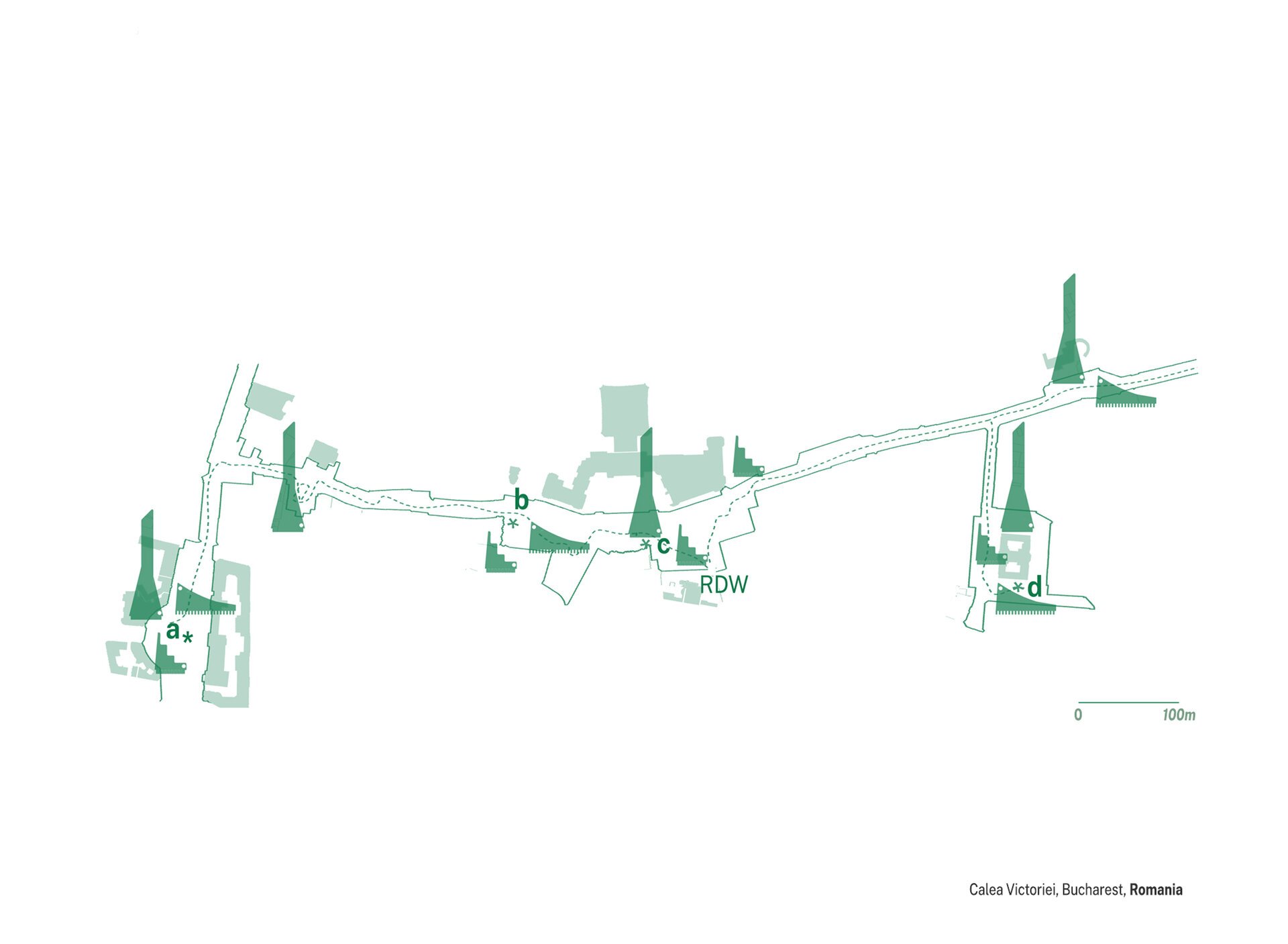
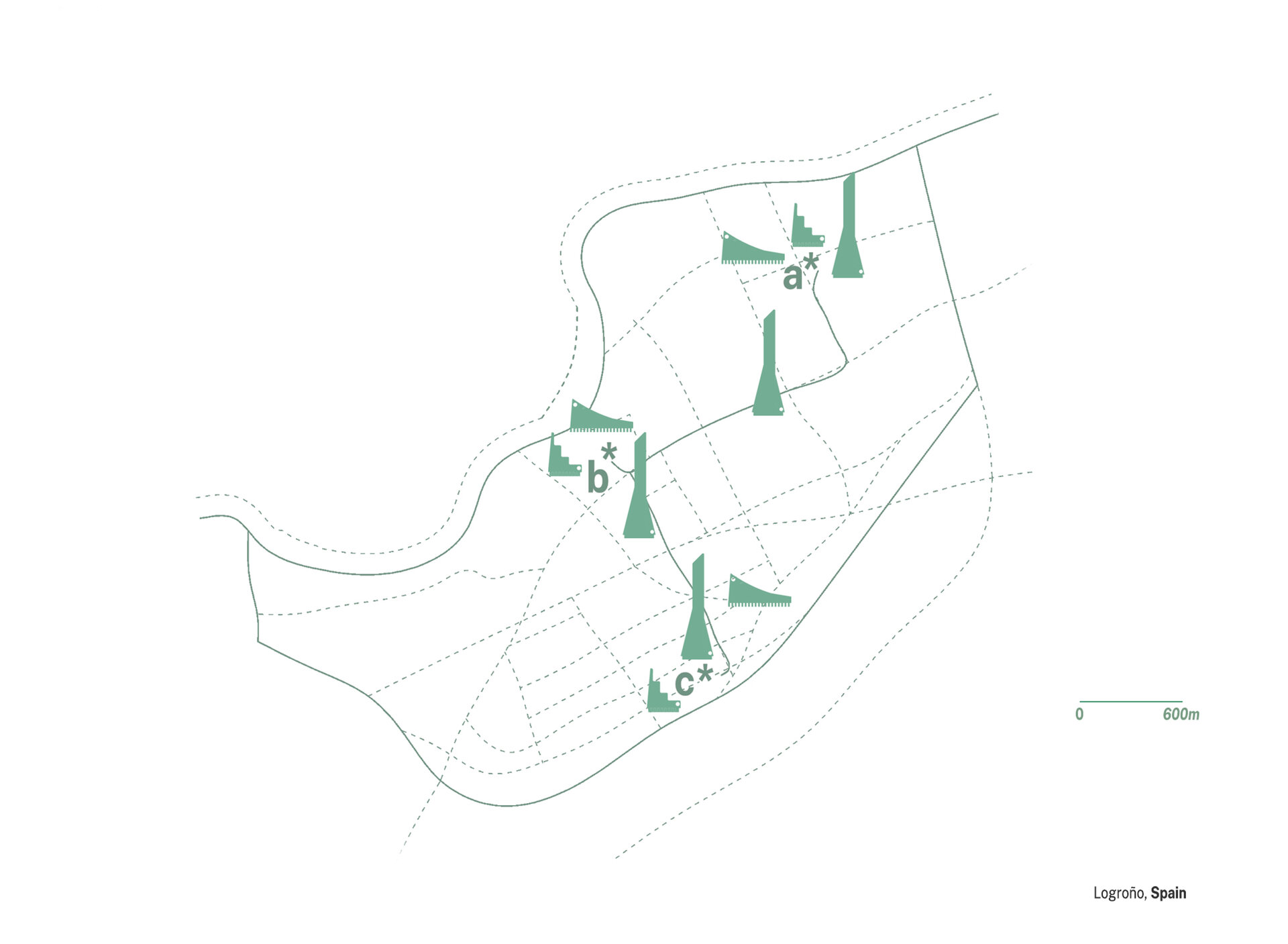
The proposal focuses on the idea of a city as a multiscalar organism, seeking an integrative strategy through punctual, temporary and simple interventions. The foreseen urban approach aims to virtually connect, at a bigger scale, small public squares and/or dispersed landmark points (as in the case of Bucharest) through canonical urban routes within the cityscape, encouraging the people to walk and reimagine the city through the 'lenses' of the Parásitos.
Therefore, the project revolves around four main axes. The first is urban symbiosis, which starts from the premise that these objects do not merely inhabit space but transform it, while also being modified by their environment. By imagining how streetlights, benches, or trees "perceive" the city, new connections are created between people and the landscape around them. The second axis, shared languages, highlights how these designs evoke a primitive and cultural interpretation of giving life to objects, fostering a symbolic dialogue between the inanimate and the human, reimagining the interaction between the two.
The third axis focuses on the scales and functions of the proposed objects, which transcend their basic utility by adapting to multiple users, both human and non-human. These elements become shelters, observation points, or play elements, thereby transforming their relationship with the urban space and its inhabitants. The last axis addresses narratives of the everyday, inviting reflection on how we interact with the objects we take for granted, such as the streetlight, which becomes a guardian of light, the bench, which serves as a confidant for urban stories, or the tree, which stands as a silent protector.
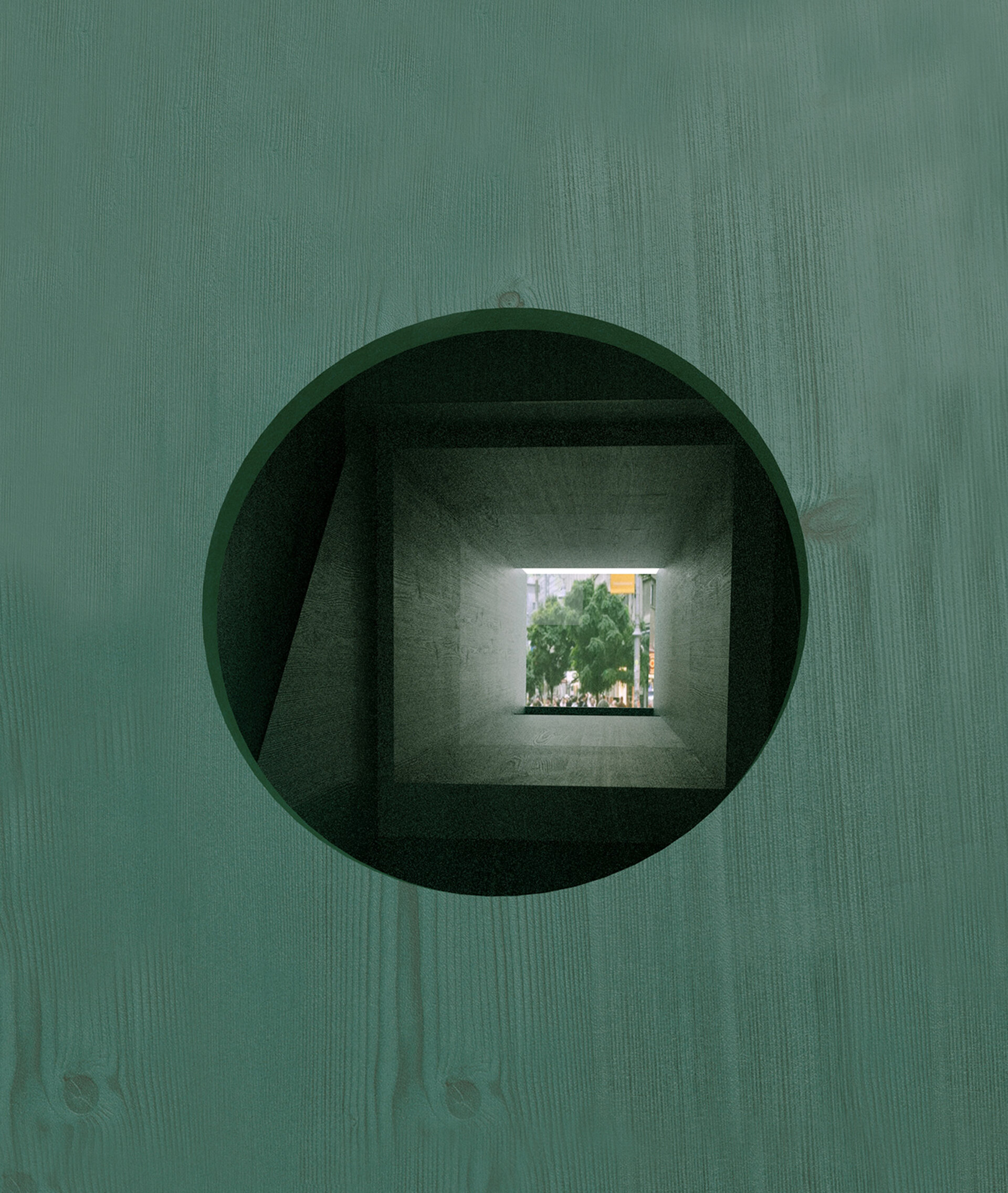
Additionally, the inclusion of mirrors plays a crucial role in this proposal by creating an interactive experience. The periscope allows one to observe how the streetlights transform into city watchmen, while the climbers reflect the majesty of the trees, which shift into objects of admiration; the mirror tunnel of the platform invites contemplation on the infinity of its function, evoking the idea of a never-ending virtual urban space.
Public Architecture

- Rulmentul Brașov
- Kinesis
- “Grigore Moisil” National College, Bucharest
- Polyvert. Cycles of Innovation - Info Point Pavilion
- Carousel. Signage and Design Solutions Gabroveni Inn
- HORIZN. Troll’s Tongue Observation Platform
- Water tower Hemmesta
- Povodi Vltavy operational centre in Strakonice
- A „back-and-forth” between heaven and earth...
- Buzău Courthouse
- Hive Garden
- Hive Garden
- West Africa Resort
- Voronet Community Center
- Look Inside - an Urban Canvas
- Azure Zanzibar
- Lazli Bay Retreat
- Hotel Mercure Bacău
- Parásitos - integrative microarchitecture in the urban space
- Relocation, Development, and Construction of “New Medical Complex” – Fundeni Clinical Institute, Bucharest
- Camping kit on Șimian Island
- Framework Garden


