- Nomination for the “Interior Space Architecture / Object Design” section
Wunderkammer
Authors’ Comment
The intrinsic and primordial role of an architect is the making of a room. Such a room does not ever lie in nothingness, but is rather adjoined to other rooms as part of a spatial fabric, either tight or loose.
In the case of spa towns (imagined as ideal cities), the natural landscape becomes the scenery of scattered, independent, architectural objects. A garden city is, to some extent, an assemblage of rooms with emblematic character, connected through park and promenade. The walk between these landmarks becomes part of the spa cure as a therapeutic experience.
Before taking physical shape, the room belongs only to the imaginary. At the begining of an creative act, any room is a fantasy.
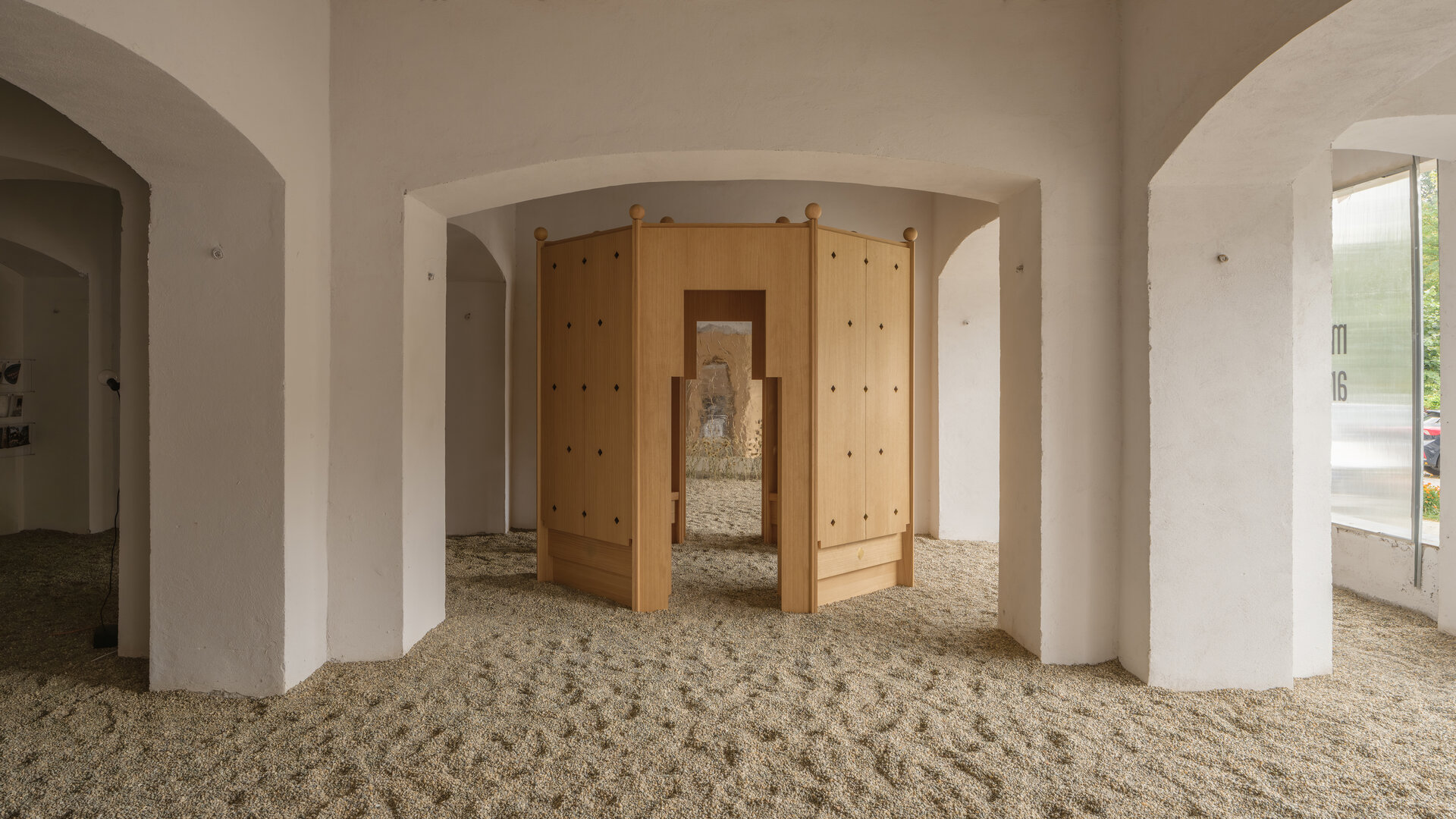
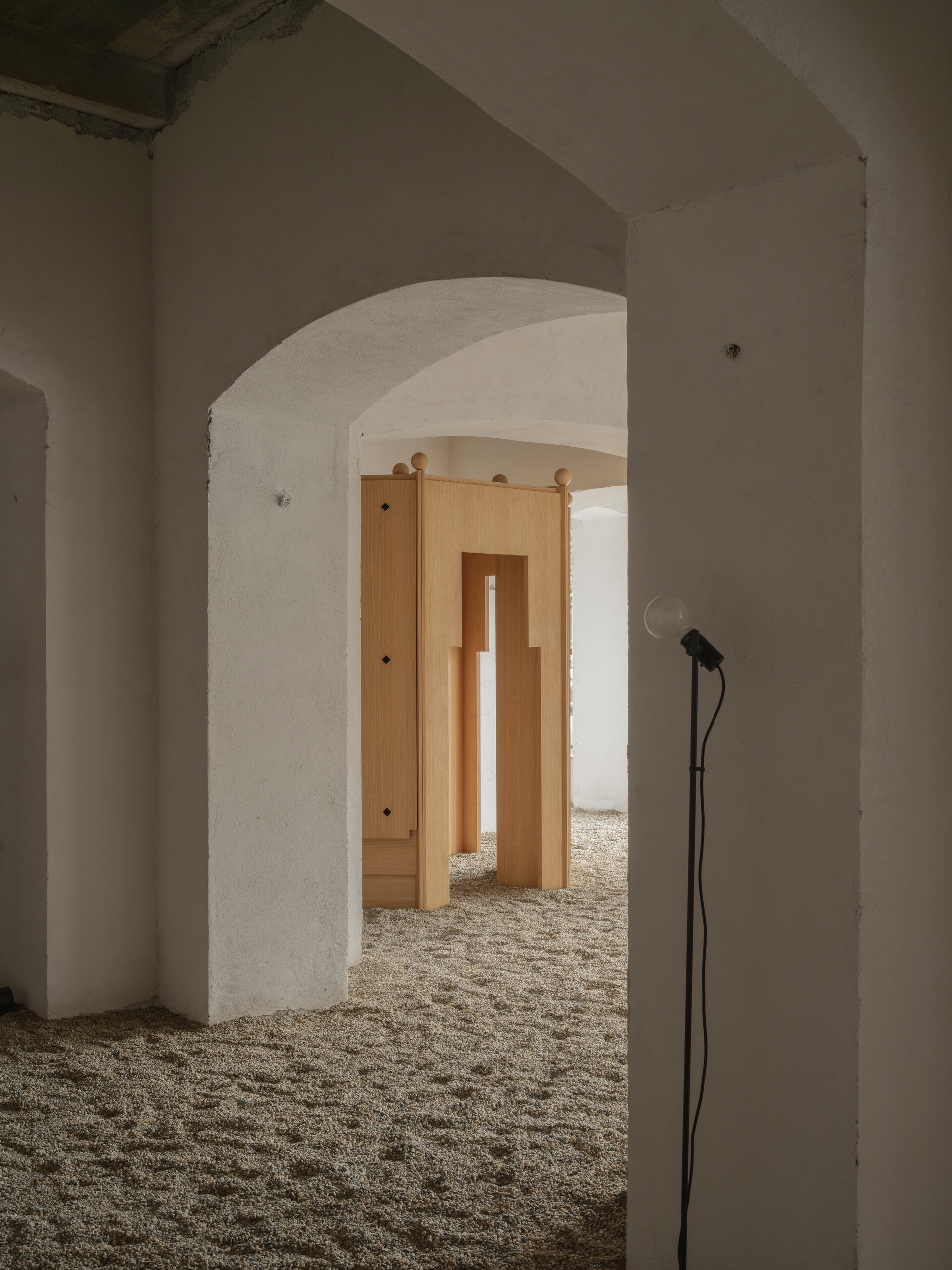
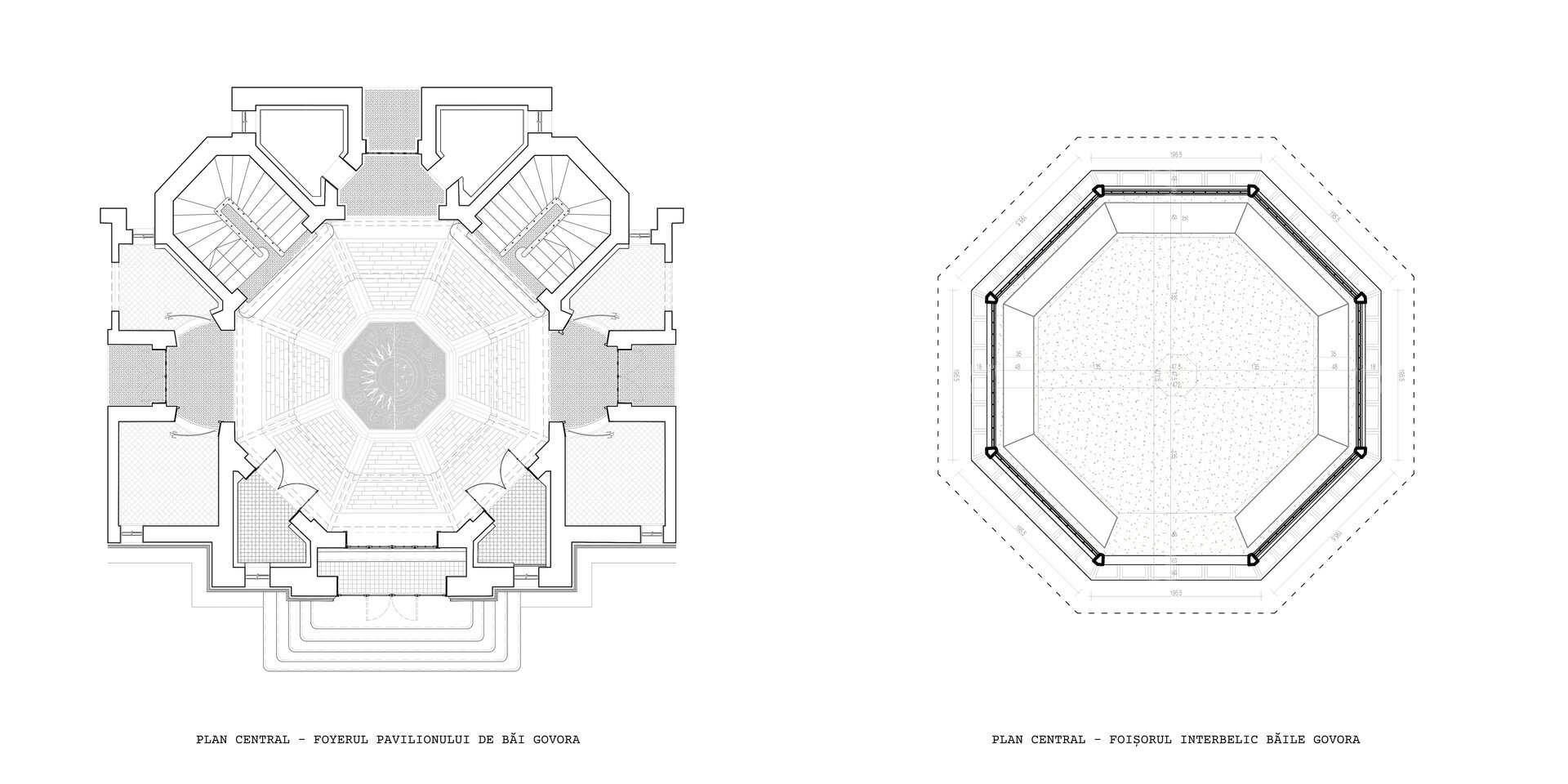
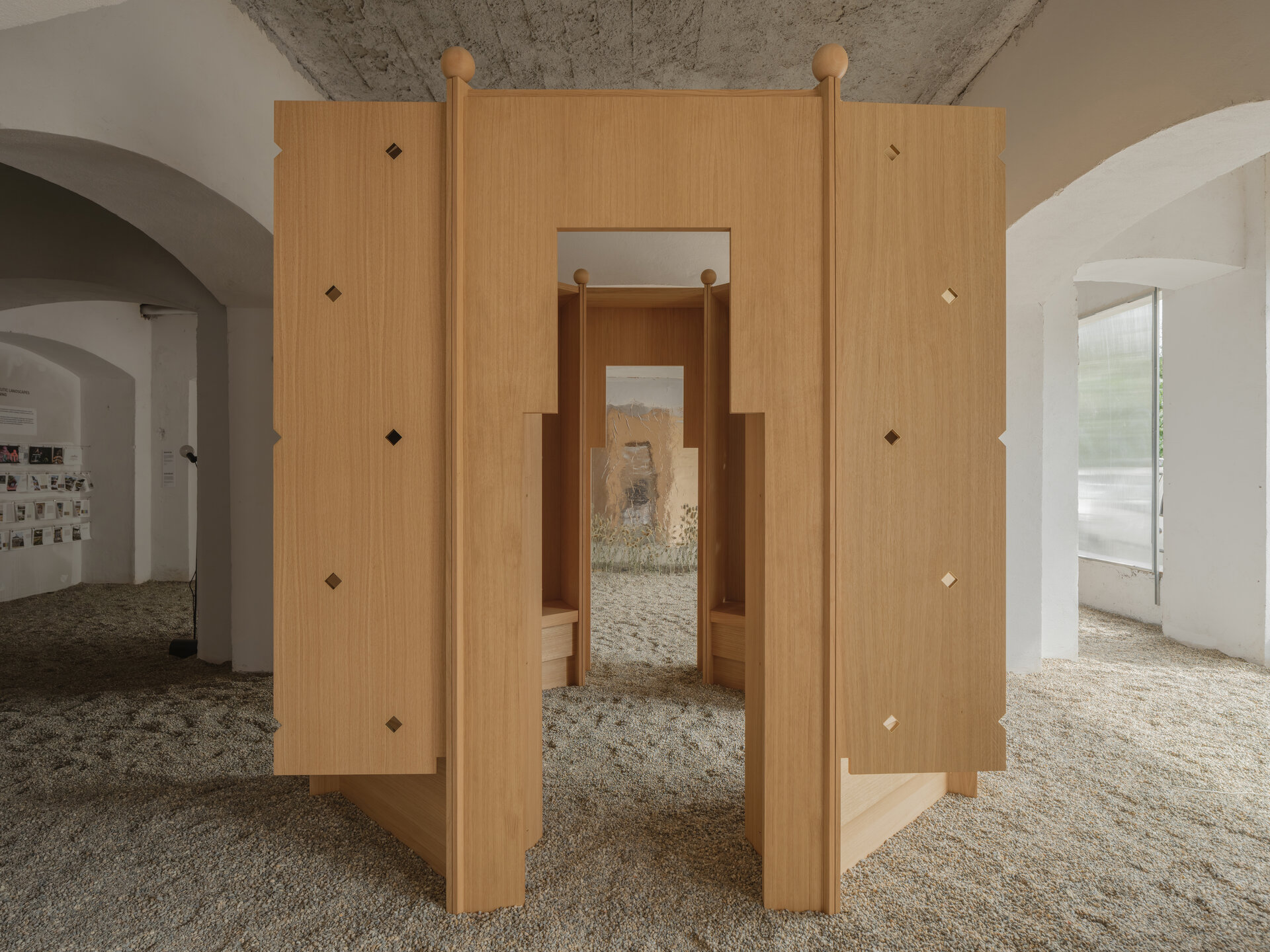
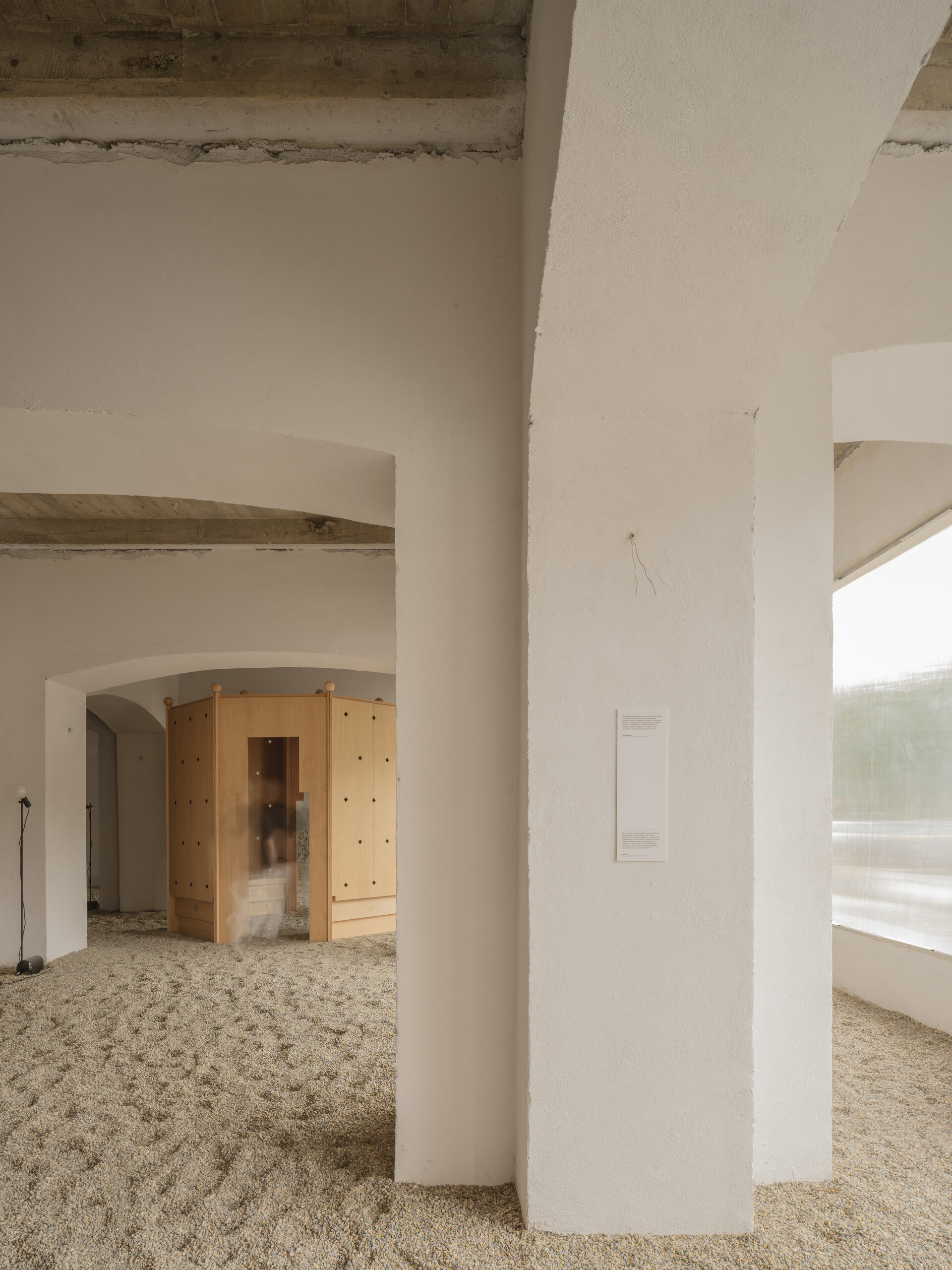
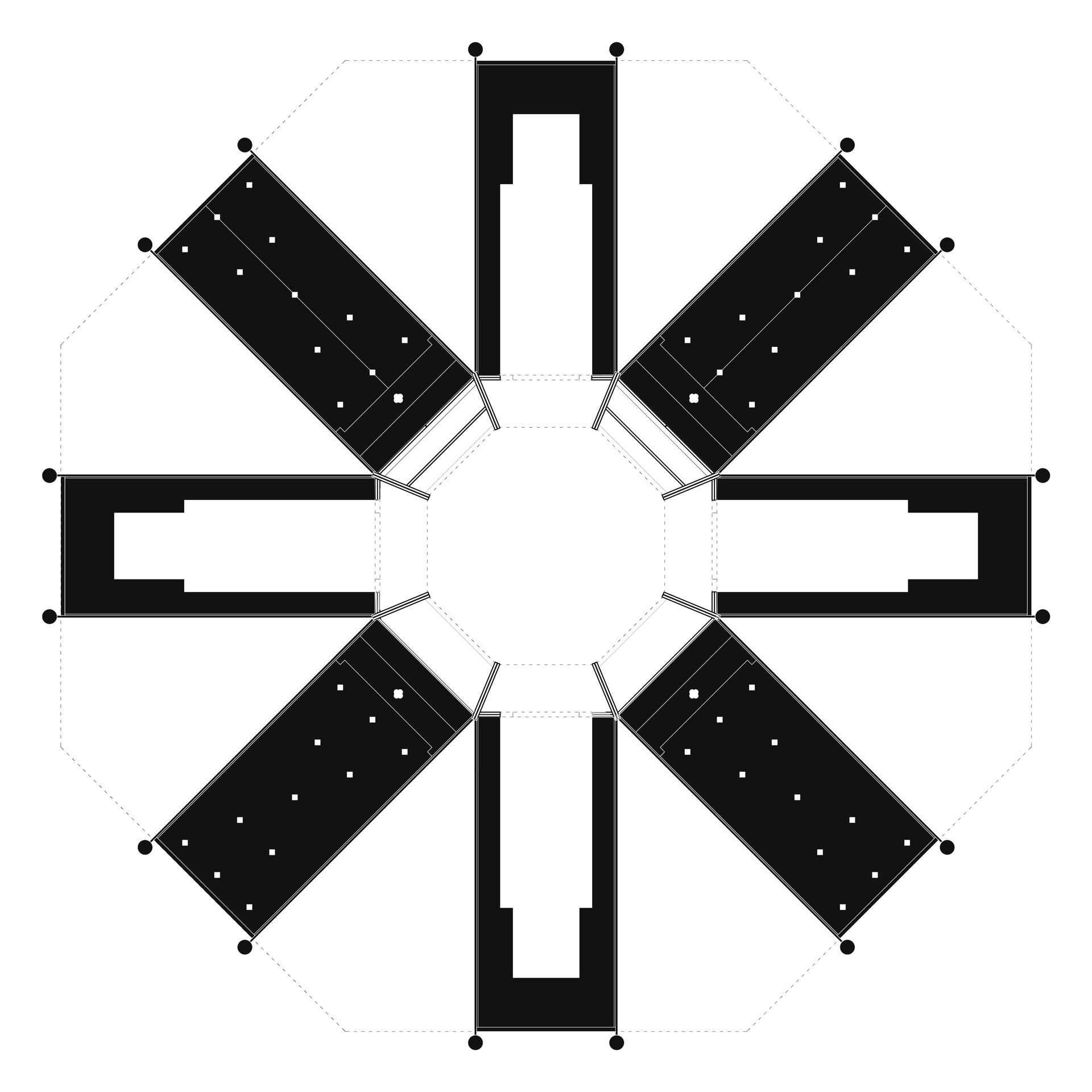
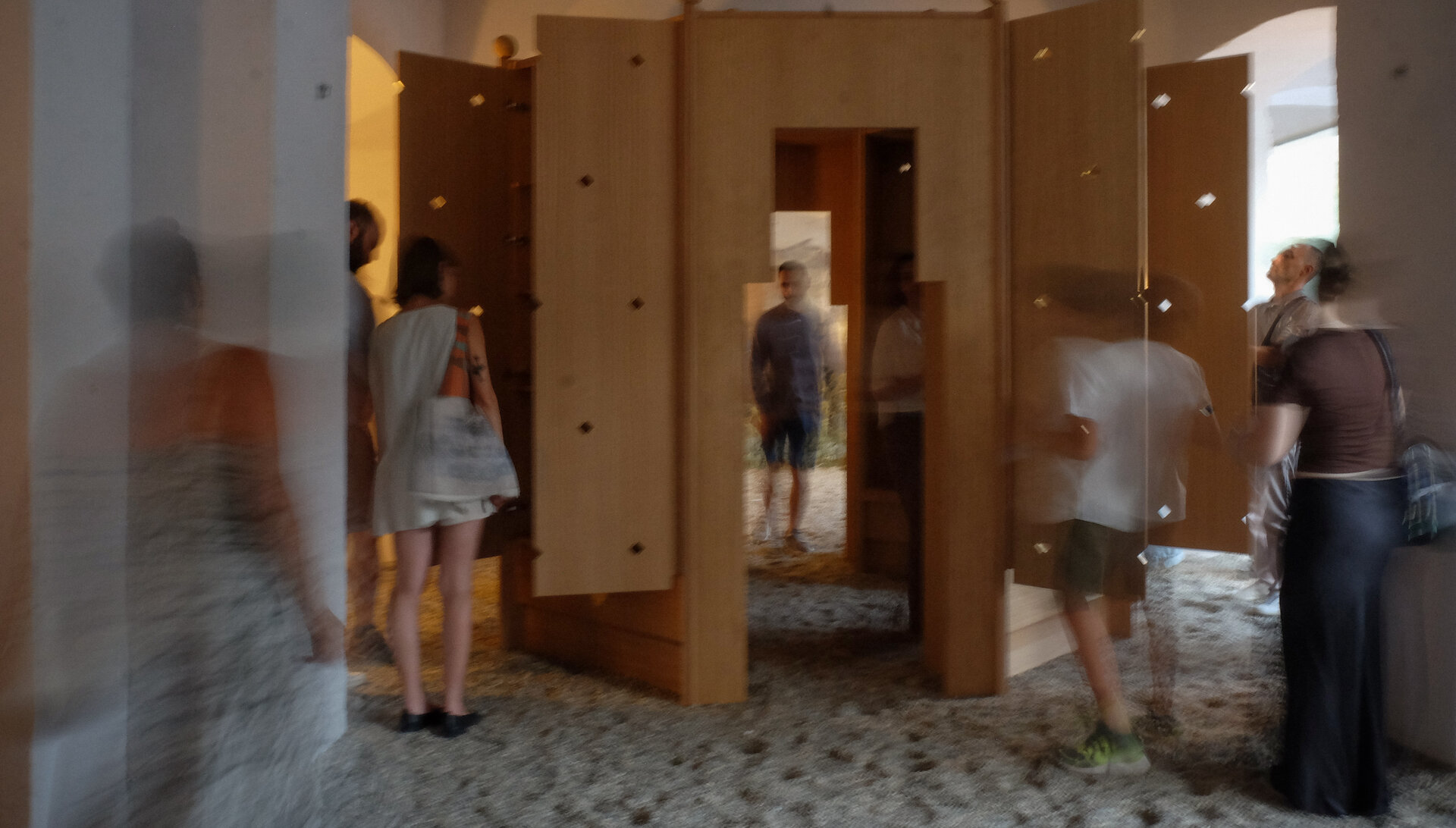
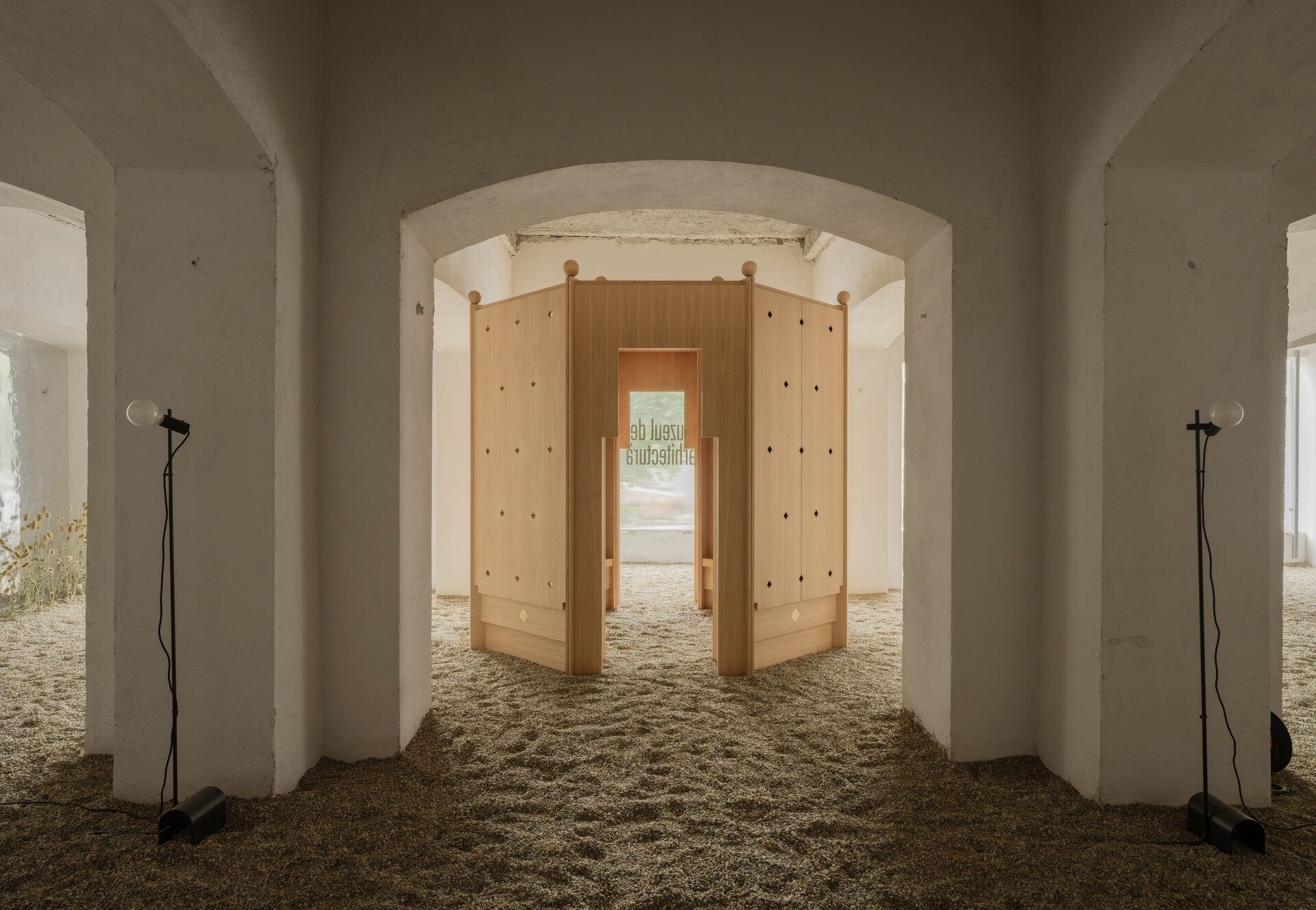
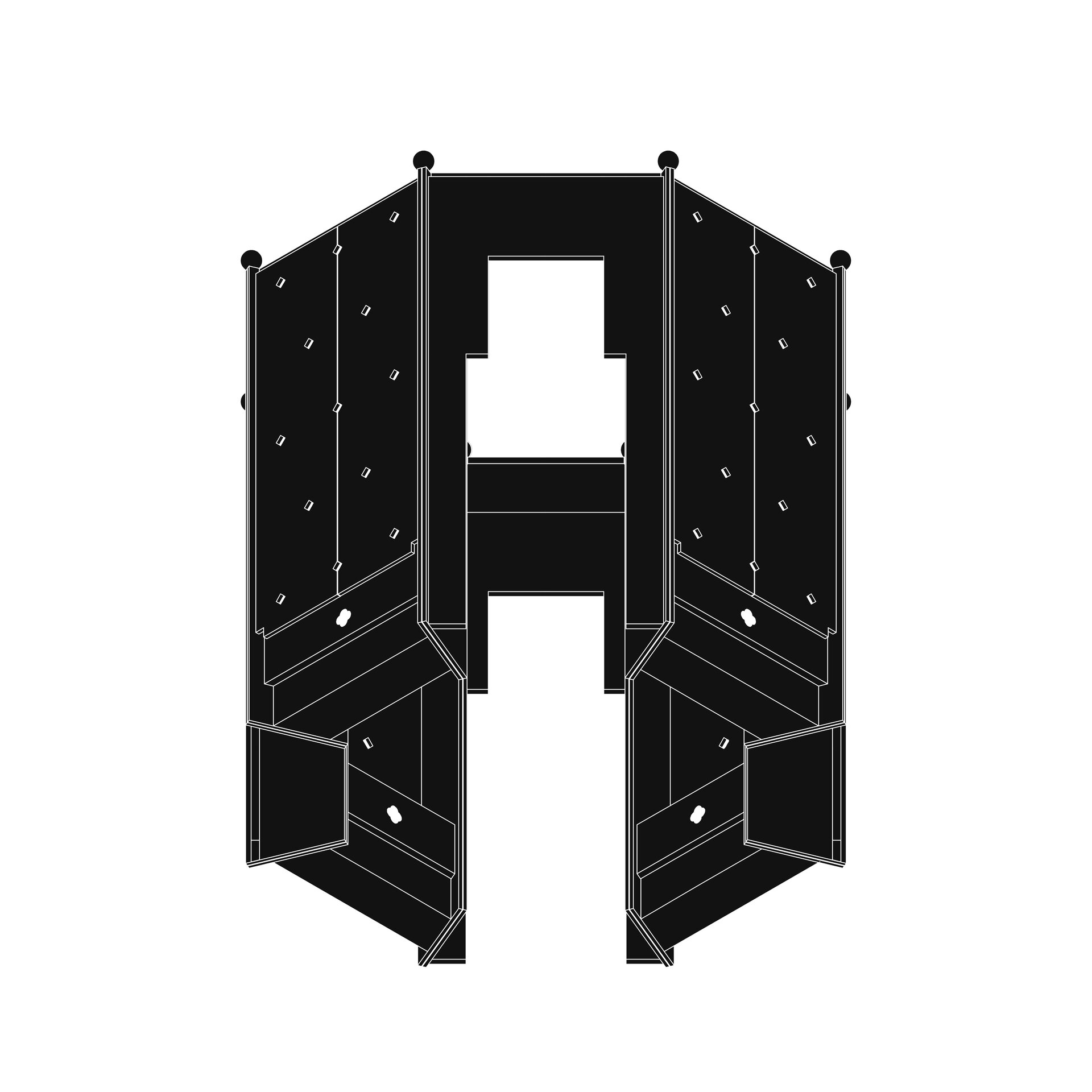
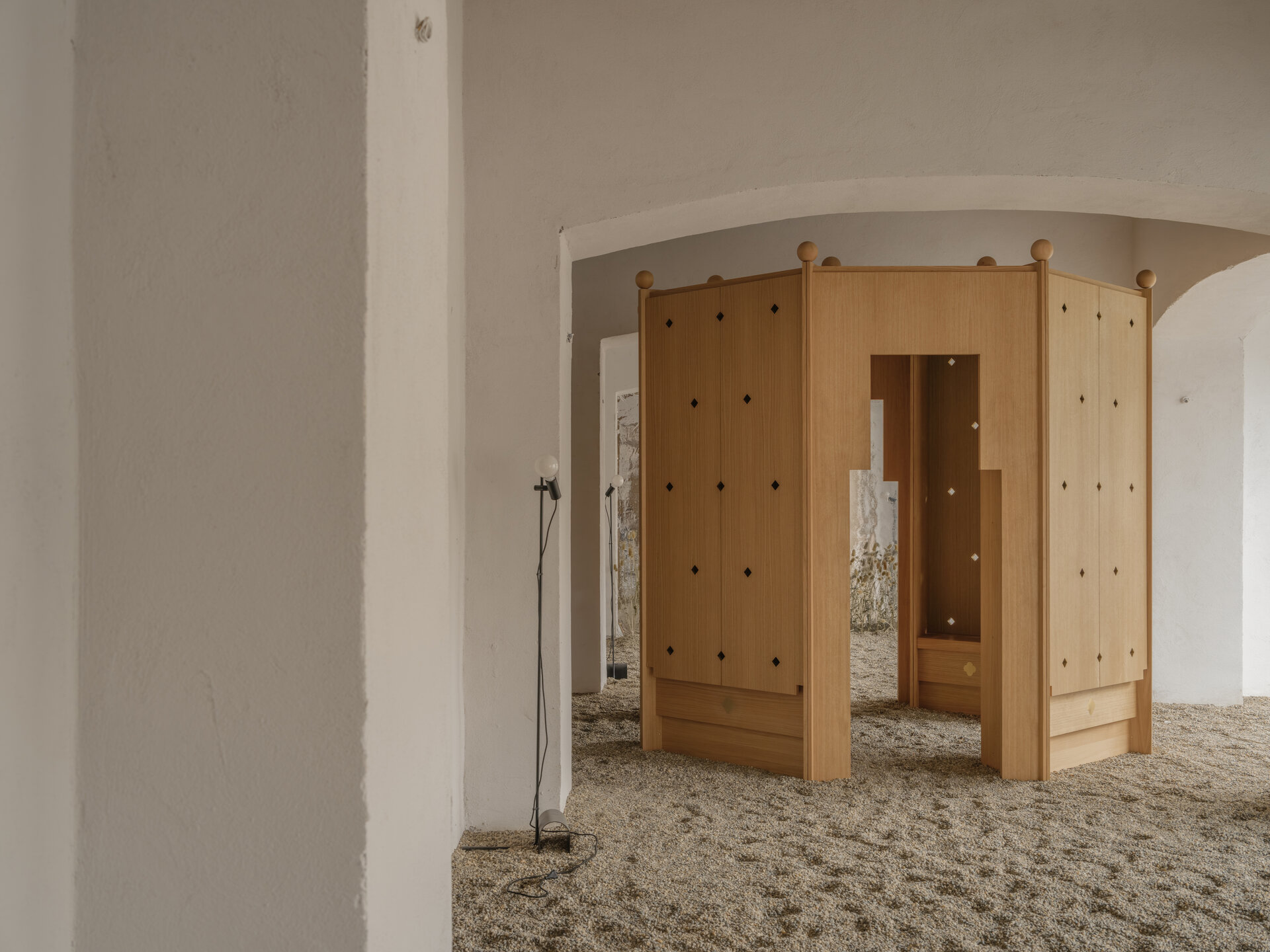
The module is deliberately ambiguous: an interstitial central room which both connects and separates. It might be a monumental foyer (akin to the entryway of the Baths Establishment) or just a pitoresque presence in a spa park (recalling the Interwar Gazebo or Ferdinand Spring). It is an occasion to take a seat and ponder, oferring protection and view at the same time (alike the perimetral galleries of spa villas). At last, it represents a space open to interpretation.
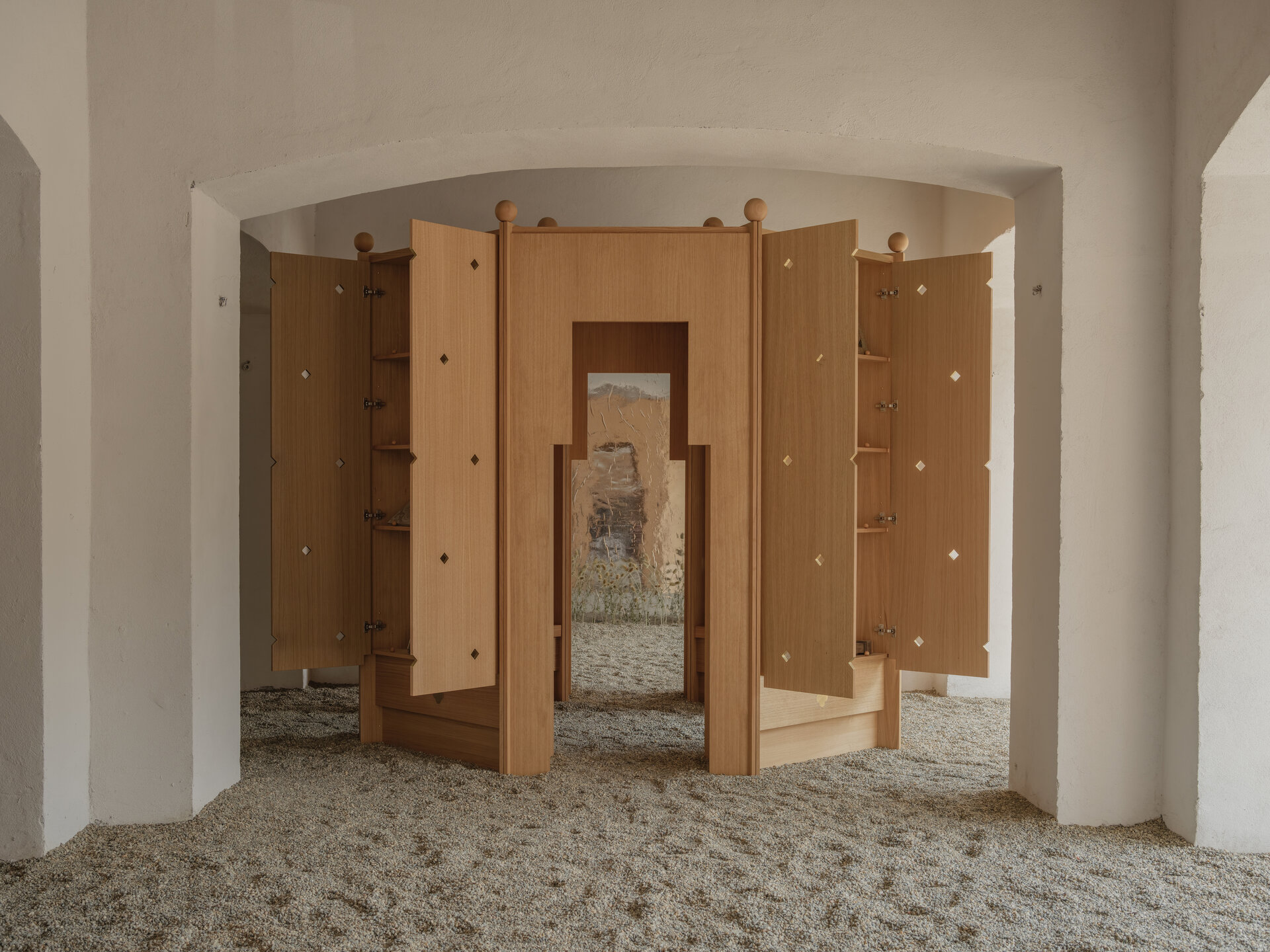
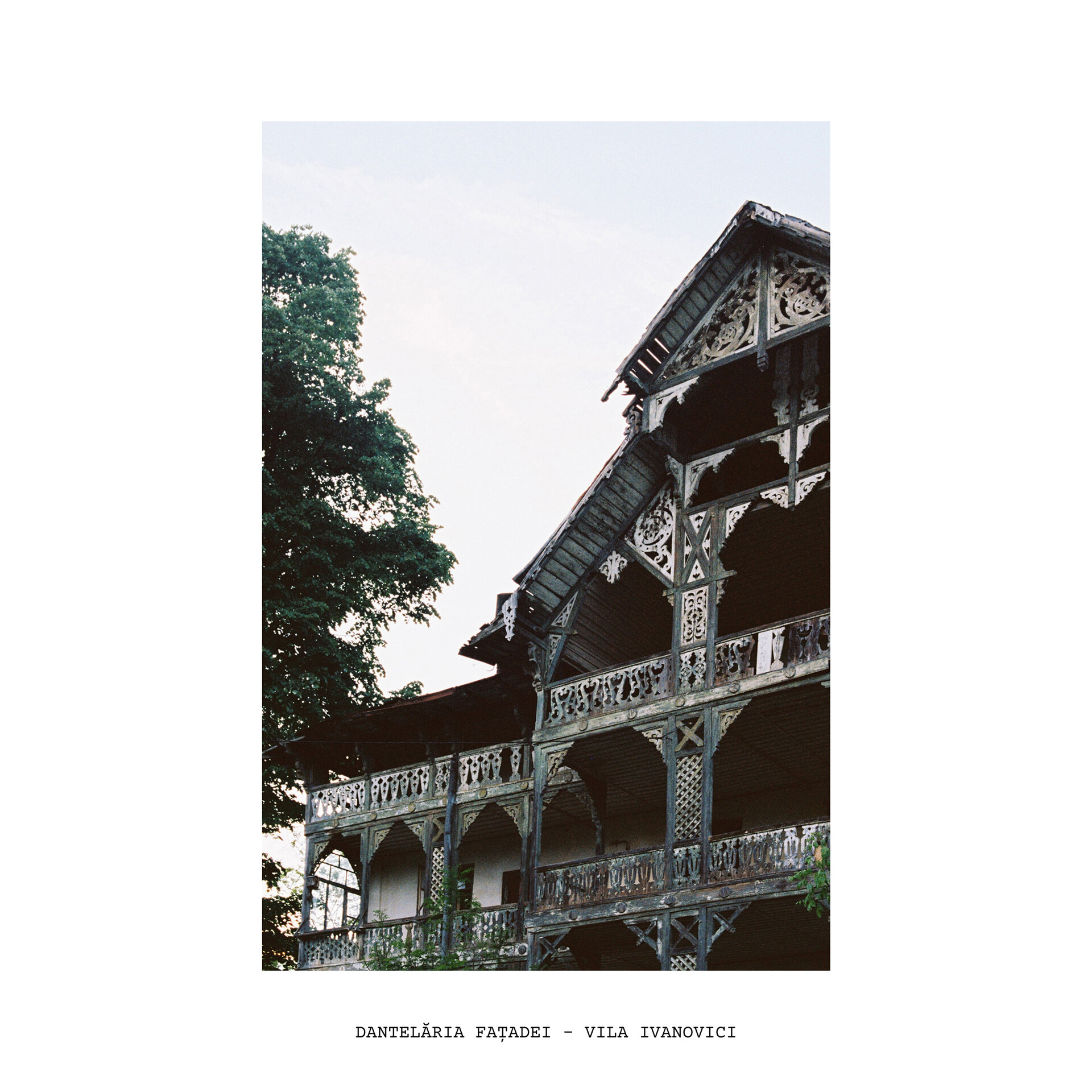
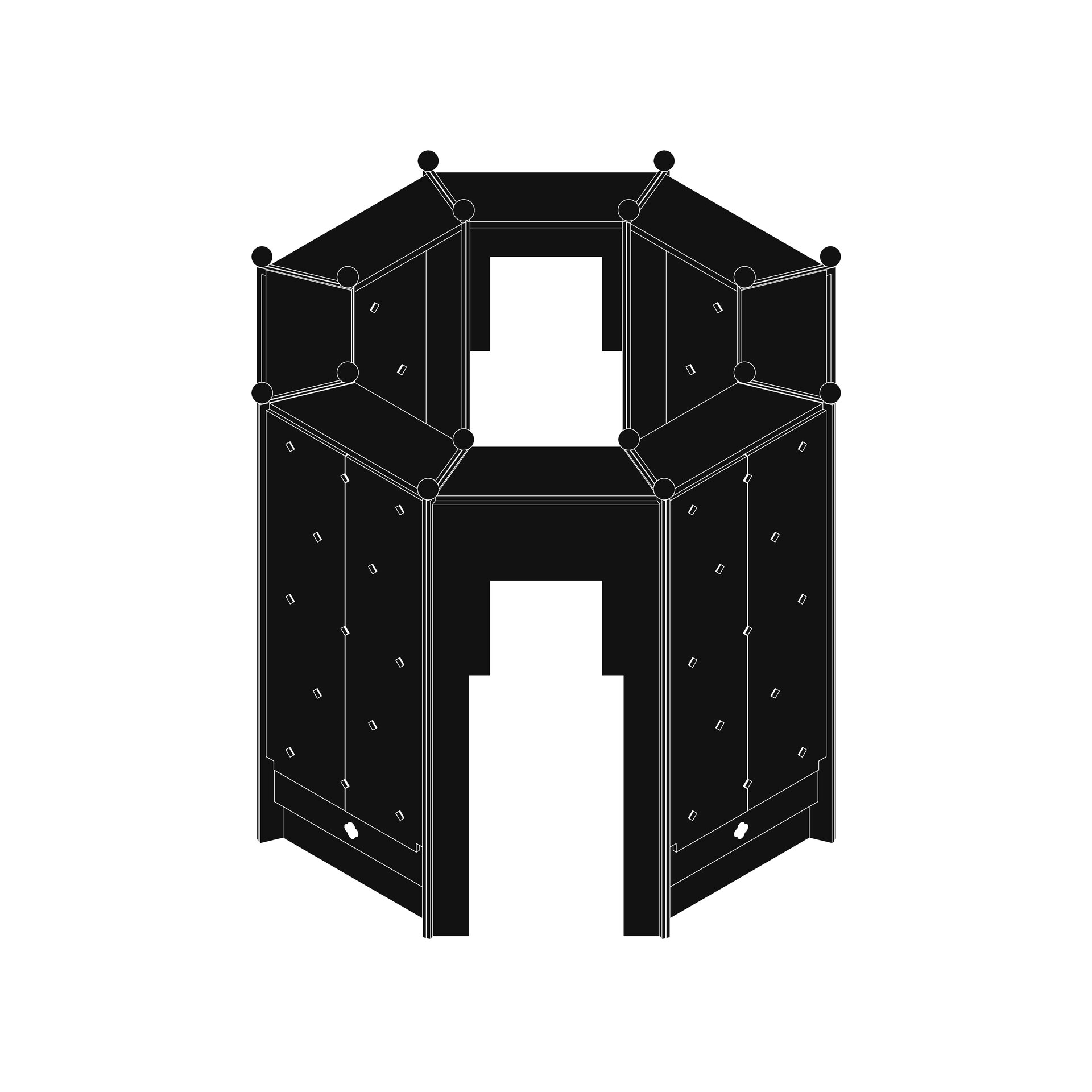
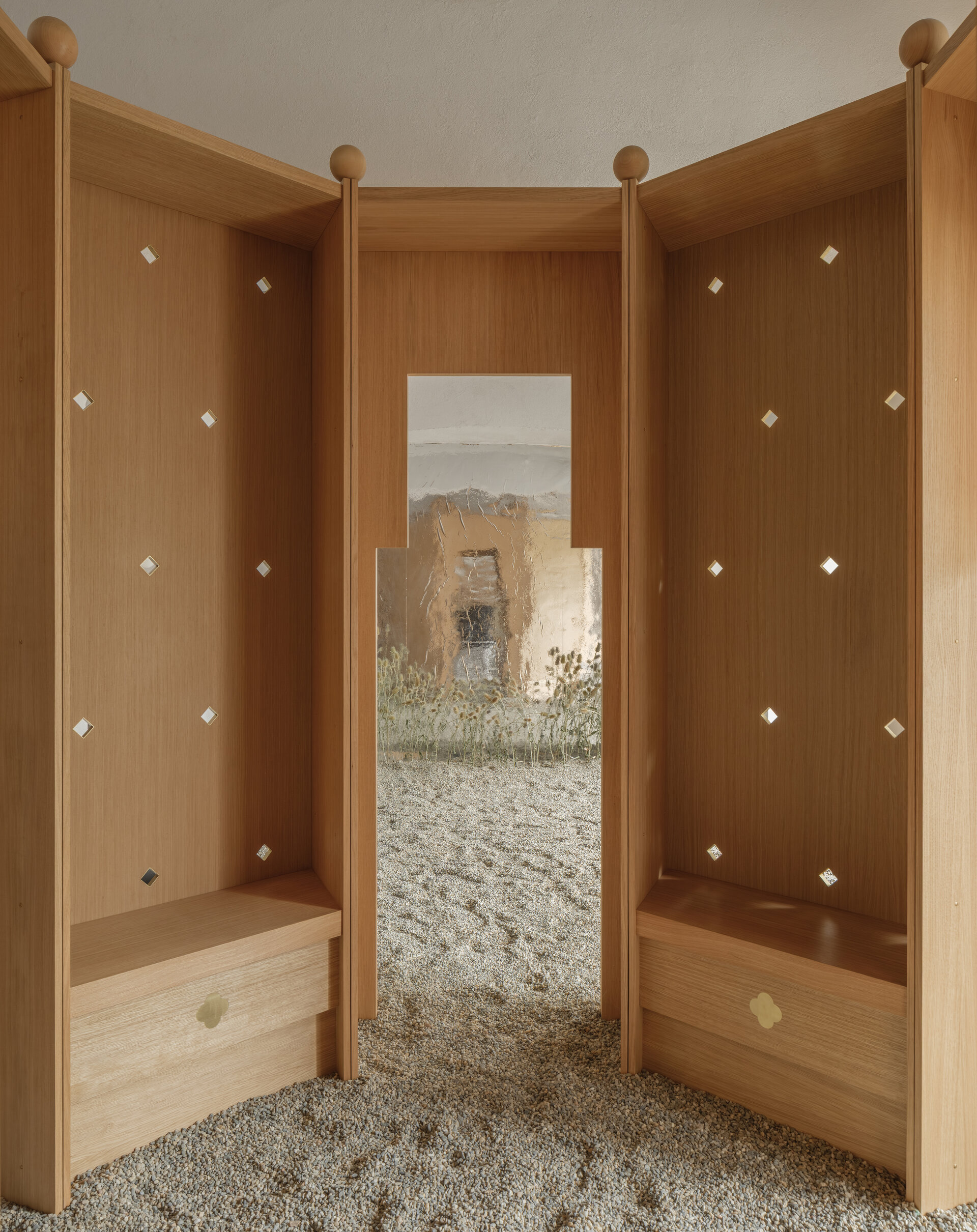
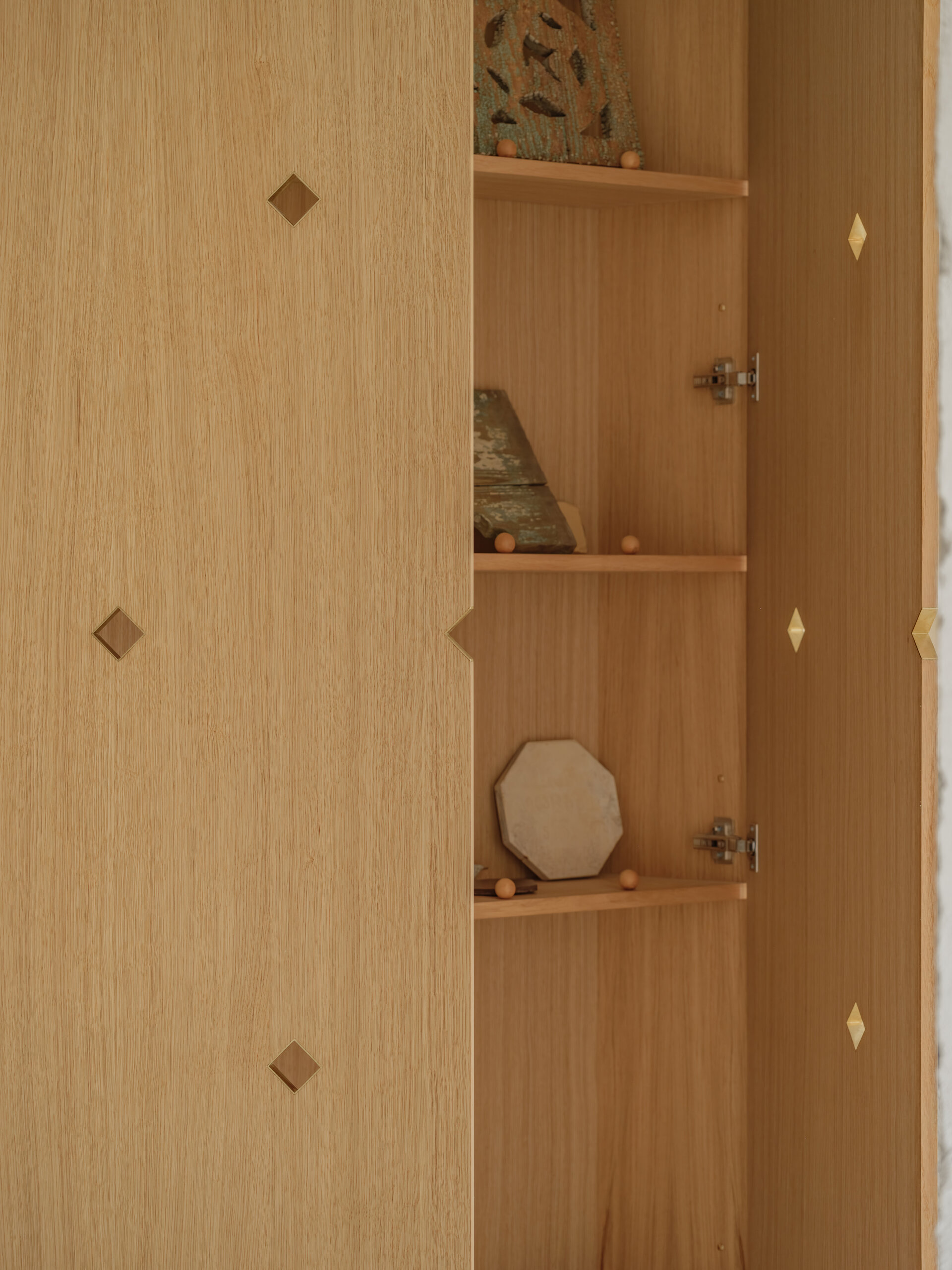
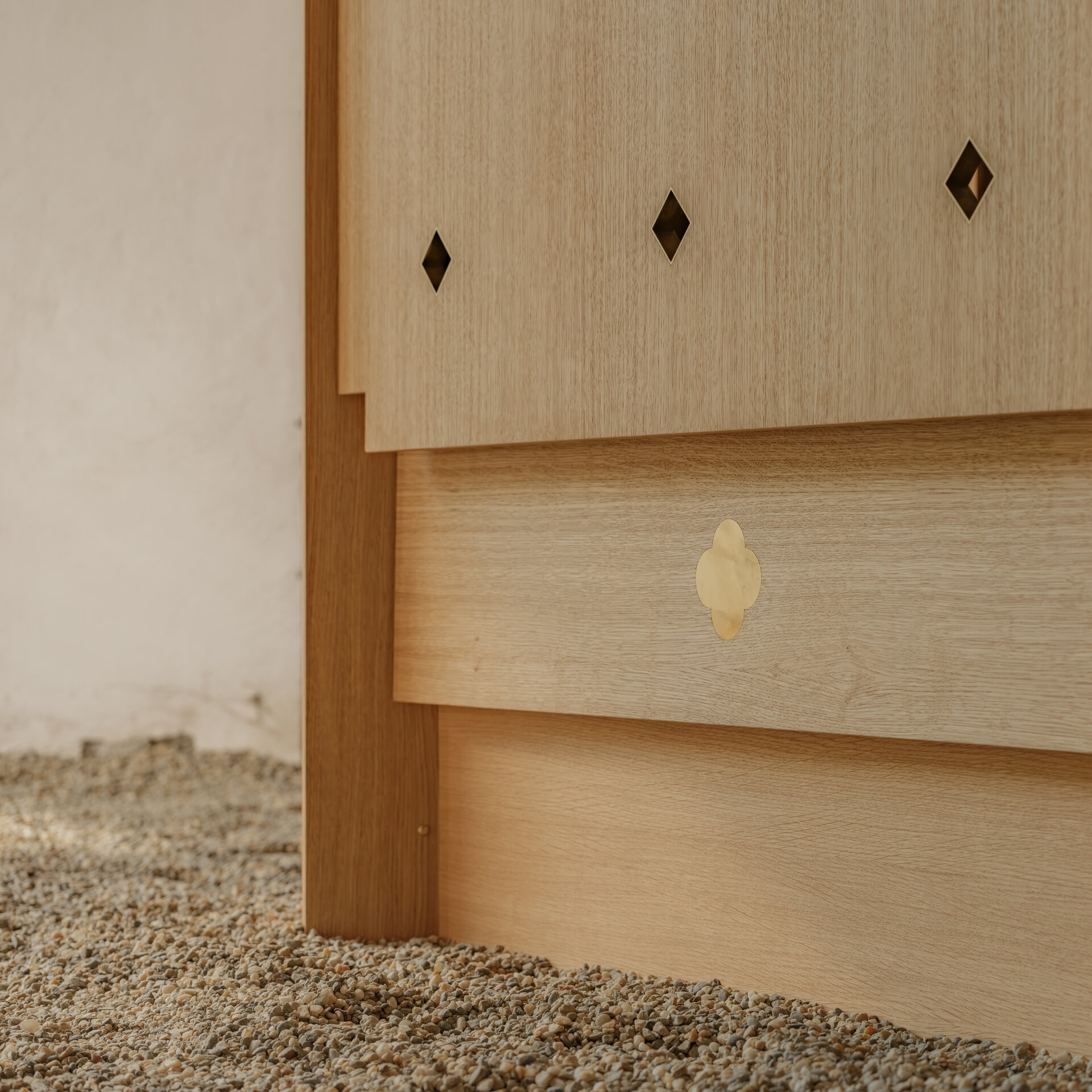
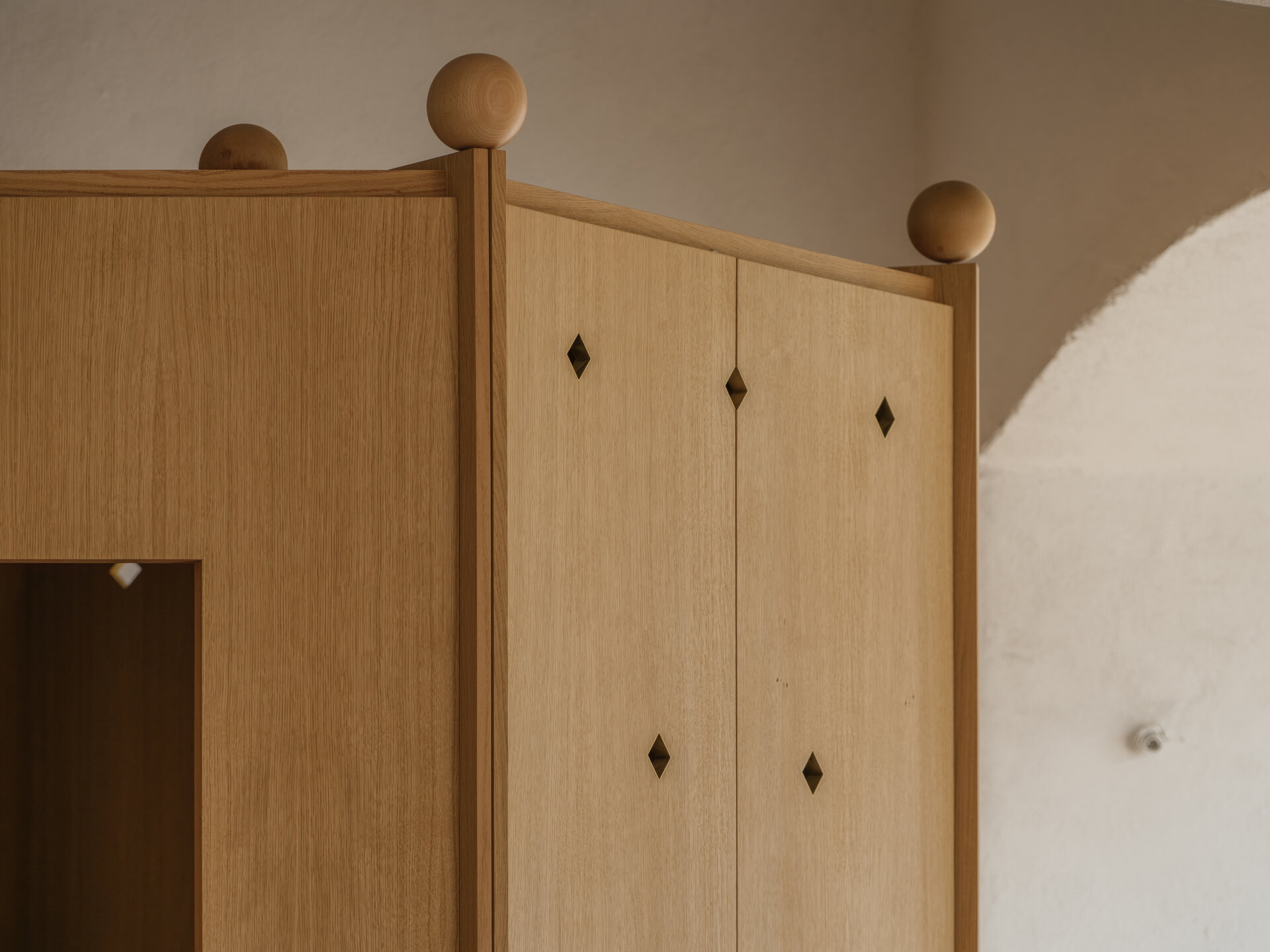
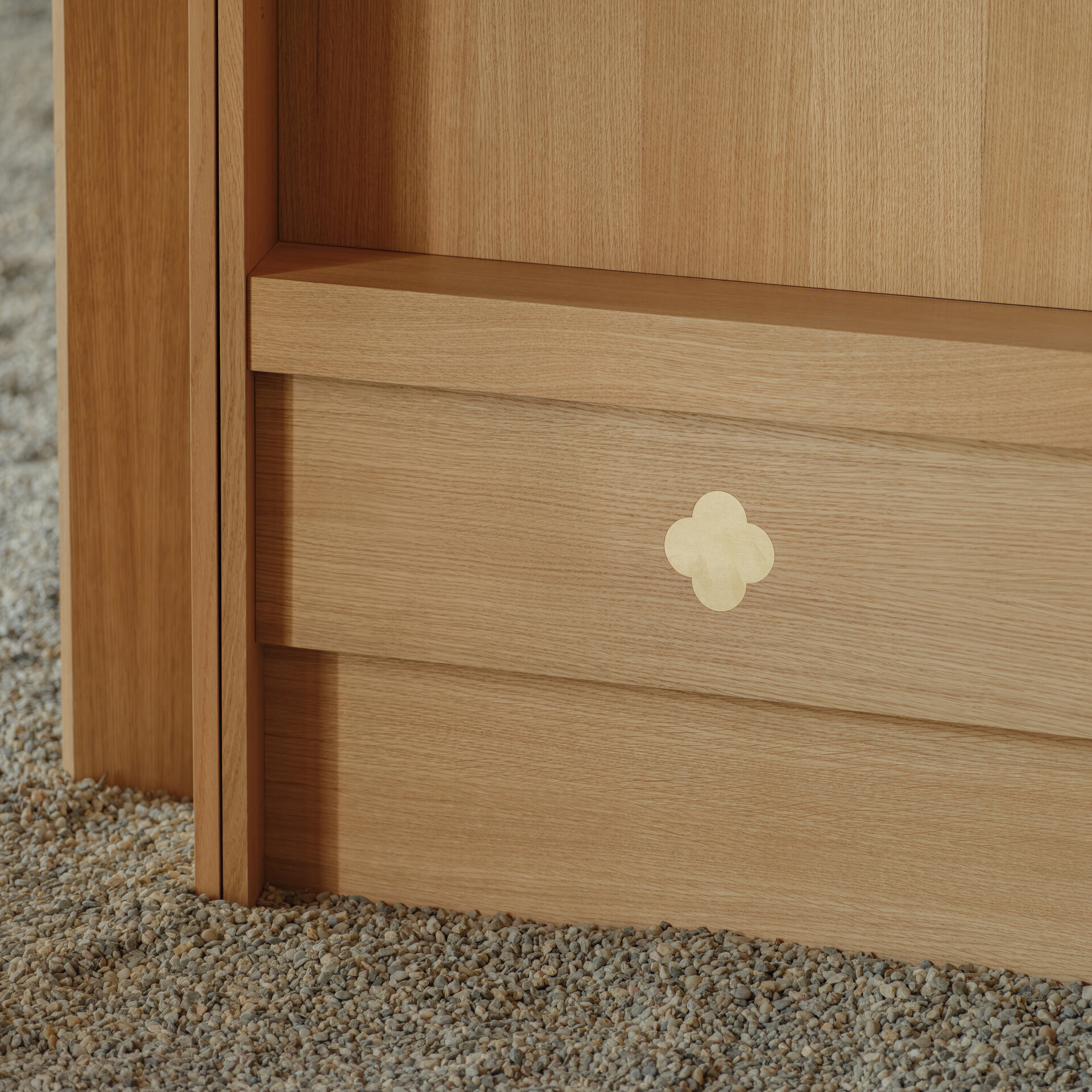
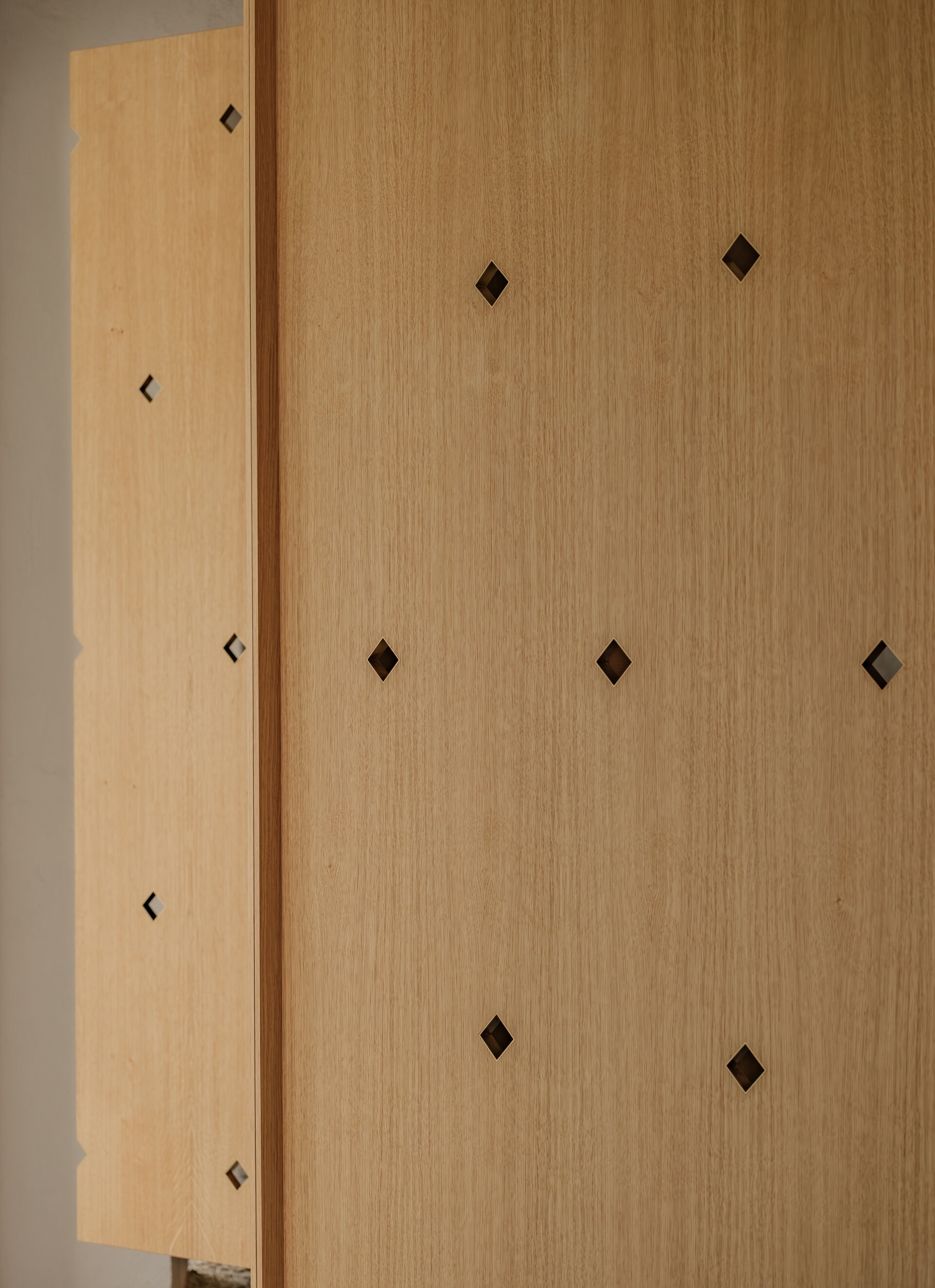
Its form is both autonomous – an abstract structure with radial simetry – and particular to Govora Baths - with proportions and embellishments (wooden ornaments and fretwork) reminding of the spa towns architecture, which, usually, contains a second semiprivate, semitransparent shell always in direct contact with the natural landscape. It yearns to belong to a place whilst being part of all places.
The module is found in a state of duality; it is an exhibit by itself, an immersive spatial experience relating to the rituals of loisir but which, at the same time exhibits a mosaic of remnants, specific to the thermal establishments, a cabinet of curiosities that offers a way for the viewer to learn about the realm it contains, through wonder, resonance and imagination. Relics surpass their formal limits and inform about the cultural dimension of their provenance. These fragments are part of a bigger whole, together creating an inherited microcosm, dormant but full of meanings which can still be interpreted. They are witnesses to a lost grandeur, a former state waiting to be reactivated and transformed through new use.
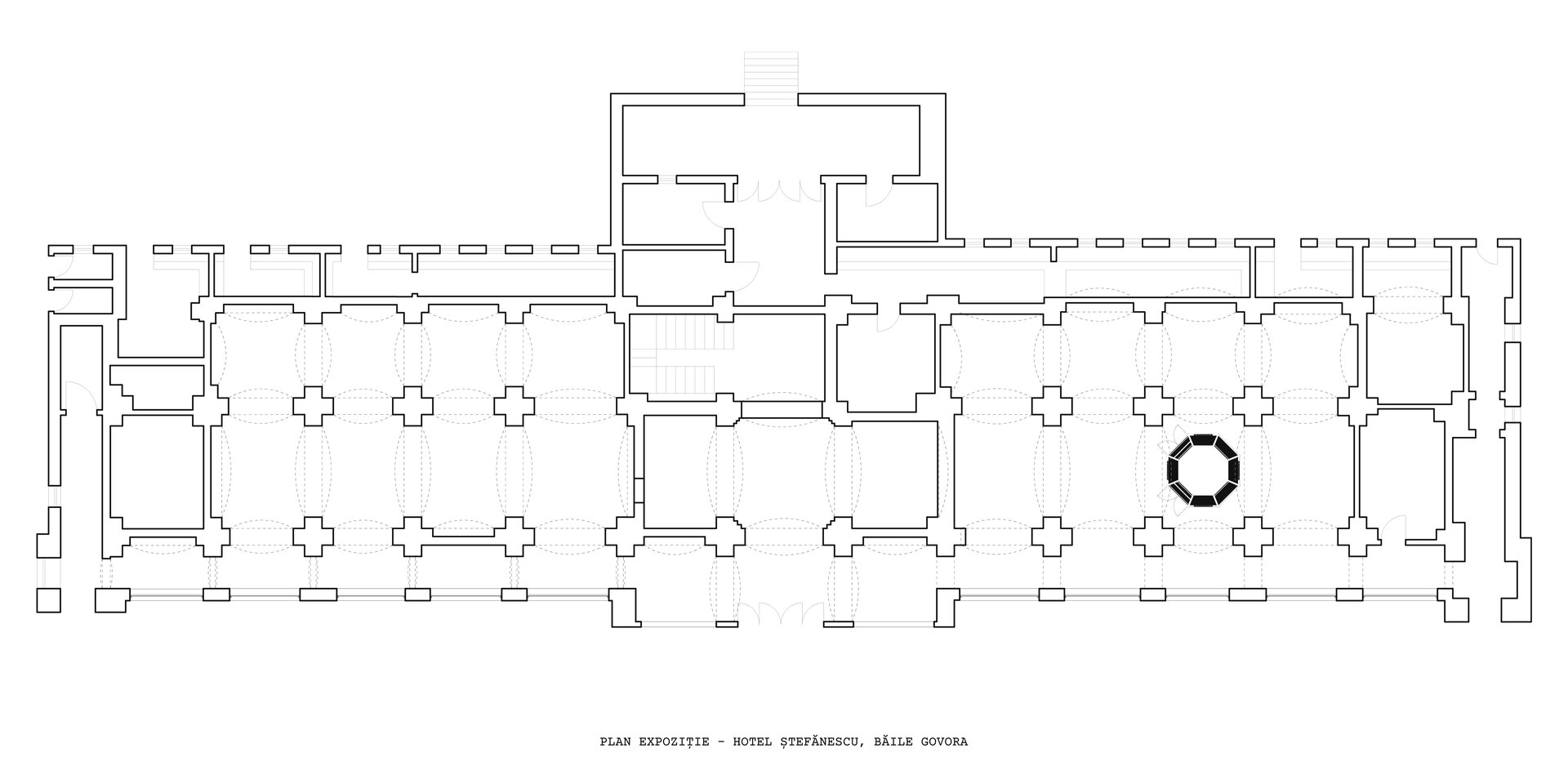
The module is part of MuzA exhibition at Govora Baths, the second destination of The Museum of Architecture, commissioned by The Romanian Order of Architects. The MuzA journey will function as a cumulative traveling exhibition, with every stop resulting in the making of a module.
Object Design
- Palm Bench
- Templates / Site Jewels
- Wunderkammer
- YOU and ME Collection
- Modular stairs / SP(L)INE - Anatomy of Vertical Structure
- Luminous geometries – a lighting collection
- OAR Exhibition System
- Tiny House DWELLII TR_1
- Tiny House DWELLII TR_2
- Gériane
- Pixel
- Ercolano - Preserving Memory
- Lighting installation for Frudisiac Brod
- Carpenter’s Chair
- The STEREO Chair
- Altar
- Spectrum: Modular Table Top
- Eclair Family
- The COOKIE Chair
- Y Chair
- Architect bag ZIGSAK
- Shoe box Il Passo
- KLEPSYDRA Chair
- Urban Frame
- IMA
- Alma Halo


