Wet Snow
Authors’ Comment
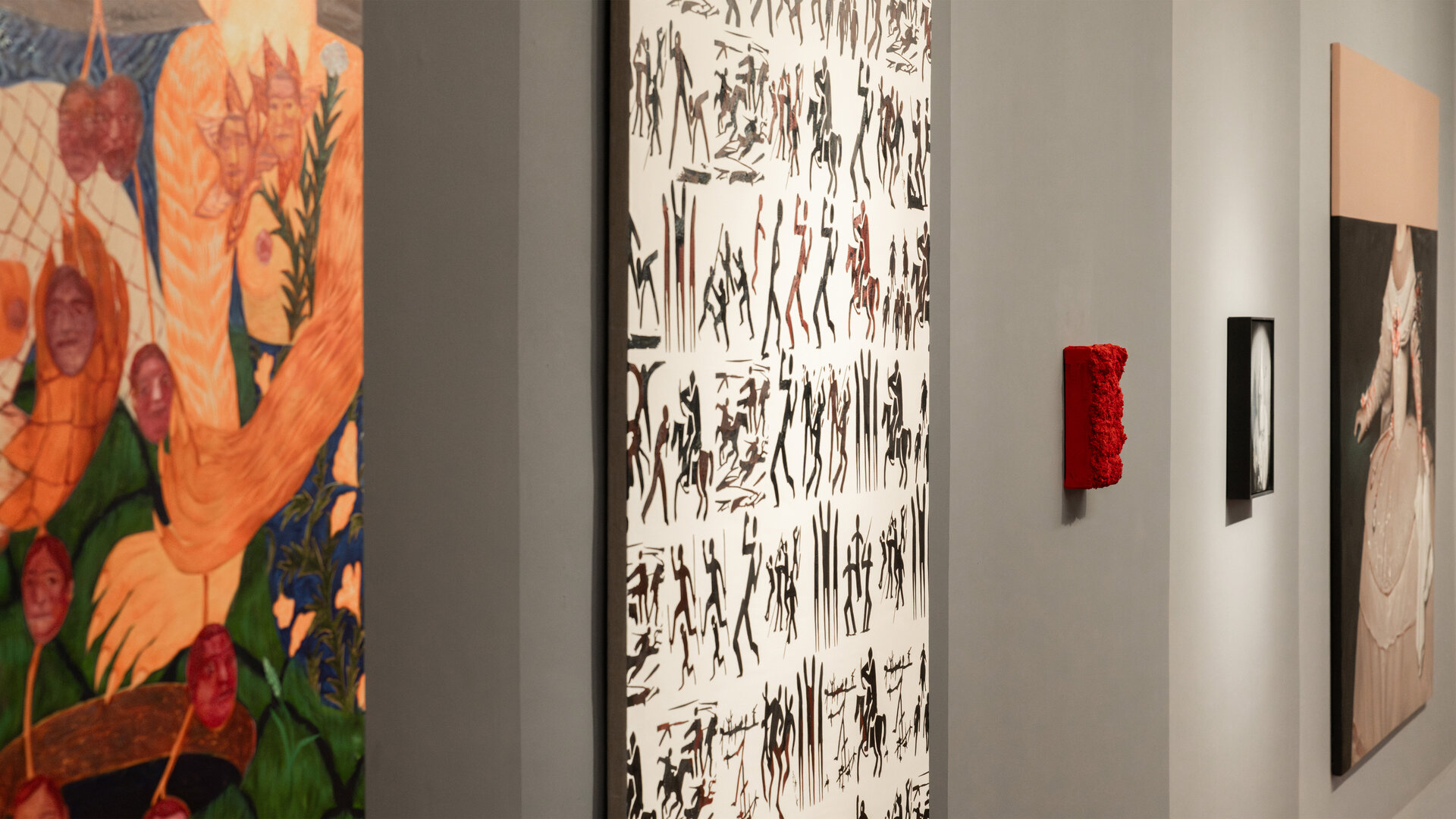
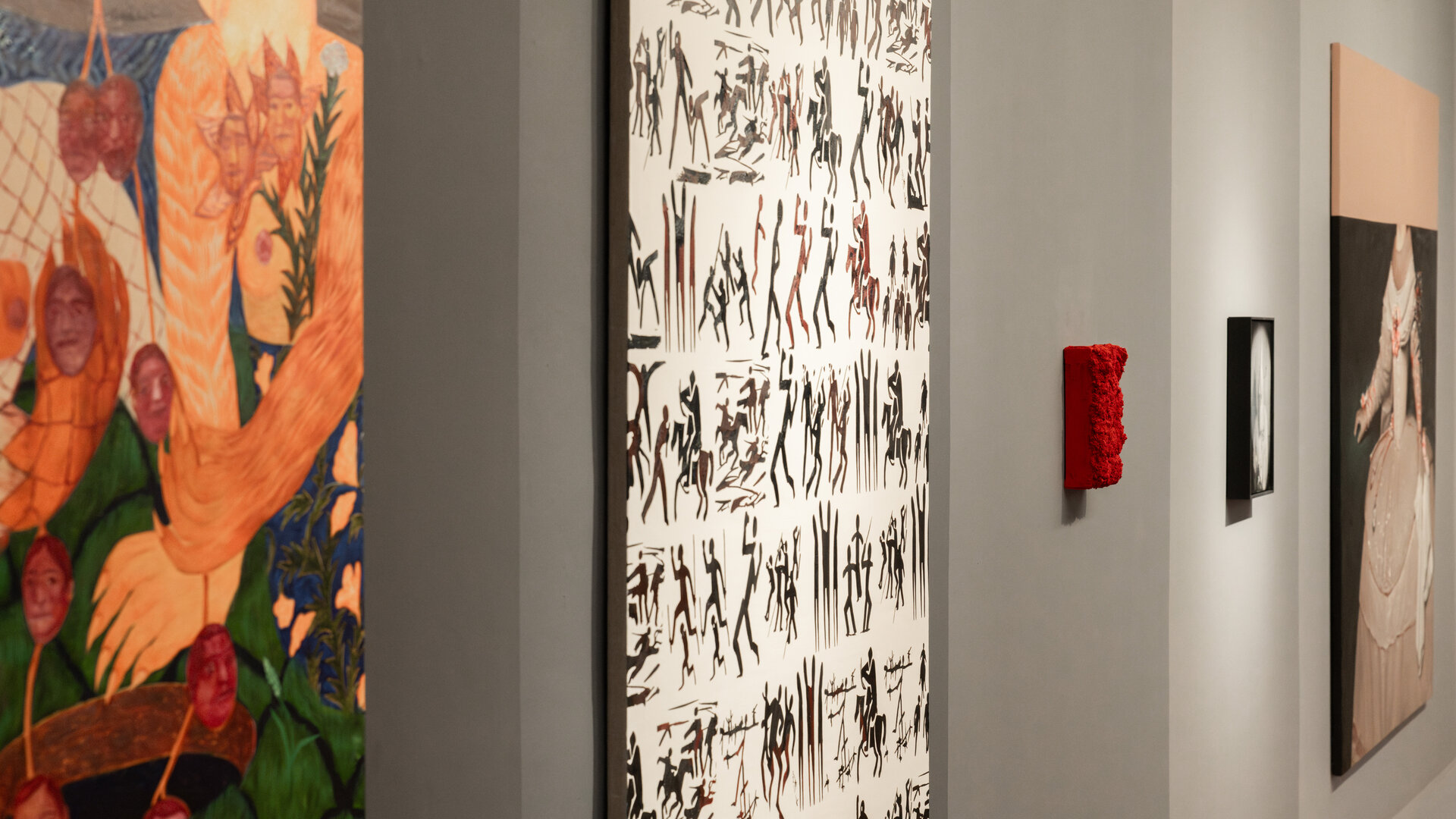
Wet Snow. Referring to “Apropos of the Wet Snow,” the exhibition explores vulnerability, instability, and collective exhaustion, questioning the role of art in a world marked by war, ecological collapse, political polarisation, and democratic fragility. Rather than offering solutions, the exhibition invites visitors to confront ambiguity and remain in the uncomfortable space between collapse and possibility.
The graphic system continues and concludes the visual universe developed for Notes from Underground. If the first chapter stages a rigged game, Wet Snow – Notes From Underground – Part 2 shifts the discourse towards persistence: towards the feeling of a winter that refuses to end, a cold that continues to exist after crisis has become everyday reality.
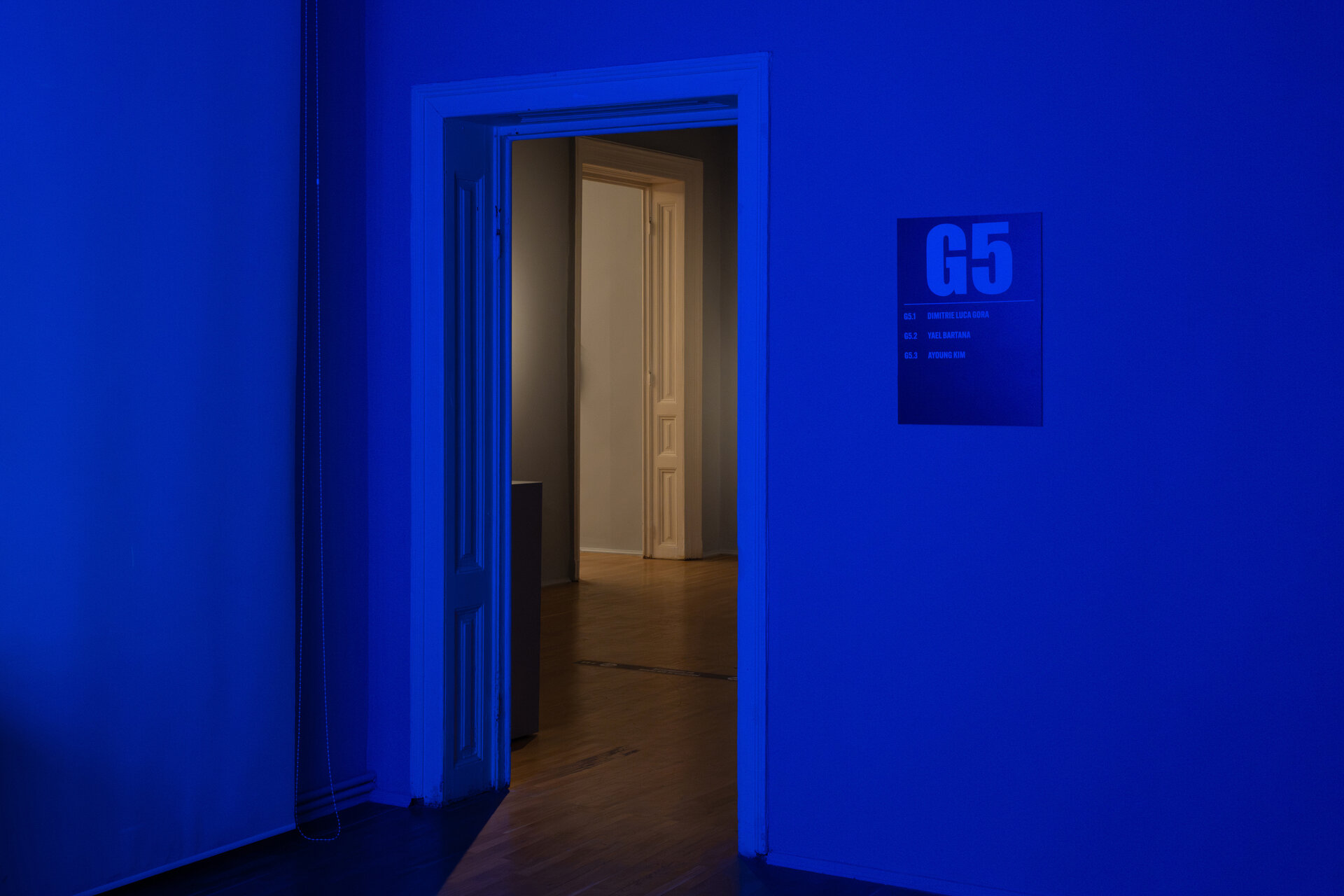
The poster introduces this atmosphere through a footprint in snow, set against a dark blue background. The footprint can be read both as a trace of movement and as a sign of stagnation: something has passed, yet the imprint remains, frozen in time. Above it floats the same star from Notes from Underground, perhaps the North Star guiding us through the darkness.
The austere blue evokes the cold of a winter night, but also the colour codes of law enforcement, military uniforms, and rigid state systems.
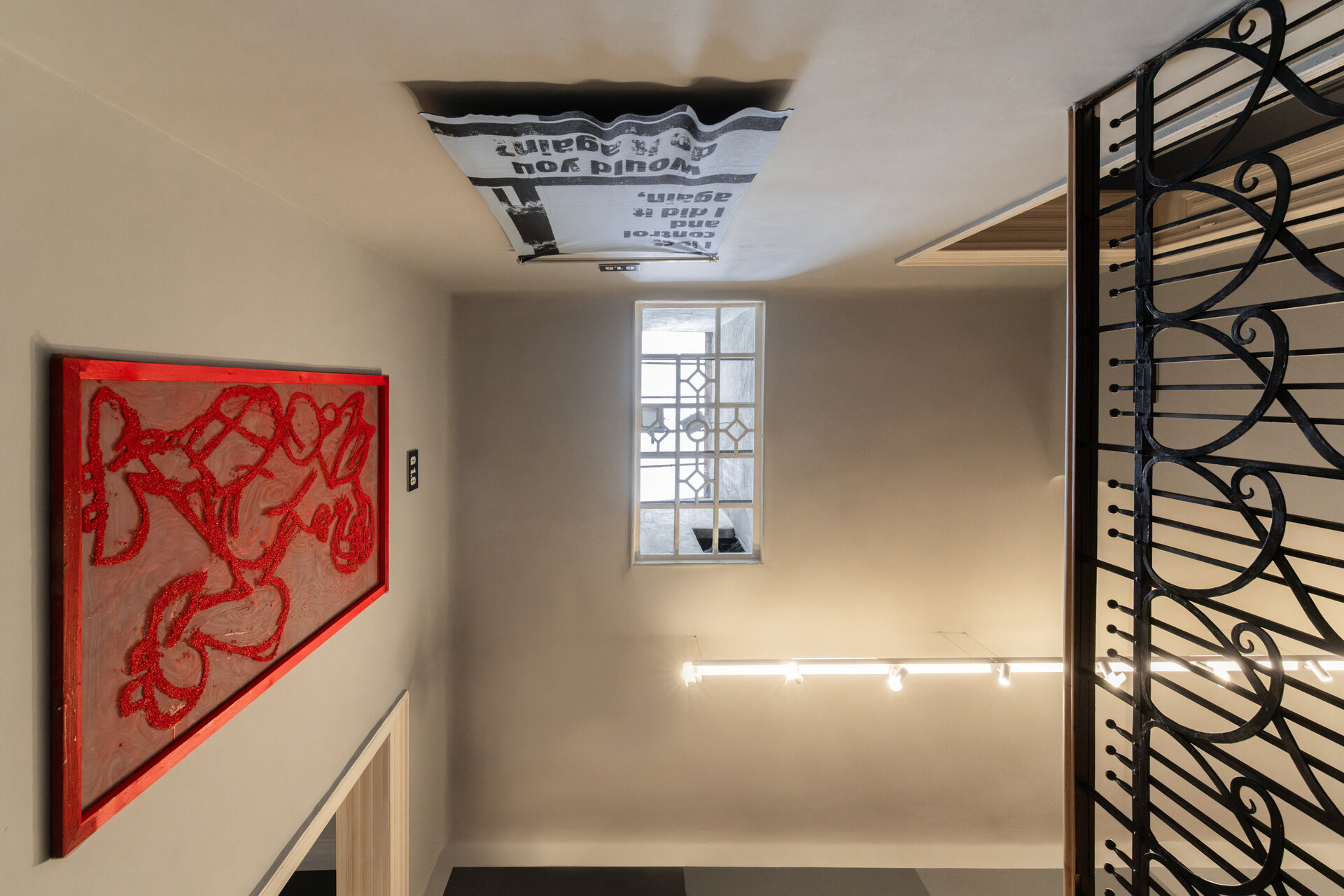
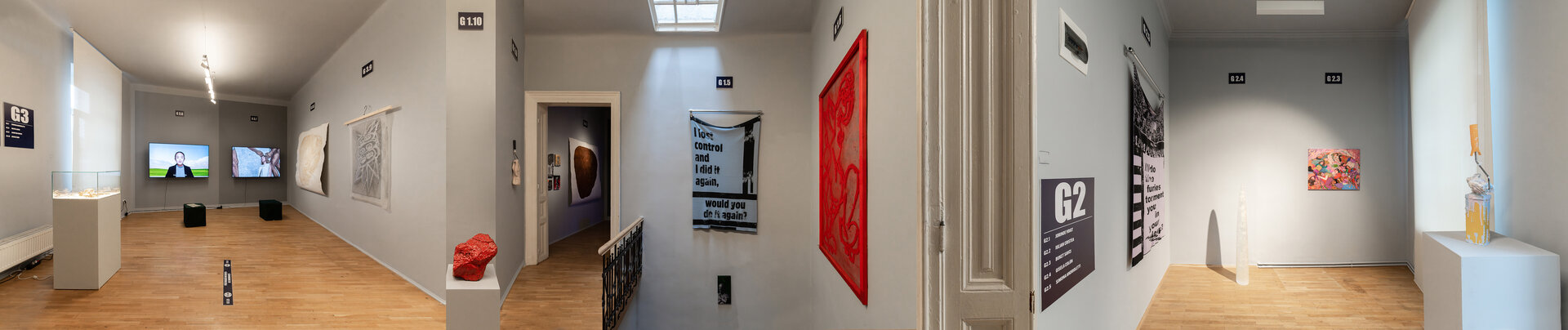
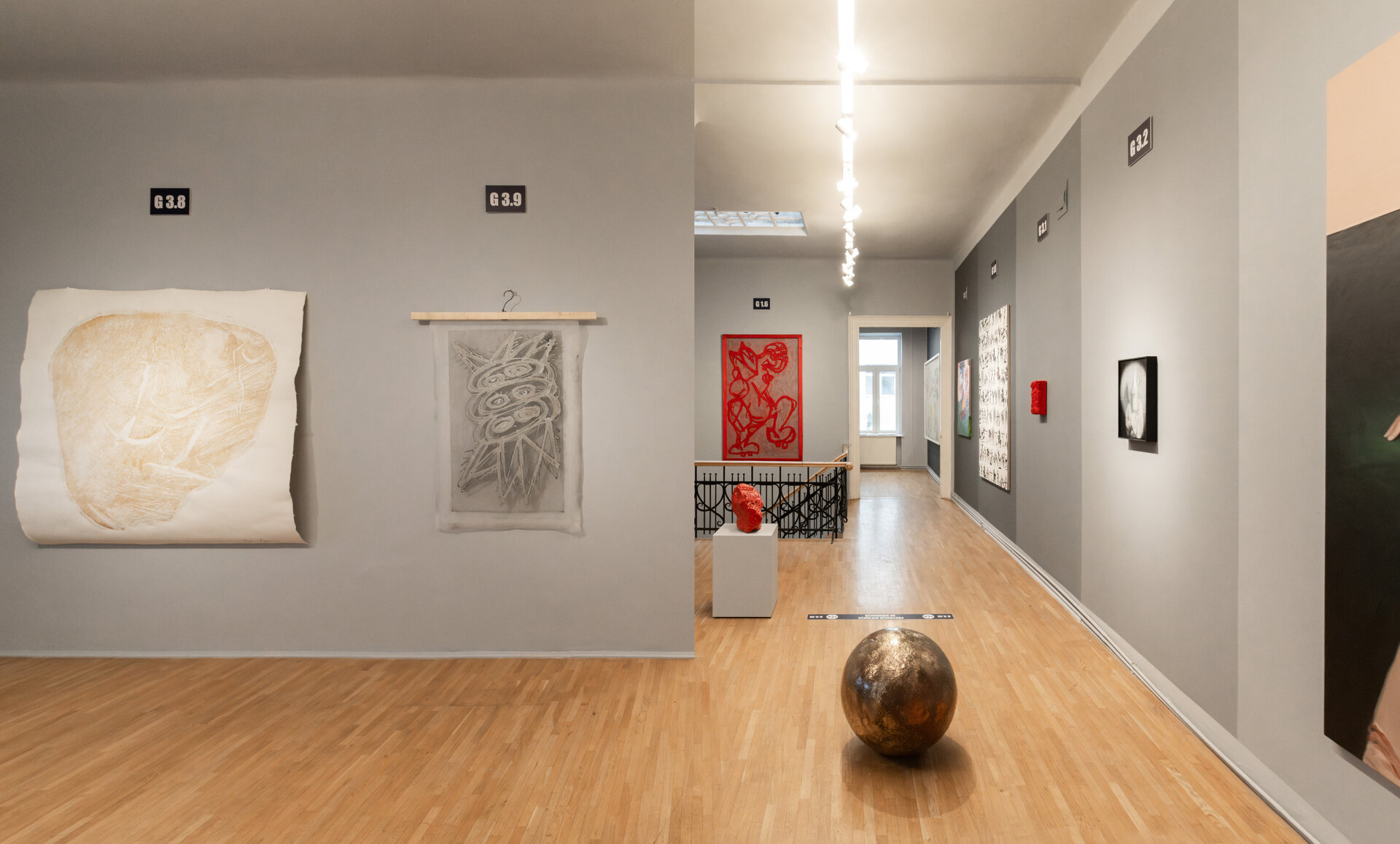
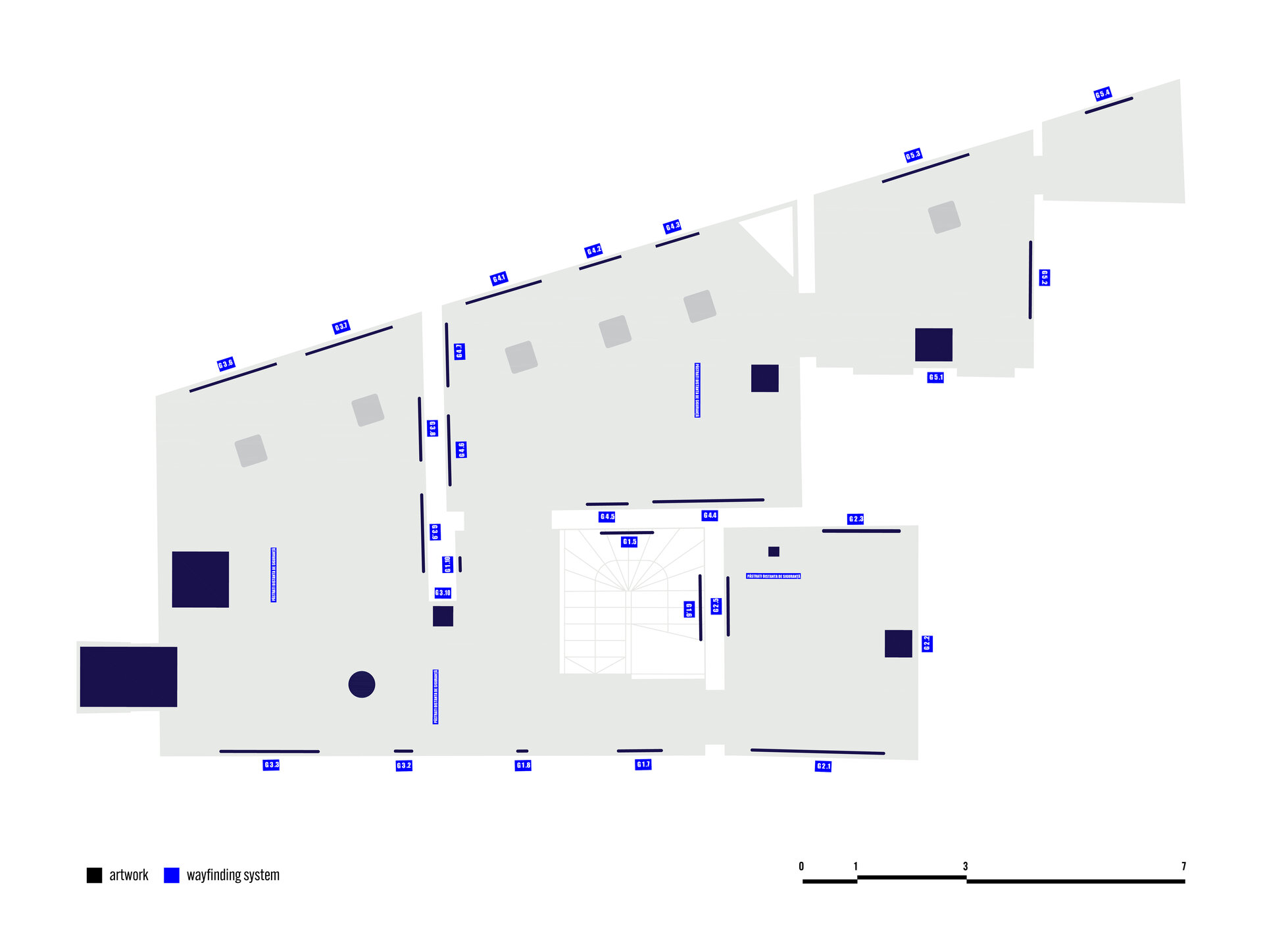
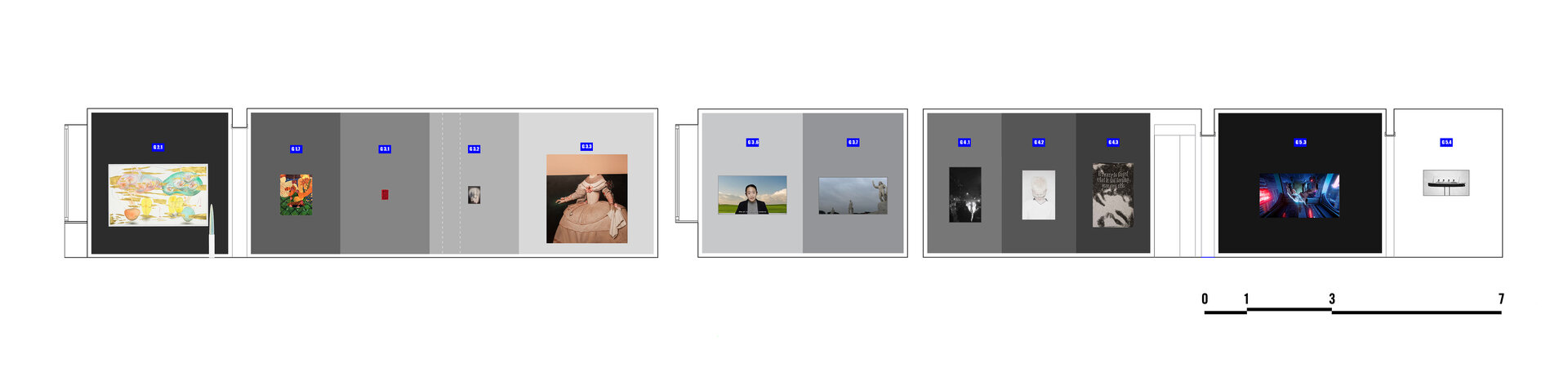
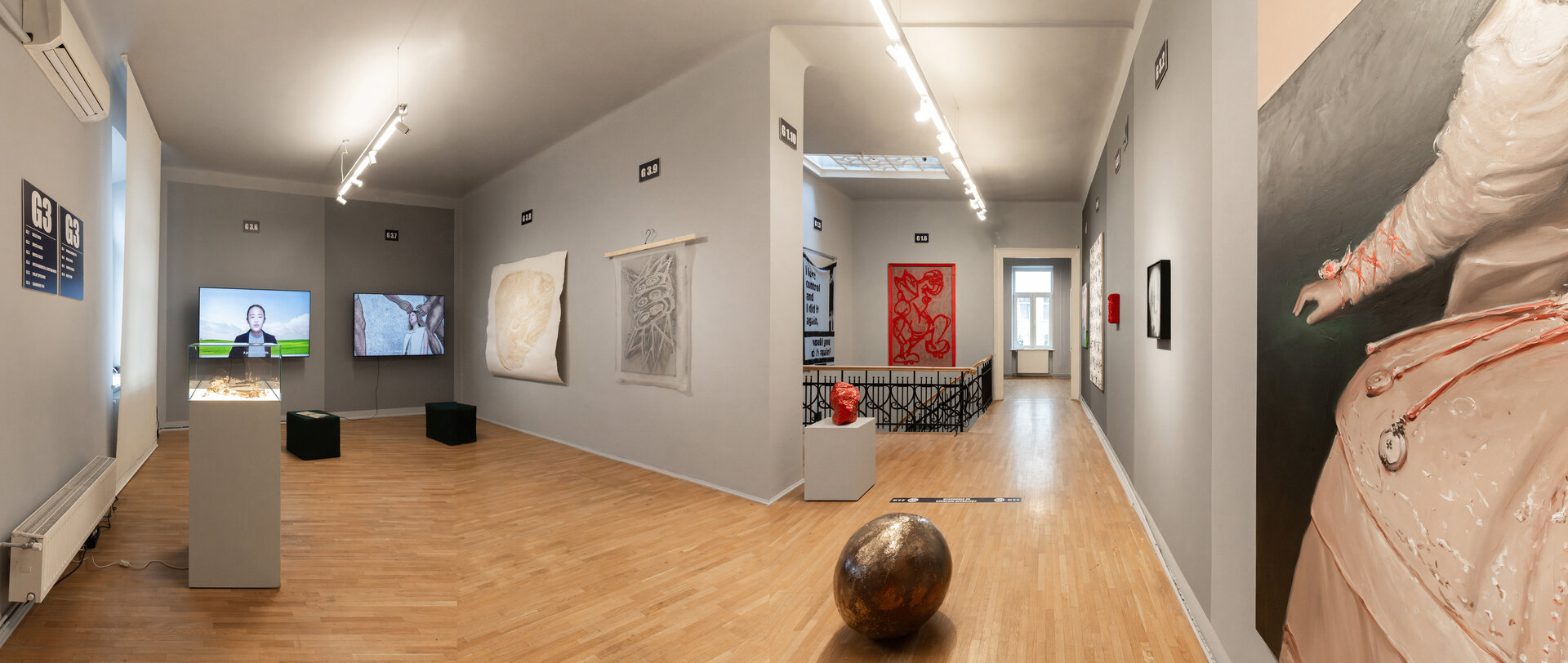
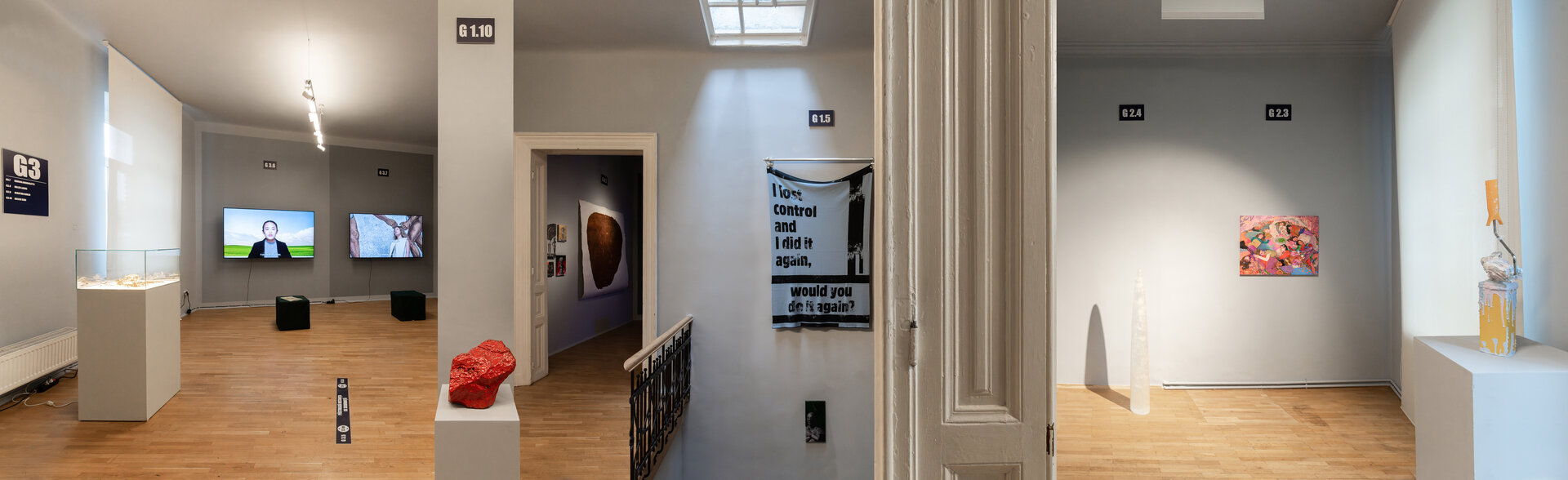
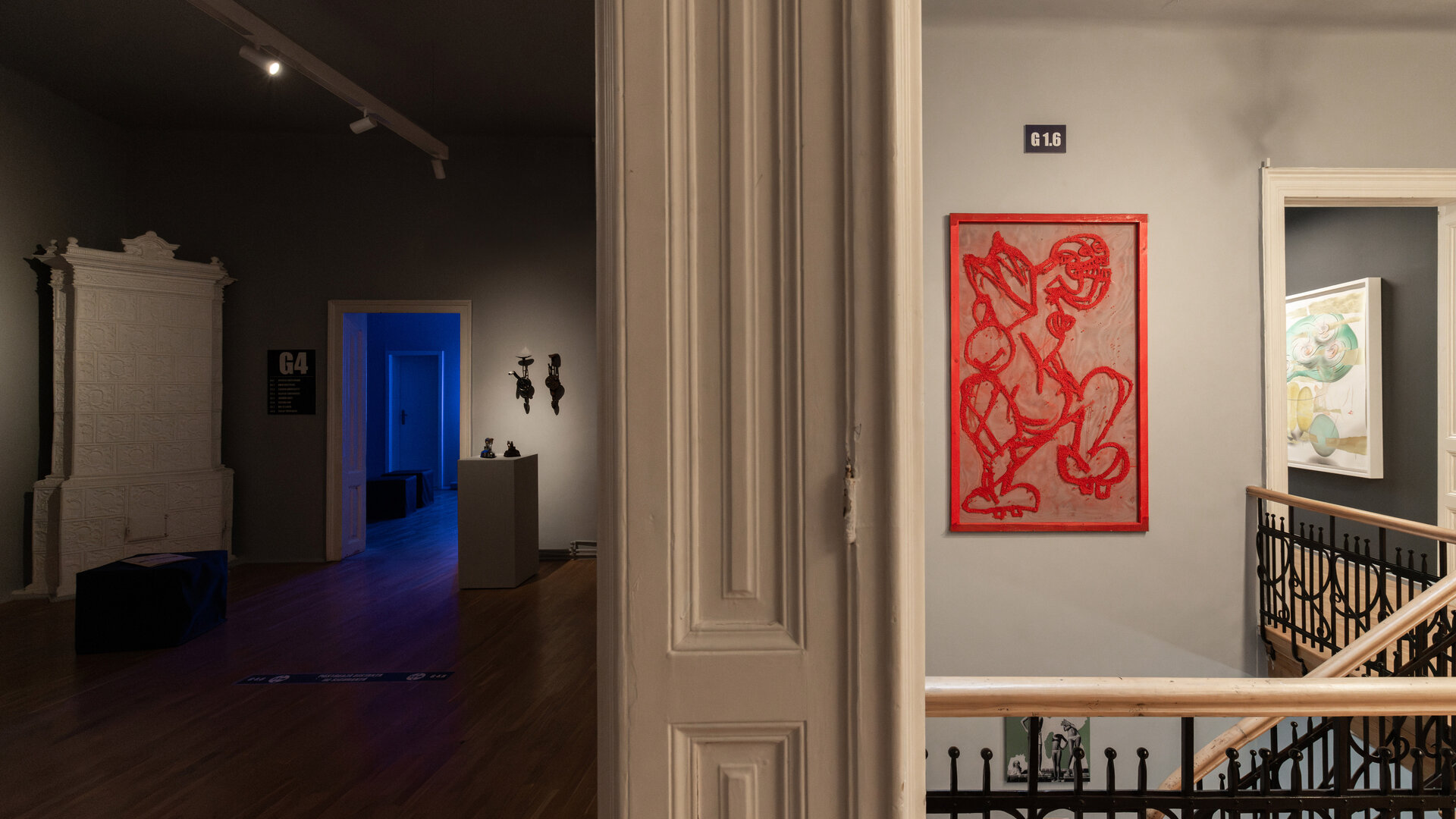
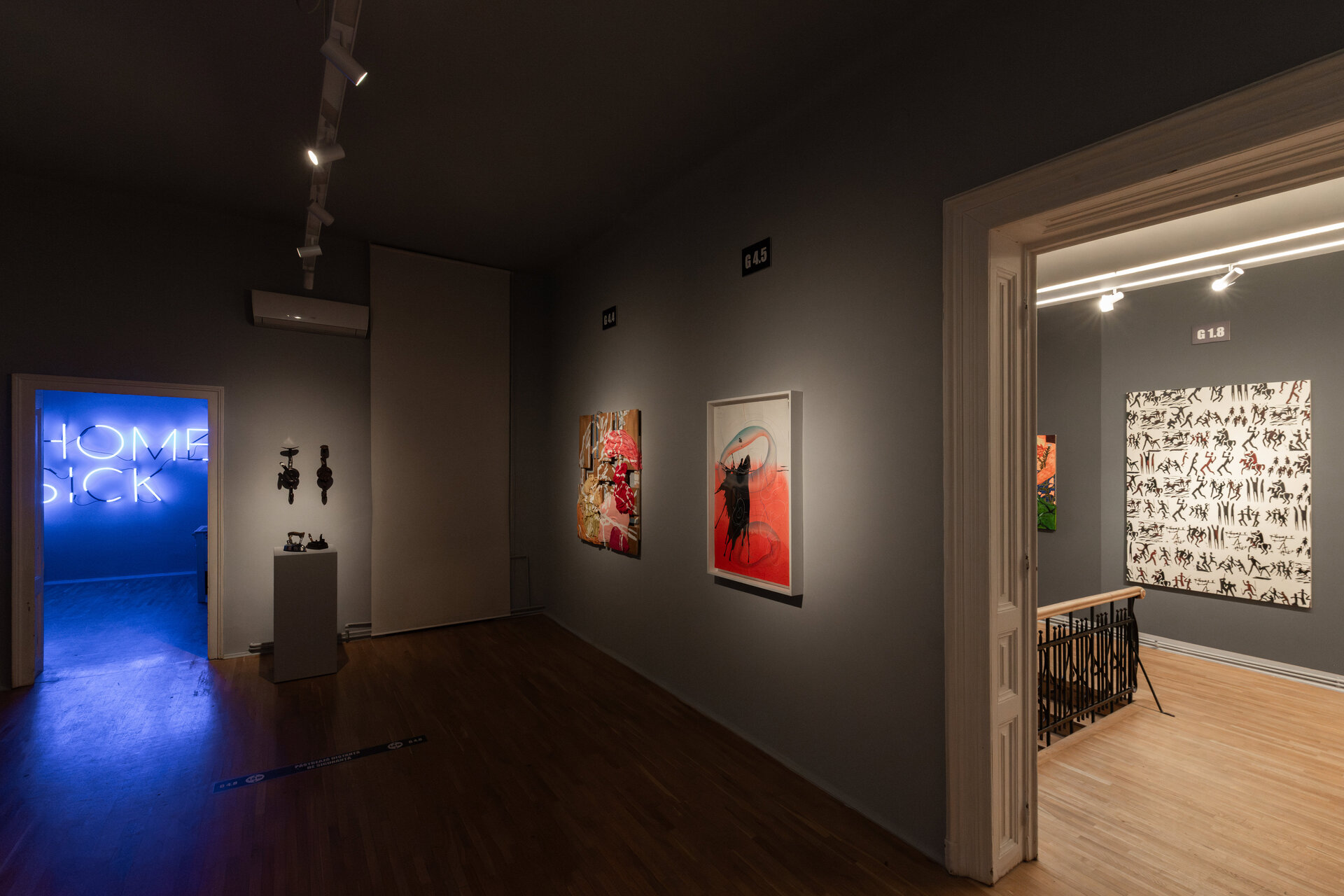
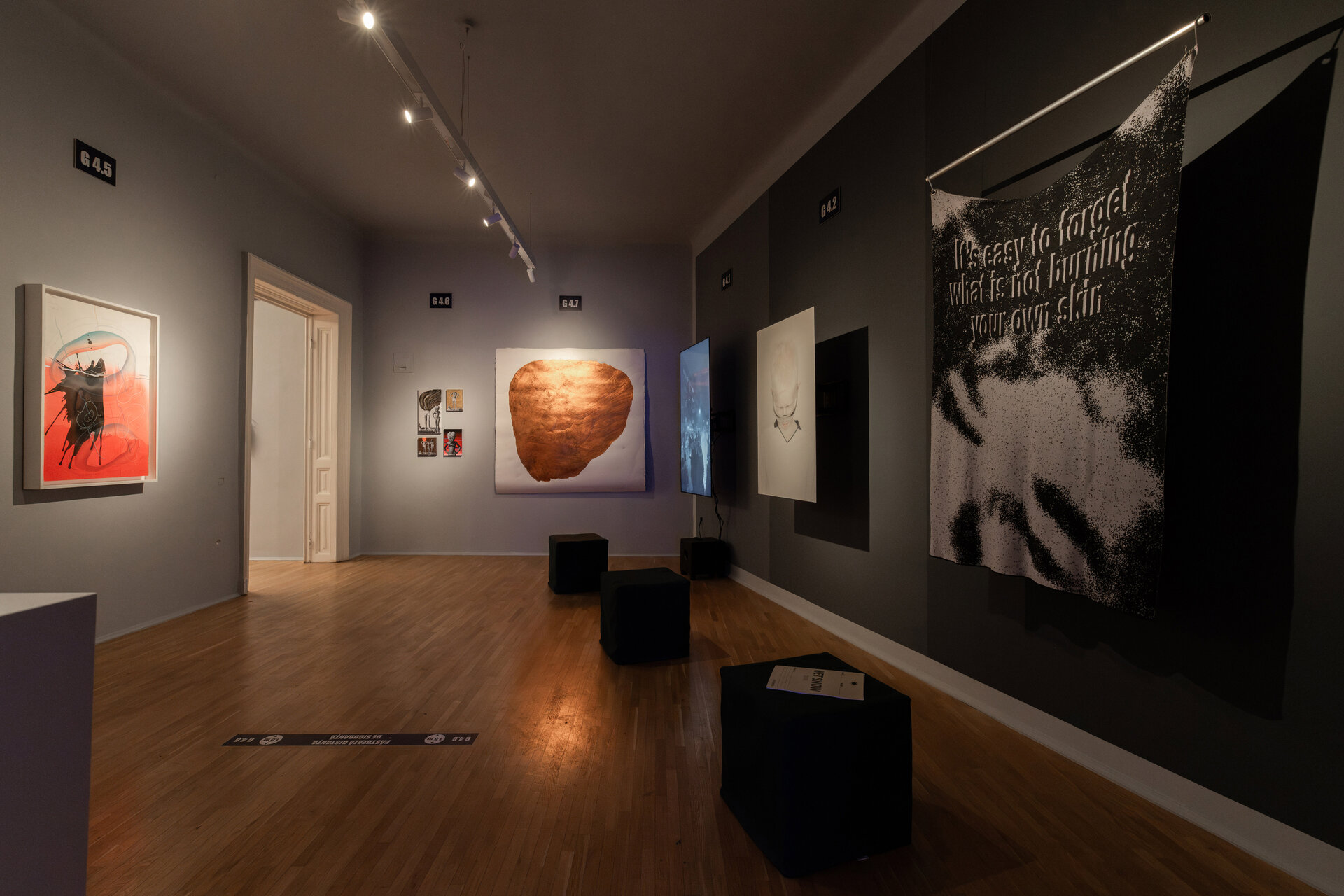
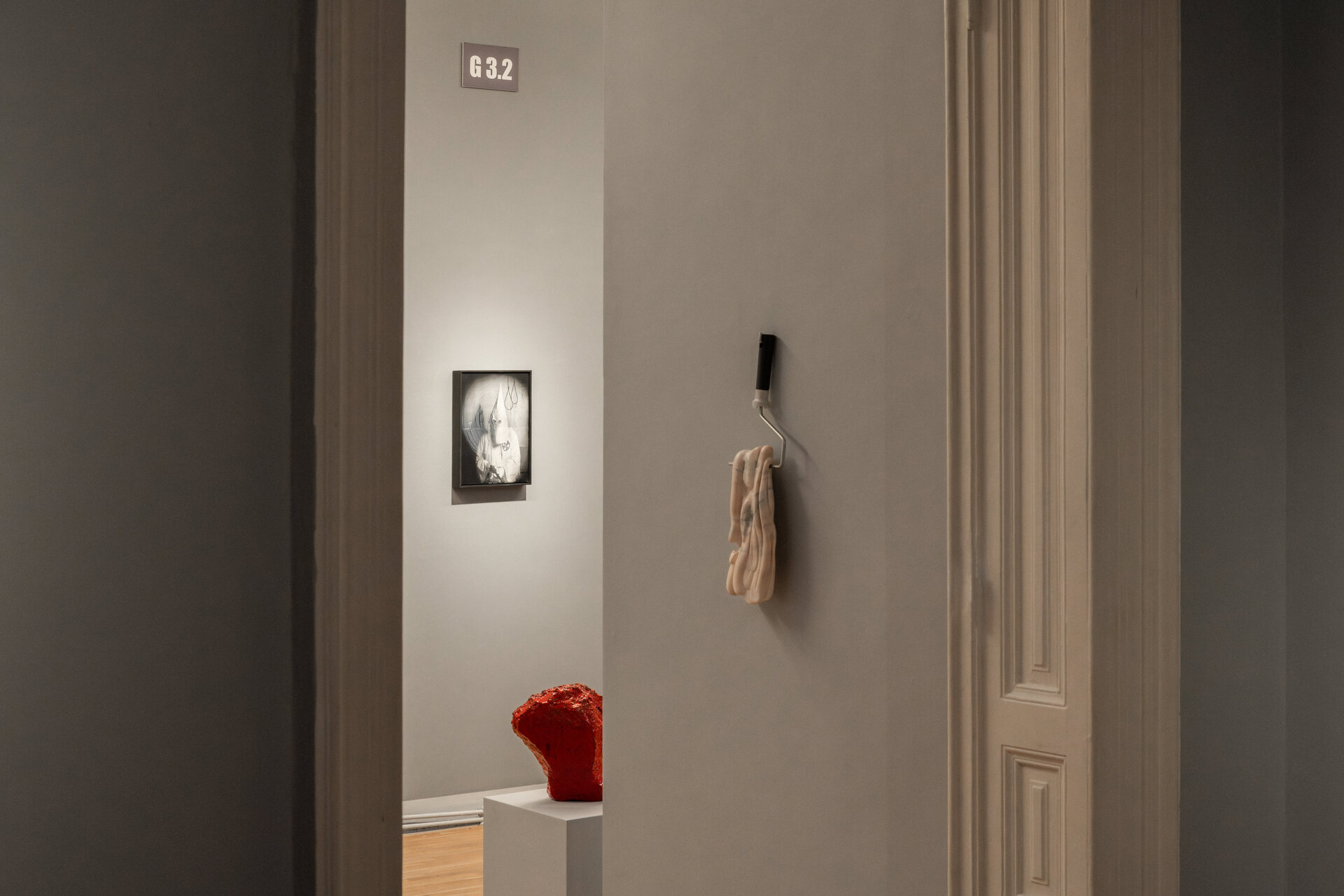
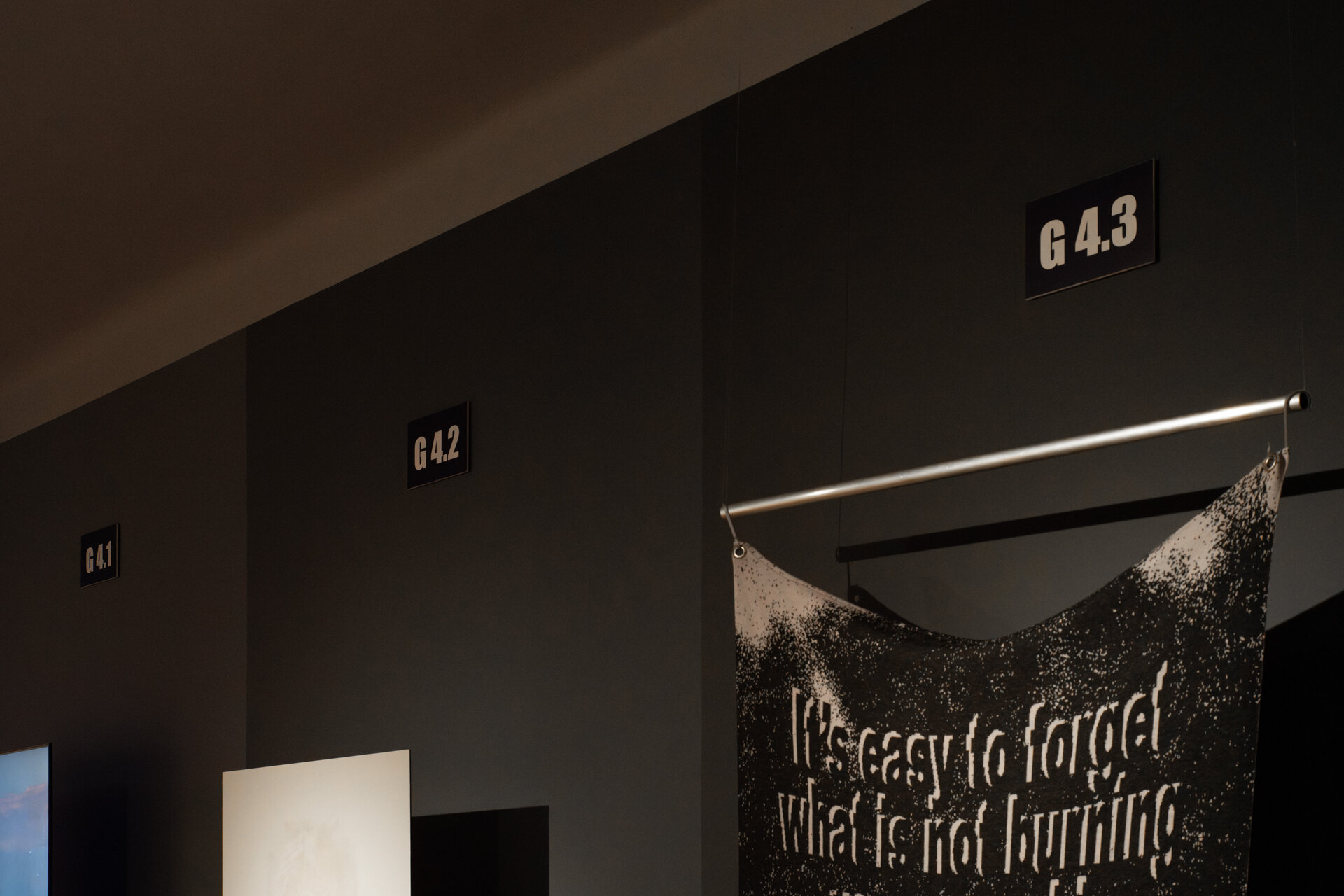
Within the exhibition space, discomfort is translated into a system inspired by bureaucratic architecture. The walls are divided into bands of grey, evoking the compartmentalisation of service counters and windows in public institutions. The rooms are organised through a grid of G-codes (from ghișeu, Romanian for service counter): G1, G1.1, G1.2, G2.1, etc., mimicking the logic of queues, ticket numbers, and administrative hierarchies. Index panels list the works by artist and code, in the same cold blue, suggesting that systems of control often present themselves as neutral.
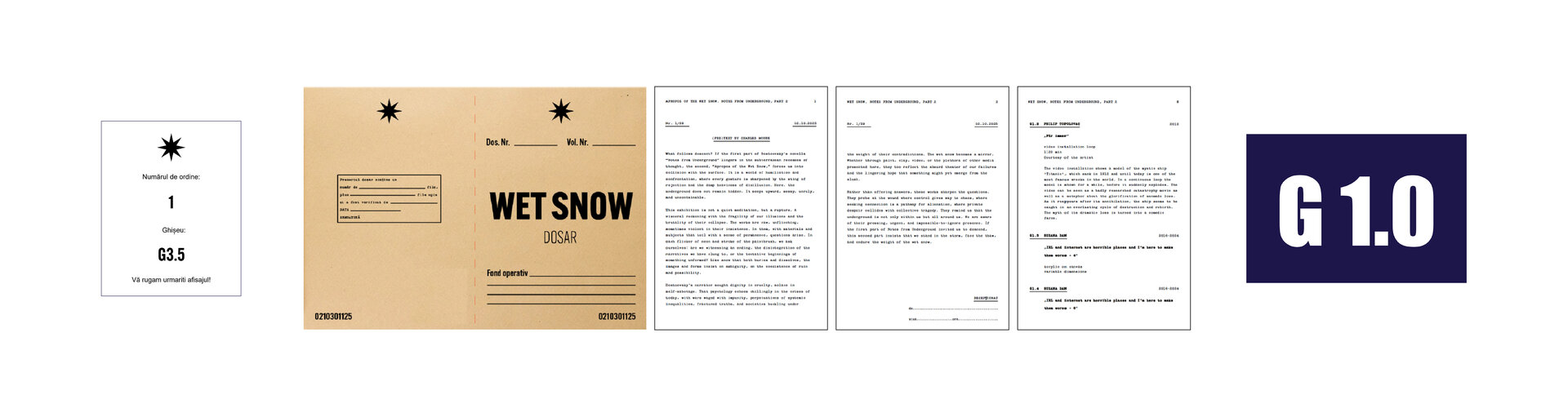
At the entrance, visitors receive a queue ticket and a folder and are directed to form a queue at a designated counter, moving through the exhibition like an outdated institution. Information about these “counters” is gathered in The Wet Snow Dossier, the exhibition booklet, inspired by a worn cardboard archive folder. Its cover carries the same ambiguous star: the emblem of a useless institution or the distorted echo of an authoritarian symbol? The texts and artwork descriptions are organised like administrative documents, while the typewriter font evokes the slow rhythm of bureaucracy and paper archives.
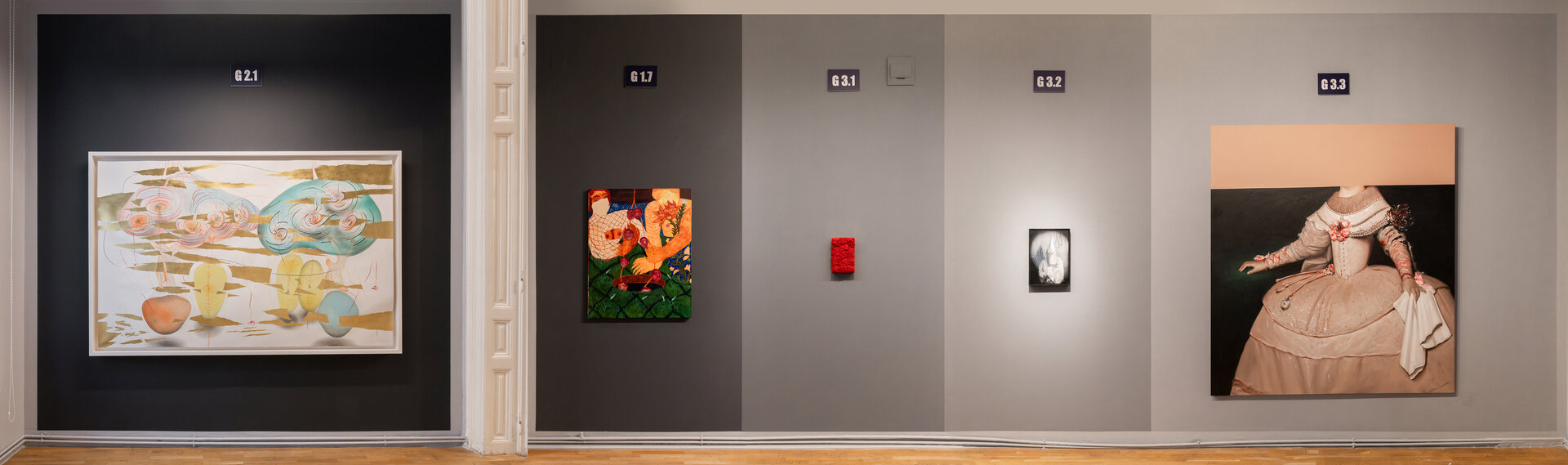
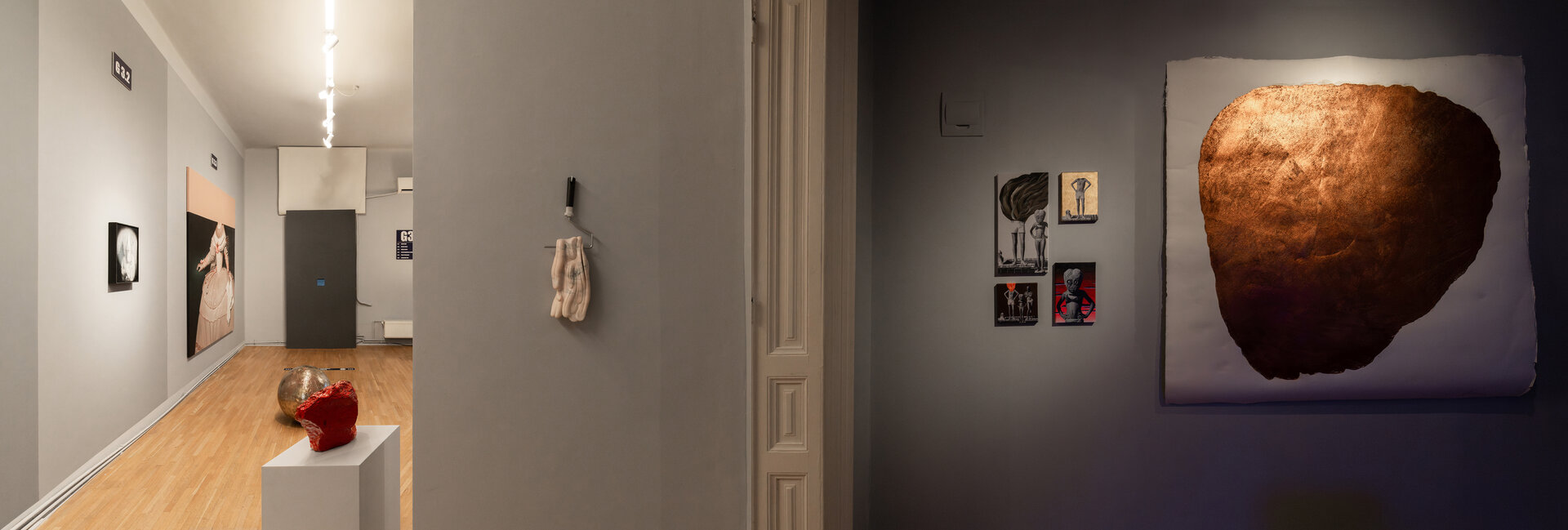
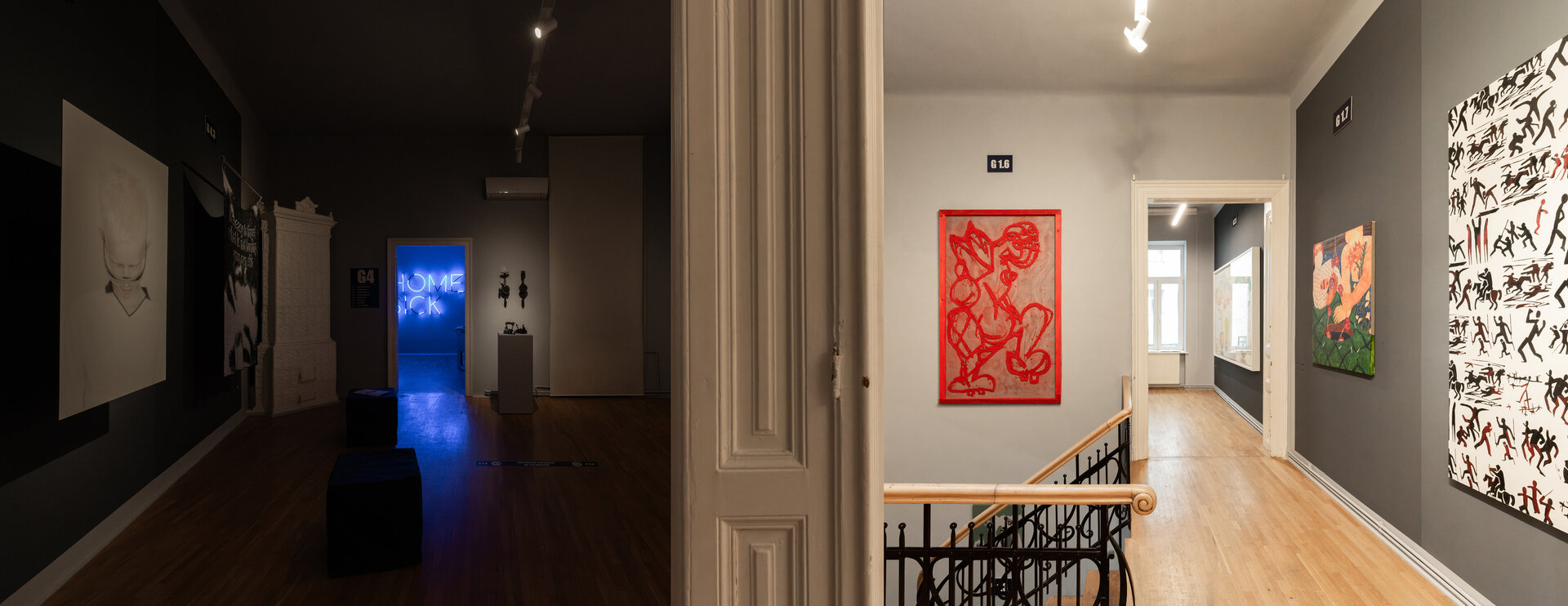
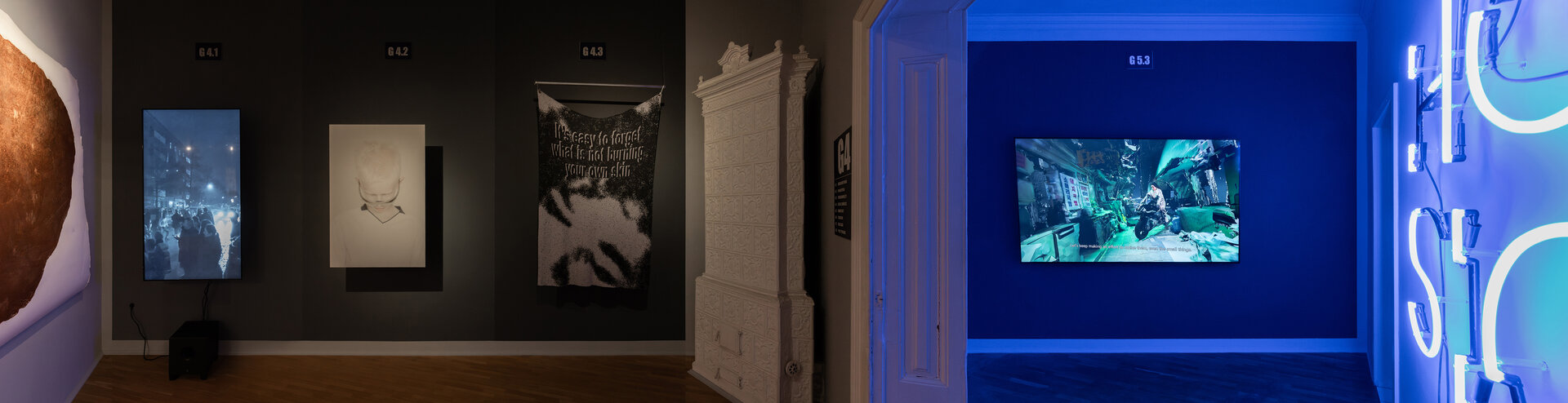

Exhibition and Scenography Design

- Transilvania | Extravaganza
- A World in a Negative
- Why “We Should All Be Feminists”
- The Bucharest That Never Was
- The Infinite Dinner
- Pop-up Gallery at Point - two exhibitions
- Wet Snow
- Architecture of experience: Nijinski · Agony and Ecstasy
- Sides of interconnected learning
- BDF Professional / International Design / UAUIM
- Radical Domesticity
- Cella/kamera
- OFFSIDE / Plans, goals, points
- Rhythmic Stress
- BDF Young
- Highberg Pavilion
- “Lights and Shadows” Temporary Exhibition
- Show me the way
- “Balnea Daciae” Temporary Exhibition at Pompeii


