BDF Young
Authors’ Comment
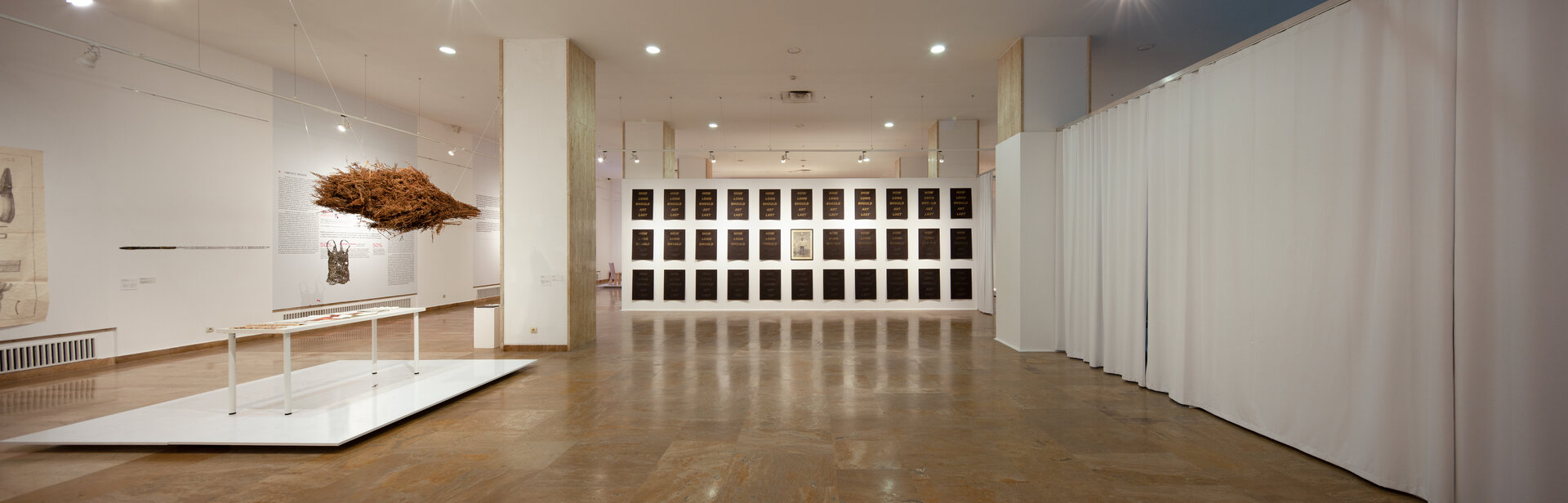
BDF Young and “Dioramas of Everyday Life,” presented as part of BDF 2026, form a temporary exhibition system that constructs a trajectory from artistic expression to design.
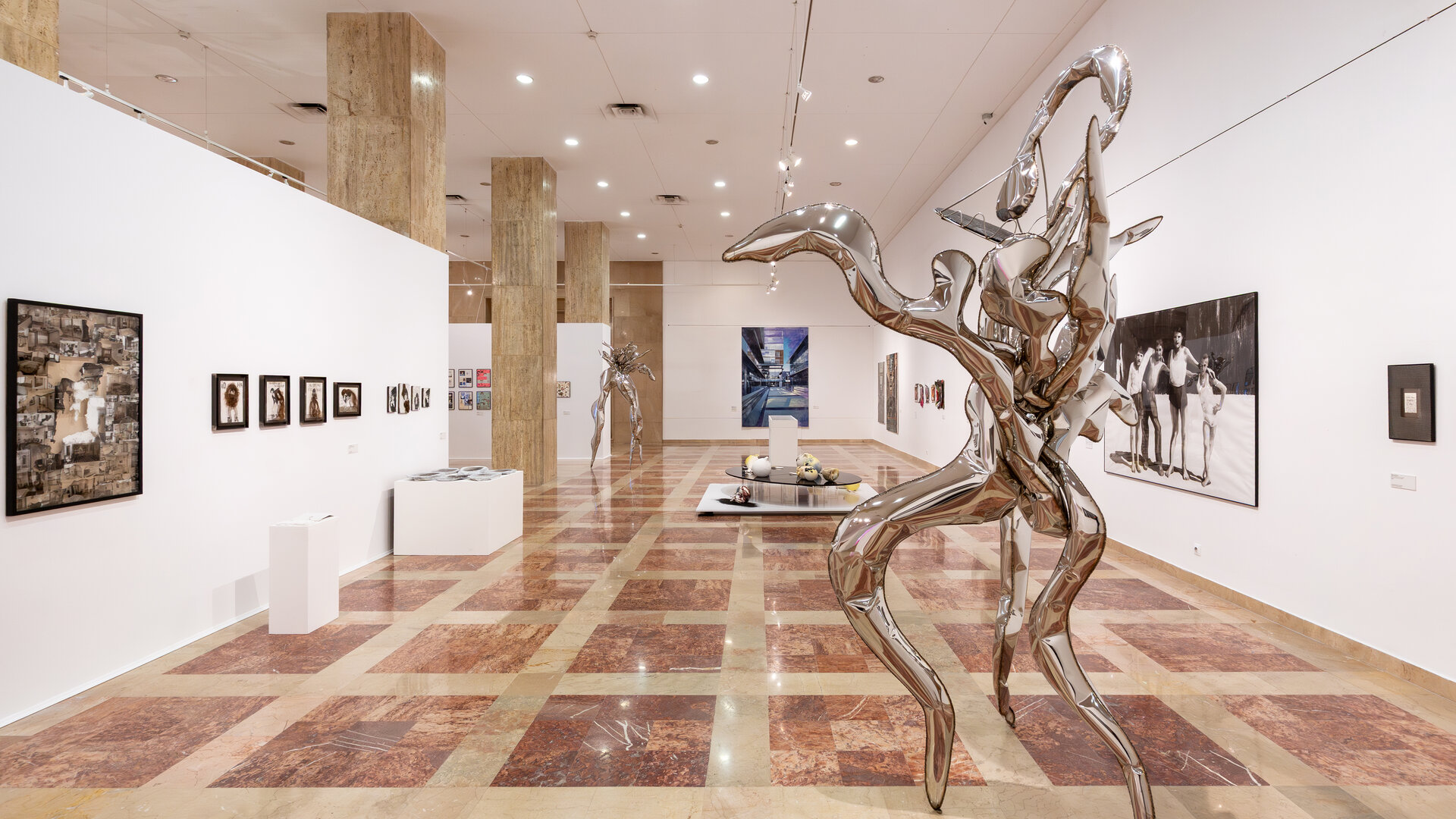
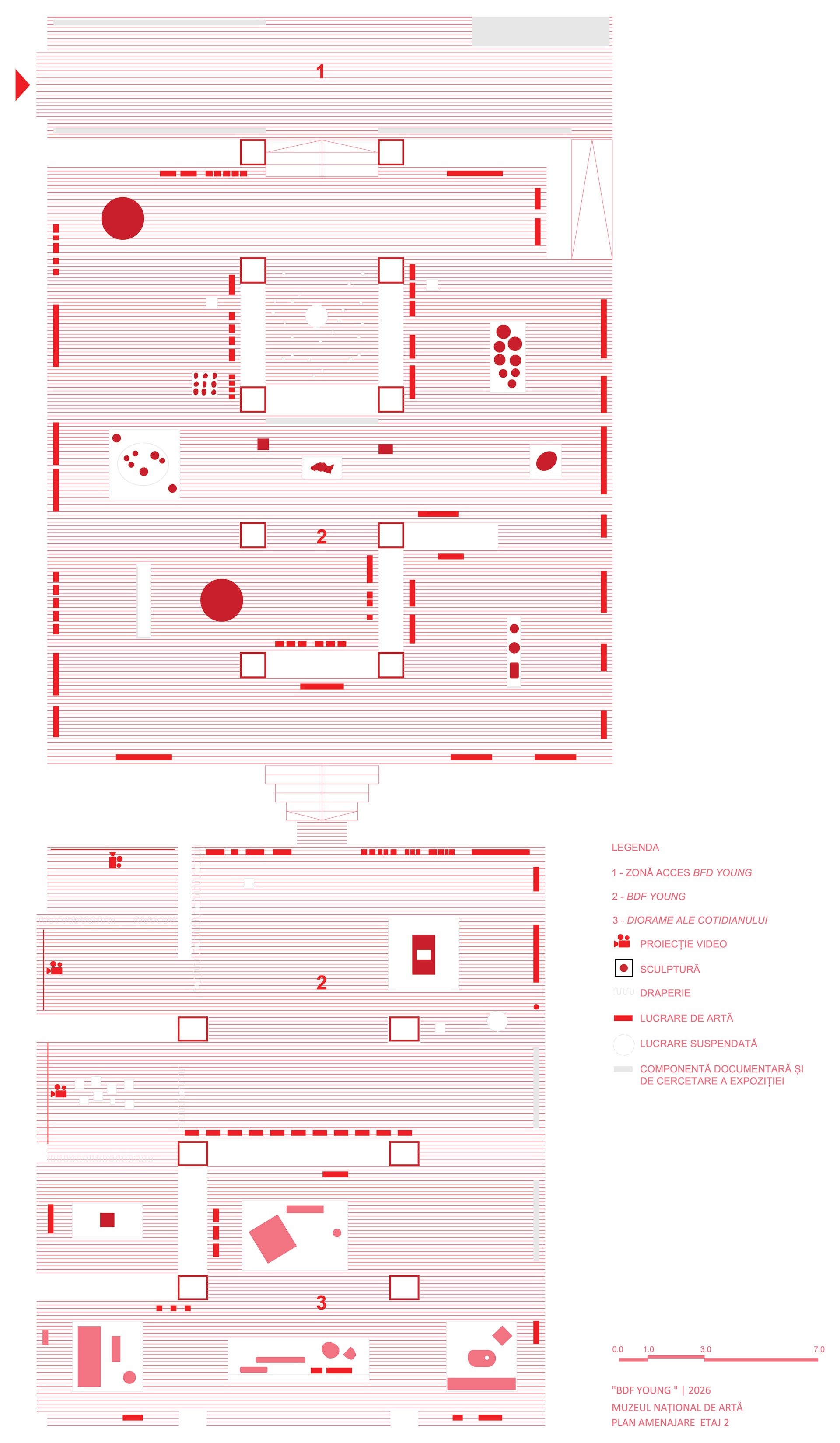
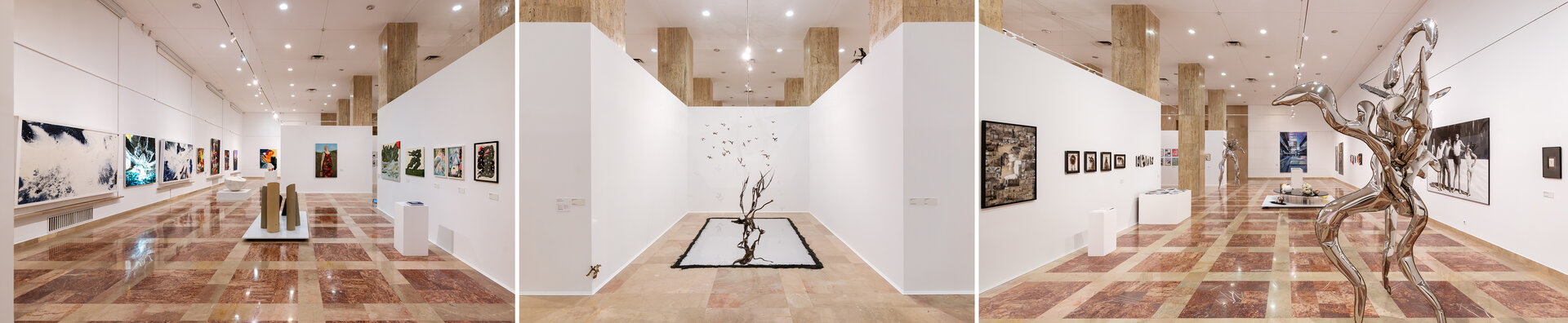
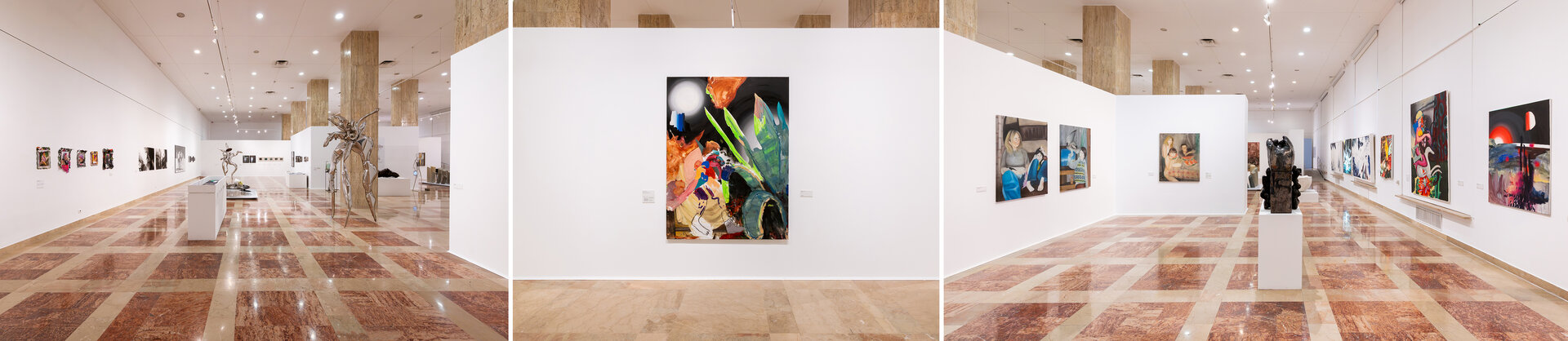
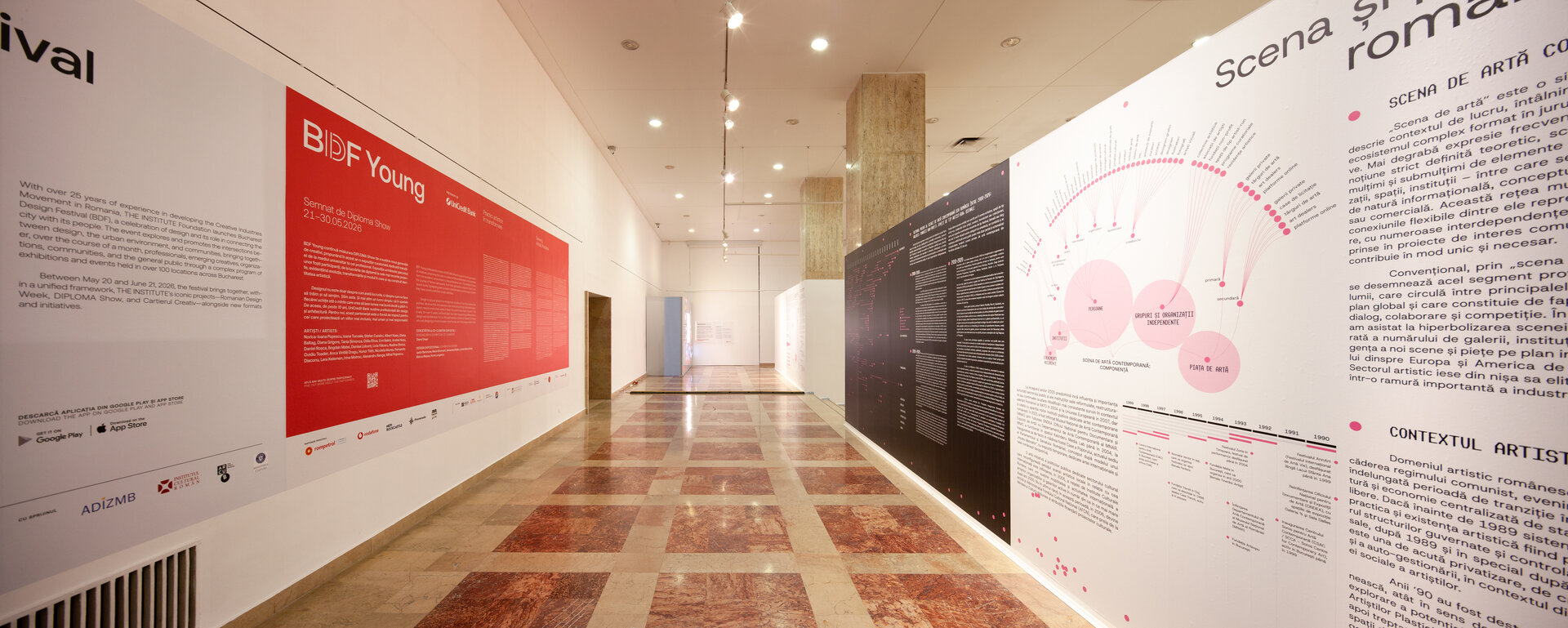
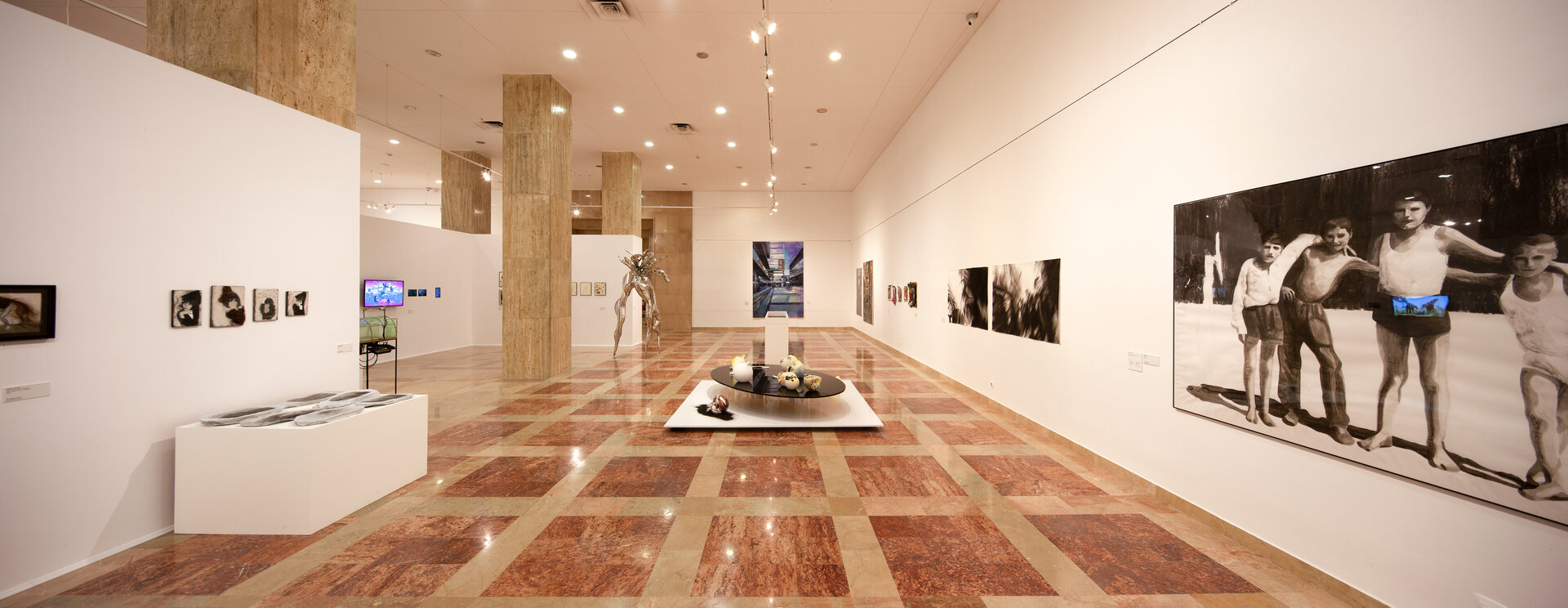
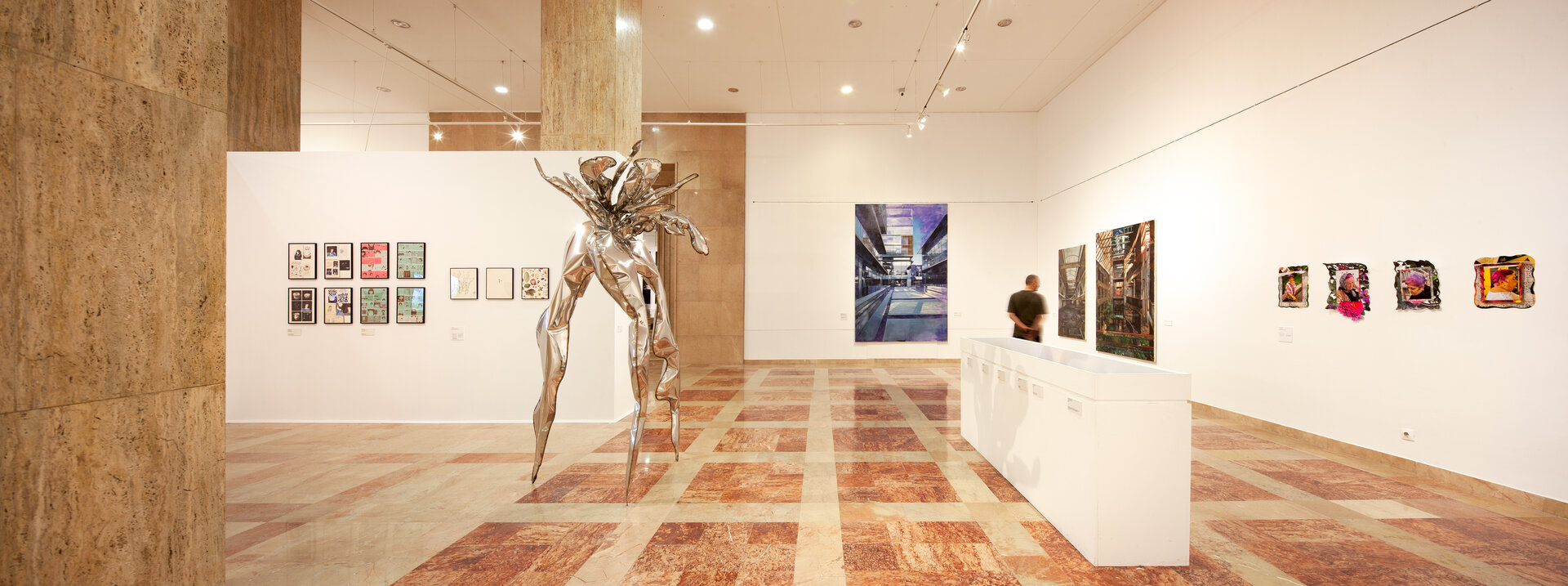
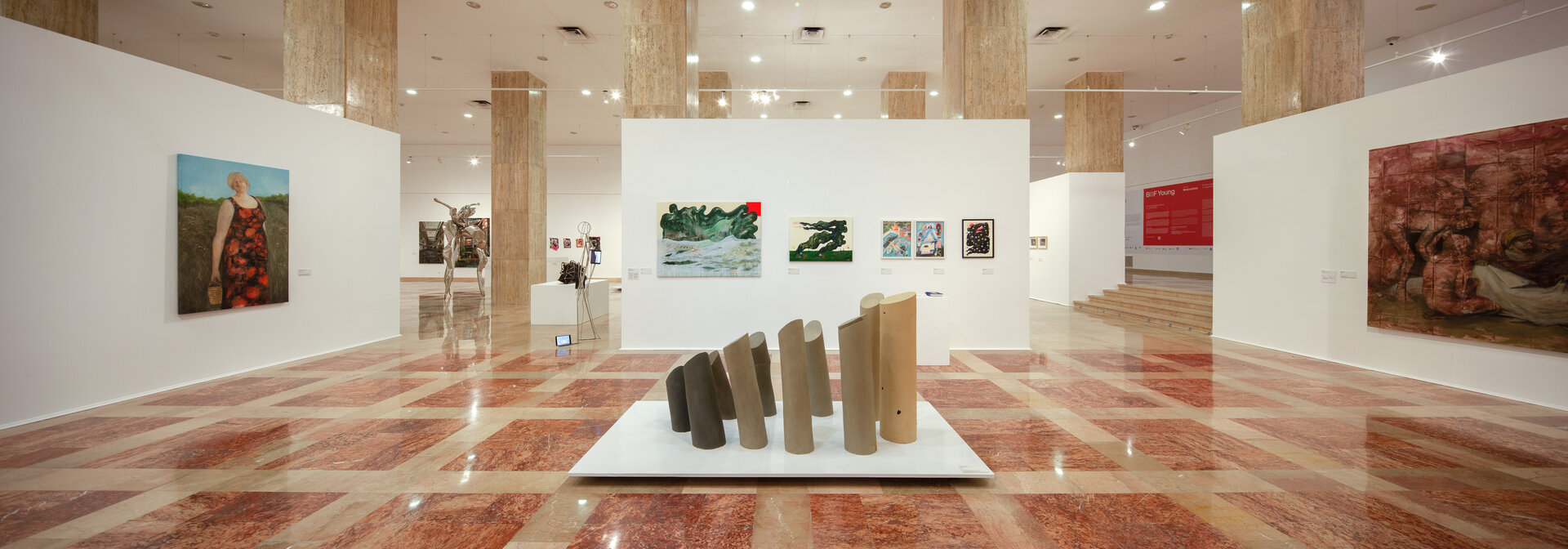
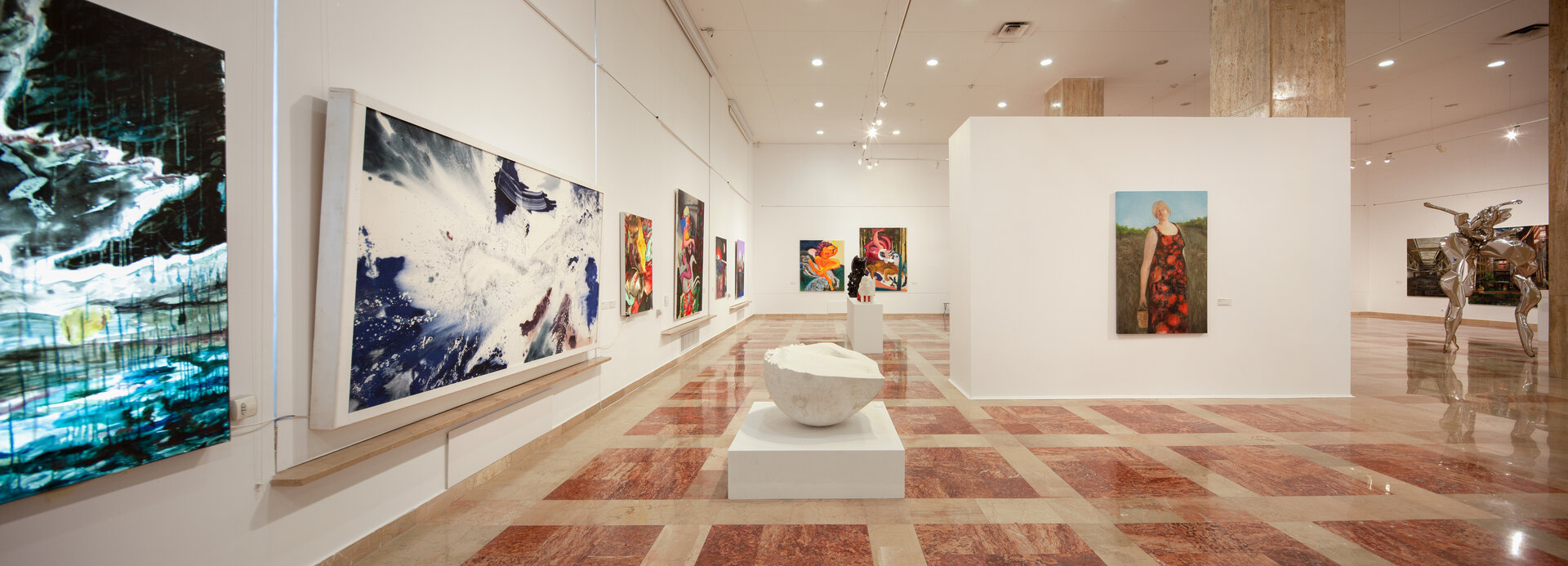
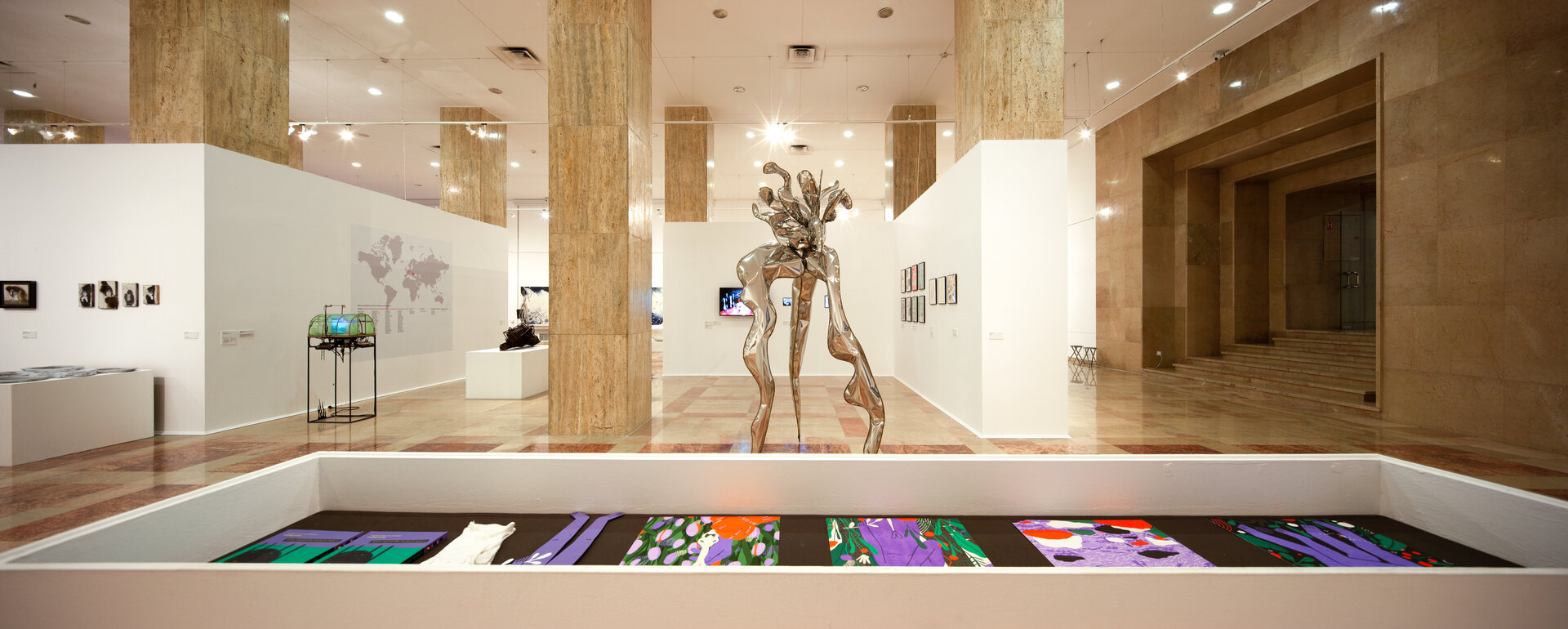
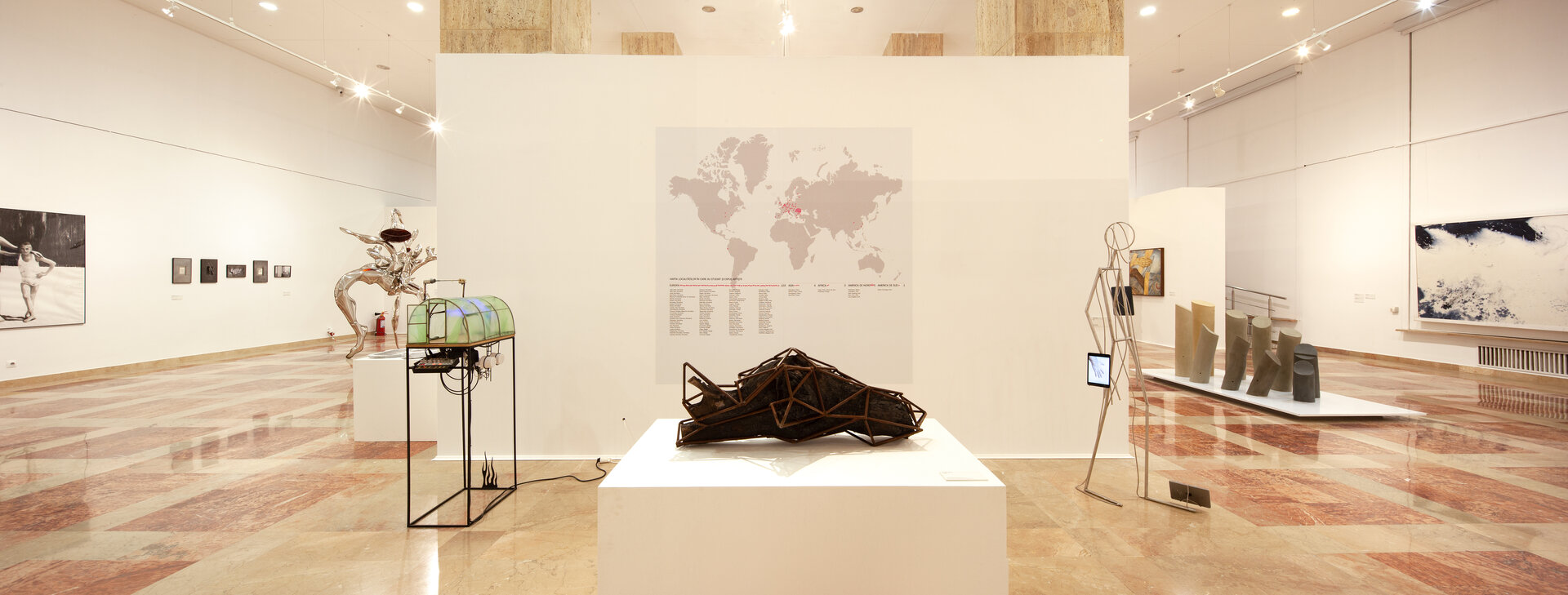
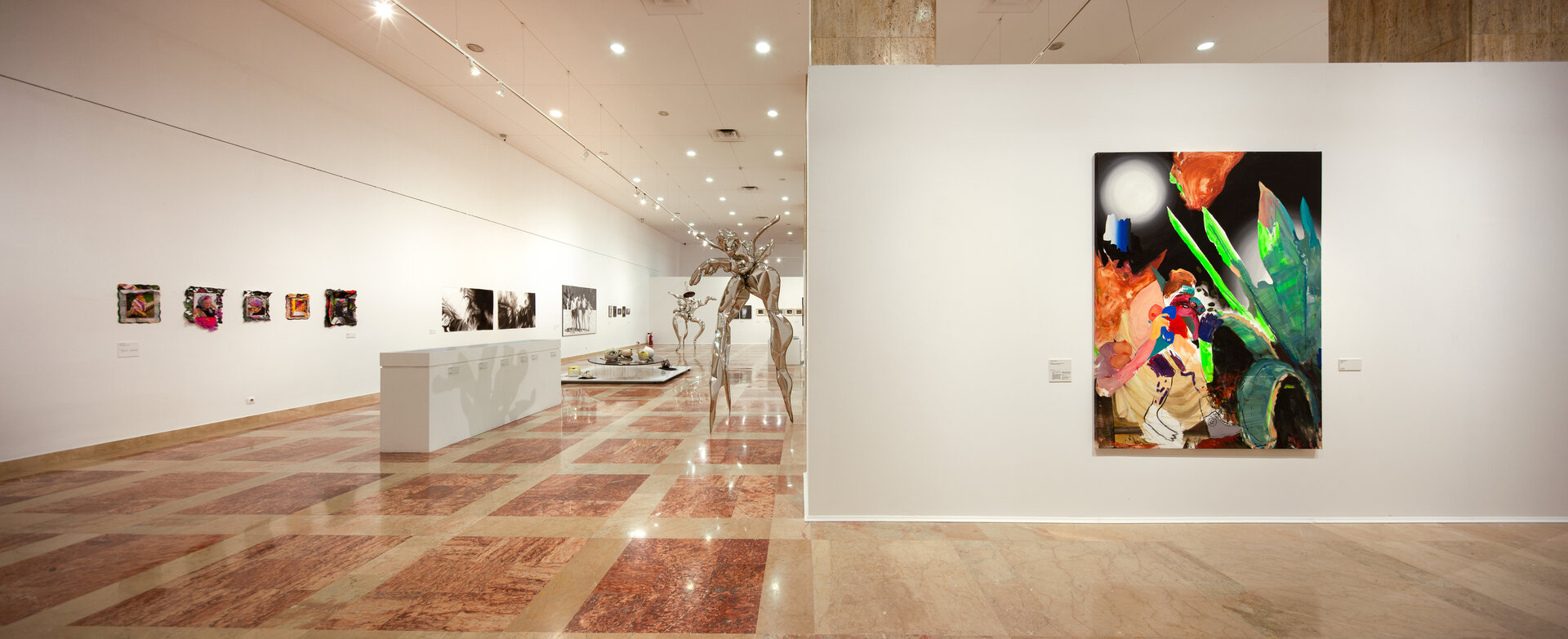
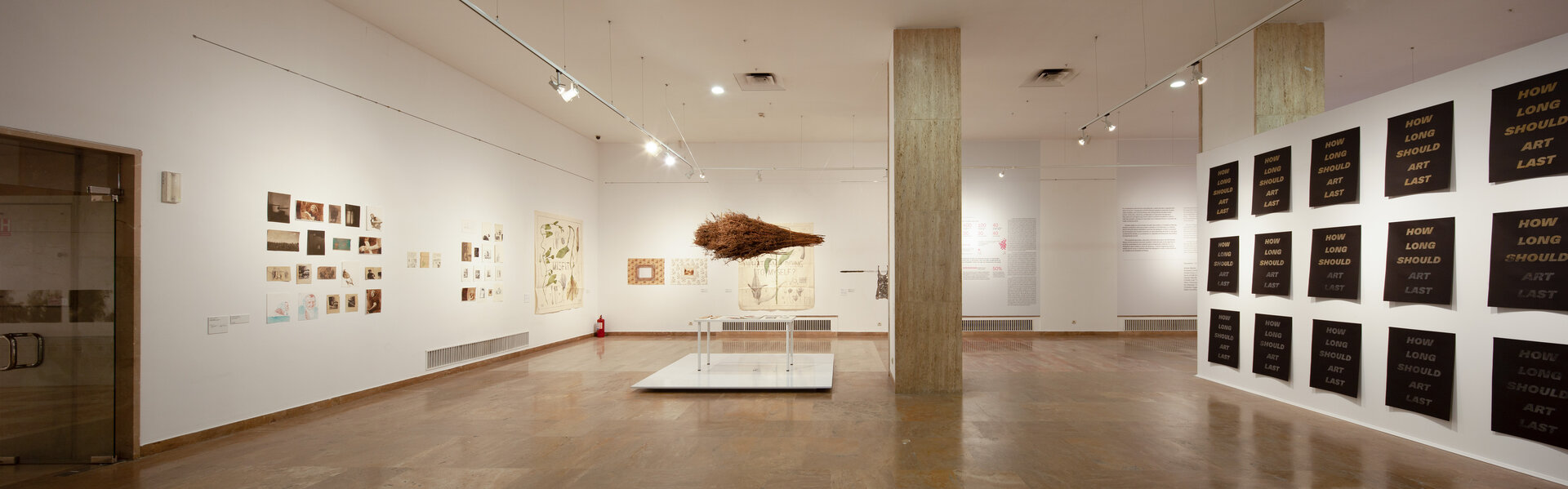
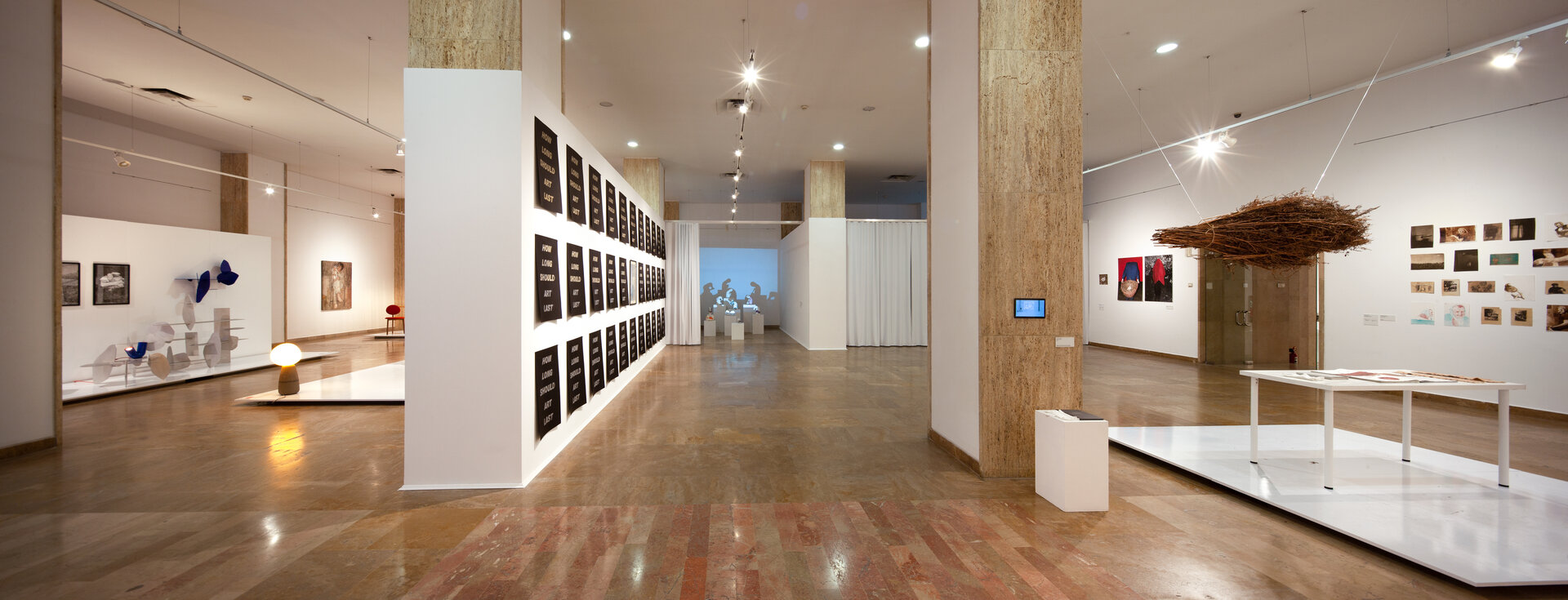
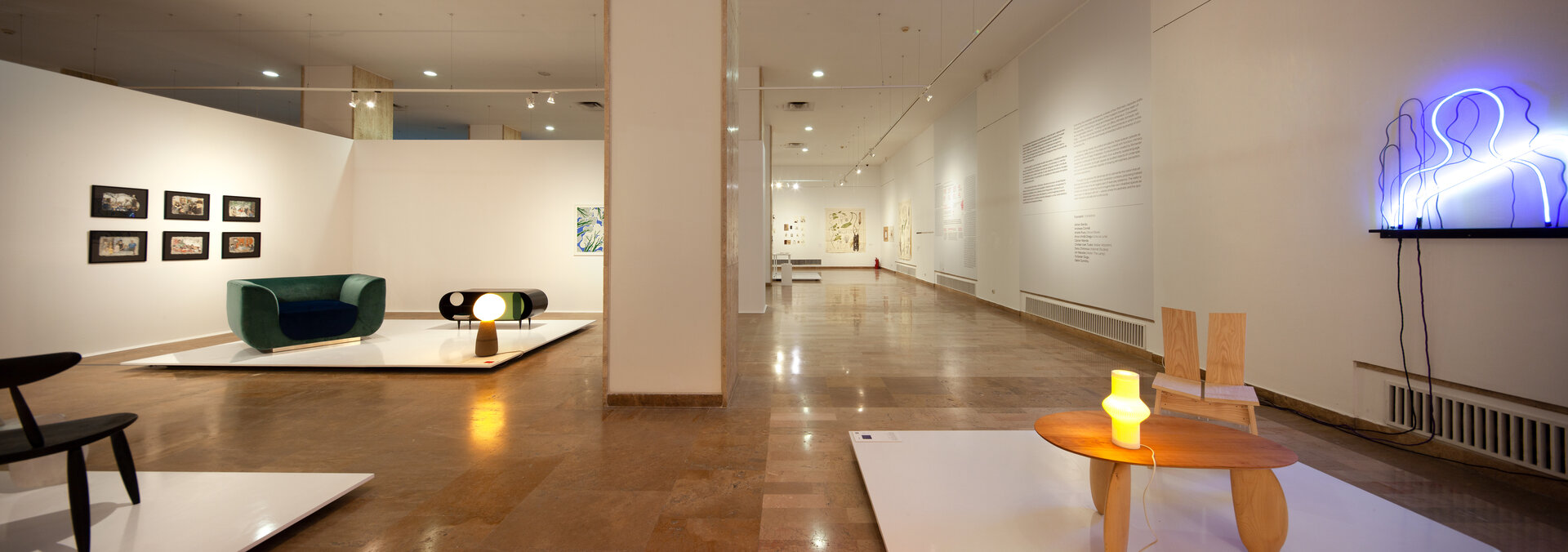
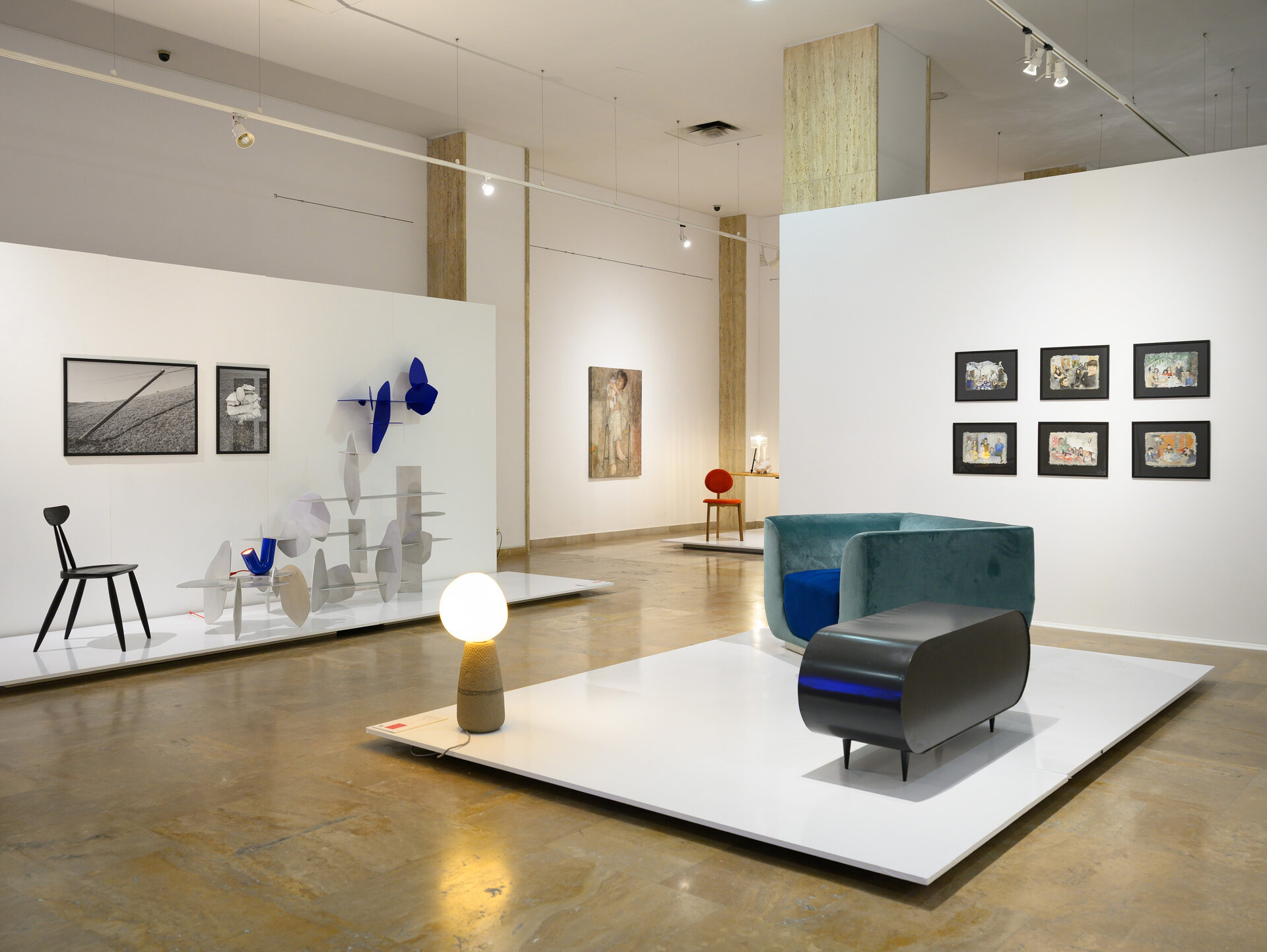
BDF Young explores the transition from academic to professional practice, presenting 24 artists and 190 works, from graduation projects to recent creations. The exhibition design builds upon the existing structure of the museum, organized as an enfilade of three spaces with different geometries. The first space, a 4 × 20 m corridor, functions as an antechamber and incorporates the exhibition’s documentary and research component, together with a multimedia installation. The main gallery, 5.5 m high, is organized around the existing structural axes and floor grid. Large-scale works occupy the ends of the visual axes, while smaller works are grouped on monochrome pedestals, allowing them to stand out against the visual field of the floor. The final space, conceived as a transitional zone, accommodates projections and installations and connects to “Dioramas of Everyday Life.”
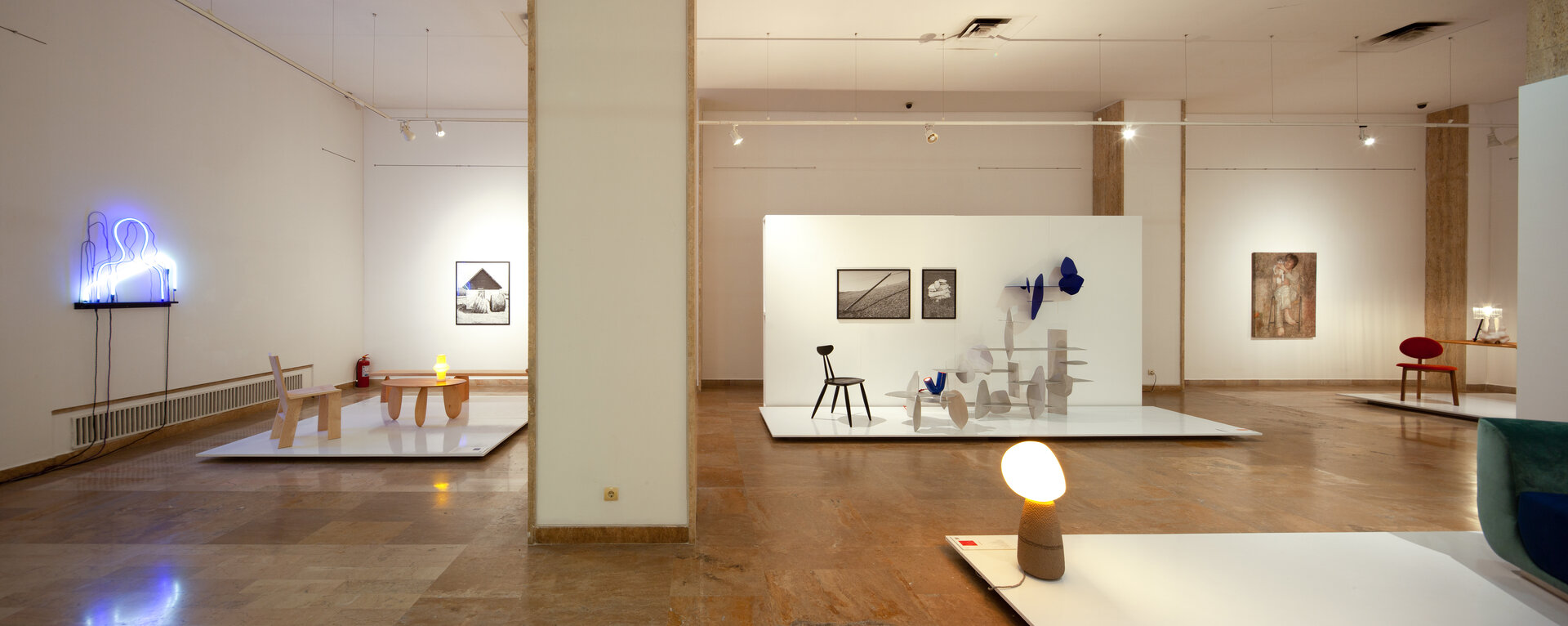
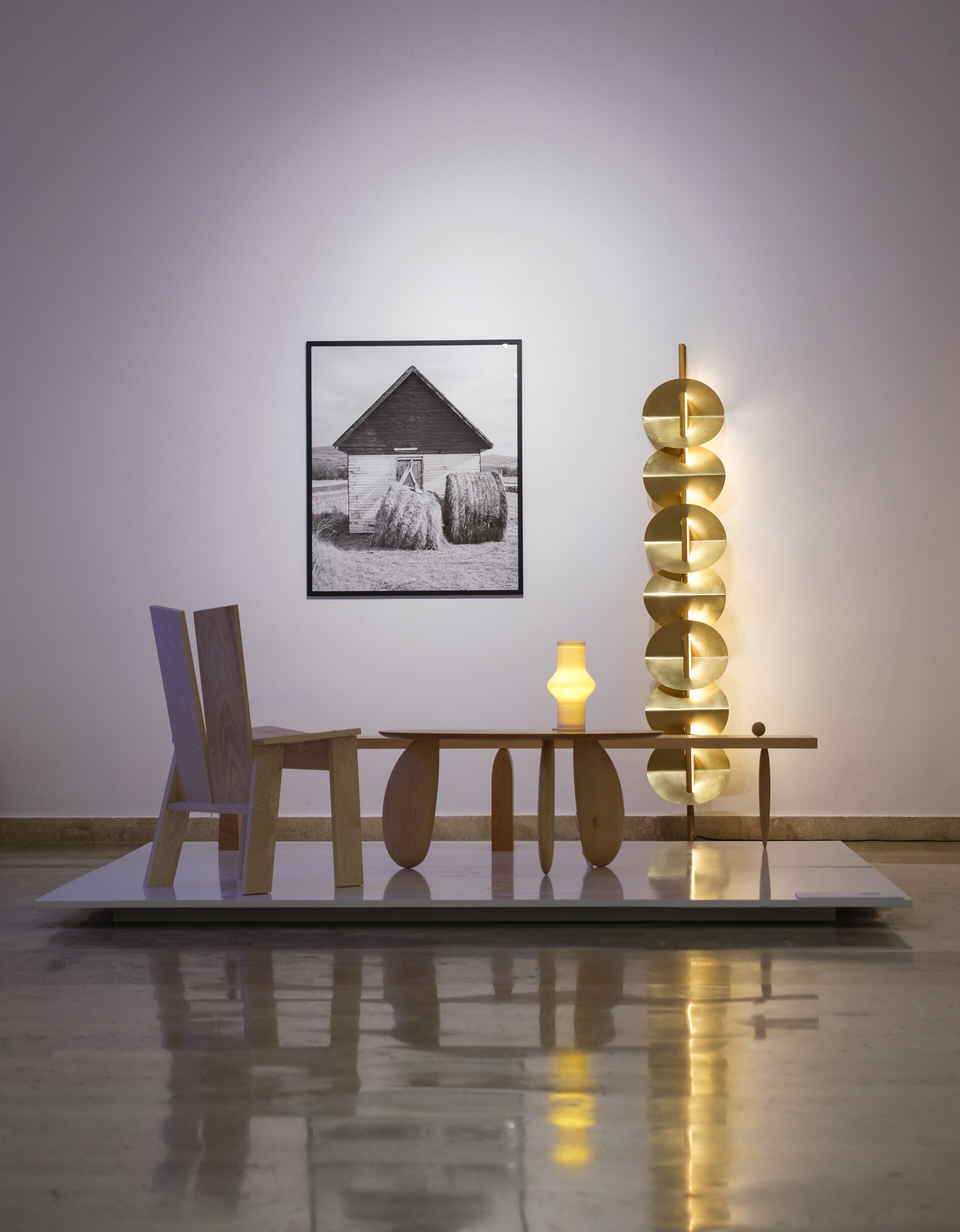
“Dioramas of Everyday Life” develops a dialogue between contemporary art and Romanian product design, starting from the question of whether art can become an active part of inhabited space. The project proposes four micro-interiors, imagined domestic spaces where design objects and artworks coexist. Modular platforms, visually detached from the museum floor, define each capsule and create autonomous settings for the exhibited objects. The four spaces propose distinct atmospheres shaped around nature, memory, human interaction, work, and reflection.
The two exhibitions were articulated through a series of shared criteria: lighting requirements, allowing the space to accommodate both video projections and focused lighting for the furniture capsules; the use of natural materials, such as wood, hay, and cellulose fibres, present in both the art installations and exhibition modules; and the integration of works by artists from BDF Young, which contribute to the identity of each compartment within Dioramas of Everyday Life. To maintain continuity throughout the exhibition route, objects and installations are connected to the stone floor through the same type of element: white plinths with clearly defined volumes. The spaces are experienced sequentially, creating a circular route in which the entrance and exit coincide.


Exhibition and Scenography Design

- Transilvania | Extravaganza
- A World in a Negative
- Why “We Should All Be Feminists”
- The Bucharest That Never Was
- The Infinite Dinner
- Pop-up Gallery at Point - two exhibitions
- Wet Snow
- Architecture of experience: Nijinski · Agony and Ecstasy
- Sides of interconnected learning
- BDF Professional / International Design / UAUIM
- Radical Domesticity
- Cella/kamera
- OFFSIDE / Plans, goals, points
- Rhythmic Stress
- BDF Young
- Highberg Pavilion
- “Lights and Shadows” Temporary Exhibition
- Show me the way
- “Balnea Daciae” Temporary Exhibition at Pompeii


