Sides of interconnected learning
Authors’ Comment
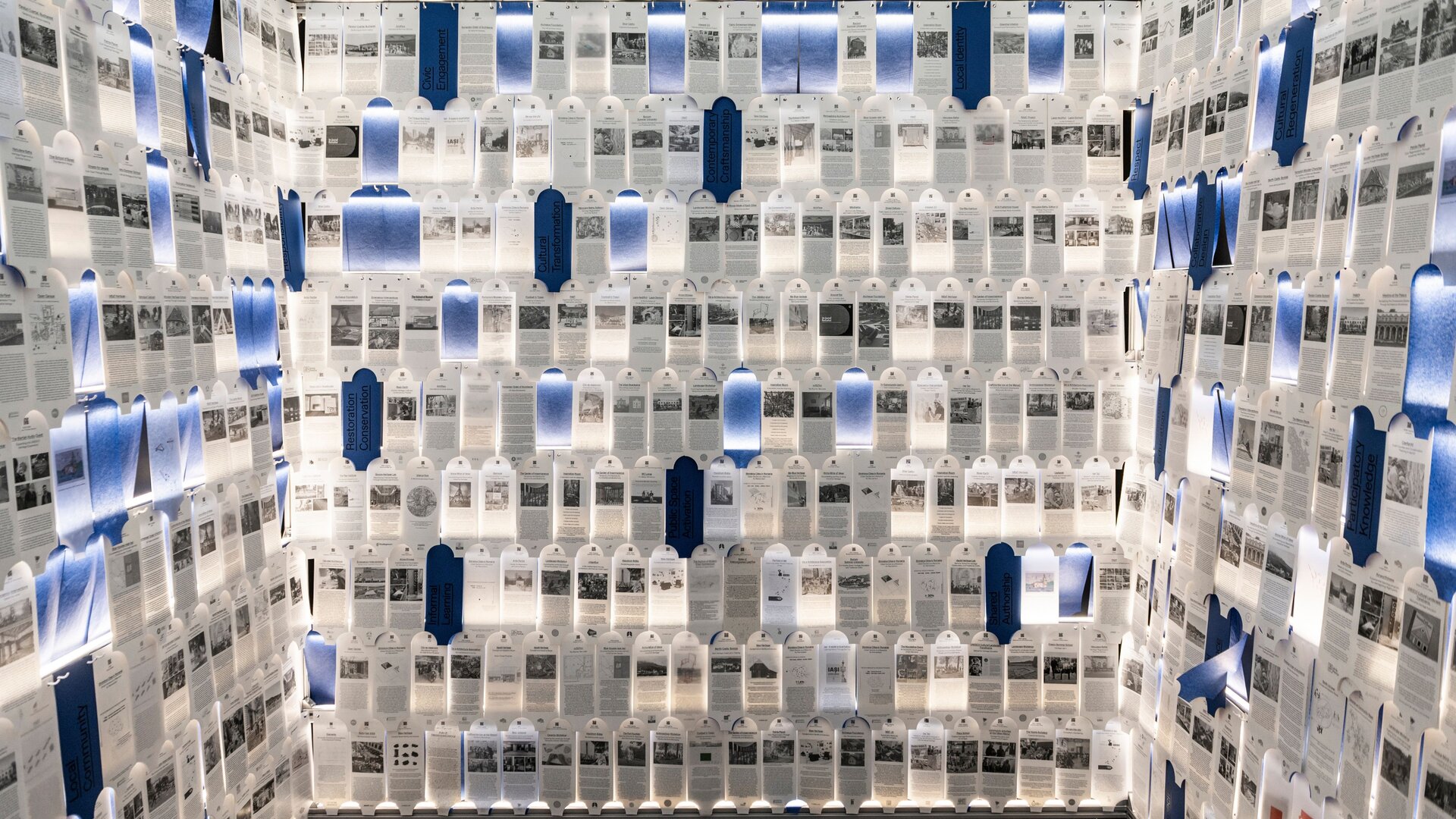
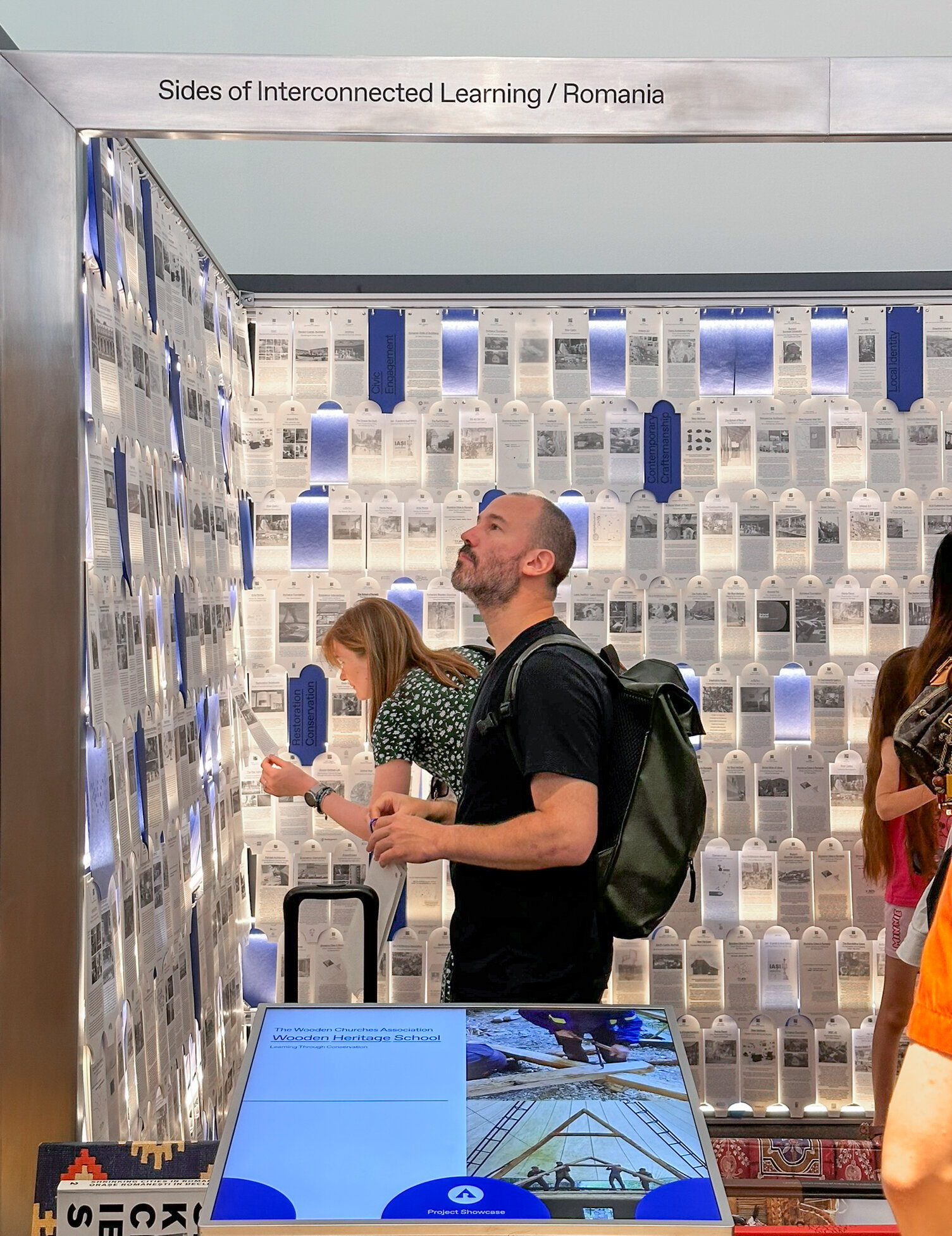
The “Sides of Interconnected Learning” pavilion responds to the subtheme “Becoming Interdependent” at the 29th UIA World Congress of Architects in Barcelona, 2026. The pavilion takes shape as a continuously evolving installation presenting initiatives from Romania that approach architecture, culture, and society from an alternative, phenomenological perspective, in both urban and rural contexts.
The concept emerges from successive layers of sociocultural practices that have shaped the relationship between people and the built environment. These forms of education and exchange enrich professional culture, proposing an understanding of architecture through collaboration and civic engagement.
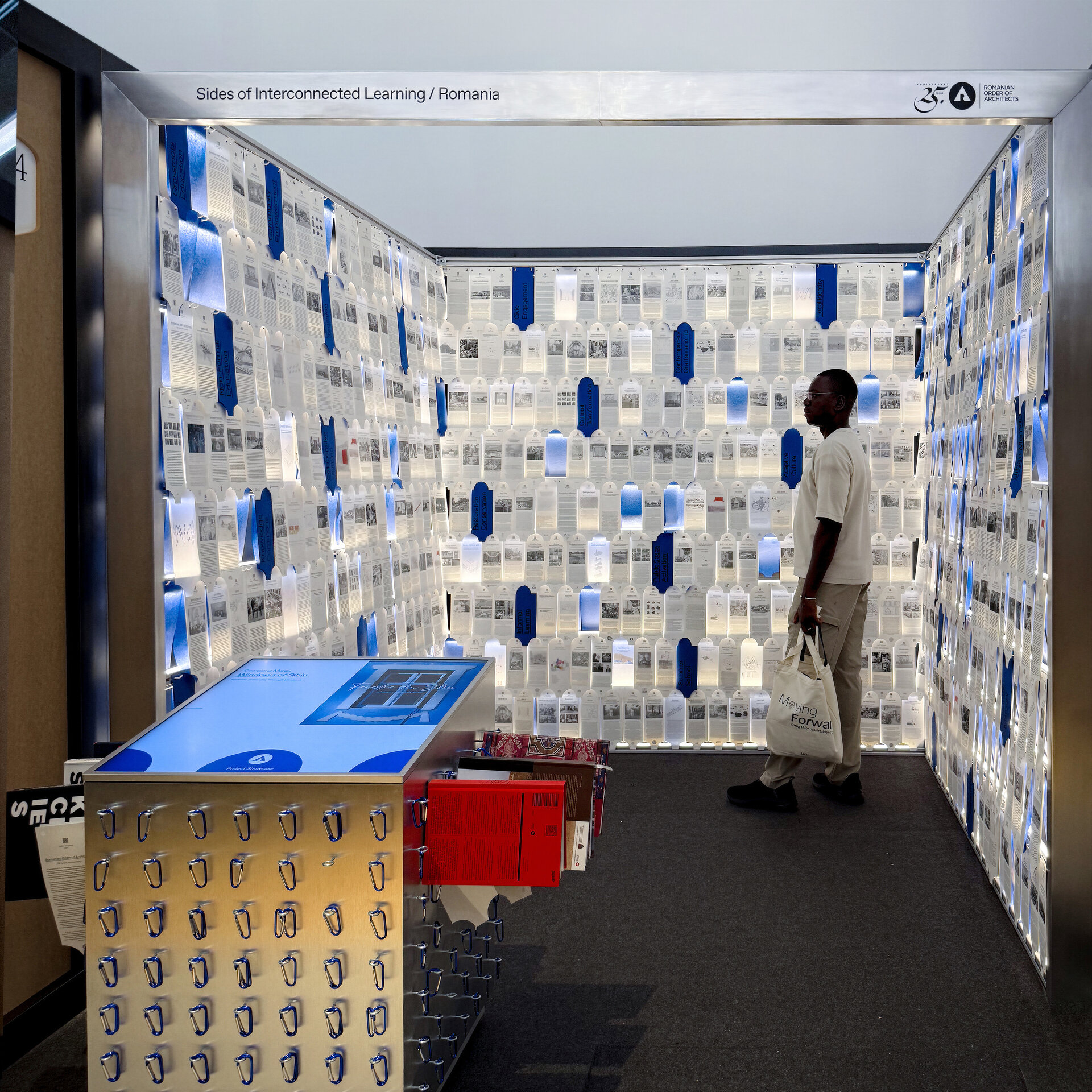
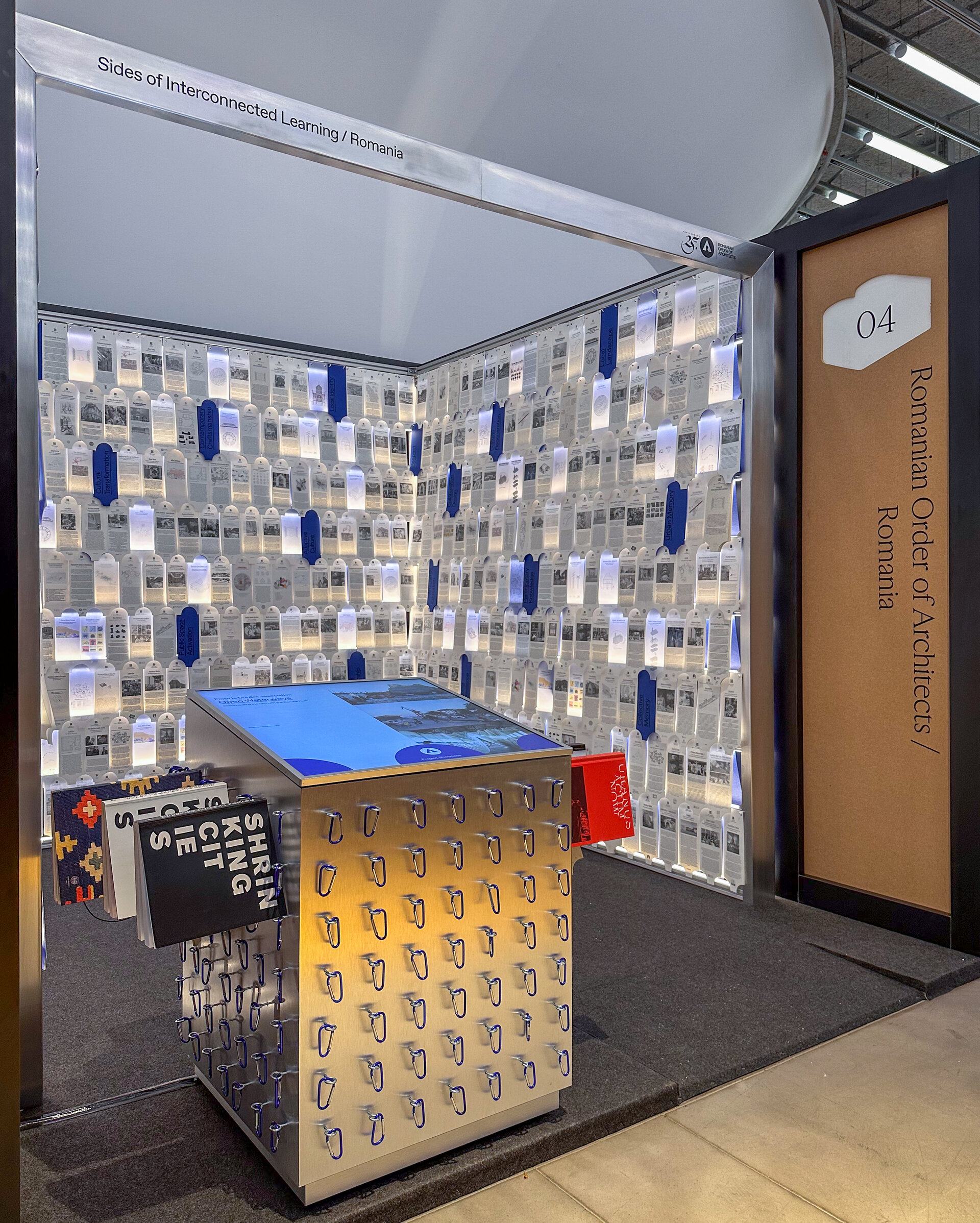
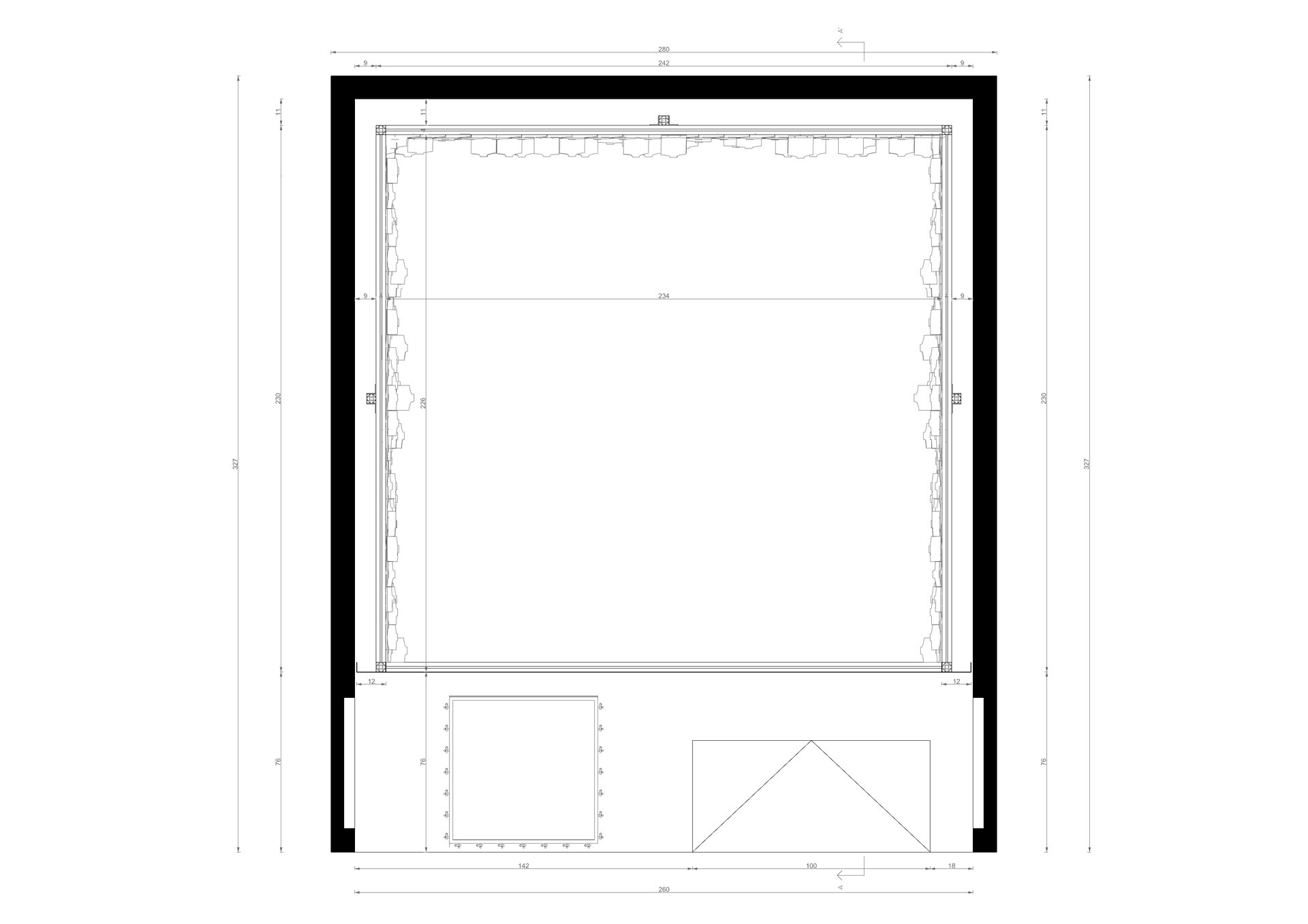
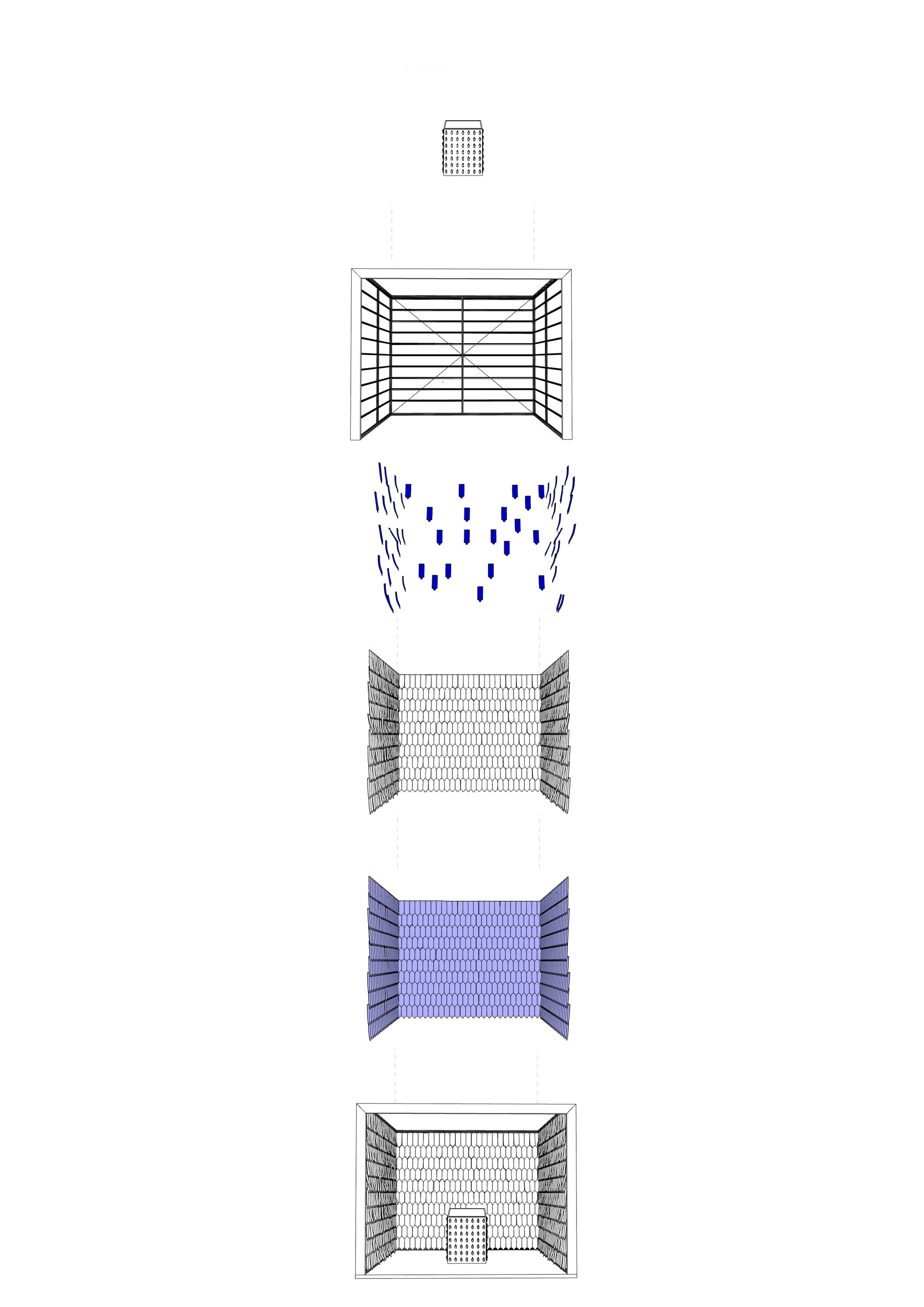
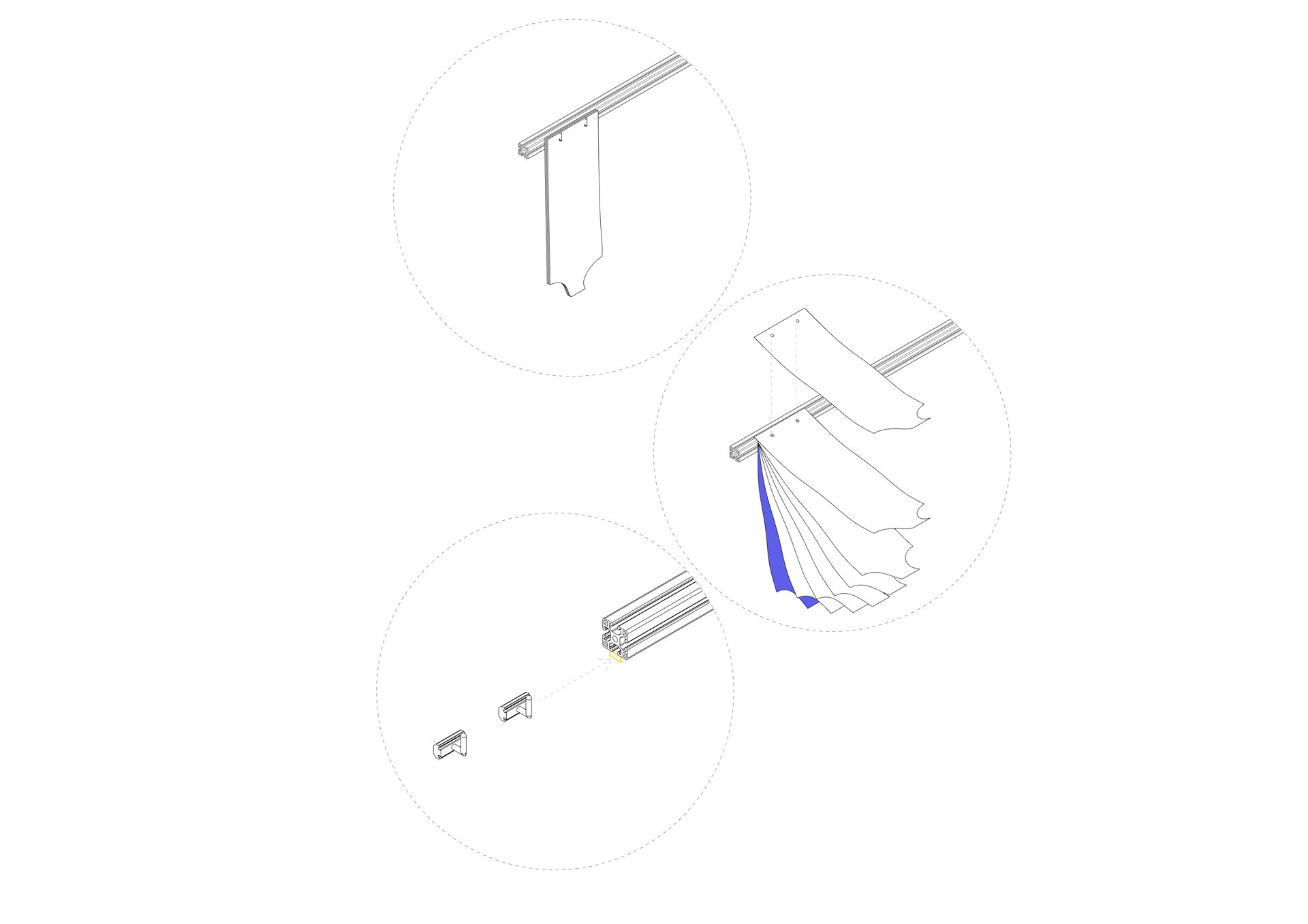
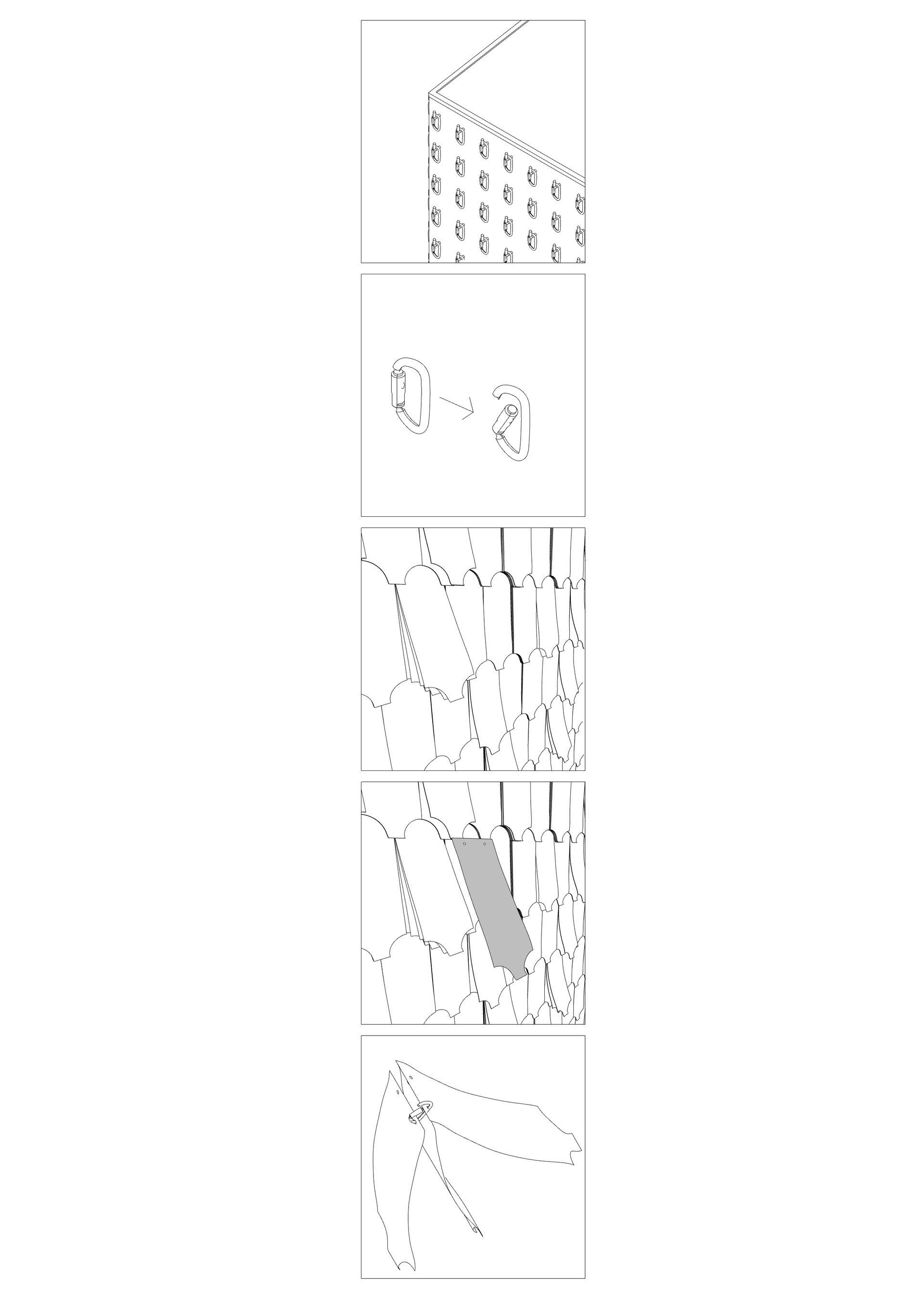
The brief allocates a small space for the installation and requires it to be structurally self-supporting. Contemporary technology enabled the use of extruded aluminium crossbars, along which 3D-printed hooks, part of the exhibition’s hanging system, can slide. The slots along the lower and upper faces of the profiles also serve as channels for LED strips, providing light that animates the installation and helps in reading the density of the layers. As visitors approach the counter, the interactive interplay begins. Here, they can learn about the featured initiatives by watching a video, flipping through publications, and picking up a carabiner.
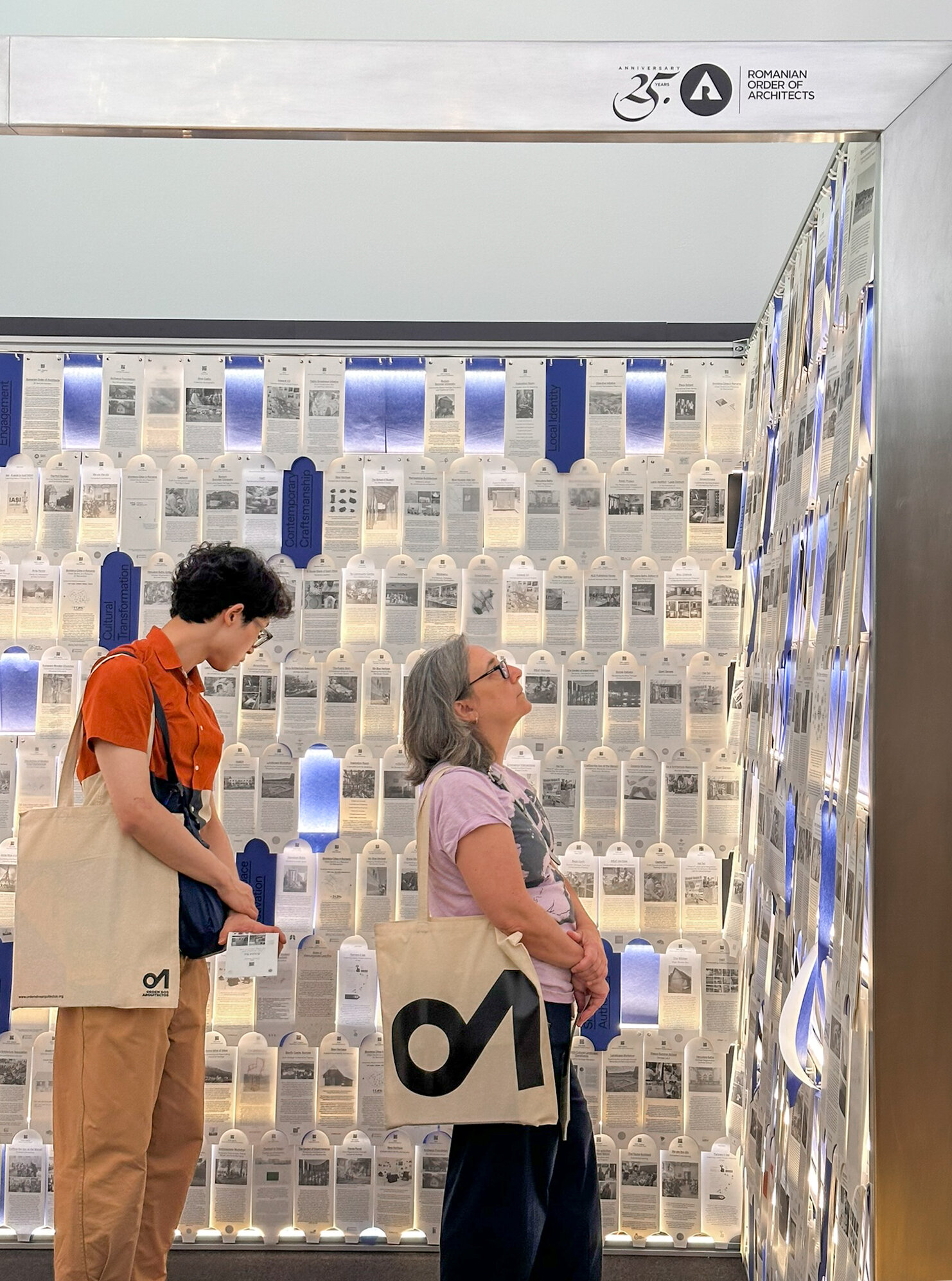
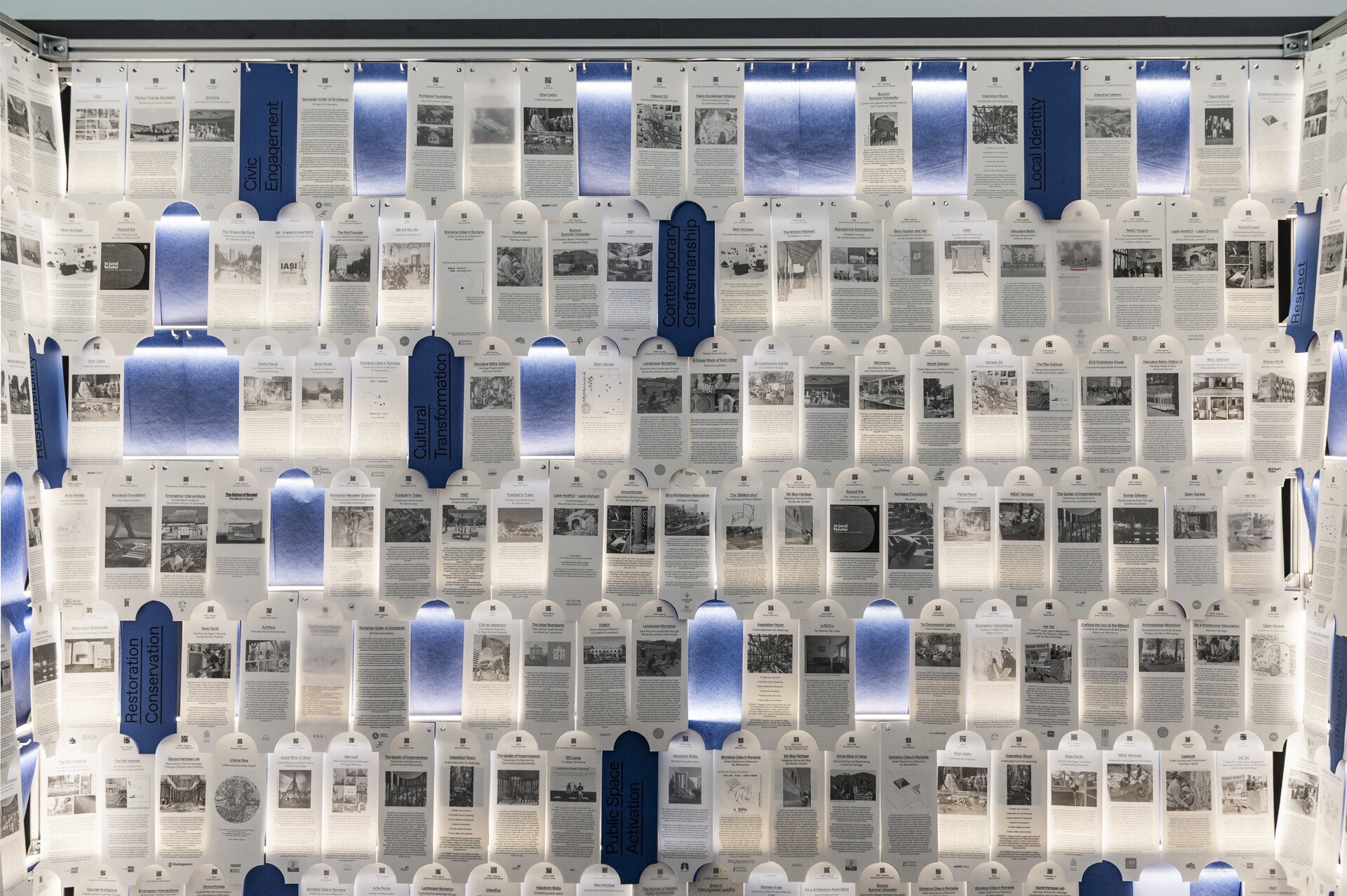
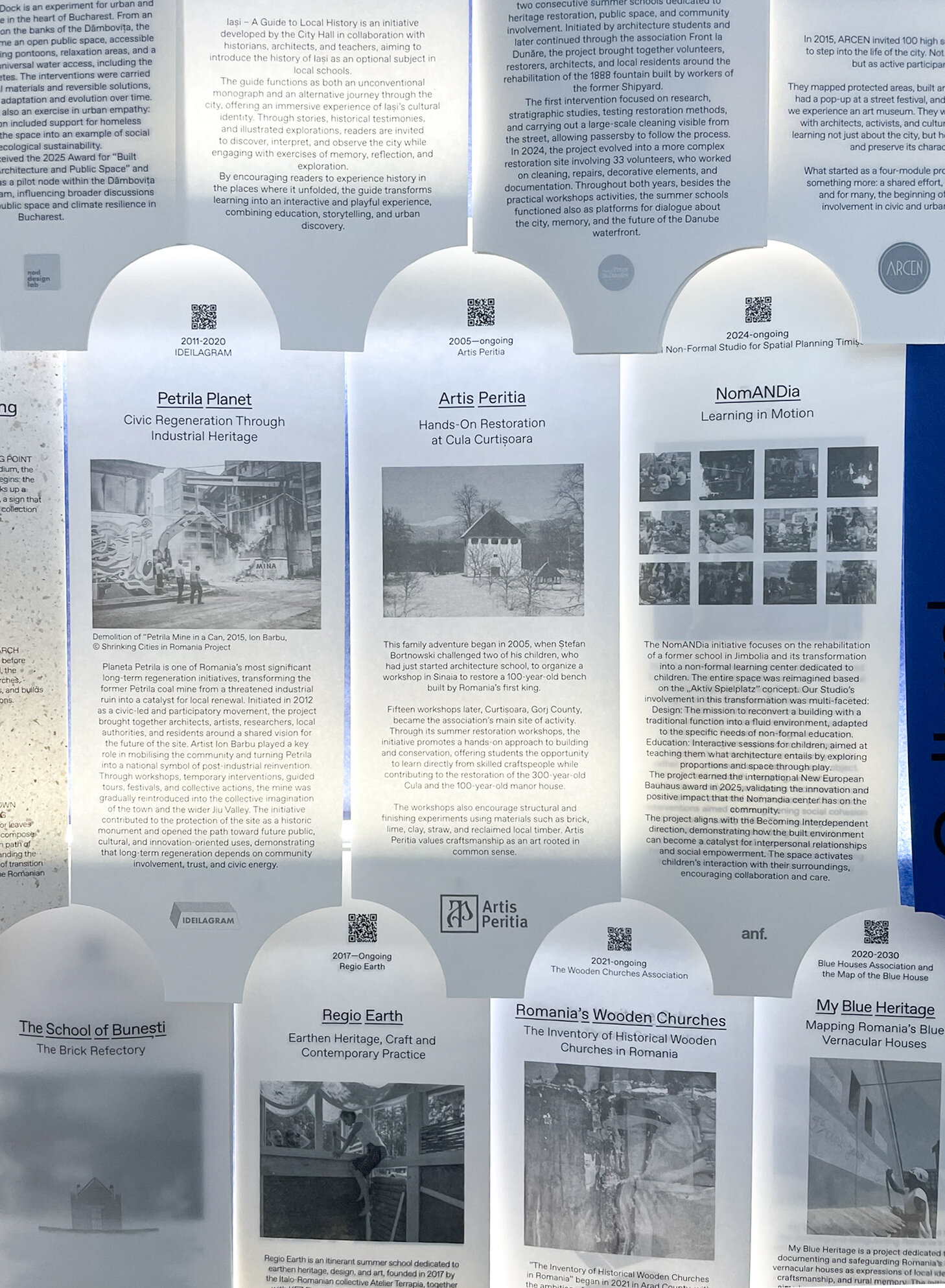
These initiatives are translated into spatial form through a structure of paper “shingles,” in which projects overlap, while the rustling sound and movement of the sheets in the presence of visitors evoke the pulse of the documented events. Visitors are invited to interact directly with the displayed material, detach a carabiner from the counter, and then collect pages documenting the initiatives, creating their own path towards understanding transformations within the Romanian context.
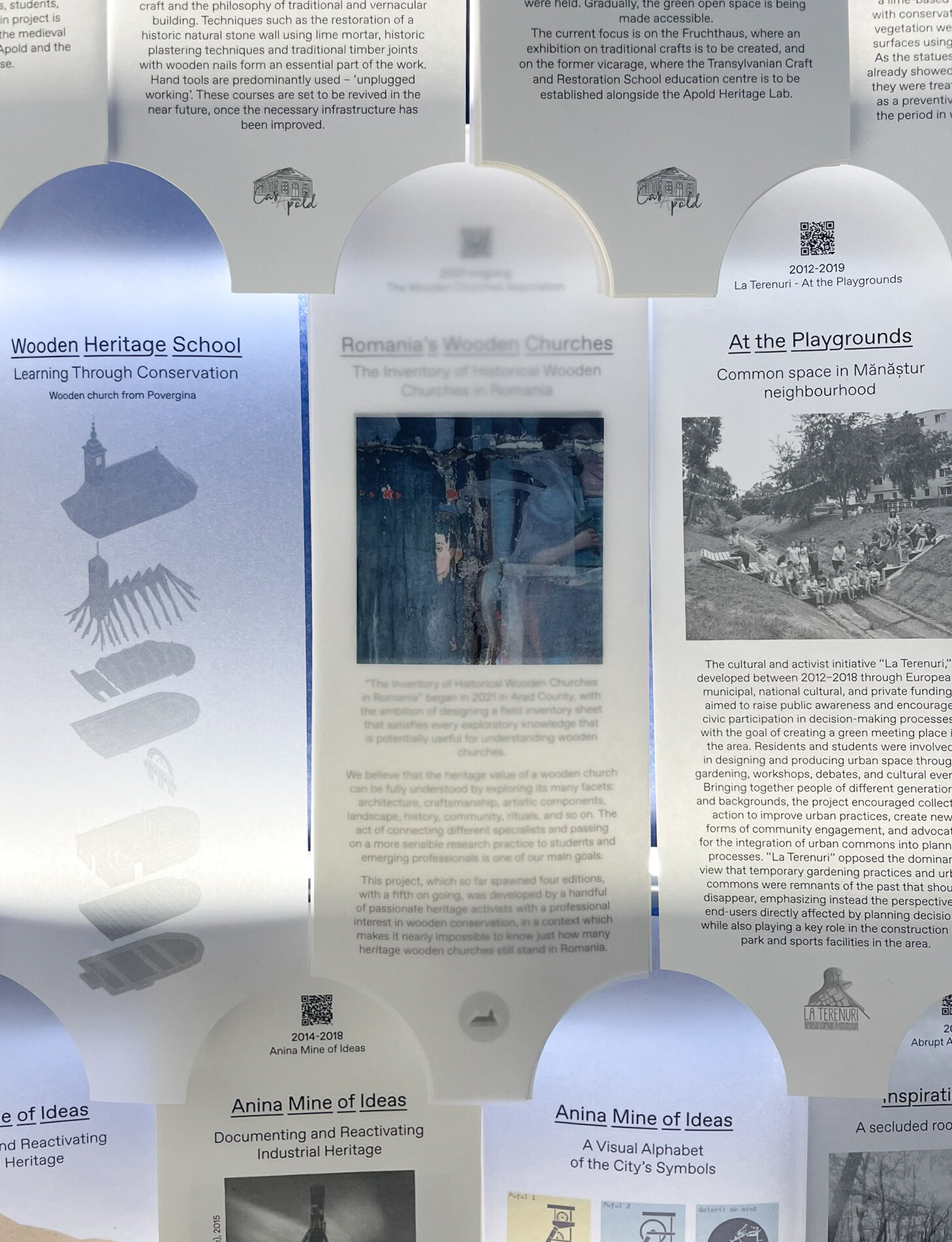
As the sheets are collected, the pavilion reveals its underlying layer: a sheet of blue silk paper. This layer reveals the material and cultural memory of dwelling and serves as a reminder that transformation rests on existing structures and values. The act of uncovering this foundational layer suggests that change begins not by erasing the past, but by recognising and reclaiming what is already valuable within it.
Above this layer, the exhibition’s content accumulates, presenting the landscape of non-formal and informal architectural education in Romania: workshops, summer schools, guided visits, public debates, participatory research, temporary interventions, and local heritage projects.
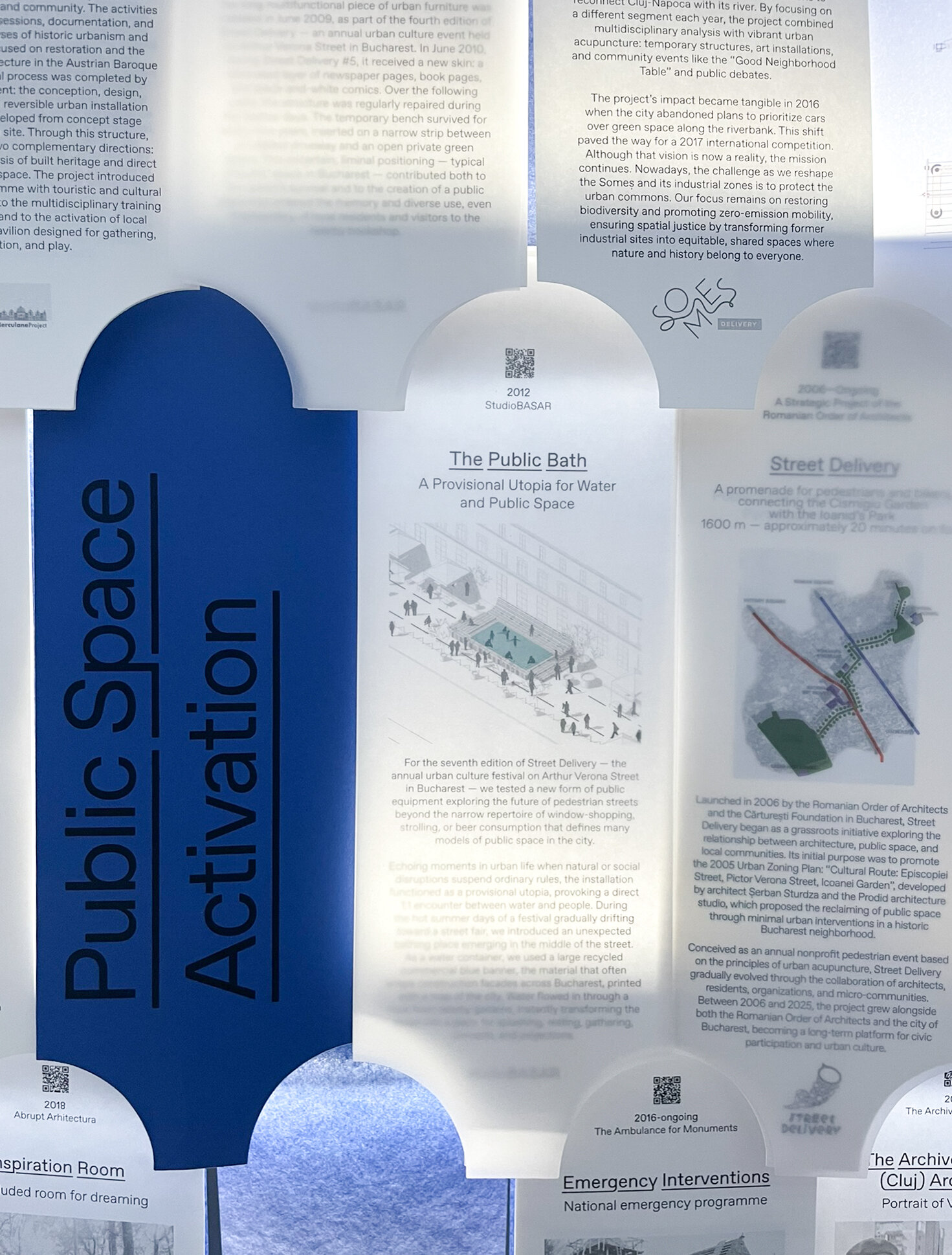
Mixed among the pages are sheets of tracing paper on which only the essential element remains visible, like a fragile, ephemeral apparition. They evoke actions that, although temporary, left a profound impression on those directly involved and on visitors.
Blue cards integrated among the “shingles” carry keywords such as respect and responsibility, marking the shared values that run through these practices.
The exhibition brings together over 100 initiatives developed in Romania over the past three decades, capturing the diversity of participants and contexts in which learning through architecture has generated social and cultural effects.
“Sides of Interconnected Learning” proposes a reading of architecture as a collective and interdependent process, built over time through collaboration, experimentation, and the transmission of knowledge, in a continual state of becoming.
Exhibition and Scenography Design

- Transilvania | Extravaganza
- A World in a Negative
- Why “We Should All Be Feminists”
- The Bucharest That Never Was
- The Infinite Dinner
- Pop-up Gallery at Point - two exhibitions
- Wet Snow
- Architecture of experience: Nijinski · Agony and Ecstasy
- Sides of interconnected learning
- BDF Professional / International Design / UAUIM
- Radical Domesticity
- Cella/kamera
- OFFSIDE / Plans, goals, points
- Rhythmic Stress
- BDF Young
- Highberg Pavilion
- “Lights and Shadows” Temporary Exhibition
- Show me the way
- “Balnea Daciae” Temporary Exhibition at Pompeii


