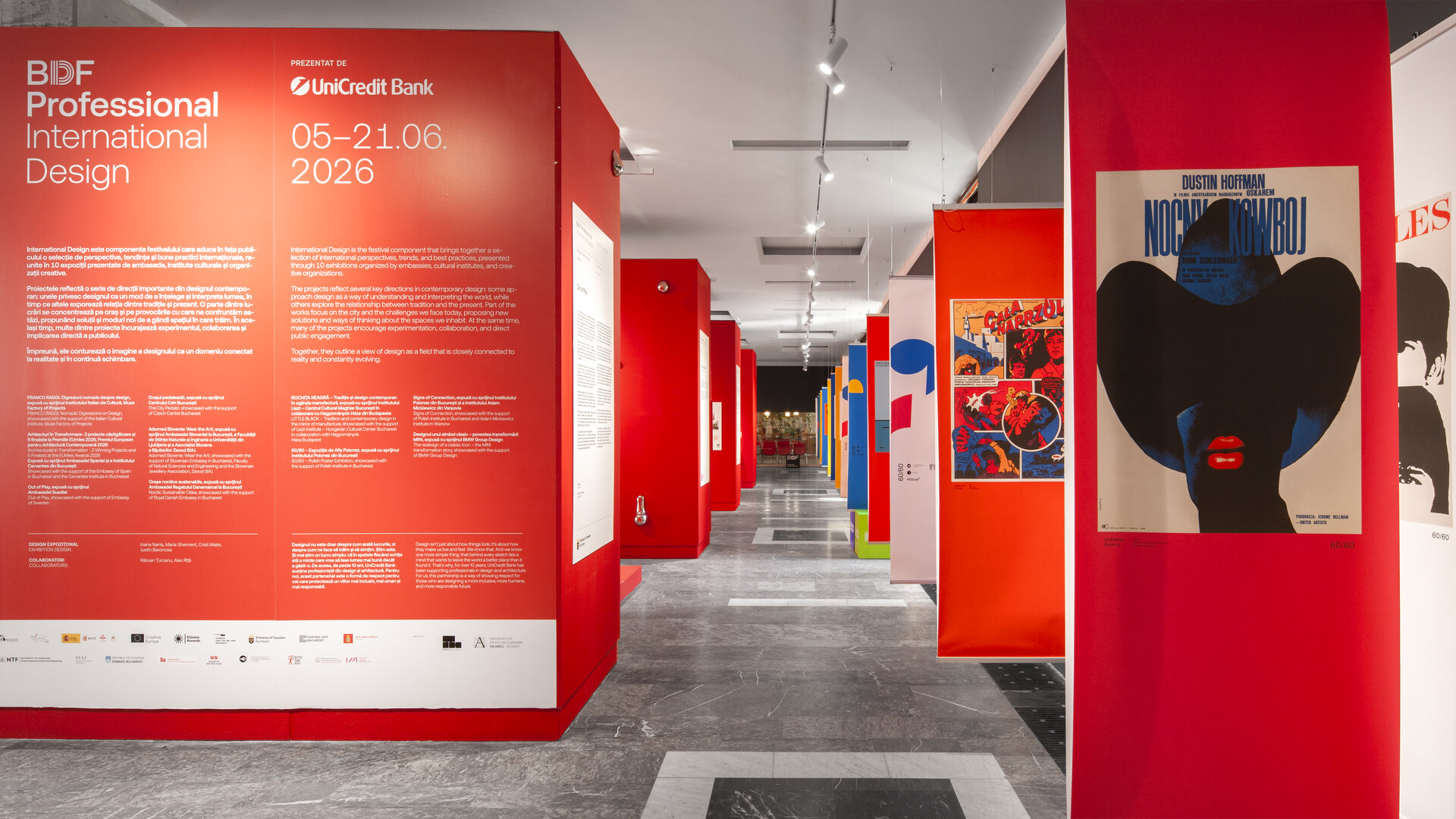
BDF Professional / International Design / UAUIM
Authors’ Comment
The Bucharest Design Festival (BDF) expanded the Romanian Design Week festival into a month-long event, bringing together over 150 venues, communicated through six different channels. The festival featured exhibitions, events, and discussions, promoting local and international design across various venues in Bucharest.
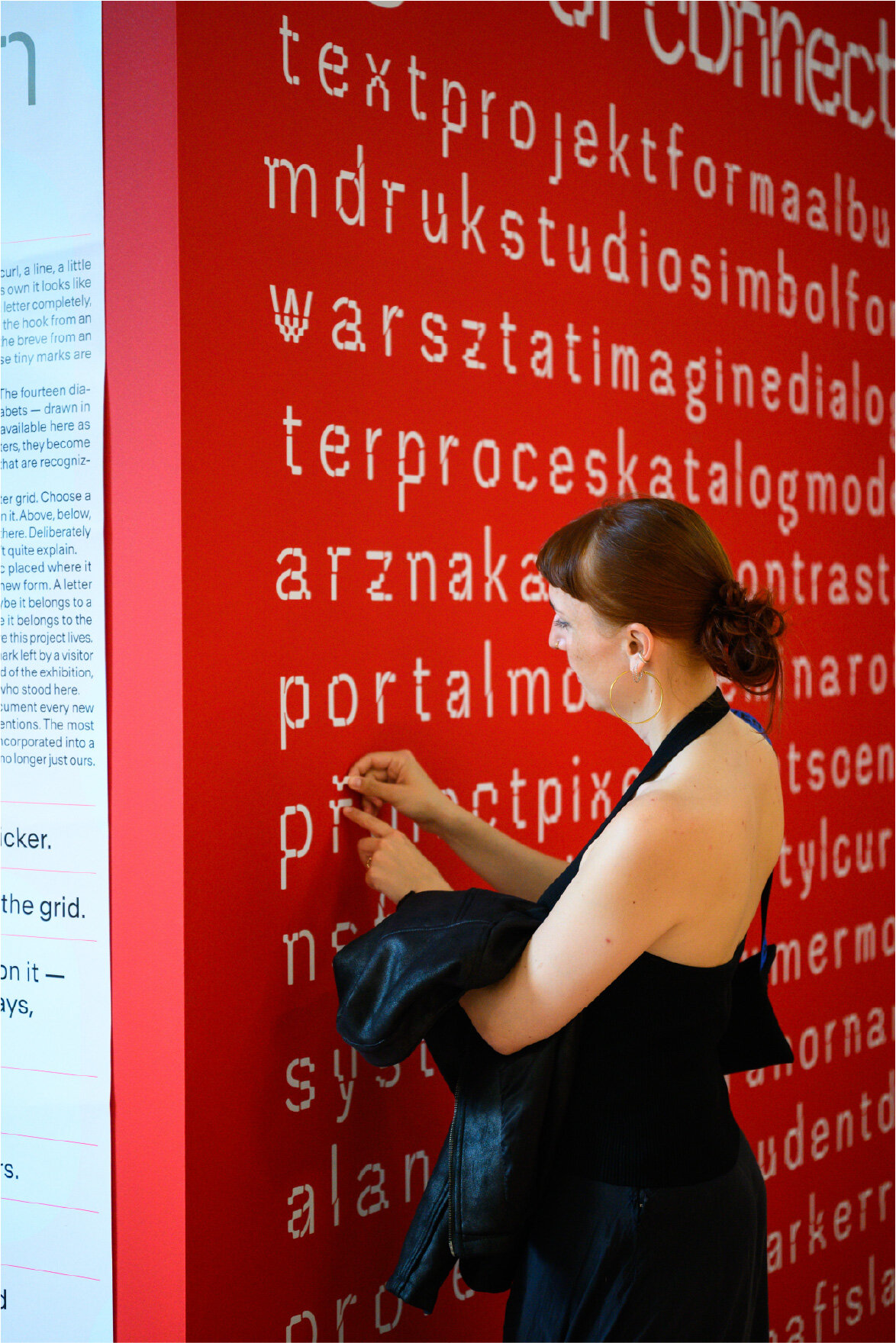
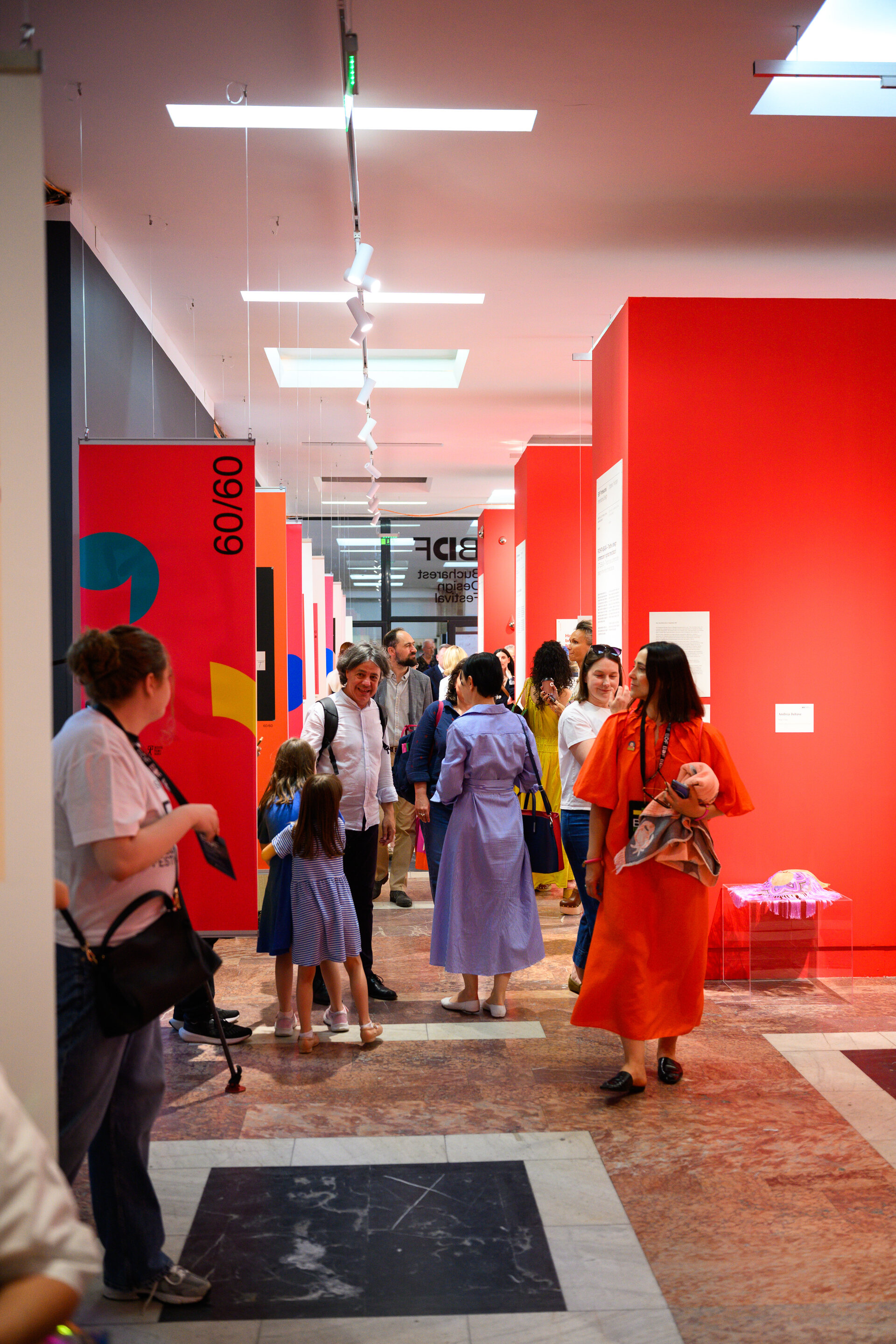
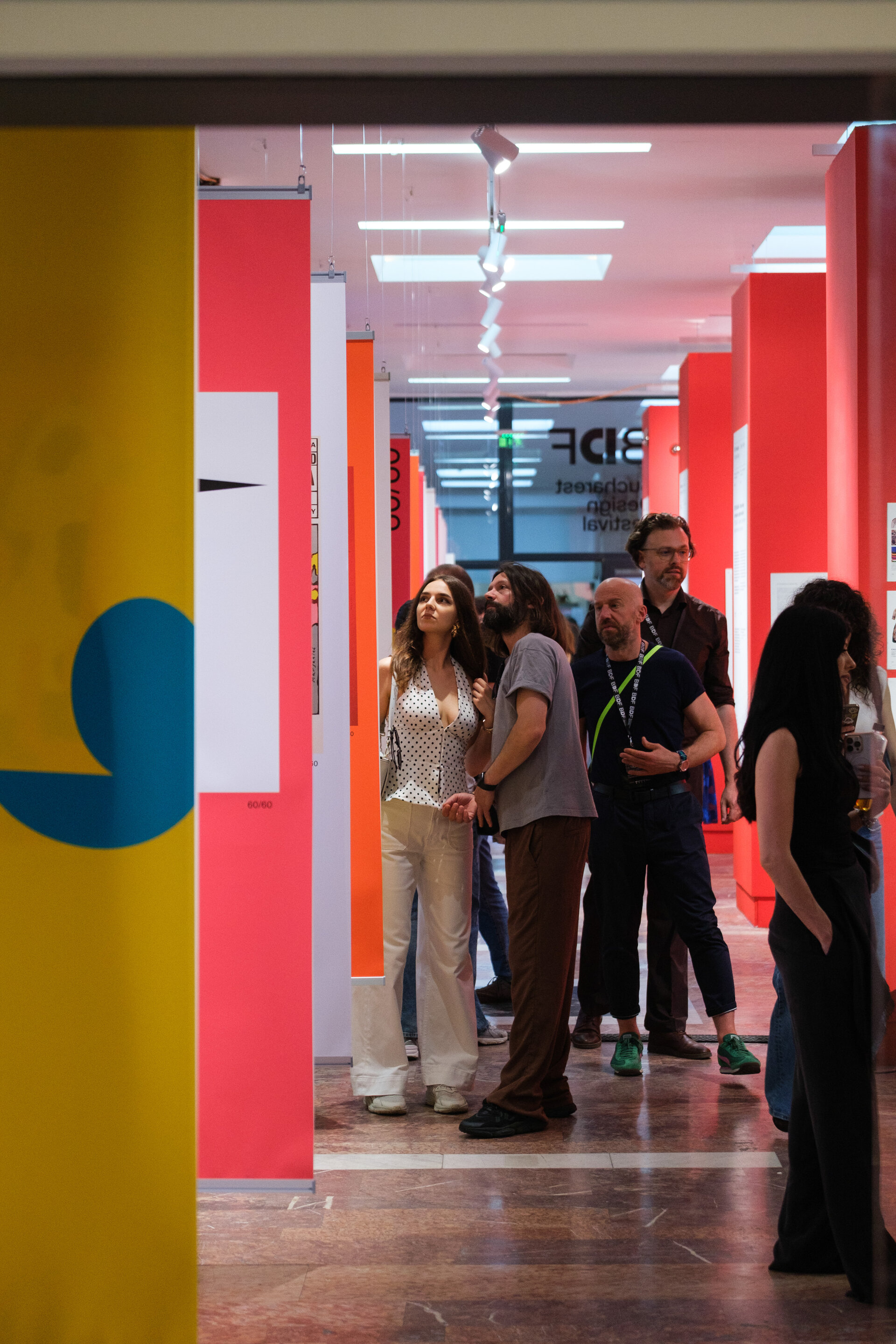
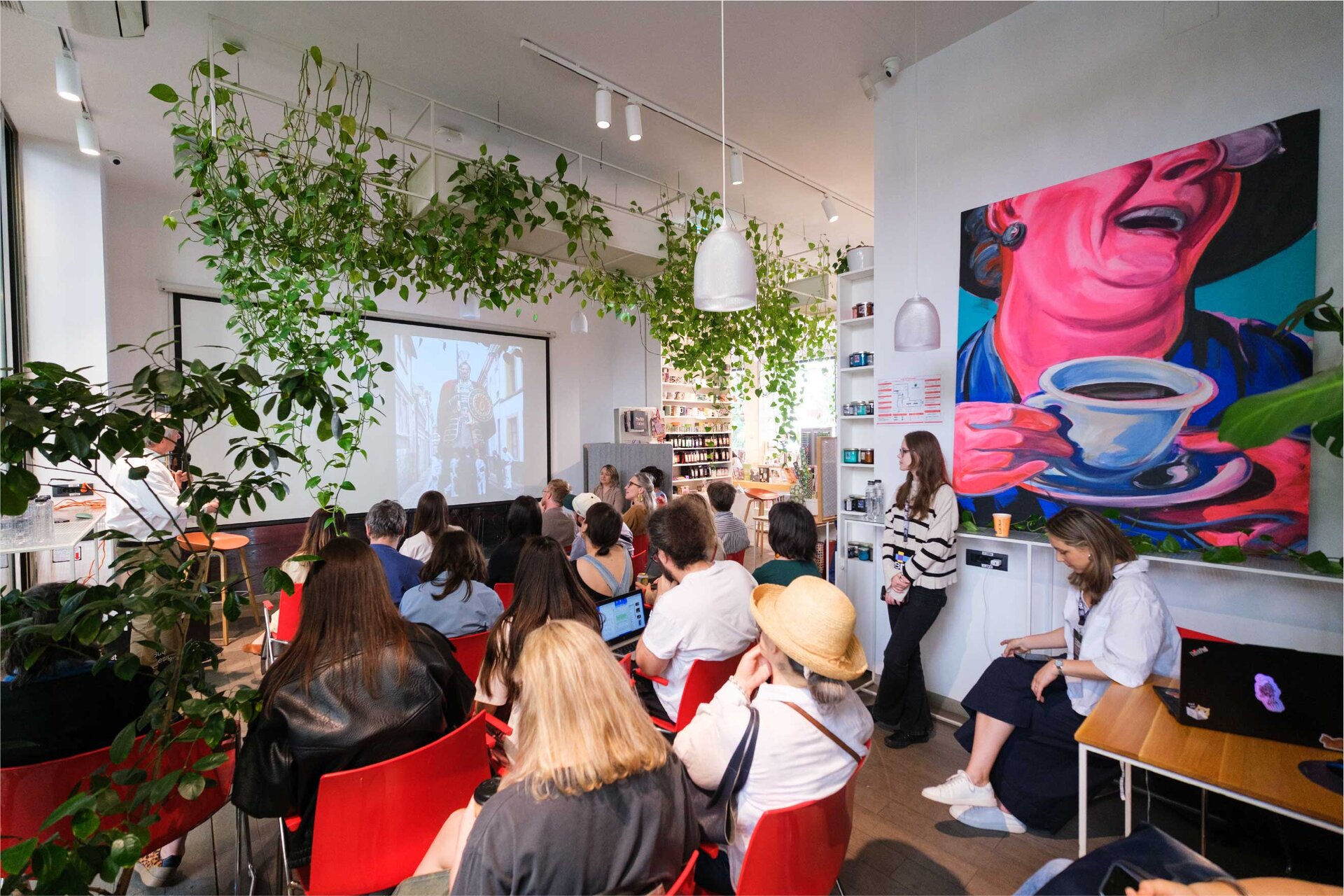
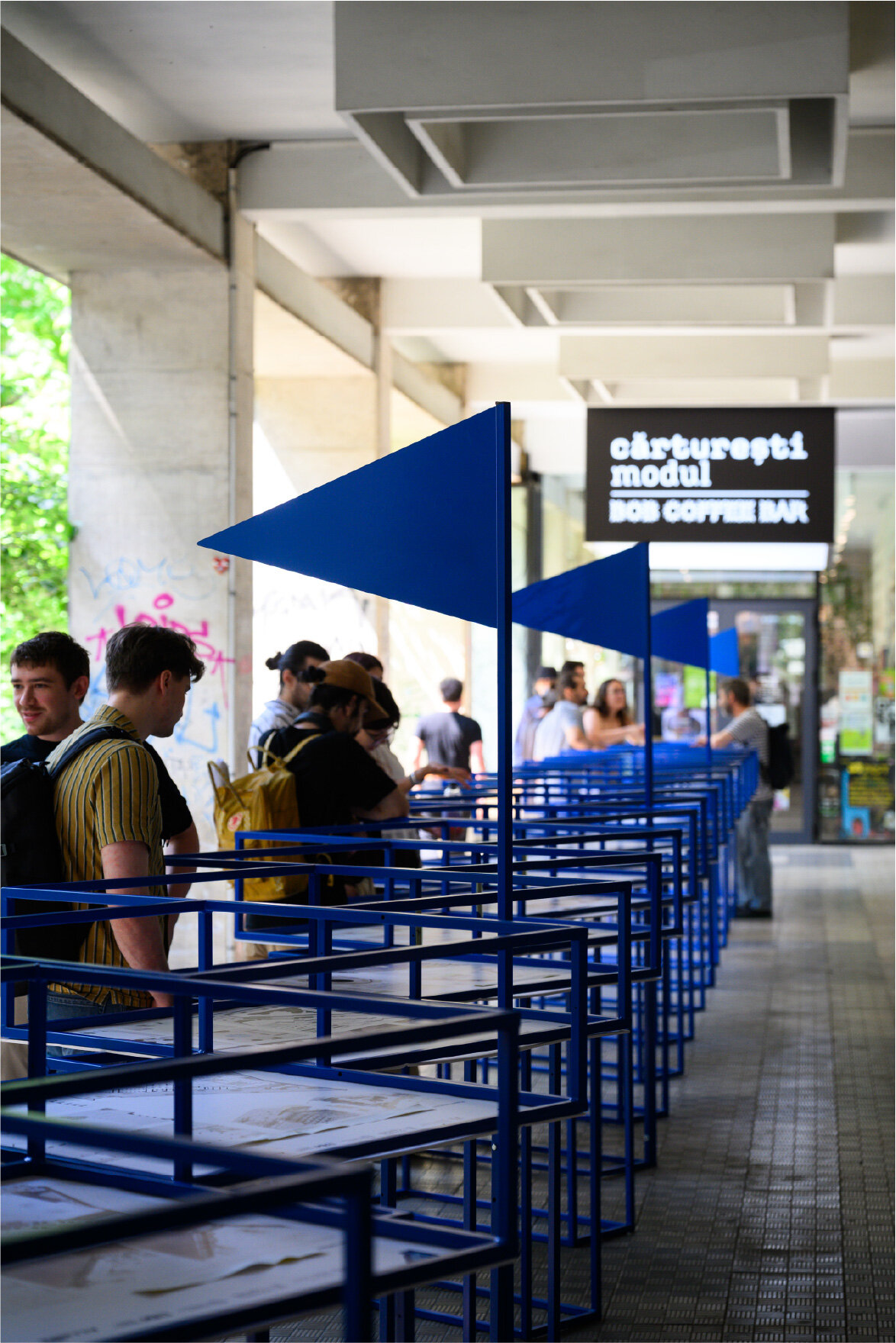
In preparation for the festival, two exhibition spaces at the ‘Ion Mincu’ University of Architecture and Urbanism were refurbished with support from The Institute, Cărturești, and the /SAC Bucharest, as part of a project by alt.corp and Justin Baroncea. The exhibition areas were expanded, the lighting system redesigned, and three movable display units were included, to create varied spatial configurations, becoming Mincu Gallery, a space that brings together architecture, art, and design in Bucharest’s center and serves as a constant meeting point between the academic and artistic communities and the public. In June 2026, it hosted BDF Professional, an international design festival, that aims to connect professionals and emerging creatives.
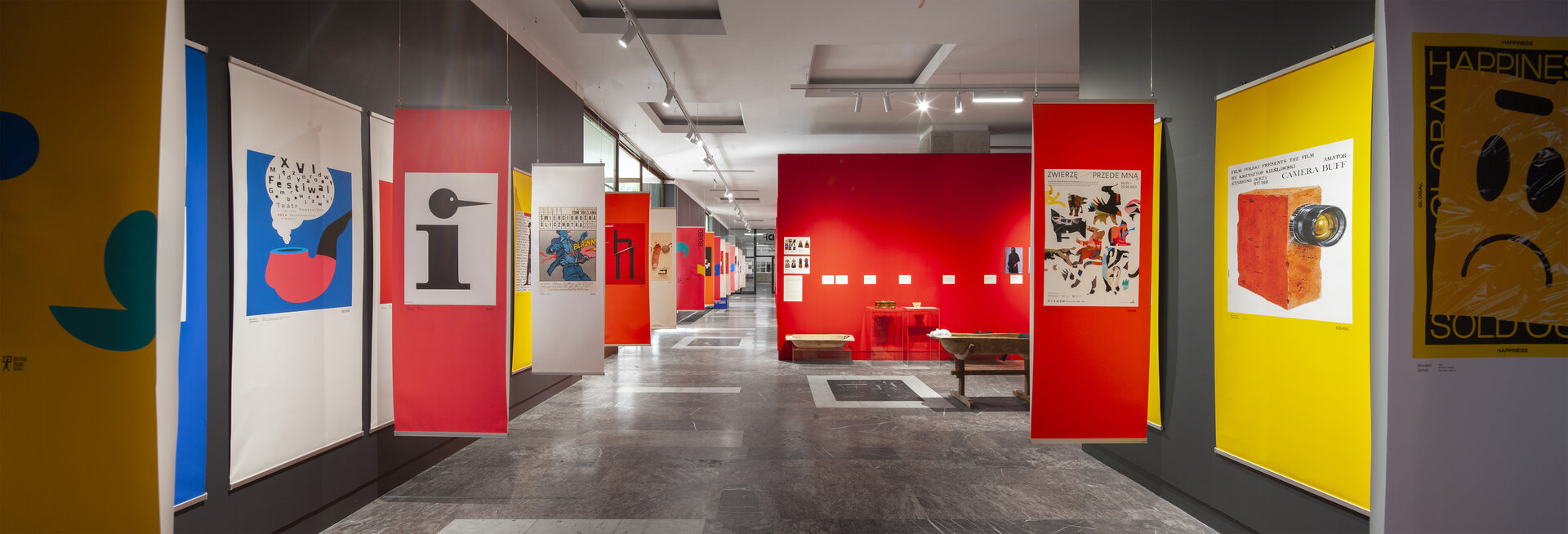
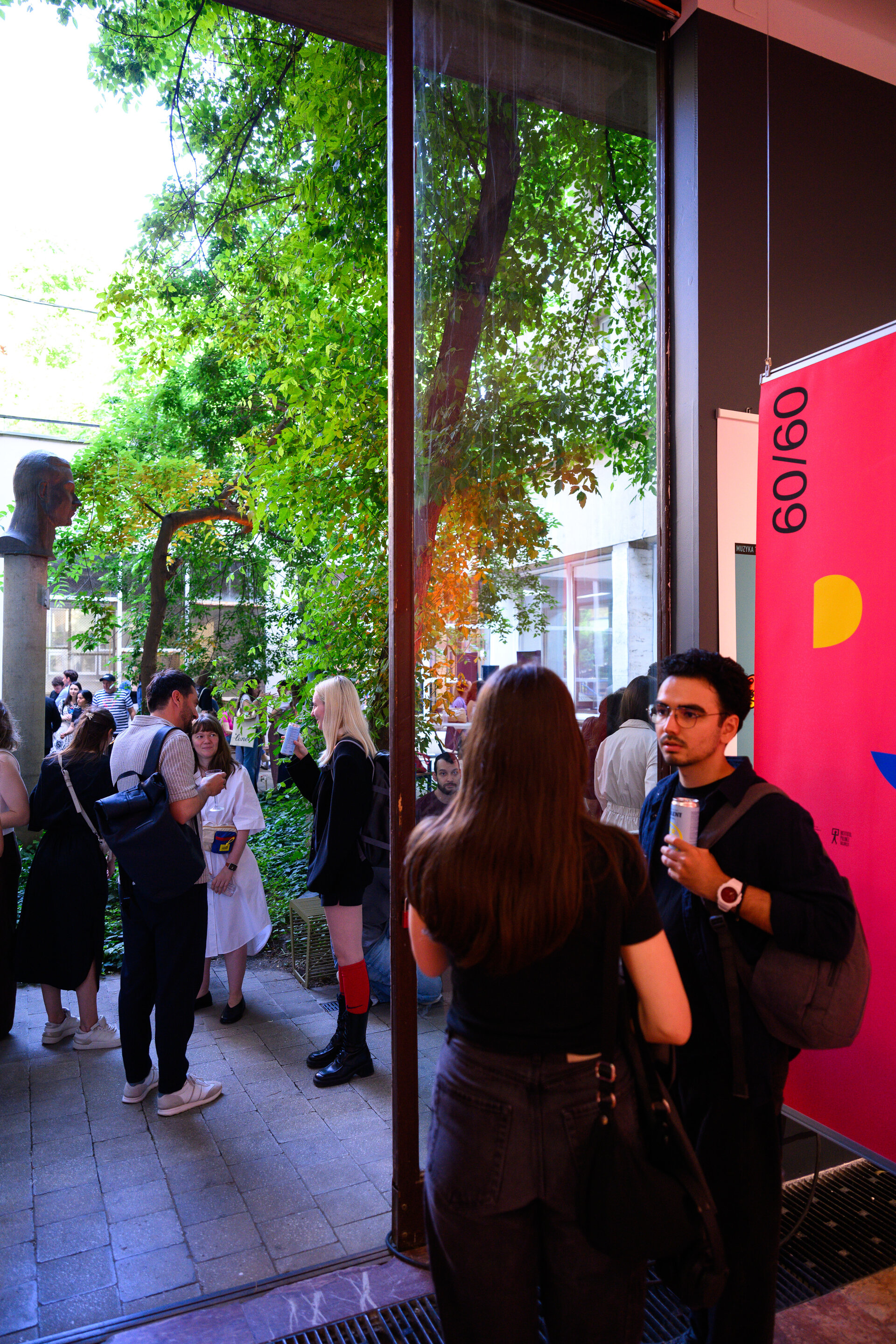
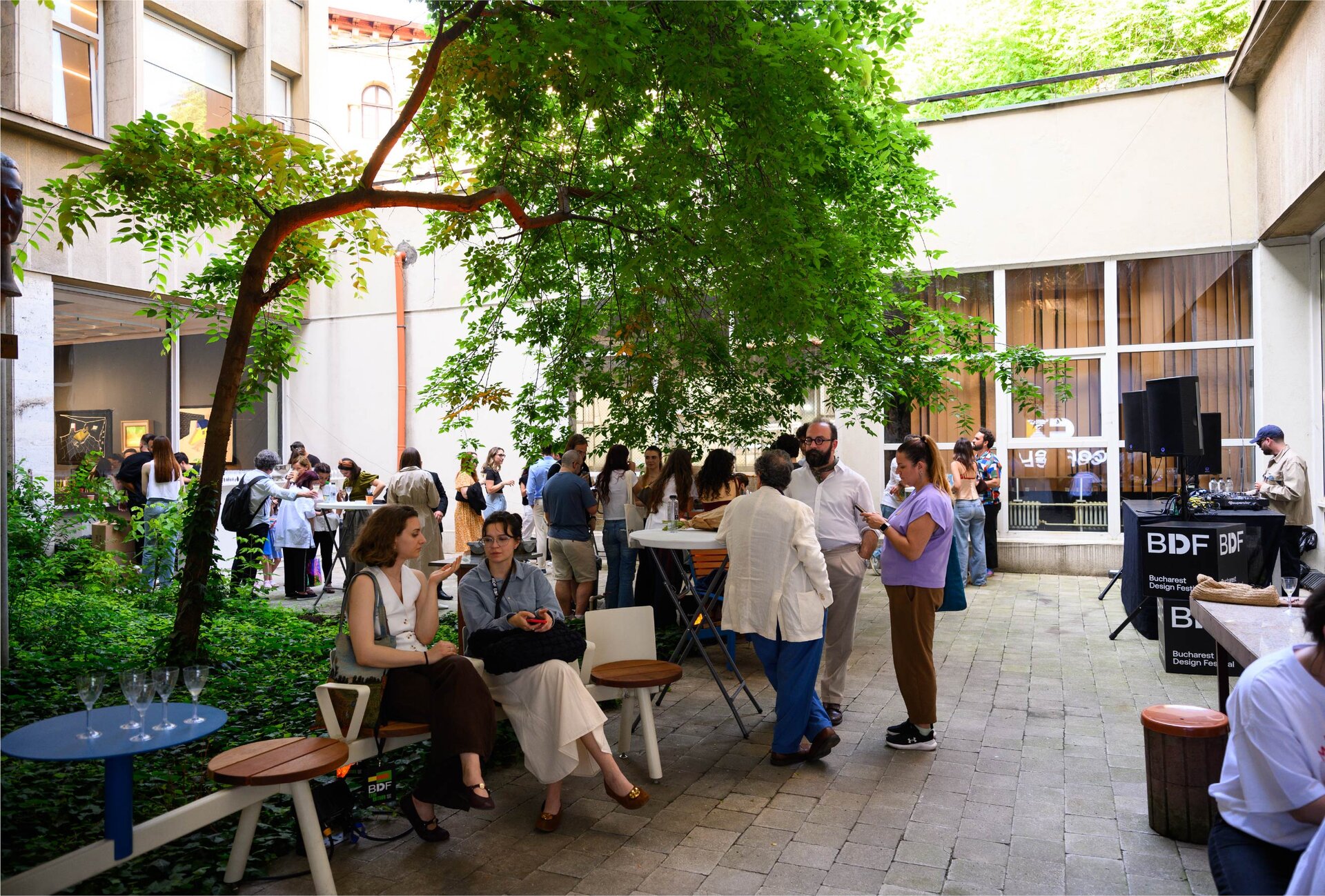
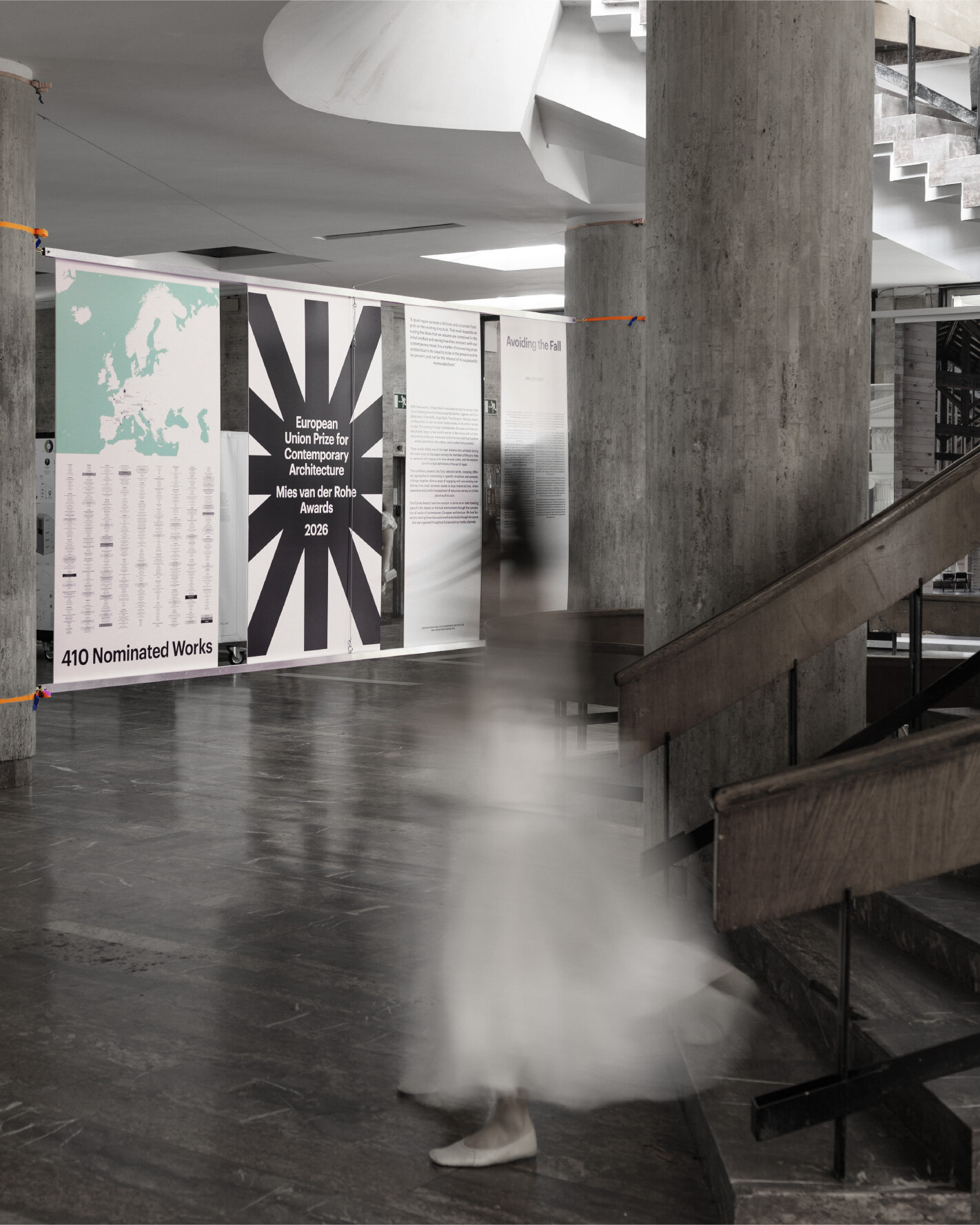
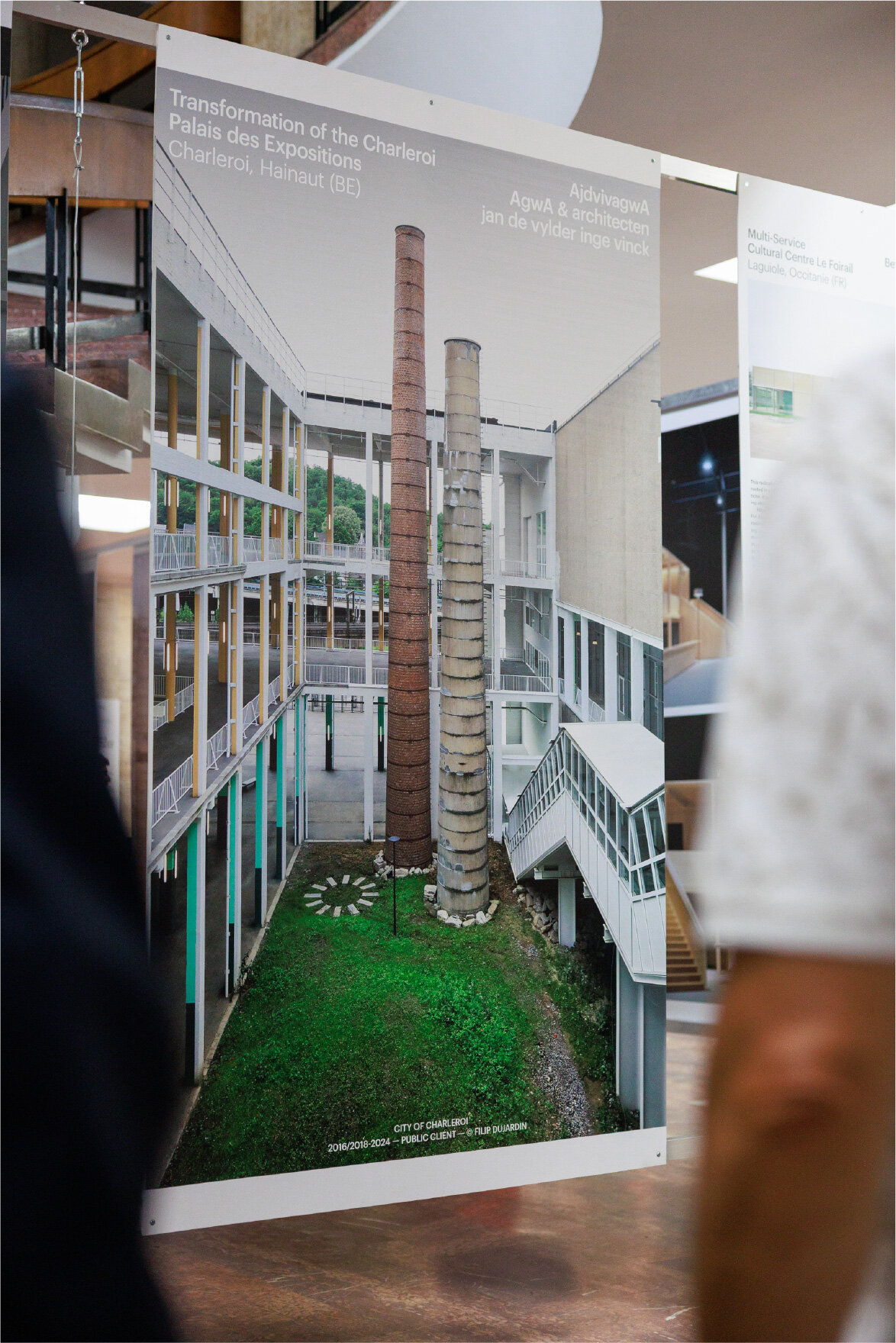
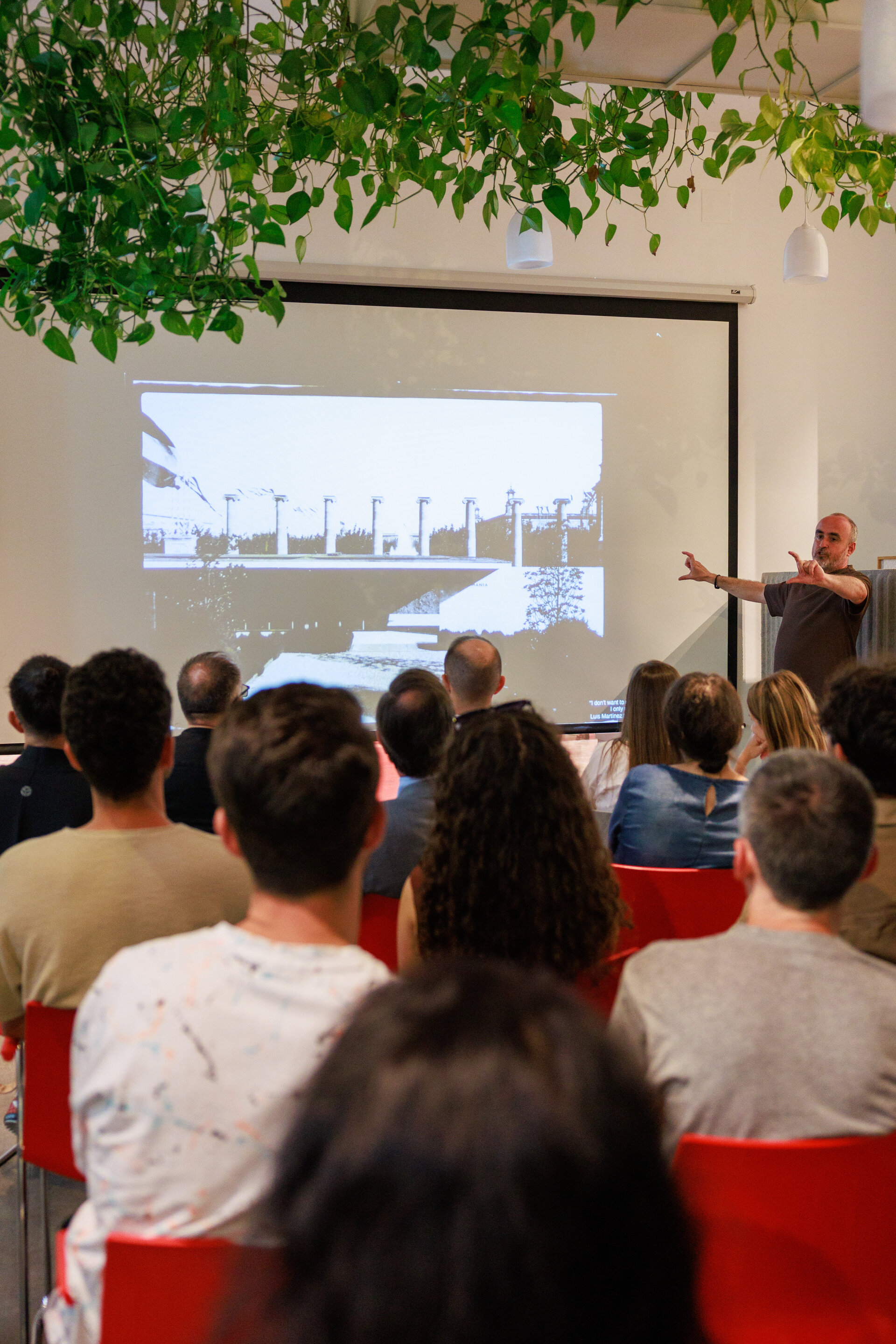
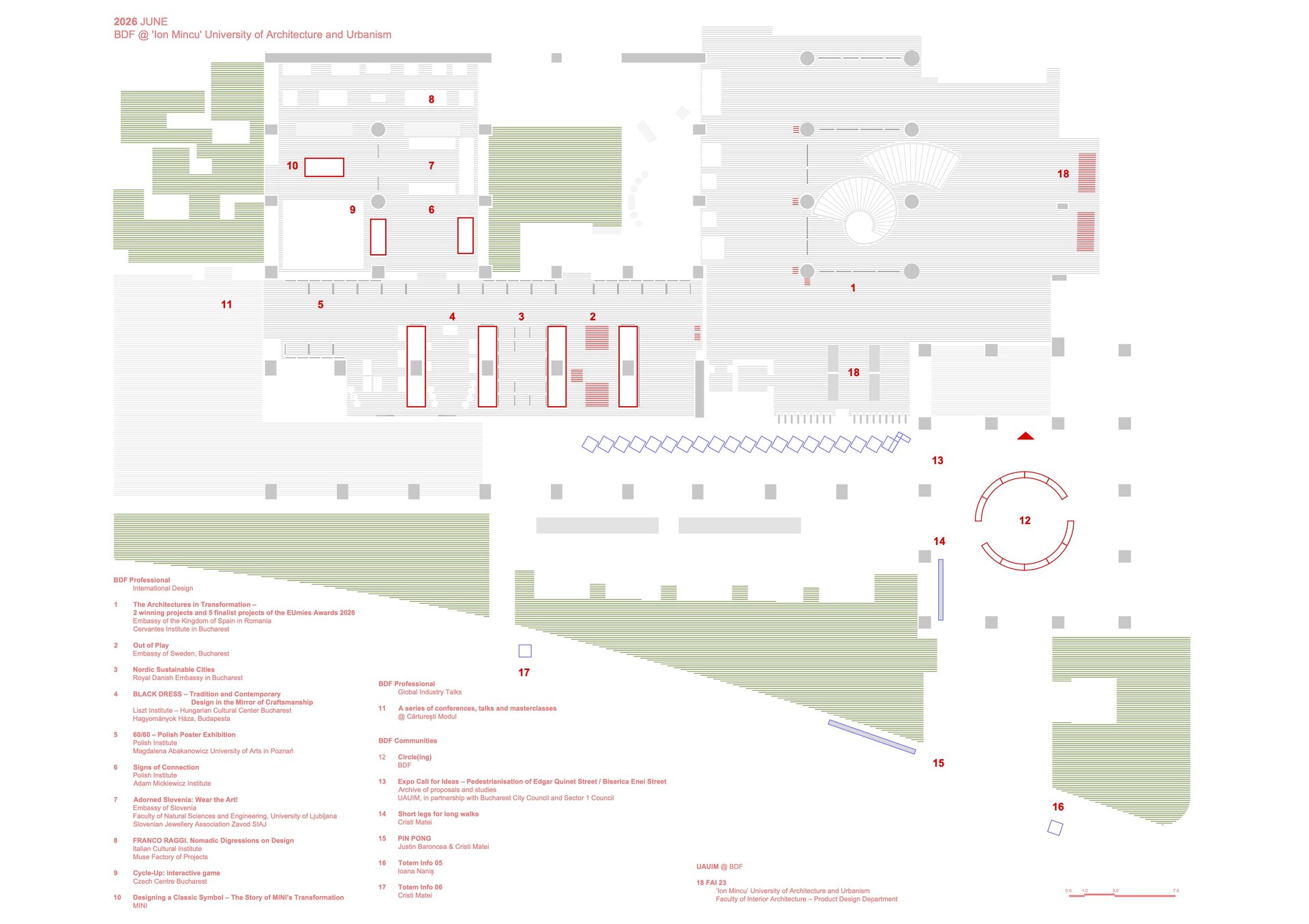
BDF Professional / International Design included ten micro-exhibitions, talks by specialists, and connections between the university’s spaces and Cărturești Modul. UAUIM’s BDF presence featured a series of totems at Academiei Street and an exhibition of student design competition proposals. The first exhibition, visible in the university’s lobby, ‘Architectures in Transformation’, showcased EU Mies Awards projects, highlighting architecture’s transformative potential. Denmark showcased sustainable Nordic cities, while Hungary and Slovenia highlighted traditional and contemporary art, respectively. Italy explored the intersection of art, craftsmanship, and industry. The main challenge of the design process was to create a cohesive whole while preserving the individuality of each participant. The Polish Institute’s contributions, dedicated to graphic design, acted as a unifying element, bridging the linear and central spatial characteristics of the exhibition spaces available. Strategically placed flexible display units and a line of metal frames, interrupted by a central structural element, supported a meandering route through exhibition rooms and a labyrinthine layout in the square-shaped hall. This created niches for the exhibitions to carve out their space while remaining connected to the others.
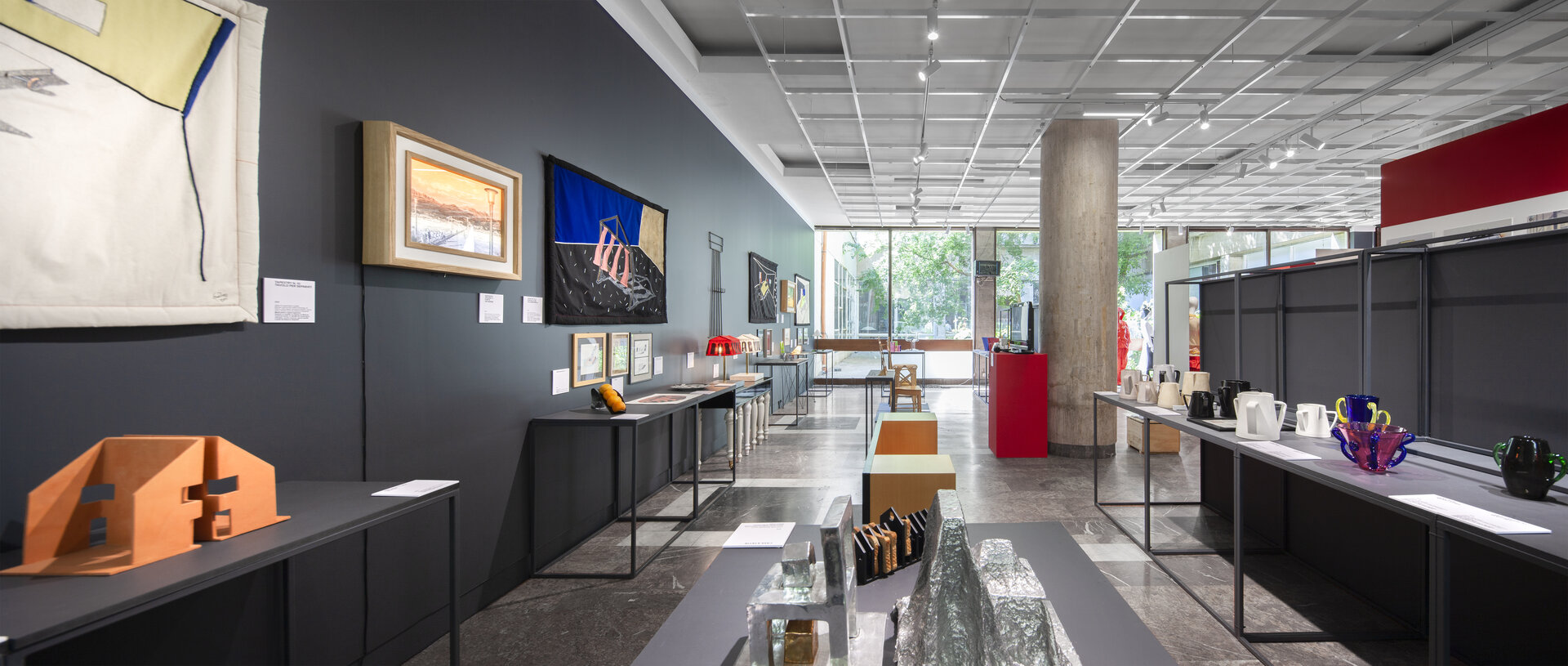
Exhibition and Scenography Design

- Transilvania | Extravaganza
- A World in a Negative
- Why “We Should All Be Feminists”
- The Bucharest That Never Was
- The Infinite Dinner
- Pop-up Gallery at Point - two exhibitions
- Wet Snow
- Architecture of experience: Nijinski · Agony and Ecstasy
- Sides of interconnected learning
- BDF Professional / International Design / UAUIM
- Radical Domesticity
- Cella/kamera
- OFFSIDE / Plans, goals, points
- Rhythmic Stress
- BDF Young
- Highberg Pavilion
- “Lights and Shadows” Temporary Exhibition
- Show me the way
- “Balnea Daciae” Temporary Exhibition at Pompeii


