Cella/kamera
Authors’ Comment
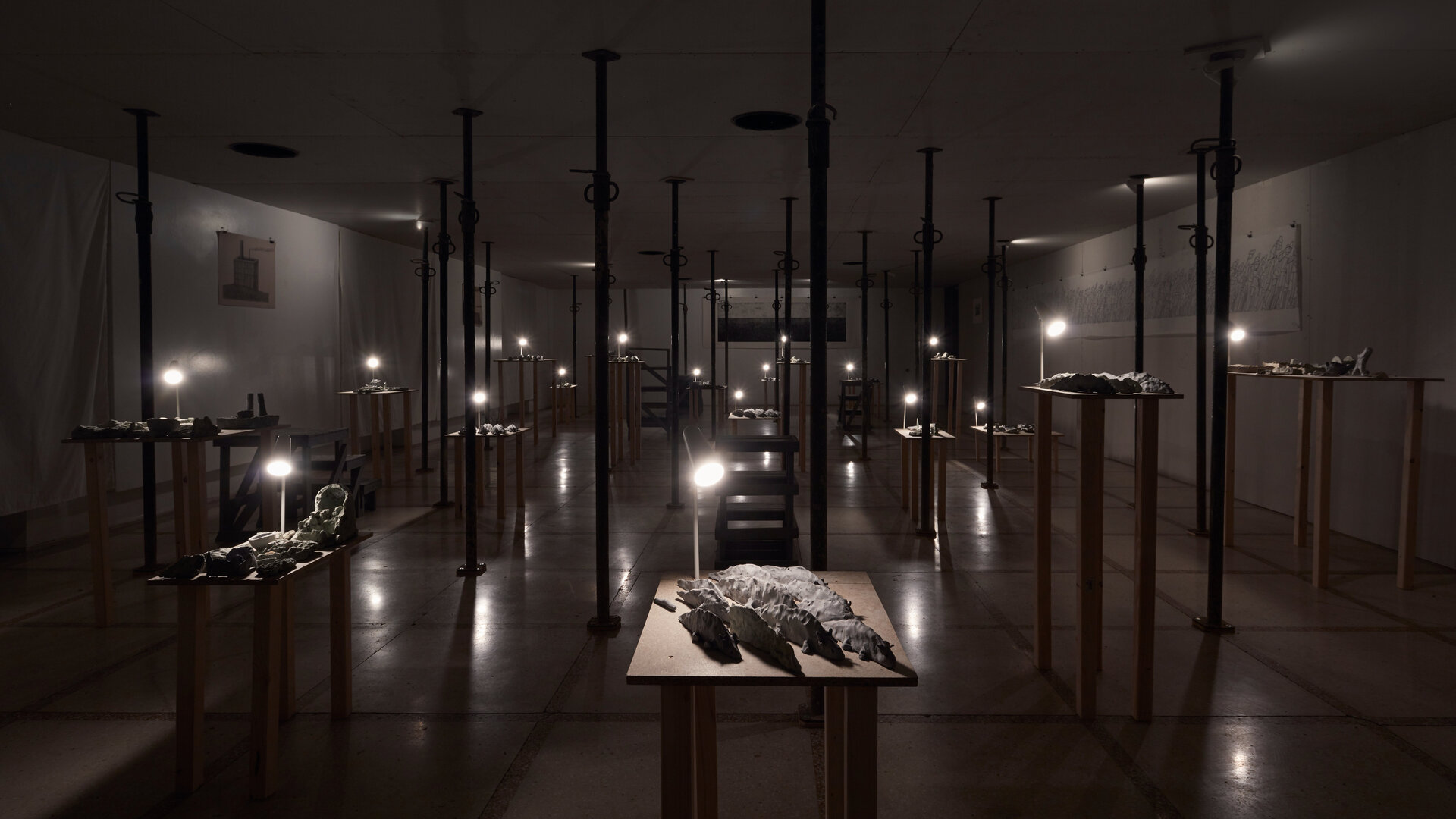
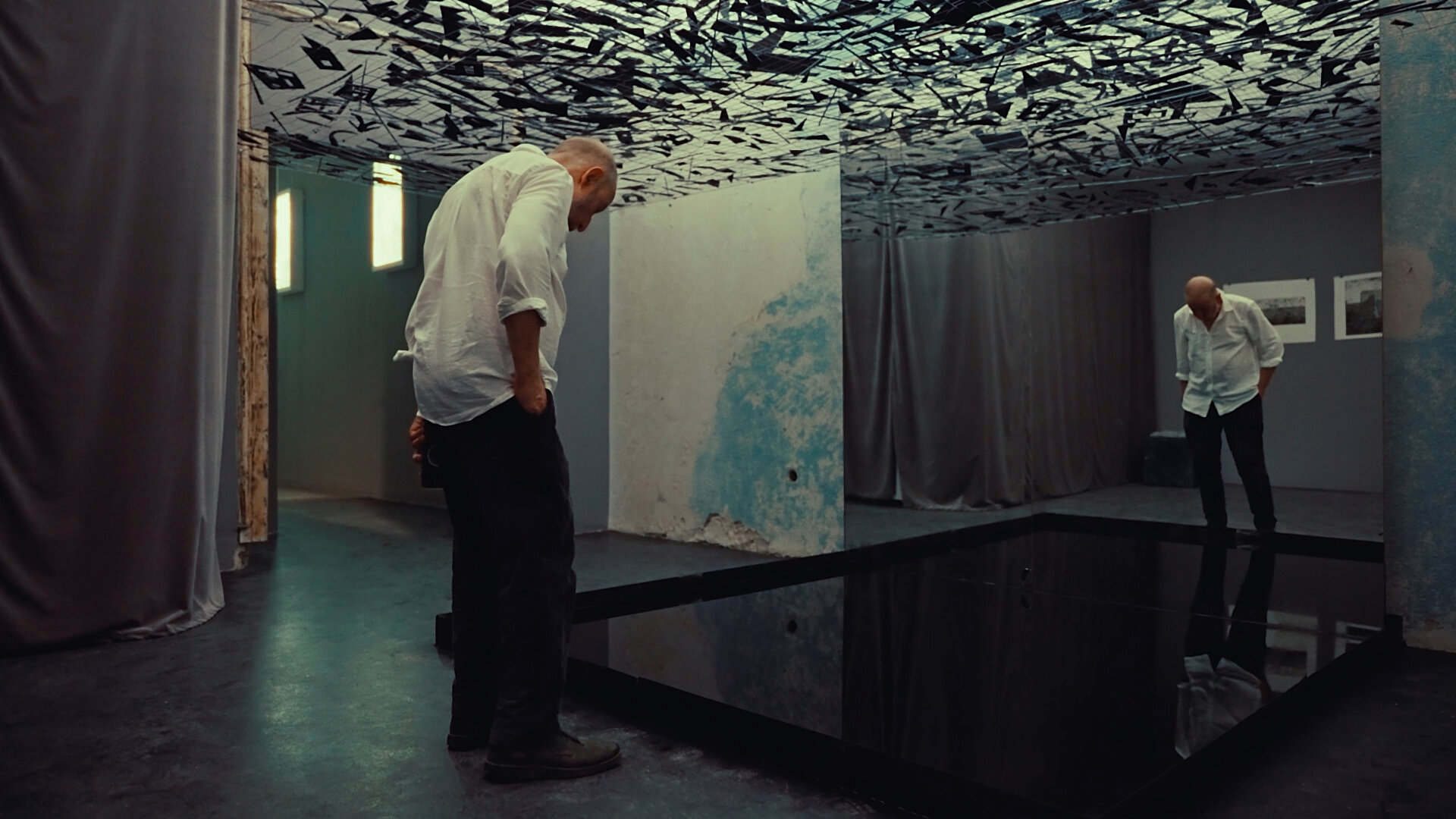
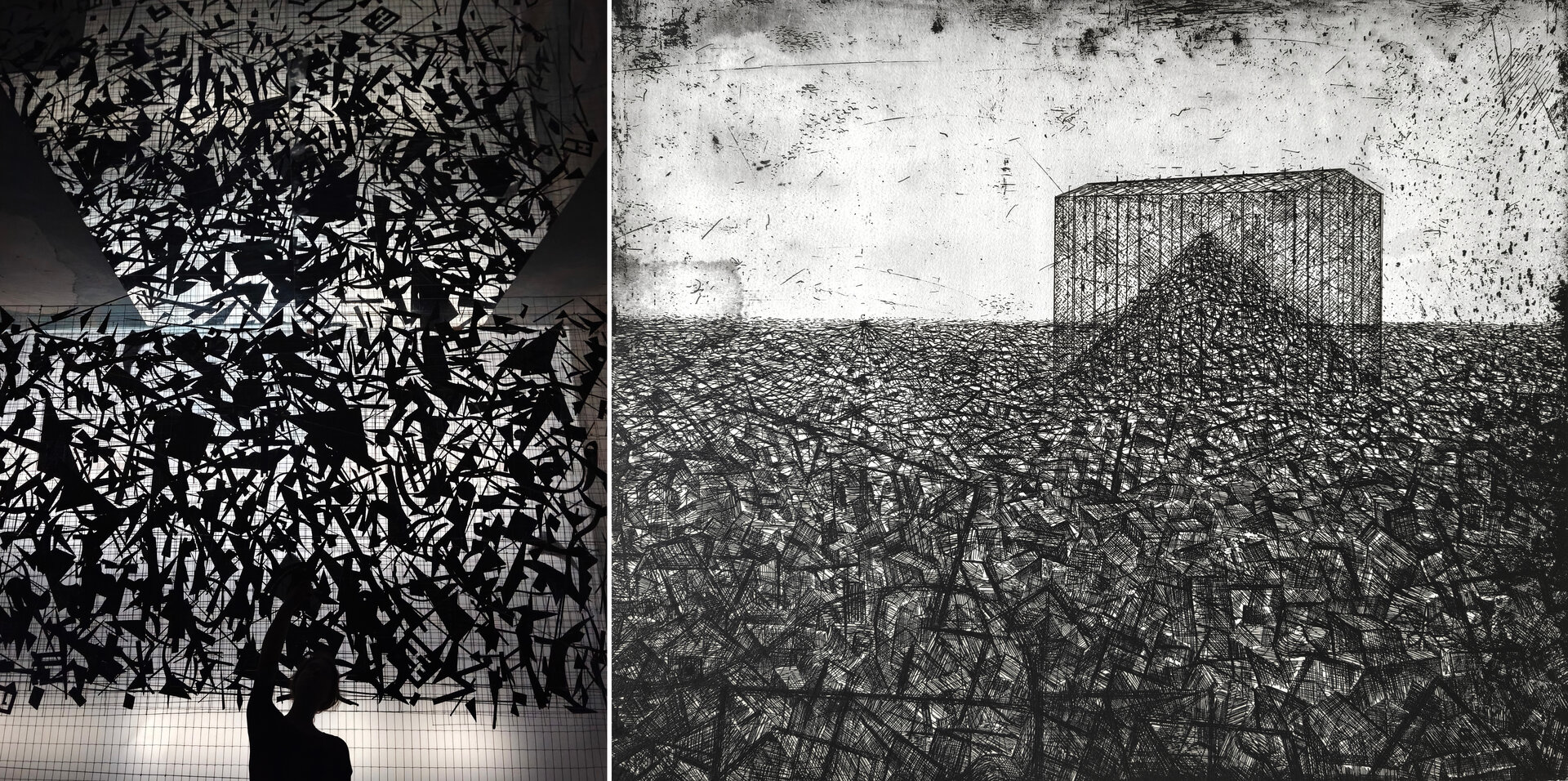
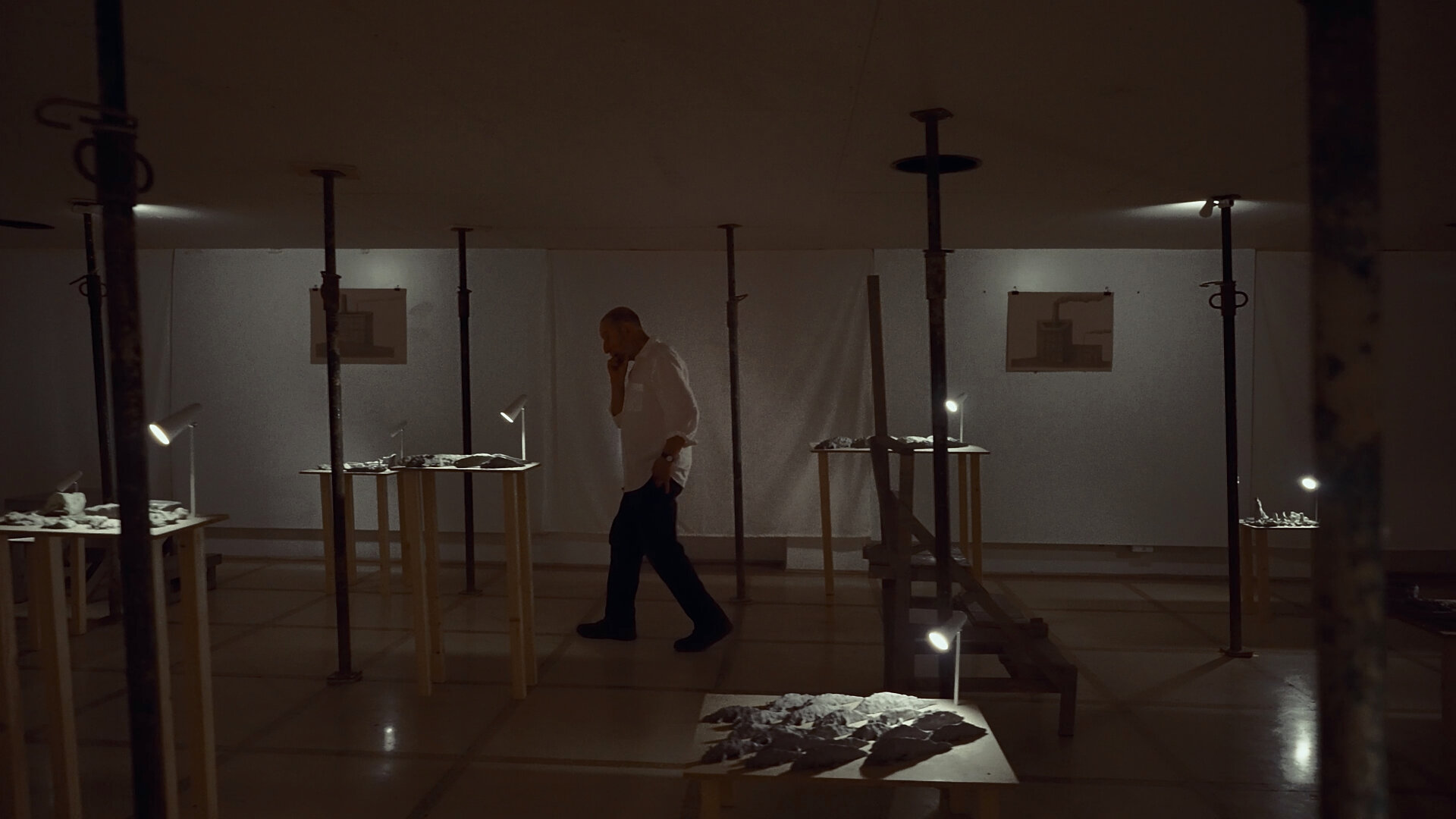
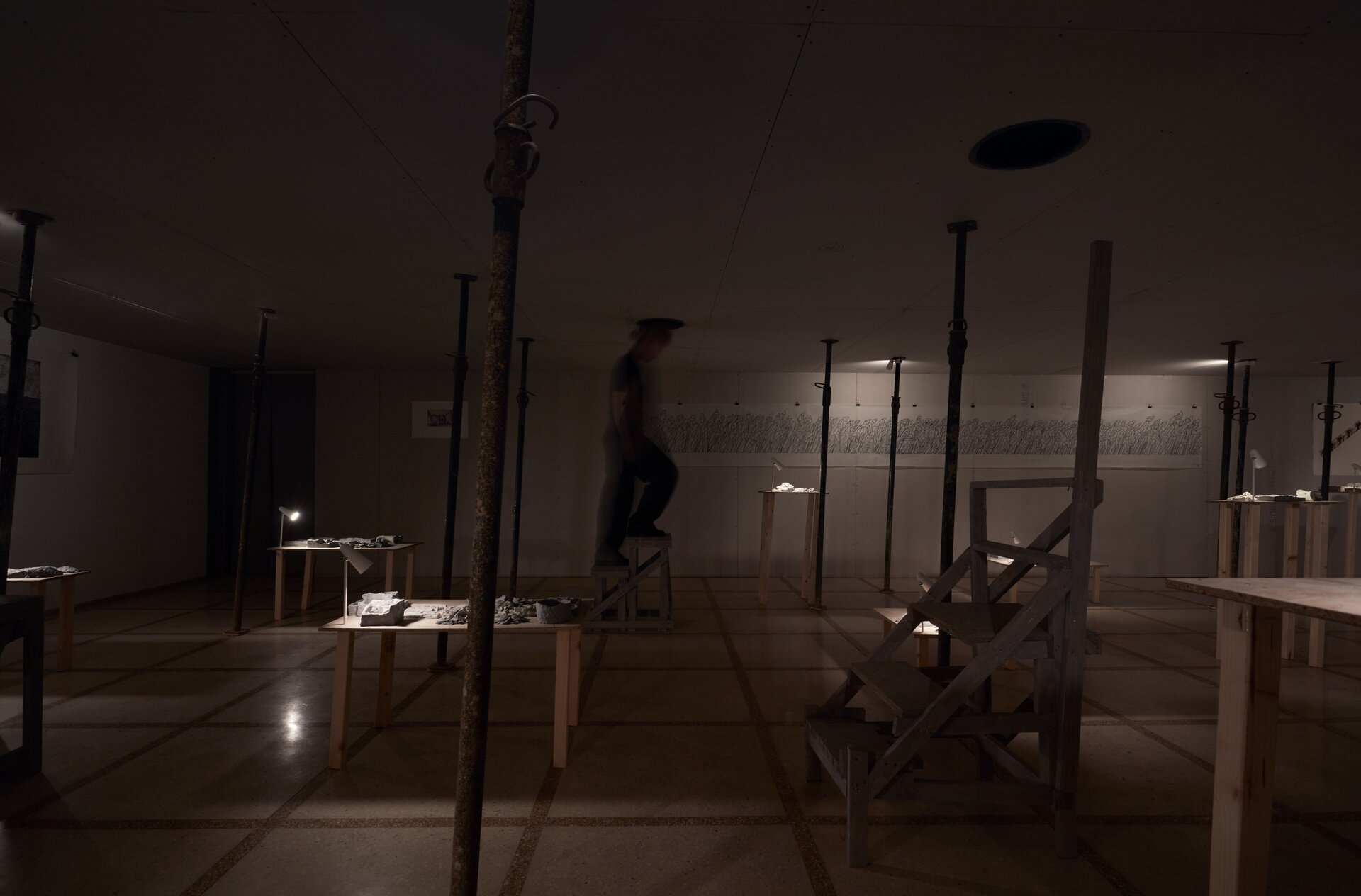
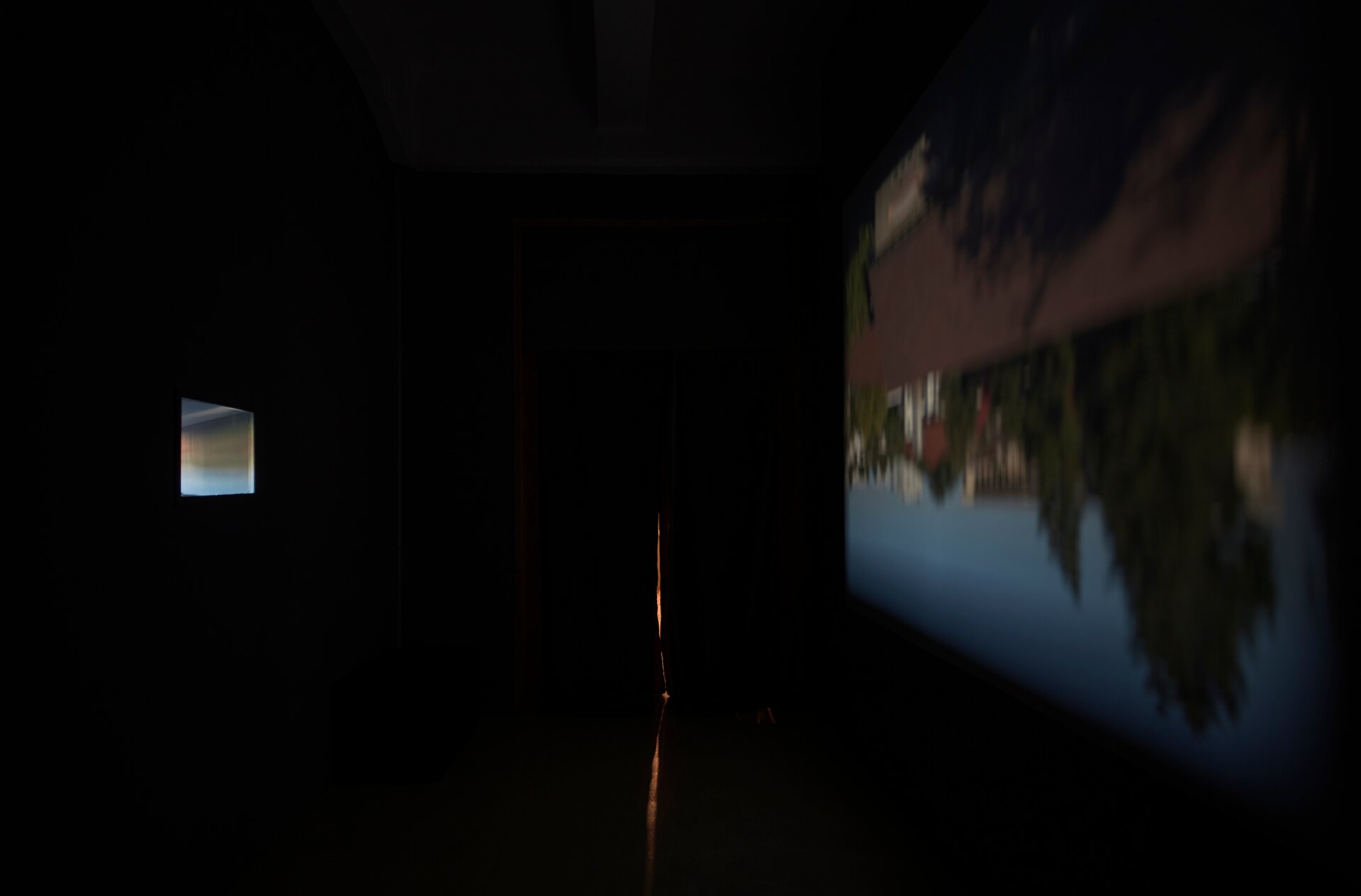
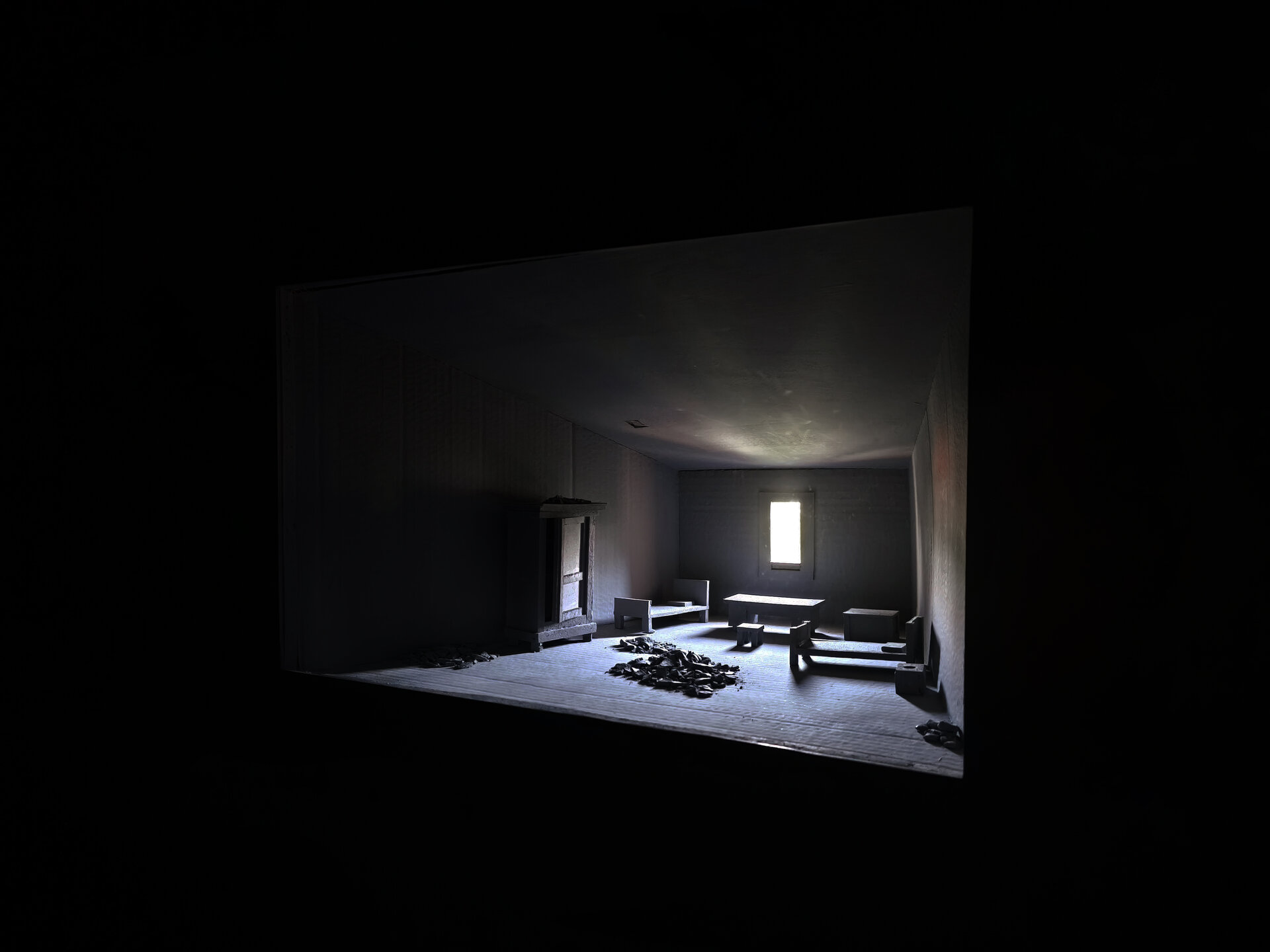
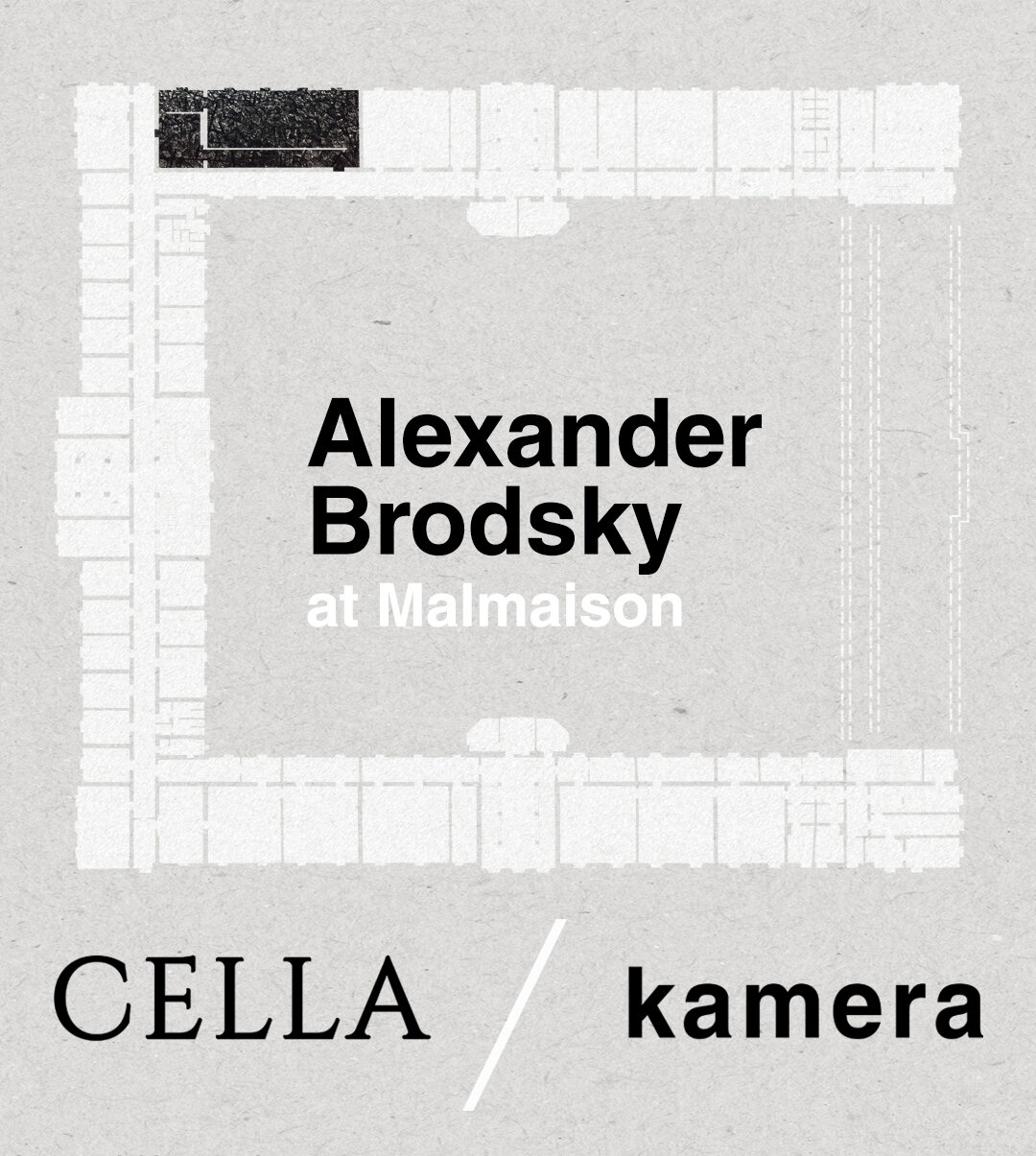
"CELLA/kamera" is an encounter between Alexander Brodsky and Malmaison building, an exchange between new ideas, old obsessions of the artist and the particular space of an edifice that functioned as a military garrison, later transformed into a detention and interrogation center for political prisoners in the 20th century. In a place with a complex history, in a complicated geopolitical present, the project feeds on its context while simultaneously generating it, allowing reality, memory, and imagination to construct it.
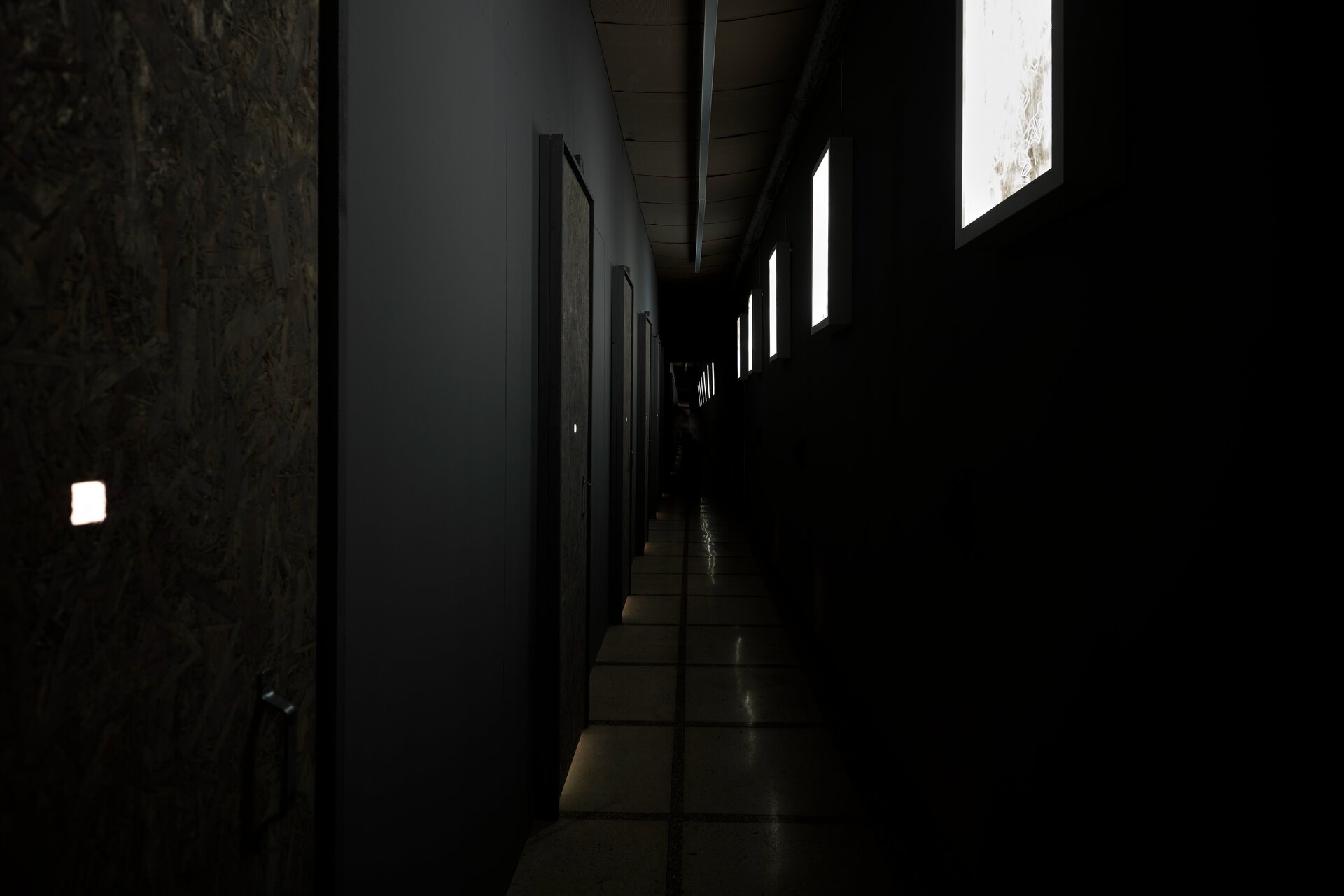
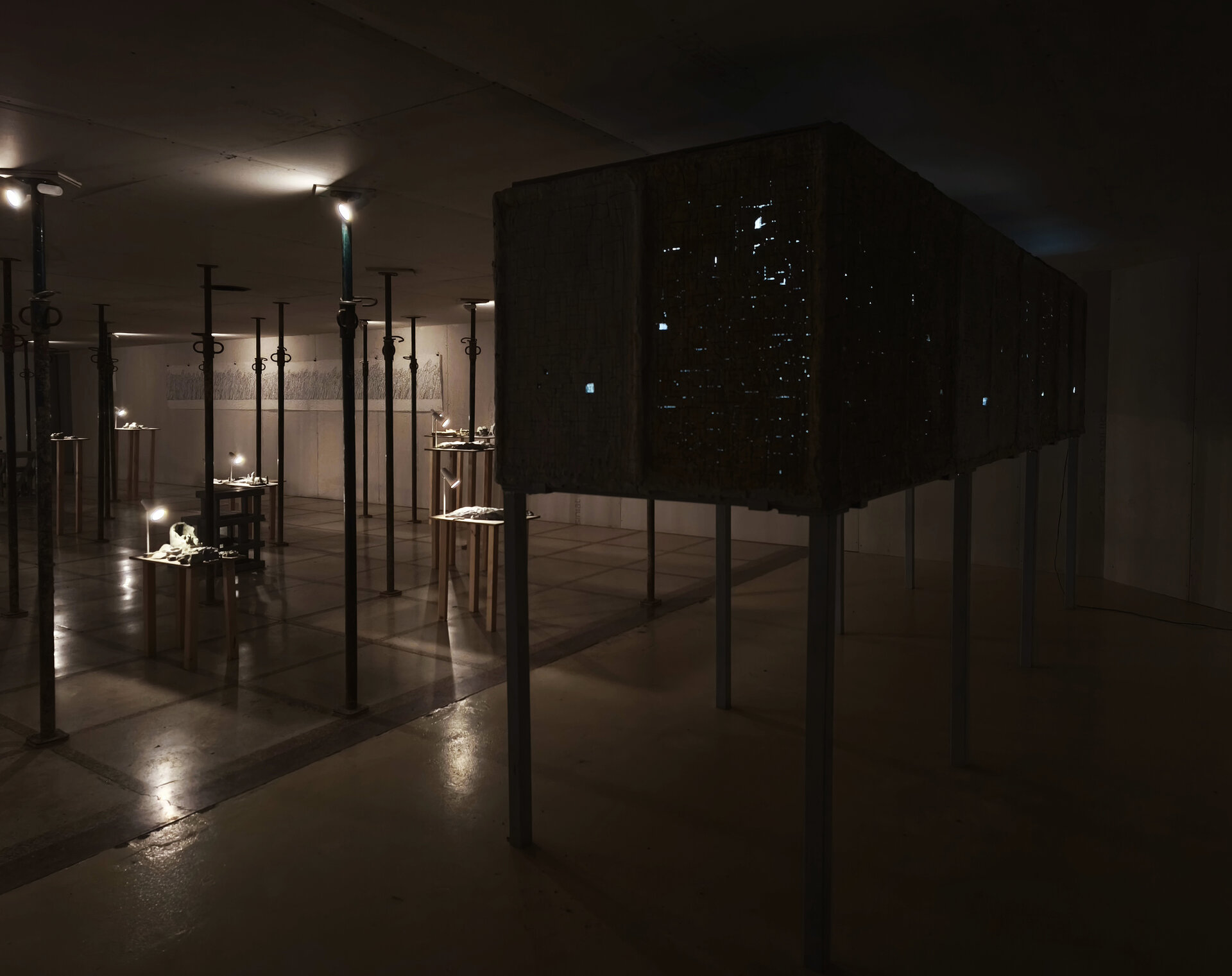
The building puts at Brodsky's disposal its history and architecture: the enclosure, the rooms, the endless corridors, the cadence of doors and windows, all transposed, reframed, and interpreted in the site-specific installation. Thus, another spatial reality is formed, with a series of radical situations that exert physical and perceptual constraints on the visitor, challenging the impression of precarious stability and fragile freedom.
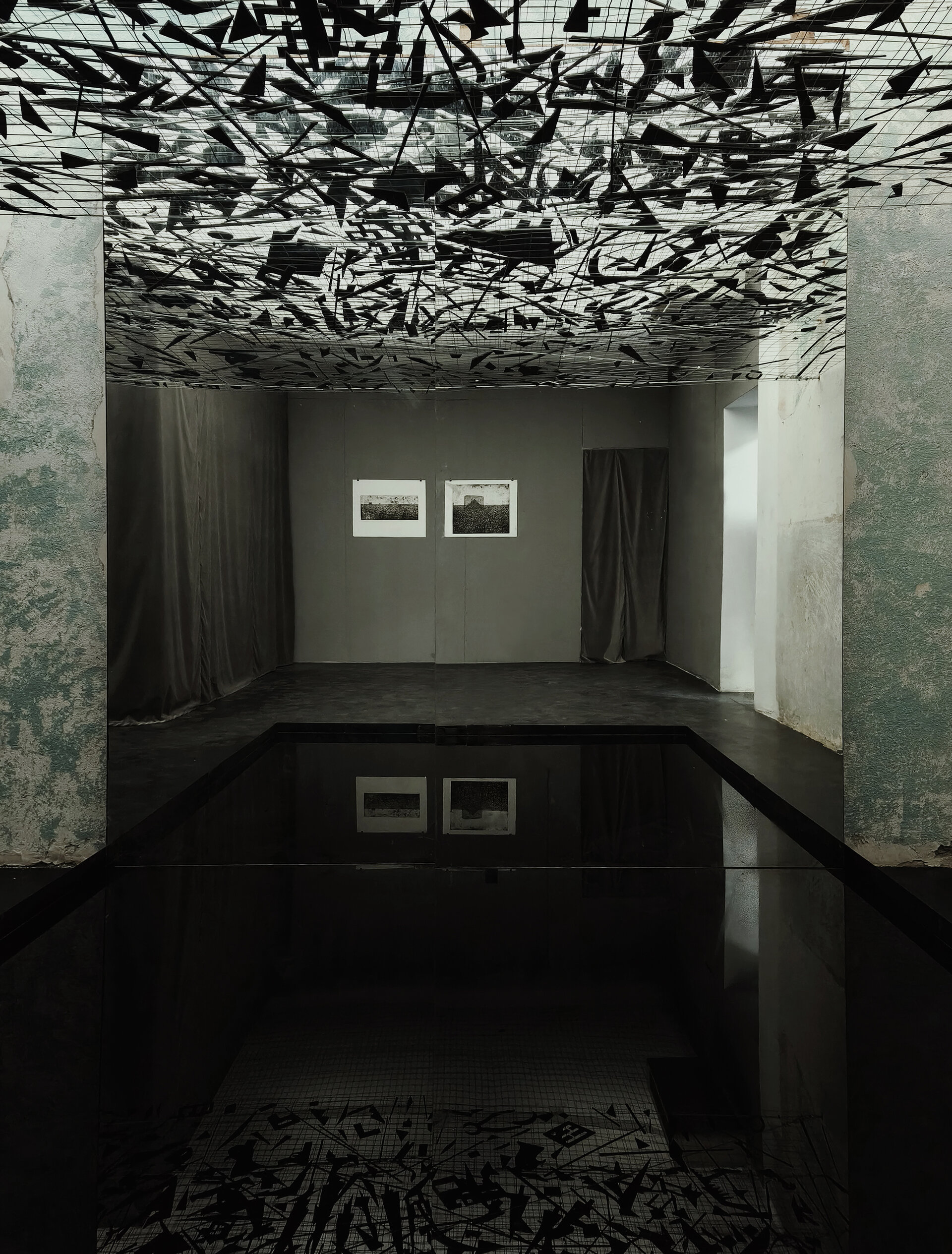
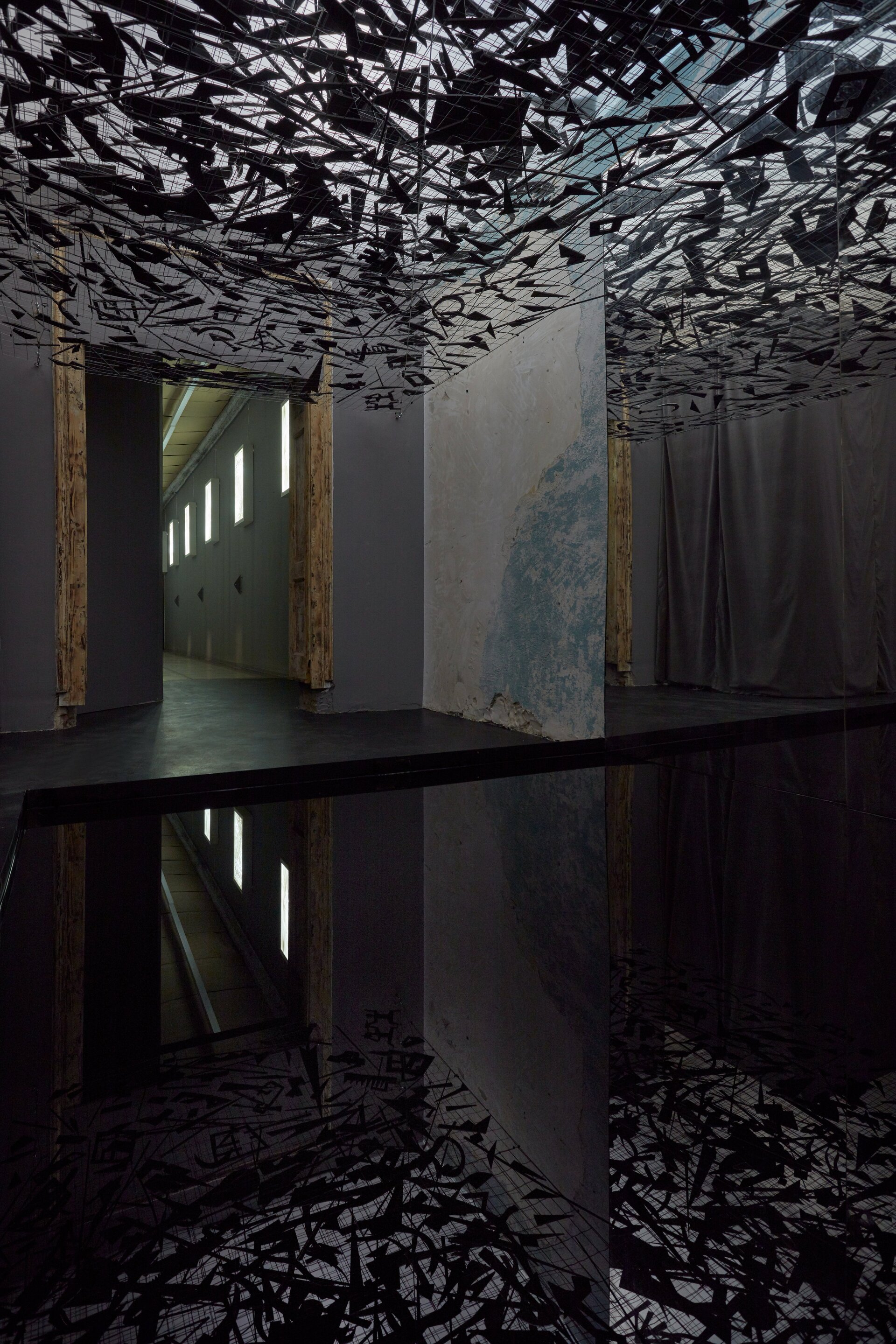
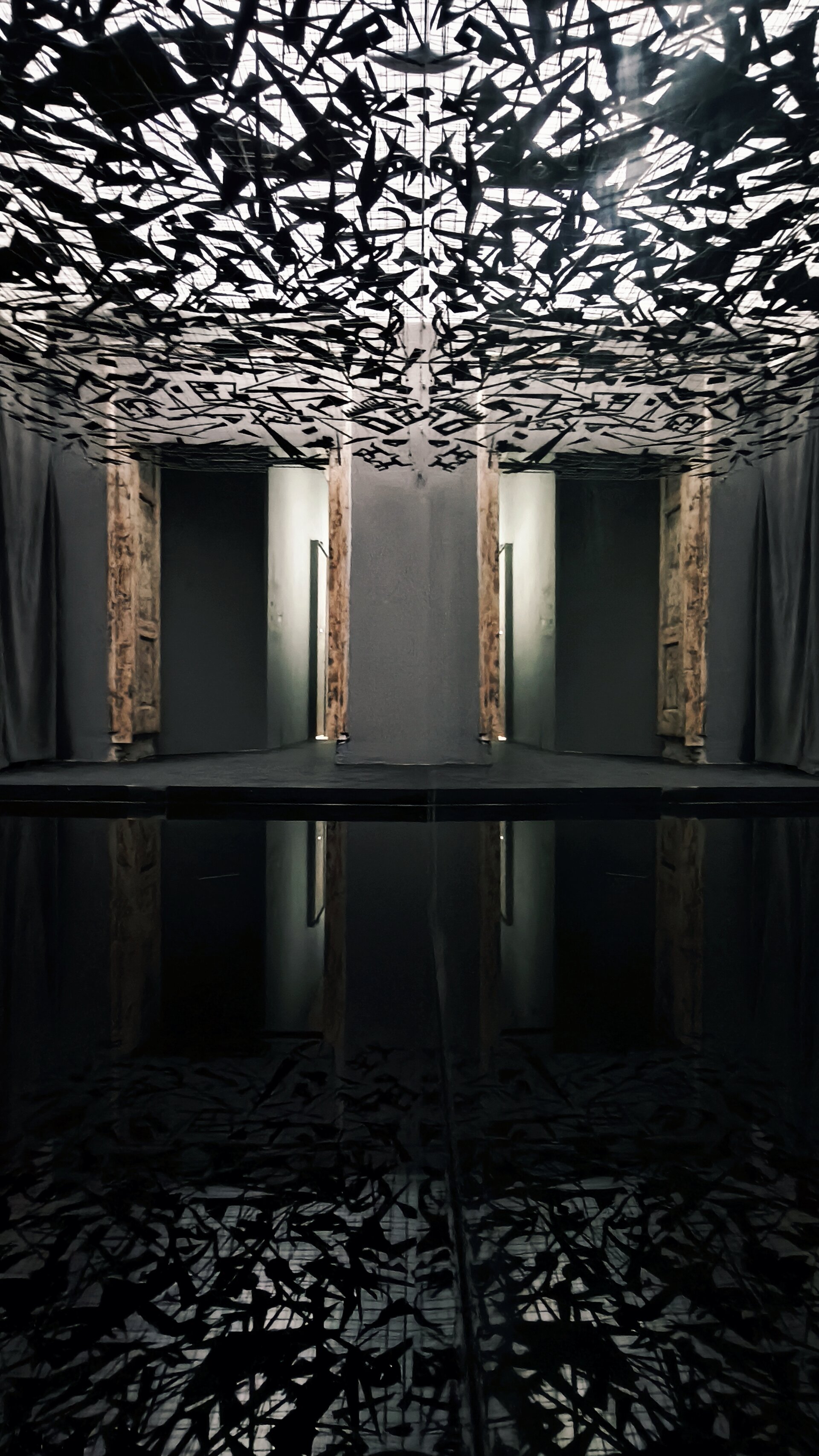
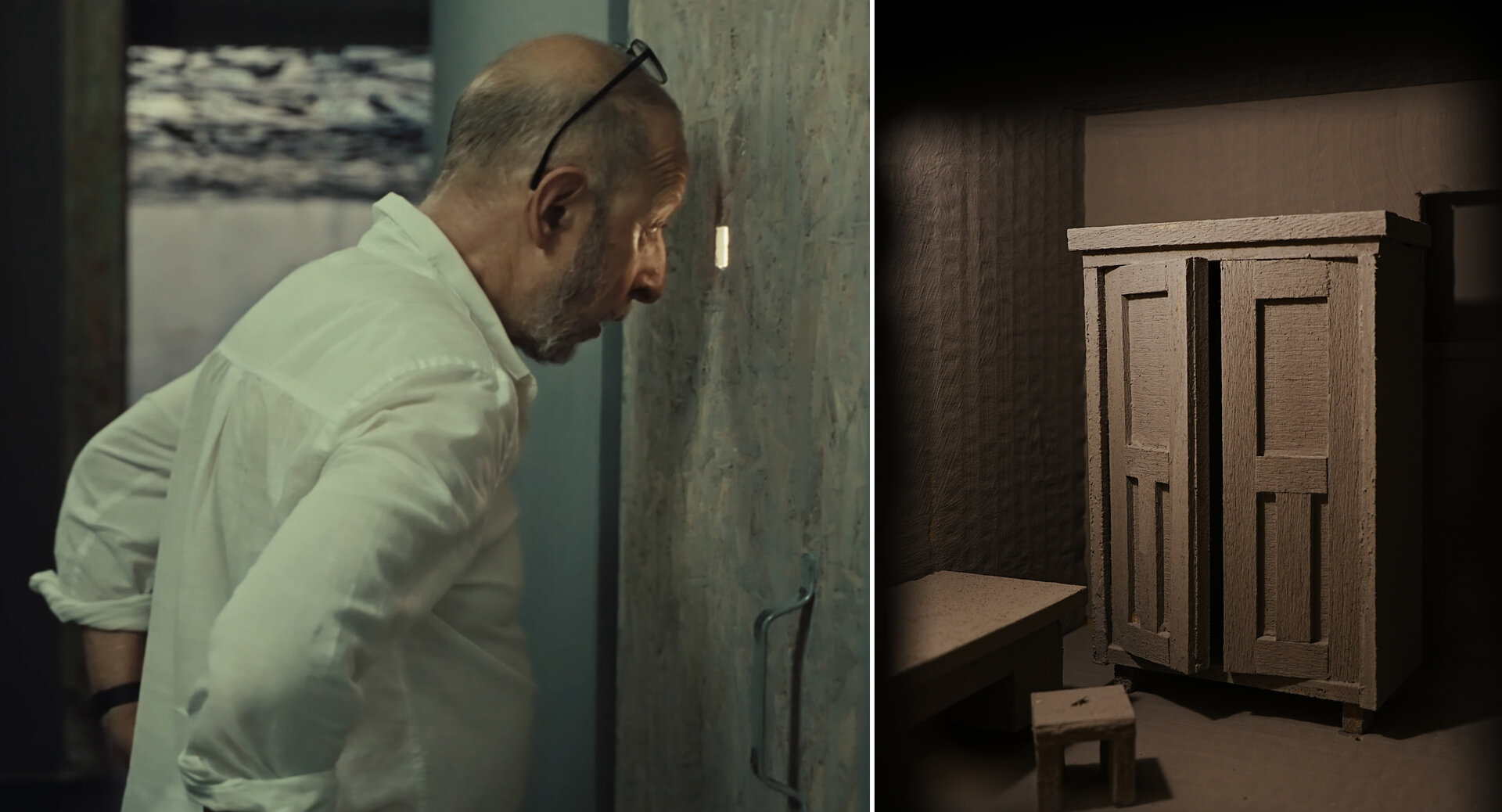
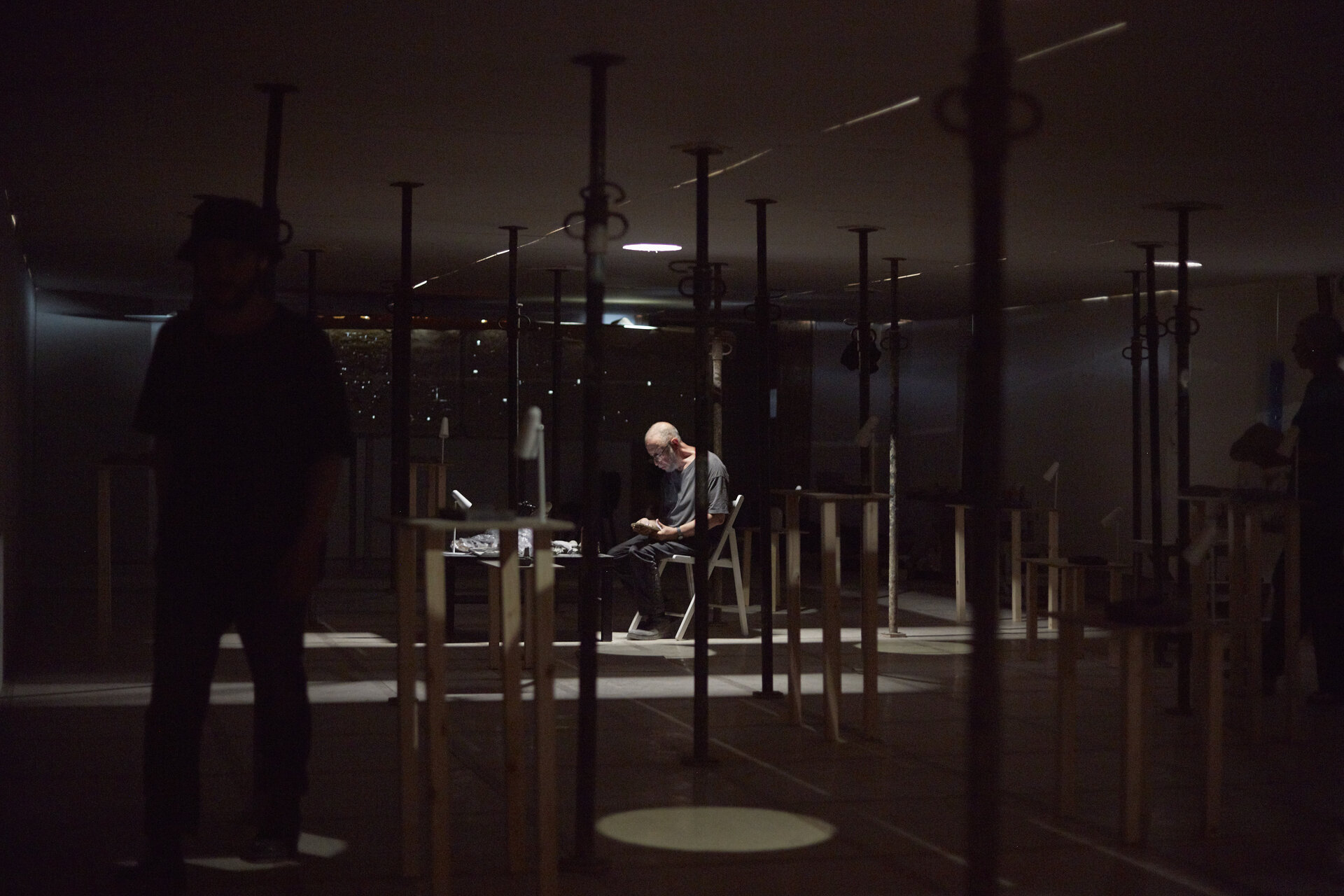
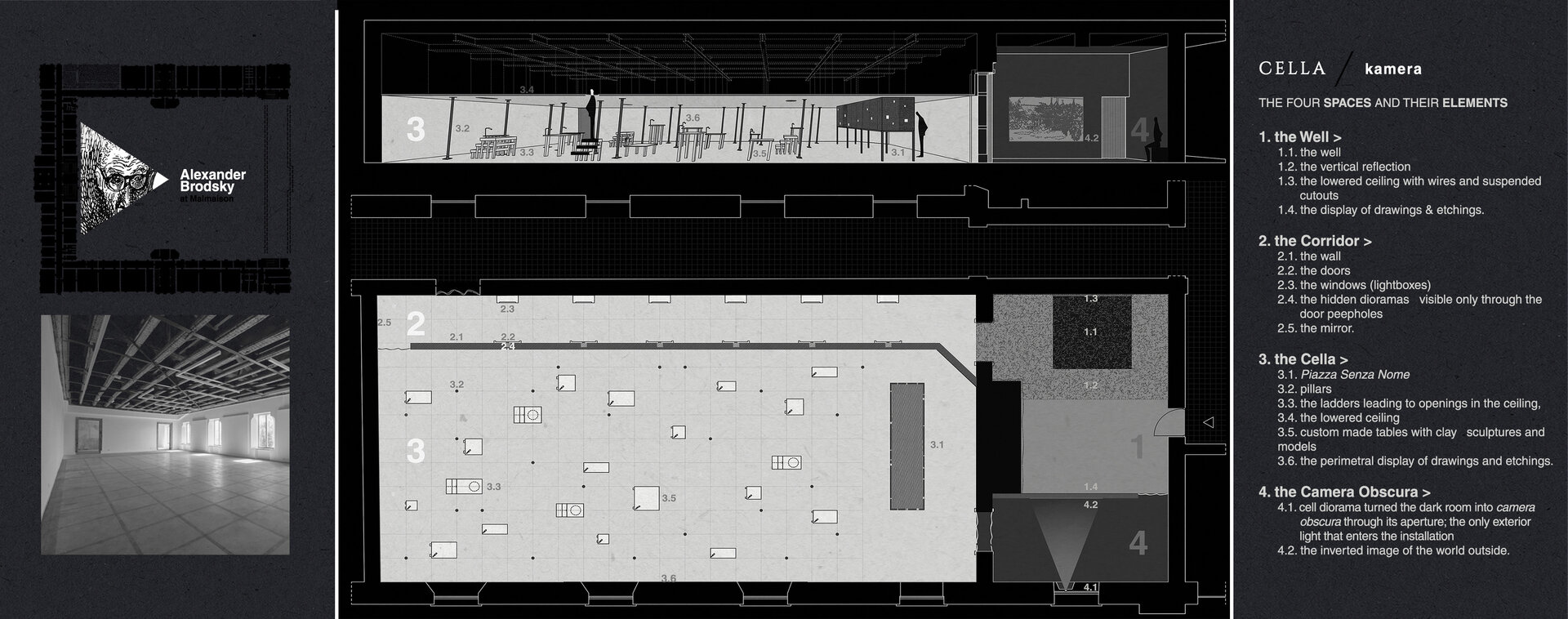
The gallery's original framework is morphed through newly created limits, both horizontally and vertically: new walls, lowered ceilings, metallic structures, mirrors that generate a sequence of closures and openings, like a cell within a cell within Cella.
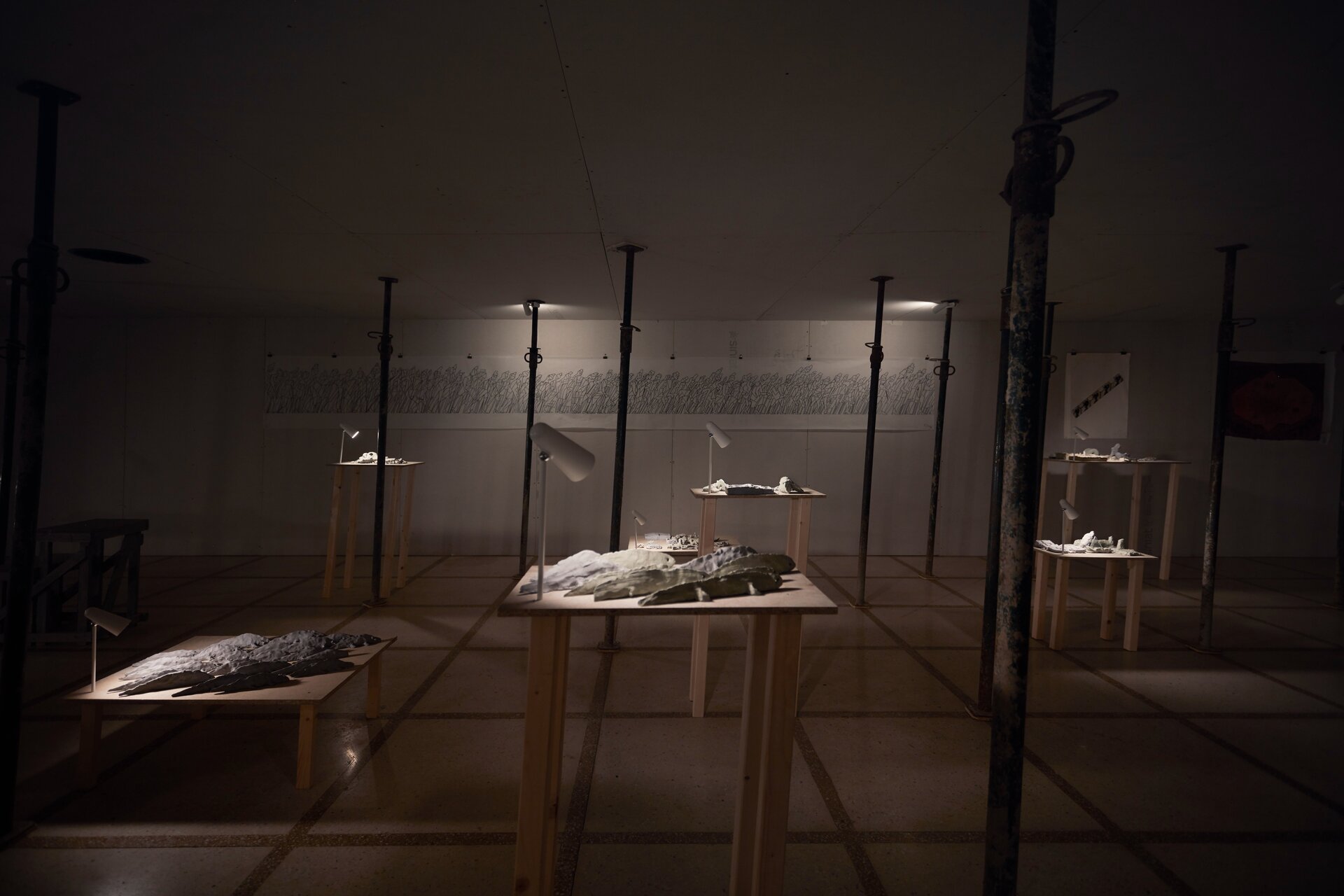
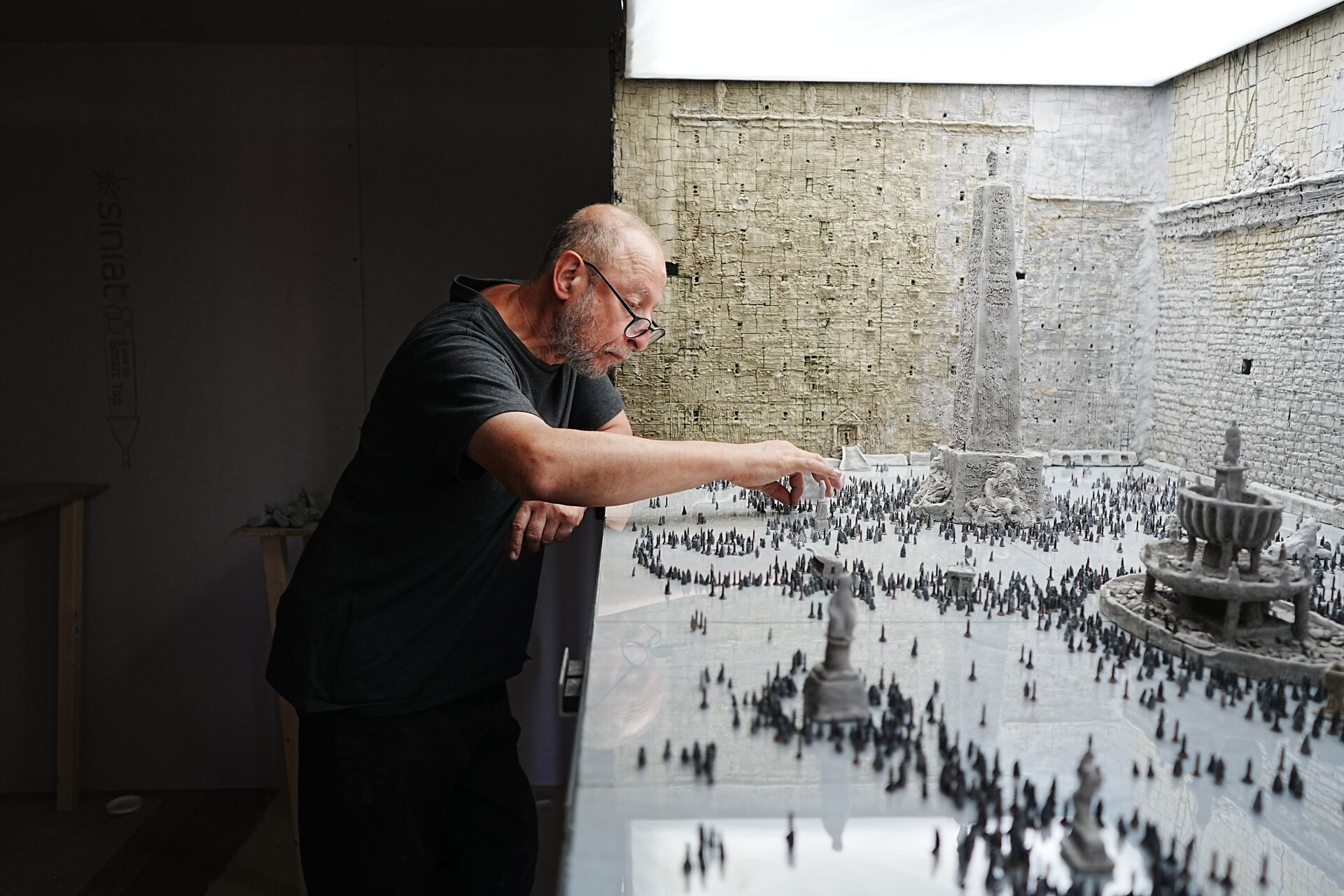
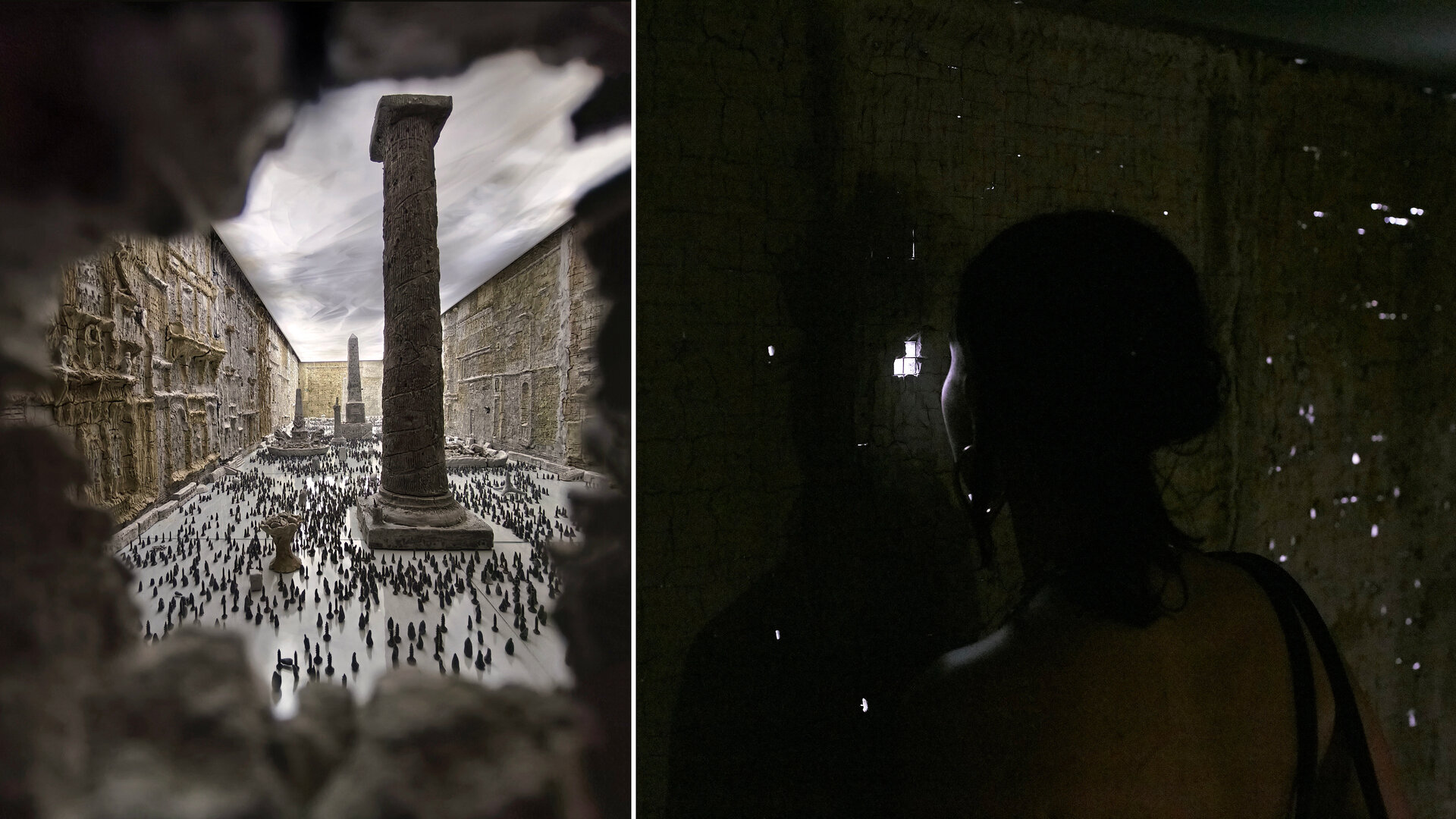
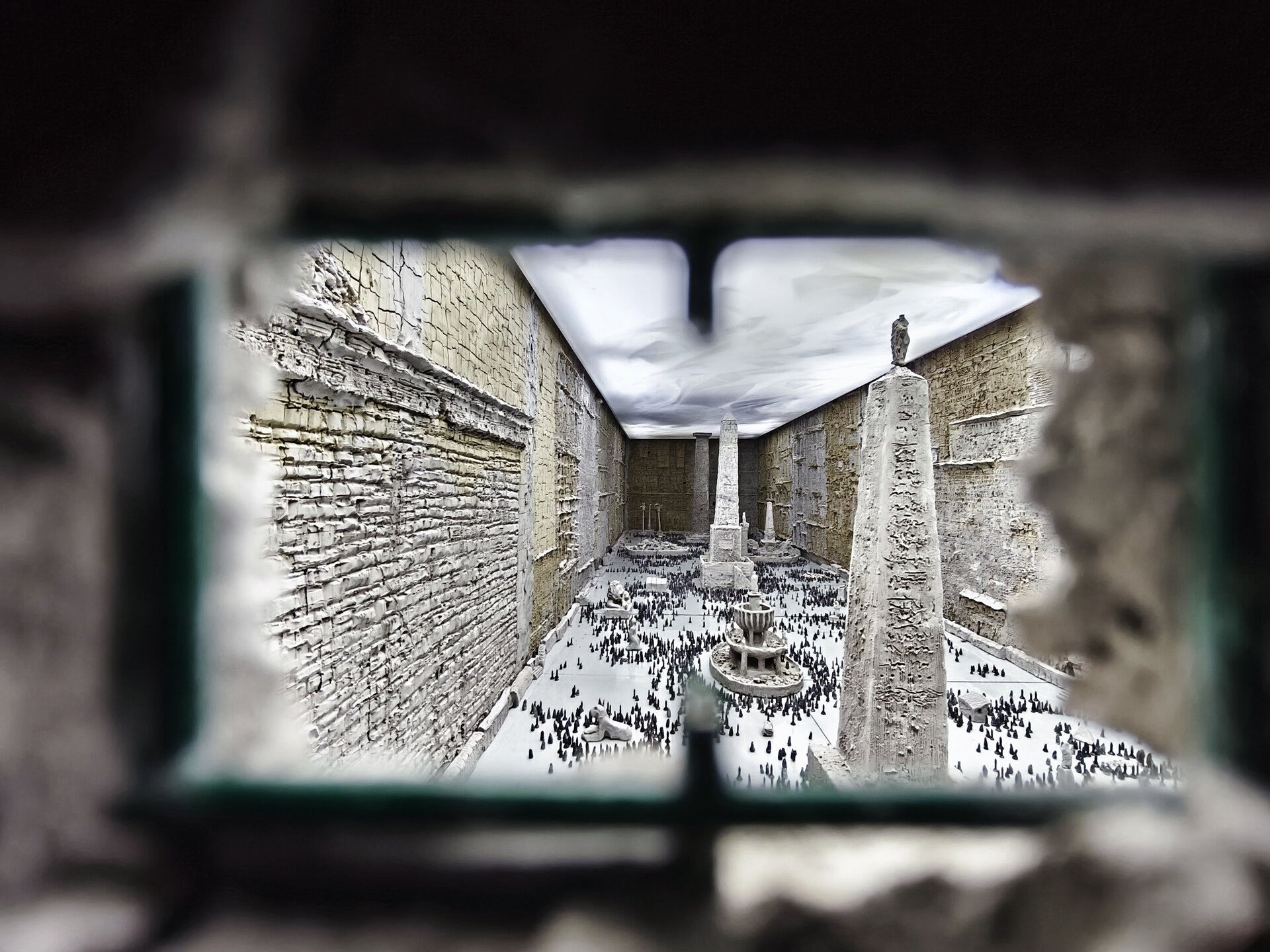
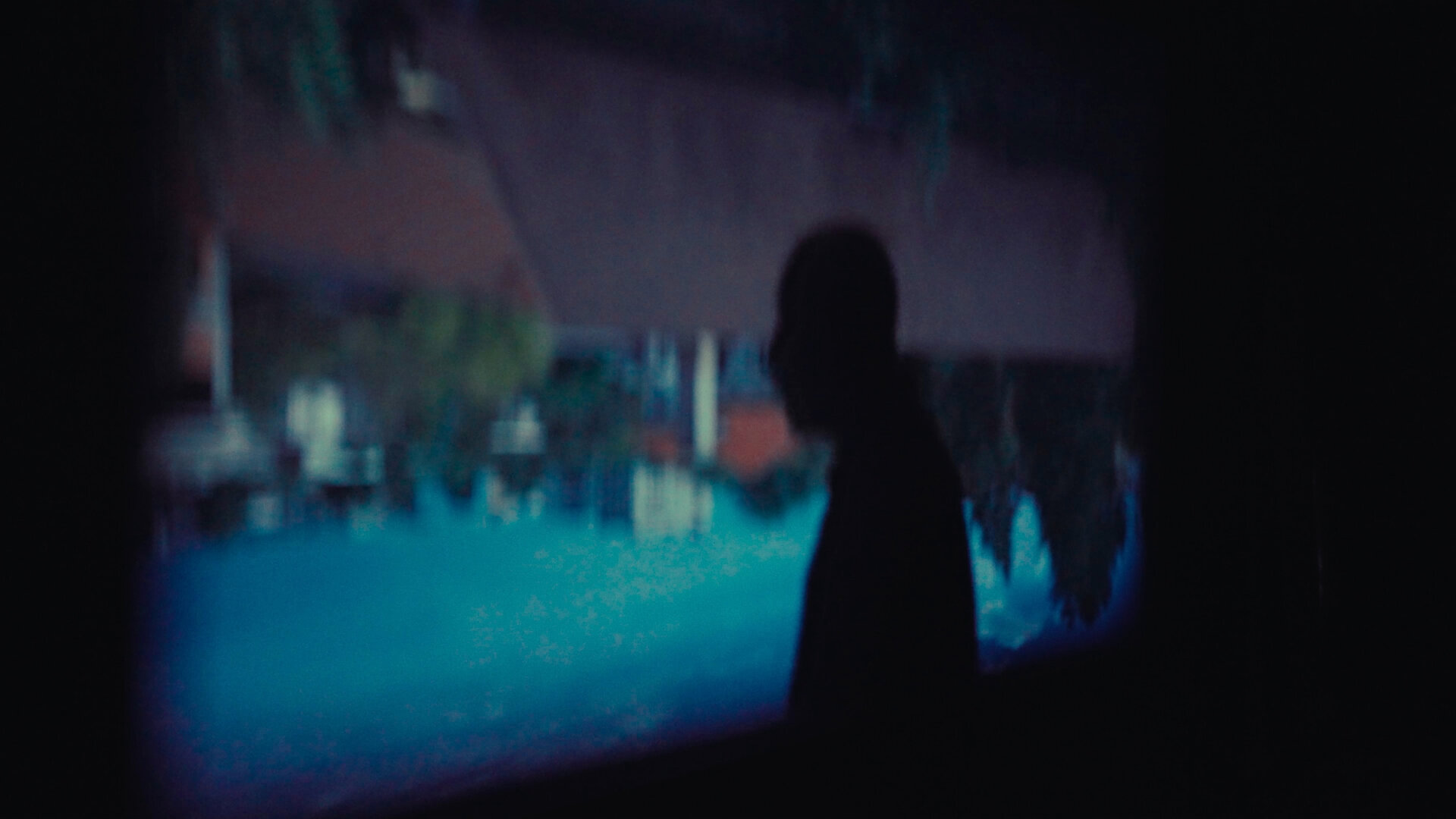
Four spaces compose the installation: The Well, The Corridor, The Cella, and The Camera Obscura, each with its own limits and ways of going beyond them. From the black oil of the well to reflections and mirrors, from the pitch black above the ceiling to the ever-present grey, from crumbled clay to paper, the surfaces texture the space and accompany the viewer on the journey within.
Alexander Brodsky's first exhibition in Romania brings together a substantial body of works from the 1990s to the present, densified by matter modelled in situ: layer upon layer added by him and his assistants over the 22 days of creative residency, atop scaffolding and walls built earlier, all in coordination with the Bucharest team. The intervention was conceived as a reversible construction of light, reusable elements which nevertheless have the power to create an intense spatial experience.
One of the multiple missions undertaken by the project was to consolidate the status of the Malmaison building as a space for cultural expression and amplify the practices of the artist community operating here. Malmaison served as reference, pretext, context, and "beneficiary" of the endeavour, in an effort to adaptively reuse and transform a place of enclosure into one of open cultural production.
Exhibition and Scenography Design

- Transilvania | Extravaganza
- A World in a Negative
- Why “We Should All Be Feminists”
- The Bucharest That Never Was
- The Infinite Dinner
- Pop-up Gallery at Point - two exhibitions
- Wet Snow
- Architecture of experience: Nijinski · Agony and Ecstasy
- Sides of interconnected learning
- BDF Professional / International Design / UAUIM
- Radical Domesticity
- Cella/kamera
- OFFSIDE / Plans, goals, points
- Rhythmic Stress
- BDF Young
- Highberg Pavilion
- “Lights and Shadows” Temporary Exhibition
- Show me the way
- “Balnea Daciae” Temporary Exhibition at Pompeii


