Rhythmic Stress
Authors’ Comment
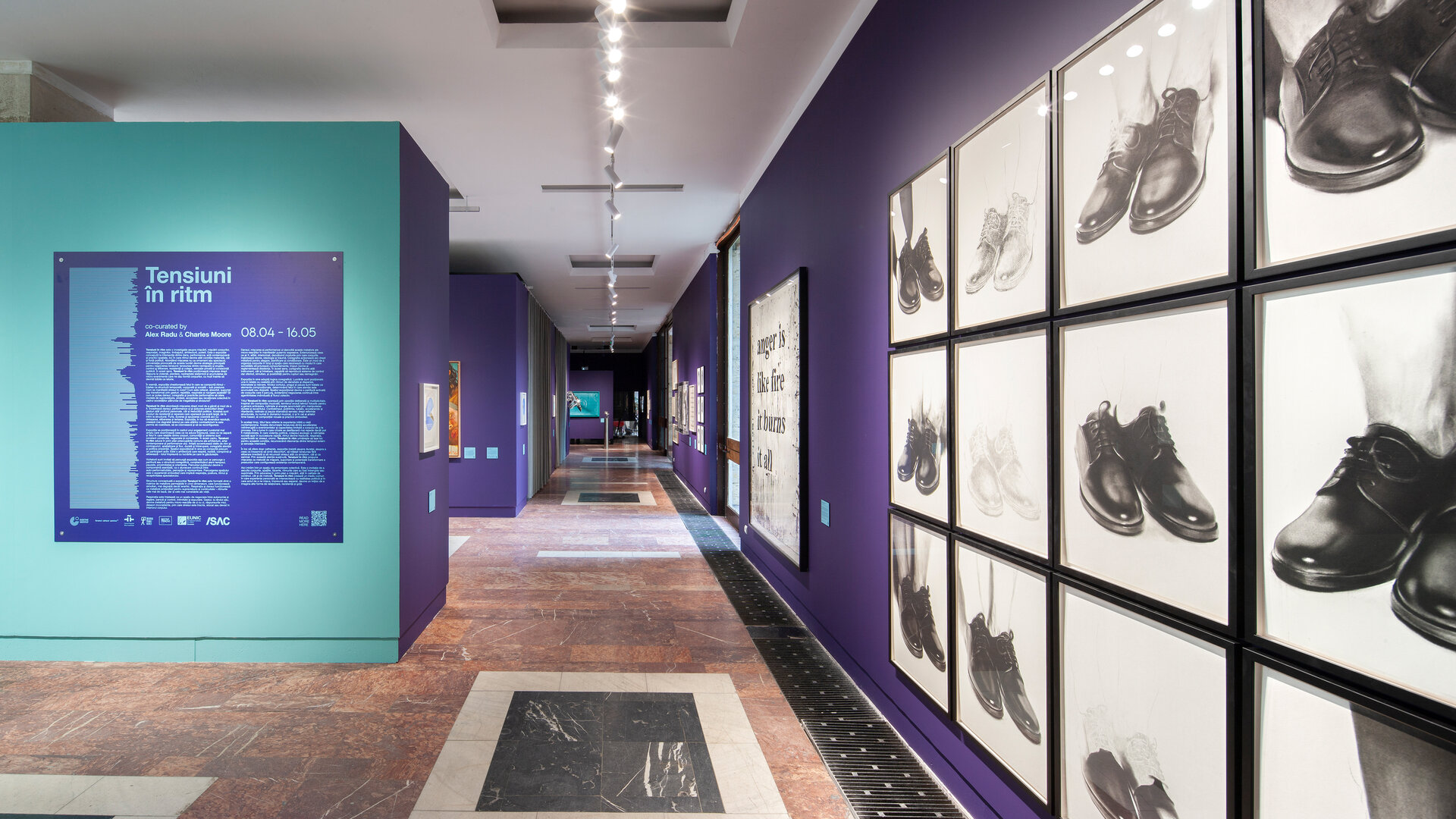
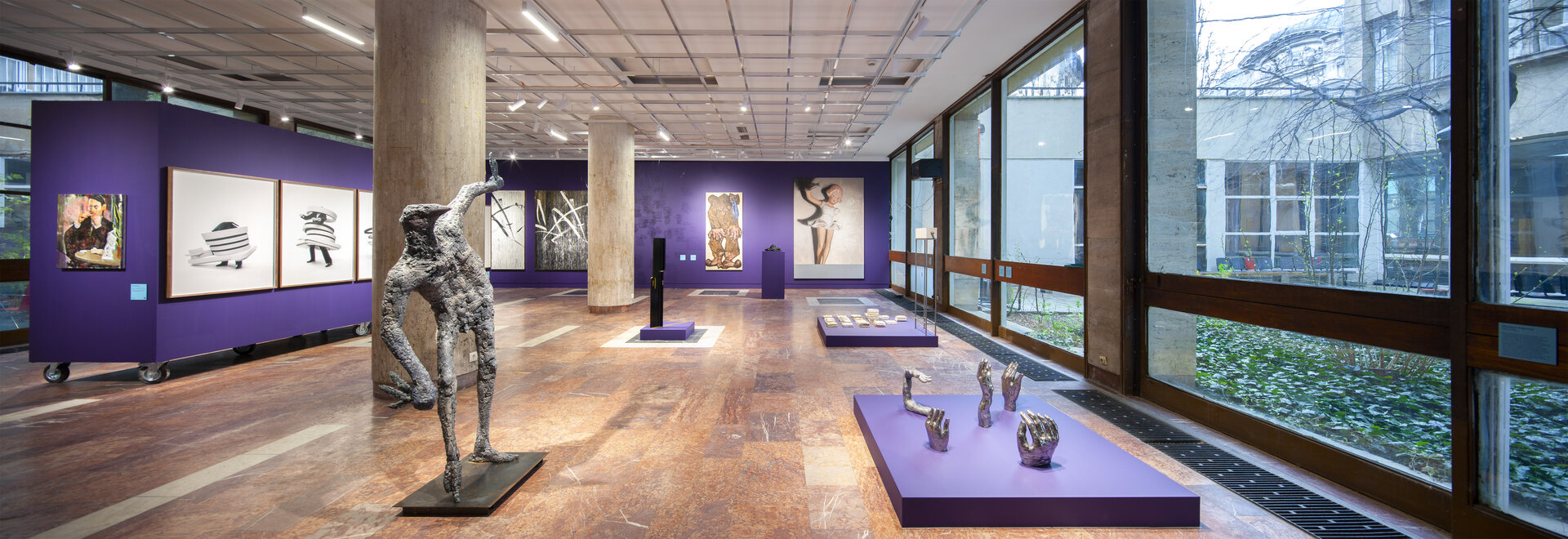
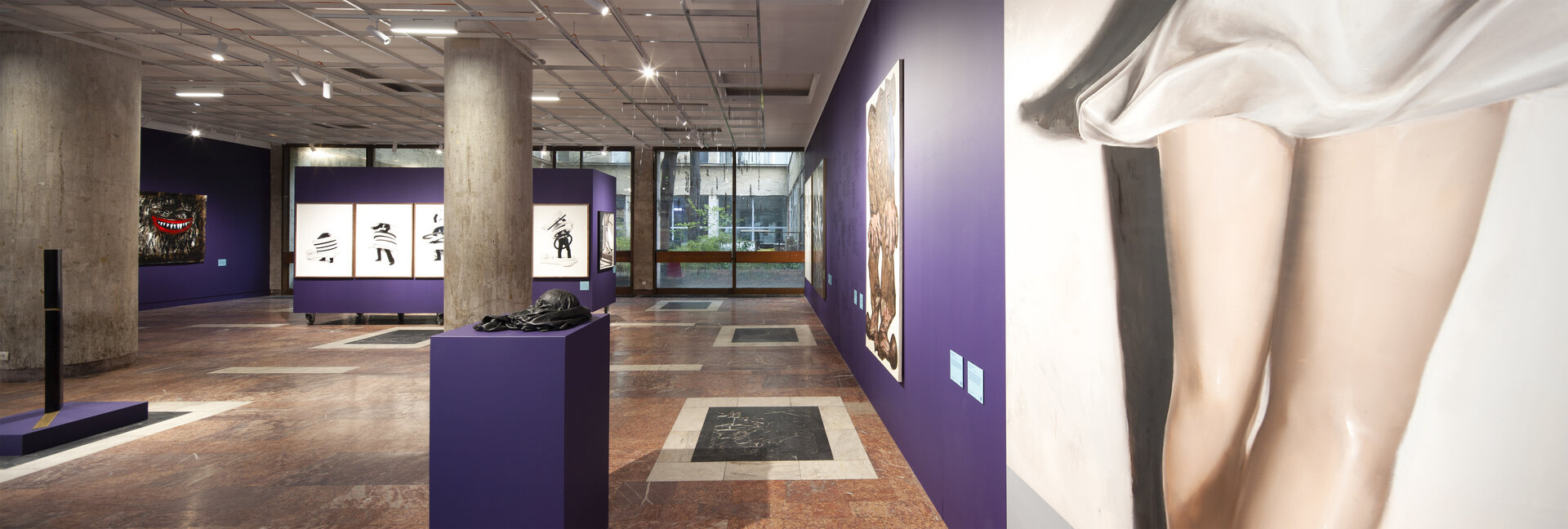
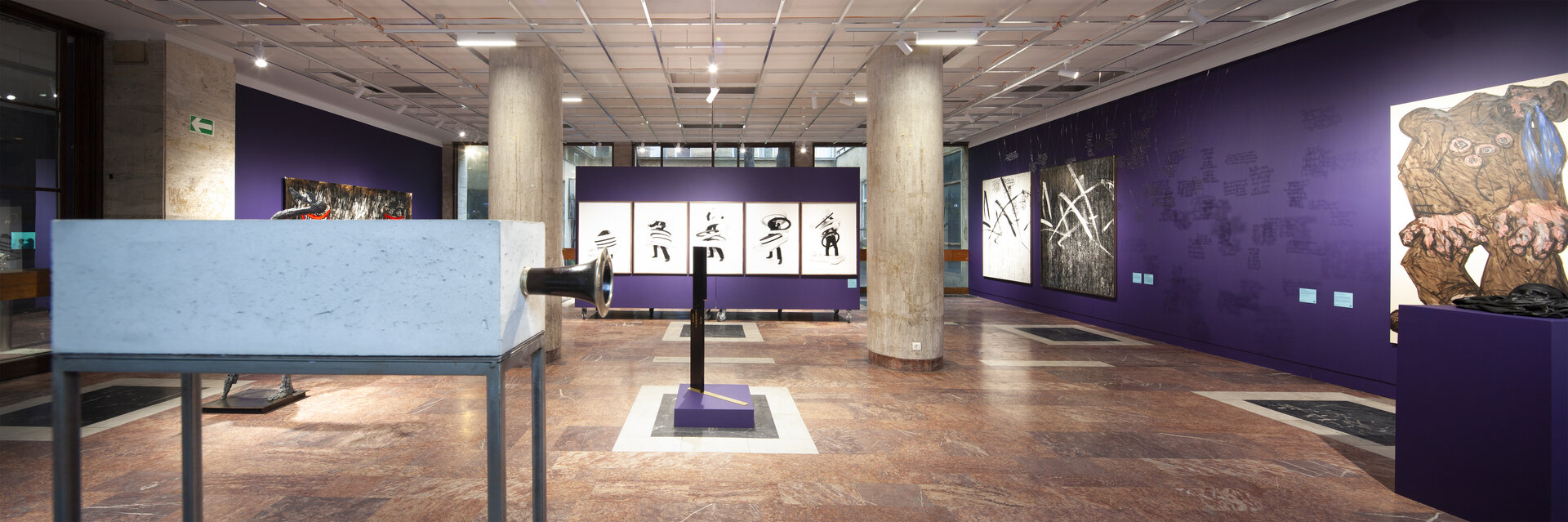
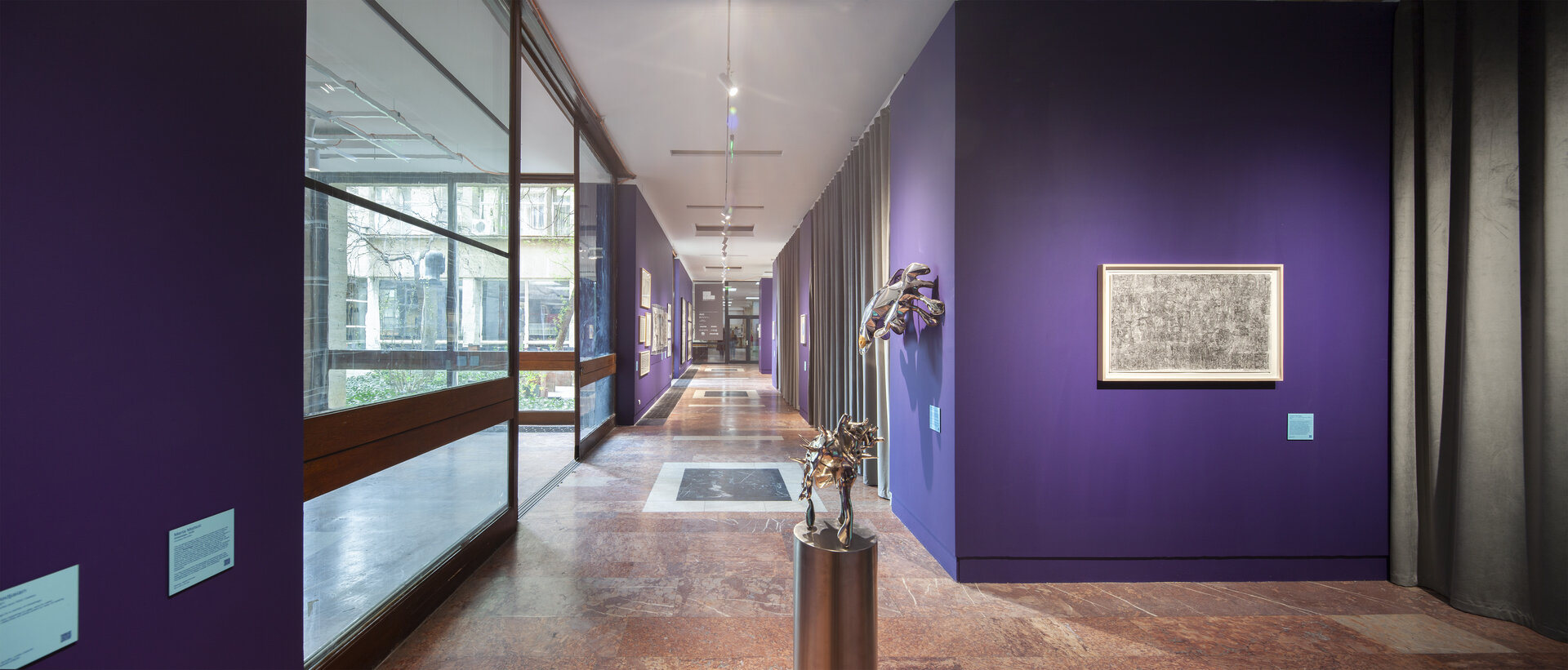
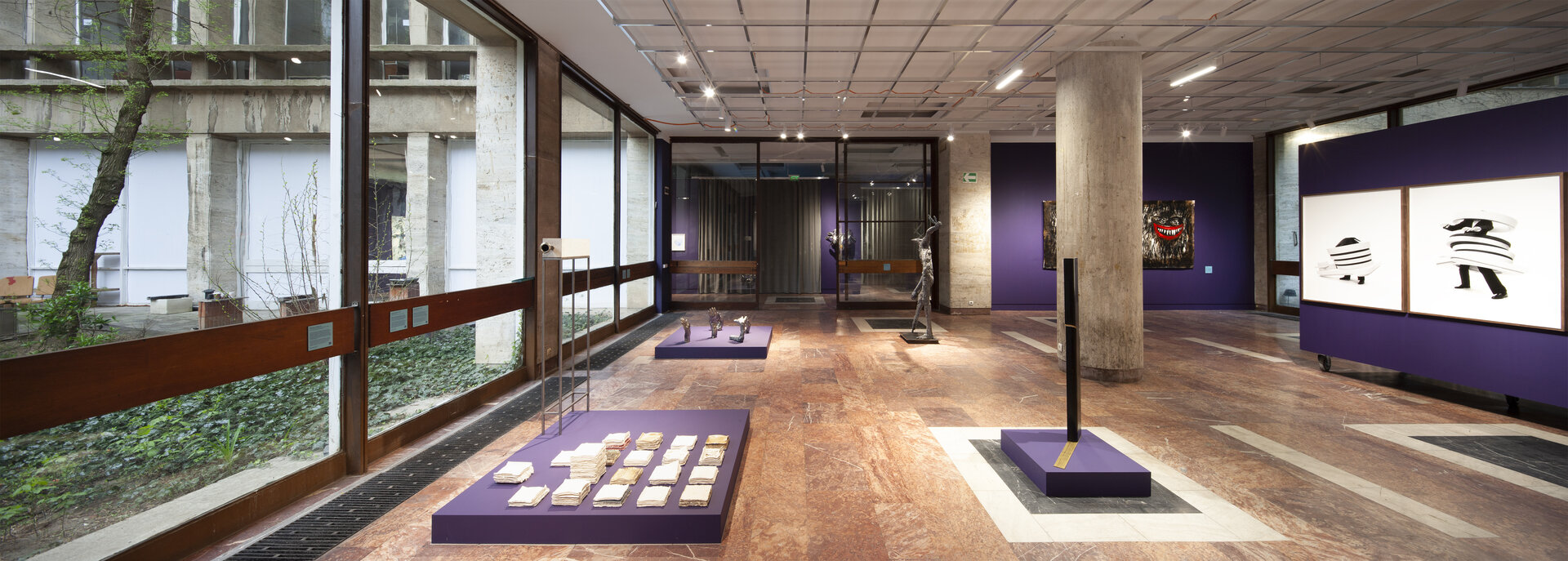
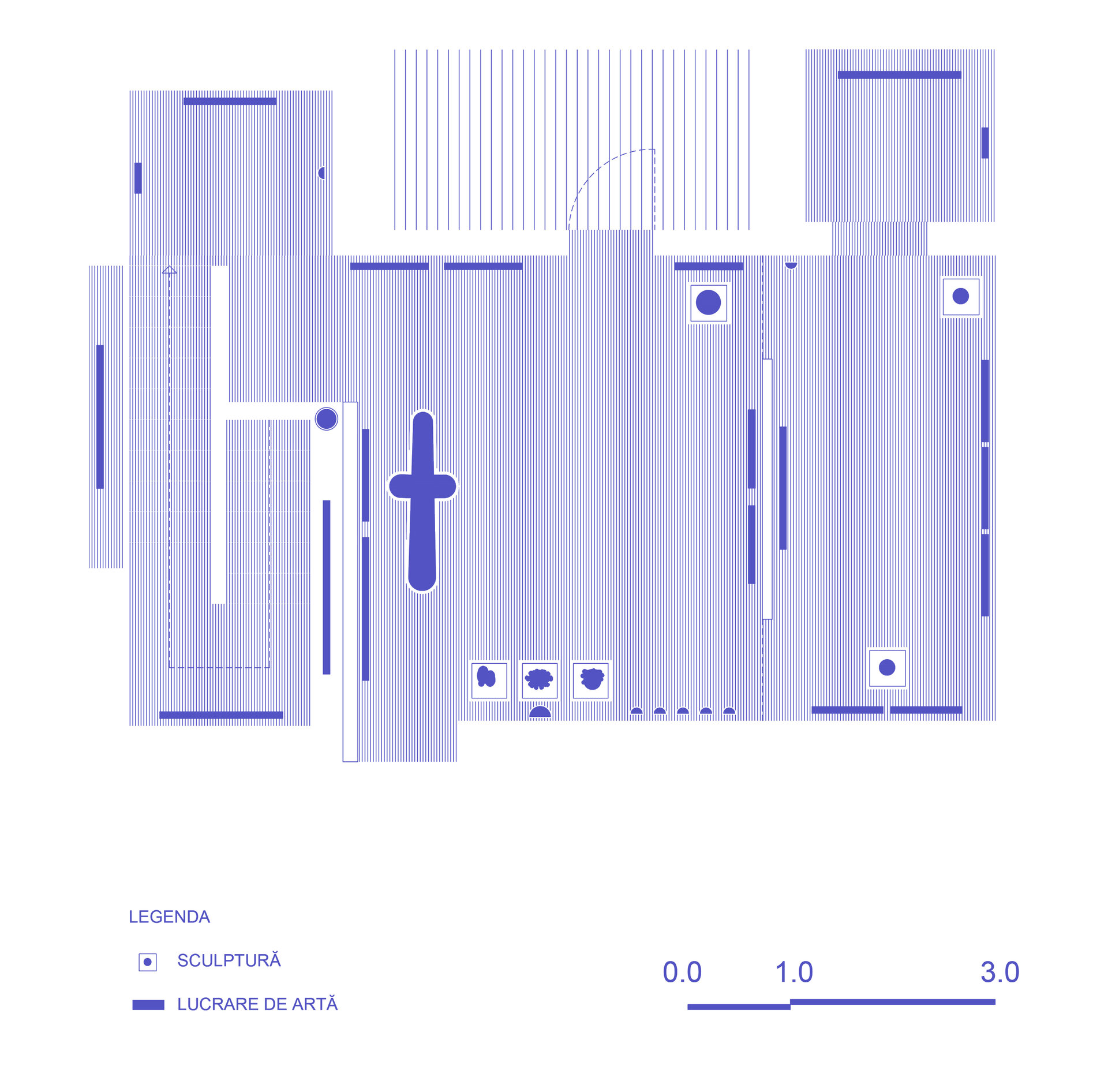
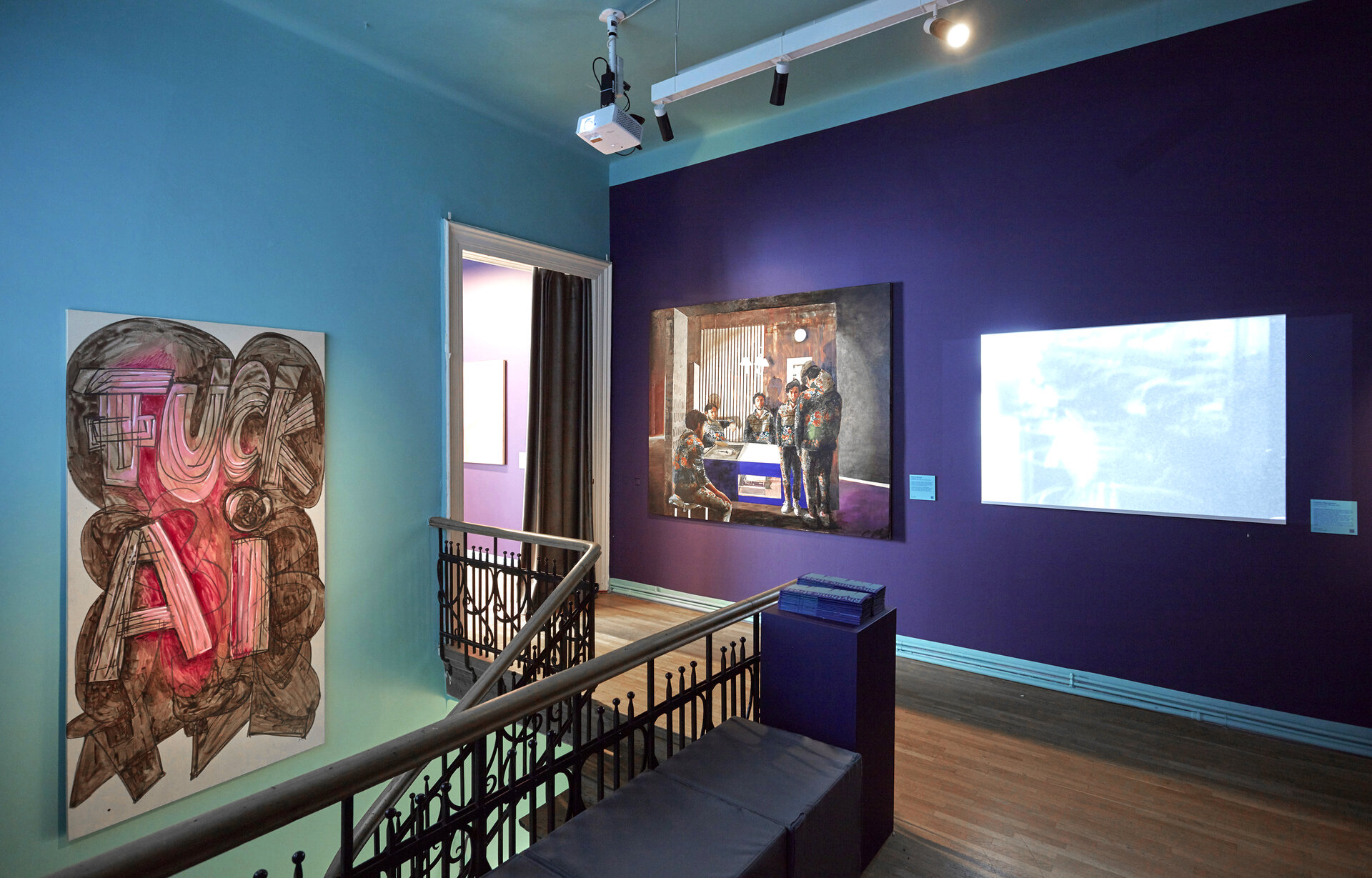
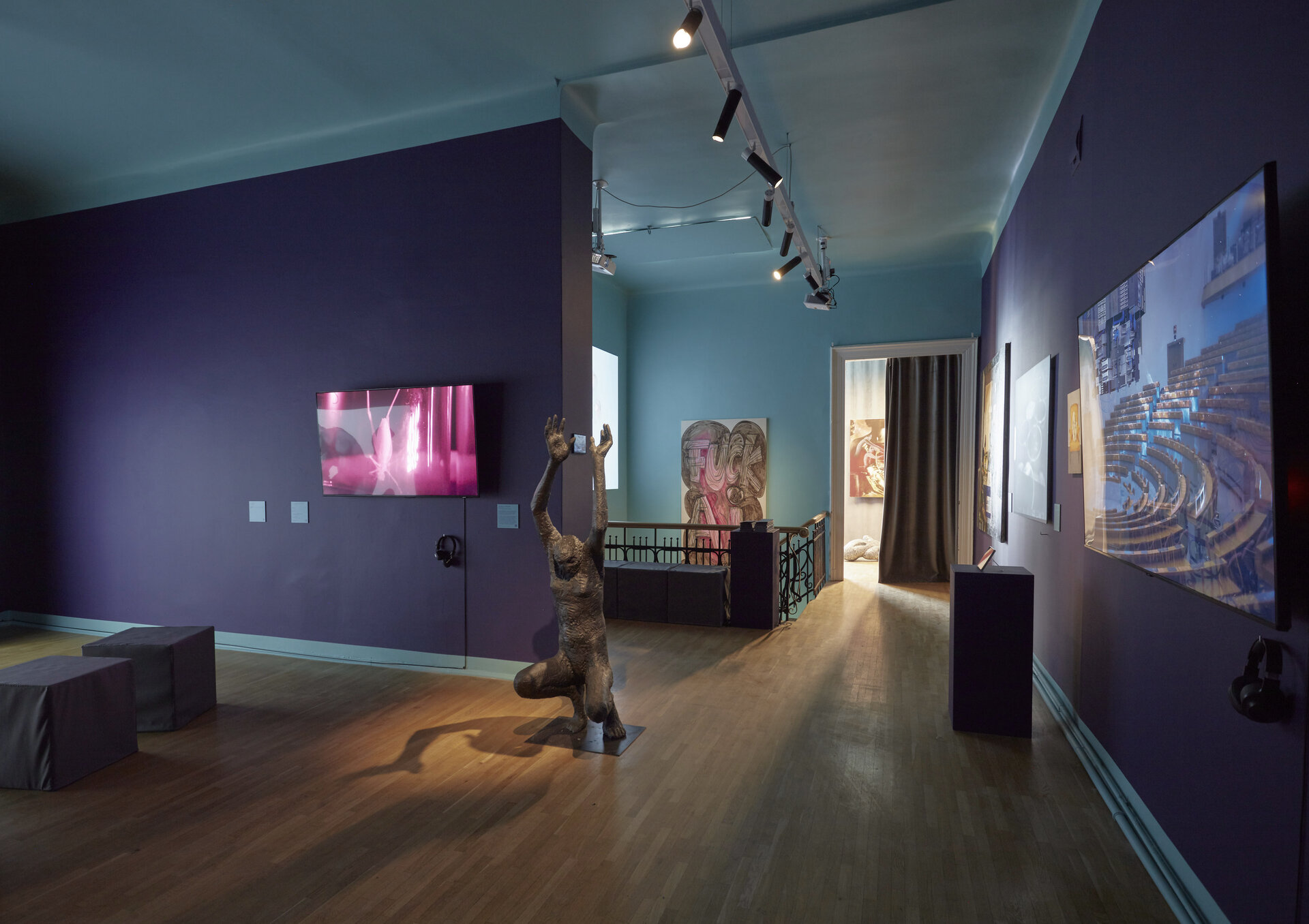
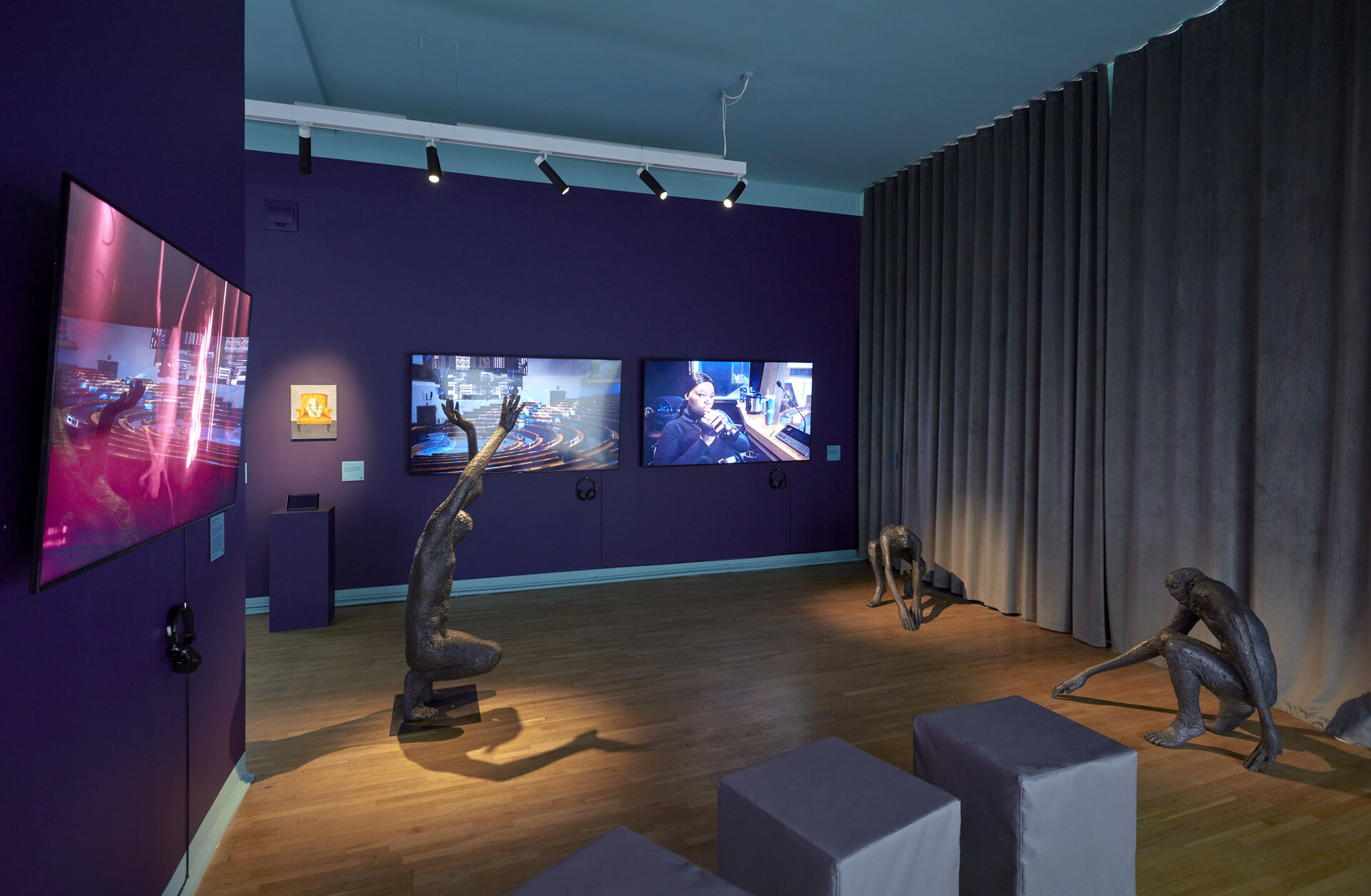
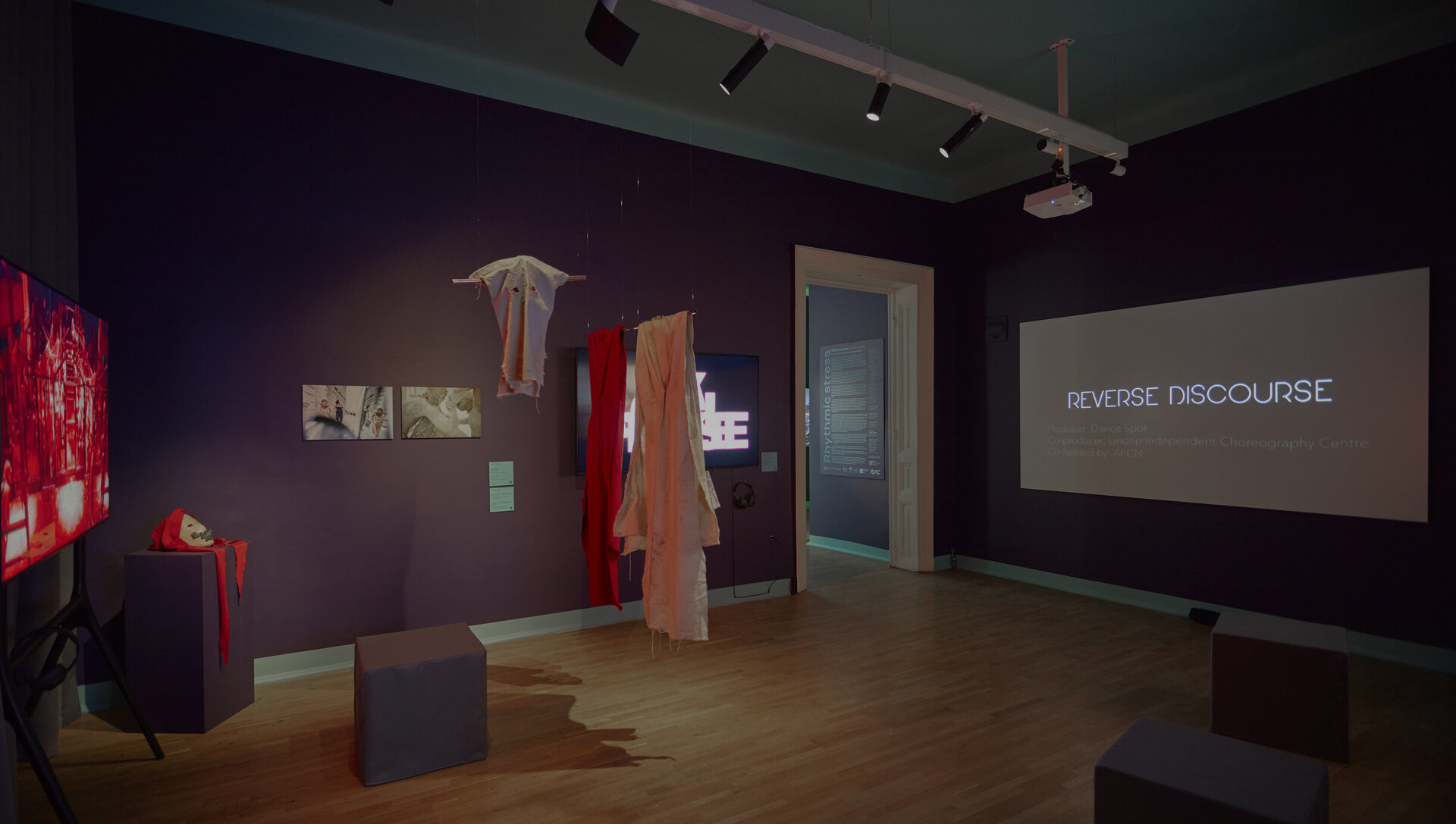
Rhythmic Stress was conceived as a distributed cultural activation rather than a single exhibition. The project unfolded simultaneously across three interconnected sites in Bucharest: /SAC Berthelot, MINCU Gallery, and the /SAC Booth at RAD Art Fair. Each explored the themes of rhythm, tension, movement, and embodied experience. Although each exhibition responded to its own architectural context, spatial constraints, all three shared a visual identity, exhibition language, and curatorial framework, operating as complementary nodes within a broader urban cultural ecosystem.
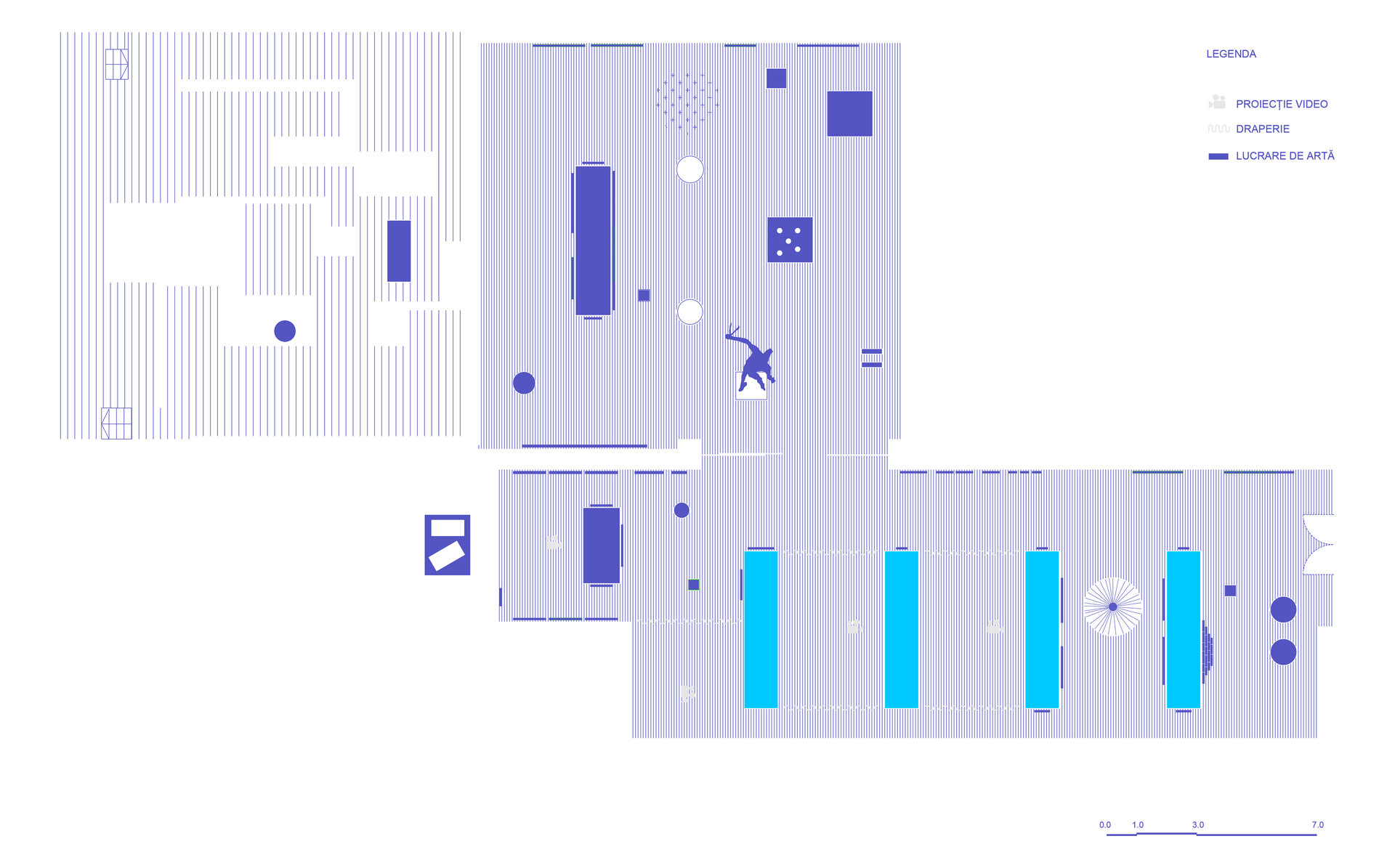
The project began with a question: how could movement, breathing, rhythm, and tension be translated into a visual language before becoming architecture? The answer emerged through the abstraction of the sound wave, which became the primary graphic metaphor, representing breath, movement, vibration, bodily rhythms, and fluctuating intensities of stress. Two abstract sound-wave diagrams formed the foundation of the visual system.
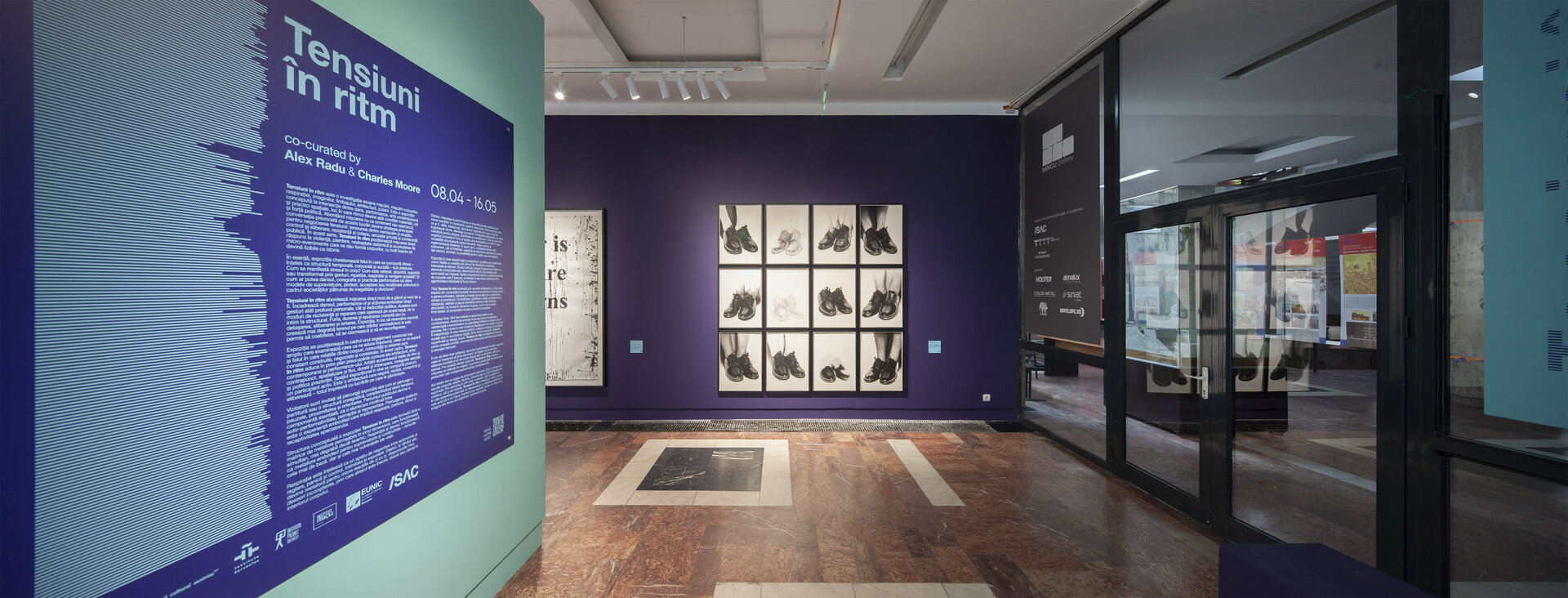
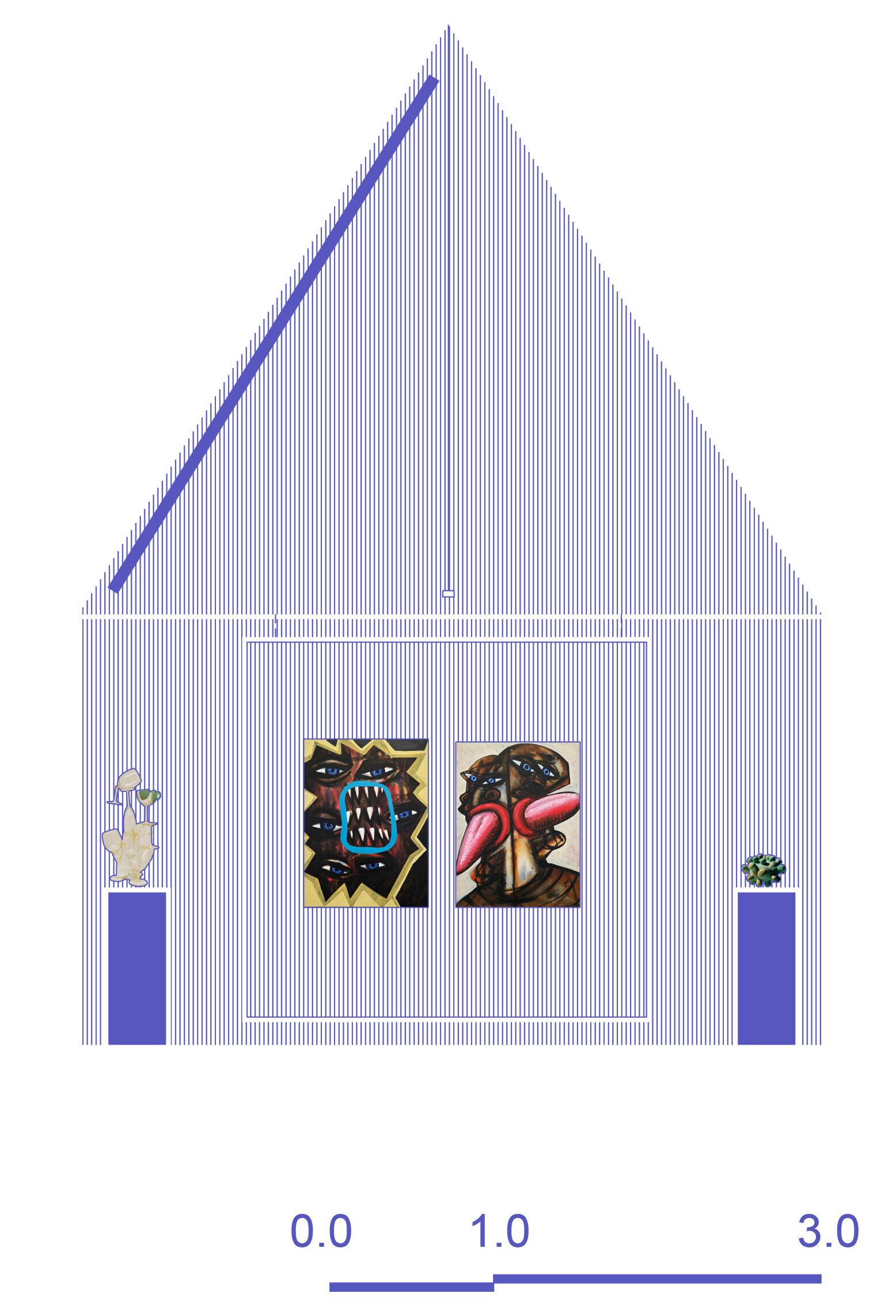
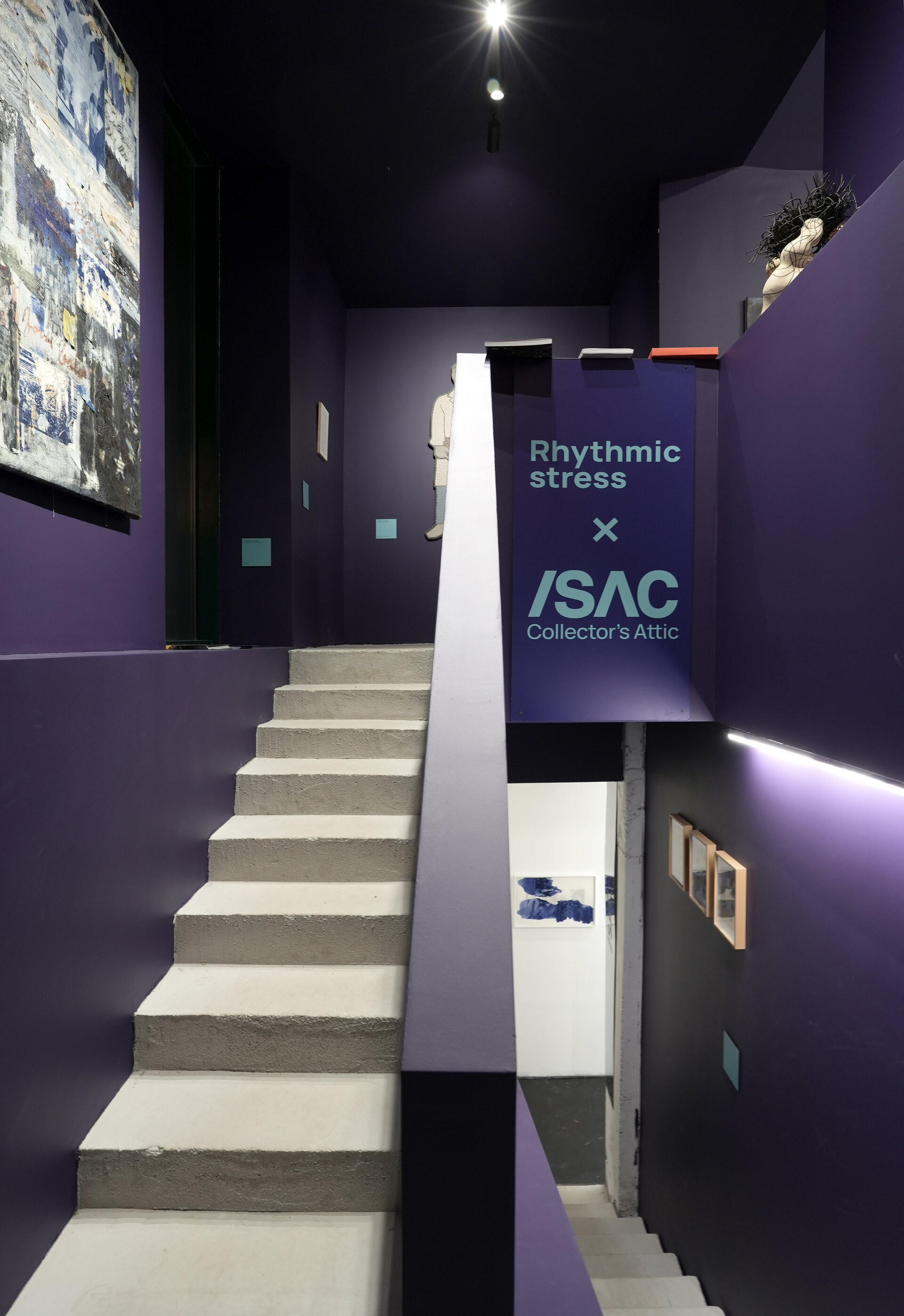
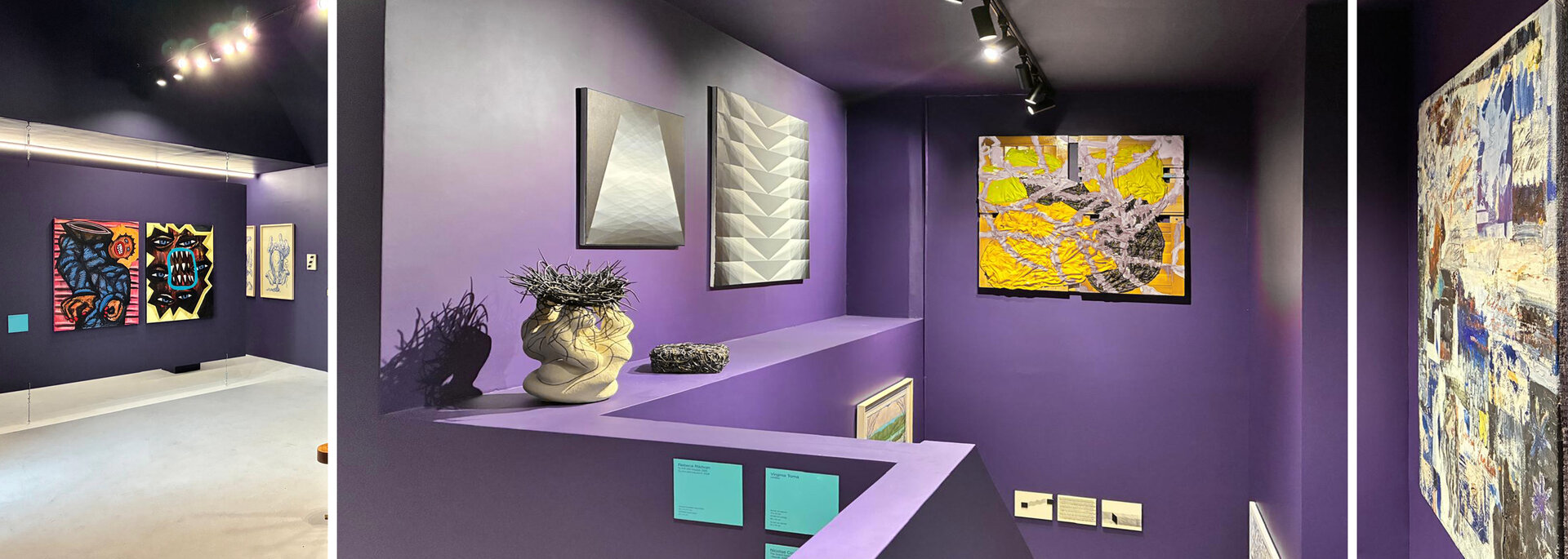
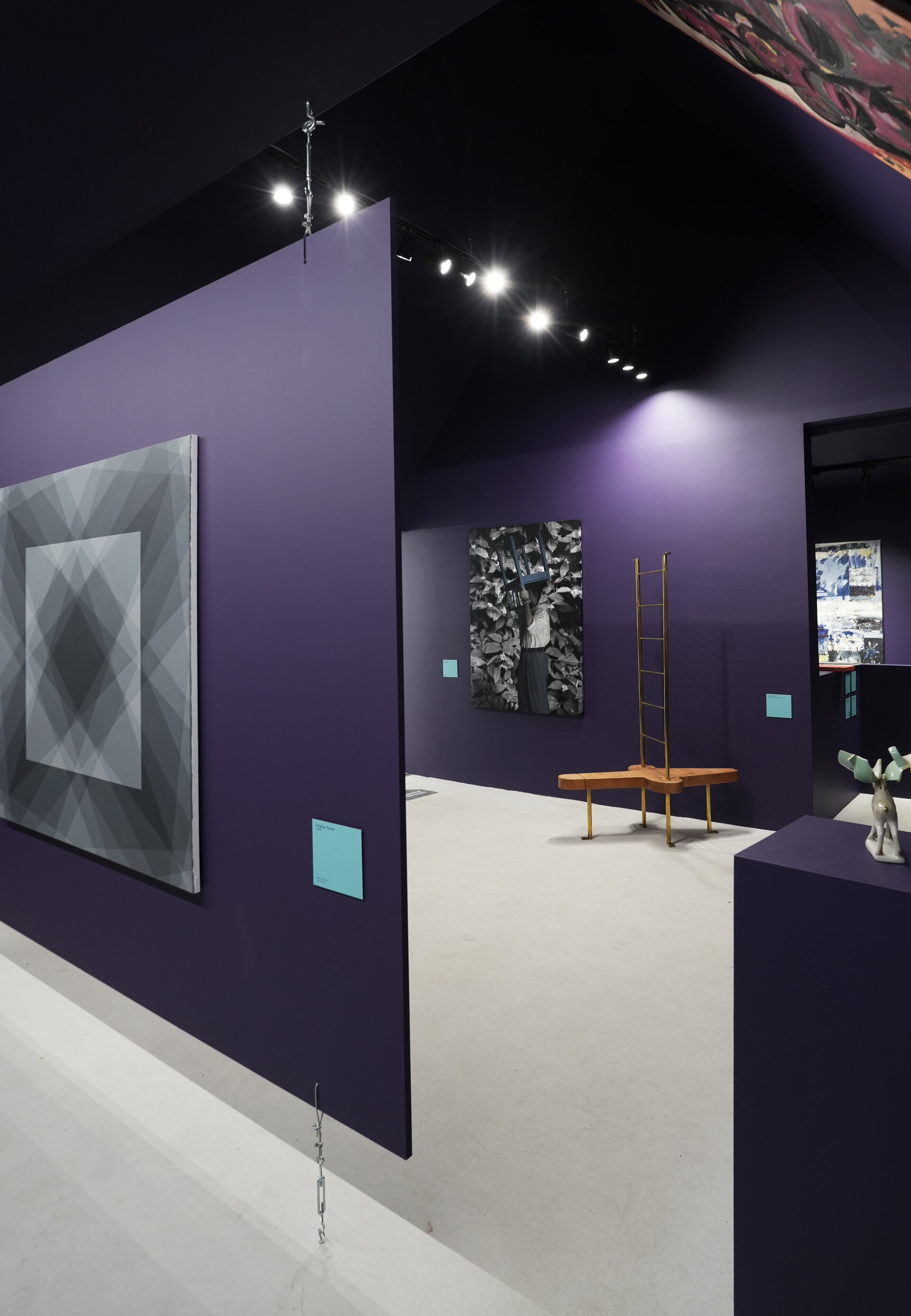
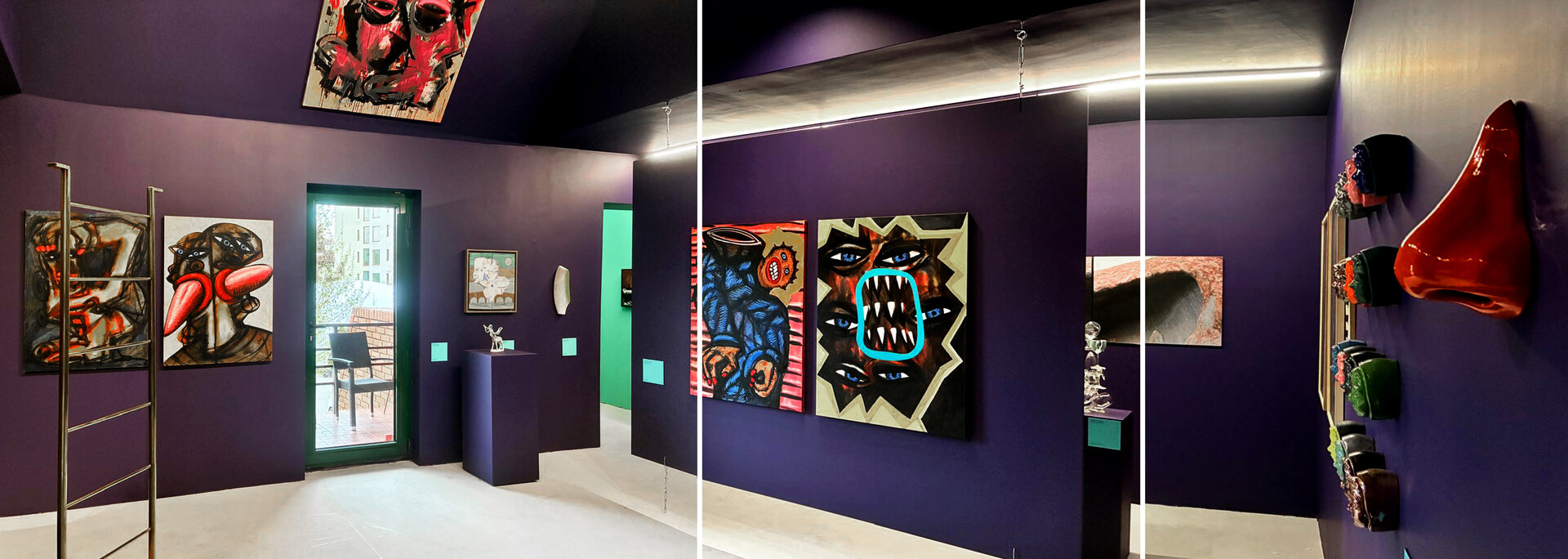
The graphic identity was built around two contrasting colours: indigo and turquoise. Their relationship was deliberately inverted between the two principal exhibitions. Rhythmic Stress used indigo as the dominant colour with turquoise accents, while Tensiuni în Ritm reversed the hierarchy. This created two complementary identities that remained recognizably part of the same project.
The graphic system expanded into a spatial language. The sound-wave diagrams informed posters, catalogues, maps, flyers, social media, labels, and signage, while the colour palette extended into the architectural environment through wall colours, wayfinding elements, and artist tags. The visual identity functioned as the conceptual framework guiding the design process.
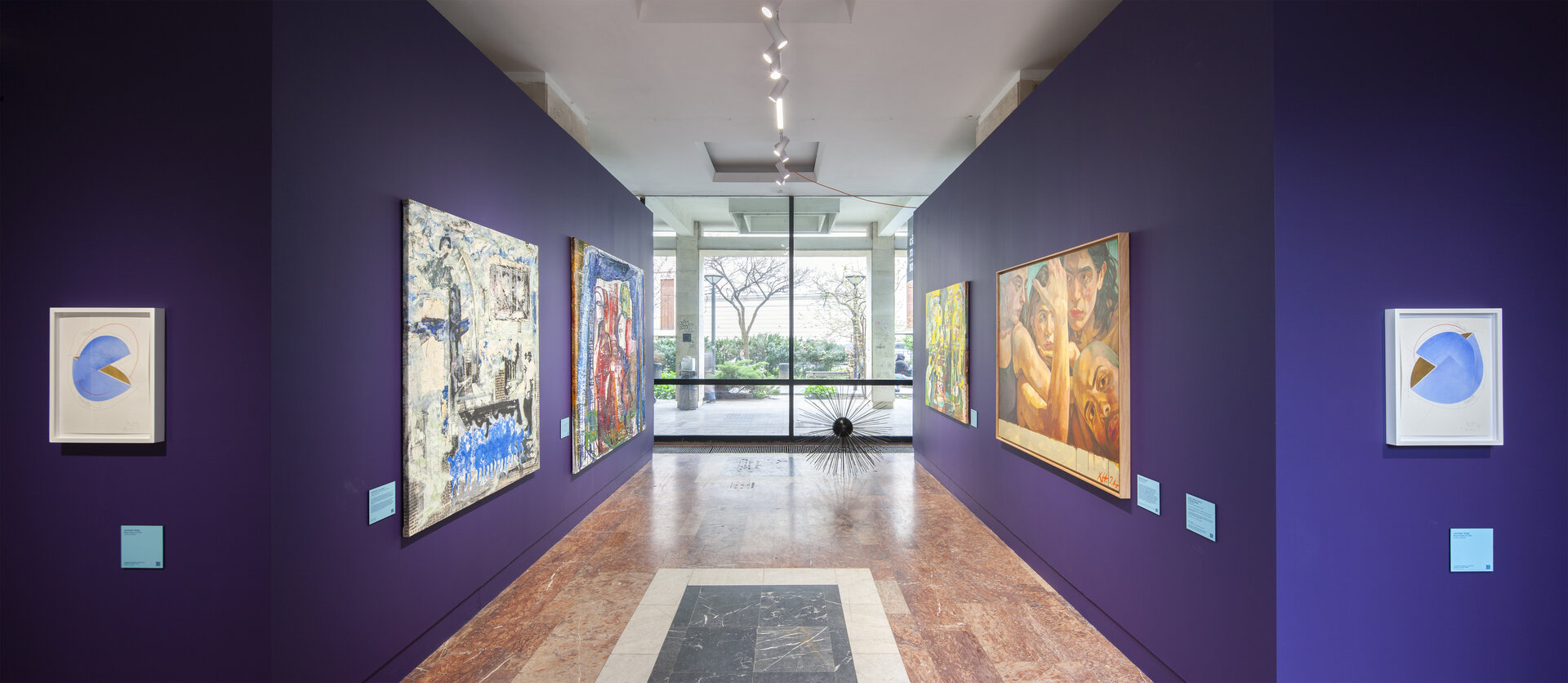
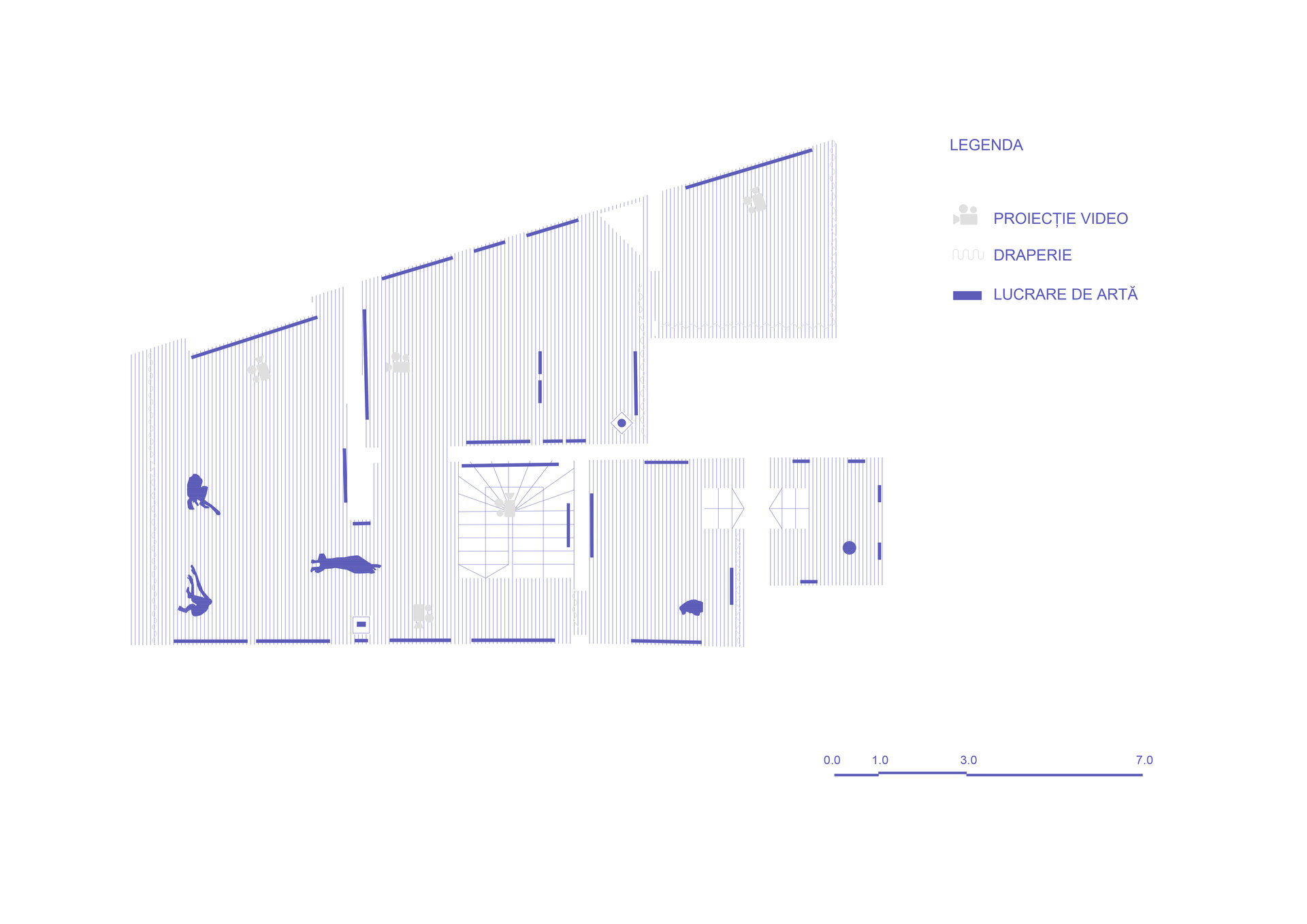
The exhibition design translated breathing, rhythm, movement, and tension into spatial experience. The exhibitions were conceived as choreographies between artworks, visitors, light, and architecture. Works were positioned to create tension through juxtaposition, visual opposition, diagonal relationships, framed perspectives, and alternating conditions of compression and release. Changing viewing distances and sightlines transformed movement through the exhibitions into a temporal experience, in which pauses, accelerations, and changes of tempo structured perception. Spatial rhythm emerged from the artworks, the sequence of rooms, the modulation of light, and the bodily movement of the visitor.
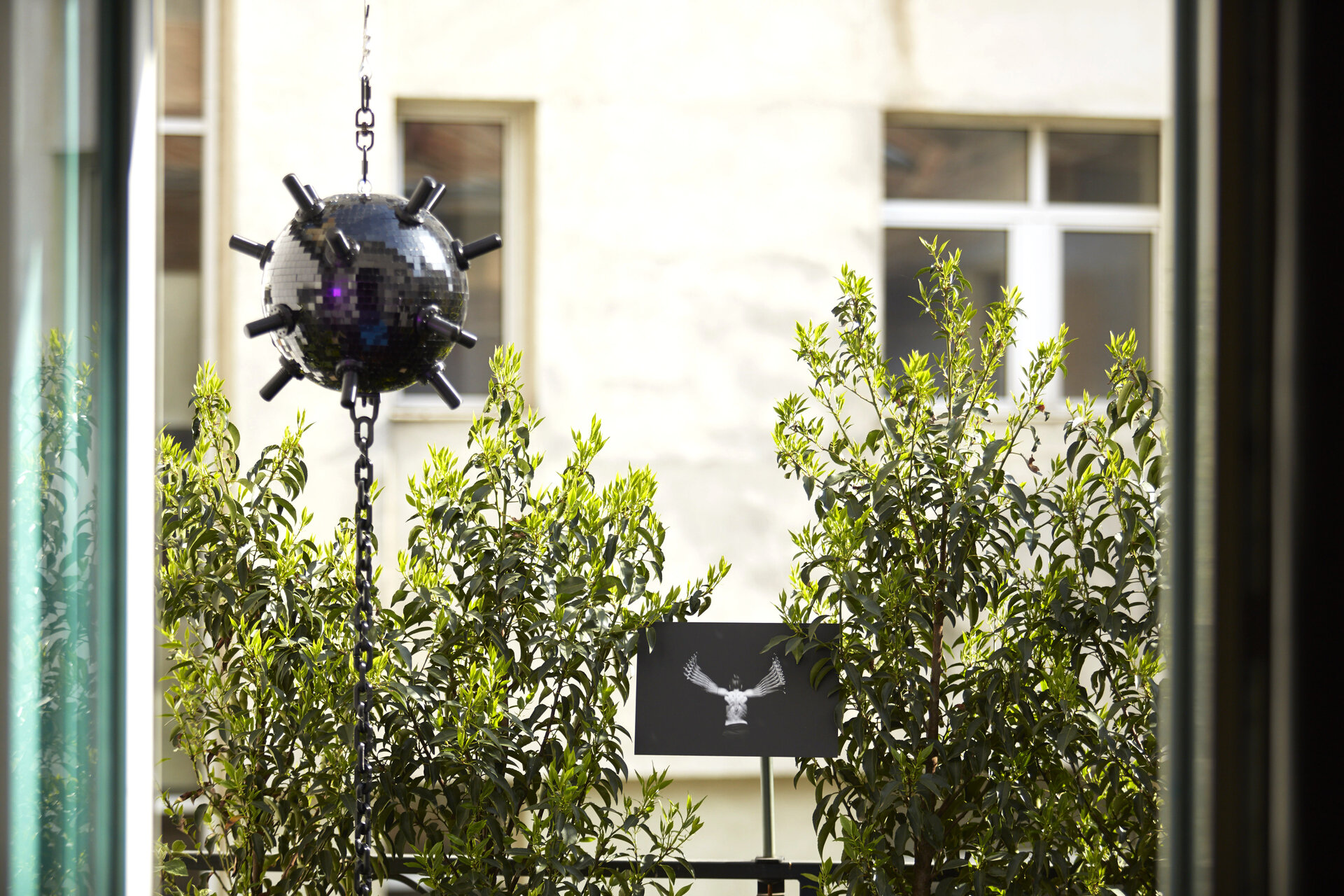
Exhibition and Scenography Design

- Transilvania | Extravaganza
- A World in a Negative
- Why “We Should All Be Feminists”
- The Bucharest That Never Was
- The Infinite Dinner
- Pop-up Gallery at Point - two exhibitions
- Wet Snow
- Architecture of experience: Nijinski · Agony and Ecstasy
- Sides of interconnected learning
- BDF Professional / International Design / UAUIM
- Radical Domesticity
- Cella/kamera
- OFFSIDE / Plans, goals, points
- Rhythmic Stress
- BDF Young
- Highberg Pavilion
- “Lights and Shadows” Temporary Exhibition
- Show me the way
- “Balnea Daciae” Temporary Exhibition at Pompeii


