- Nomination for the “Interior Space Architecture / HoReCa Design” section
Uzina de Pizza
Authors’ Comment
"Uzina de Pizza" is more than just a catchy, industrial-sounding name — it’s an architectural statement of intent. In a city where hospitality venues often chase short-lived trends, this project proposes a shift back to fundamentals: fire, raw materials, and spatial openness.
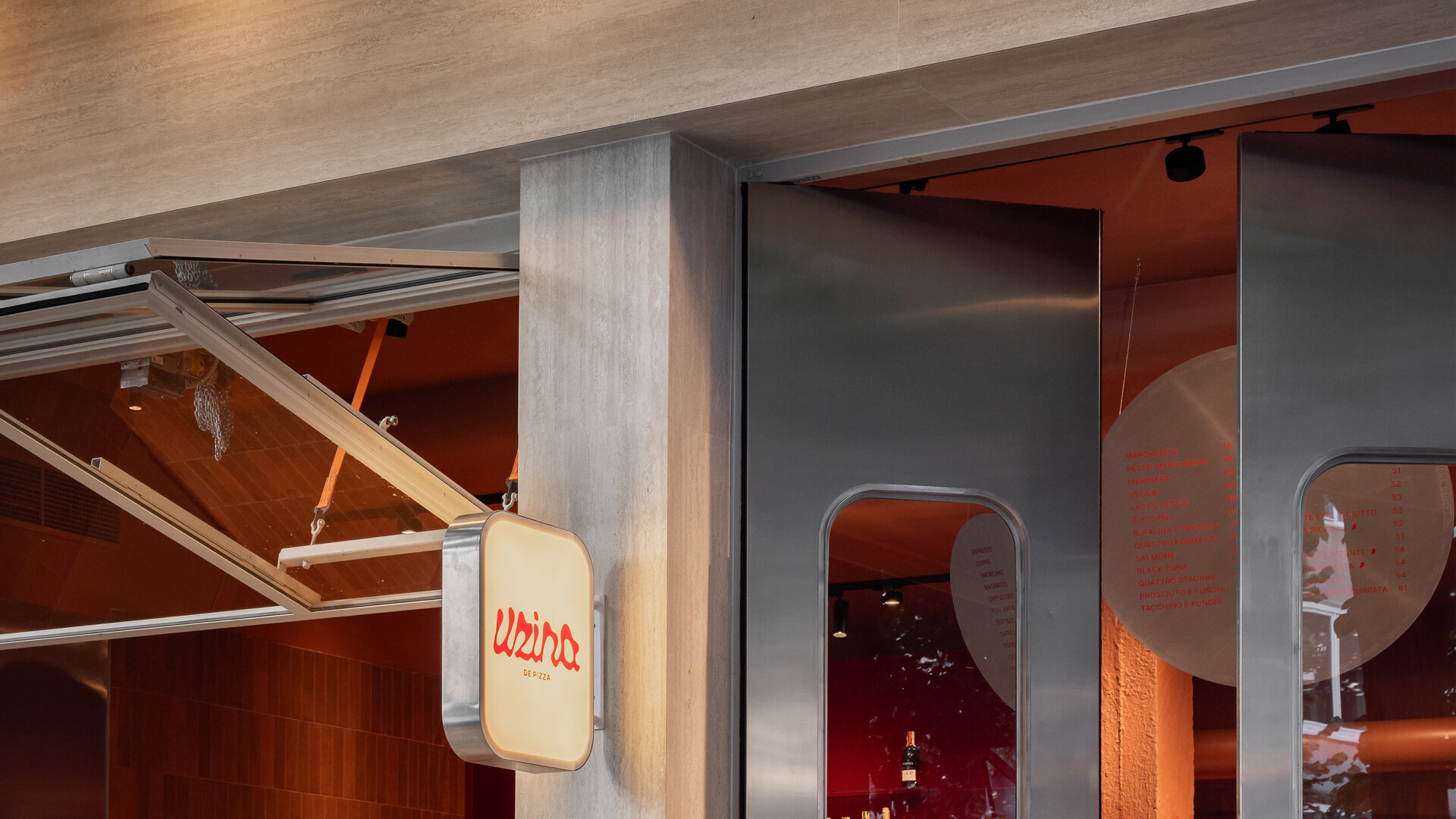
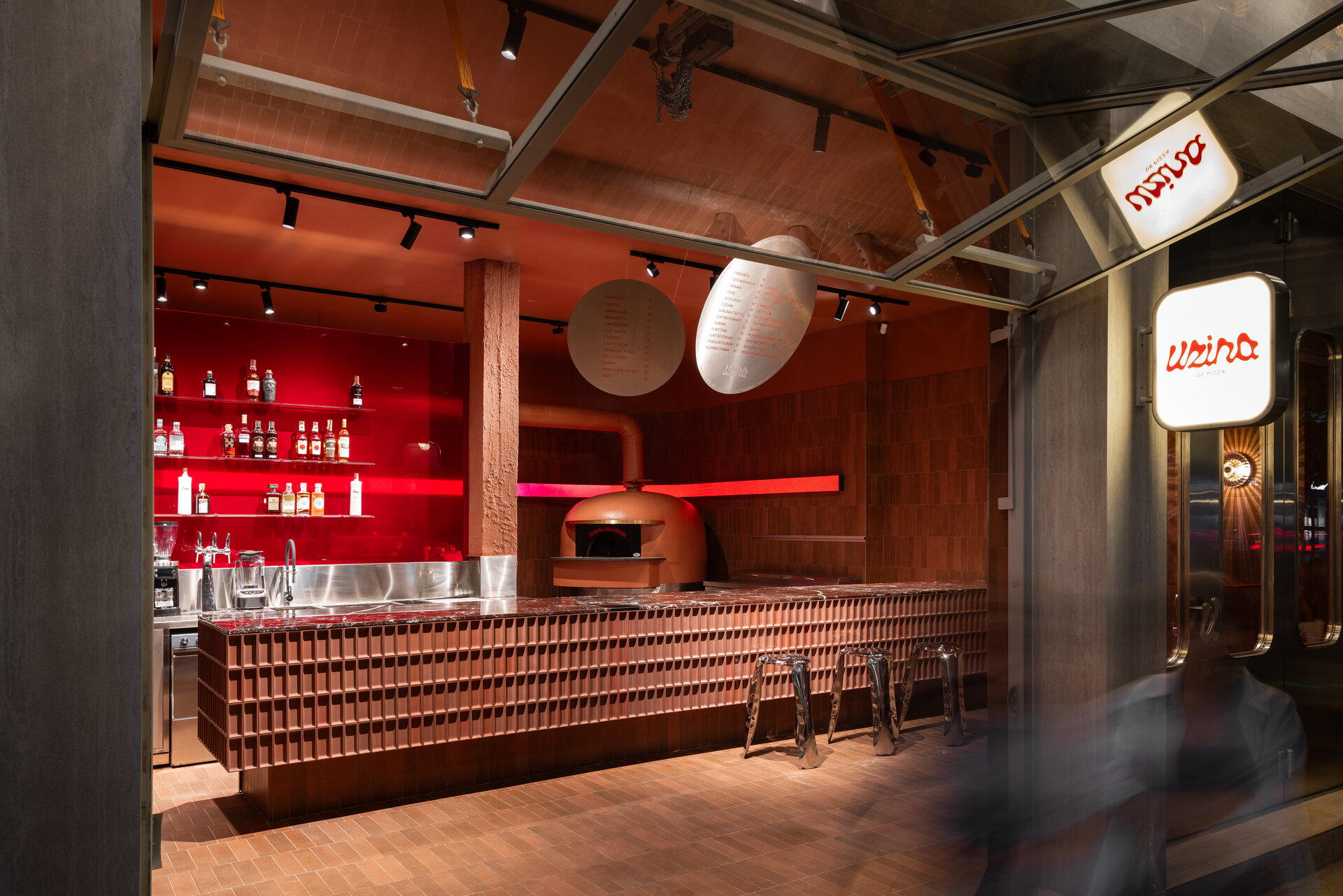
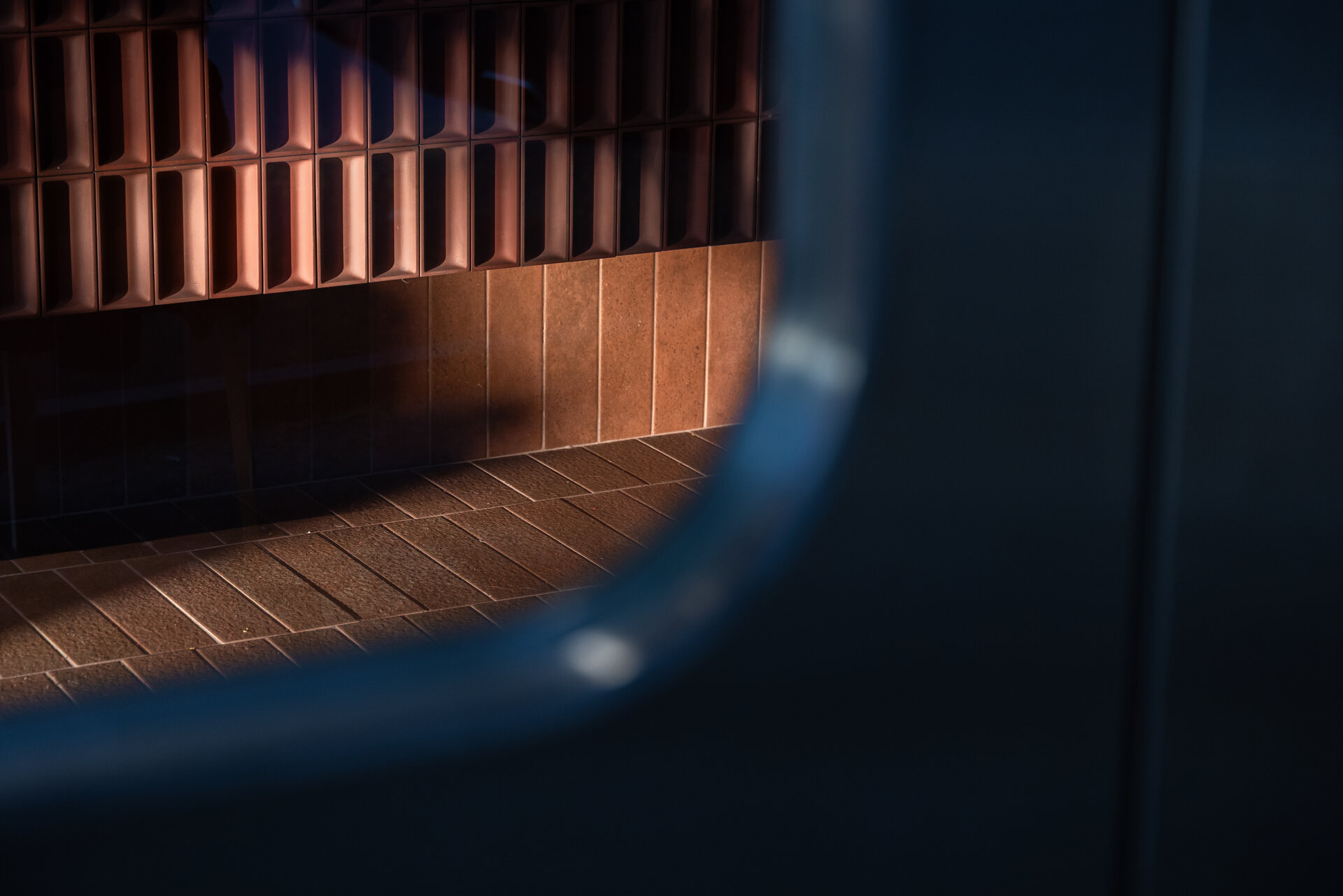
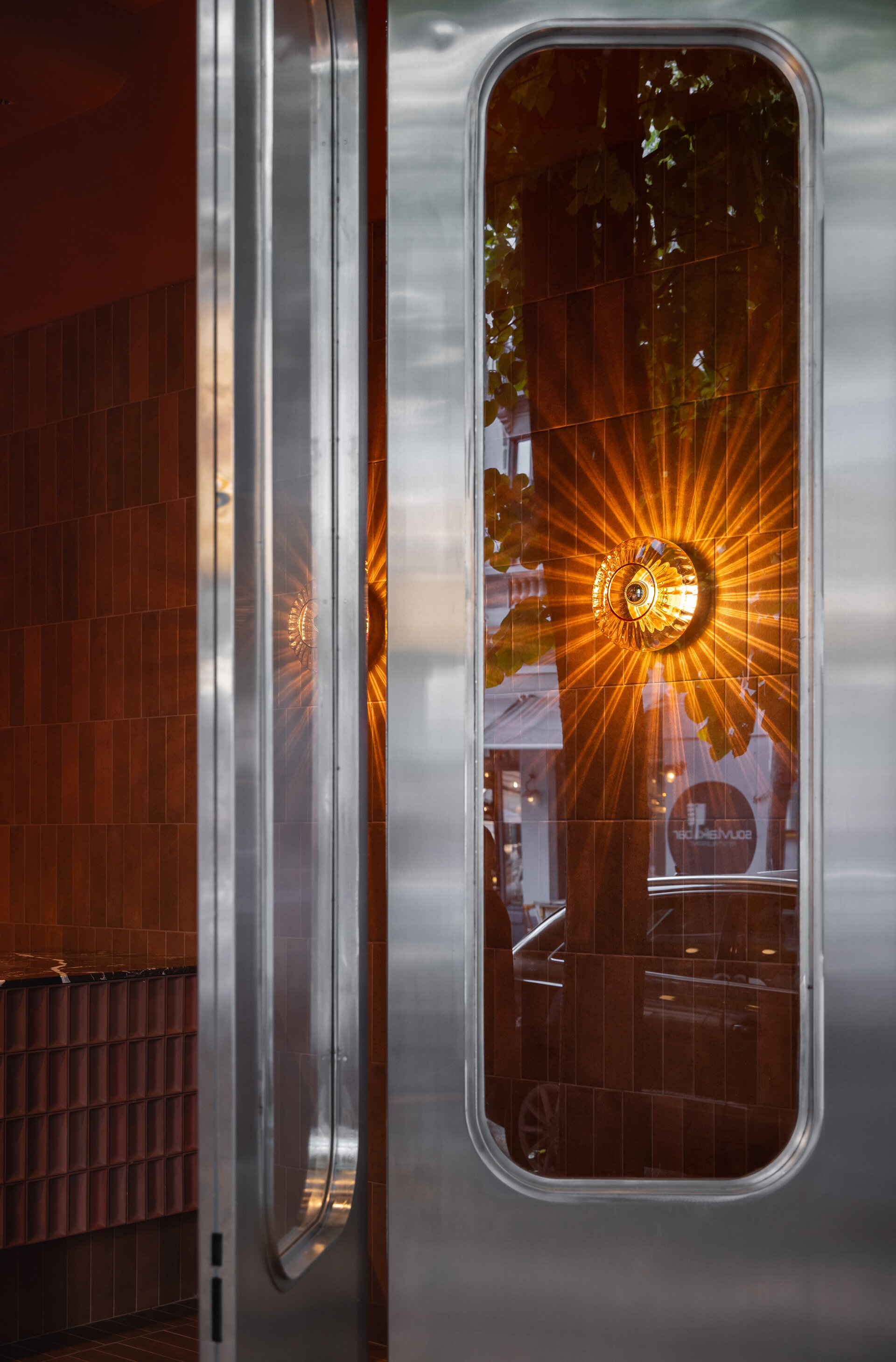
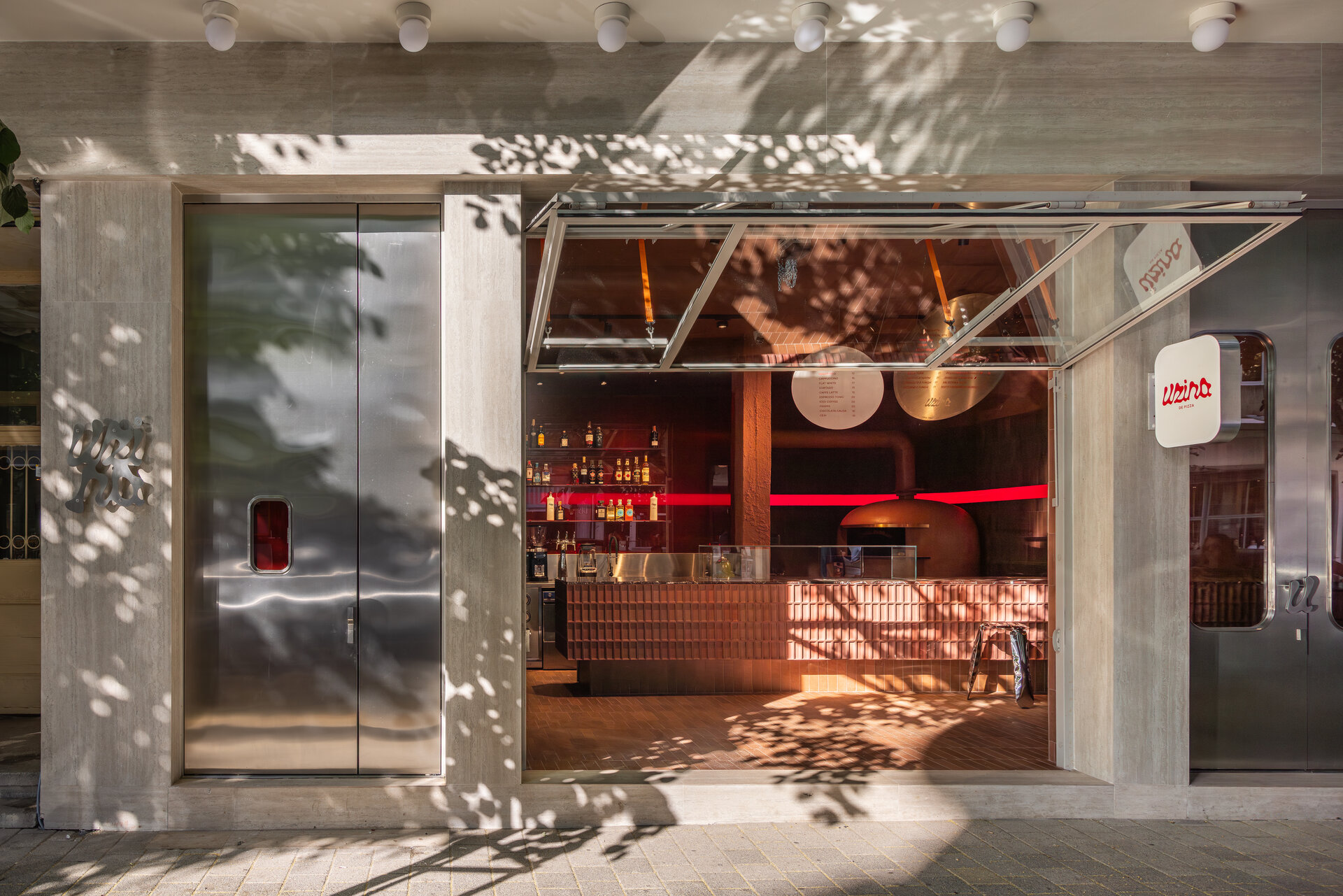
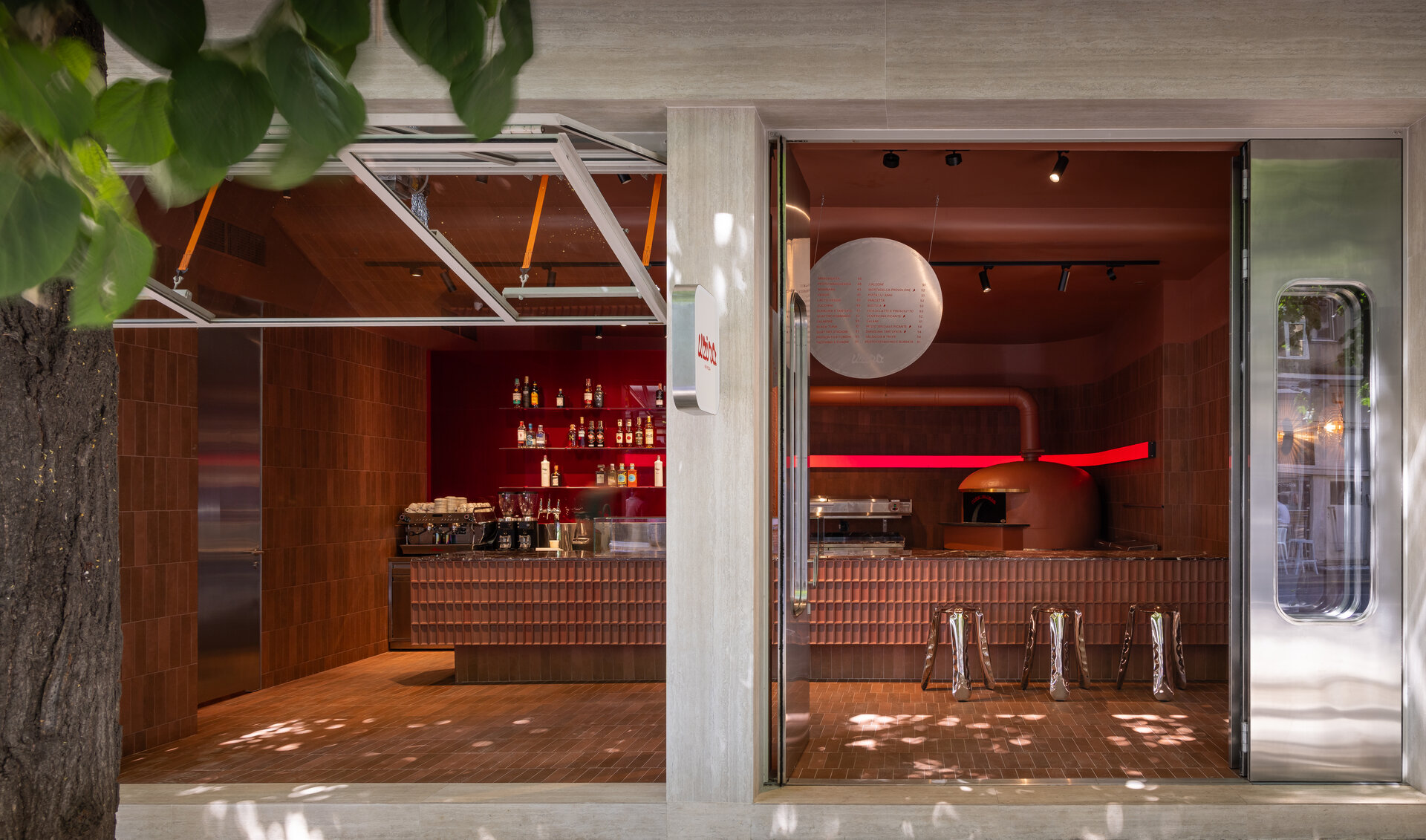
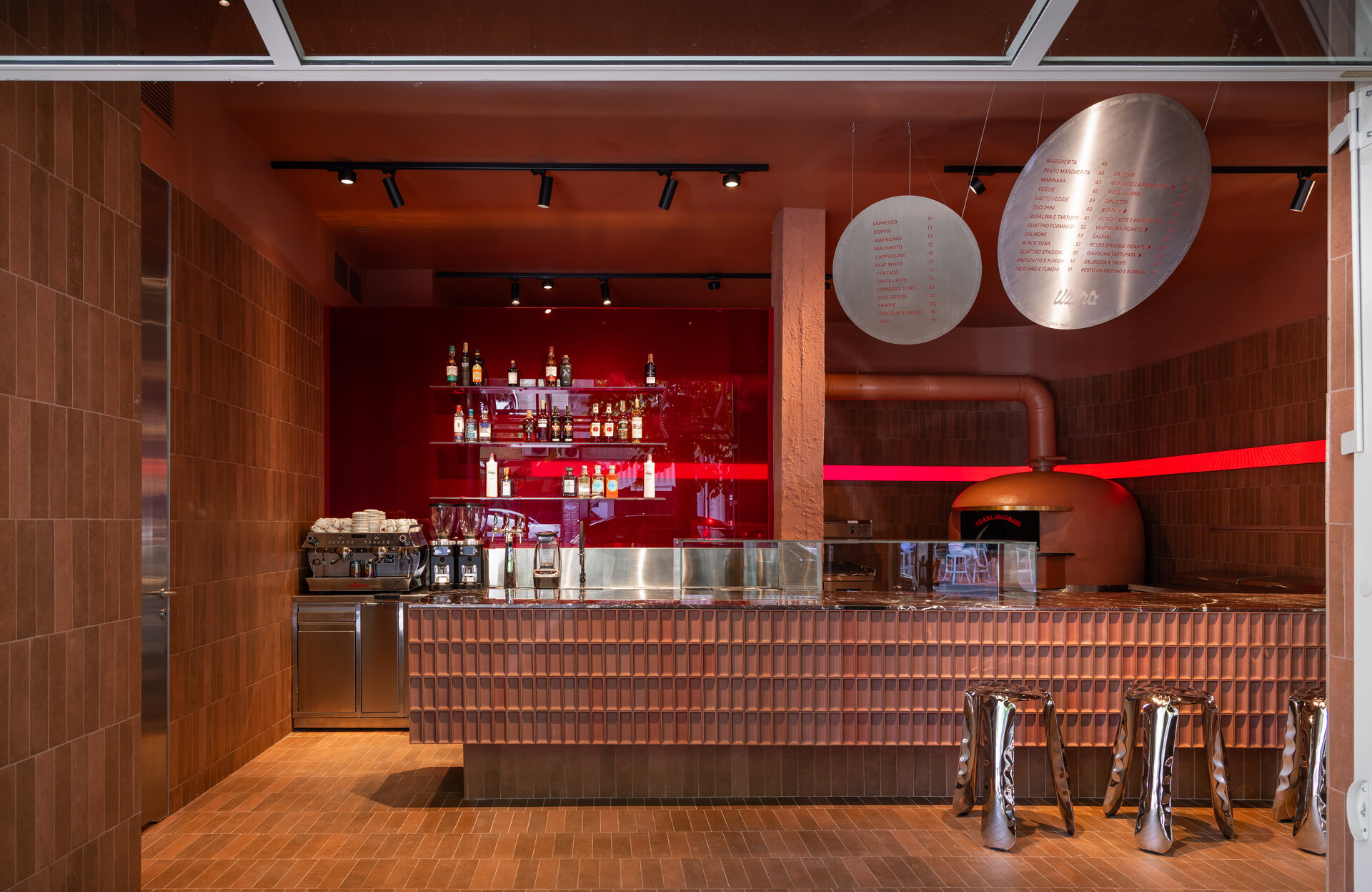
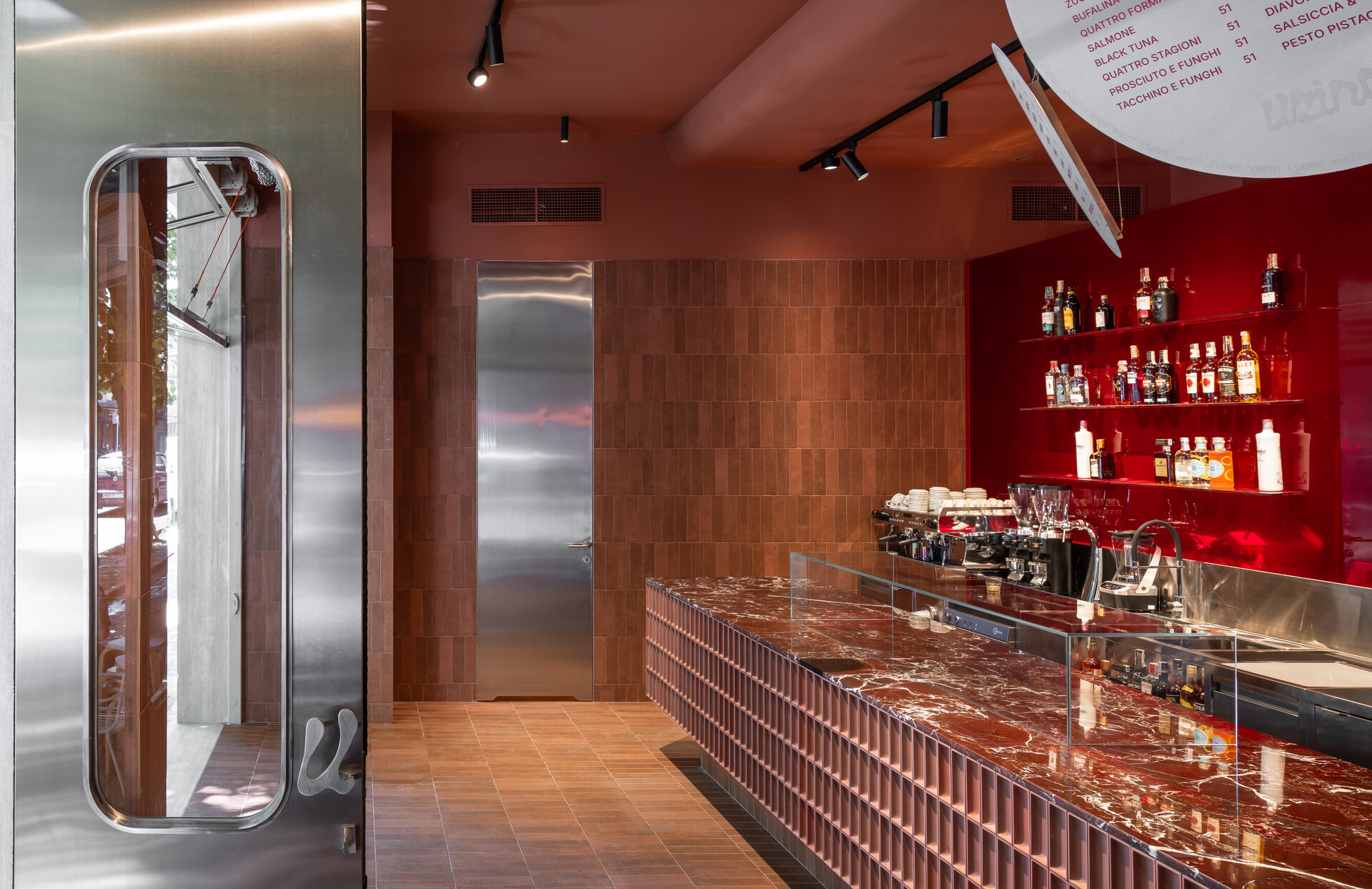
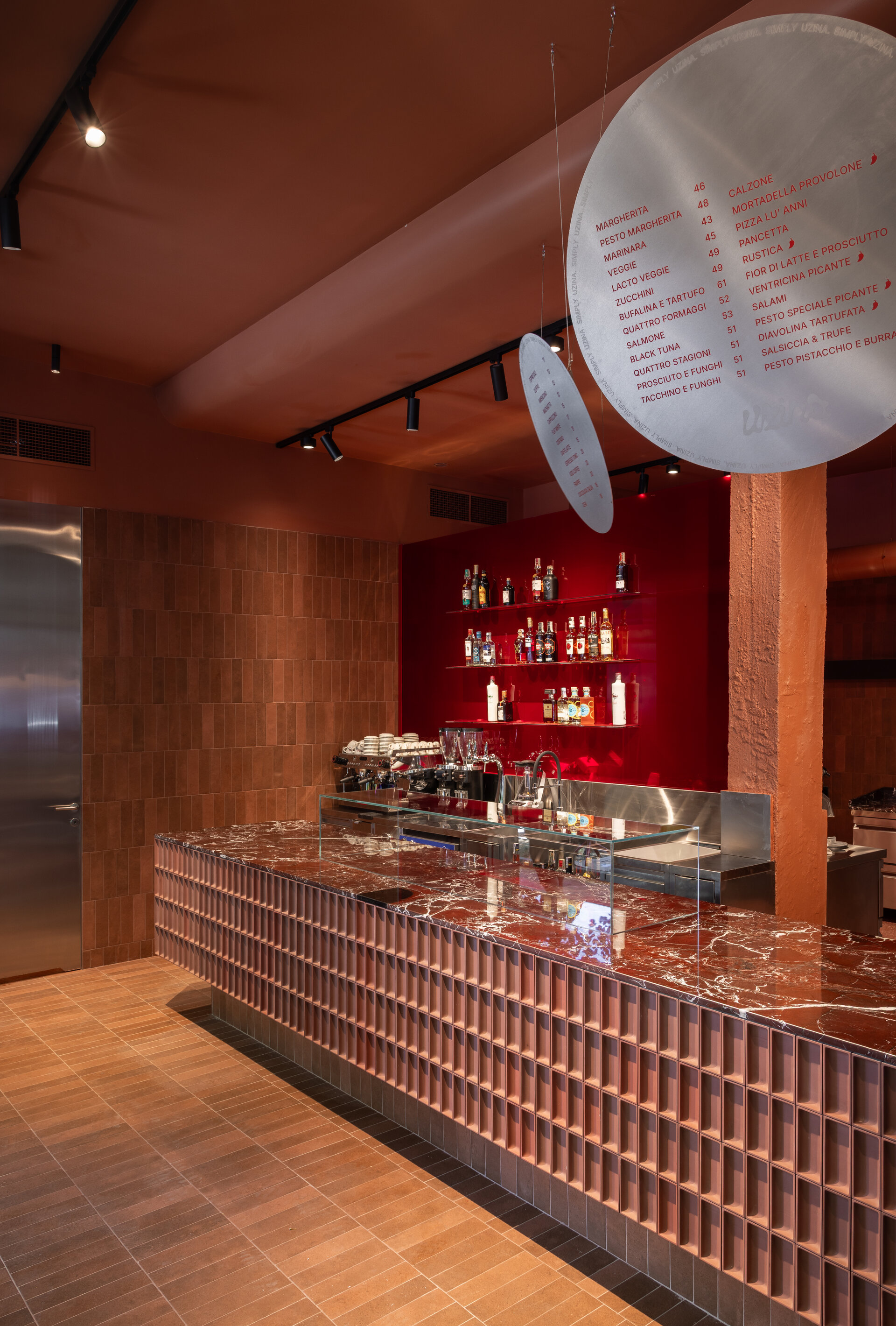
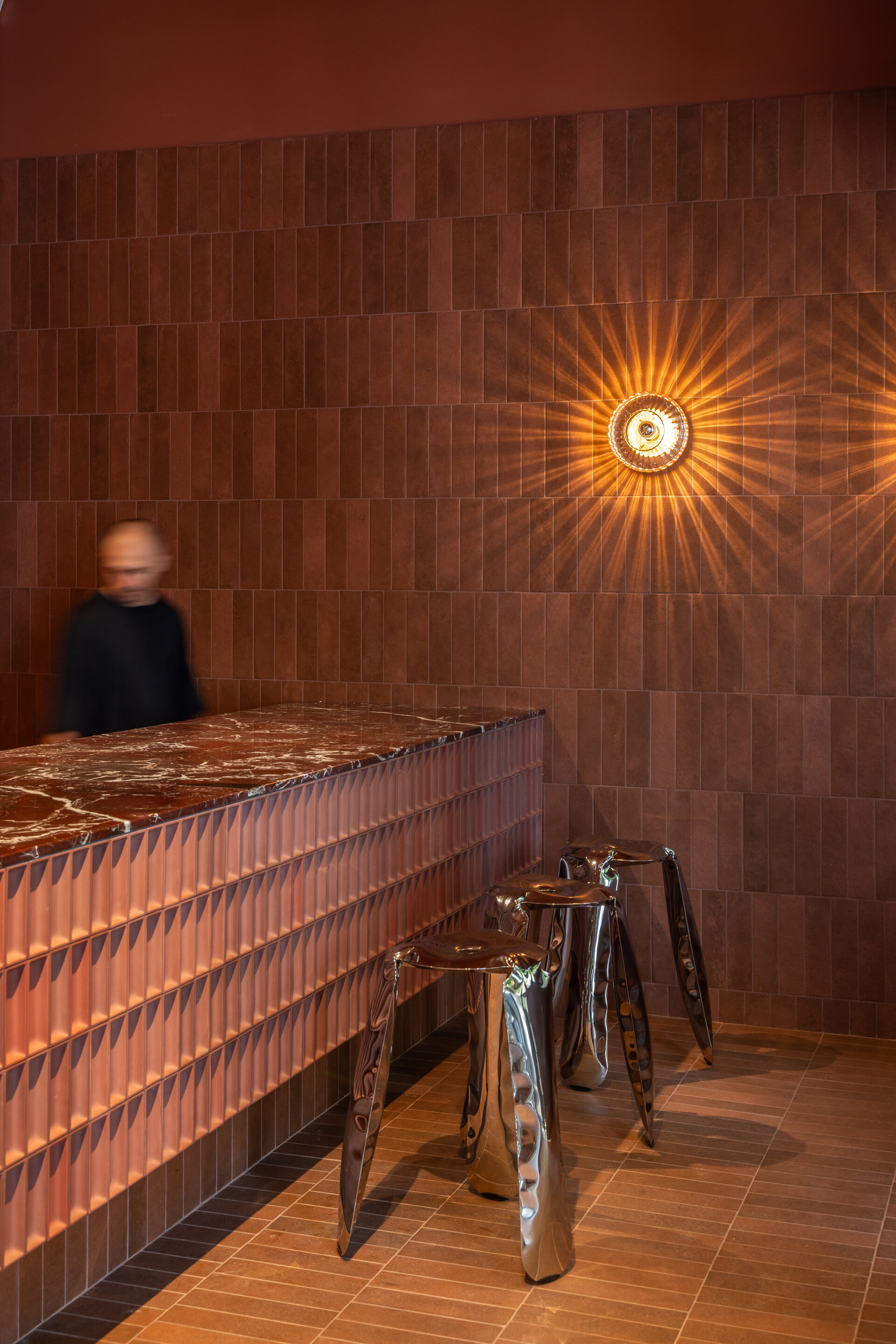
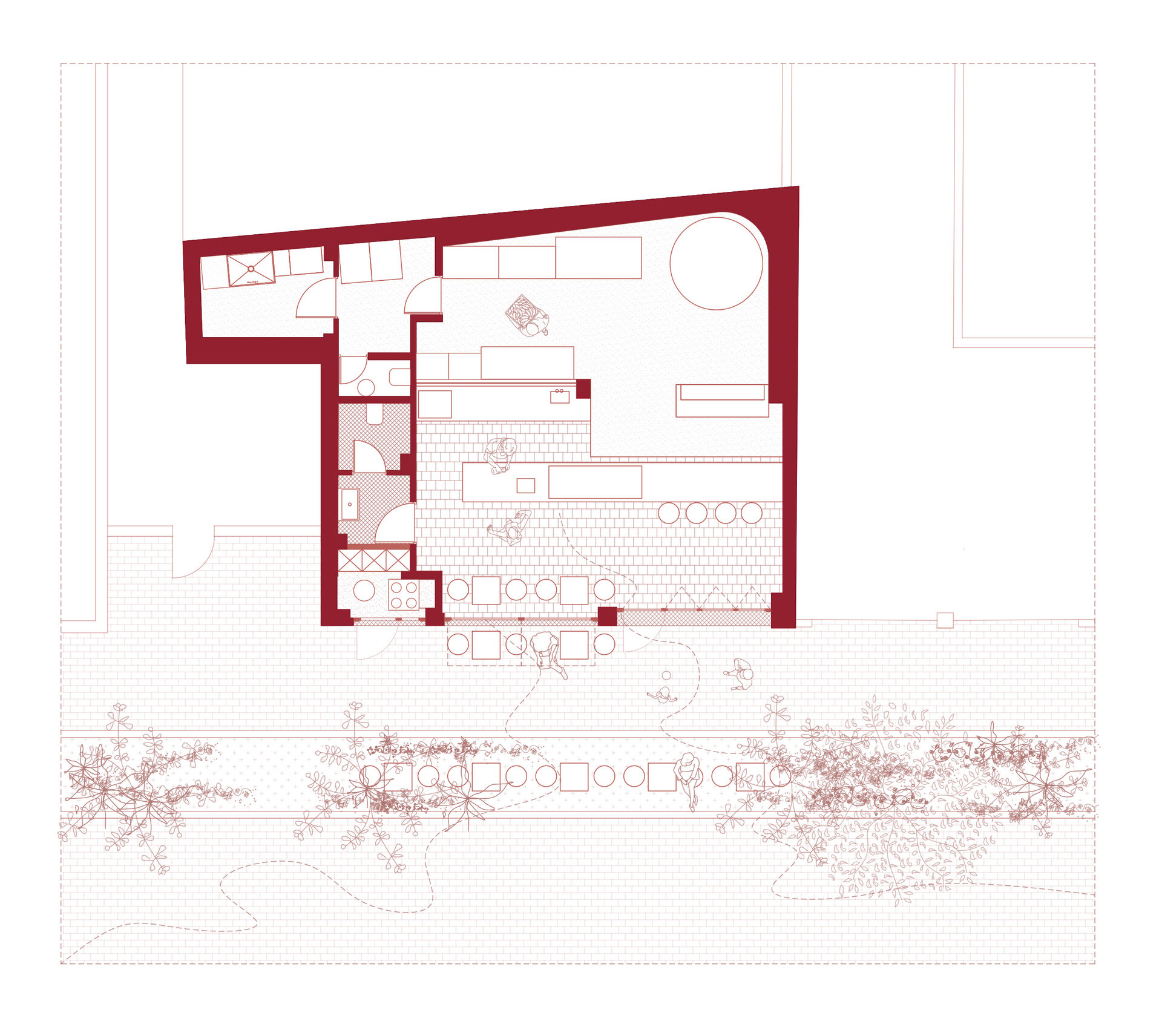
At the core of the design lies the oven — not only as a functional centerpiece but as the symbolic heart of the space. Rather than hiding it, the oven is proudly exposed and placed at the center like a glowing installation, anchoring both the workflow and the visual identity of the interior. Around this nucleus, the architectural concept takes shape as a careful balance of contrasting materials: the warmth and tactility of terracotta meet the clean precision of stainless steel, while rough natural stone is set against the smooth clarity of glass.
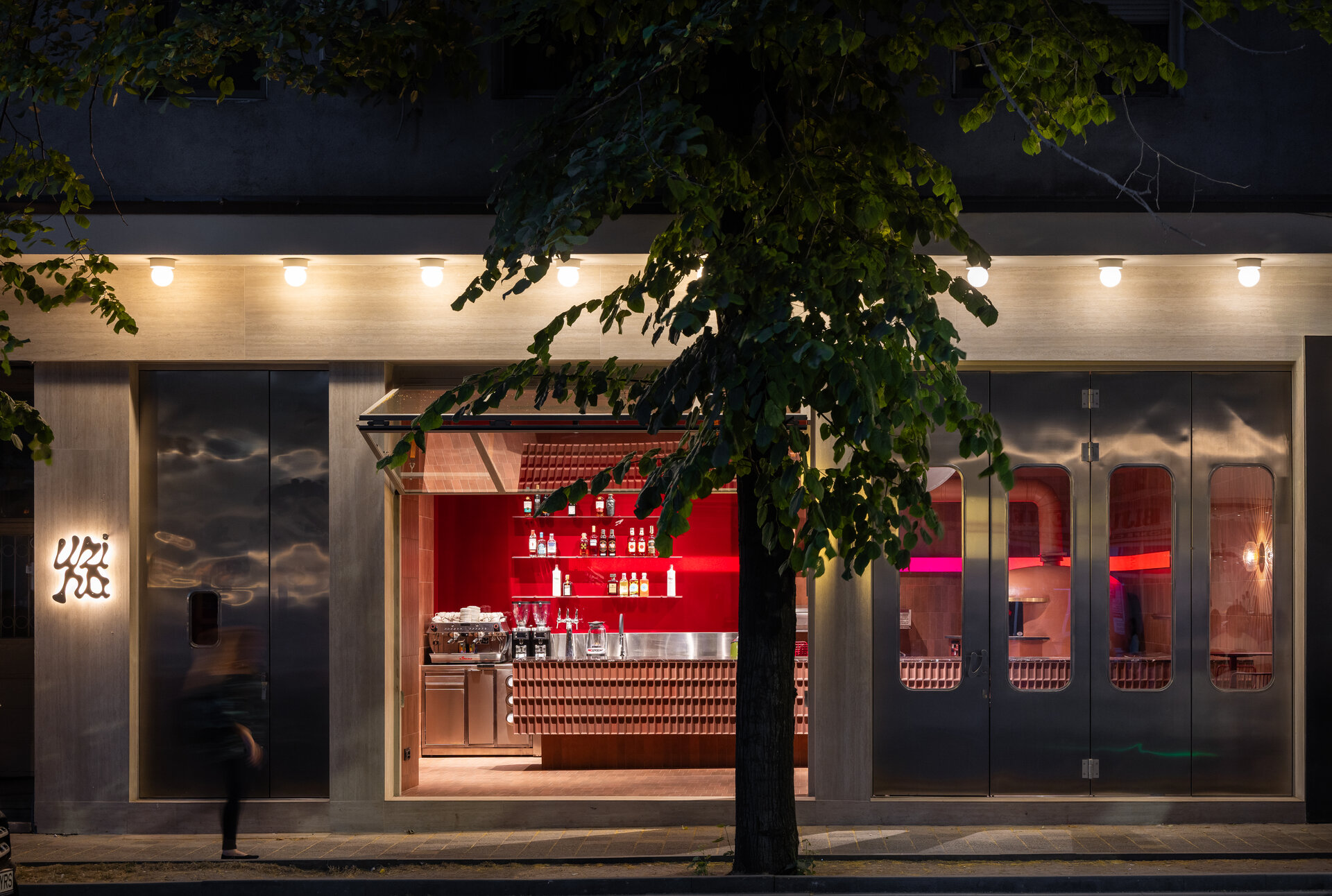
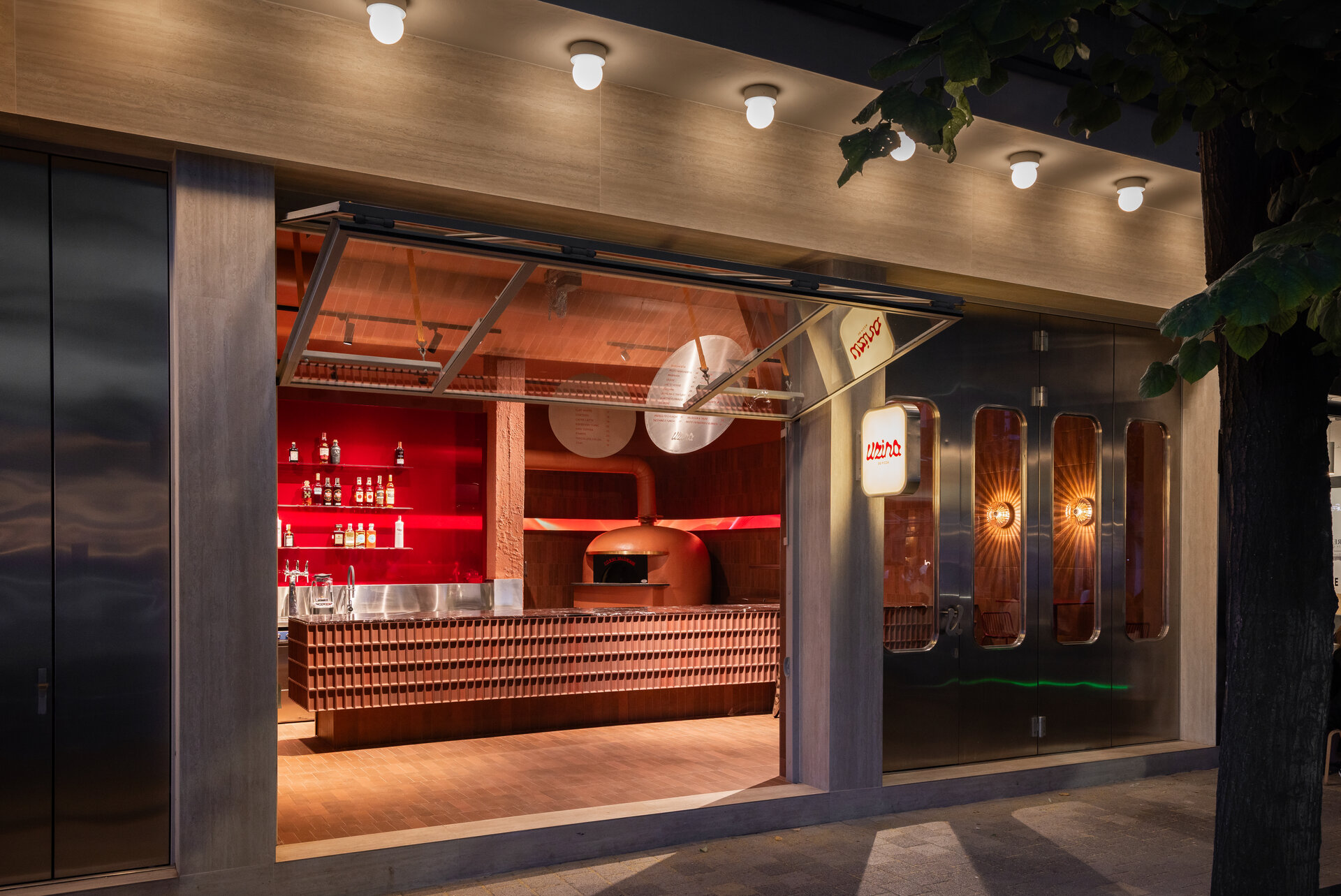
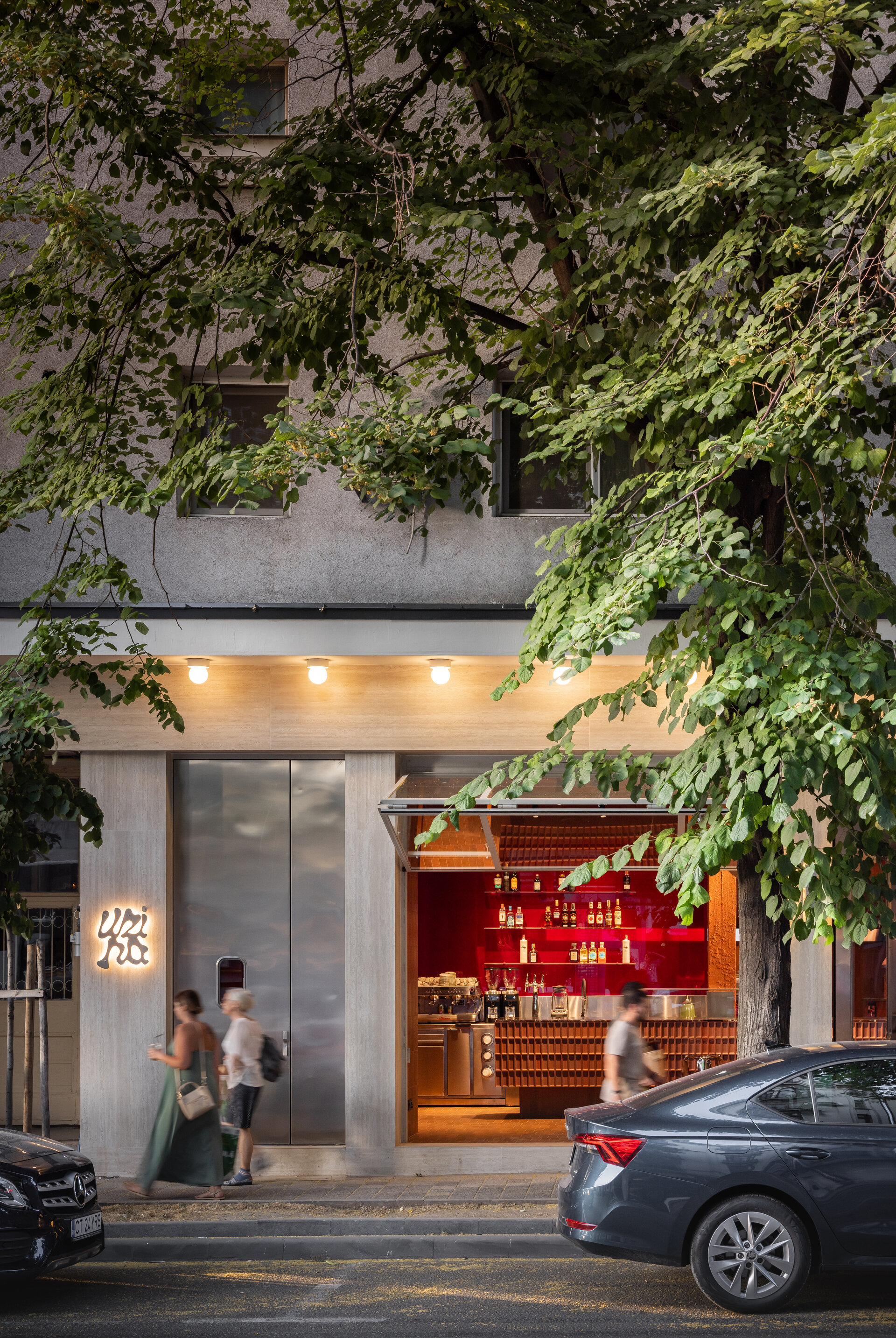
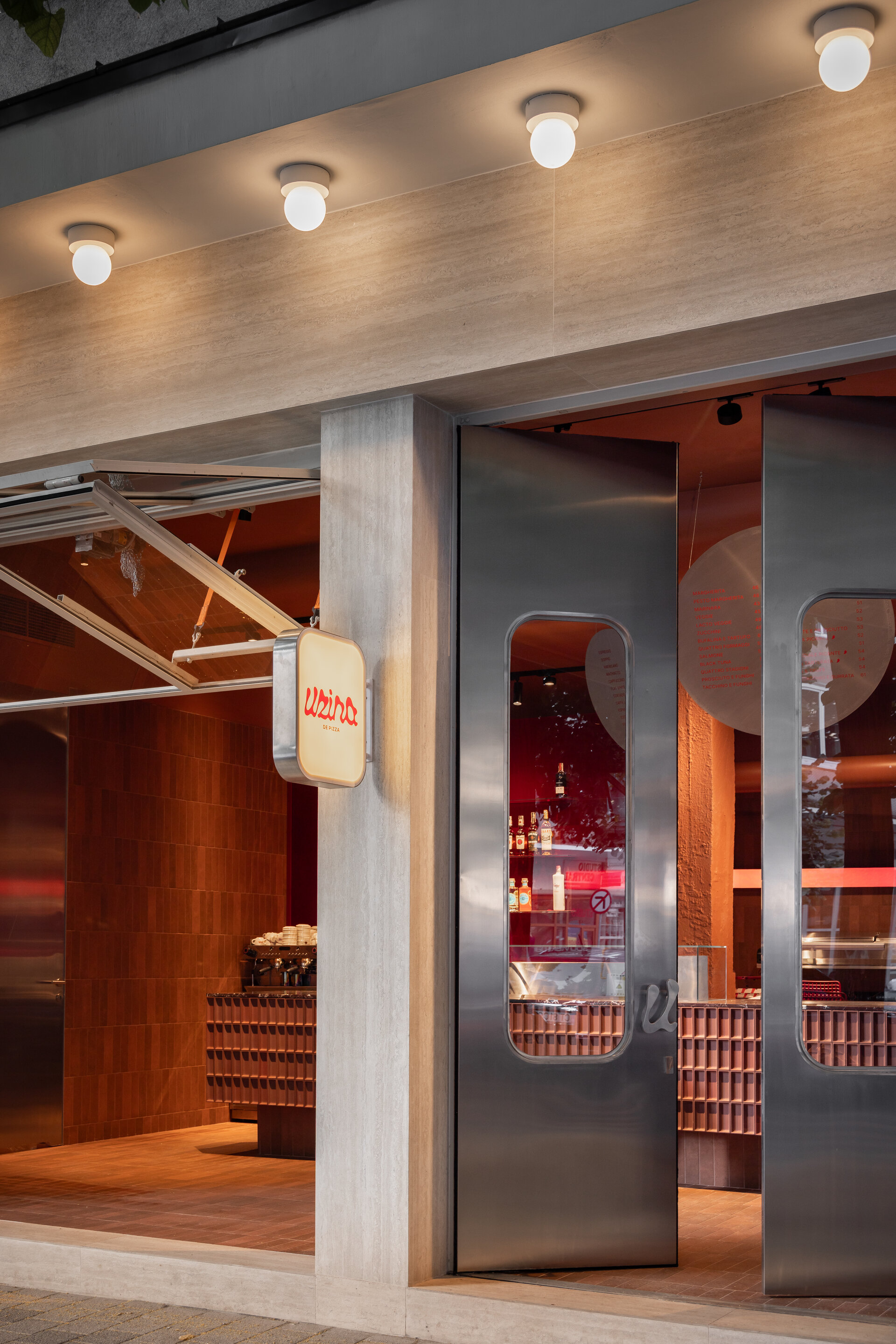
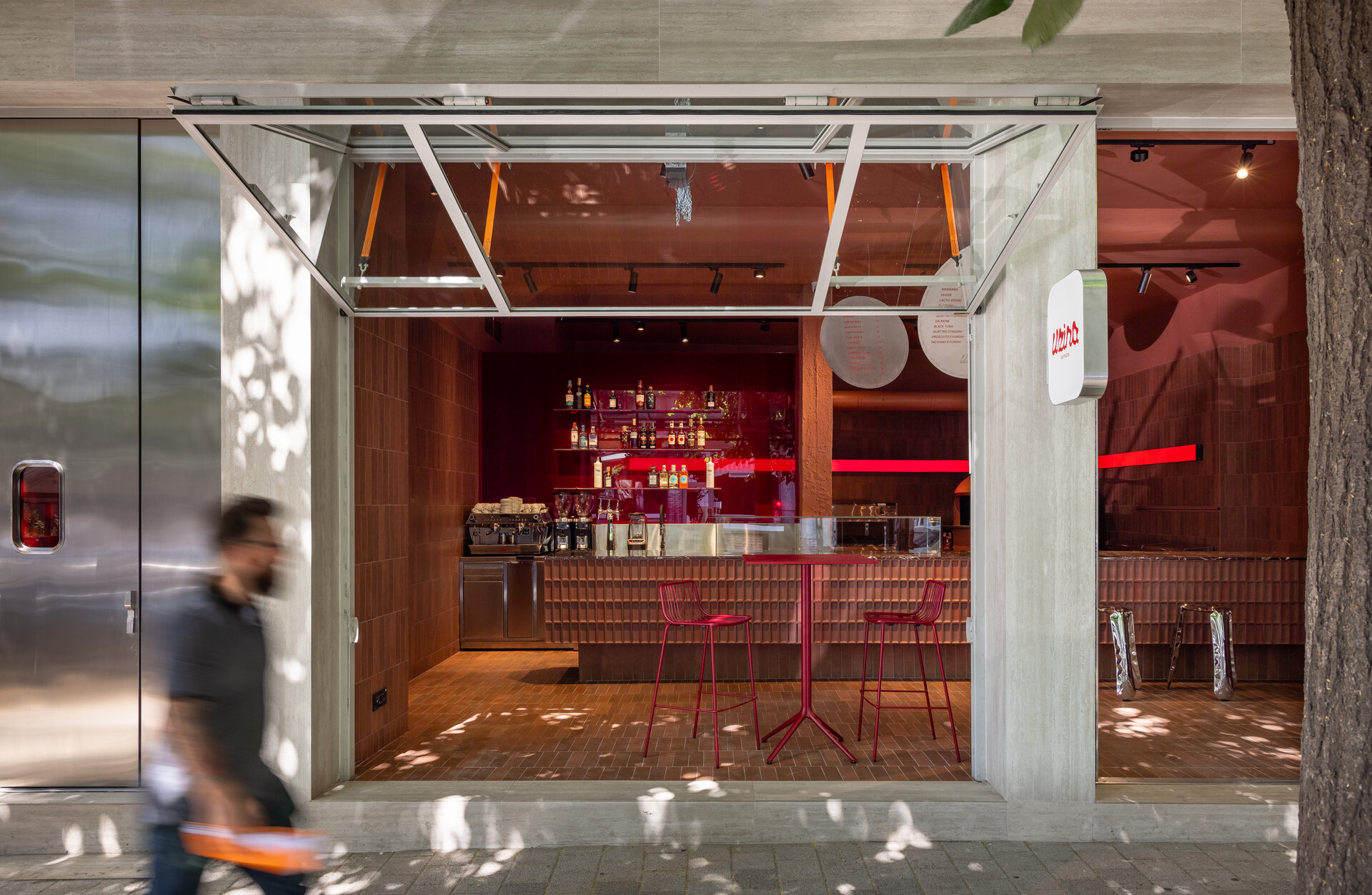
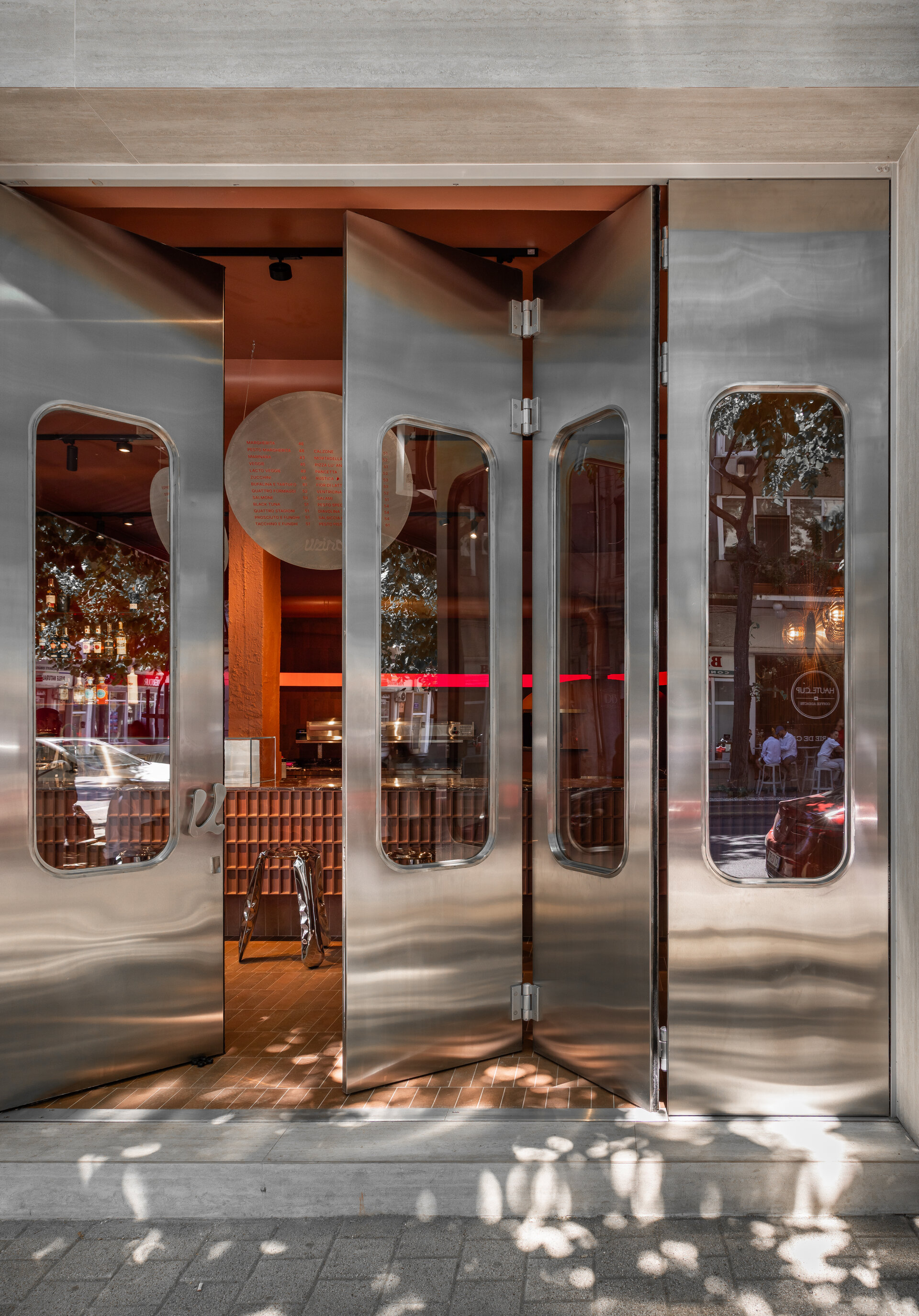
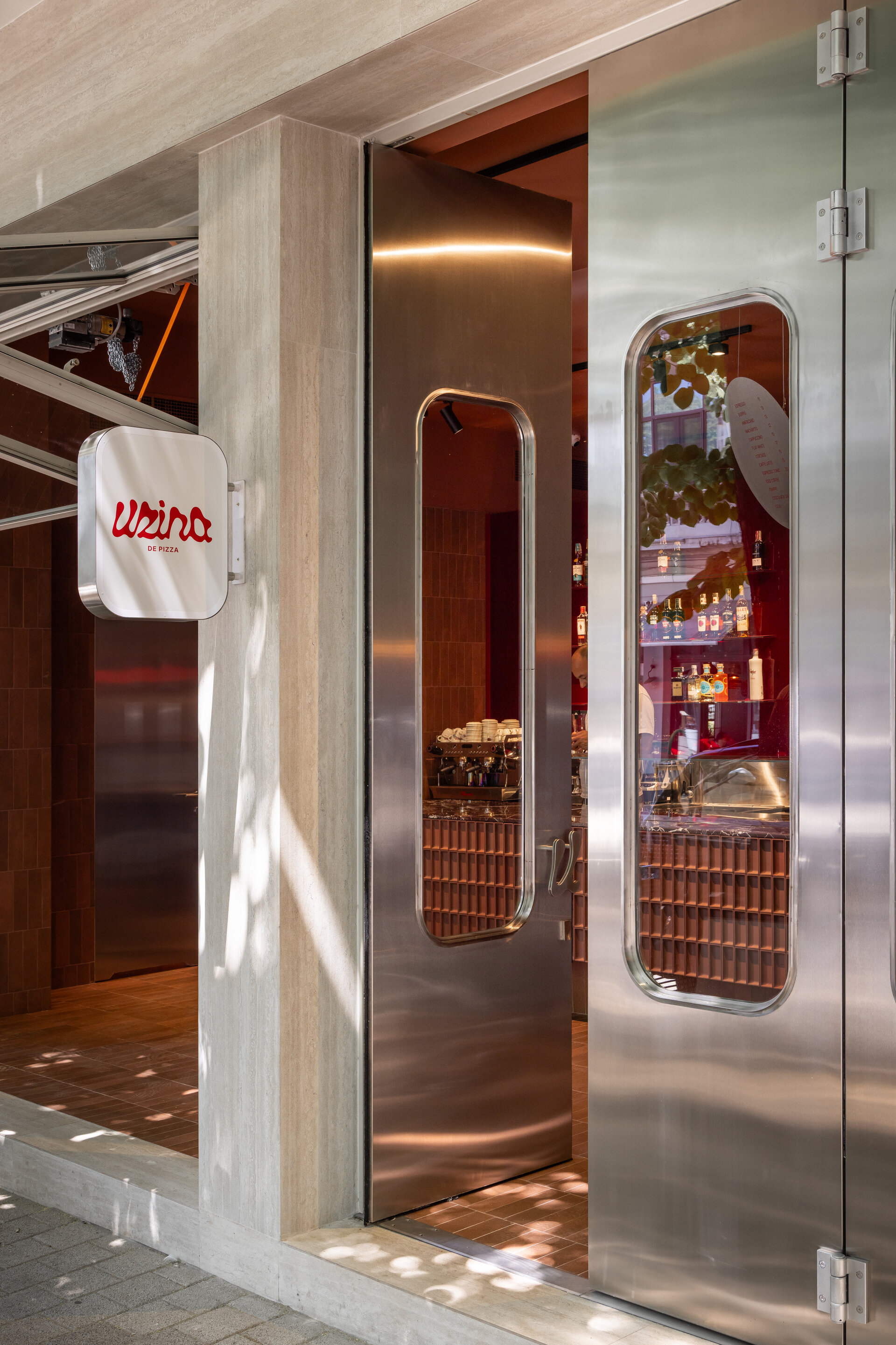
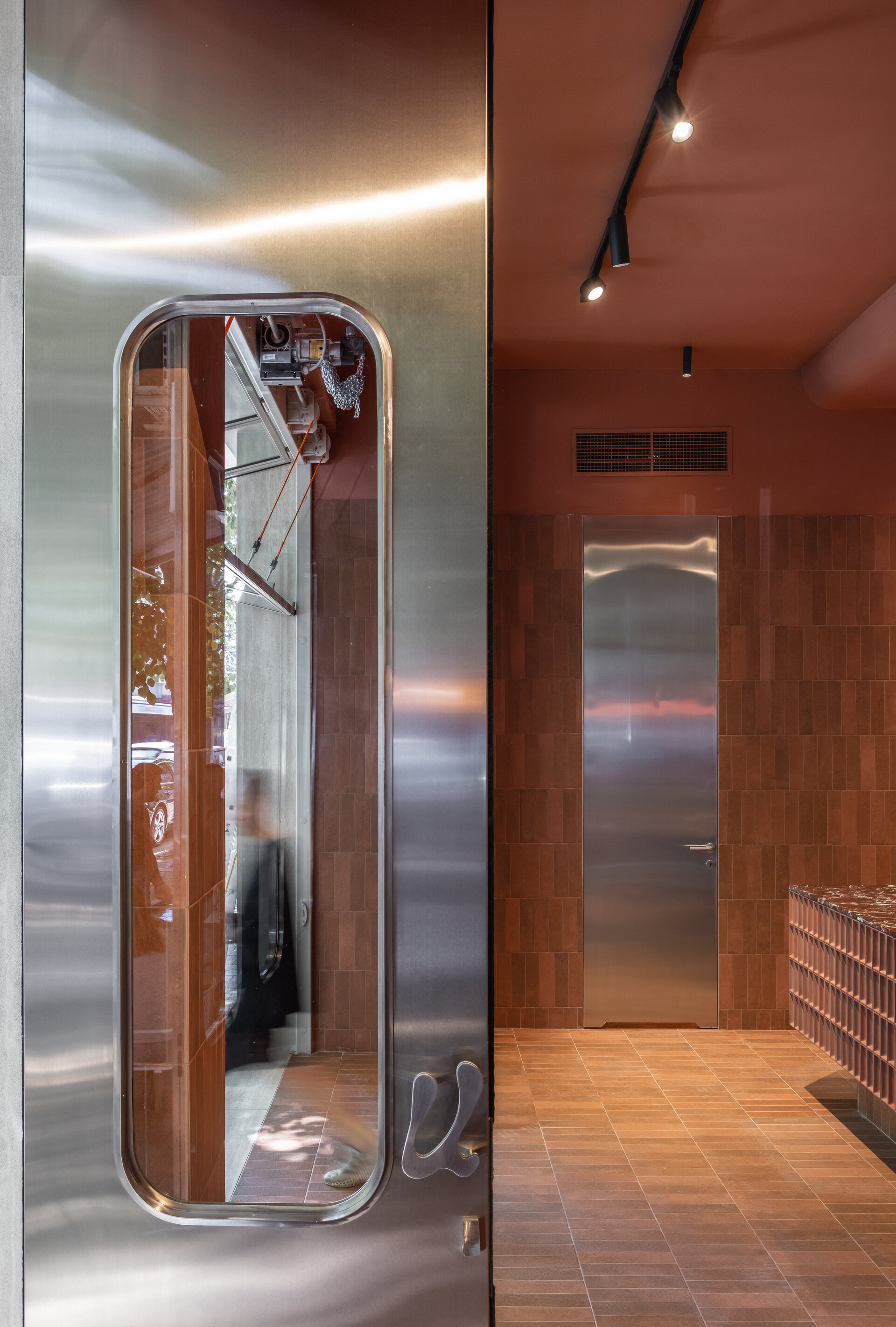
This palette is brought together in a space designed to be fully open to the city. Through large, harmonically folding doors, the entire façade can be retracted, transforming the interior into a fluid, public-facing platform. Here, architecture is not a boundary but a frame — allowing activity, light, and air to flow freely between inside and outside.
This transparency is both literal and symbolic. By making the cooking process fully visible — from dough to fire — the space promotes an idea of honesty, both culinary and architectural. It reflects a belief that food preparation can be a kind of performance, and the restaurant itself a transparent stage, inviting the city to look in. In this way, "Uzina de Pizza" becomes part of the street, not separated from it — an active participant in urban life.
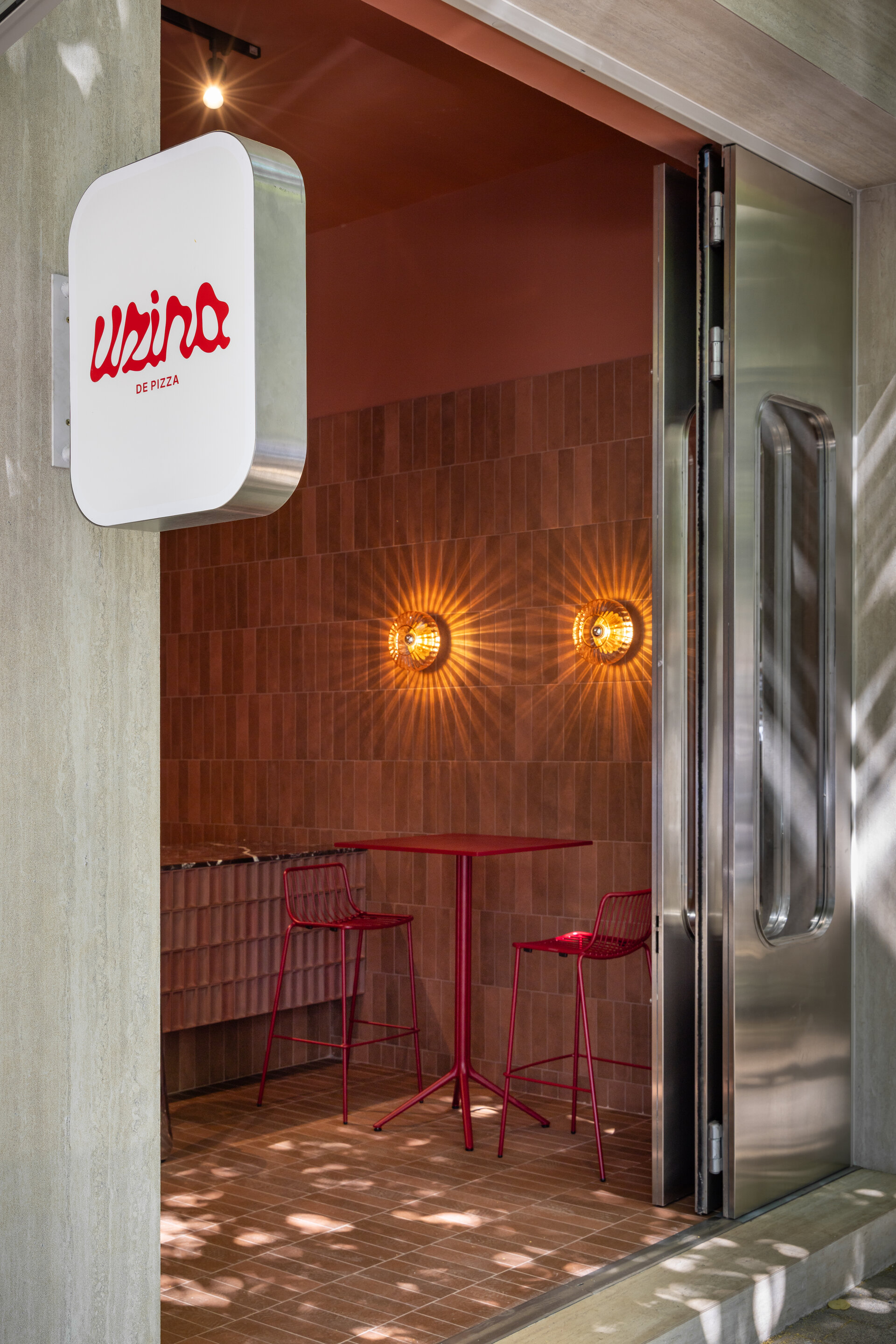
The project aligns with a growing international trend: commercial spaces that embrace permeability, openness, and interaction with the public realm. The terrace, instead of being an afterthought, is fully integrated into the architectural plan — using the same materials, lines, and lighting logic. At night, the warm glow from inside turns the venue into a subtle urban landmark, visible from the sidewalk like a lighthouse of conviviality and craft.
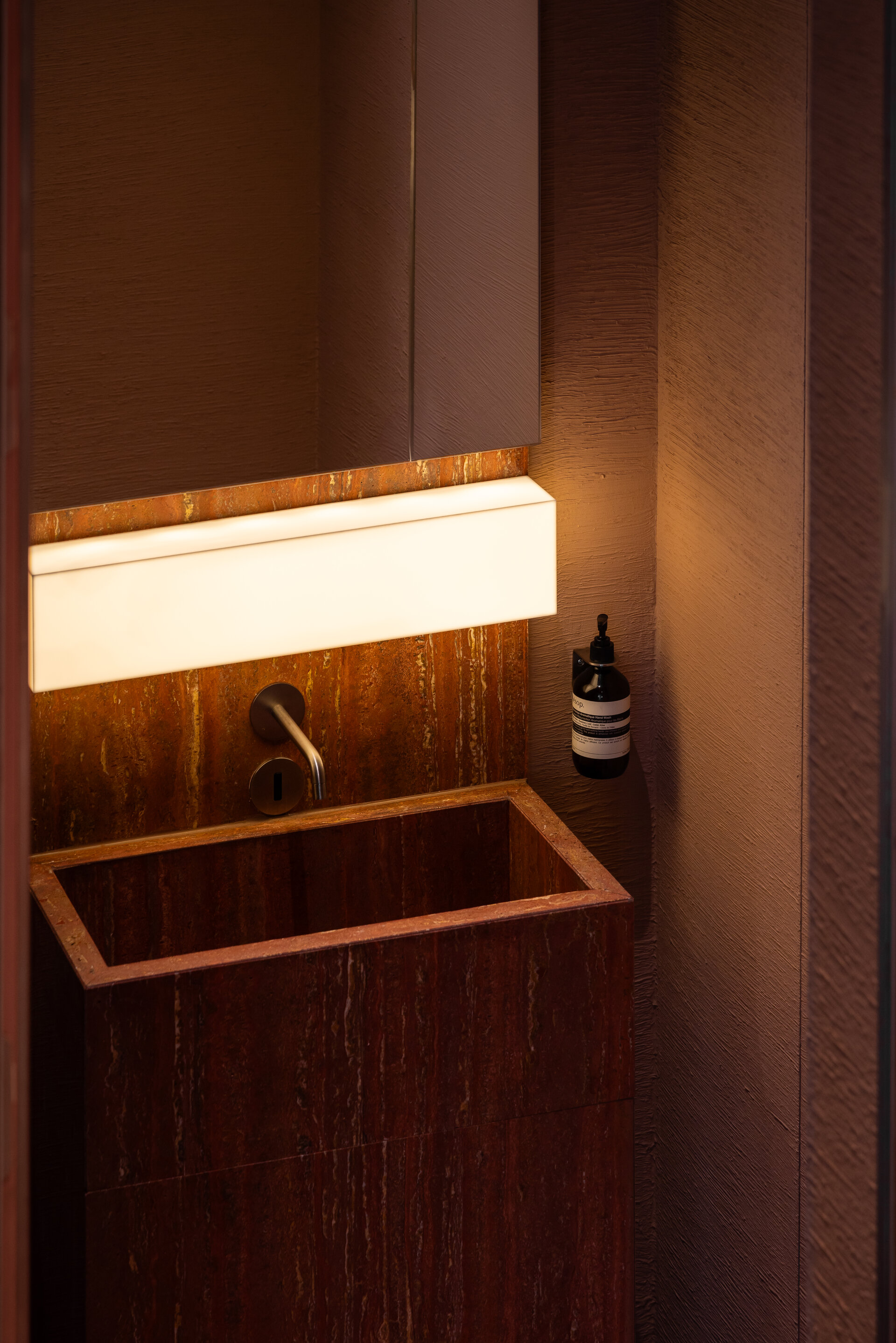
Material choices were key to shaping the identity of the project. Terracotta was selected for its connection to fire and ancient bread-making traditions. Each tile brings natural variation, warmth, and a handmade feel to the surfaces. In contrast, stainless steel adds precision and hygiene, making it ideal for the bar and kitchen areas while also contributing a cool, modern sheen. Natural stone grounds the space, adding texture and gravity, while large panes of glass erase visual boundaries and invite the city into the experience.
Ultimately, "Uzina de Pizza" is a project about balance — between softness and structure, tradition and modernity, openness and control. It takes cues from industrial aesthetics while embracing the rituals of everyday life: eating, gathering, making. It is both a place of production and a space for social connection — a hybrid that reflects the dynamic nature of contemporary urban life.
HoReCa Design

- Ami Amalia Flagship Store
- Bob Coffee Shop Otopeni Airport
- French Revolution, Rosetti Square
- Uzina de Pizza
- Sweet-shop Casa Victoria - Domenii
- Condesa
- P+1
- Hotel B
- GF Restaurant
- Pandora Winery
- Millo6 Restaurant
- La Grande Bellezza
- Trickshot Afi Cotroceni
- Dieci il Numero
- Zireto Baia Mare
- Villa Ecletico
- Vivo Brașov
- Alma
- Brasserie La Mița Biciclista
- PERL café/bar


