- Prize of the “Interior Space Architecture / HoReCa Design” section
- The Best Interior Design Client
Ami Amalia Flagship Store
Authors’ Comment
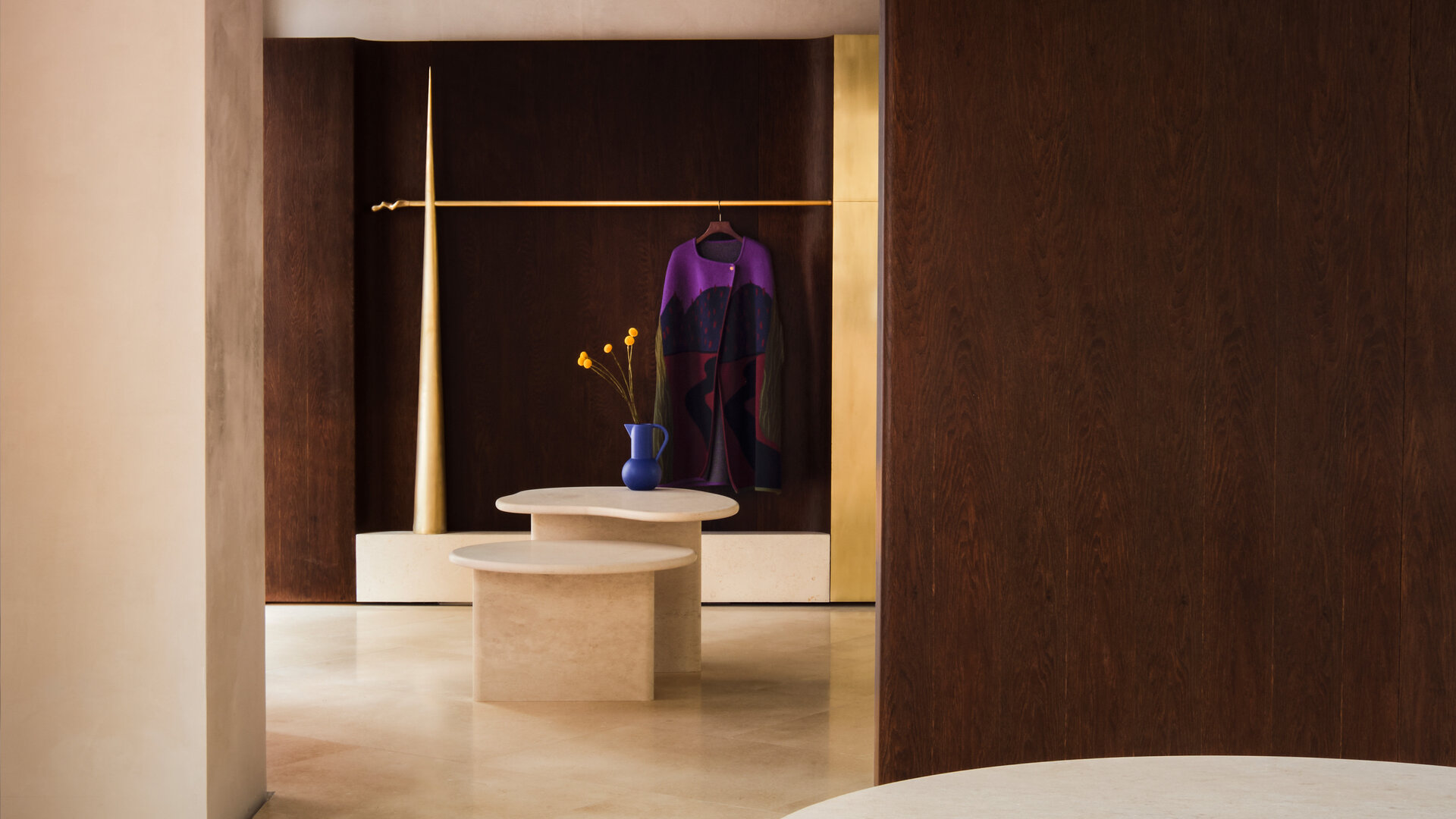
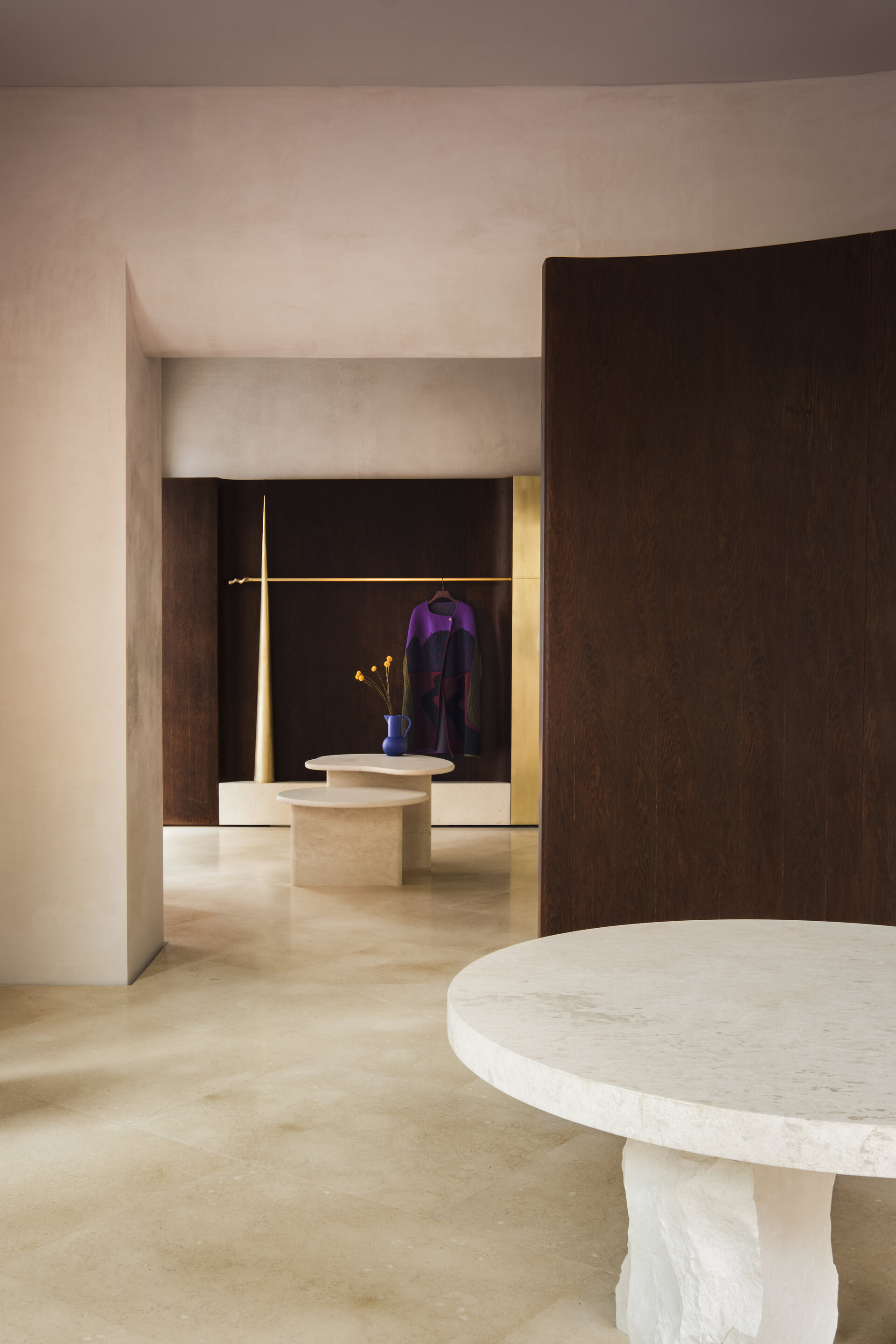
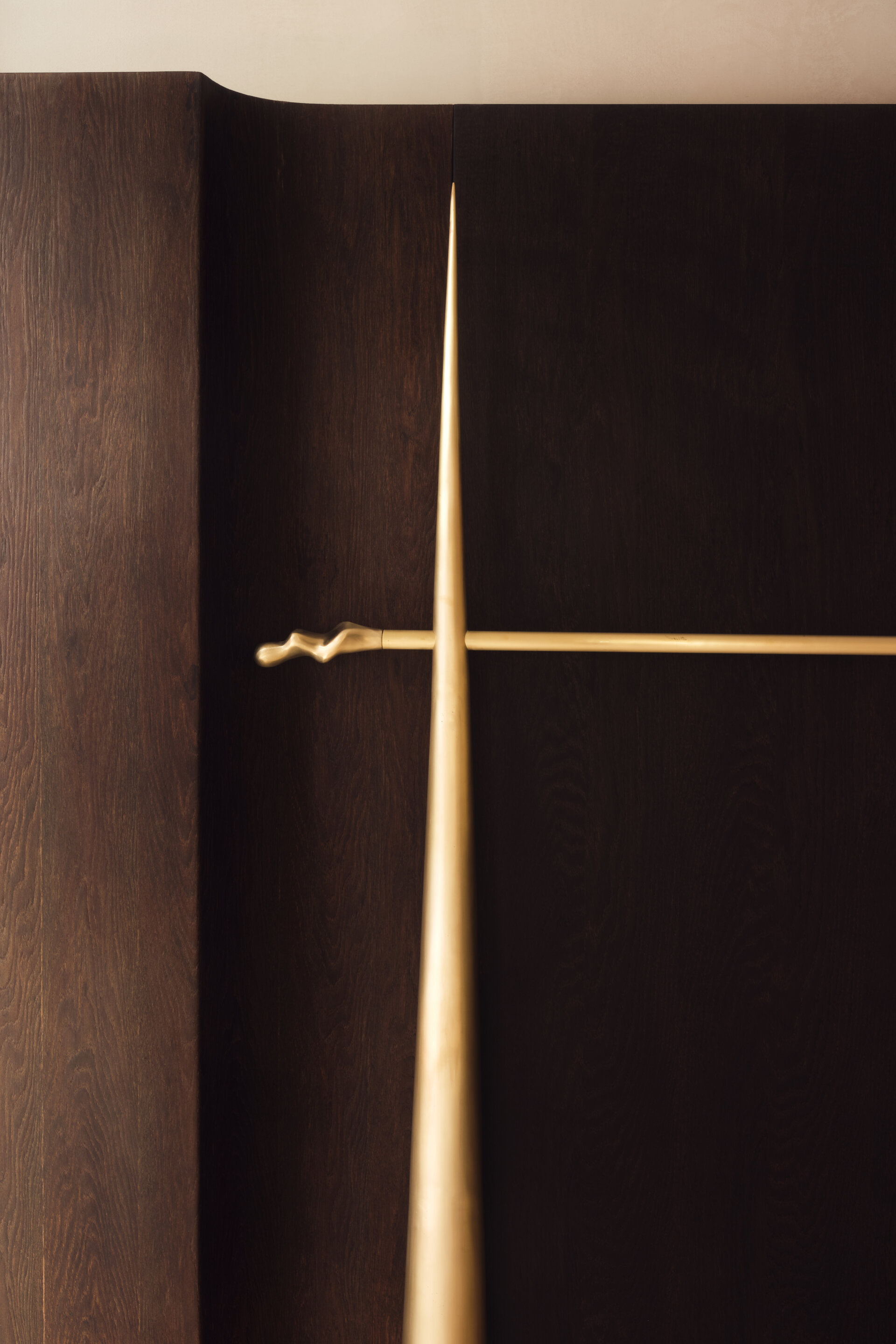
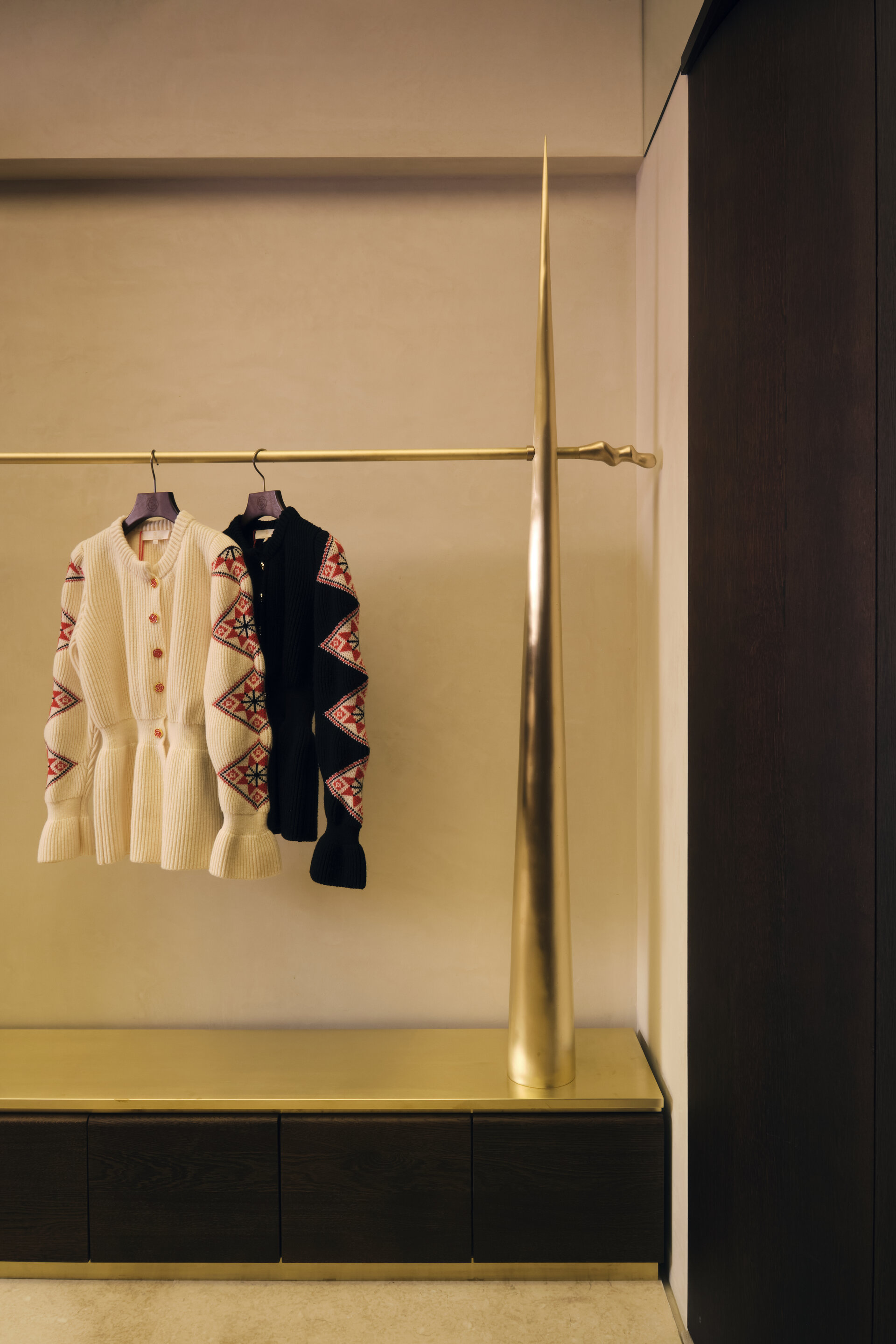
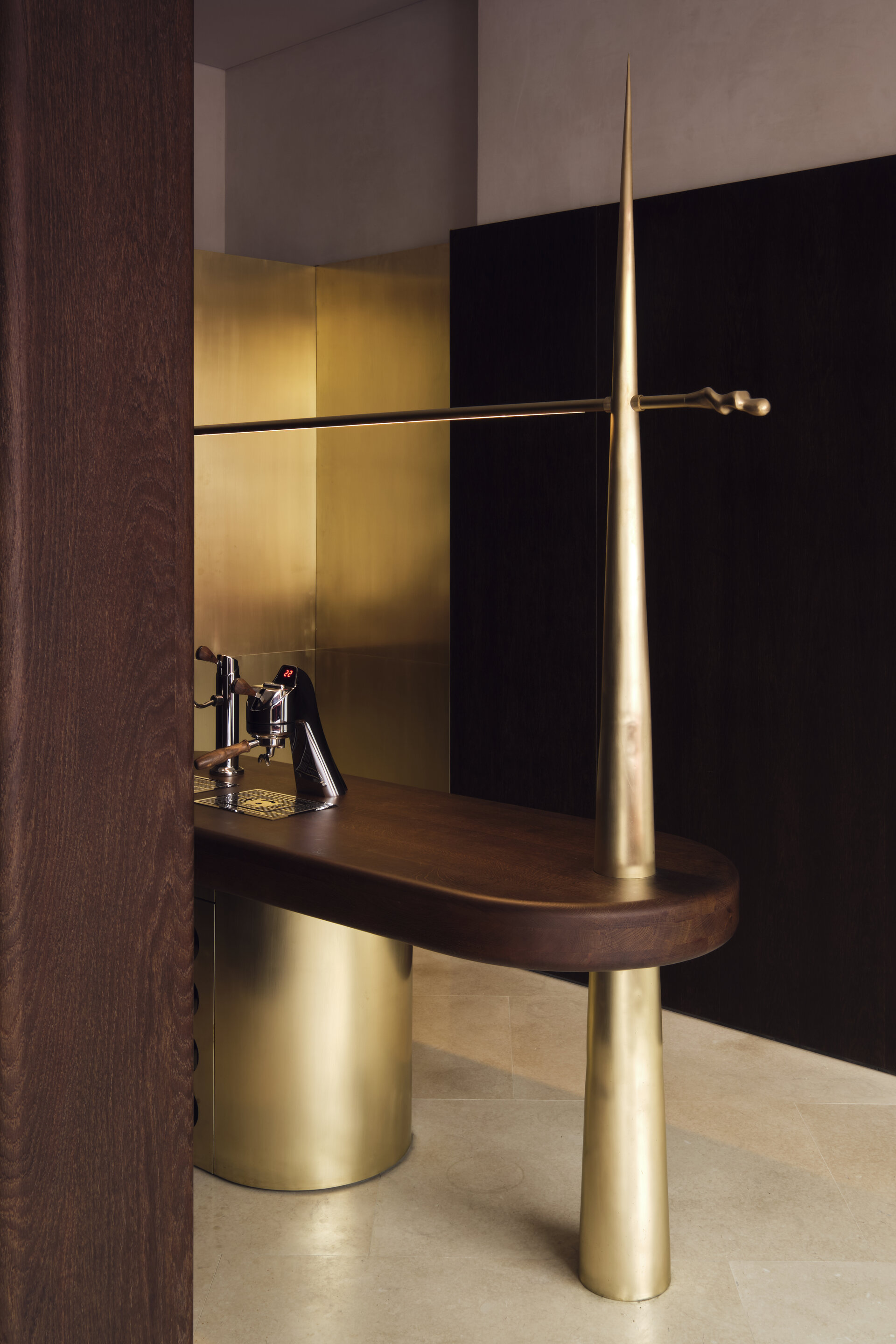
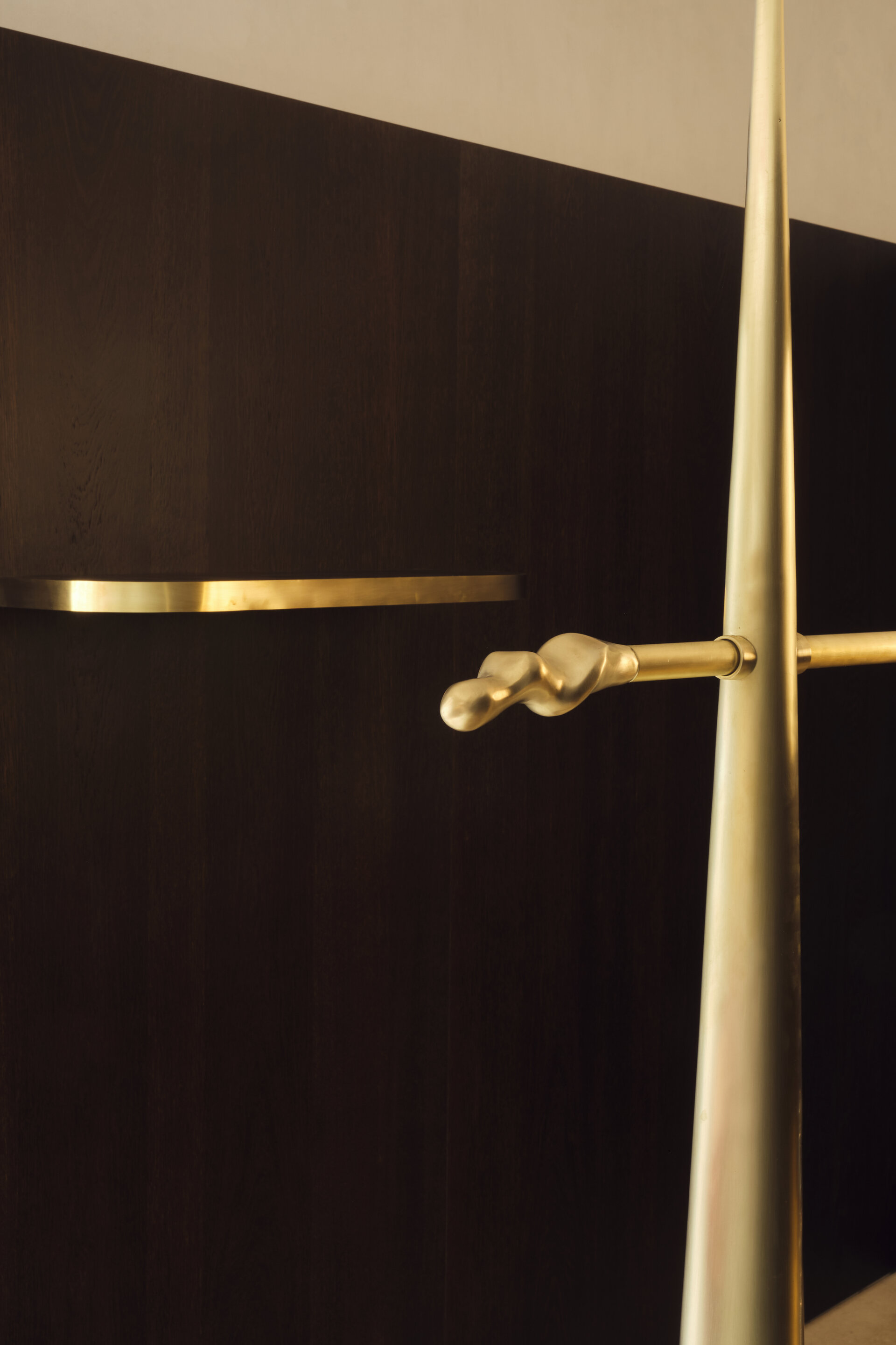
The first Ami Amalia flagship store becomes a sanctuary that reimagines the contemporary retail experience. The architecture of the space articulates a subtle relationship between aesthetics and ethics, proposing a sustainable and authentic model of interaction. Inspired by the knitting needle—an essential element of the AMI AMALIA brand—and by the brand’s values, including sustainability and craftsmanship, the architecture embraces fluid, feminine forms, carefully articulated materials and textures, and harmonious spatial compositions.
From the very entrance, the spatial sequence induces a deliberate transition from the fast-paced urban rhythm to a realm of contemplation. The space transcends its basic commercial function, becoming an inviting place for dialogue and discovery. “We wanted this space to be more than a store,” explains Amalia Săftoiu. “It’s a place where customers can understand the true value of slow fashion.”
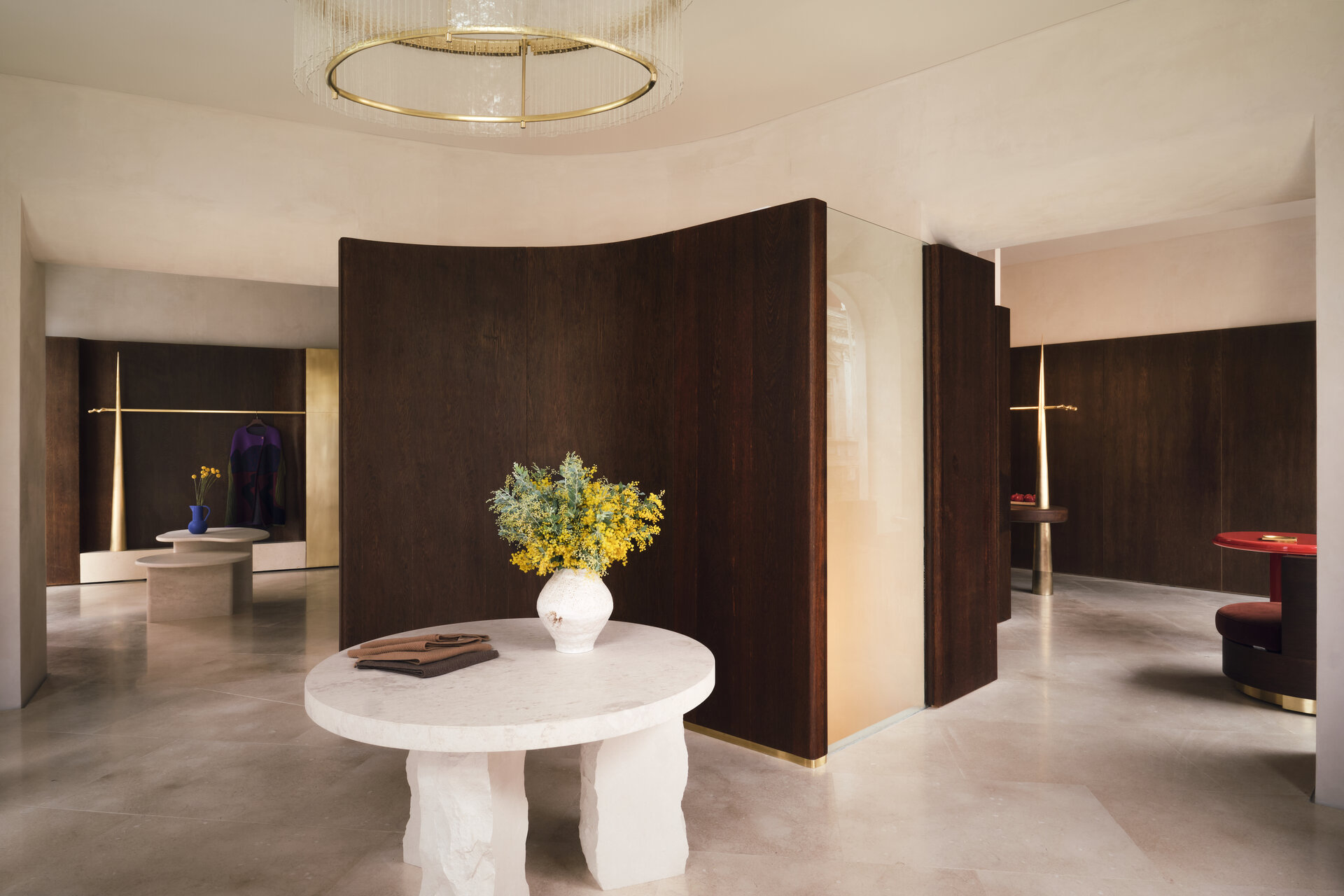
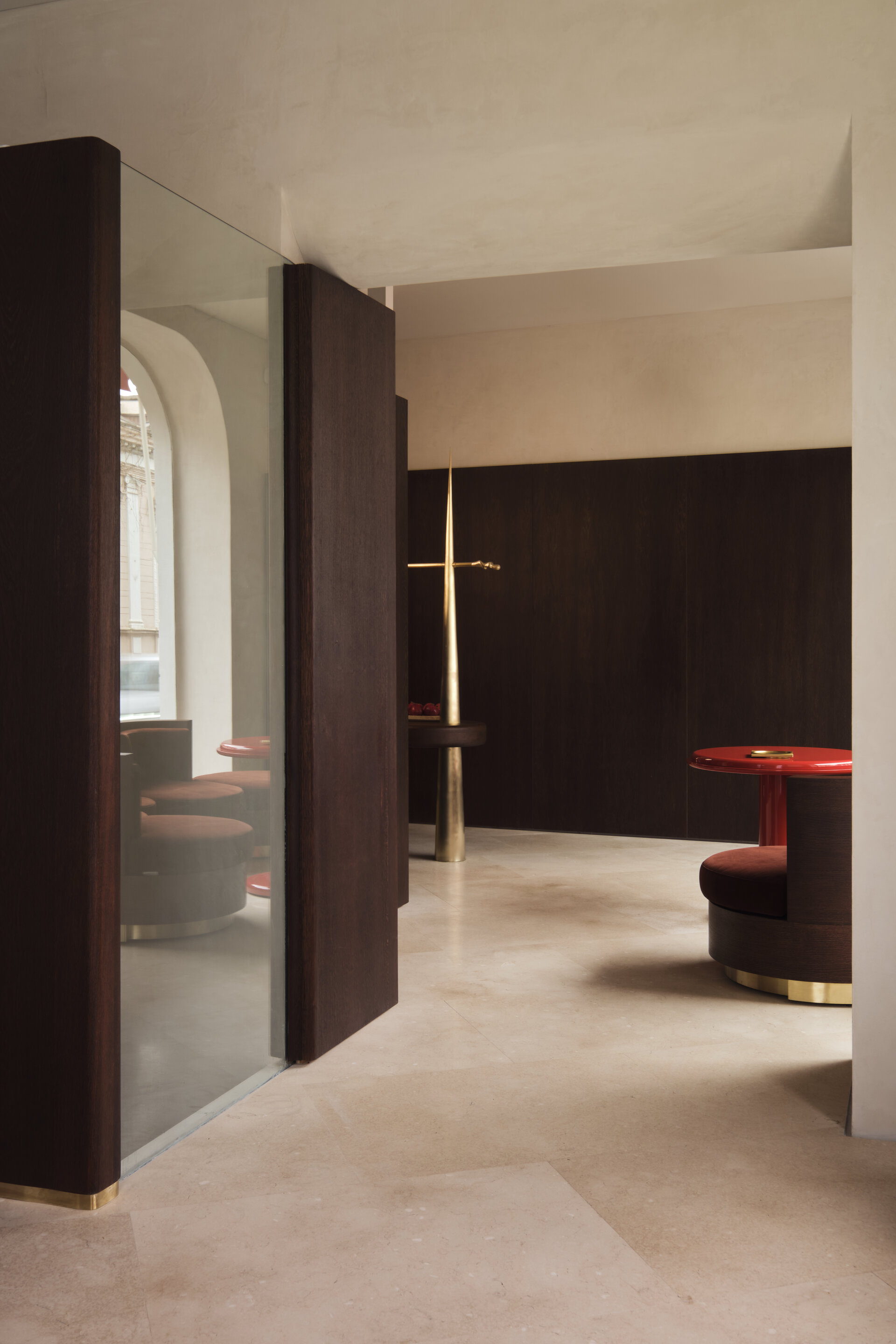
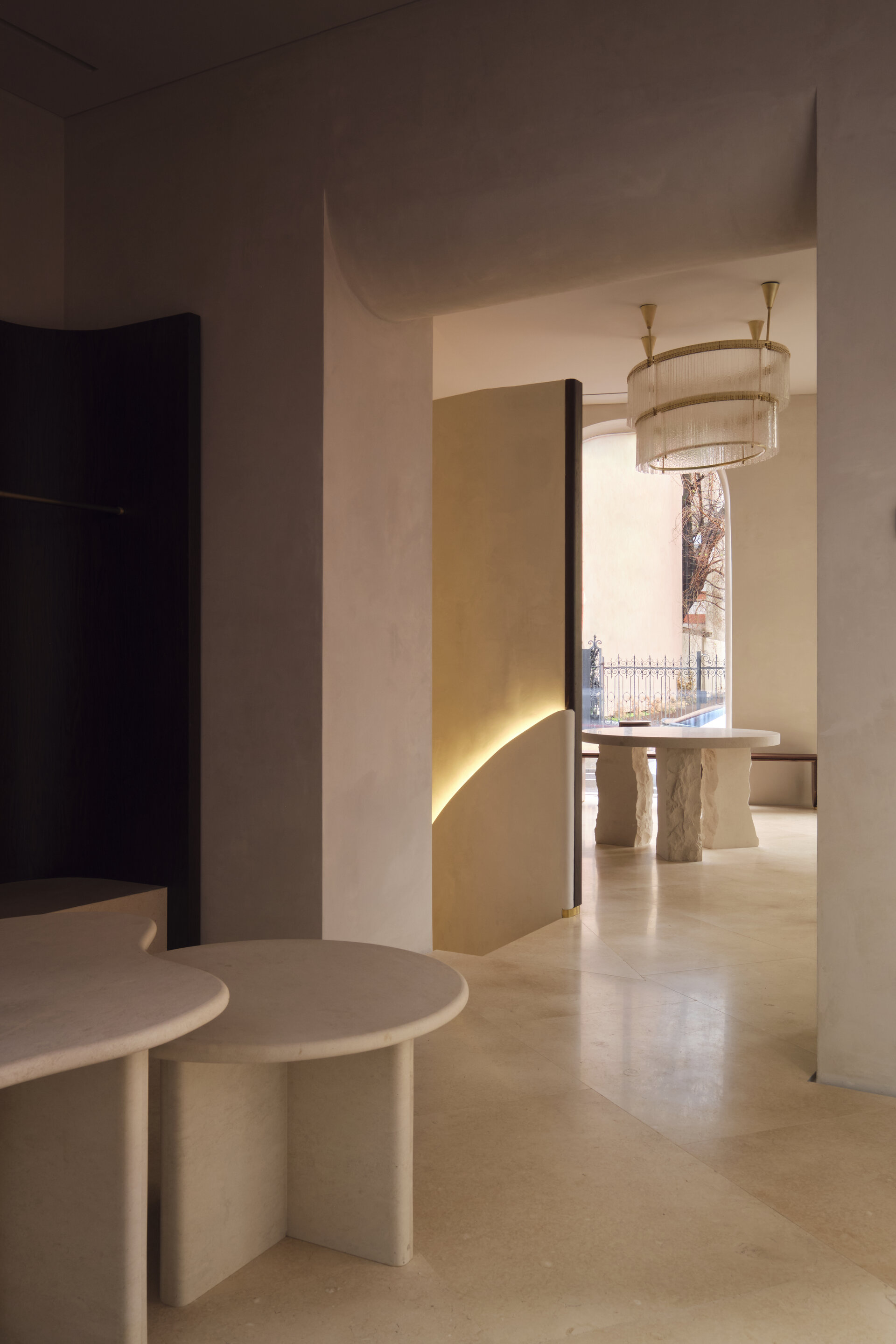
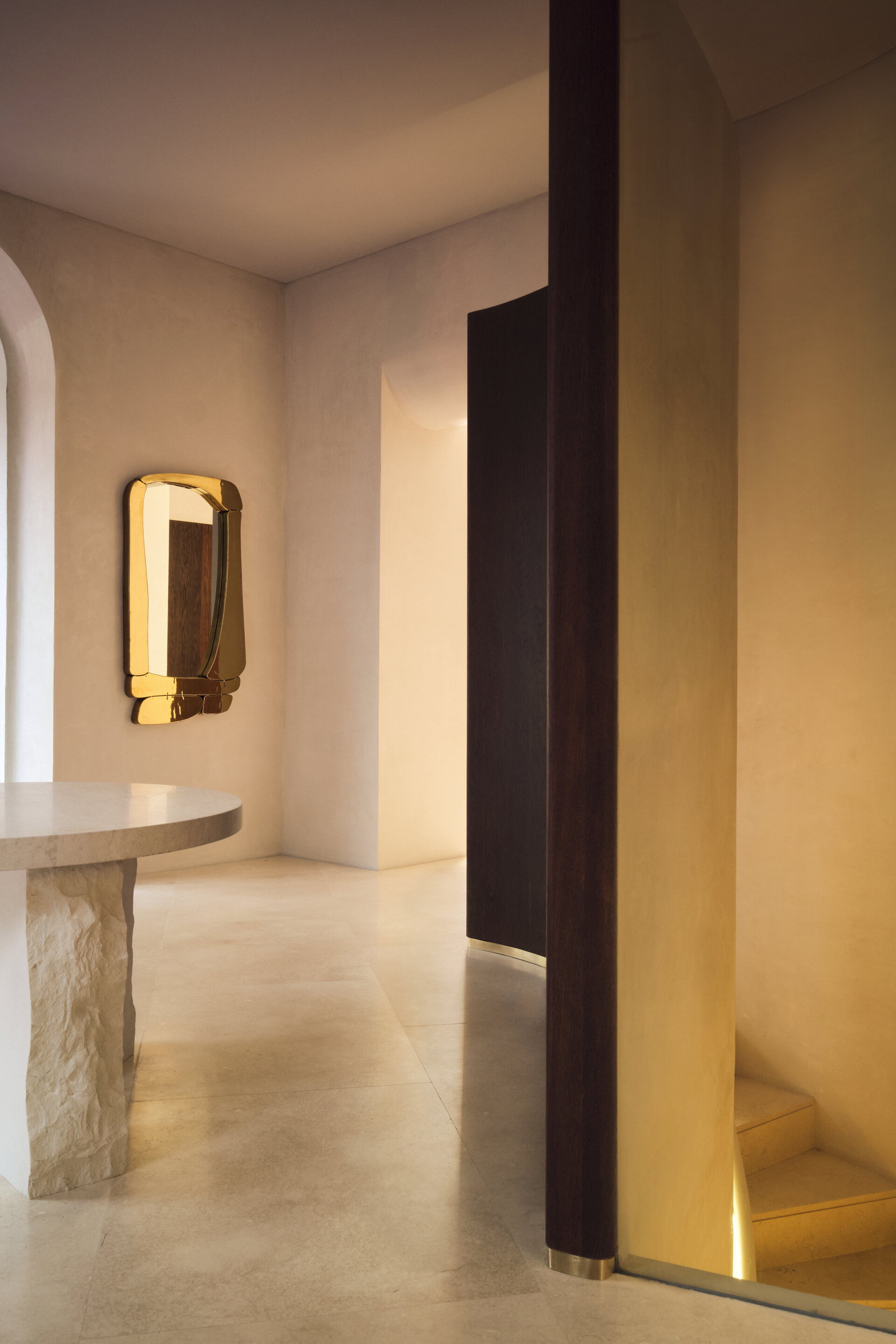
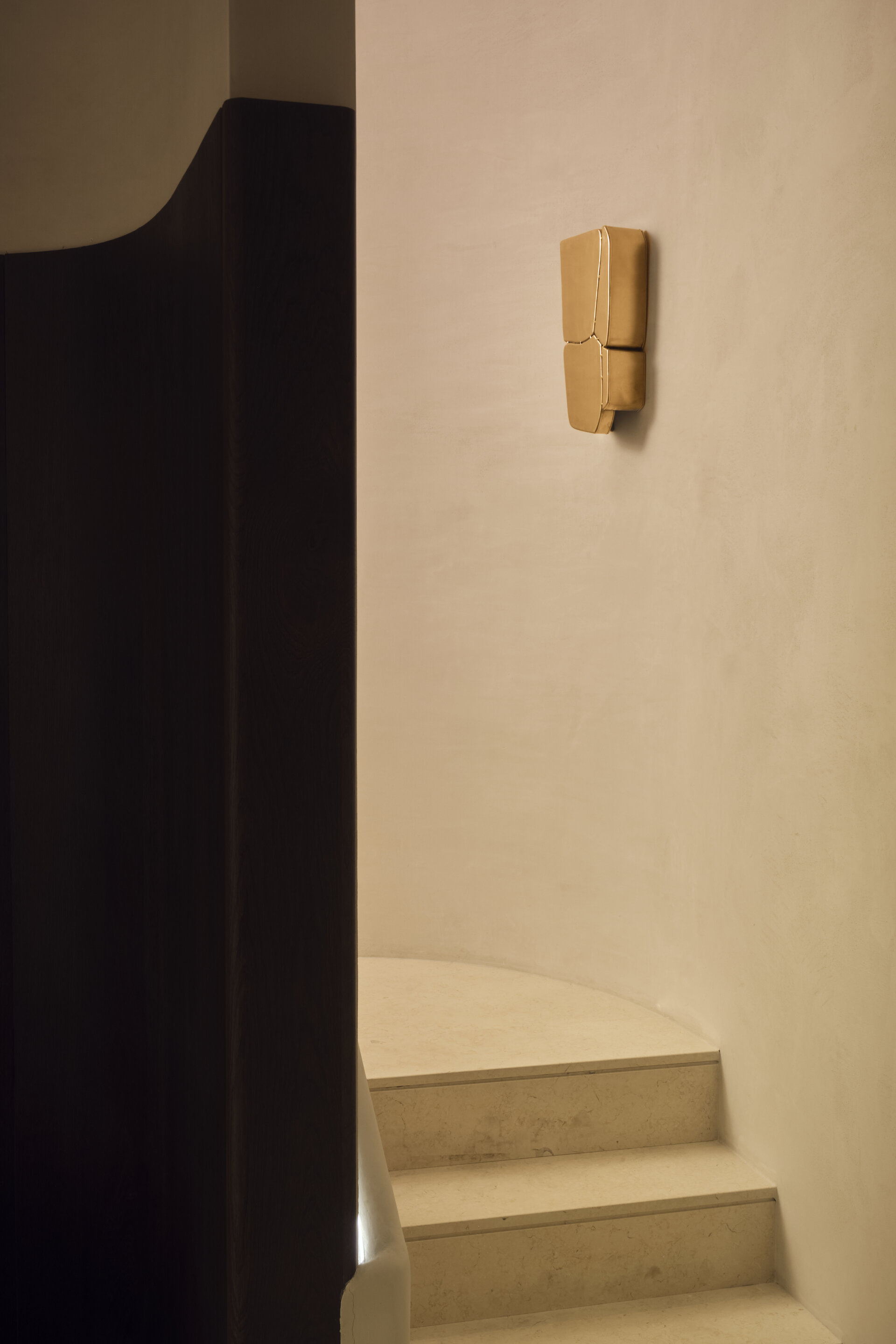
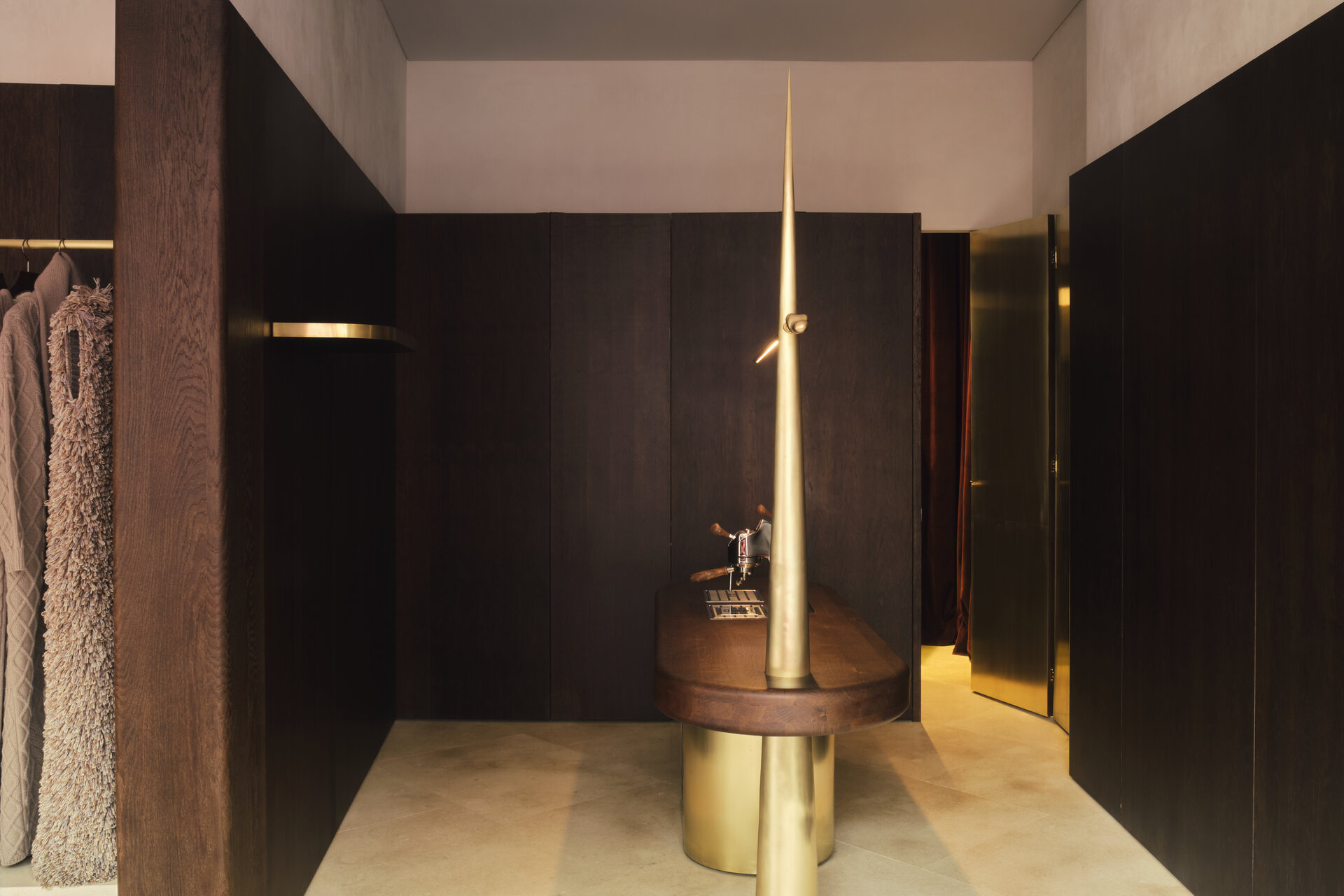
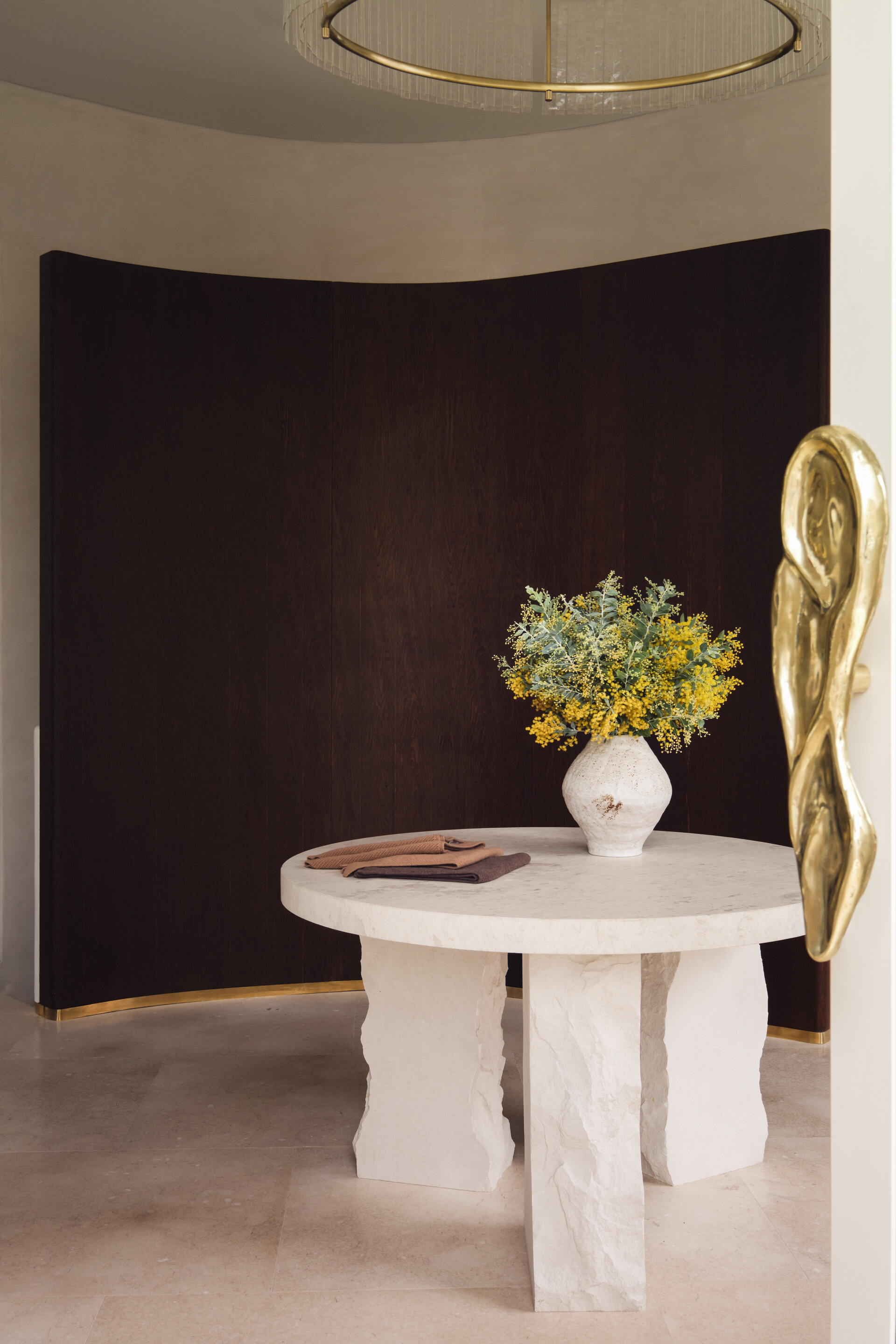
A powerful architectural gesture defines the interior path: stained oak panels, shaped into fluid curves, accompany the visitor in a continuous, organic flow. A monumental natural stone table becomes a marker of the authentic materiality that underpins the entire design. The ground floor functions as an open gallery, where products and space enhance one another. The architecture proposes a sophisticated atmosphere: a daytime living space, a place to freely explore the collections, complemented by familiar gestures such as a coffee break in a warm and welcoming environment. Every functional element—from custom-made furniture to lighting details—is integrated into a rigorous aesthetic, avoiding gratuitous decoration.
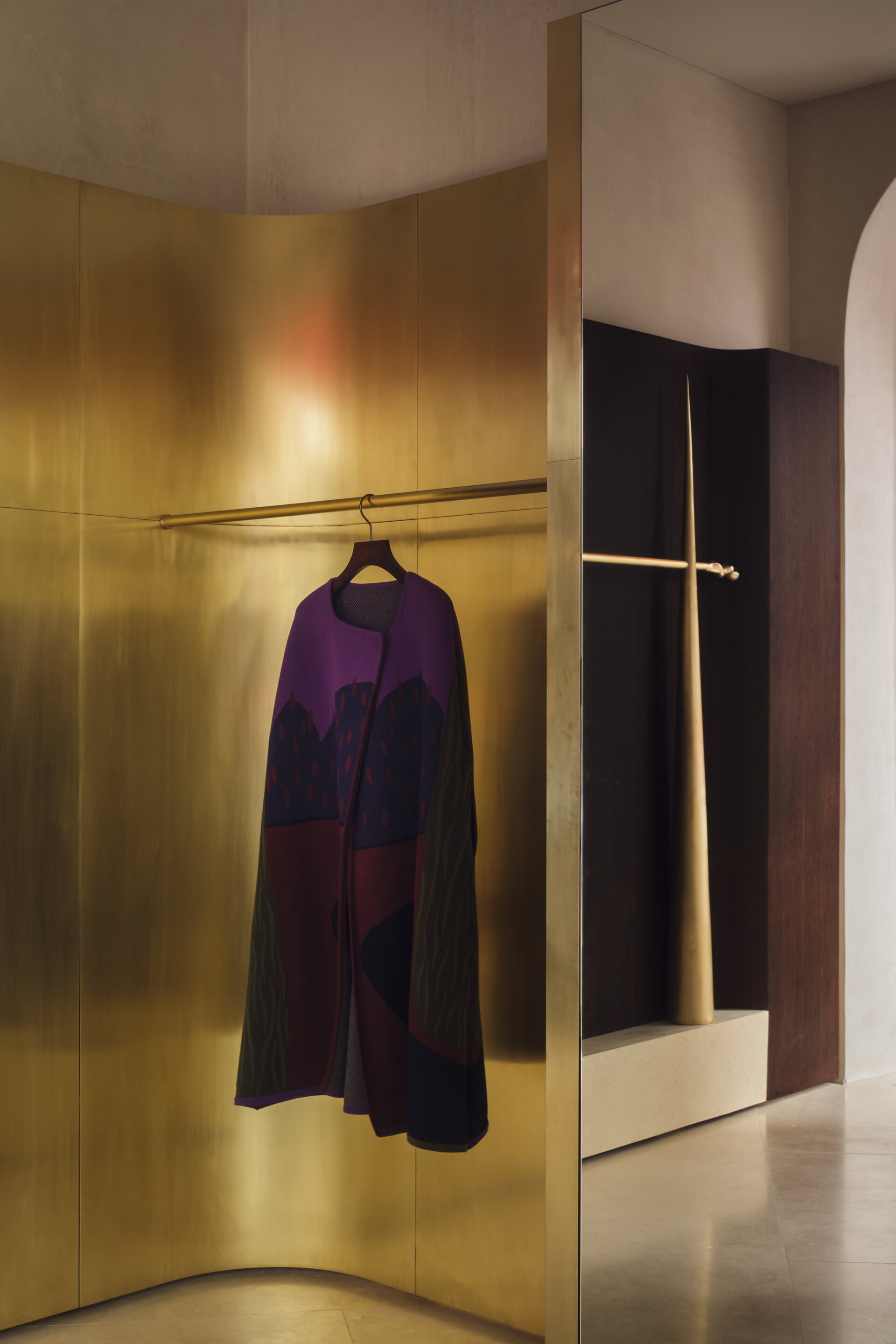
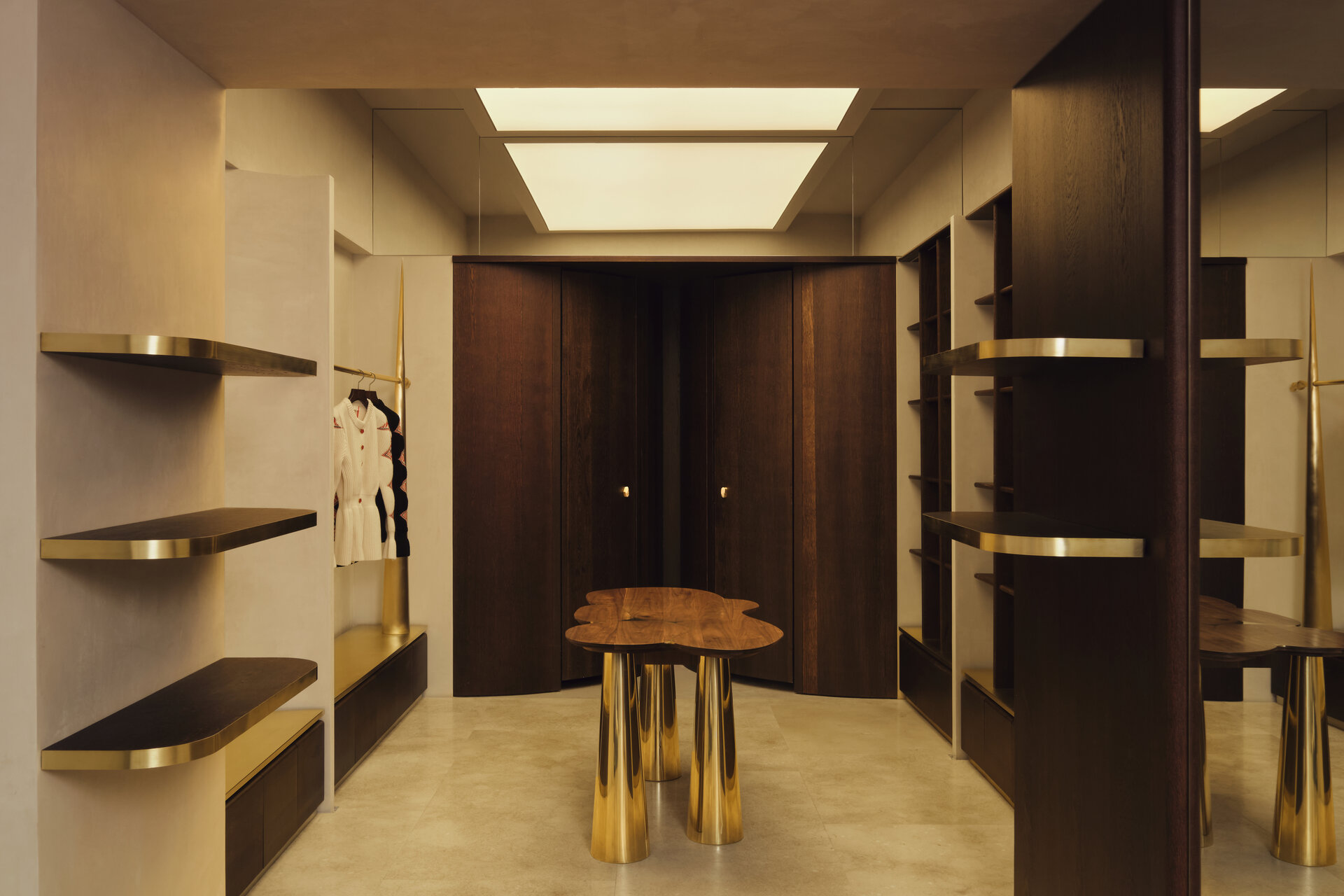
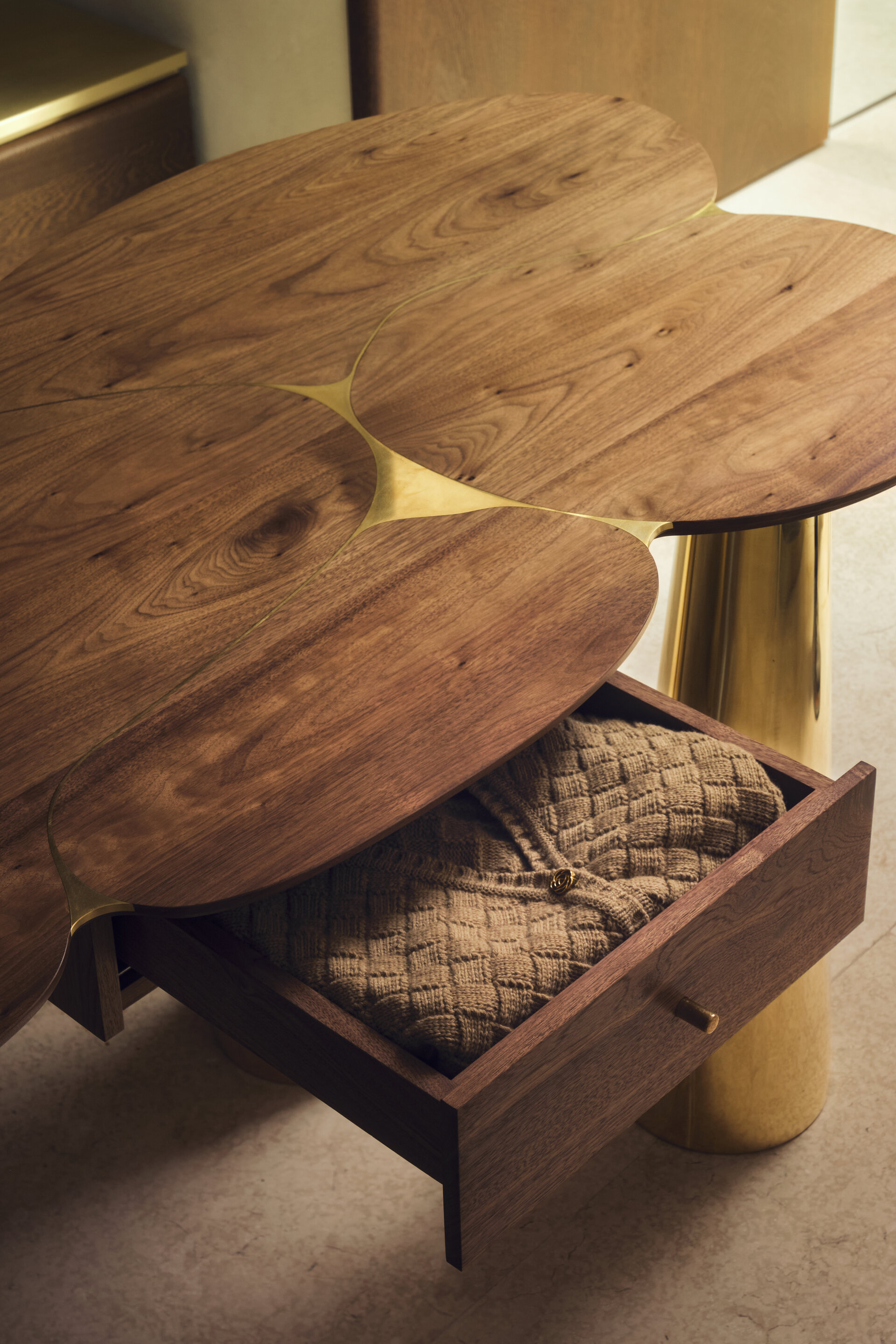
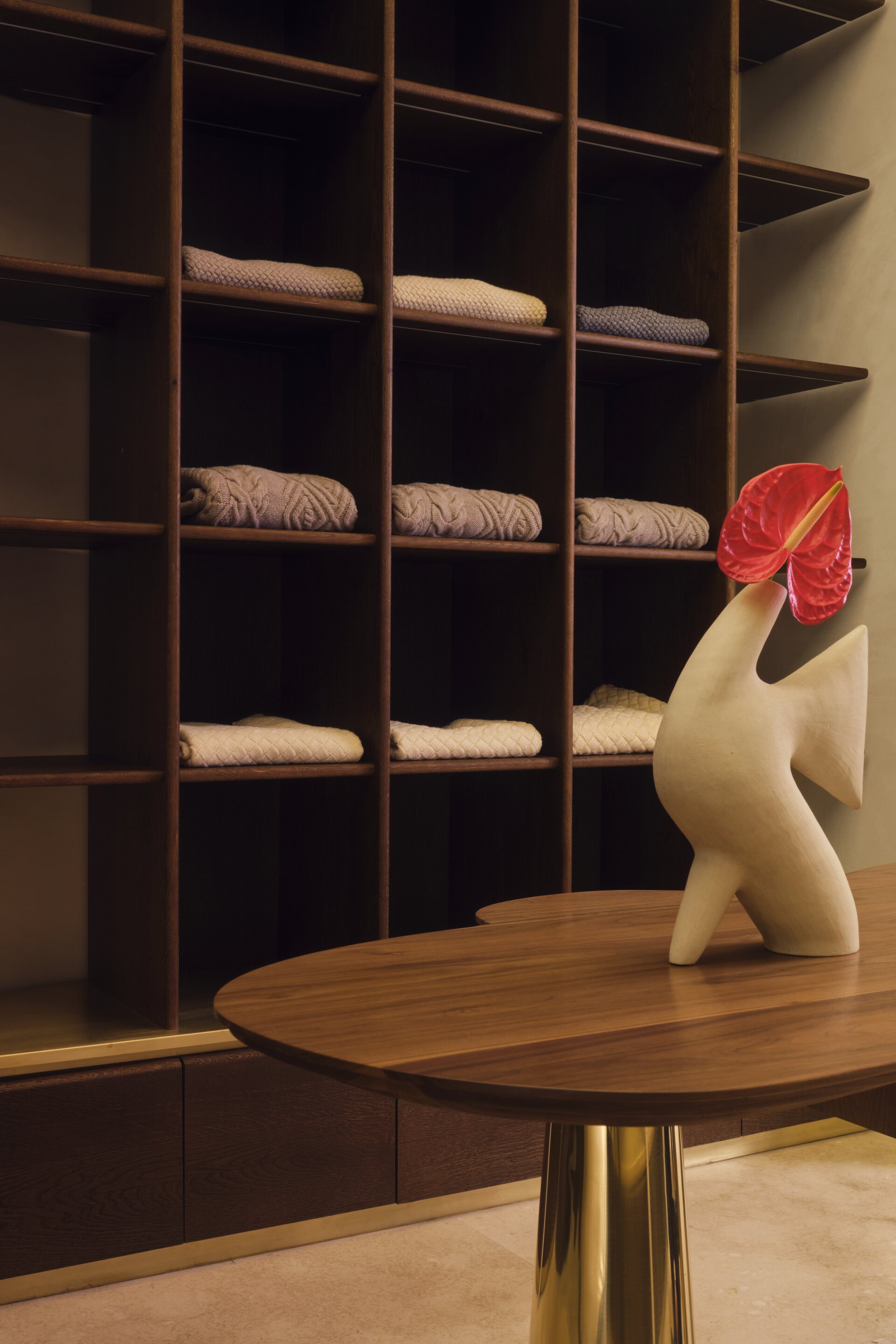
Descending to the basement, the spatial narrative continues. Here, the knitwear collections are presented in an exhibition-like setting, where the display system and lighting highlight the texture, finesse, and natural shades of the pieces in a visual language that privileges detail and materiality. The fitting rooms are conceived as intimate spaces, where mirrored surfaces amplify the ambient light, creating a discreet sensorial experience. The material structure of the interior is defined by a dynamic dialogue of contrasts: dark wood is paired with finely textured natural plasters; satin-finished brass introduces reflective accents that contrast with matte surfaces; strict lines are softened by curvilinear elements, suggesting fluidity and controlled movement. “We chose natural materials, each with its own symbolism,” adds Amalia. “Wood retains the living warmth of nature, stone evokes permanence, and brass adds a tactile note of elegance—all aligned with our values of responsibility and respect for natural resources.”
The interior design starts from the concept of the brass knitting needle and is enriched by essential collaborations with local and international artists and artisans. The brass mirror and wall light are created by Linde Freya (Destroyers/Builders), the glass chandelier is made by artist Pantelimon, and the brass elements are sculpted by BronzArt, all under the careful design and coordination of the architects. The door handles, made by Garden of Symbols from river stone and brass, the chair designed by artist Emilian Pospaii, and the ceramic pieces modeled by Cosmin Florea bring additional layers of expressiveness to the space.
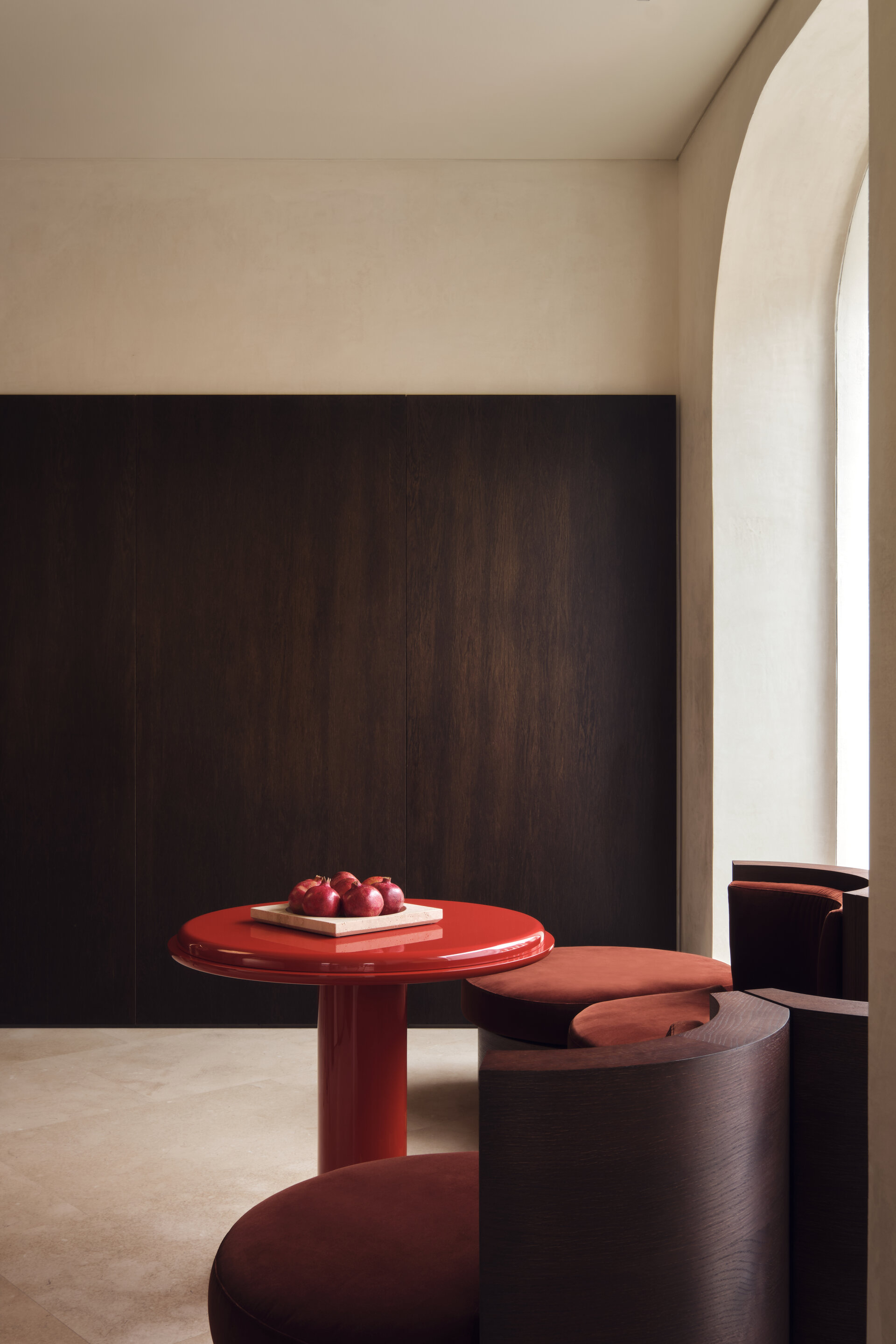
The most consistent collaboration, between AÉ02 and artist Radu Abraham, resulted in a series of defining design pieces: the modular sofa and armchairs inspired by the Ami Amalia logo, the red lacquered table introducing chromatic balance, and the long bench on the ground floor. In the basement, the central wood and brass table—created in collaboration with BronzArt and Arboritm—becomes the focal point of the interior.
Guided by craftsmanship and collaboration, the entire space is defined by clarity, economy of gestures, and careful compositional rigor: every element justifies its presence through meaning and function. In a landscape dominated by mass retail and ephemerality, the Ami Amalia flagship store proposes a sustainable alternative: a space where architecture, materials, and gestures invite a more responsible, conscious, and authentic way of consuming.
HoReCa Design

- Ami Amalia Flagship Store
- Bob Coffee Shop Otopeni Airport
- French Revolution, Rosetti Square
- Uzina de Pizza
- Sweet-shop Casa Victoria - Domenii
- Condesa
- P+1
- Hotel B
- GF Restaurant
- Pandora Winery
- Millo6 Restaurant
- La Grande Bellezza
- Trickshot Afi Cotroceni
- Dieci il Numero
- Zireto Baia Mare
- Villa Ecletico
- Vivo Brașov
- Alma
- Brasserie La Mița Biciclista
- PERL café/bar


