Therapeutic Community for People with Alzheimer
Authors’ Comment
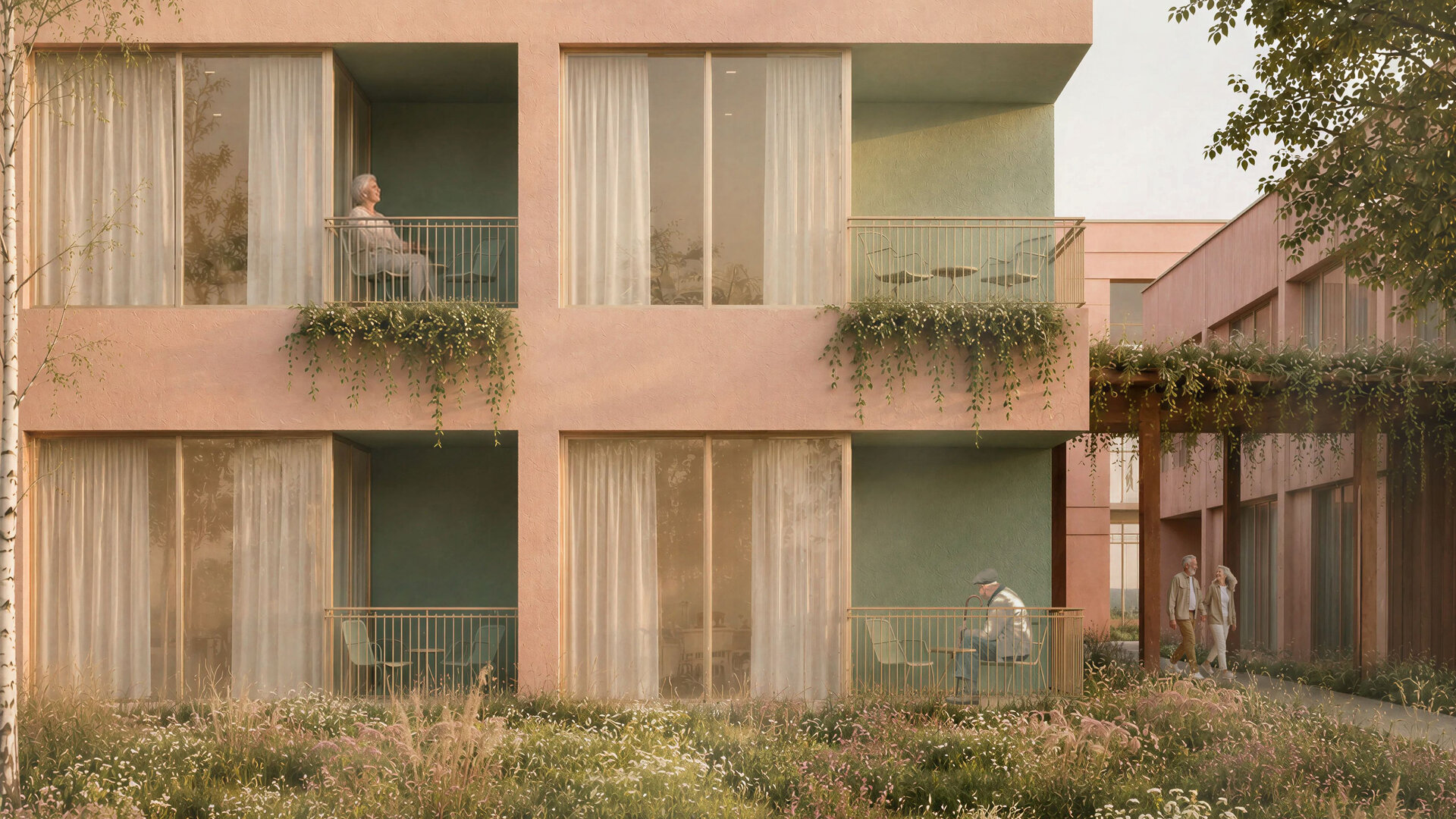
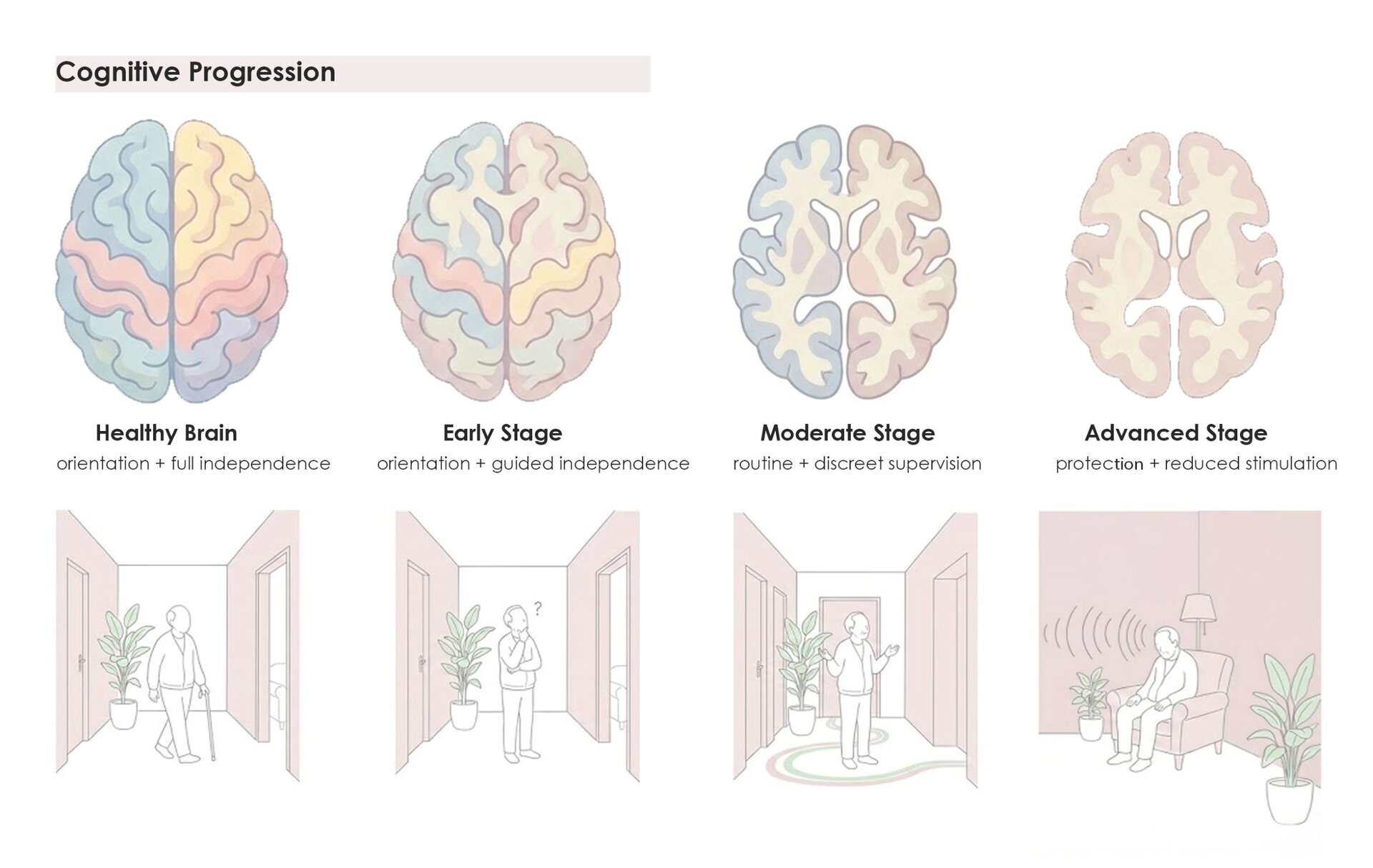
What happens to the place we live in when memory begins to leave us? For a person living with Alzheimer’s disease, everyday space changes as the disease progresses. Orientation, autonomy, social relationships and the perception of the environment become part of the care process, and architecture can respond to these changes through a familiar, recognisable and adaptable environment.
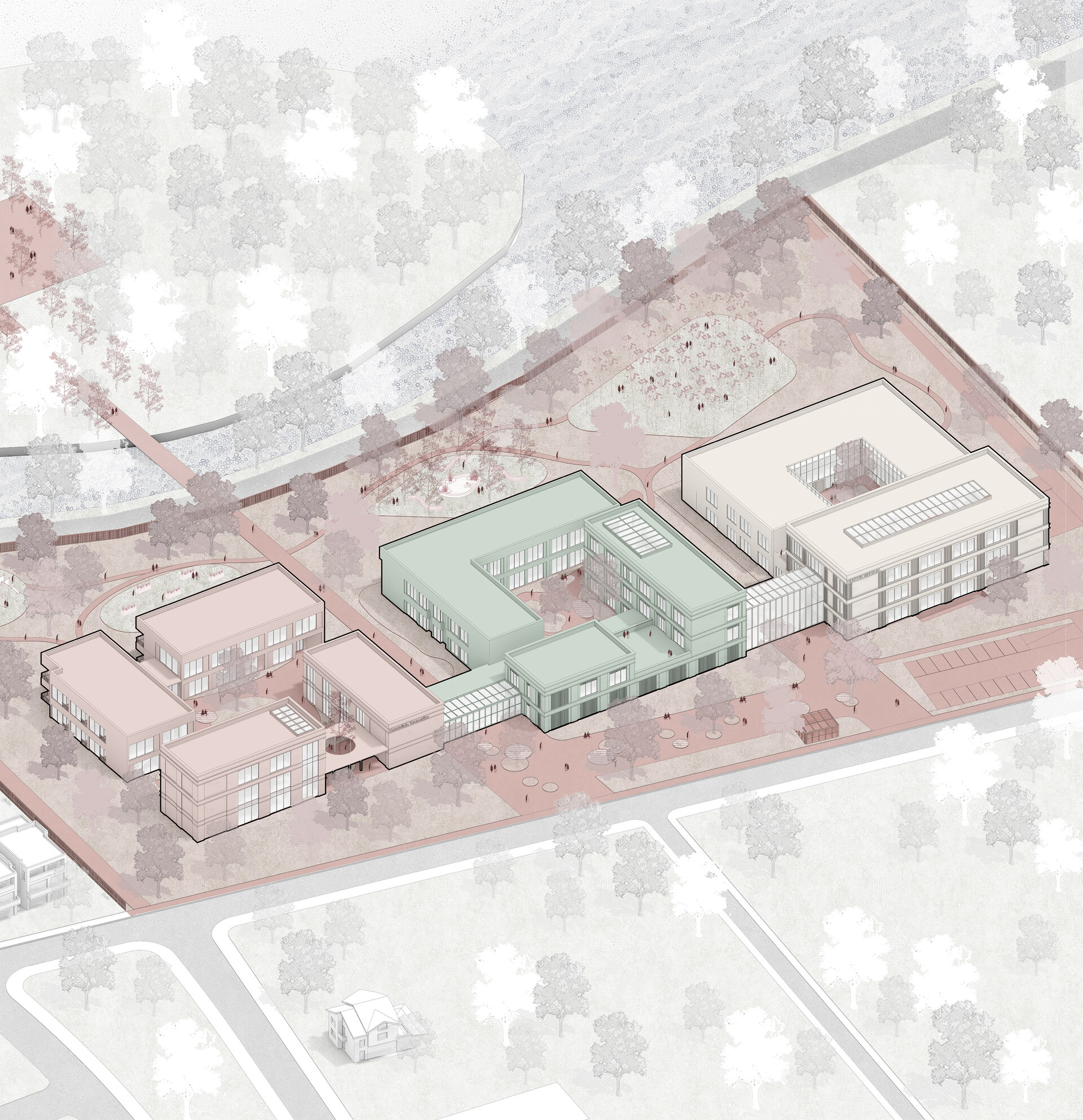
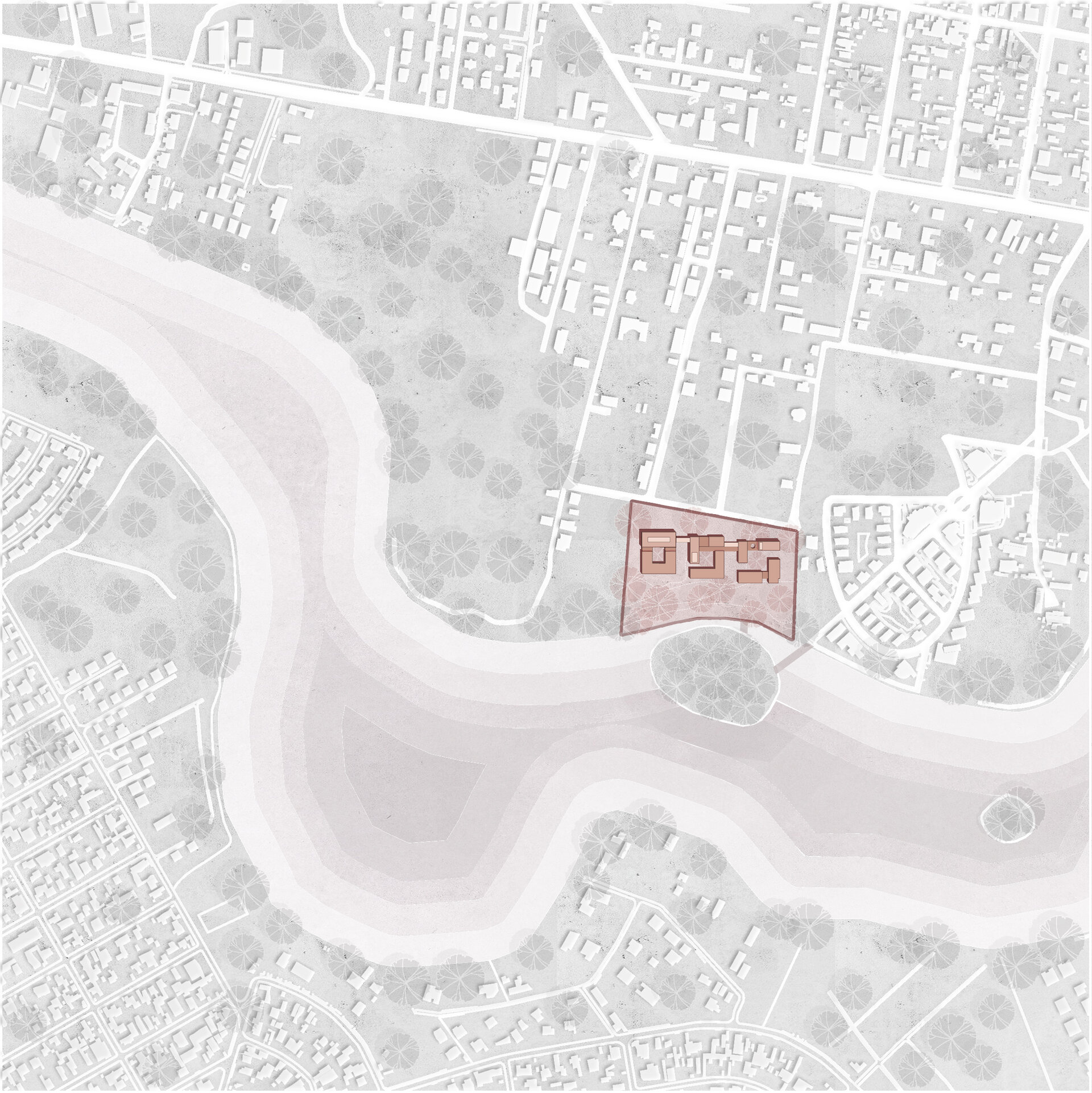
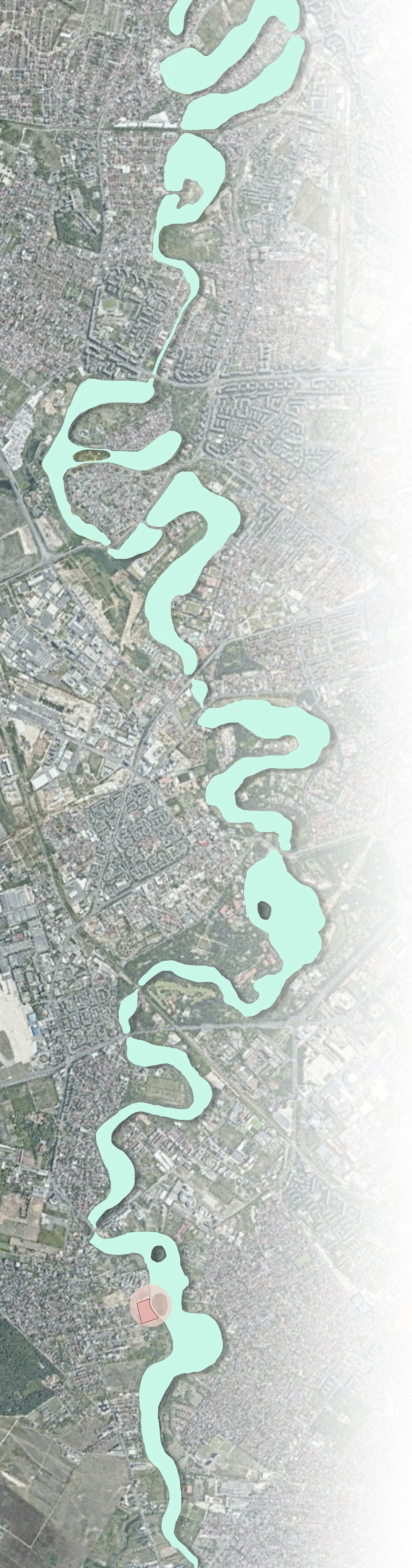
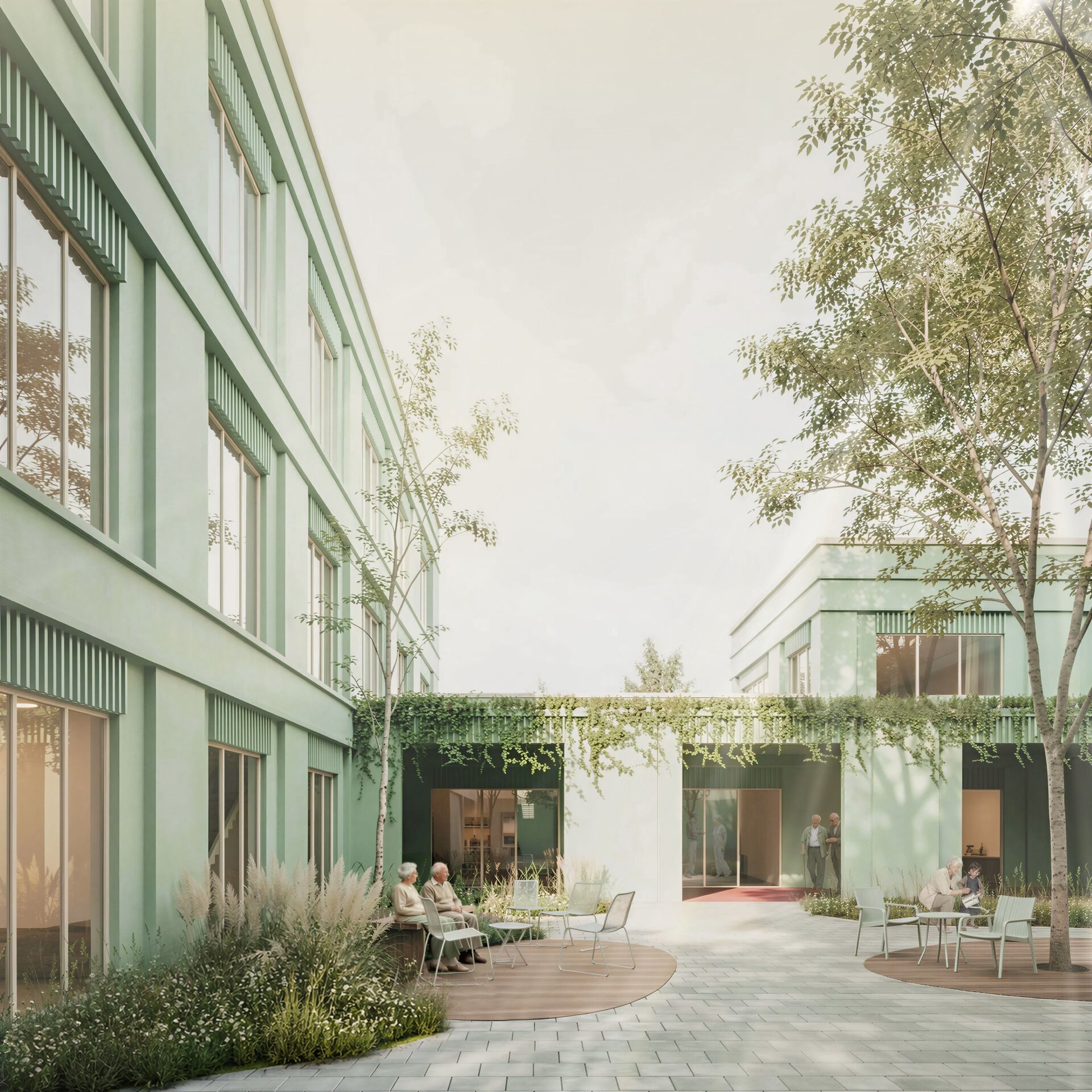
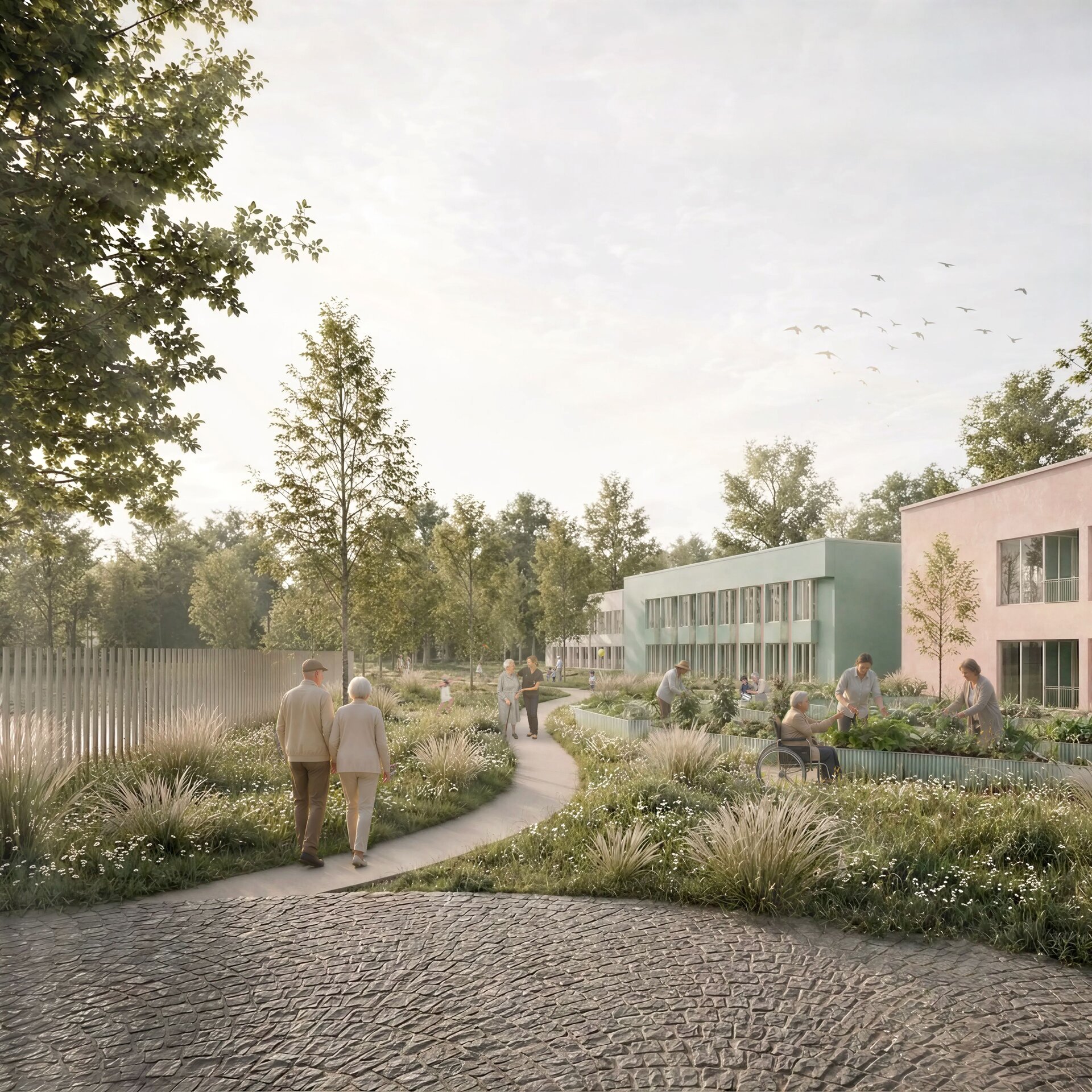
Located in the Colentina Lakes area, in close proximity to Mogoșoaia Island and Băneasa Forest, the therapeutic community is conceived in direct relationship with the landscape. Water, vegetation and the sequence of outdoor spaces become orientation cues, creating continuity between living spaces, community activities and the surrounding natural environment.
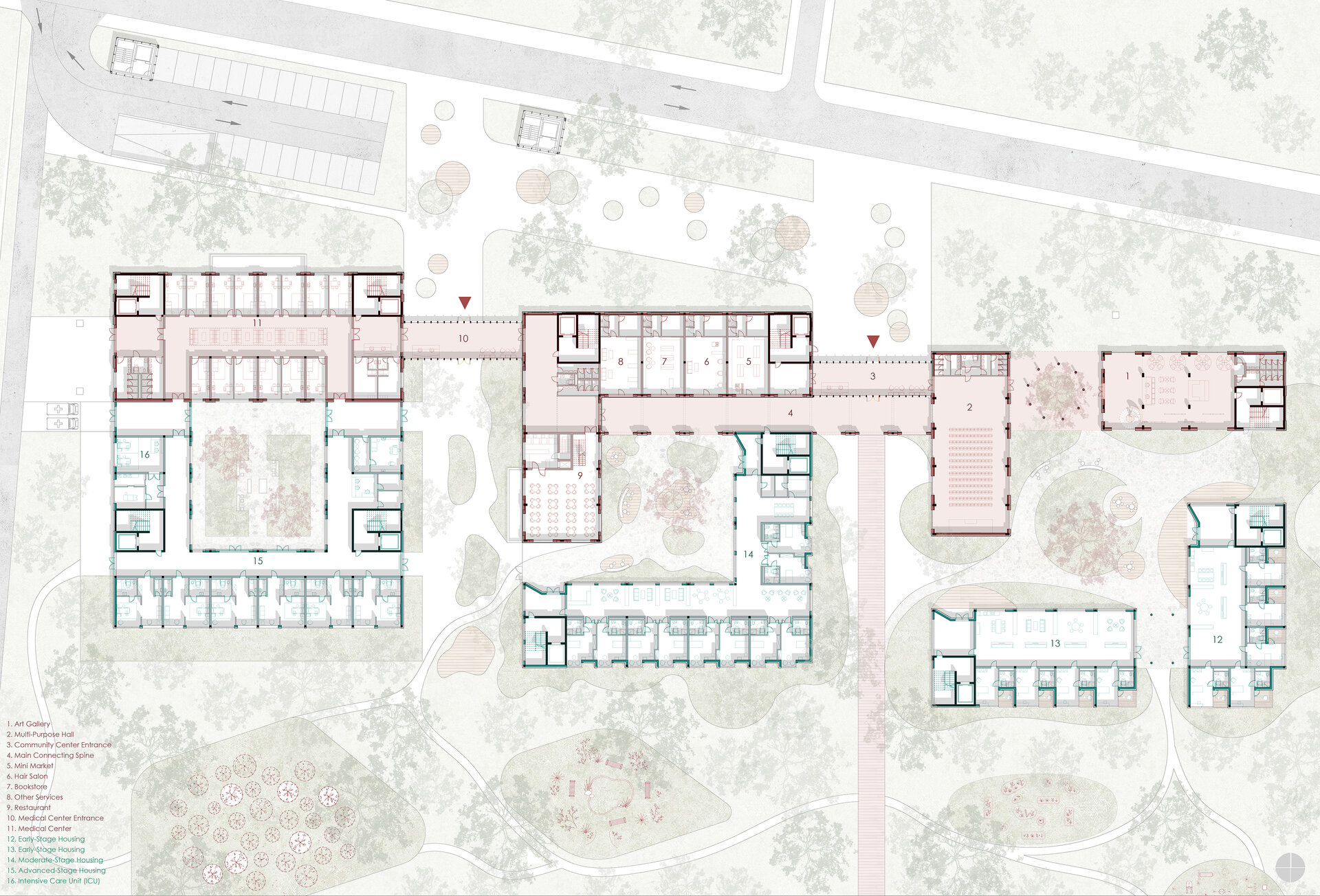
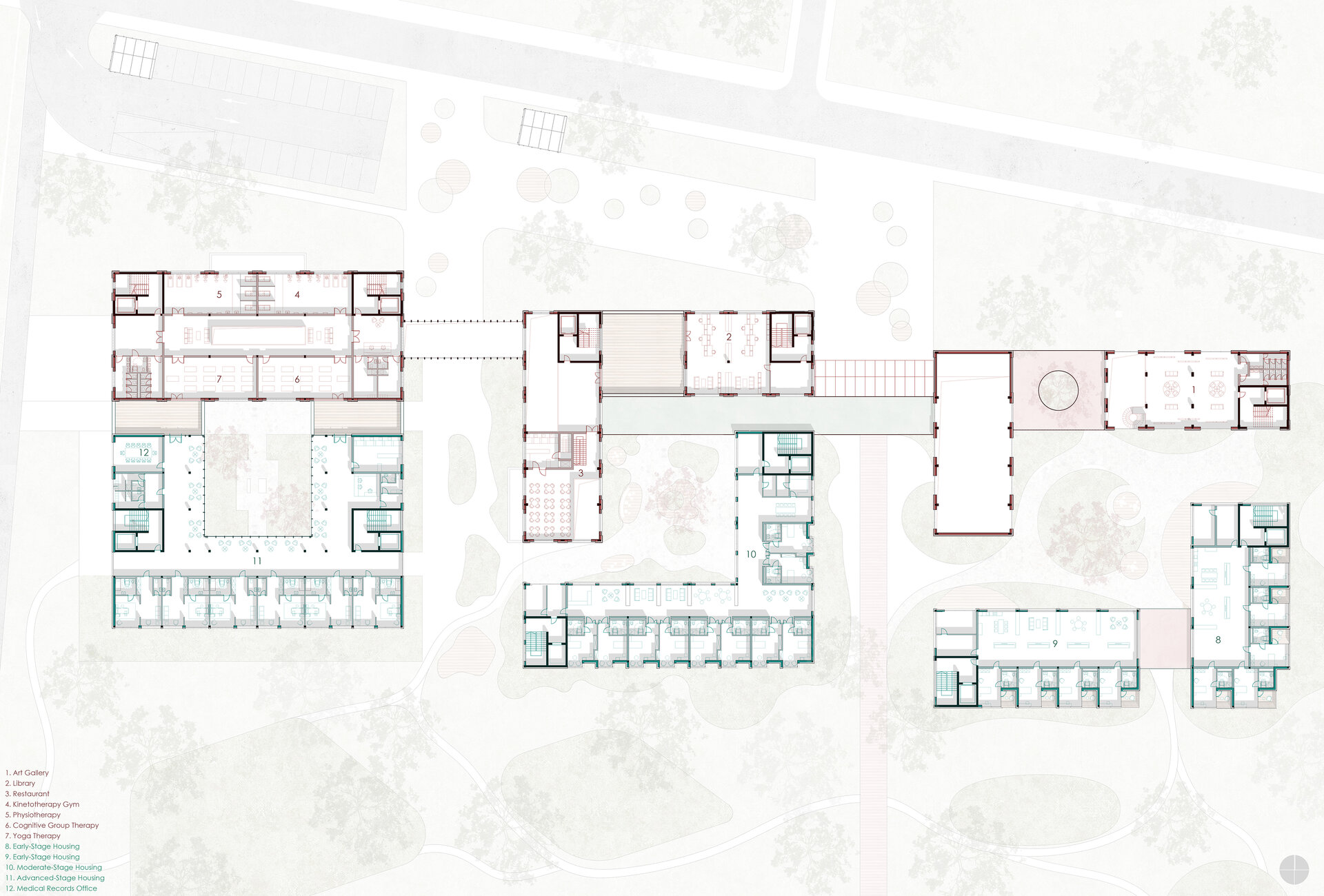
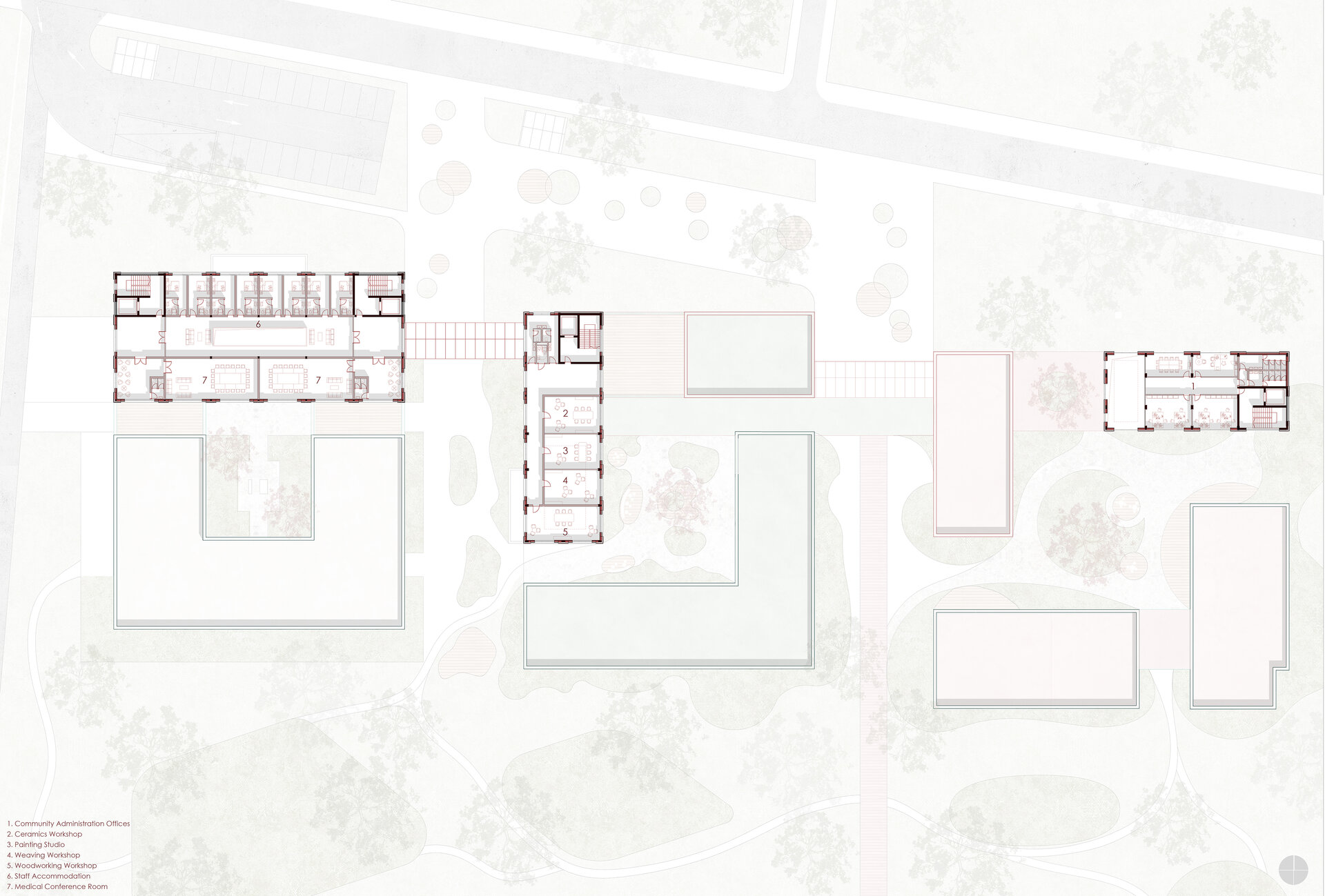
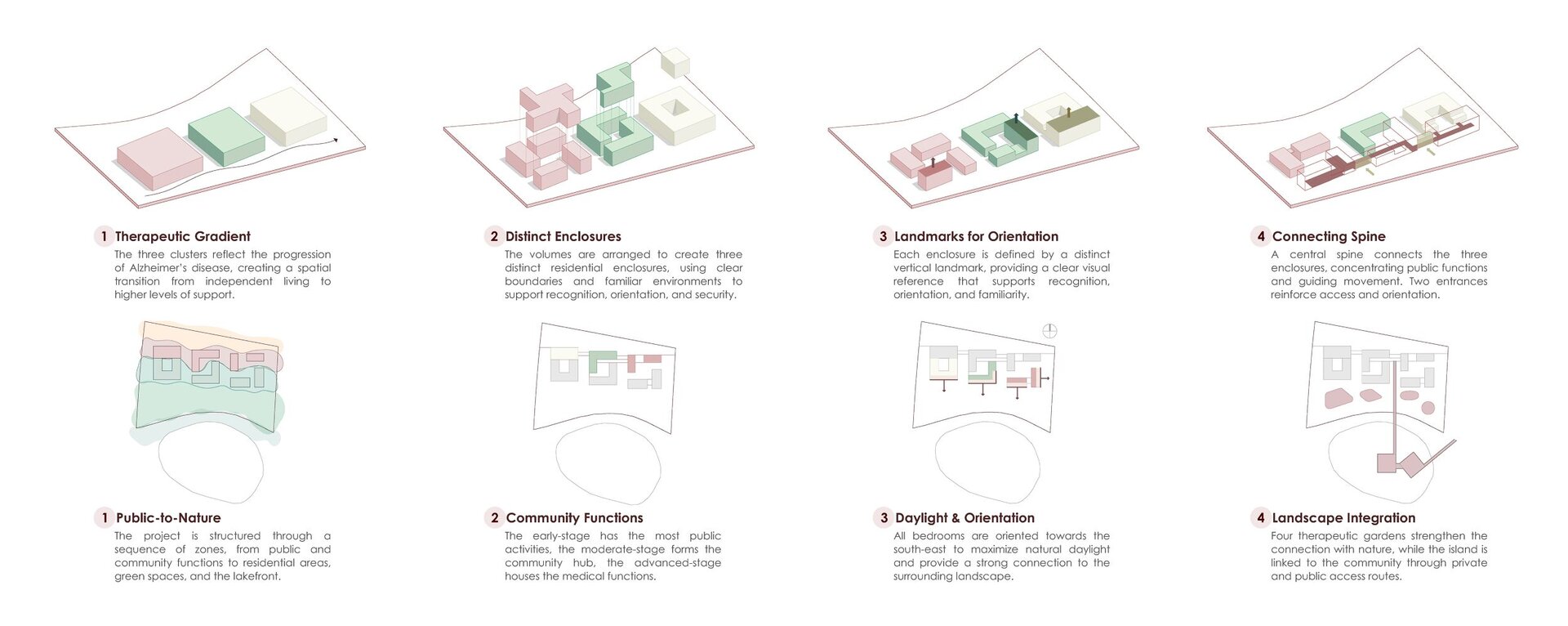
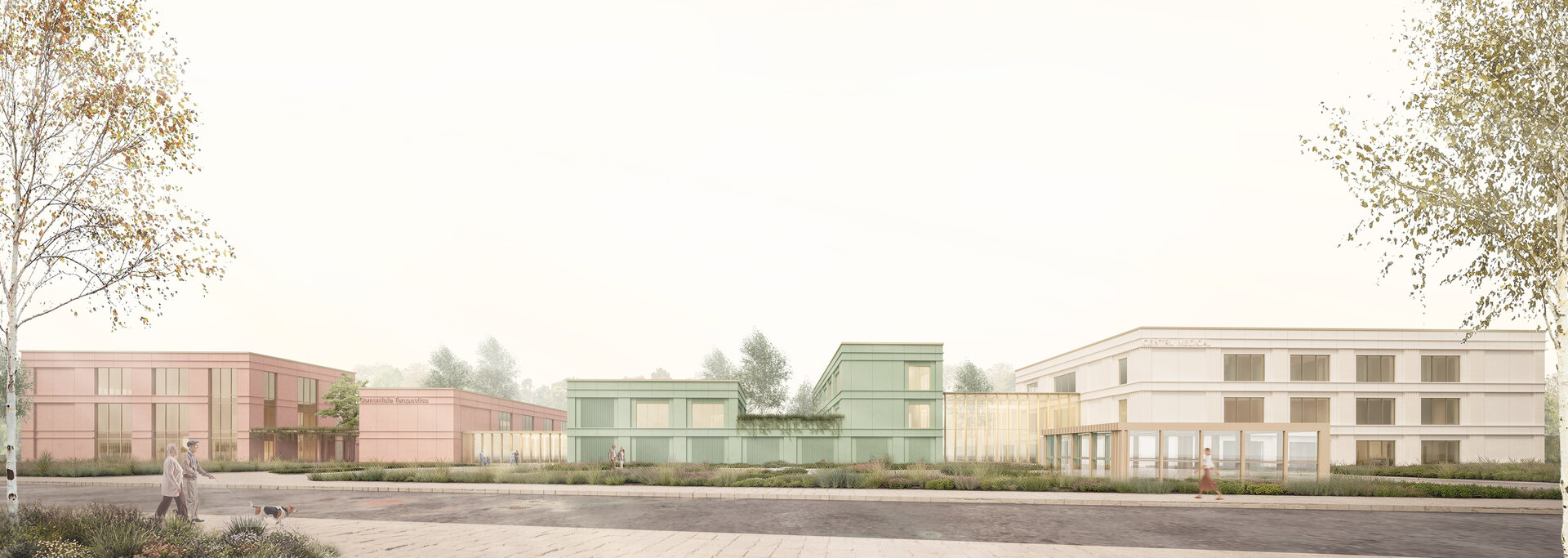
The complex follows the progression of the disease through three nuclei dedicated to the early, moderate and advanced stages. Each area responds to a different level of autonomy and care needs through a spatial sequence that moves from more open spaces connected to the community towards more protected and specialised environments.
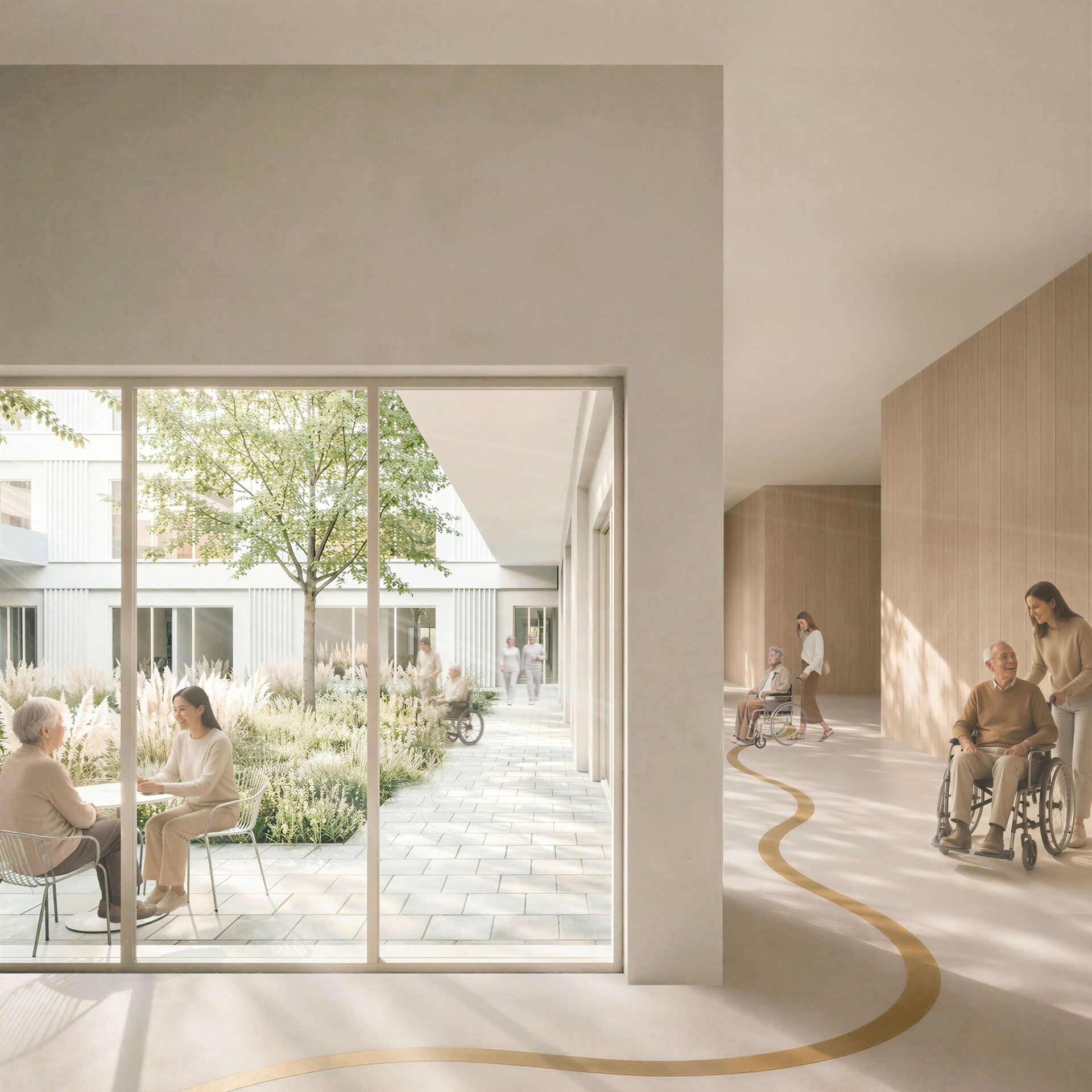
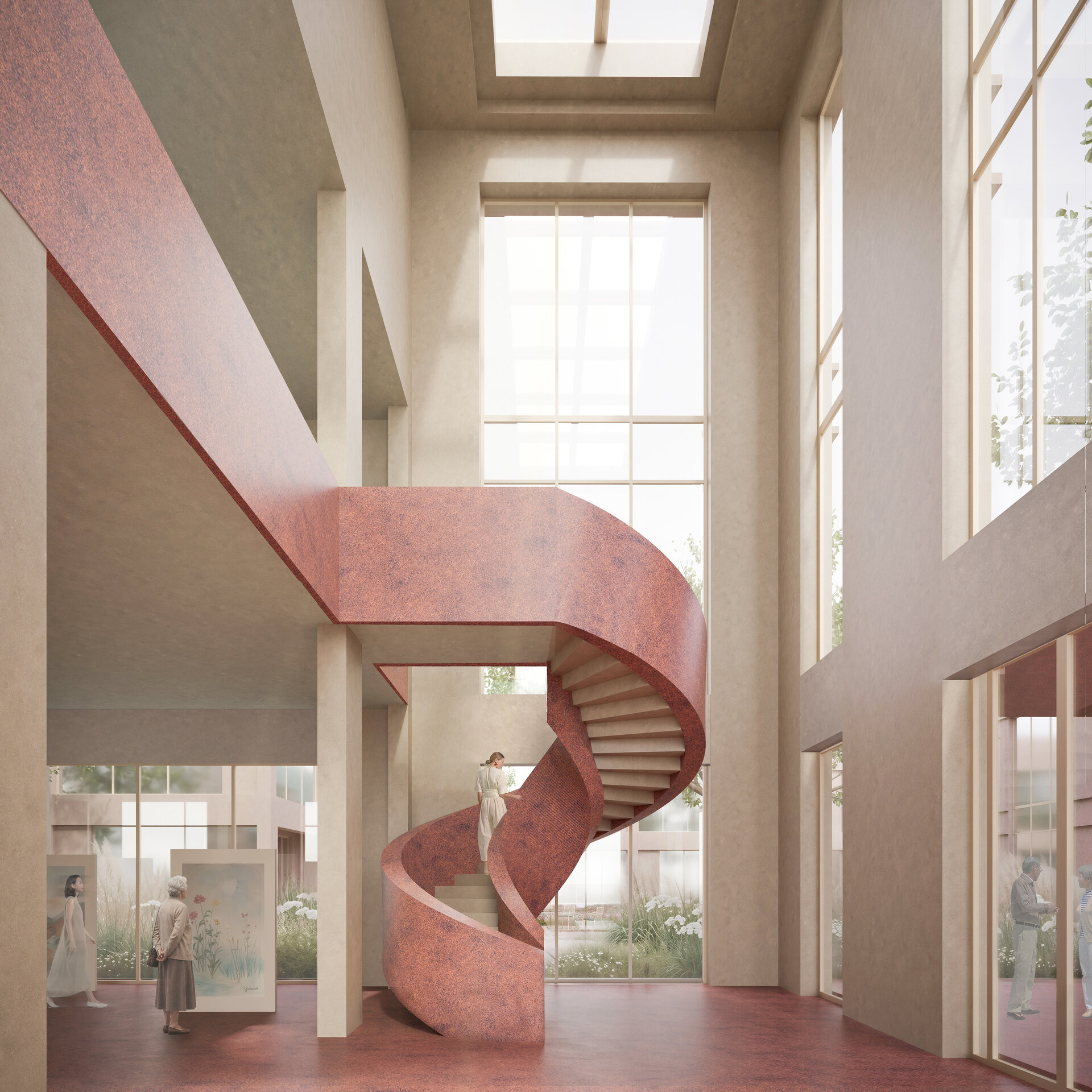
A main corridor runs through the community, connecting residential areas with public and communal functions. Along it, meeting spaces, courtyards, gardens and activity areas create a continuous and recognisable route. The community is complemented by everyday functions — a restaurant, shops, art gallery, library, creative workshops, salon and meeting spaces — supporting social interaction and maintaining a connection with everyday life.
For the advanced stage, the increased need for assistance is addressed through a specialised care environment, directly connected to the residential spaces and the community’s medical infrastructure. The therapeutic community is completed by a Medical Centre providing consultation and medical care, therapy and activities dedicated to its residents.
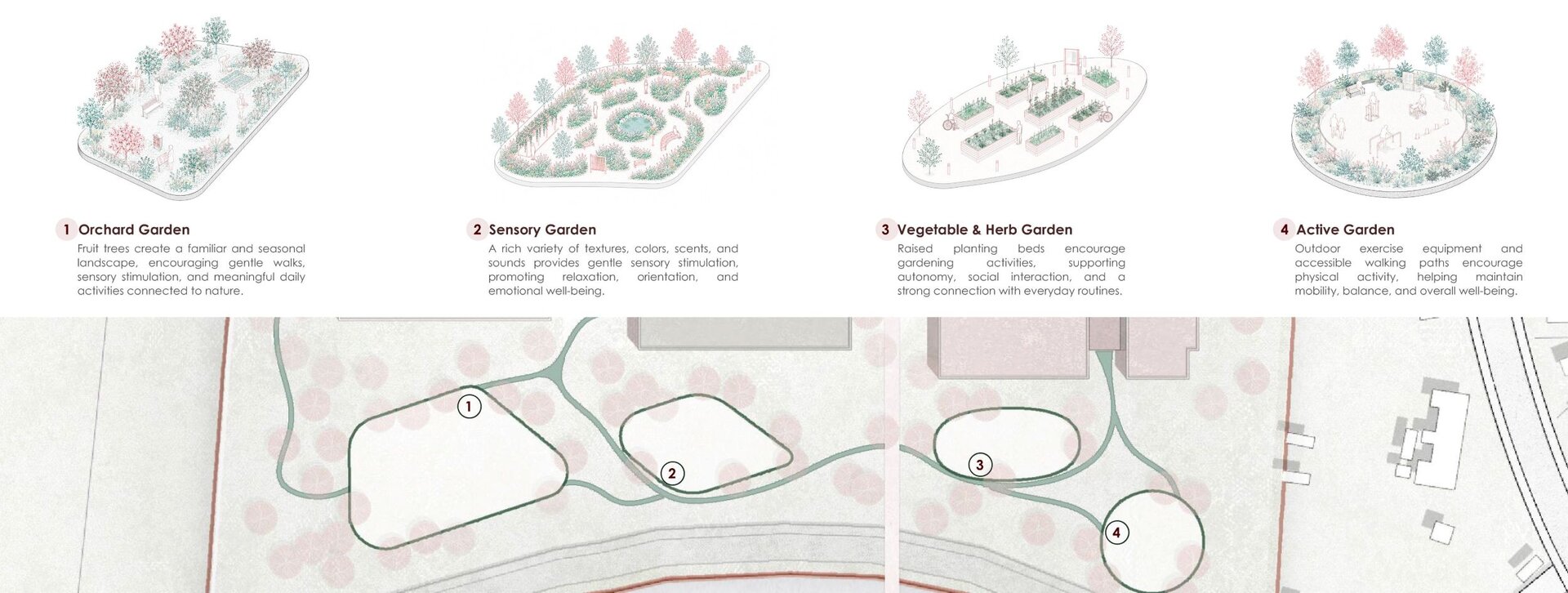
The therapeutic landscape completes this structure through a system of gardens with different roles: a sensory garden, an active garden, a vegetable and herb garden, and an orchard. Each provides specific stimuli, activities and spatial cues, creating a sequence of experiences that supports orientation, physical activity, sensory stimulation and the connection with memories associated with nature.
The project proposes a form of living in which protection, autonomy, orientation, care and a sense of belonging become architectural principles. Architecture cannot cure Alzheimer’s disease, but it can make life with the disease one lived with dignity, autonomy and a sense of belonging to a place. This becomes one of architecture’s most important social responsibilities: even when memory becomes fragmented, a place can continue to offer orientation, familiarity and belonging.






Architecture Diplomas
- Conversion within the Historic Fabric of Brașov. A School of Music
- Banatul Philharmonic
- Meta-landscape: Commun(ist) industrial heritage - MEFIN Sinaia
- Film & Animation Center
- Film Screening Center at Assan’s Mill
- Hybrid Dwelling
- Museum of Recent History Timișoara
- Between City and Landscape. Museum of Archaeology in the Constanța Peninsula
- The revitalization of the former Tram Depot in Timișoara. SCENE+ Arts Center
- Palimpsest. The Recovery of Tangible and Intangible Heritage in the Historical Center of Mangalia. Center of Cultural and Interethnic Plurality
- Intergenerational center in Codlea municipality
- Art and Technology Center
- Weaving spaces together: The conversion of the “December 13th” Leather Goods Factory into a textile museum
- Landscape of care: care center for people with mild to moderate mental health conditions
- Restoration of the Dudești - Cioplea Mansion. A Laboratory of Underground Bucharest
- Romanian Film Museum: Conversion of Palatul Eforiilor Civile, Cinema Corso and Cinemateca Eforie into a Museum Complex
- Revitalization of the Barbu Drugă Estate in Cetate: Build memory, equestrian program and temporary housing in a Danube landscape
- The new premises of the School of Architectural Conservation and Restoration and the School of Urban Planning in Sibiu
- Film center, rehabilitation and reactivation of Blanduzia Galleries
- SP4TIO - creative hub on the site of “Scoala Ciocanul”
- Socio-medical residential center for older adults in Techirghiol
- Theater and living in a historical fabric. Calea Moșilor
- Archaeological Research and Exhibition Center on the Constanta Peninsula
- Coffee sensory experimental center and themed aparthotel, Timișoara, Romania
- Production and knowledge infrastructure. Interactive and public center for production, research, and exhibition, with museum and technological function
- Arts Center for South Bohemia
- Sanctum Reviviscit. Reactivation of Saint George Church, Malcoci.
- Temporary housing for single mothers in Vatra Luminoasă neighbourhood
- Residences for Artists on Straja Hill, Brașov
- Research and Education Center for Forest Ecology on Cozla Hill
- Along the wall. Bistrița Municipal Theater
- The Extended Studio: Conversion and Extension of the Christo Gheorghief House into Artist Residences and an Art Archive, Bucharest
- The school as an instrument of urban mediation in the Theodor Pallady Area, Bucharest
- Training Centre for Young Adults Exiting the Child Protection System
- Strategy for the Adaptive Reuse and Restoration of UCM Reșița’s Industrial Heritage through Audiovisual Creation and Production
- Between Land and Sea – Place for Cultural Exchange on the Tokyo Waterfront
- Slimnic Fortress Revitalization, Fortress of Experience
- Wellness and Treatment Center at Cacica Salt Mine
- Anamnesis. Museum of Communism, Bucharest
- From Inn to Hub: Junimea Academic Agora
- Workshops Along the Ridges – A Craft Camp at Prejba Cabin
- Literature on Stage - Performing Arts Center, Library and Museum
- Assisted Living for Seniors and Adults with Disabilities
- Detox and addiction treatment center
- Heritage Competence Centre in the Historic Centre of Brașov
- F.O.R.J.A. - Intergenerational Community Center for Learning, People, Relationships, Play and Harmony
- Iojib Gravel Pit: Terrain Vague, a Landscape in the Making
- Between layers. The adaptive reuse of the Mirea Miclescu House: a framework for artistic practices and processes
- Reactivating the Historic Center of the Constanța Peninsula. The Interplay of Public Functions and Collective Housing
- The Fortress Courtyard - Research Hub for Culture, Tradition and Art
- Criș Educational Center and Digital Archive
- Centre for Architectural Culture of Bucharest
- Revitalizing the industrial heritage. Museum of Industry: conversion and extension of the Petroșani Locomotive Depot
- SYNAISTHESIS - Leonida laboratory of music
- Therapeutic Community for People with Alzheimer
- Architecture of Recovery - Addiction Treatment Center in Constanța
- Rehabilitation of the Babele Chalet
- Center of Excellence in Research and Management of Neurodevelopmental Disorders. Integrated care, therapy, education, and training in ASD and ADHD
- Student housing and collective spaces within a historic urban fabric
- Podil Cultural Quarter. Industrial Spaces in Kyiv in the Process of Transformation
- Image Laboratory – Visual Culture
- Gastronomic training and experience center
- School for children with severe and profound learning disabilities
- Aquaculture Research Center
- Multisensory architecture: School for the blind and visually impaired
- Creative Industries Center
- (new) Fish Market in Galati
- Memory and Identity: The Conversion of the Macridescu Houses into a County Library
- Center for Musical Practices. Reactivation of Woeng Nakhon Kasem, Bangkok
- Liebrecht-Filipescu Gardens
- Extension of the Museum of National History and Archaeology Constanta
- Filaret Centre for Restoration and Reuse
- Ciocanul 127. Conversion of the School of Crafts
- Conservation of the Cantacuzino-Pașcanu manor ruin (Ceplenița) and the Insertion of an equestrian school as a driver of regional tourism development
- Bucharest Architecture Center (BAC)
- From Commercial Exchange to Cultural Exchange. The “Anghel Saligny” Halls in Botoșani
- Multiconfessional Cemetery with Chapel and Ritual Spaces
- Dual School of Research and Design for Urban Public Transport
- Redefining the Identity of the Ruins of the Former Republican Stadium in Chișinău
- Educational and Research Center for Dual Vocational Education - Conversion of the Florești Electric Power Plant
- Multicultural Arab Center for Art and Technology
- SINCRON: Space for creation and education - a new headquarters for the National Dance Centre, Bucharest
- Re.form - Center for Minor Movable Heritage
- B(ei)rutalism – Post-Conflict Modern Ruin - Restoration, Extension and Conversion of “The Egg”, Beirut
- Pomology Research Centre
- Museum of Contemporary Art - Miclescu House
- The Aquarium and the Marine Life Museum: Developing museum capacity in the context of the revitalization of Ovidiu square and Tomis Port
- Extension of Craiova Old Market-Gastronomic and Cultural Complex Dedicated to Commercial Memory
- Formula 1 Circuit. Multifunctional Hub
- Rehabilitation of the former S.N.T.R. tobacco fermentation warehouses, Găești, Dâmbovița: From abandonment to a new productive landscape
- Urban ruin - School of hertitage education and specialization
- Pajura Cultural Center
- Danube Agora - an urban connector between the city and the river
- “Elisabeta Știrbey” coworking hub - the reactivation of Antim area through a public nucleus
- The Revitalization of the Ciocanul Vocational School. Memory. Education. Community.
- The conversion of the Filitelnic fortified Evangelical Church ensemble
- Architectural Intervention at the “Lia Manoliu” Sports Complex
- Garavan between everyday life and seafaring leisure, Nautical Center
- Conversion and extension of the Violatos Mill into a cultural, educational and touristic hub of historical and artistic identity
- From industrial waterfront to public urban spaces: Transforming Galati’s waterfront
- FRUMENTUM – from production to culture. Conversion of the “Marea Moară Română – Ștefan Barbu Drugă” into a Multidisciplinary Cultural Centre, Craiova
- The Loop Culinary Arts Academy
- Giulești Cinema. A new scripting of the movement
- Between Limit and Limitation - Architecture as a Witness to the Communist Political Project
- Ski-in Hotel. Revitalization of the Vidra Mountain Resort
- High school in Drumul Taberei neighborhood - Recovery and adaptation of the old urban structure
- House of music - Adaptive reuse of the former Leonida Garages
- Balneotherapy Recovery Center: Cold Baths Pavilion No. 3, Techirghiol
- Kaleido-Kids - Non-formal Education Center for Children


