Re.living
Authors’ Comment
Re.living.
Introduction to the Concept: The Dialectic between Tradition and Modernity
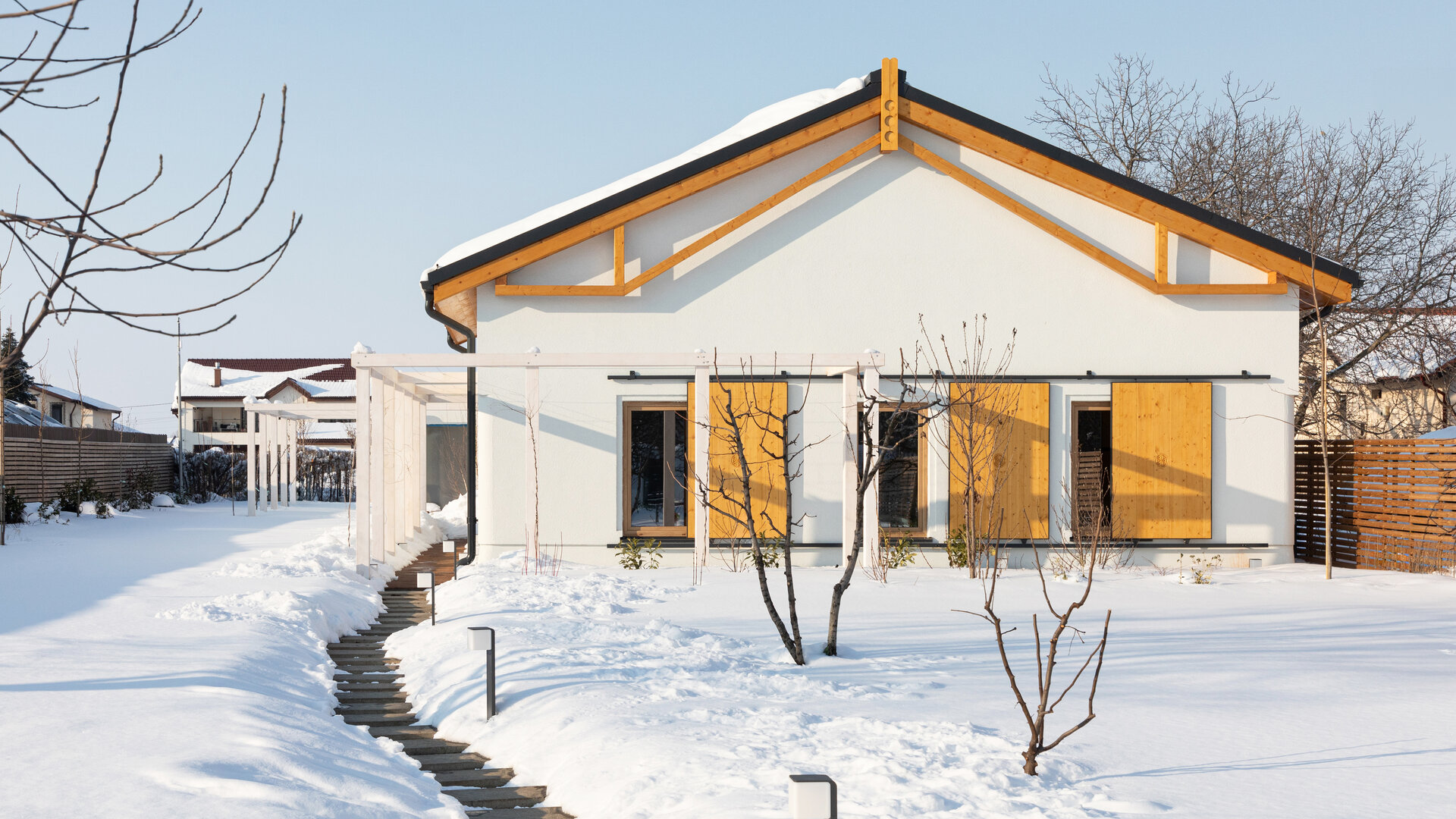
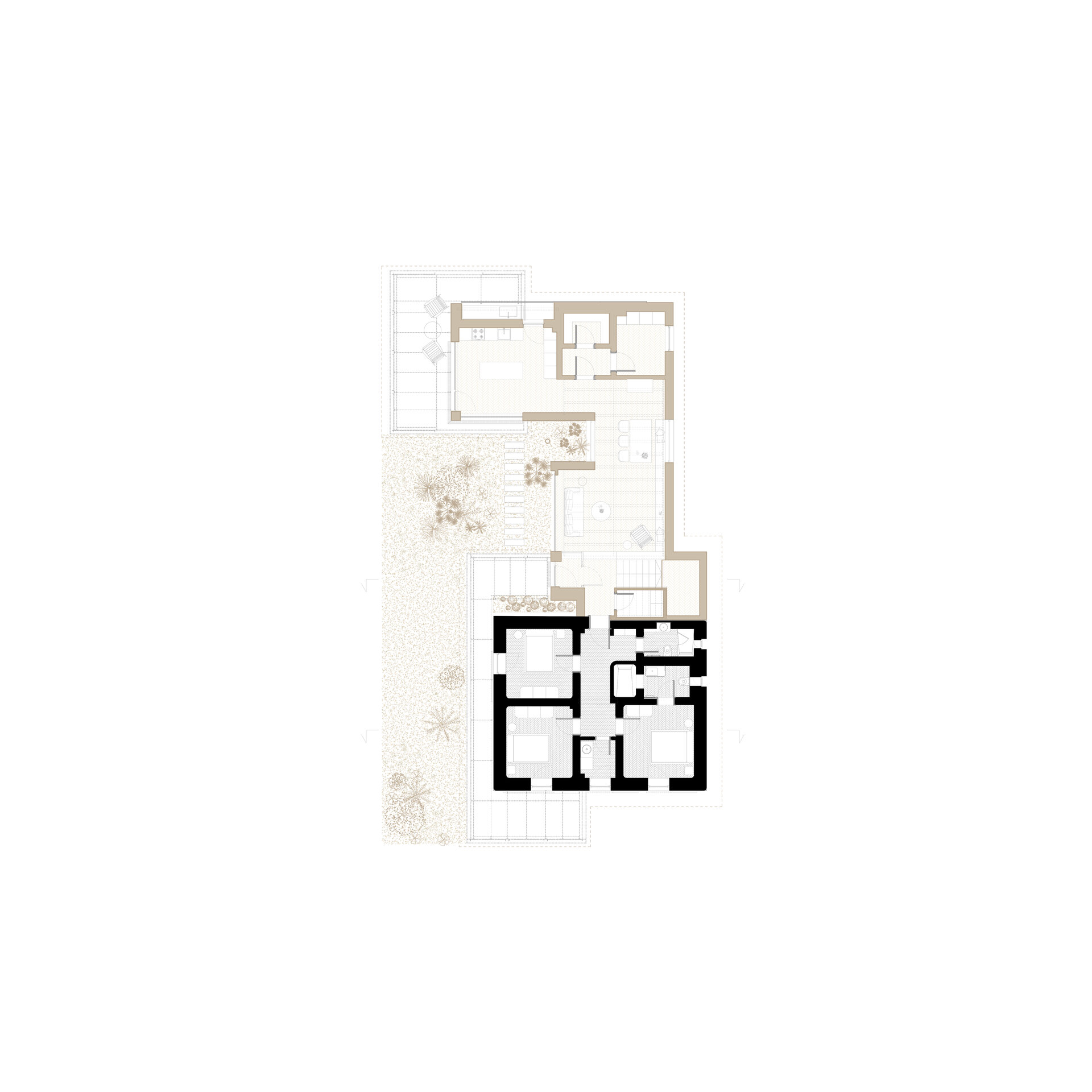
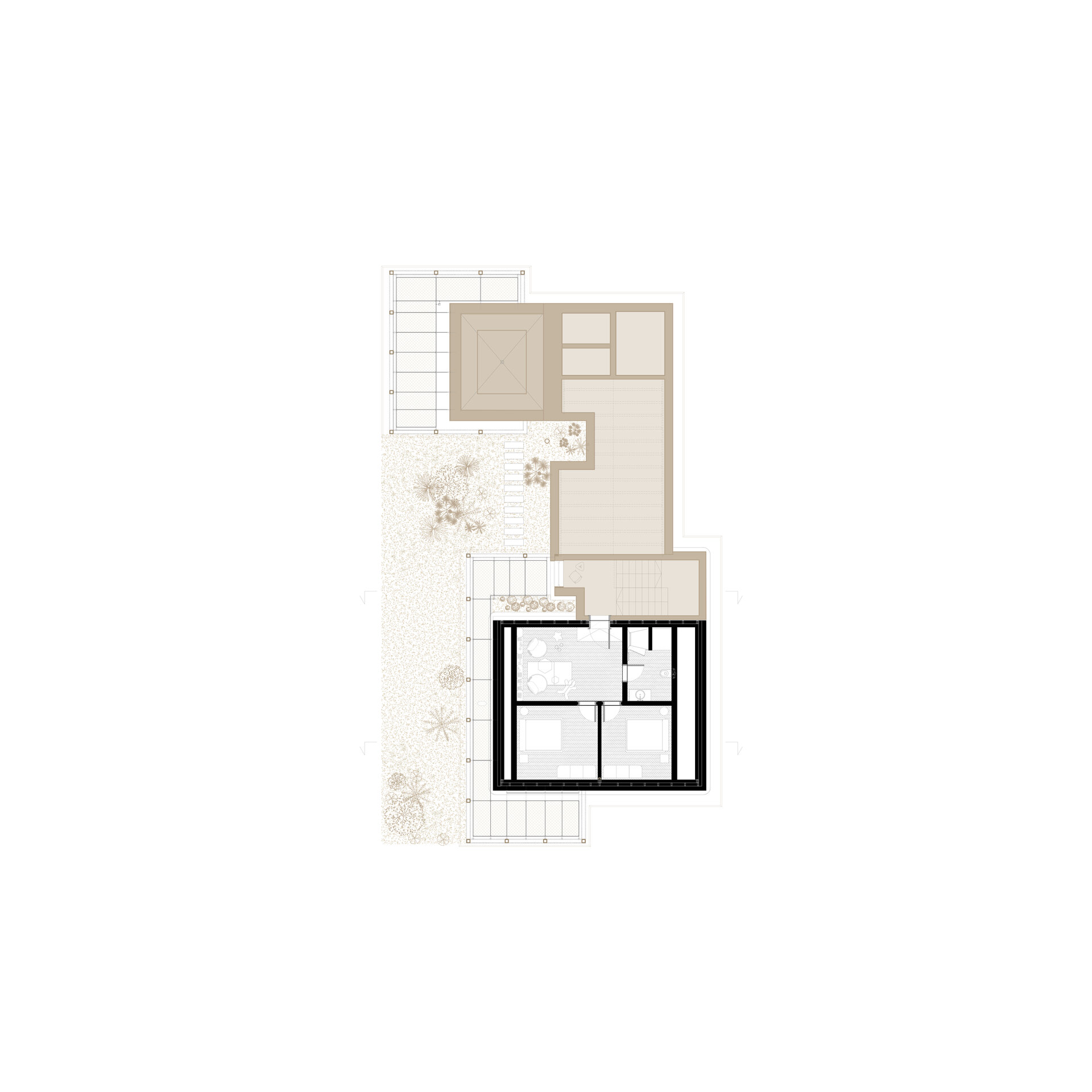
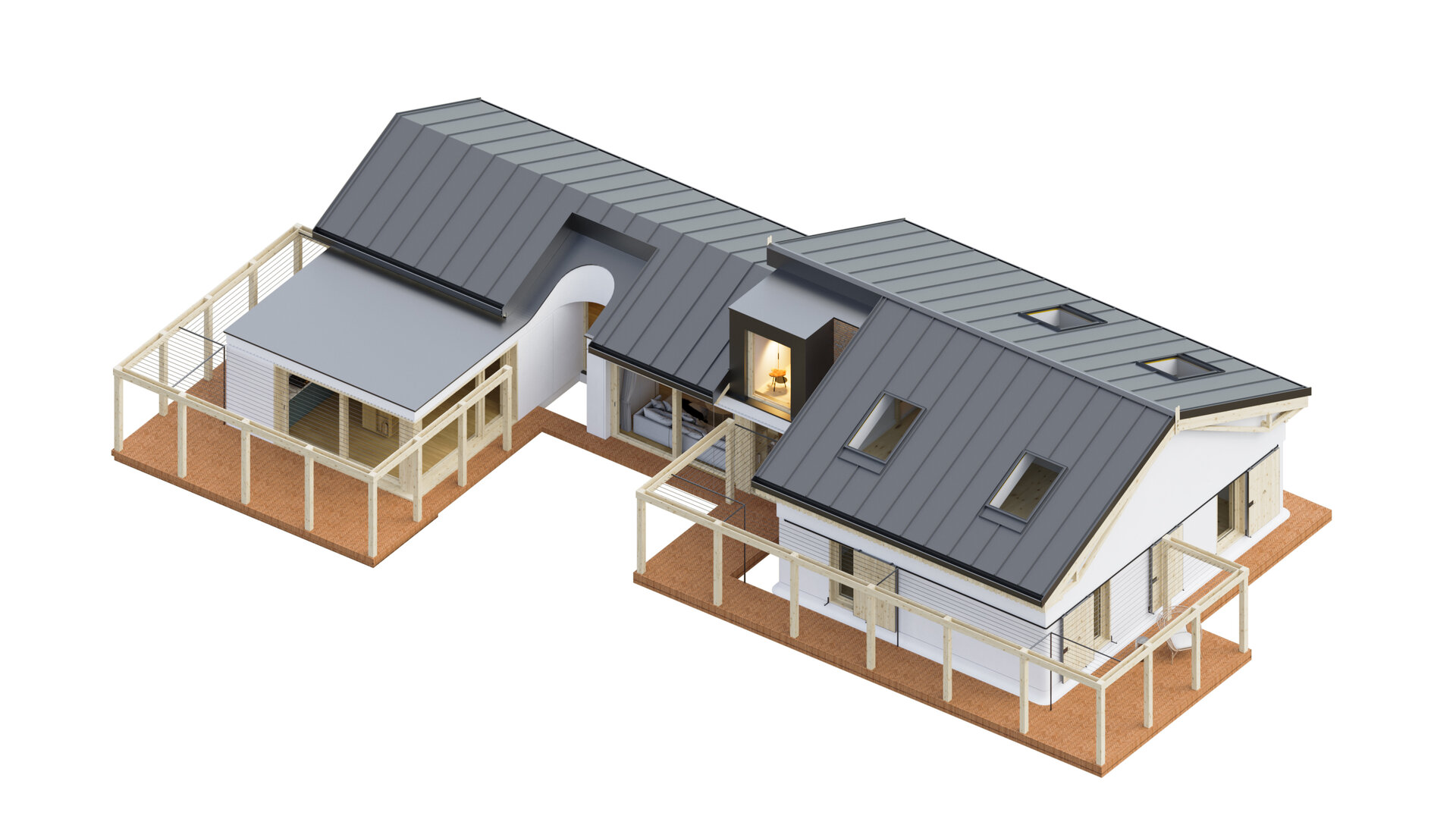
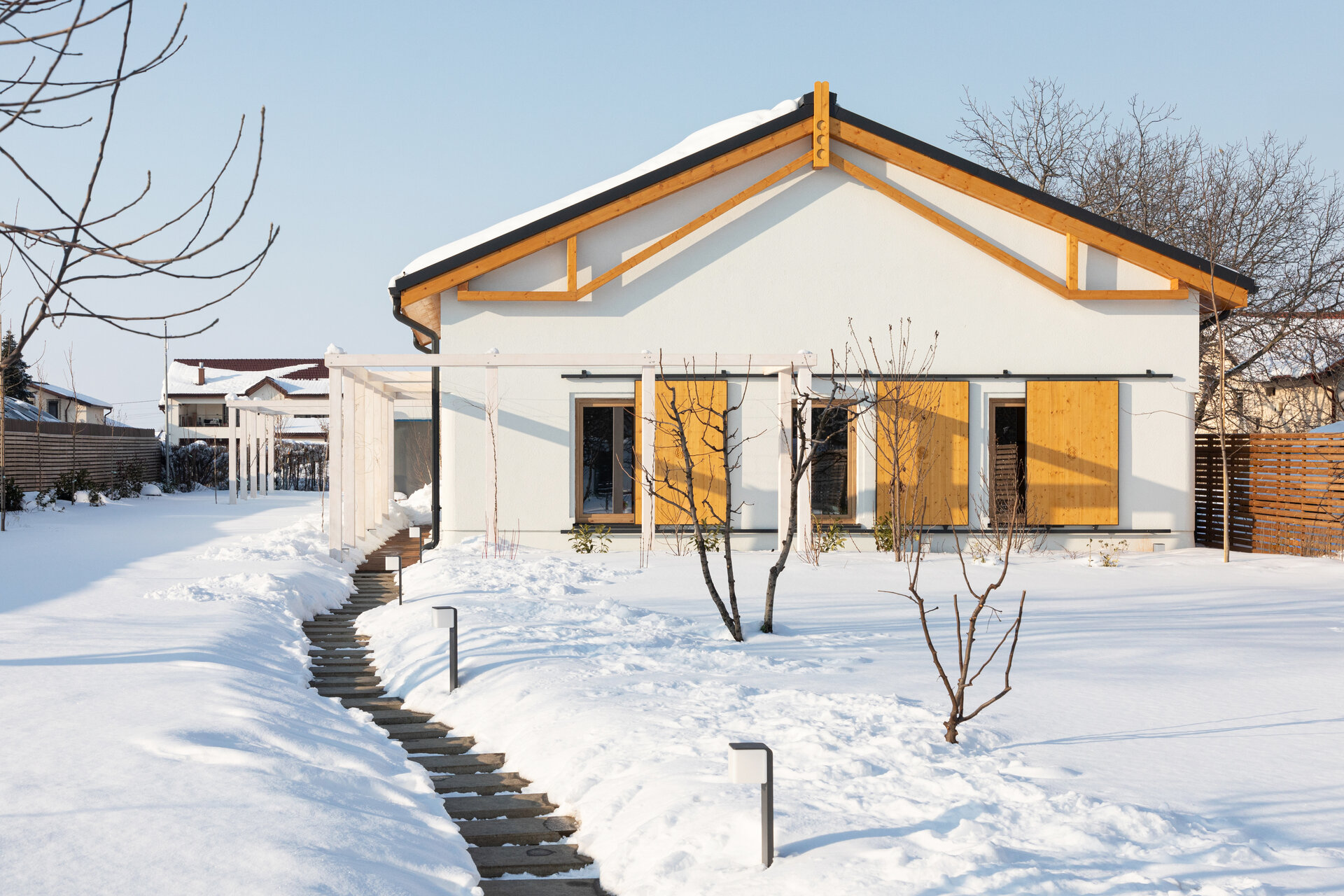
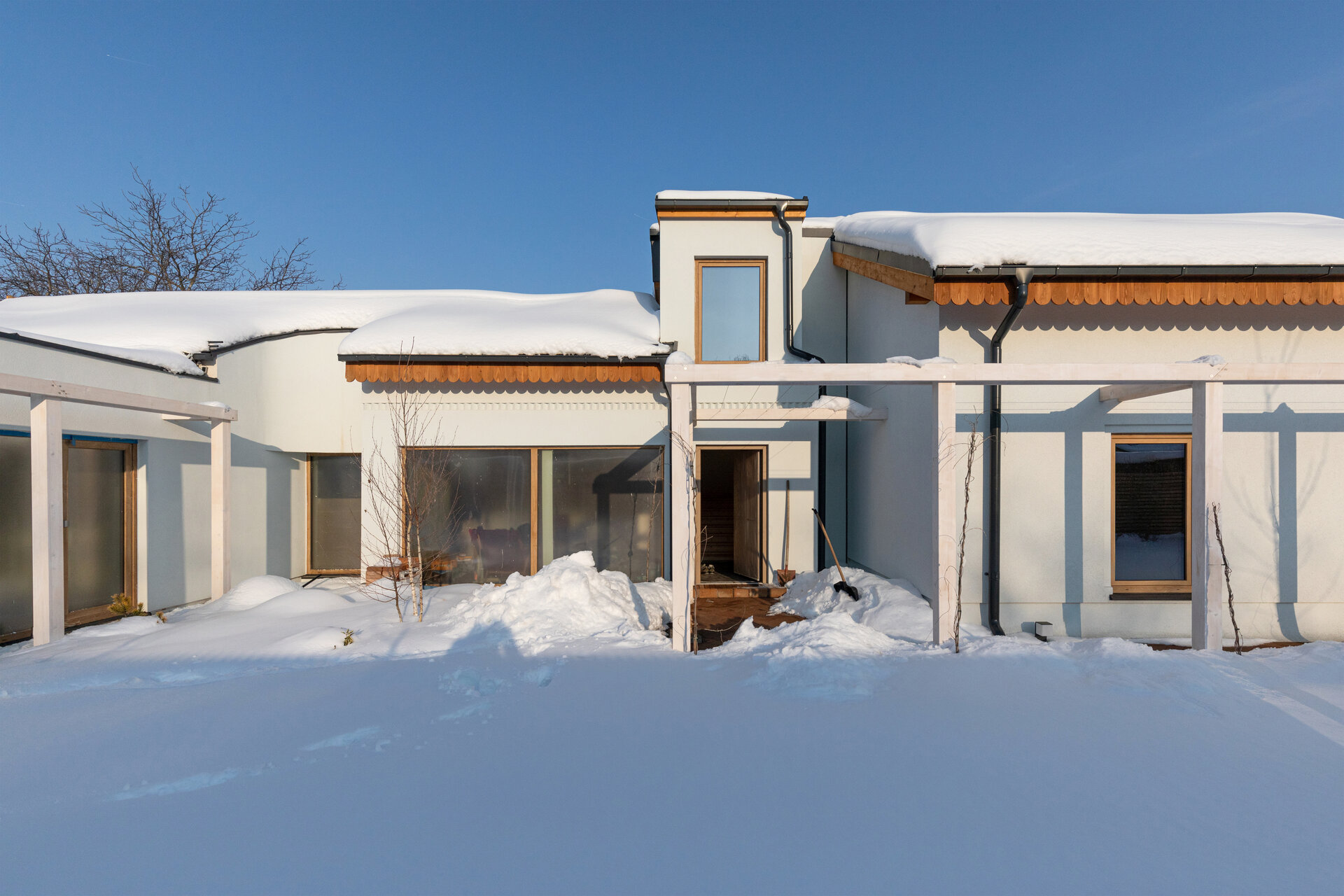
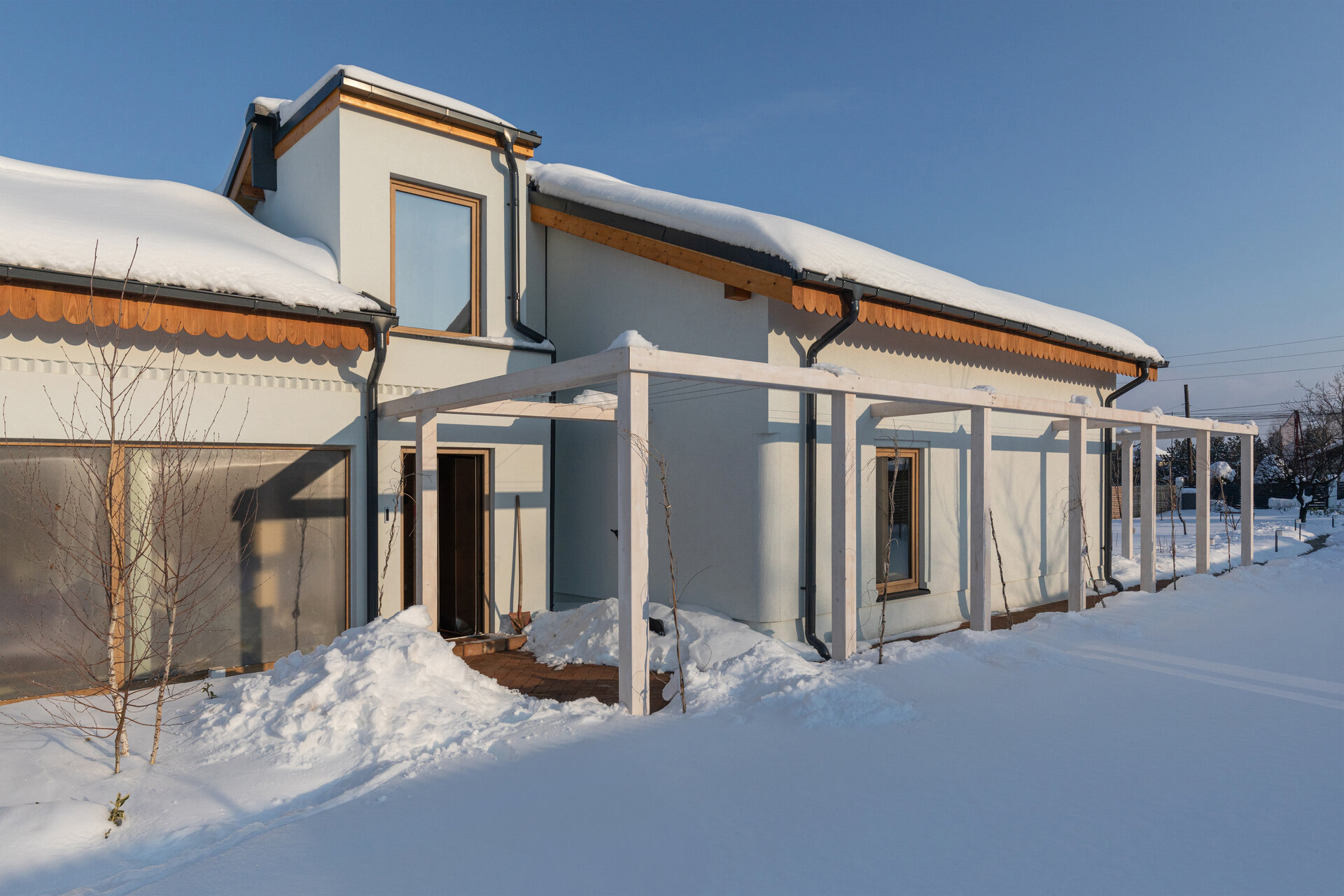
In an era dominated by globalization, this housing project aims to position itself as a subtle yet firm manifestation against modern uniformity. Inspired by the "local traditional fabric," its goal is a gesture of return to authenticity. The project does not merely seek to reinterpret tradition but to reinvent it through a critical lens grounded in the present. The preservation and extension of an old house become a profound form of respect toward the achievements of those who came before. In the spirit of Bruno Zevi’s theories—who argued that architecture must be a “writing” of its time, where every detail matters—the project articulates multiple layers of meaning.
Redefining Tradition in the Contemporary Space
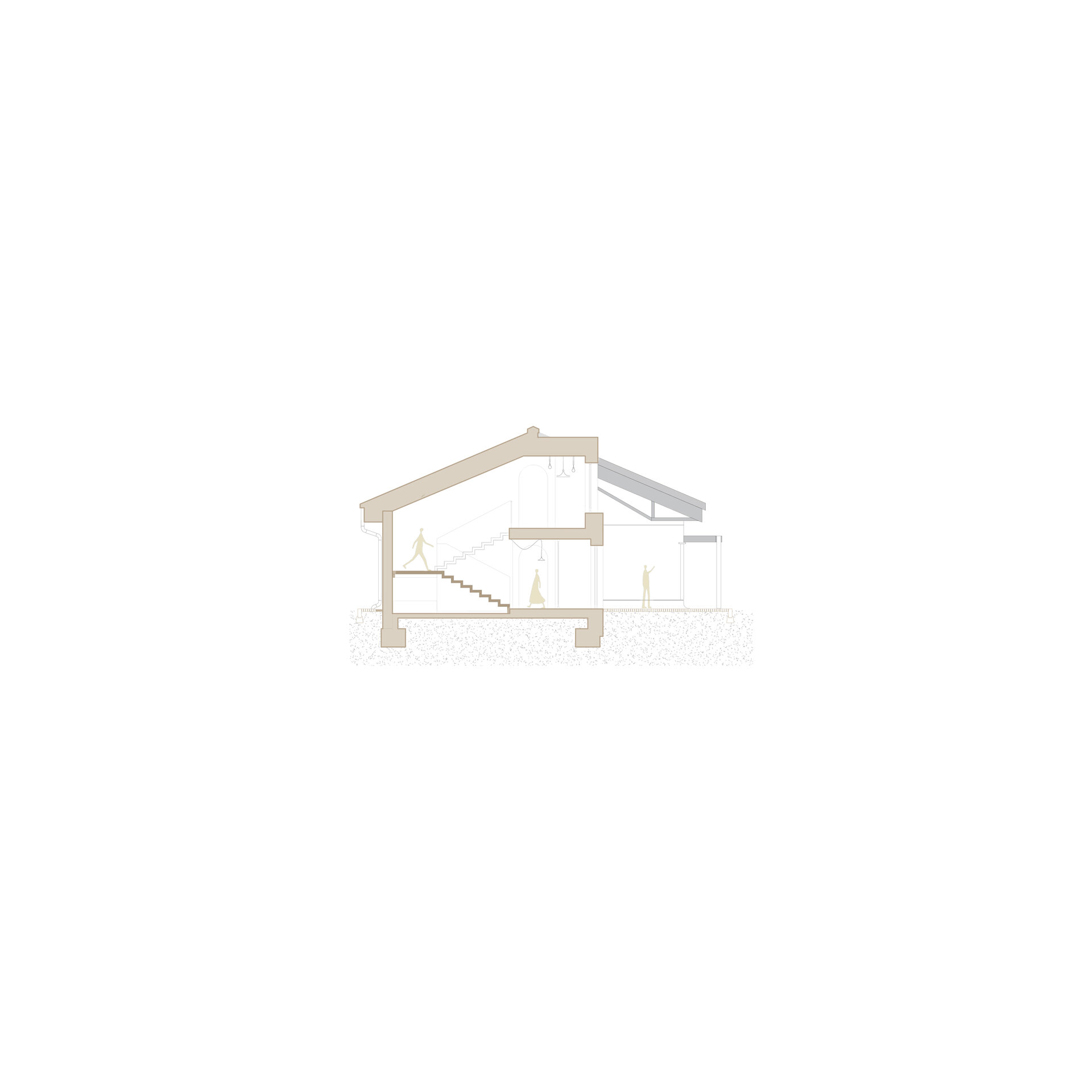
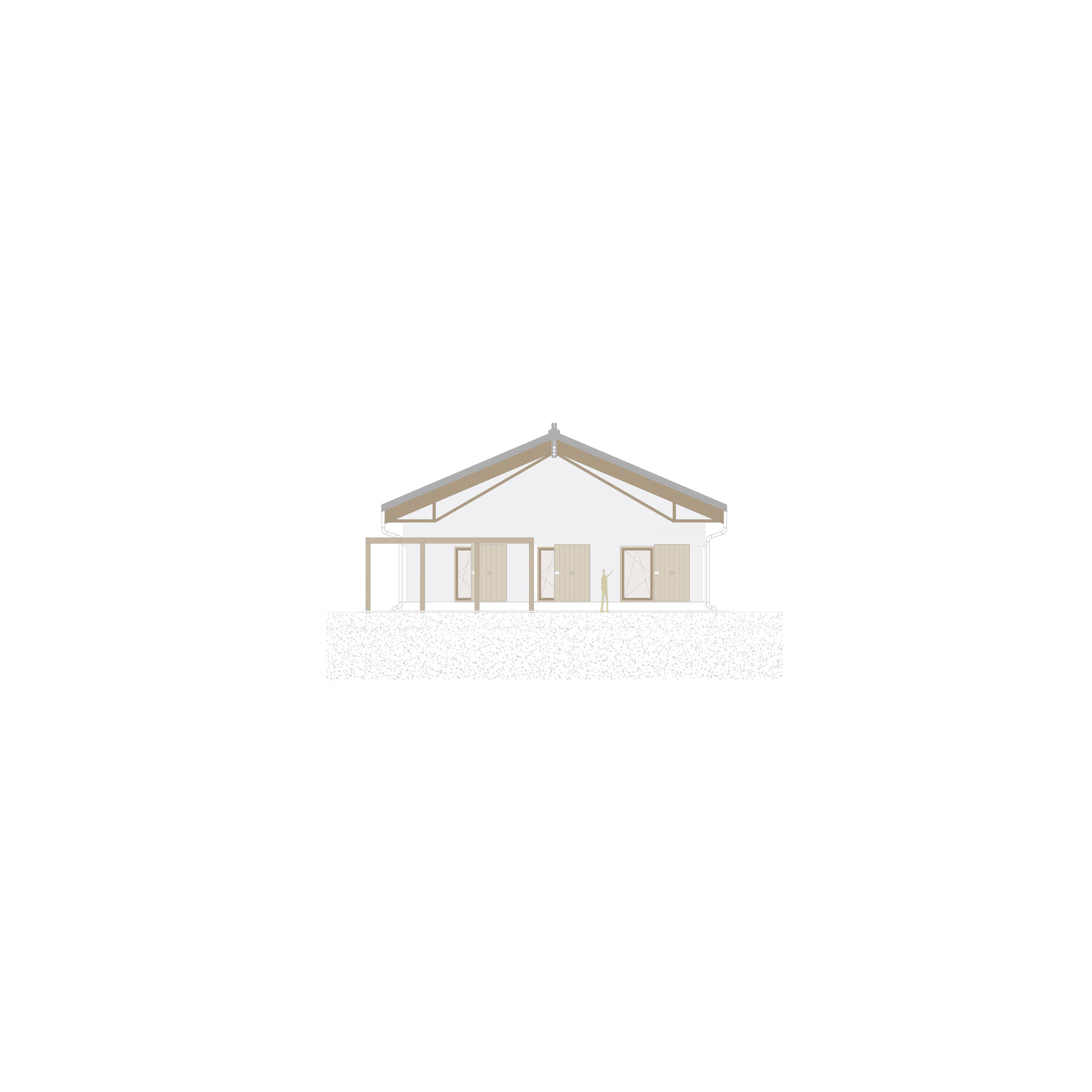
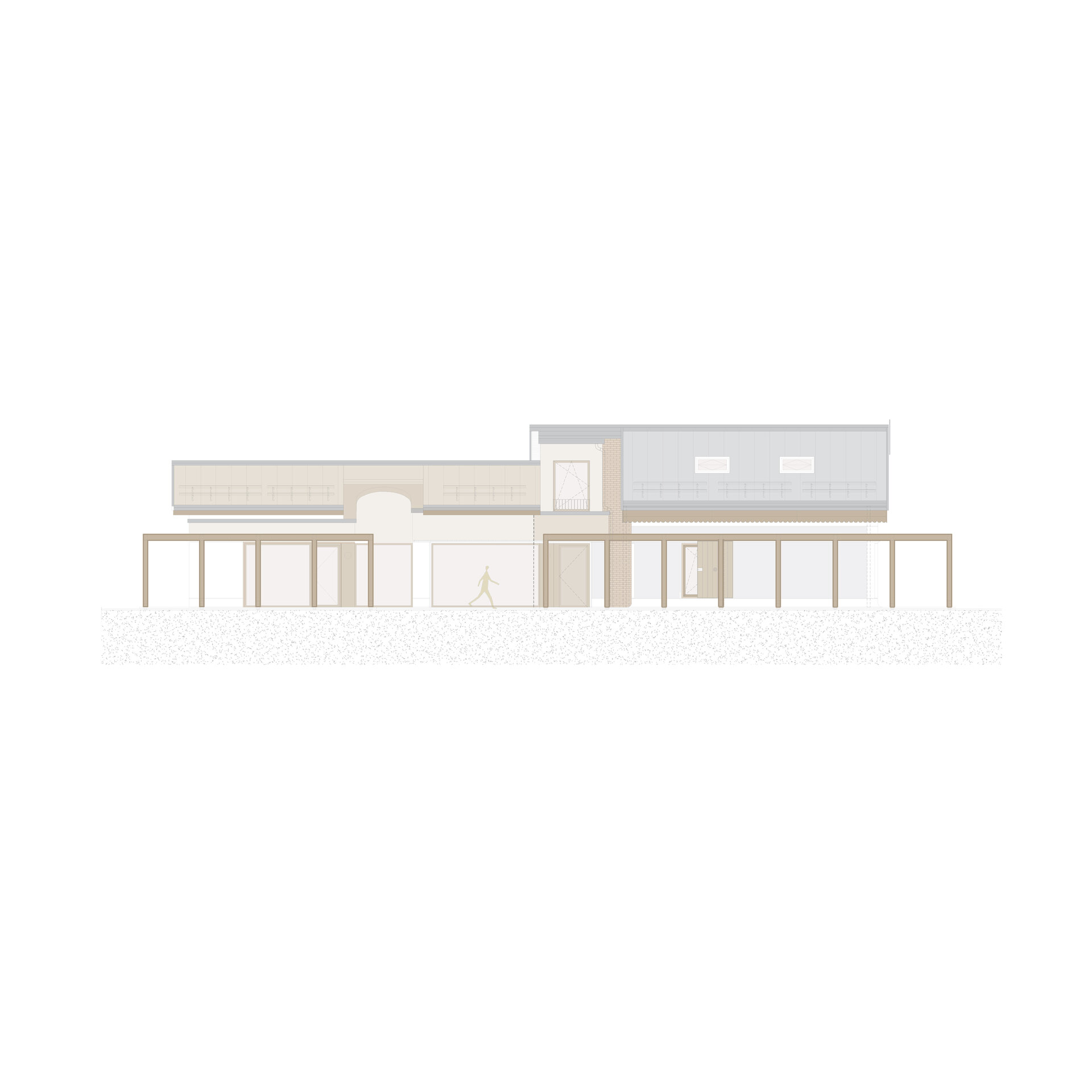
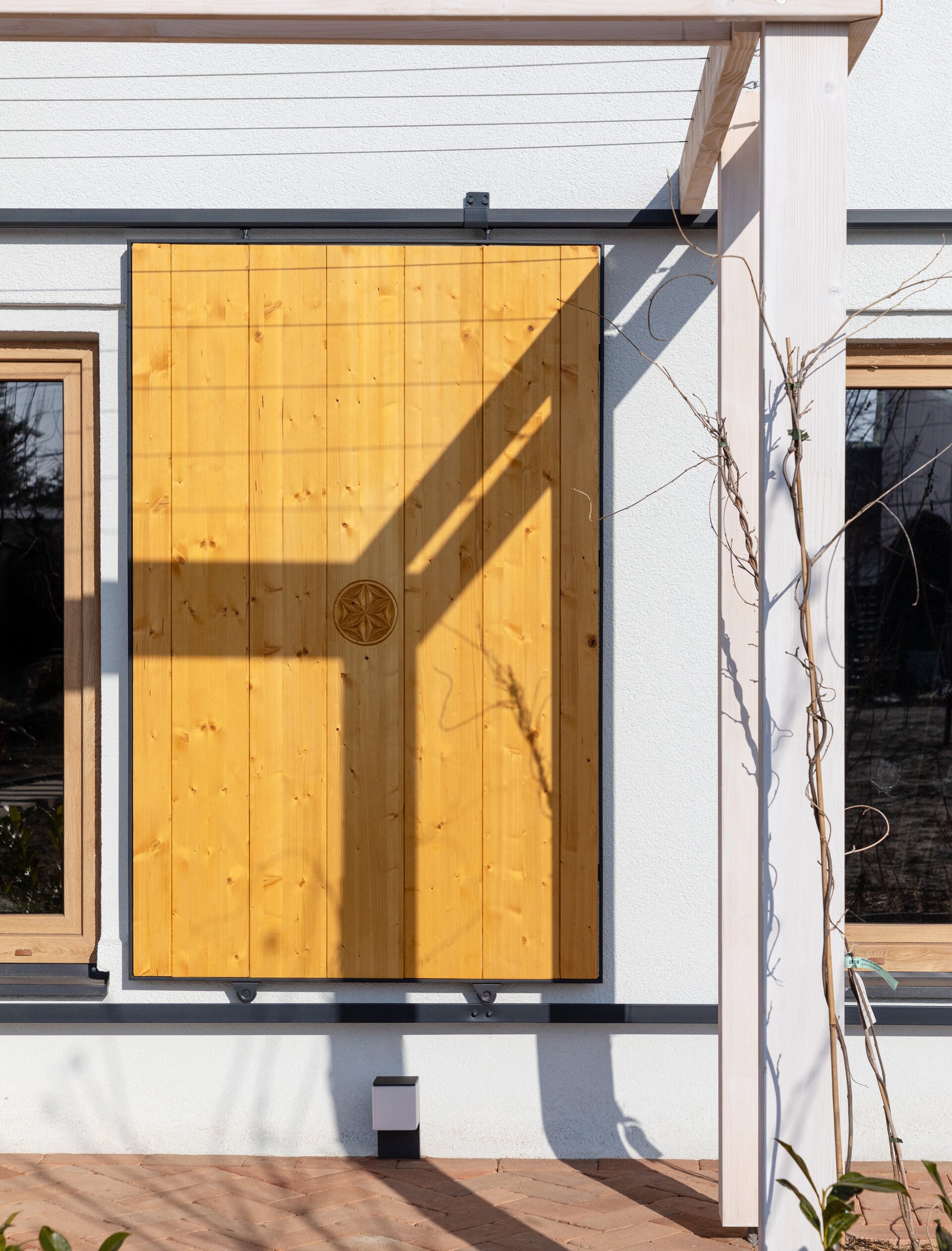
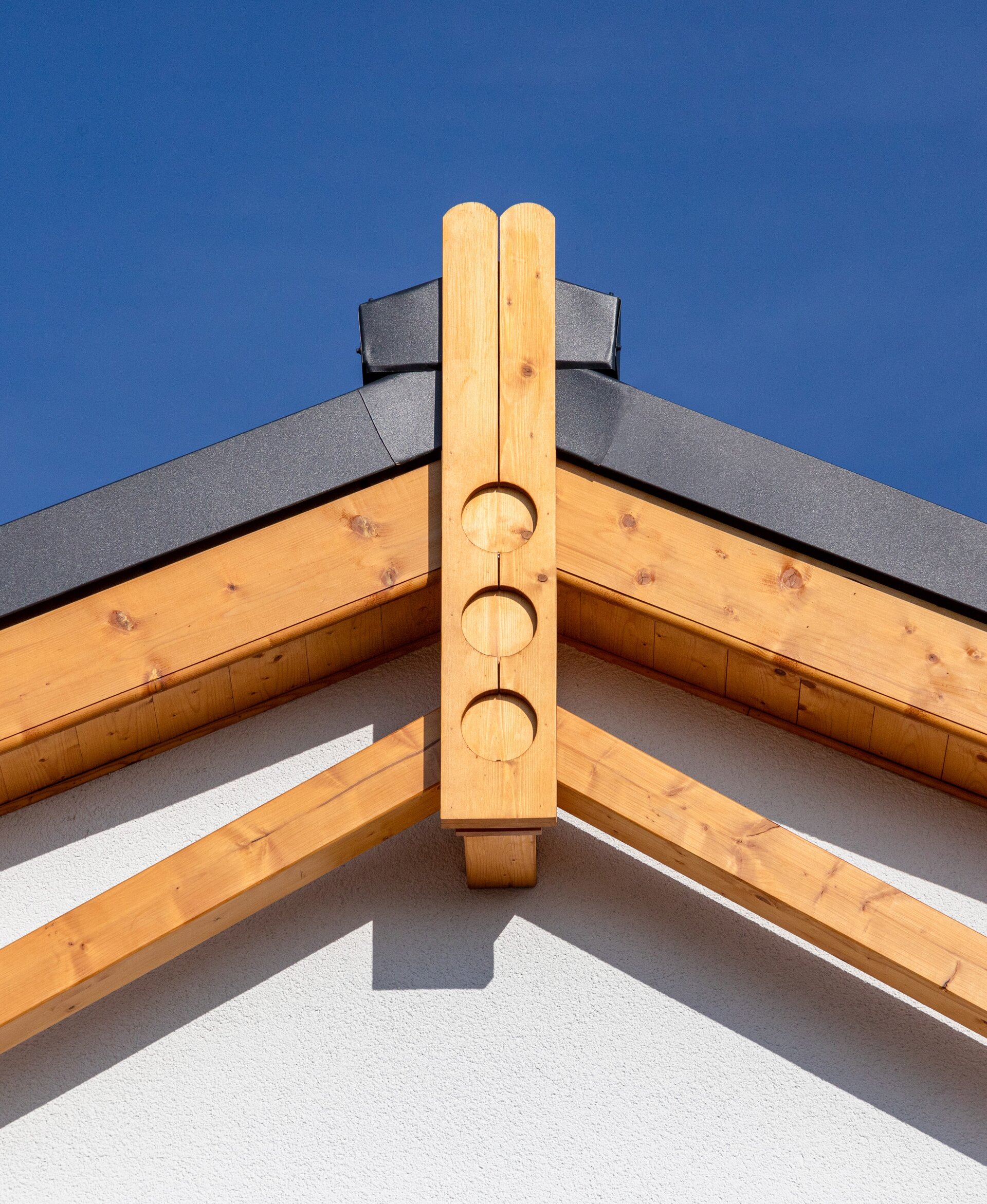
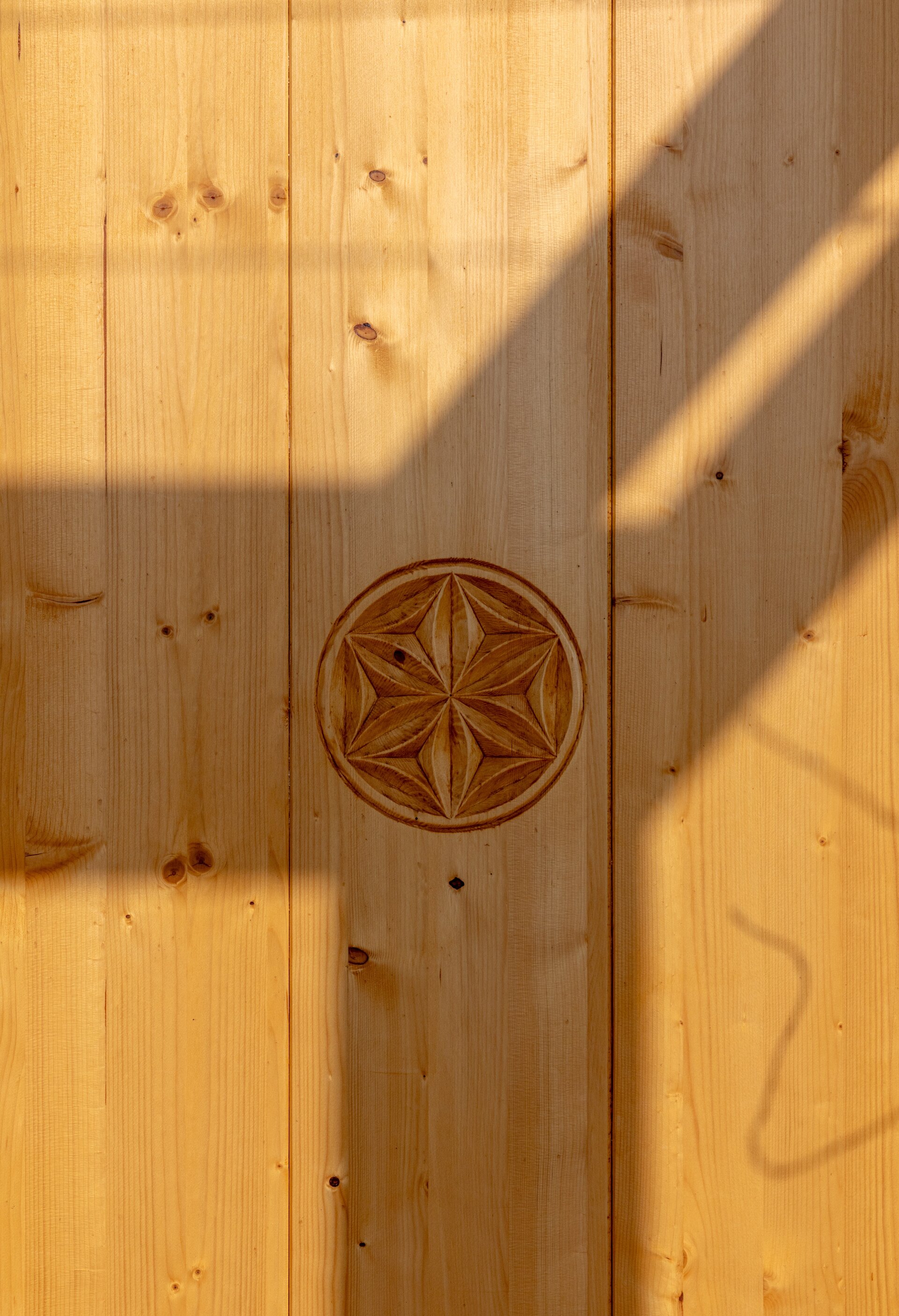
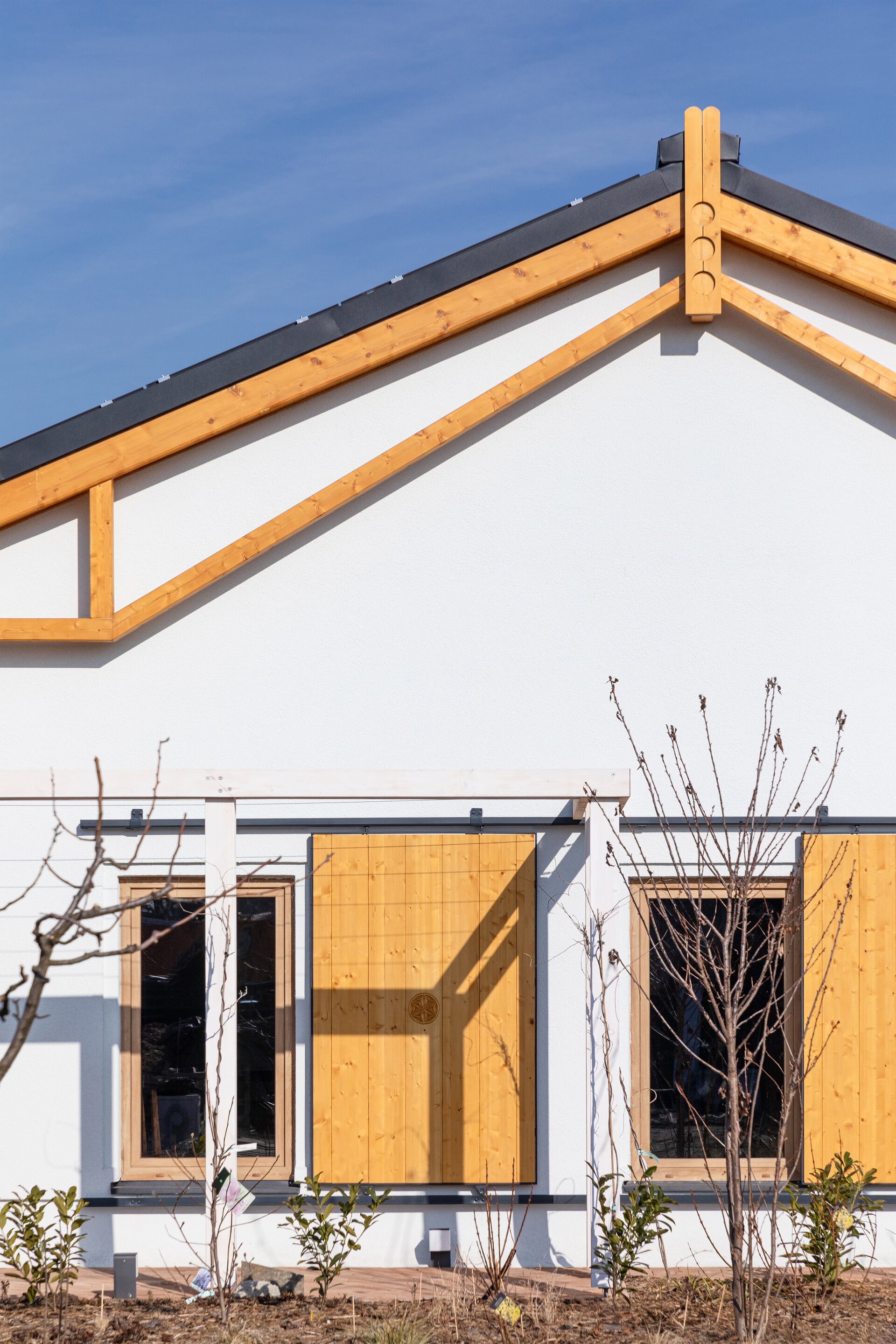
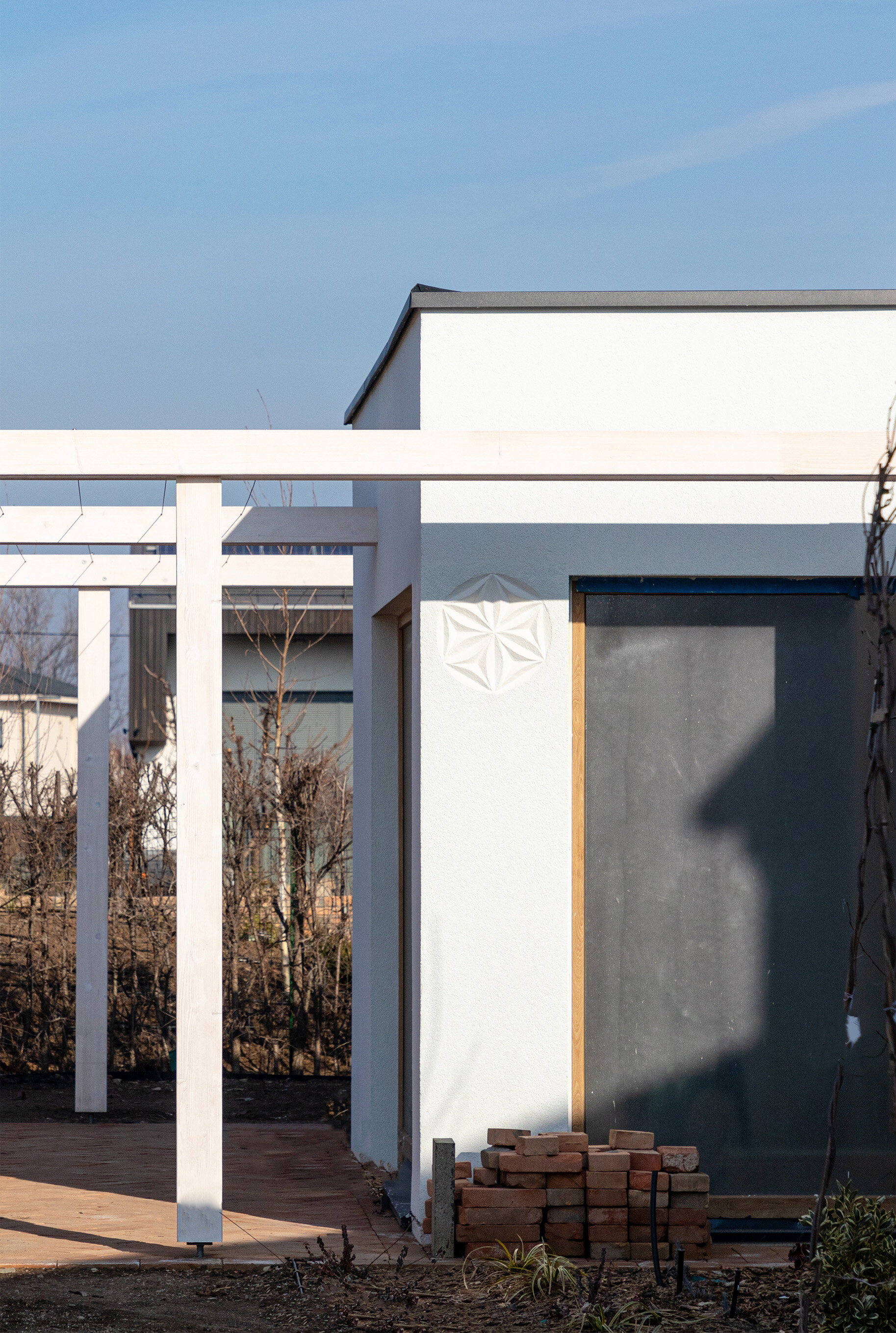
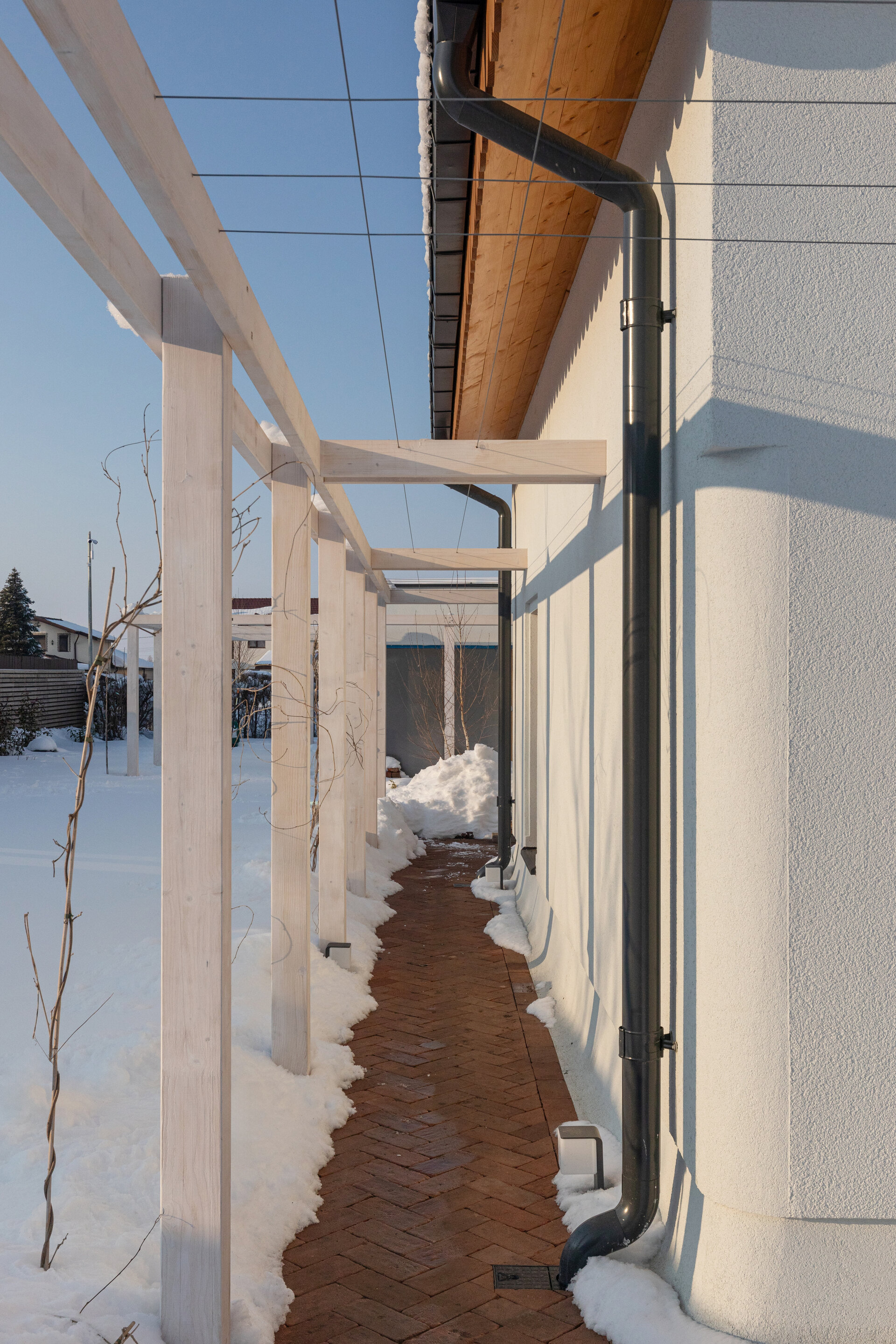
The way traditional elements are reintegrated into a contemporary configuration, where formal simplicity becomes the carrier of a living history, is key. In this sense, the house is not just a shelter, but a space of memory and critical reinterpretation of local values. The project does not aim to faithfully reproduce the past, but to create a vivid dialogue between the memory of place and the demands of the present. Cultural heritage is not treated as an obstacle, but as a living resource.
Technology and Sustainability
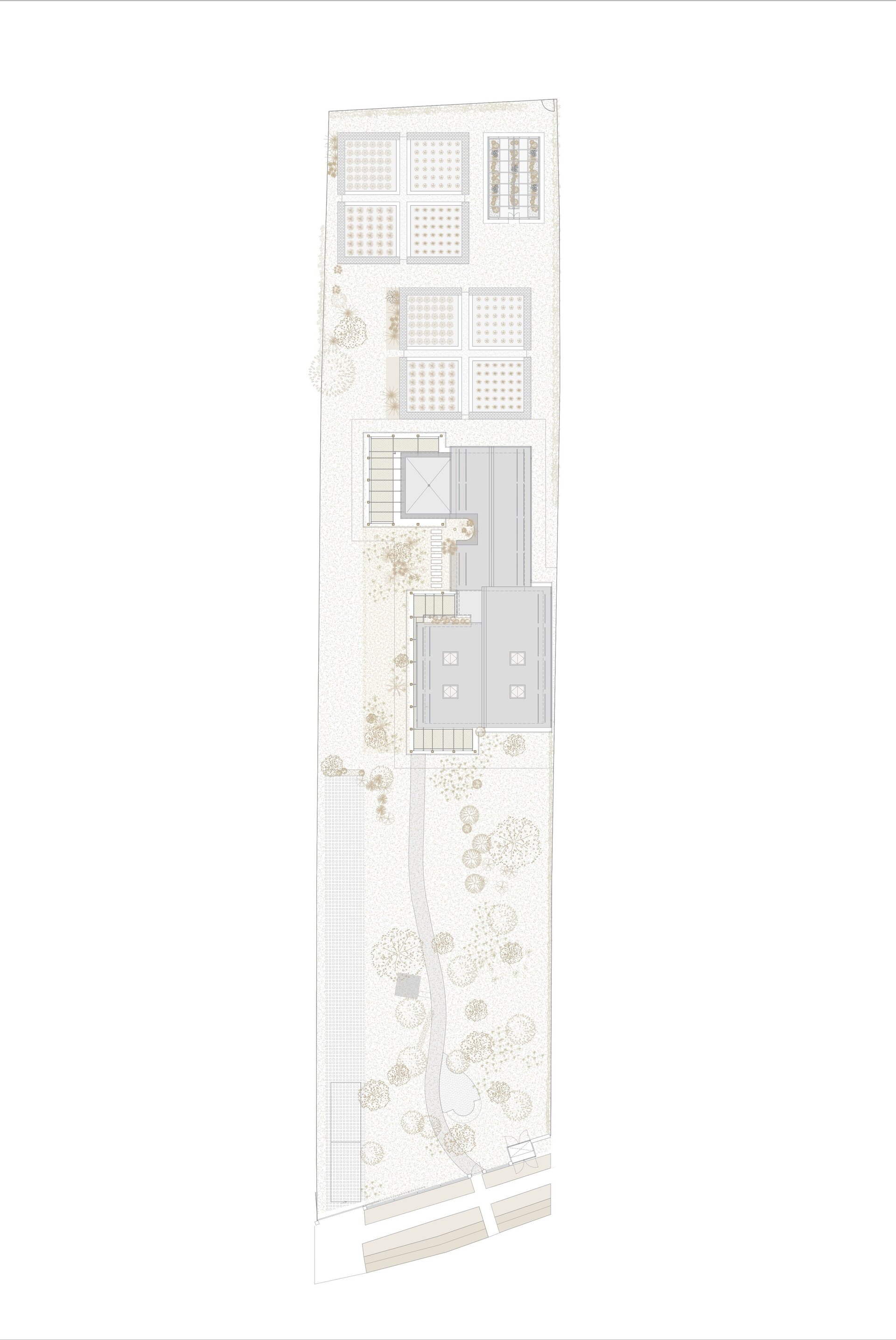
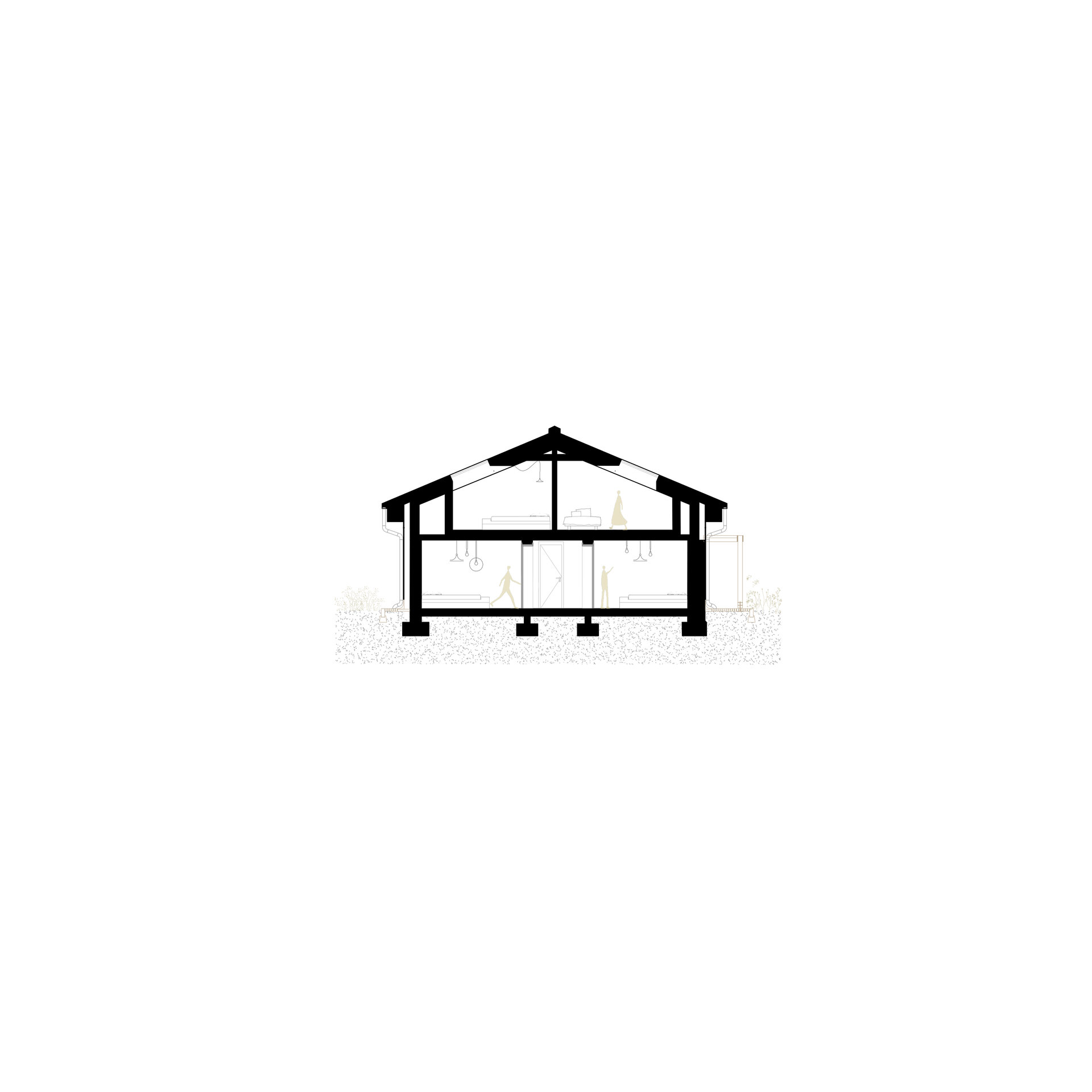
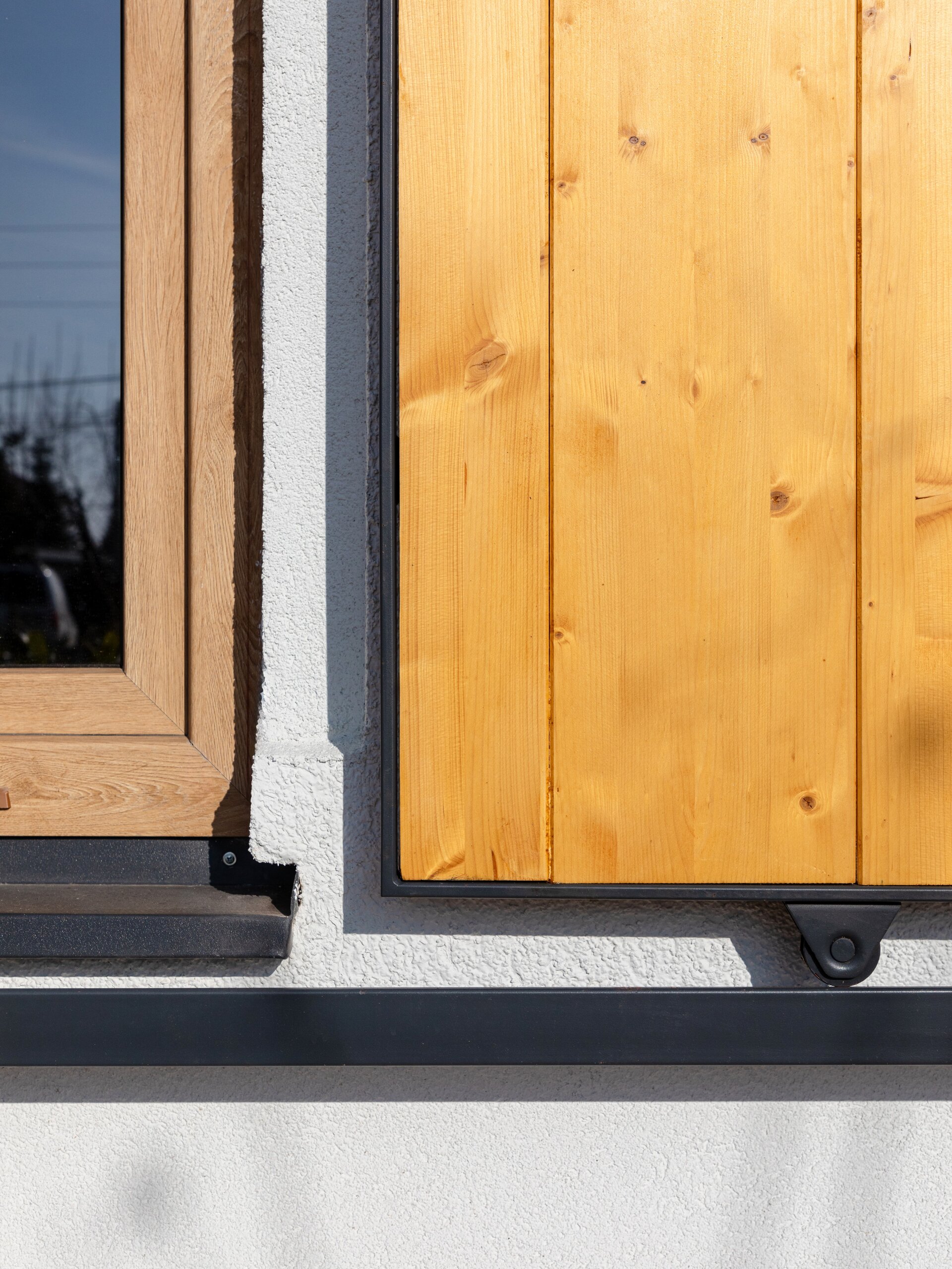
The project integrates advanced systems that redefine the relationship between built space, users, and the environment. Constructed from CLT (cross-laminated timber), the home benefits from a low-carbon material that combines structural strength with rapid execution. Heat pumps and passive ground cooling systems are implemented. The project achieves the premium passive house standard, with energy consumption five times lower than production, through the integration of photovoltaic panels and energy storage systems. Circular resource management includes water recycling systems, composting of organic waste, and sustainable food production.
Functionality and Symbolism
Architecture is not only about form, but also about function and symbolism. Each space is designed to serve a specific function, while simultaneously bearing the imprint of a local identity—transforming into a symbol of cultural continuity. Thus, the house becomes an experiential environment, where tradition is reinterpreted and reconnected to the essential values of the community.
Conclusion
In conclusion, this home was conceived with respect for the traditional fabric and the local context, aiming to express an authentic architecture, one that breaks free from rigid conventions and reinvents itself by drawing on local identity.

Individual House Architecture

- The house in the orchard
- CL02
- Coherent Dissymmetry
- R House
- I House
- Zori Villa
- Tempietto. The Mentor’s House
- Admi residence
- House of three
- Leisurely house
- BLD
- House in Valea Doftanei
- House in Azuga
- RDC
- PRN
- Open House
- Darian House
- Small urban house - Ghica Tei
- Re.living
- Miraslau 22 House (The Harps’ Haven)
- U house
- Fortune’s Home 2f
- House DM
- House S
- + House
- A House for Today
- NDSO House
- Shoot Villa
- House on a hill
- Remodeling S. House


