Palliative Care Hospital. Architecture as Support for Dignity and Care
Authors’ Comment
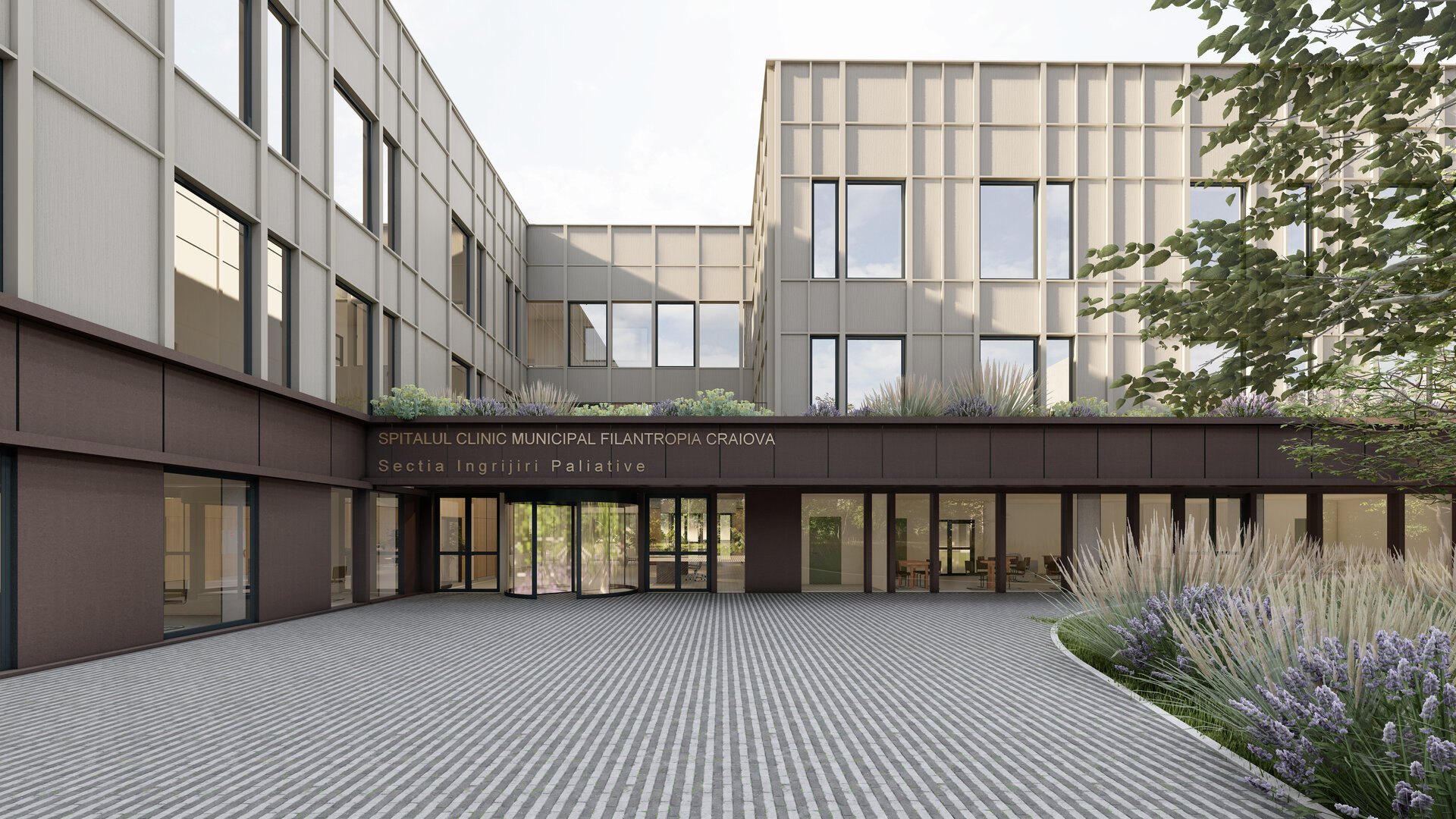
The project proposes a palliative care facility conceived not simply as a healthcare building, but as an environment dedicated to dignity, comfort, and quality of life. Unlike conventional medical facilities, where efficiency and treatment often dominate the spatial experience, the project places human well-being at the center of the architectural response, recognizing care as both a medical and emotional process.
Designed as an integrated node within the healthcare network, the facility brings together inpatient care, outpatient consultations, therapeutic services, and community support. Beyond its clinical role, the project relieves pressure on general hospitals, strengthens local care services, and promotes a more accessible, patient-oriented model of healthcare.
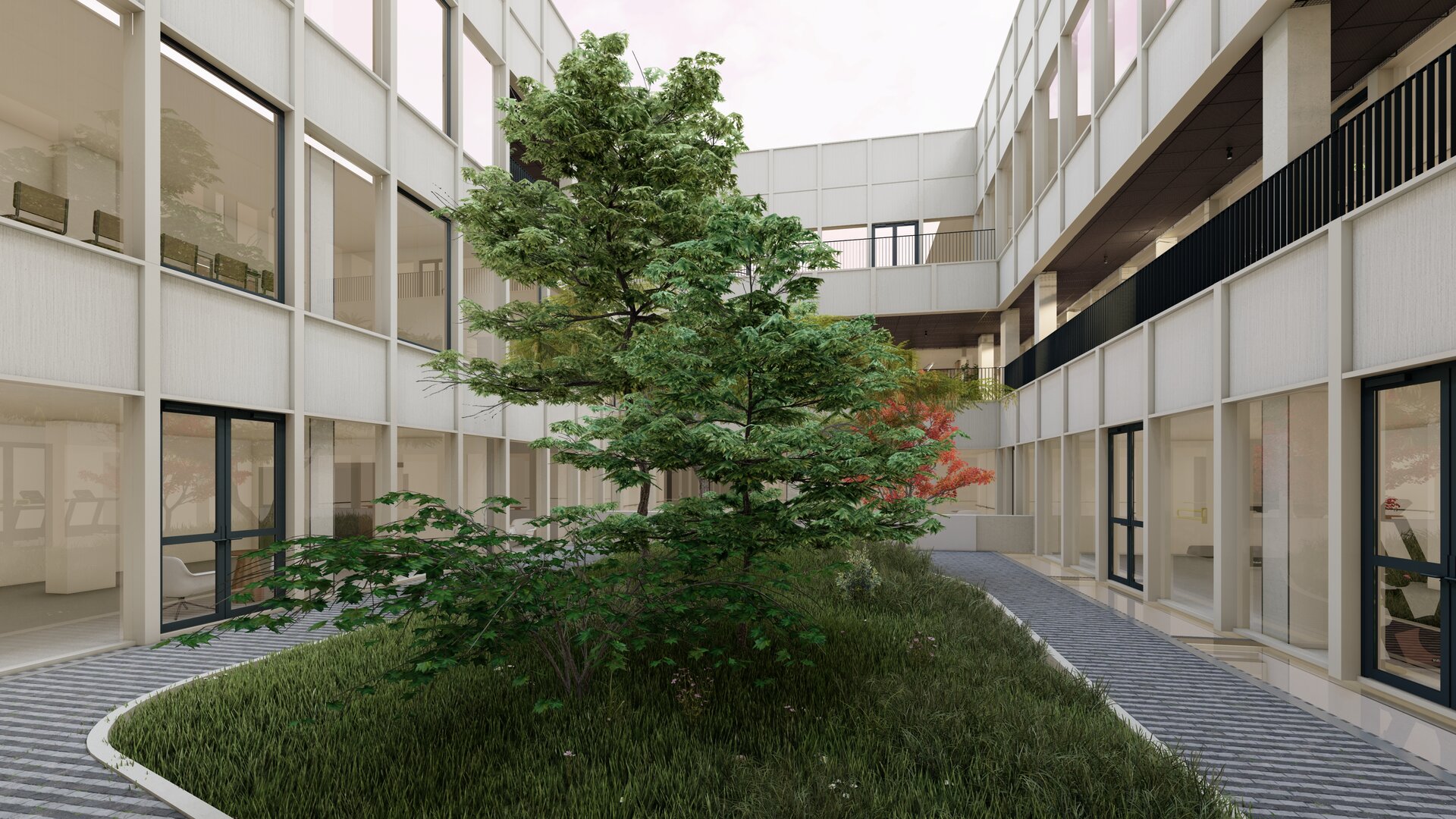
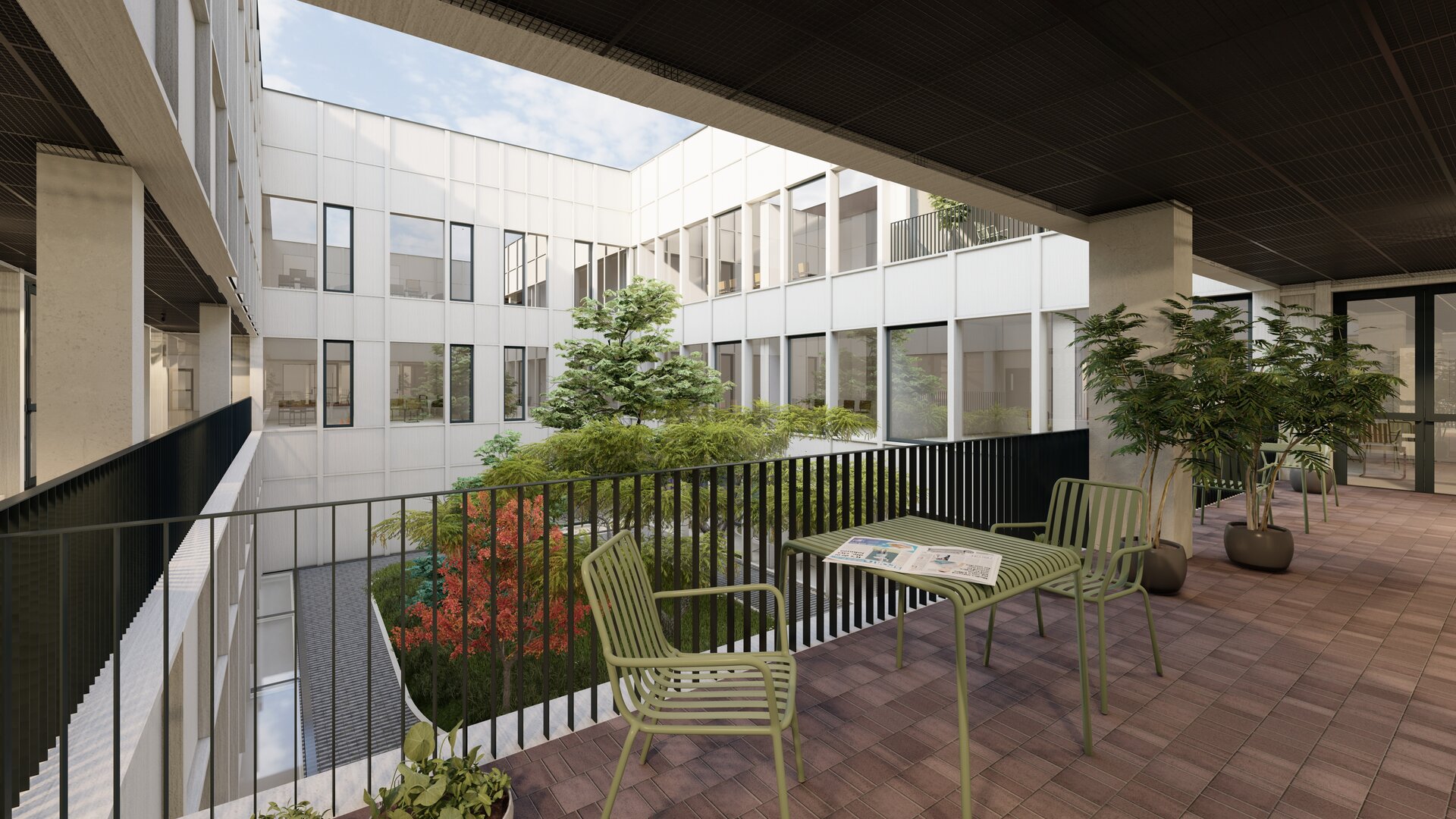
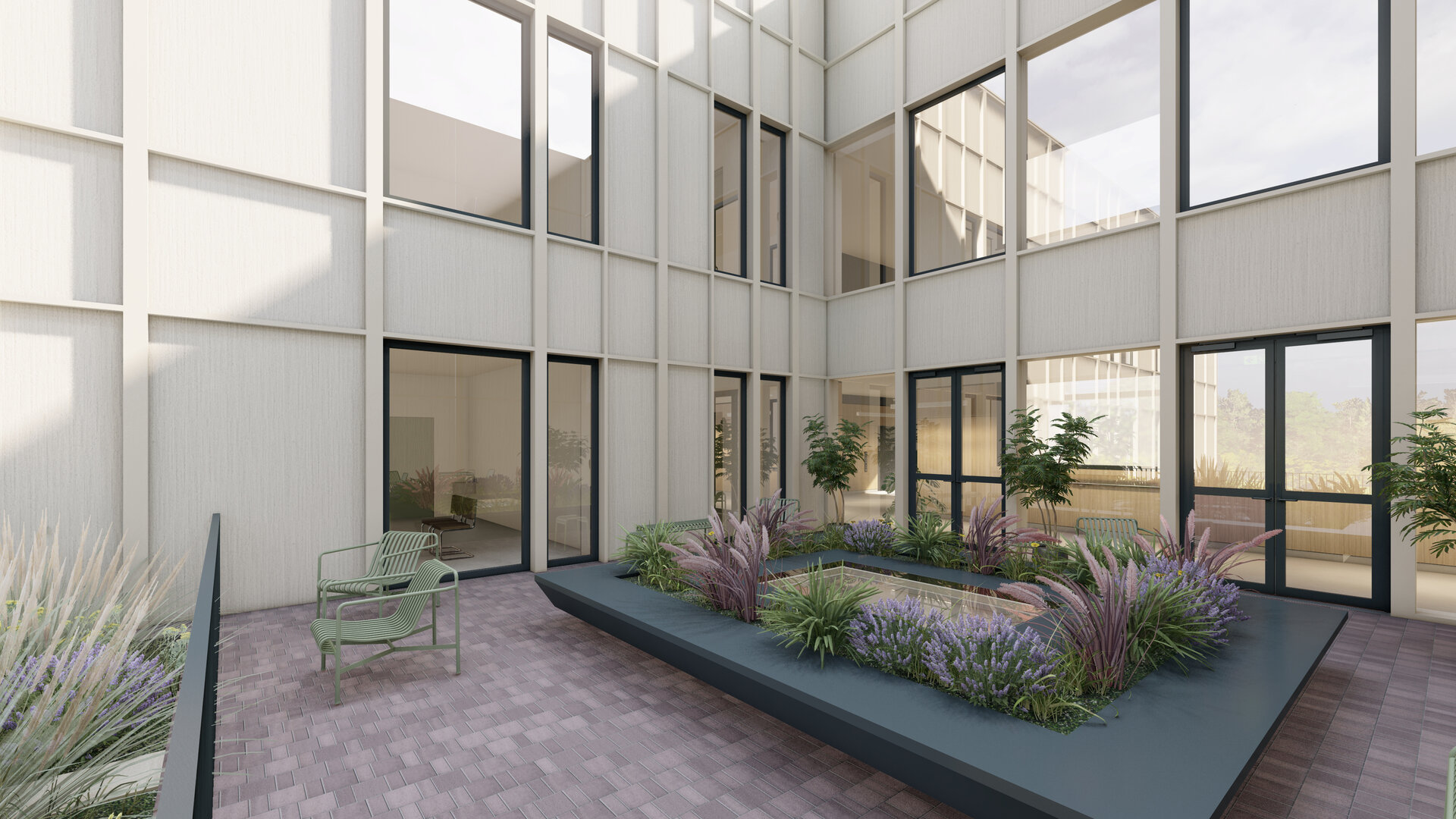
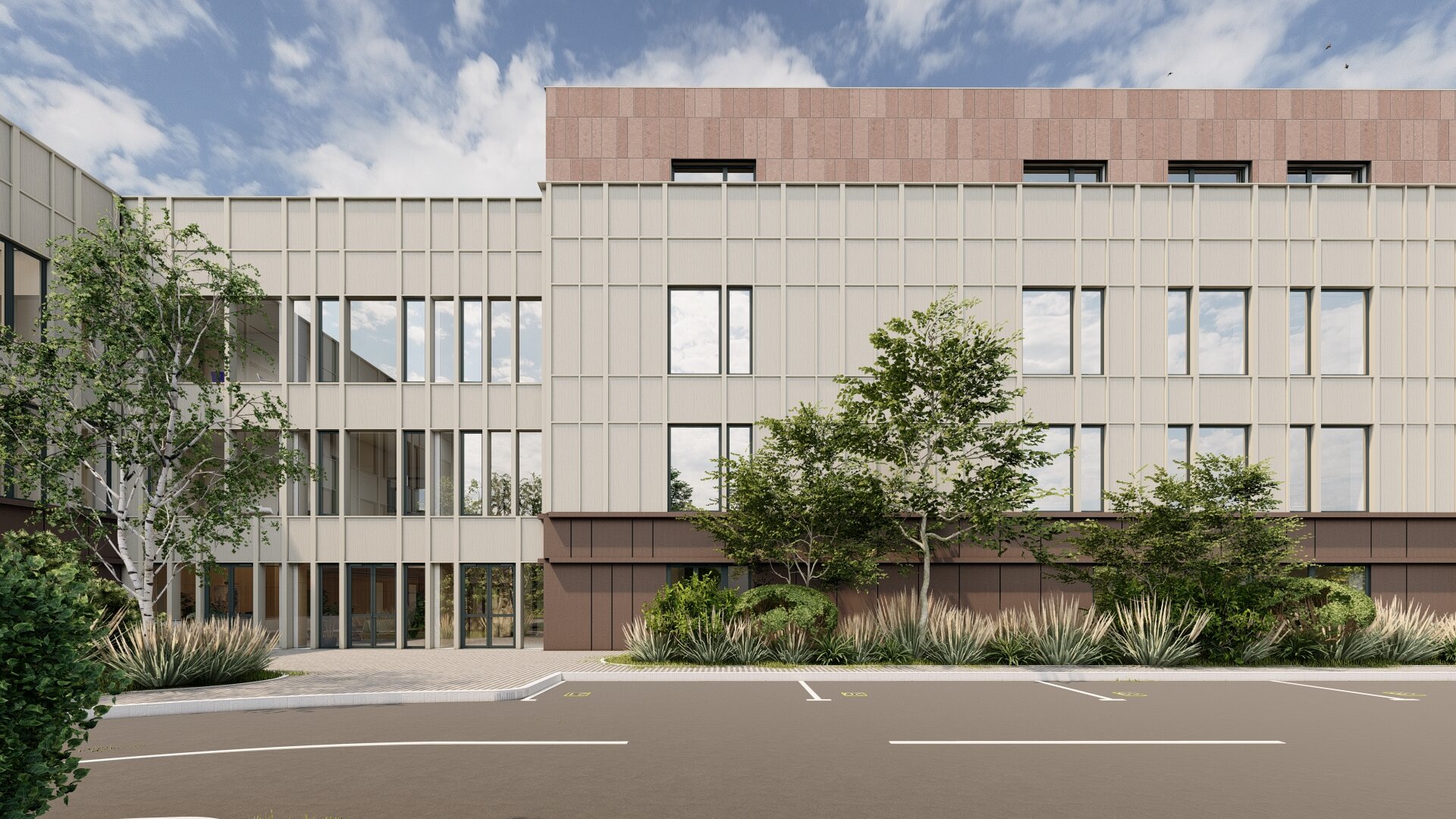
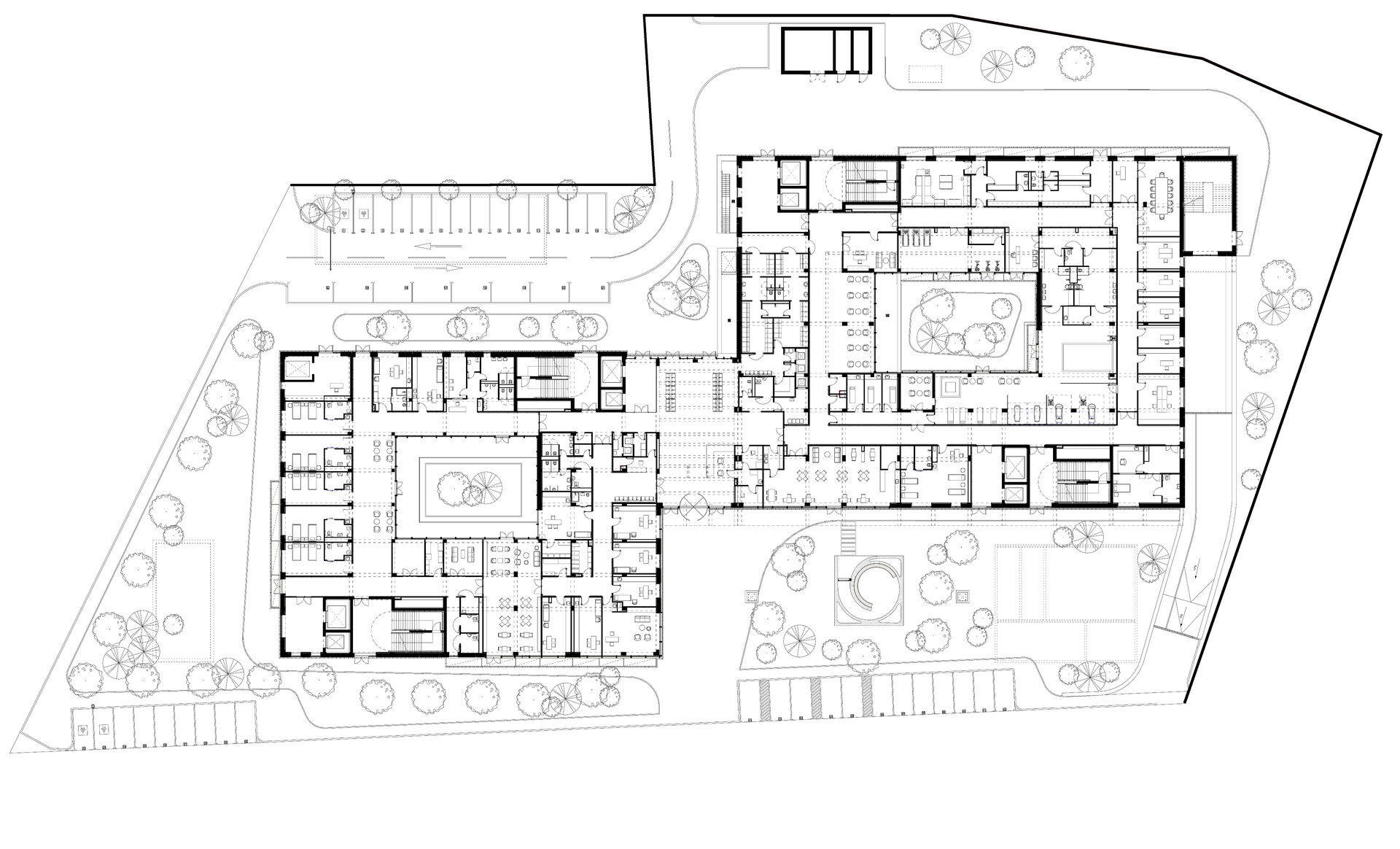
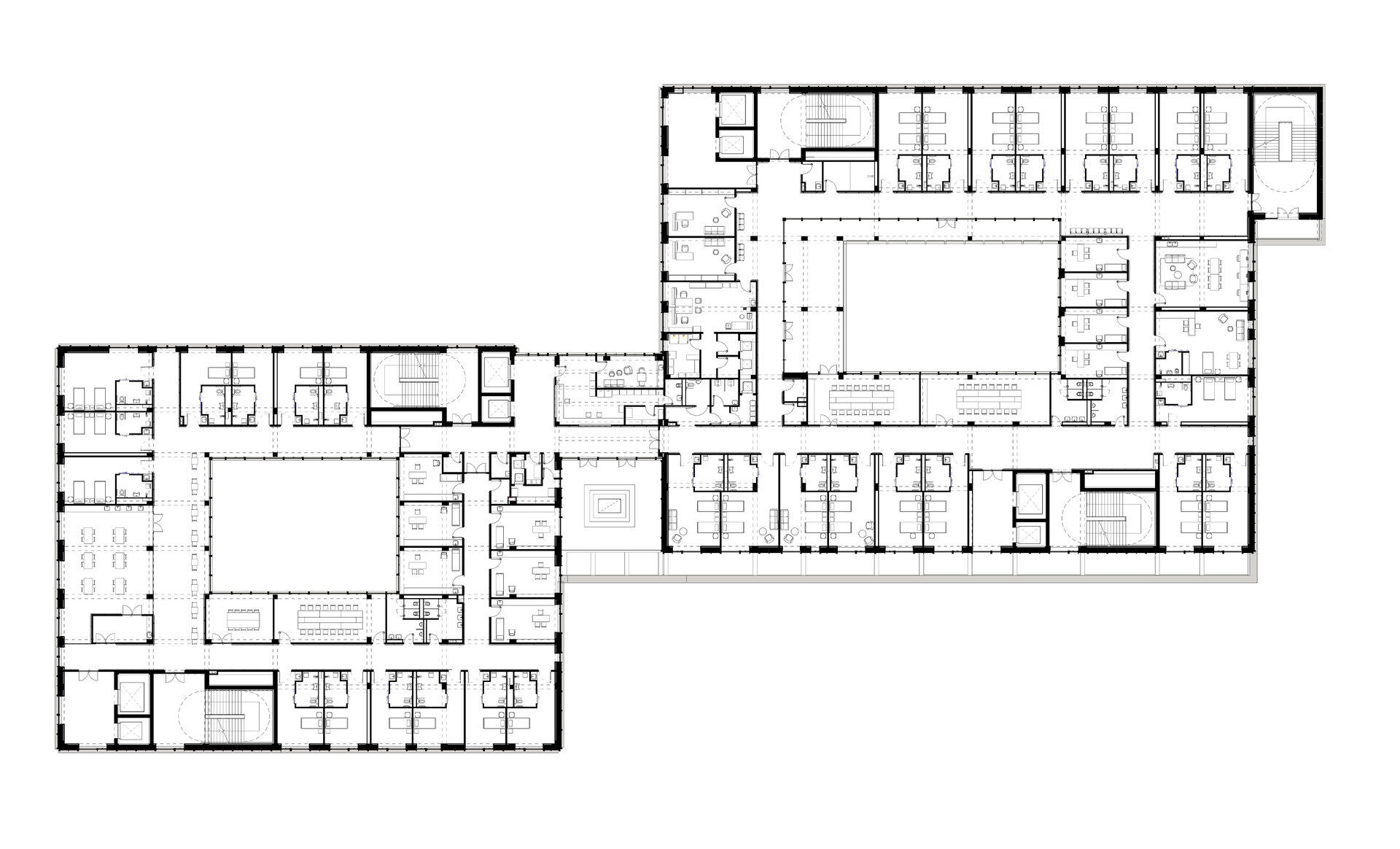
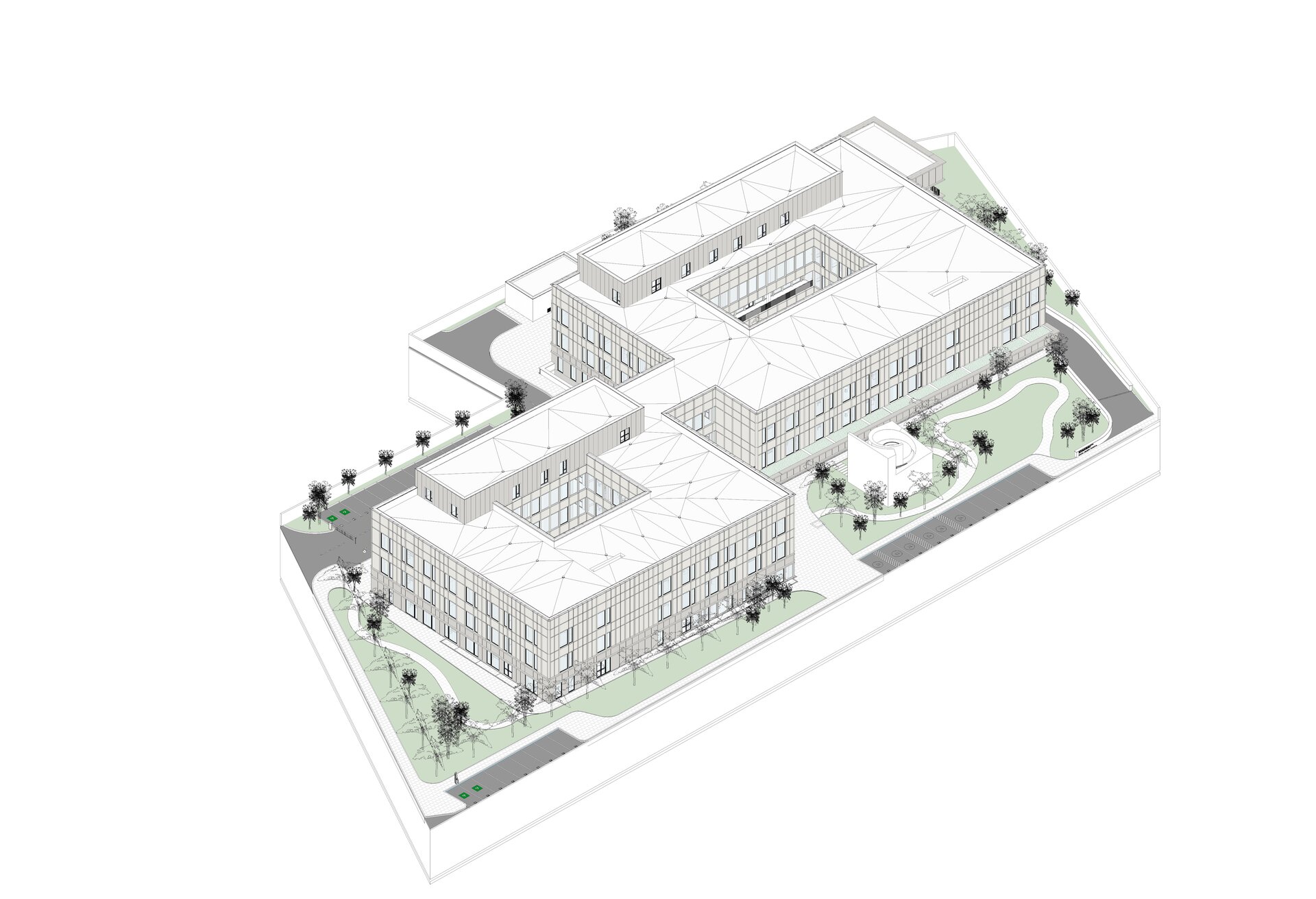
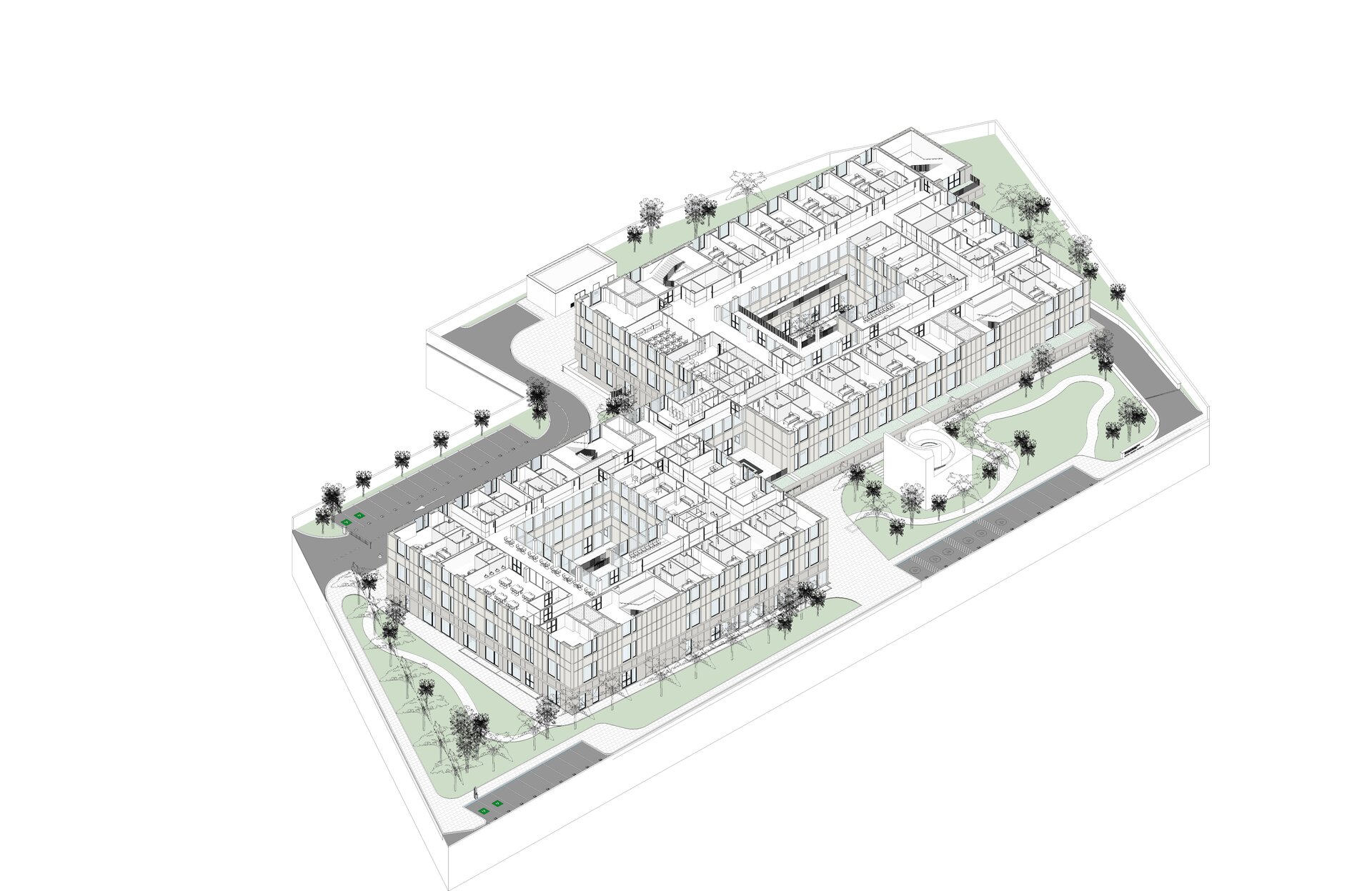
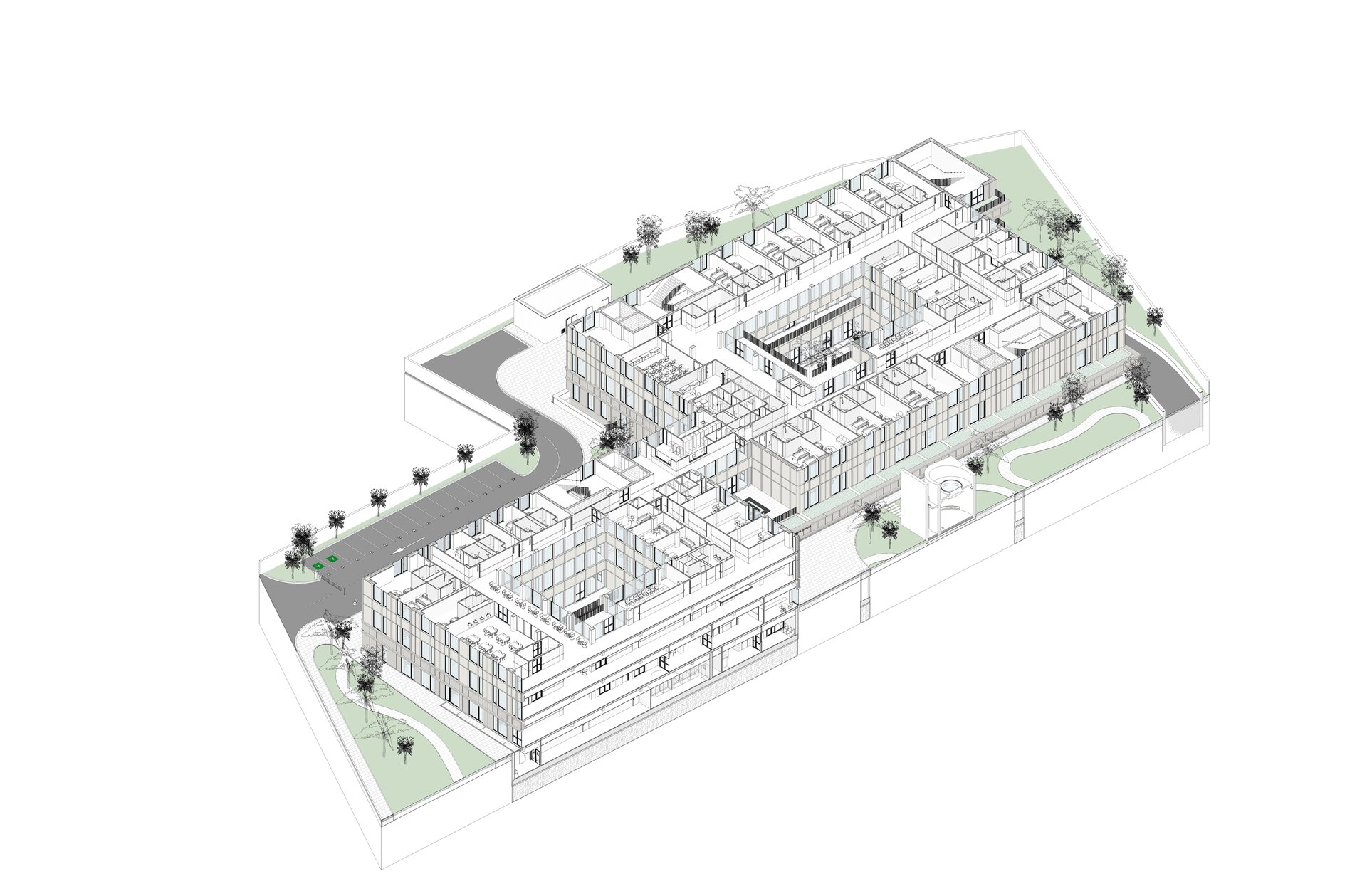
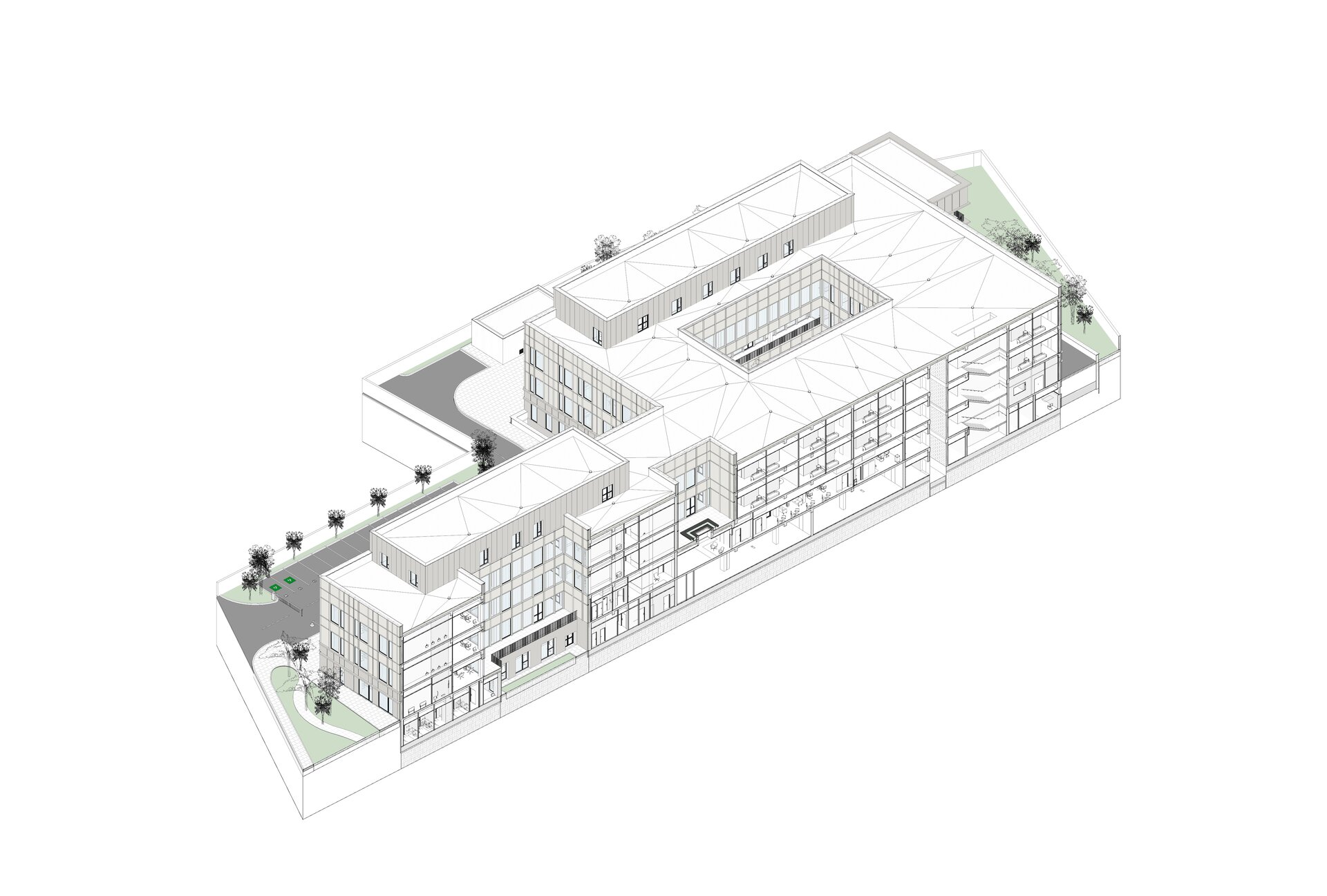
The architectural concept organizes the program into two distinct volumes articulated around a series of internal courtyards. These courtyards bring natural light, orientation, and contact with nature into the heart of the building, creating a calm, restorative atmosphere. The fragmentation of the overall mass reduces the institutional scale and creates a more familiar environment, closer to home than a conventional hospital.
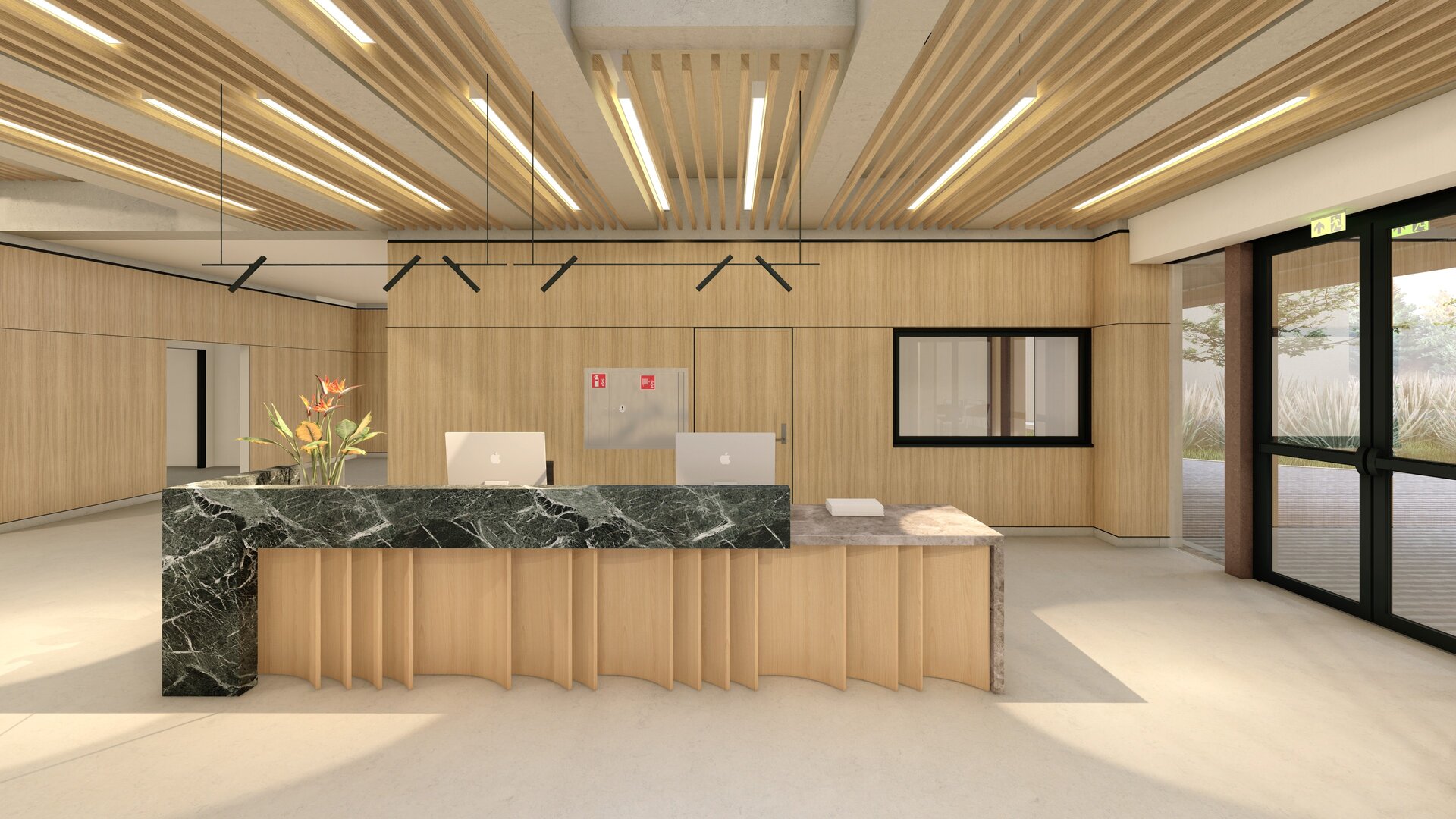
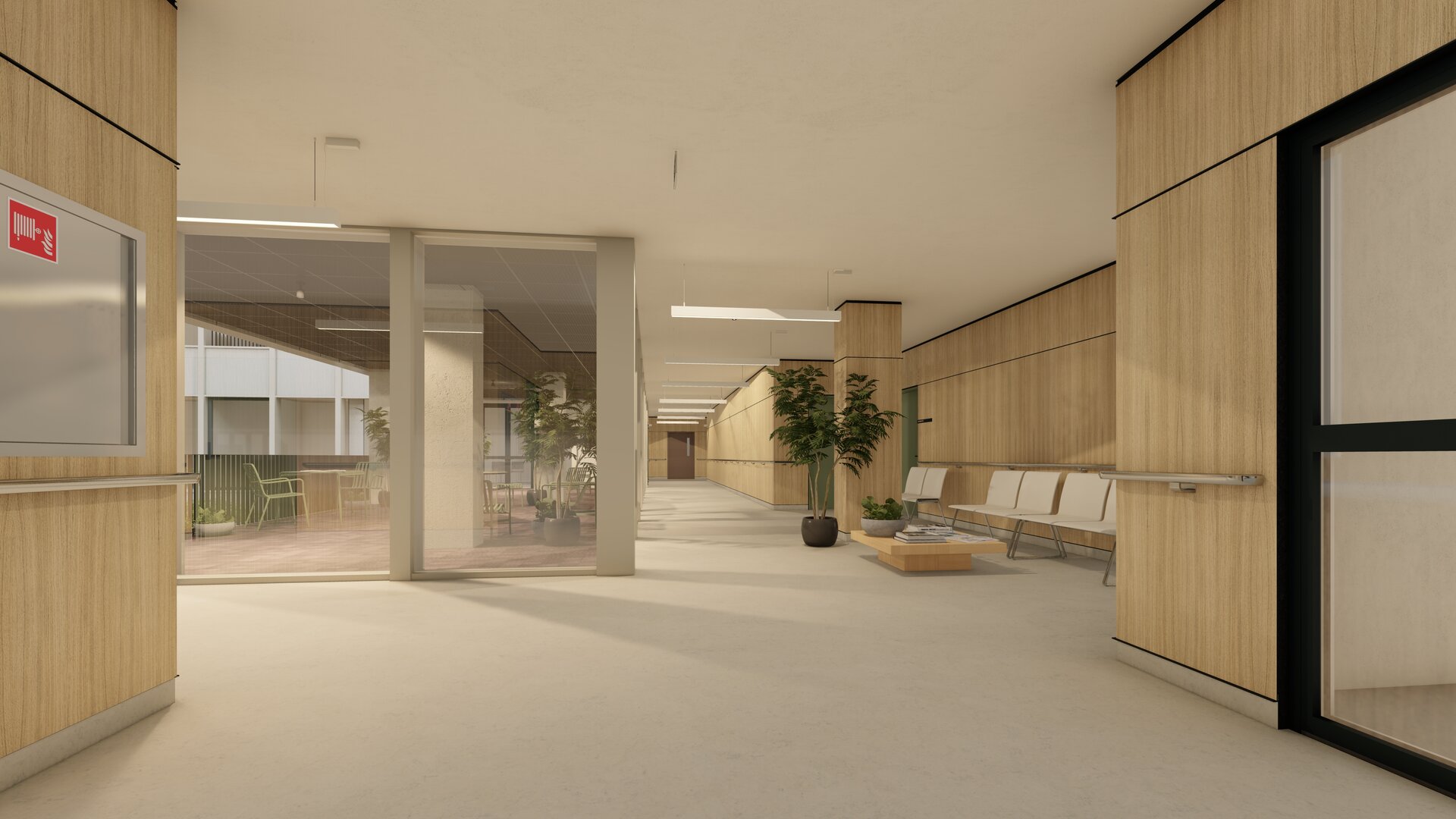
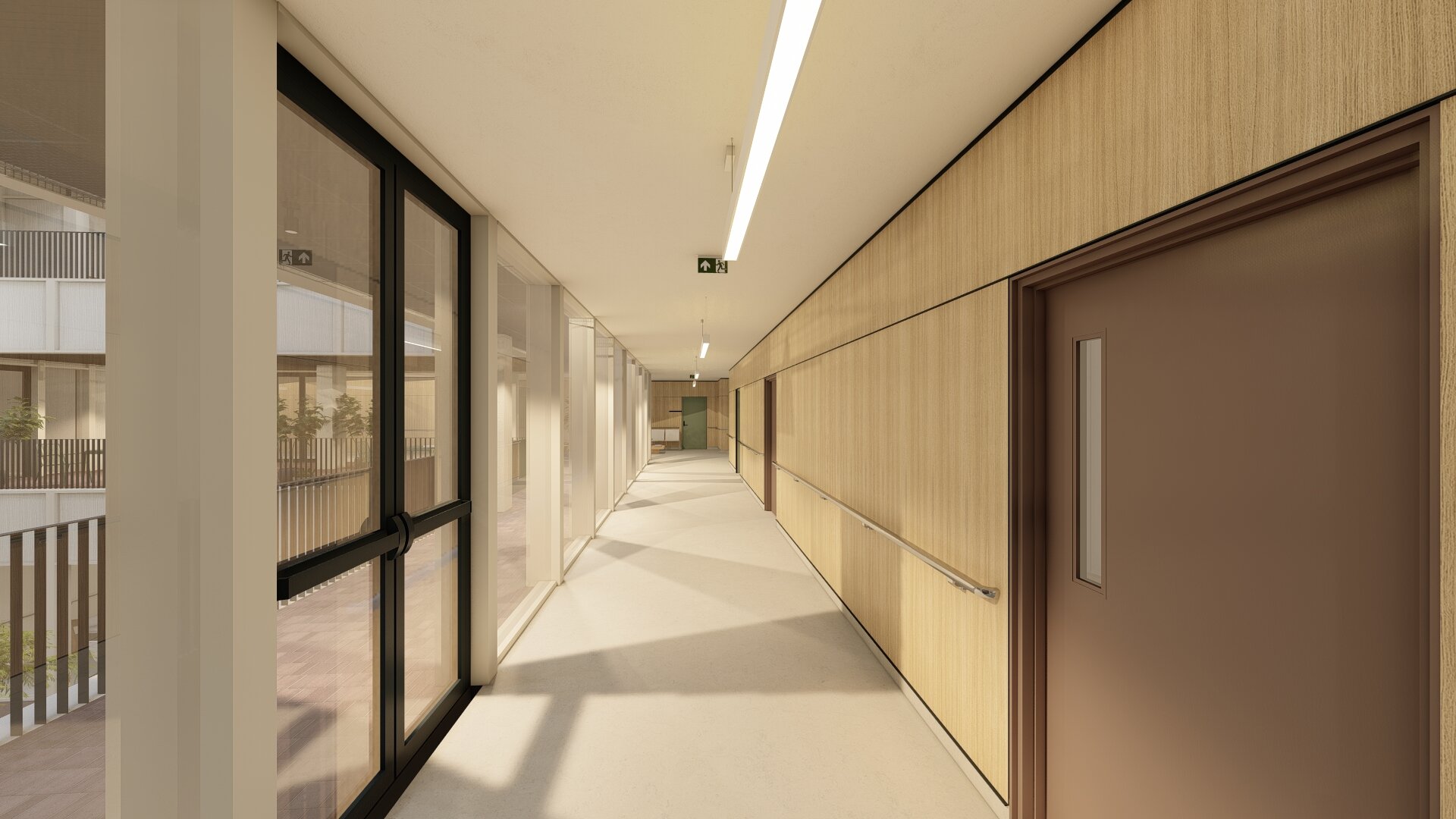
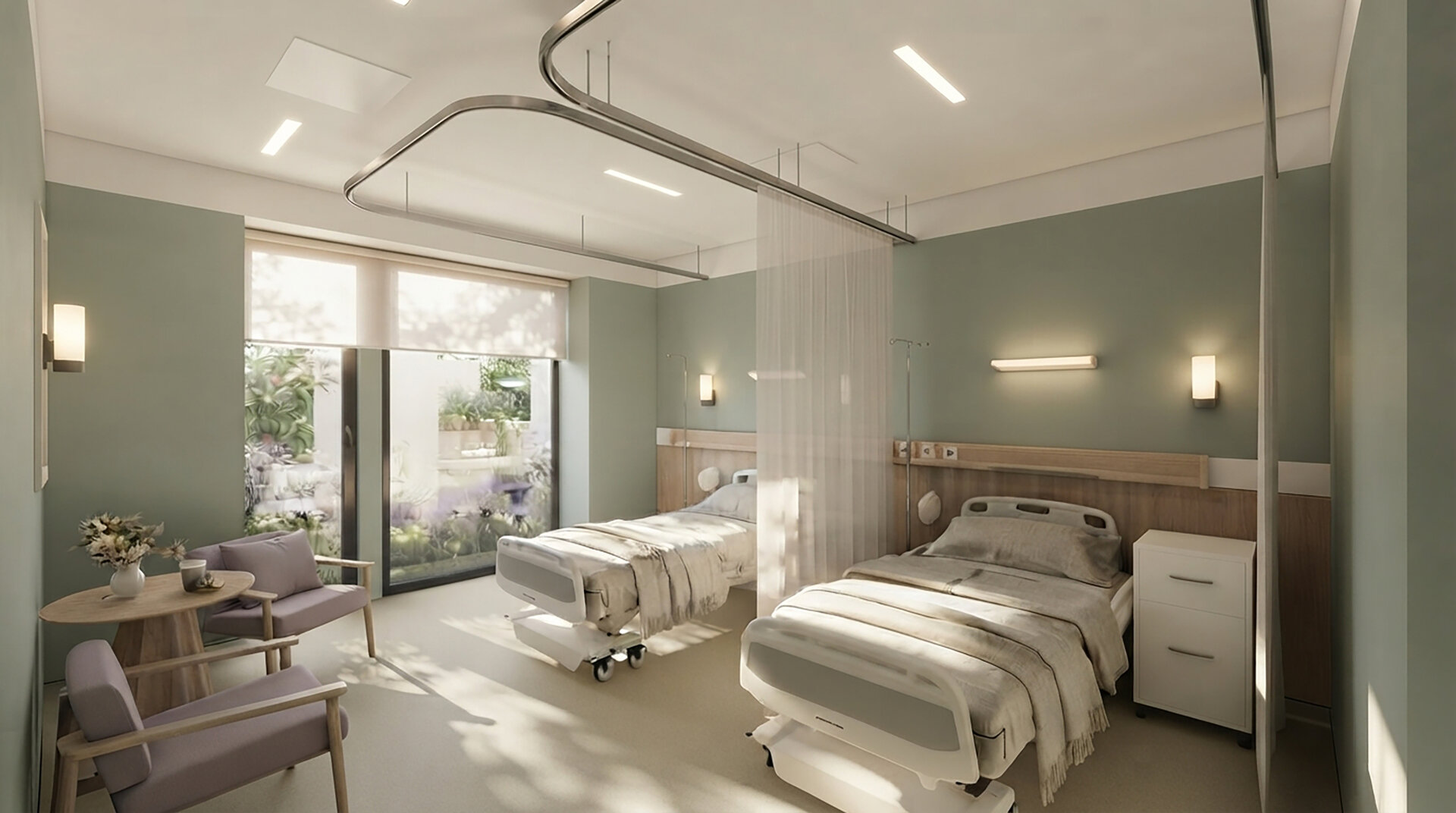
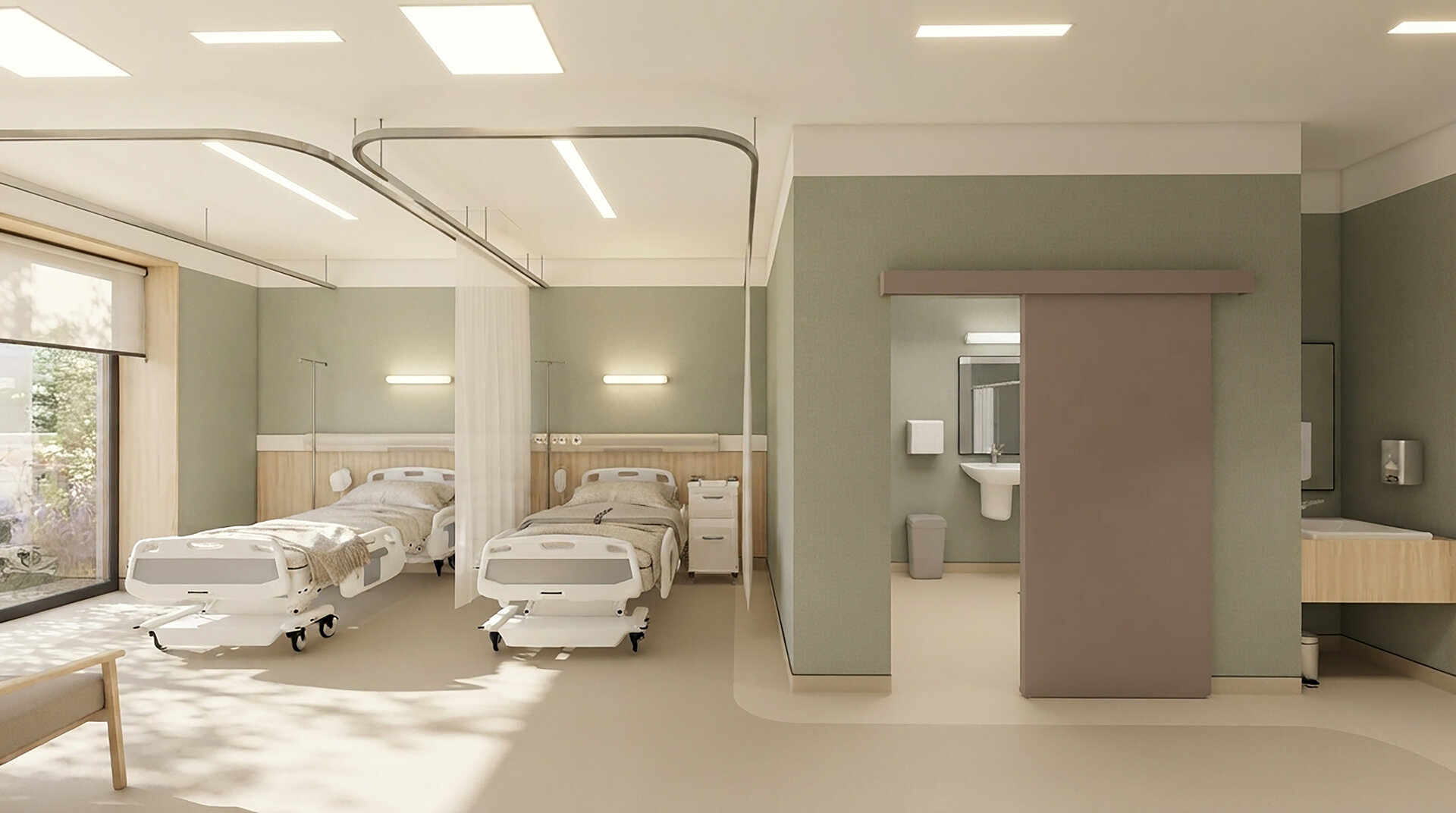
Spatial quality becomes an essential component of care. Patient rooms, therapy spaces, shared areas, and circulation routes are designed around principles of clarity, comfort, and human scale. Natural daylight, balanced proportions, warm materials, and visual connections to the landscape contribute to an environment that reduces stress and supports emotional well-being for patients, families, and medical staff alike.
The relationship between interior and exterior spaces plays a central role in the project. Gardens and courtyards extend the therapeutic environment, offering opportunities for contemplation, social interaction, and direct engagement with nature. These spaces are not conceived as complementary amenities, but as integral components of the healing experience.
The functional organization reflects the complexity of contemporary palliative care while maintaining a clear and intuitive spatial structure. Technical and service areas are discreetly integrated, ensuring operational efficiency without affecting the serenity of patient spaces. Outpatient services, therapies, and community-oriented functions are concentrated at the lower levels, creating an active interface with the public realm, while inpatient units occupy the upper floors in calmer, more private settings tailored to different levels of care and patient autonomy.
Circulation is conceived as a layered yet seamless system that separates medical, logistical, and visitor flows without creating barriers. This approach enhances both operational performance and user experience, allowing the building to function as a coherent whole while preserving privacy, accessibility, and legibility.
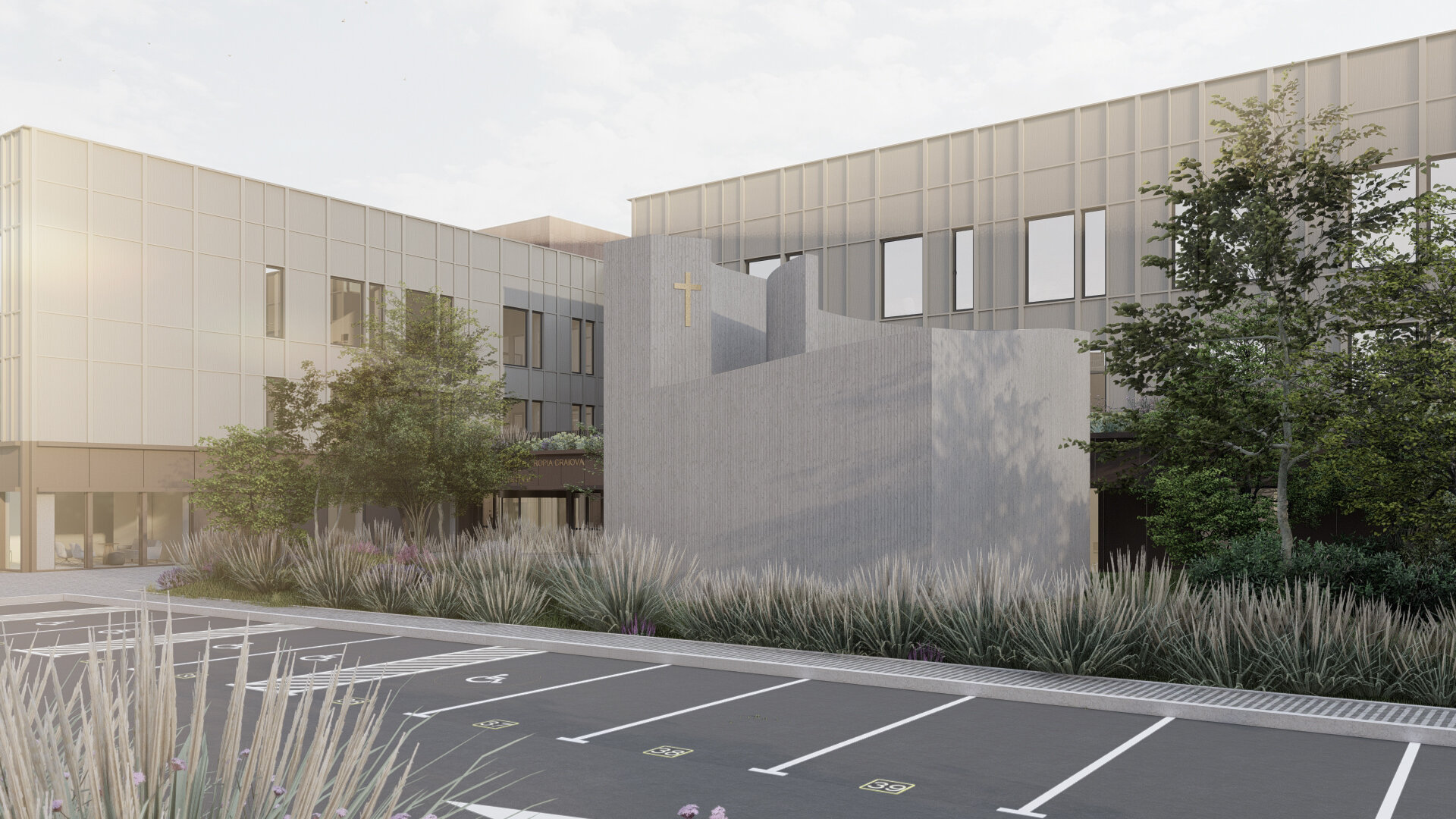
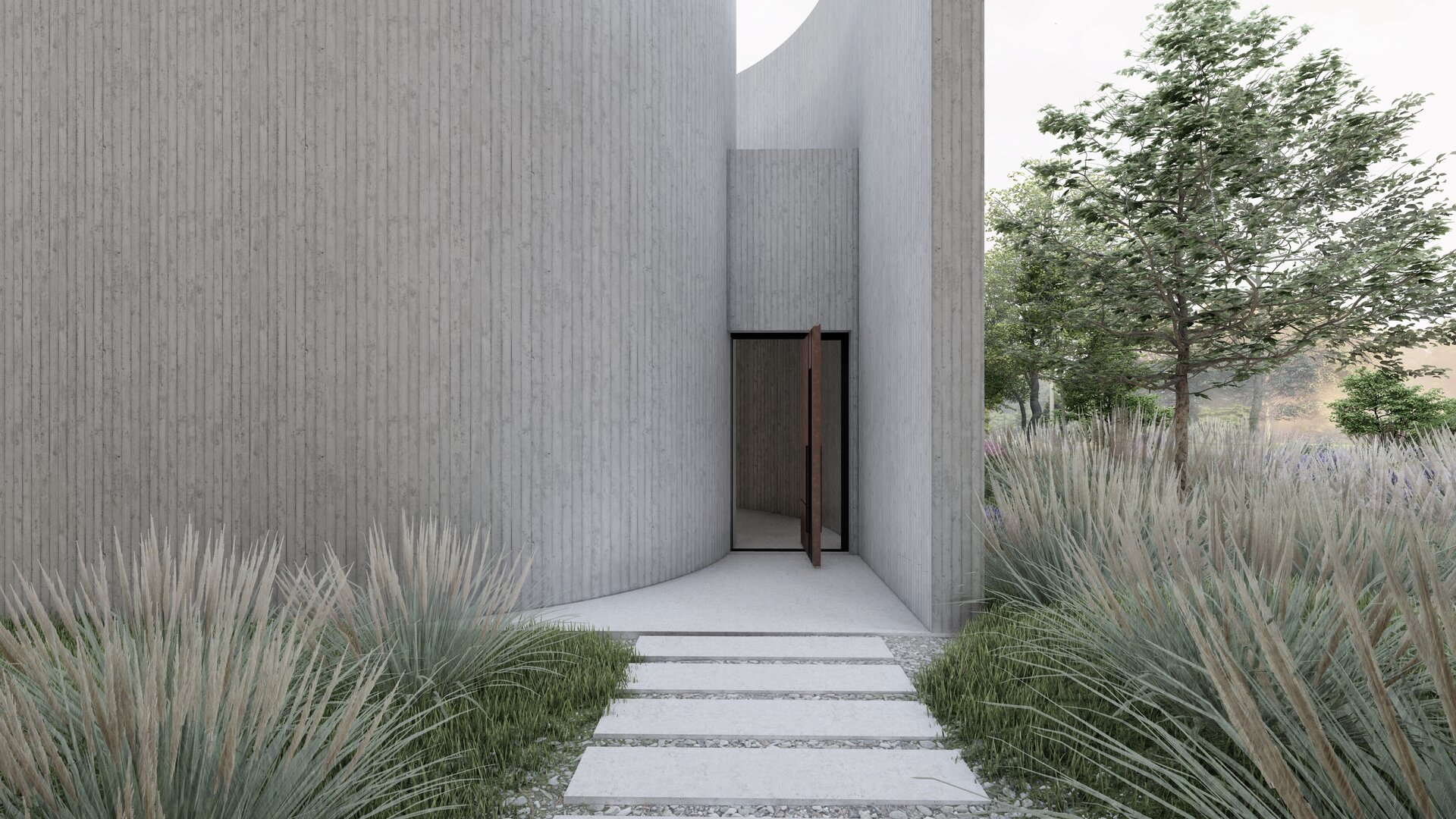
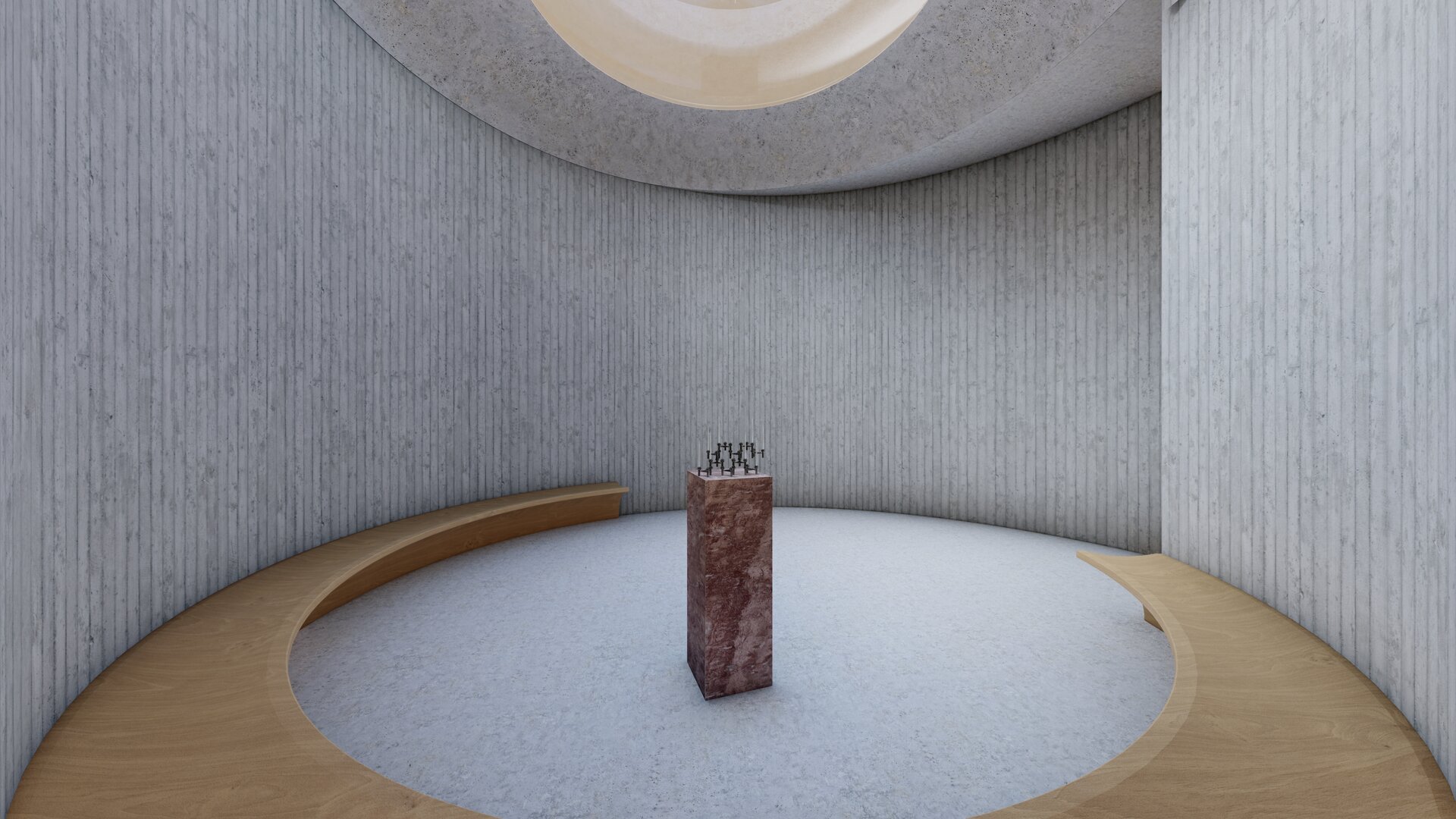
Embedded within the landscape, the chapel emerges as a solitary monolith of exposed concrete, a timeless presence that embodies silence, permanence, and introspection. Removed from the rhythms of medical activity and surrounded by greenery, it offers a place where patients, families, and caregivers can reconnect with themselves, with memory, and with the spiritual dimension of care.
Its interior is conceived as a spatial journey. A spiral path gradually unfolds around a central space animated by zenithal light, drawing visitors inward through a sequence of changing perspectives and atmospheres. Light becomes the primary architectural material, transforming the austere concrete enclosure into a place of contemplation and emotional resonance. In this way, the chapel transcends its functional role, becoming a symbolic heart of the ensemble: a space where architecture gives form to dignity, solace, and the fundamental human need for meaning
Ultimately, the project proposes a shift in perspective: from hospital as a technical infrastructure to hospital as a landscape of care. Through light, nature, spatial clarity, and a carefully calibrated human scale, architecture becomes an active therapeutic resource, supporting comfort, dignity, and meaningful human connection at life's most vulnerable moments.
Public Architecture

- Open Landscape
- Ground Zero Pavilion - Concrete as Witness
- Prapori. Church and Centre for Studies and Research – CDS Paris
- The Land of the Deer, Masterplan
- The Architecture of Sound Bell Tower of Vatopedi Monastery, Mount Athos: Relocation of the Existing Bells and Installation of 12 New Bells
- Urban Intervention / NOOR - The Calligraphic Light of Form
- Development of the Dâmbu River, Ploiești
- Urban Toilets / Fields of Safety - Beyond Sanitation
- Benești Kindergarten
- Tetris Park
- Dracula Land
- Nest
- New Museum of Architecture and Design Helsinki, Finland
- Monarch
- The Museum of History and the Future Turku, Finland
- Palliative Care Hospital. Architecture as Support for Dignity and Care
- EduHub - children’s educational center in Urlați, Prahova
- Day center for children. Architecture for Support and Inclusion
- ADR Nord-Vest headquarters
- Mihai Bravu Convention Center and Hotel
- Christo and Jeanne-Claude Centre for Contemporary Art, Gabrovo, Bulgaria
- Center for Therapies and Social Services
- Moldova HiTech Park
- Beclean Masterplan
- Mizil Secondary School No. 1 – Architecture for Education and Community
- Intervals


